When drivers talk about car battery replacement cost, they might mean a simple 12‑volt battery for a gas car, or a massive high‑voltage pack in a modern electric vehicle. The price difference between those two jobs can be the difference between a routine $250 maintenance bill and a repair that rivals the value of the car. In this guide, we’ll break down real‑world costs in 2025 for gas cars, hybrids, and EVs, and show you practical ways to avoid unpleasant surprises.
Quick cost snapshot for 2025
Why battery replacement costs vary so much
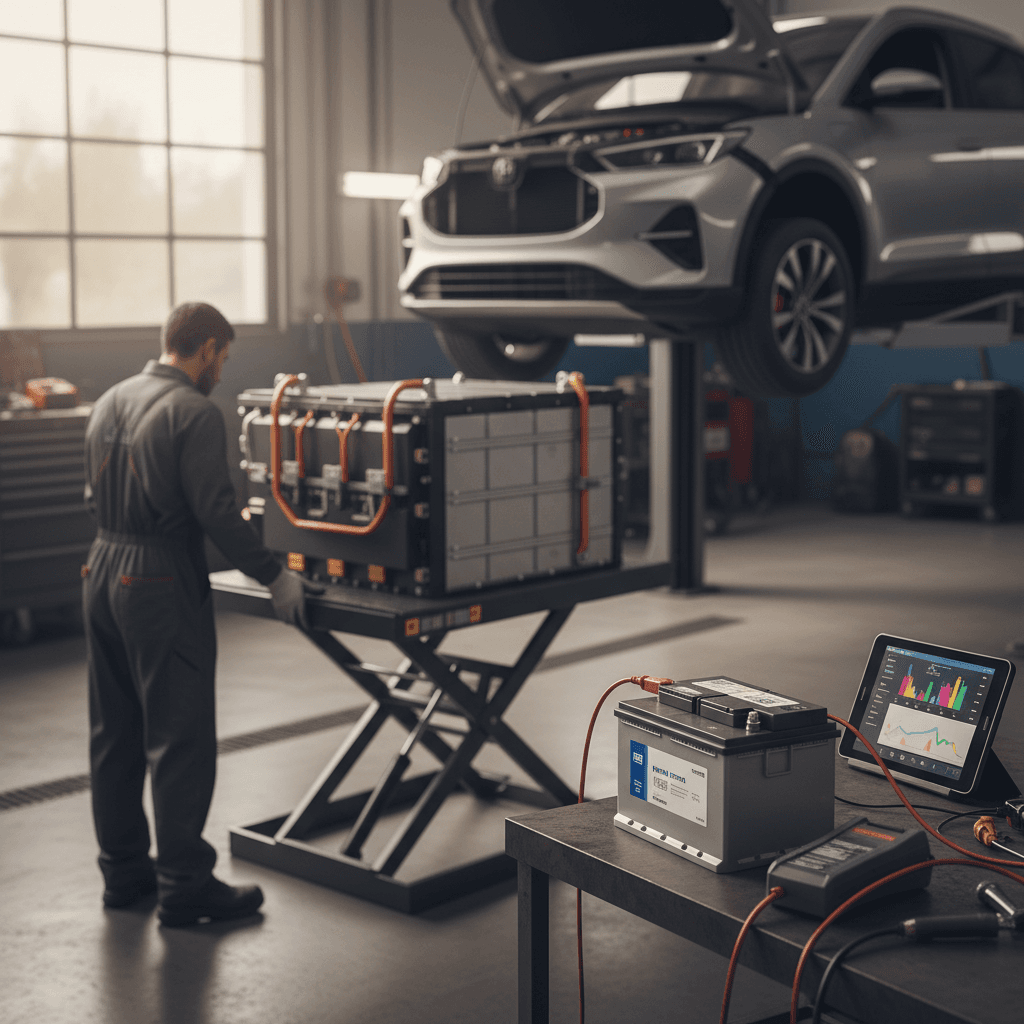
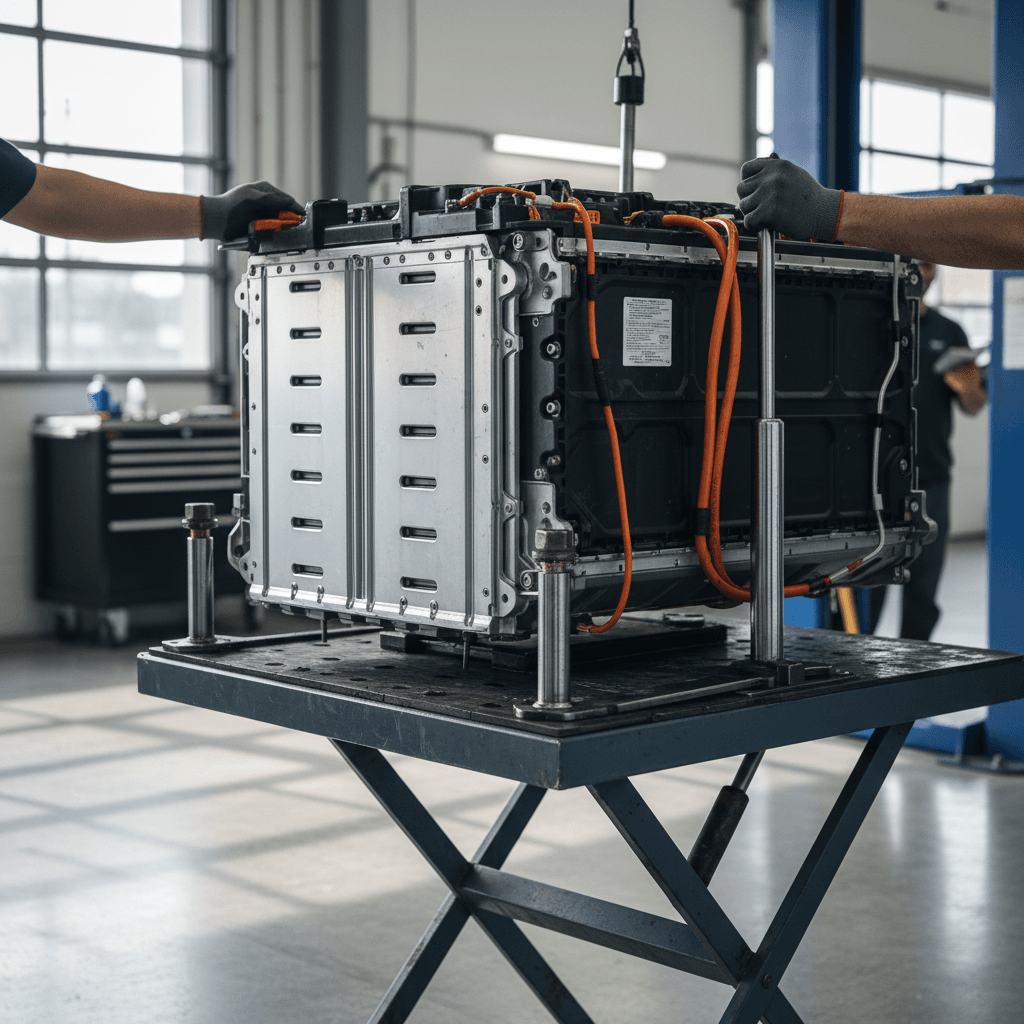
You’ll see wildly different answers when you search for car battery replacement cost because not all “car batteries” are created equal. A conventional gas car uses a small 12‑volt lead‑acid battery to start the engine and power accessories. A hybrid adds a second, much more expensive high‑voltage battery to assist the gas engine. A full battery electric vehicle (EV) relies on a large, complex pack that can store 60–100+ kWh of energy and weighs hundreds of pounds.
Three main types of “car batteries”
Each type has a very different price tag and life expectancy.
12‑volt starter battery
Found in gas cars, diesels, and most hybrids/EVs.
- Lead‑acid or AGM design
- Low capacity, low cost
- Typically replaced every 3–5 years
Hybrid drive battery
High‑voltage pack assisting the engine.
- Nickel‑metal hydride or lithium‑ion
- Moderate energy capacity
- Designed to last 8–15 years
Full EV battery pack
Primary power source in a BEV.
- Large lithium‑ion pack
- Very high replacement cost
- Usually warrantied 8 years/100k+ miles
Don’t confuse the 12‑volt with the EV pack
Average car battery replacement cost by vehicle type
Typical 2025 battery replacement cost ranges (parts + labor)
Those figures can look intimidating, but context matters. Most drivers will only see the lower end of that spectrum in routine ownership: a 12‑volt battery every few years and, for many EV owners, no high‑voltage battery replacement at all during the time they own the vehicle. The higher numbers are important to understand mostly for long‑term planning and when you’re evaluating a used hybrid or EV.
12‑volt battery vs hybrid battery vs EV pack: cost breakdown
12‑volt starter battery
- Parts cost: About $100–$220 for standard flooded lead‑acid, $200–$350 for AGM or premium units.
- Labor: $30–$80 at most shops; many chain stores install batteries purchased from them at low or no labor charge.
- Total typical bill: $150–$300 for most vehicles, $250–$450 for luxury and start‑stop systems that require registration or programming.
Many DIY‑savvy owners can replace a 12‑volt battery themselves, but modern cars sometimes require memory saving tools or computer resets, which adds complexity.
Hybrid & EV high‑voltage packs
- Hybrid battery parts: Often $1,500–$4,000 new from the manufacturer; refurbished options can be cheaper.
- Hybrid labor: $500–$1,500 depending on access and safety procedures.
- EV battery parts: $7,000–$15,000+ new, depending on pack size and brand.
- EV labor: $1,000–$3,000 because of specialized equipment, safety protocols, and pack programming.
High‑voltage packs require trained technicians and specialized tools, so DIY is not realistic. That’s why warranty coverage and verified battery health are so important for hybrids and EVs.
Car battery replacement cost comparison by type
Approximate 2025 cost ranges for common battery replacements, assuming out‑of‑warranty repairs.
| Battery type | Typical parts cost | Typical labor cost | Typical total cost | Replacement difficulty |
|---|---|---|---|---|
| Standard 12‑volt | $100–$220 | $30–$80 | $150–$300 | Easy |
| AGM / start‑stop 12‑volt | $200–$350 | $50–$120 | $250–$450 | Moderate (may need programming) |
| Hybrid high‑voltage pack | $1,500–$4,000+ | $500–$1,500 | $2,000–$6,000+ | Difficult (specialized) |
| Full EV battery pack | $7,000–$15,000+ | $1,000–$3,000+ | $8,000–$20,000+ | Very difficult (specialized) |
Actual prices vary by brand, region, and dealer vs independent shop pricing, but this table gives you ballpark figures for planning.
High‑voltage batteries are not DIY projects
Labor costs, fees, and taxes
When you’re comparing car battery replacement cost, don’t stop at the price of the battery itself. Labor, shop fees, and taxes can add 10–30% to the final bill, especially at dealerships in high‑cost areas. You might also see additional line items such as system testing or battery registration, which are legitimate on many modern vehicles.
- Diagnostic/testing fee: Many shops charge $30–$100 to test the battery, alternator, and starting system, sometimes waived if you buy the battery there.
- Battery registration/programming: Newer vehicles with start‑stop systems or advanced charging management often require the new battery to be registered with the car’s computer, adding $50–$150 in labor.
- Shop supplies and environmental fees: Small percentages or flat fees to cover recycling and disposables.
- Sales tax: Applied to both parts and, in some states, labor as well.
Ask for an out‑the‑door quote
How long car batteries actually last
Knowing how long a battery typically lasts helps you budget for replacement. Climate, driving habits, and how the car is stored all play a role, but there are some useful averages you can plan around.
Typical battery lifespan by type
These are broad averages, individual cars can do better or worse depending on use and climate.
12‑volt battery
- Average: 3–5 years in normal climates.
- Hot regions and frequent short trips shorten life.
- Garage parking and regular driving help.
Hybrid high‑voltage
- Average: Often 8–12+ years before noticeable capacity loss.
- Most OEM warranties cover at least 8 years/100,000 miles.
- Some hybrids run far longer on the original pack.
Full EV battery
- Average: Many EVs keep useful range well past 10 years.
- Capacity may slowly decline rather than “failing” suddenly.
- Thermal management and charging habits matter a lot.
Degradation vs failure
How to save money on car battery replacement
You can’t avoid replacing a worn‑out battery forever, but you can control when and how you pay for it. A little planning can easily shave 20–40% off your eventual car battery replacement cost, especially on conventional 12‑volt batteries.
Practical ways to cut battery replacement costs
1. Compare quotes from multiple shops
Call a dealership, at least one independent shop, and a national parts retailer that offers installation. Ask each for an itemized out‑the‑door price so you’re comparing apples to apples.
2. Consider high‑quality aftermarket batteries
For many vehicles, reputable aftermarket batteries meet or exceed OEM specs at a lower price. Just match the group size, cold cranking amps (CCA), and technology (flooded vs AGM).
3. Time your replacement before total failure
If your battery is 4+ years old and showing symptoms, slow cranking, dim lights, warning messages, plan replacement proactively. Getting stuck and paying emergency rates is almost always more expensive.
4. Check warranties and pro‑rated coverage
Battery warranties vary widely. A slightly more expensive battery with a longer free replacement period can be cheaper over its life than a bargain unit with a short warranty.
5. Maintain the charging system
A failing alternator or parasitic drain can kill a new battery quickly. Ask your shop to confirm the charging system is healthy before installing a new battery.
Small upgrades can pay off
EV battery replacement costs and buying a used EV
EV battery replacement headlines, often quoting $10,000–$20,000, can scare shoppers away from used electric vehicles. In reality, most drivers will never pay that bill. Long warranties, improved battery chemistry, and better thermal management mean many EVs keep useful range well past the typical ownership window.
What full EV pack replacement can cost
- Compact EVs (smaller packs): Common estimates range from roughly $8,000–$14,000 installed, depending on brand and pack size.
- Larger long‑range EVs: Replacement packs can push toward $15,000–$20,000+ installed, especially at dealer rates.
- Module‑level repairs: Some manufacturers and independent specialists can replace defective modules instead of the whole pack, significantly lowering cost, but availability varies by model.
These are “worst‑case” numbers and not something most owners will face, but they’re important to understand when evaluating very high‑mileage or poorly maintained EVs.
Why most EV owners never see that bill
- Long warranties: Many OEMs cover EV batteries for 8 years or 100,000–150,000 miles against defects and excessive capacity loss.
- Gradual degradation: Even after warranty, many packs retain 70–80% of original range, which is still adequate for daily driving.
- Resale timing: Many owners sell or trade the vehicle long before an out‑of‑warranty pack replacement becomes necessary.
The key is understanding the health of the battery you’re actually buying, not just what it cost when new.
Use objective battery health data when buying used
Warranties and insurance: what really gets covered
Before you budget for a big car battery replacement cost, make sure you’re not already paying for coverage that would take care of it. Between factory warranties, extended service contracts, and roadside assistance benefits, you may have more protection than you realize, though there are important limits.
- Factory 12‑volt battery warranties: Many new vehicles cover the original 12‑volt battery for 2–3 years. Replacement batteries bought from a dealer or retailer usually carry their own warranty (often 2–4 years, sometimes pro‑rated).
- Hybrid & EV high‑voltage warranties: Typically 8 years/100,000 miles, and often longer in states that follow certain emissions rules. Coverage generally applies to defects and excessive capacity loss, but normal degradation is expected.
- Extended warranties/service contracts: Some plans cover high‑voltage batteries, others exclude them. Read the fine print or ask directly before assuming you’re covered.
- Insurance policies: Standard auto insurance does not pay for wear‑and‑tear battery replacement, but it may cover a pack damaged in a crash, flood, or fire, subject to deductibles and policy limits.
Watch the fine print
Frequently asked questions about battery replacement cost
Common questions about car battery replacement cost
Key takeaways
If you remember nothing else about car battery replacement cost, remember this: most of the time, you’re dealing with a $150–$300 12‑volt battery, not a five‑figure EV pack. The scary numbers you see in headlines are real but uncommon, and they’re usually mitigated by long warranties and careful shopping. Whether you drive a gas car, hybrid, or full EV, keeping an eye on battery age, testing regularly, and comparing quotes can keep surprise expenses to a minimum.
If you’re considering a used electric vehicle, the best protection against unexpected battery costs is objective information. That’s why every EV listed on Recharged includes a Recharged Score Report with verified battery health, transparent pricing, and expert guidance. With the right data in hand, you can enjoy the benefits of electric driving without losing sleep over the battery beneath your feet.