If you’re thinking, “It’s time to sell my electric car in Pennsylvania,” you’re already juggling more questions than the average gas‑car owner. How do PA’s title rules work? Does battery health scare off buyers? Should you trade in, list it yourself, or get an online offer? This guide walks you through the Pennsylvania‑specific steps and the EV‑specific decisions so you can sell with confidence and move into your next car, electric or not, without second‑guessing yourself.
EV sales in PA are growing
Why selling an electric car in Pennsylvania feels different
Different rules than your gas‑car days
In Pennsylvania, every private‑party sale has to go through a PennDOT‑authorized agent or notary in person. Buyer and seller sit together, show ID, and complete the title transfer on the spot. That’s true whether it’s a pickup, a plug‑in hybrid, or a Tesla.
Different questions from buyers
EV shoppers don’t just ask about mileage and service records. They want to know about battery health, charging habits, and software history. If you can’t answer those clearly, you’ll leave money on the table, or lose the sale outright.
Think like a skeptical buyer
Step‑by‑step: How to sell an electric car in Pennsylvania
Your Pennsylvania EV selling game plan
1. Confirm you have a clear PA title
If there’s still a lien, contact your lender and get a lien release or electronic lien satisfaction. In Pennsylvania you can’t legally complete the sale or transfer registration without a clear title in your name.
2. Gather EV‑specific records
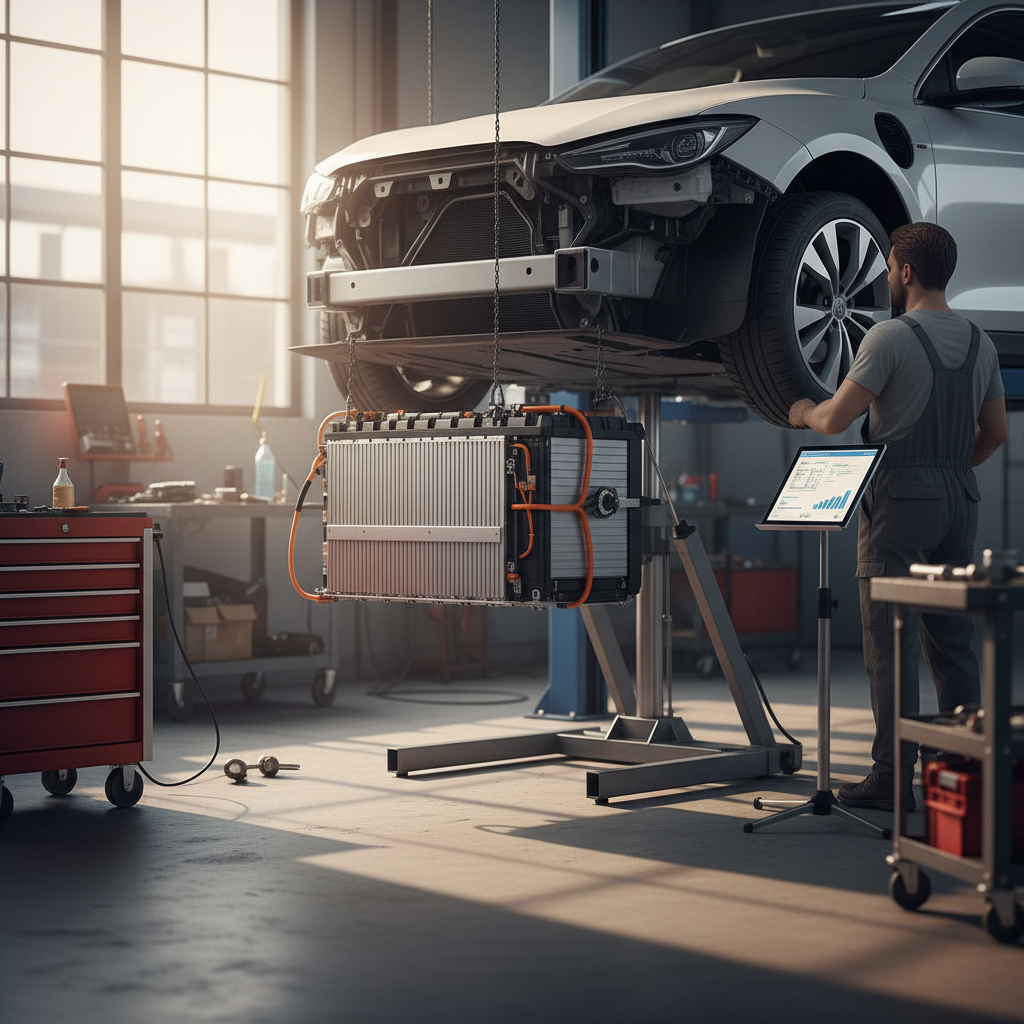
Collect service records, recall paperwork, and any battery or high‑voltage system repairs. If you’ve had a battery health report (like a <strong>Recharged Score</strong>), keep it handy, it’s proof your pack is in good shape.
3. Check for open recalls and software updates
Log into your manufacturer app or owner portal and confirm there are no unresolved safety recalls. For over‑the‑air‑update cars like Tesla, make sure you’ve installed recent updates to avoid buyer concerns.
4. Decide where you’ll sell
Will you trade in, sell to an online buyer, consign through an EV specialist, or list it privately? Your answer will affect both price and effort, more on those options below.
5. Prepare a realistic asking price
Use multiple sources, online offer tools, marketplace listings, and EV‑specific retailers, to triangulate a price that reflects mileage, battery health, and local demand in Pennsylvania.
6. Plan your notary or tag‑agent visit
In PA, buyer and seller must meet at a PennDOT‑authorized notary, tag office, or dealer to sign the title, show ID, and complete the transfer. Call ahead to confirm they handle electric vehicles and out‑of‑state titles if needed.
PA paperwork and title rules you can’t ignore
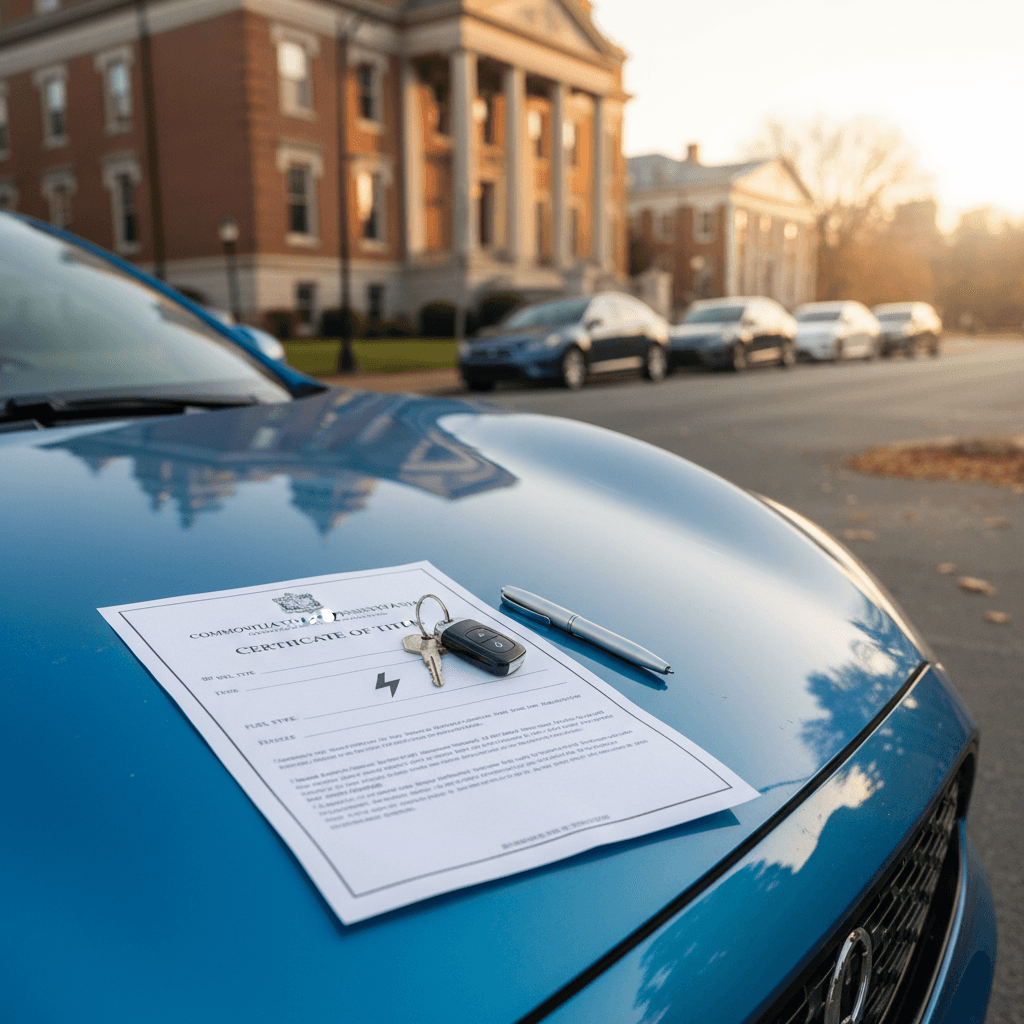
Pennsylvania is old‑school about vehicle ownership, which is good for you if you follow the rules and bad for you if you don’t. The entire sale hinges on the certificate of title. You and the buyer must sign it in front of a PennDOT‑authorized agent or notary, who will also verify IDs and record the odometer reading on the title or a separate disclosure form. Trying to hand over a signed title in a parking lot without a notary is asking for trouble, and can leave the car (and liability) still in your name.
Pennsylvania paperwork checklist for selling your EV
Keep this list handy when you head to the notary or tag office.
| Item | Who Brings It | Why It Matters |
|---|---|---|
| Pennsylvania title (clear of liens) | Seller | Proves you own the vehicle and can transfer it |
| Valid photo ID (PA license or state ID) | Both | Required for notarized signatures and title transfer |
| Odometer reading | Seller | Must be recorded on the title or a disclosure form |
| Bill of sale (optional but smart) | Both | Documents price, date, and any as‑is language |
| Proof of insurance | Buyer | Needed to register and plate the car in PA |
| Rebate / tax incentive paperwork (if applicable) | Buyer | Some buyers want this for used EV credits and PA rebate programs |
| Battery health report or service records | Seller | Gives buyers confidence about the high‑voltage battery |
Requirements are the same for EVs and gas cars, but EV buyers expect additional documentation around the battery and charging.
Don’t skip the notary
Pricing your electric car for the Pennsylvania market
Used EV prices have cooled after the 2021–2022 frenzy, but demand is still strong in metro areas like Philadelphia, Pittsburgh, Allentown, and along major commuting corridors. That means your pricing strategy needs to balance what you want with what your local market will bear, especially once shoppers factor in federal and Pennsylvania incentives on other vehicles they’re cross‑shopping.
Four levers that move your EV’s price in PA
You can’t control all of them, but you should understand each one.
Miles & use
Higher mileage isn’t always a deal‑breaker on an EV, but buyers do look closely at how the car was driven, highway commuter vs. rideshare duty vs. short city trips.
Battery health
A car that still delivers close to its original range, and can prove it, commands more money than one that’s lost a big chunk of capacity.
Charging story
Home‑charging, mostly Level 2, and limited DC fast‑charging use is attractive. A history of constant fast‑charging can spook savvy buyers.
Where you’re selling
Urban and suburban buyers with access to home or workplace charging will generally pay more than shoppers in rural areas with limited infrastructure.
Use multiple price references
Where to sell my electric car in Pennsylvania: options compared
You have the same selling channels as any gas car owner, but they behave differently with EVs. Some dealers still don’t understand electric cars or low‑miles‑per‑year patterns. Others are ravenous for clean used EV inventory. Here’s how the main options stack up.
Selling options for your electric car in Pennsylvania
Compare effort, price, and how EV‑friendly each route tends to be.
| Option | Typical Price | Effort Level | Pros | Cons |
|---|---|---|---|---|
| Trade‑in at a local dealer | Lowest to mid | Low | Instant sale, tax savings on your next purchase, one‑stop paperwork | Many dealers under‑value EVs or worry about battery risk |
| Online car‑buying sites (national) | Low to mid | Low | Fast quotes, pickup from home, no strangers at your house | Algorithms may not fully account for great battery health or options |
| Private sale (Facebook, Craigslist, classifieds) | Highest (if done right) | High | You set the price, more room to explain your EV’s story | Time‑consuming, test drives with strangers, more risk if paperwork is sloppy |
| EV‑specialist marketplace like Recharged | Mid to high | Medium | Built for EVs, battery health verified, nationwide buyer pool, help with PA paperwork | Still requires scheduling and a bit more time than an on‑the‑spot trade‑in |
Actual offers will vary by vehicle and timing, but this gives you a rough sense of trade‑offs.
How Recharged can help you sell
Ready to find your next EV?
Browse VehiclesHow battery health can make or break your sale
If you’ve ever shopped for a used smartphone, you know how it feels to see “battery at 71% of original capacity.” EV buyers feel the same way about the biggest, most expensive component in your car. Range loss over time is normal, but uncertainty kills deals. The more you can replace guesswork with data, the easier it is to get your price.
Why EV battery transparency matters to buyers
What a Recharged Score adds

Tax credits, rebates, and fees when you sell an EV in PA
Selling your EV doesn’t just change what’s in your driveway, it can affect incentives, taxes, and annual fees. In Pennsylvania, the buyer is usually the one chasing rebates and tax credits, but how you structure the deal (and what you disclose) still matters.
- Federal used EV tax credit (Section 25E): If your buyer is eligible and purchases from a participating dealer at or under the price cap, they may qualify for a used clean vehicle credit. Knowing this can make your price easier to swallow compared with a private‑party sale with no instant credit at the point of sale.
- Pennsylvania Alternative Fuel Vehicle (AFV) Rebate: The state has historically offered rebates on qualifying EV purchases through the Department of Environmental Protection. Programs evolve, so serious buyers will check current rules for new or used EVs when budgeting.
- Sales tax on private sales: The buyer pays PA sales tax when they title and register the vehicle. Agreeing on a realistic sale price and documenting it on a bill of sale helps avoid awkward questions at the counter.
- EV‑specific fees: Pennsylvania has moved toward EV‑specific road‑use or registration charges to replace fuel tax revenue. When you sell, some of that responsibility, and cost, shifts to the new owner after the next renewal cycle.
Be honest about price and incentives
Checklist: before you hand over the keys
Final walk‑through for a smooth EV hand‑off
Confirm title details are correct
Double‑check that your name, VIN, and lien information on the Pennsylvania title match the car and your ID. Correcting mistakes later is a headache you don’t need.
Print or save key EV documents
Have digital or paper copies of your owner’s manual, charging‑cable information, and any battery or high‑voltage system service records ready to share.
Gather charging equipment
Include the original mobile charge cord, any adapters you’re selling with the car, and, if applicable, wall‑mounted chargers you’ve agreed to leave with the buyer.
Explain your charging routine
Tell the buyer where you charged (home, work, public), how often you used DC fast charging, and what range you typically see on a full charge.
Set expectations about software and apps
Walk through how to remove your accounts, logins, and payment methods (for DC fast‑charging networks) and how the buyer can set up their own access.
Meet only at safe, official locations
Schedule the sale during business hours at a PennDOT‑authorized notary or tag service in a well‑lit area. Bring only what you need and trust your instincts with any buyer.
FAQs about selling an electric car in Pennsylvania
Common questions when you sell an EV in PA
The bottom line on selling your EV in Pennsylvania
Selling an electric car in Pennsylvania isn’t harder than selling a gas car, but it is less forgiving if you skip steps. Get your title and lien release squared away, collect your EV‑specific records, decide where you’ll sell, and be ready to answer smart questions about range and charging. With a realistic price and clear battery‑health information, you’ll stand out in a market that’s only getting more crowded.
If you’d rather not become your own salesperson, Recharged can help. You can explore a trade‑in, request an instant offer, or list your car on a marketplace built just for used EVs, with a Recharged Score Report, expert guidance on Pennsylvania paperwork, and even nationwide delivery for your buyer. That way, you can stop worrying about how to sell your electric car in Pennsylvania and start thinking about what you’ll drive next.