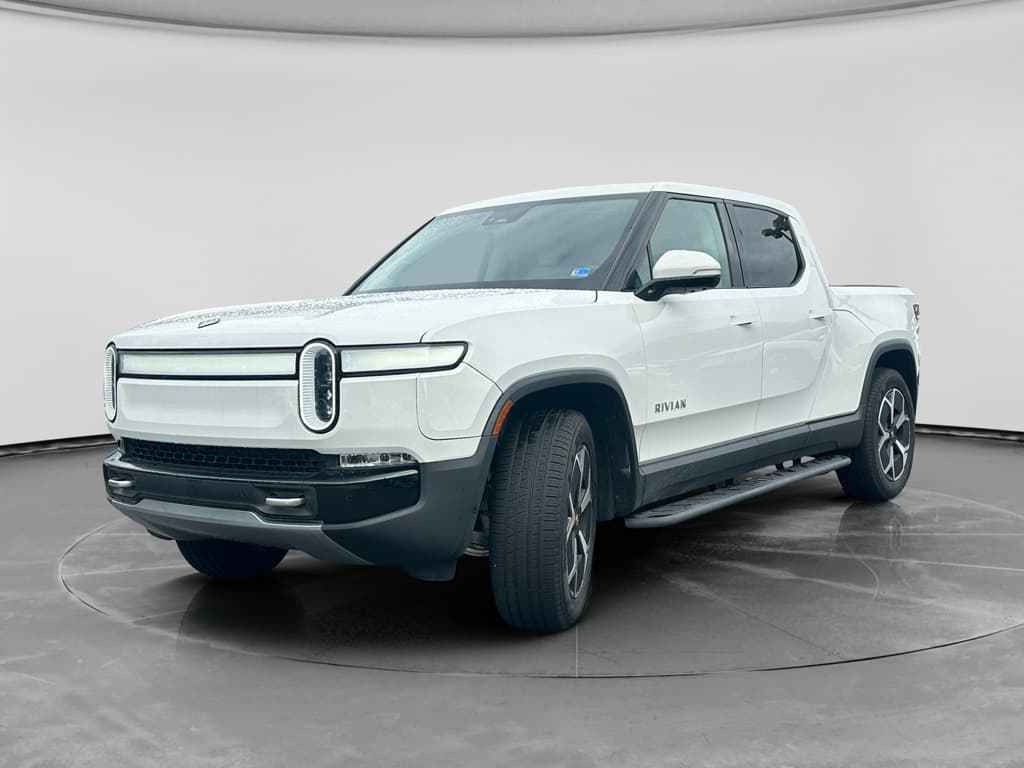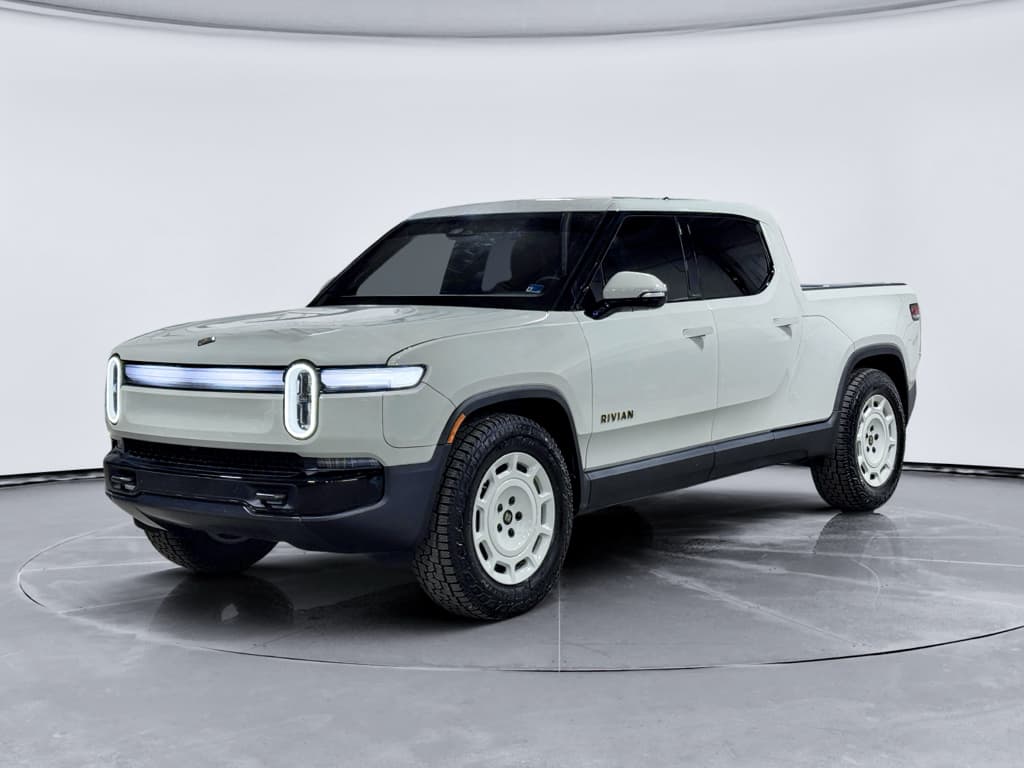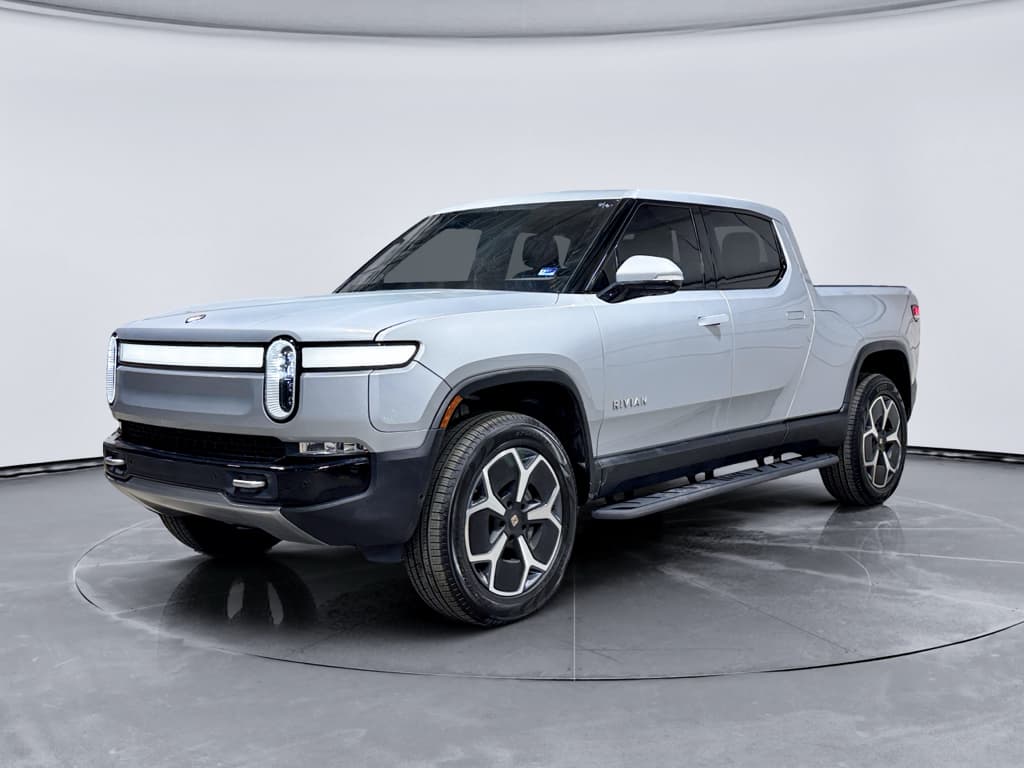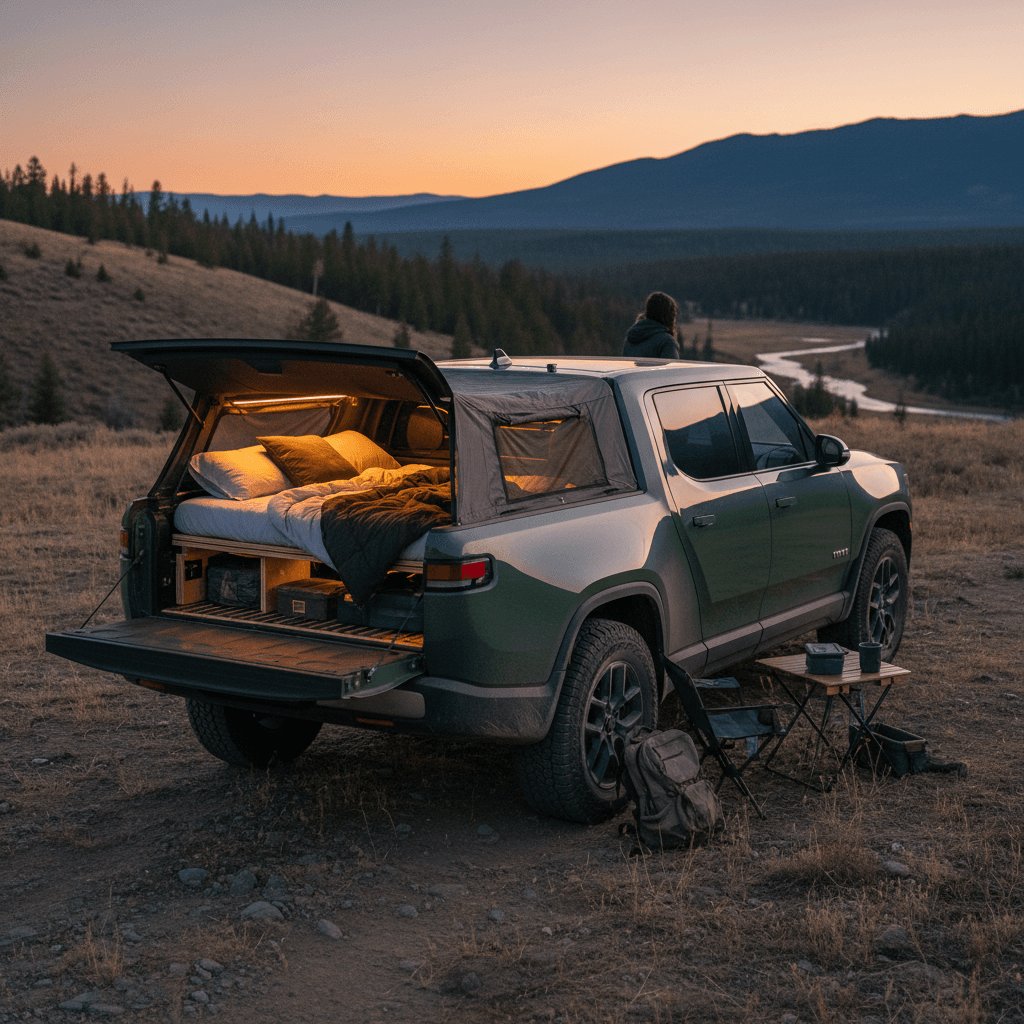
Yes, you can absolutely sleep in a Rivian R1T, and many owners already do. Thanks to its powered tonneau cover, flat bed floor, generous battery, and smart Camp Mode, the R1T can double as a compact electric camper if you set it up thoughtfully. This guide walks you through real‑world setups, comfort expectations, and battery‑friendly tips so you know exactly what you’re getting into before your first overnight.
Big picture
Can You Sleep in a Rivian R1T?
The short answer: yes, it’s practical to sleep in a Rivian R1T, especially for solo travelers or couples who don’t mind cozy quarters. Owners routinely use three basic approaches:
- Sleeping on a mattress in the truck bed under the powered tonneau or a bed tent
- Sleeping in a rooftop tent on a bed rack or camper shell
- Sleeping inside the cab with the seats folded or a custom platform (more of a niche solution)
Where the R1T really shines is its ability to keep the cabin or tent at a comfortable temperature all night with Camp Mode while using far less energy than a gas truck idling a heater or A/C. Because every Recharged vehicle comes with a Recharged Score battery health report, you’ll also know how much usable capacity you’re working with before you start planning multi‑night trips in a used R1T.
Rivian R1T space and dimensions for sleeping
Before you buy gear or build a platform, you need to understand what kind of real estate you’re working with. The R1T sits between midsize and full‑size trucks, so space is usable but not cavernous.
Key Rivian R1T dimensions that matter for sleep setups
Approximate factory dimensions that influence how and where you can sleep in an R1T. Always double‑check in your own truck before ordering a custom mattress or platform.
| Area | Approx. length | Approx. width | Notes for sleeping |
|---|---|---|---|
| Truck bed (tailgate up) | ~54 in | ~50 in between wheel wells | Good for a single sleeper or very cozy double under the tonneau. |
| Truck bed (tailgate down) | ~89 in | ~50 in between wheel wells | Plenty of length for tall sleepers with a bed extender, but your feet are outside the bed floor. |
| Cabin rear seat area | ~40–45 in usable | Width for two adults | Works only with creative platforms; not flat from the factory. |
| Rooftop / rack area | Varies by rack | Wide enough for most 2–3 person rooftop tents | Check weight ratings for any rack or camper system you add. |
Dimensions are approximate and can vary slightly by model year and trim.
Measure your own truck
Three main ways to sleep in a Rivian R1T
R1T sleeping options at a glance
From quick overnights to full overlanding builds, these are the common approaches.
1. In the bed, under cover
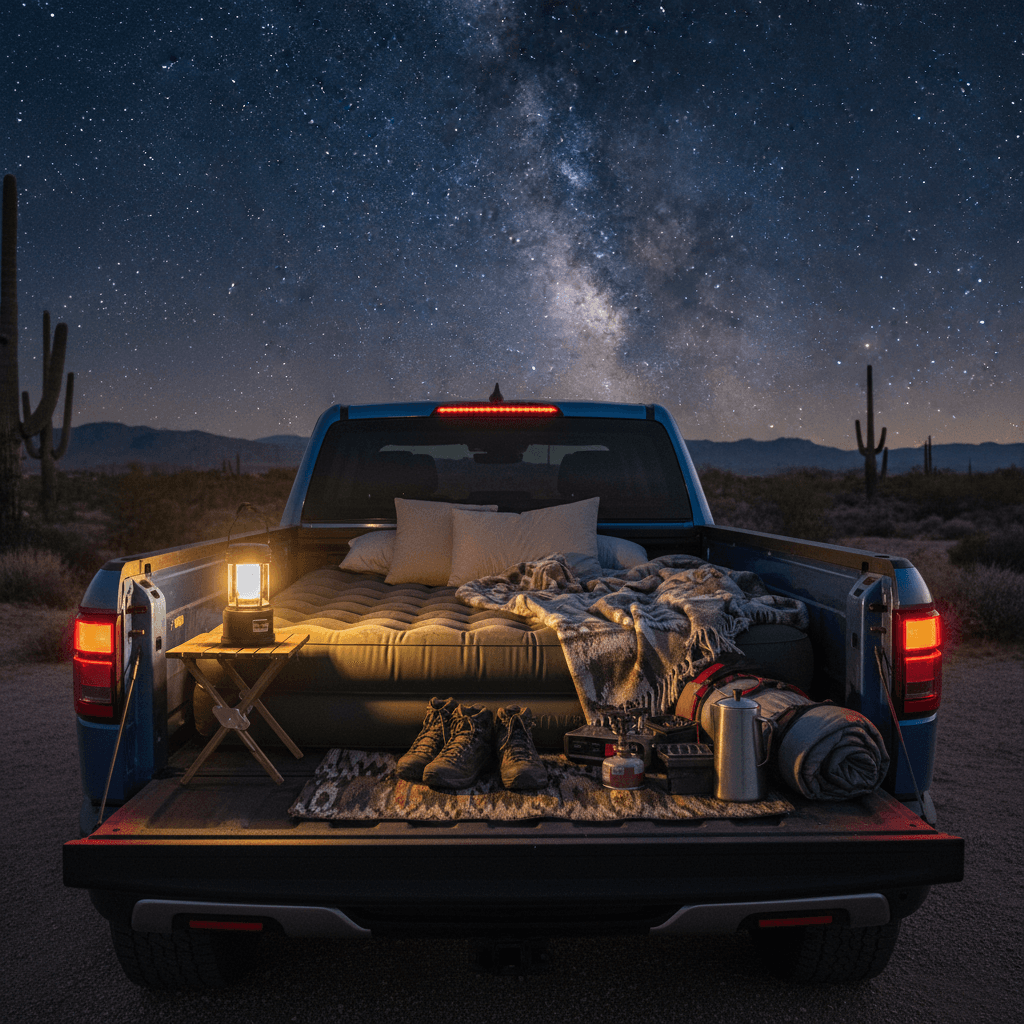
Use an air mattress or foam pad in the bed, then close the powered tonneau or add a bed tent. This is the simplest and most cost‑effective sleep setup for one or two people.
2. Rooftop tent on rack or camper
Mount a 2–3 person rooftop tent on a Rivian or aftermarket rack, or on a lightweight camper shell. Great for repeated trips, off‑road use, and quick deployment.
3. Inside the cab with a platform
Fold seats and build a custom platform to create a "micro‑RV" inside the cabin. Best for stealth camping or bad weather, but requires more fabrication and compromise.
Option 1: Sleeping in the truck bed
For most owners asking, “Can you sleep in a Rivian R1T?” this is the layout they’re picturing. With the tailgate up, the bed is about 54 inches long and just over 50 inches wide at its narrowest, which works well for:
- Solo sleepers who like to lie diagonally
- Couples who are okay with a slightly shorter sleeping surface (especially if you’re under ~5'8"–5'9")
- Anyone pairing the bed with a compact bed‑specific tent or soft topper
If you’re taller, you can sleep with the tailgate down and use a bed extender or platform that bridges the gap to the open tailgate. That gets you close to 7.5 feet of usable length, at the cost of a more exposed foot area.
Mattress sizing tip
Option 2: Rooftop tent or camper shell
If you want more headroom, real standing space, or room for kids, a rooftop tent (RTT) or lightweight camper top turns the R1T into a compact adventure rig. After Rivian paused its original Yakima‑based bed tent offering, most owners move to aftermarket solutions from brands like iKamper, Yakima, and GoFastCampers.
- Rooftop tents mount to bed racks or over‑cab racks and usually sleep 2–3 people.
- Wedge‑style camper shells give you a protected interior space plus a lofted bed, along with side access panels for gear.
- Most modern RTTs set up in just a few minutes, which is a big plus on road trips with late‑night arrivals.
Watch roof and rack weight
Option 3: Sleeping inside the cab
A smaller group of owners prefers to sleep fully inside the cabin for stealth camping or harsh weather. From the factory, the R1T’s rear seats don’t fold into a truly flat, long bed, so you’ll need creativity:
- Build a multi‑piece platform that spans from the rear seats to the front seatbacks, filling footwells and gaps with foam blocks or custom cutouts.
- Use a purpose‑built inflatable that’s designed for back‑seat camping and tweak it to fit the R1T’s floorpan.
- Accept a slightly angled or uneven surface for shorter overnight stints rather than multi‑night stays.
If you’re tall or you toss and turn, the cab option will feel tighter than the bed or a rooftop tent. Think of it as an emergency or stealth option first, not your primary long‑trip setup.
Using Camp Mode: comfort and battery drain
Camp Mode is one of the biggest reasons sleeping in a Rivian R1T is actually pleasant. Instead of idling an engine, you’re sipping power from a massive battery to keep things level, quiet, and comfortable.
What Camp Mode does for overnight stays
These settings turn your R1T from truck into tiny cabin.
Climate control
Keep the cabin or tent at a steady temperature all night, no waking up freezing at 3 a.m. or cracking windows in summer heat. You can direct airflow to the cabin and still sleep in a tent next to the truck.
Suspension leveling
The R1T’s air suspension can level the truck on uneven ground, so you don’t roll to one side of the bed. Pick your ride height, then let the system settle itself.
Lighting & power
Control interior lights, power outlets, and even accessory 120V plugs without the usual "door open" chimes or shutdown behavior. It makes using induction cooktops, fridges, or laptops at camp much easier.
Quiet mode
Limits loud alerts and chimes so you’re not startled awake every time someone cracks a door or shifts in their sleeping bag.
How much battery does Camp Mode use?
Battery‑friendly Camp Mode setup
1. Start the night with a healthy state of charge
For most trips, aim to arrive at camp with at least 40–60% battery so you can comfortably run climate overnight and still have range to reach the next fast charger.
2. Dial back extreme temperatures
Instead of 68°F on a freezing night, try 60–62°F with a warm sleeping bag. Each degree you give back to the truck is energy you keep for driving.
3. Use seat heaters and warm bedding
Seat heaters use less power than full‑blast cabin heat. Combine them with an insulated pad and a quality sleeping bag to stay comfortable with lower HVAC load.
4. Limit power‑hungry accessories
Fridges, induction cooktops, and lighting are fine, but avoid running high‑draw devices all night. Charge laptops and phones during the drive when the pack is already working.
5. Set suspension height before bed
Pick a moderate ride height and let the truck level before you climb in. Minimizing overnight adjustments keeps compressor noise down and saves a little energy.
Comfort, noise, and climate: what it really feels like
From a comfort standpoint, sleeping in a Rivian R1T feels more like sleeping in a modern, quiet cabin than an old‑school truck. There’s no diesel clatter, no exhaust smell, and no idling vibration. What you will notice depends mostly on your setup and expectations.
Comfort advantages
- Quiet, steady climate control without engine noise or fumes.
- Excellent insulation compared with a ground tent, especially if you’re in the cab or under the tonneau.
- Instant light and power for reading, cooking, or charging electronics.
- Low step‑in height and wide doors for loading bedding and gear.
Comfort trade‑offs
- Less space than a full‑size pickup, especially for two tall adults sleeping entirely inside the bed.
- Occasional compressor or fan noise as the air suspension and HVAC adjust.
- Condensation in colder, humid conditions without ventilation, crack a window slightly or use the vent function in Camp Mode.
Dial in your first night
Essential gear for sleeping in a Rivian R1T
You don’t need a $5,000 custom build to sleep well in your R1T. Start with core comfort items, then add storage and cooking solutions as you figure out your style of travel.
Core gear for a simple but comfortable R1T sleep setup
Focus on insulation, simplicity, and gear that packs small.
Bed‑friendly mattress or pad
A 3–4" self‑inflating pad or trimmed memory‑foam topper sized to ~48–50" wide fits well in the bed. Thicker pads smooth out the molded bed floor and reduce pressure points.
Three‑season sleeping bag + liner
Pair a good 20–30°F bag with a lightweight liner so you can adjust for different temperatures instead of relying entirely on the truck’s HVAC.
Soft storage cubes
Use soft duffels or cubes that can tuck into the Gear Tunnel or bed corners. Hard cases are great for kitchens or recovery gear but can steal foot room at night.
Compact induction cooktop or stove
Many R1T campers now use a single‑burner induction cooktop plugged into the bed outlet for quick meals, backed up by a small gas or butane stove for remote trips.
Soft, dimmable lighting
Battery‑powered string lights, small lanterns, or dimmable puck lights go a long way toward making the bed or tent feel like a proper room instead of a cargo area.
Organization for the Gear Tunnel
Slide‑out trays or modular crates in the Gear Tunnel keep heavy items low and out of the way so your sleep space stays clear of clutter.
How Recharged can help
Ready to find your next EV?
Browse VehiclesRange and charging strategy for R1T camping
Sleeping in your truck barely dents the R1T’s pack compared to a full day of driving, but it still pays to think about energy like you’d think about water at a remote campsite, plan ahead, and don’t waste it.
Typical overnight energy use when sleeping in an EV
Range‑smart planning for R1T camping trips
1. Plan charging near your campsite
When possible, finish your last fast‑charge stop within 30–60 miles of where you’ll sleep, so you start the night with a healthy state of charge and don’t have to hyper‑mile on day two.
2. Account for weather and elevation
Cold temps, headwinds, steep climbs, and off‑road sections all eat into range. Add a 10–20% buffer if you’re camping in the mountains or in winter.
3. Watch accessory drag
Bed racks, rooftop tents, and campers can cut highway efficiency. If your tent lives on the truck, assume a permanent range hit and plan your fast‑charge stops accordingly.
4. Use slower charging at camp when available
If your campsite or cabin has a 120V or 240V outlet, bring a portable EVSE. Even a 120V trickle charge overnight can replace part of your Camp Mode draw.
5. Check nearby public chargers in advance
Before you head out, mark backup chargers in apps like PlugShare or the Rivian app in case a preferred station is busy or offline.
Is the Rivian R1T a good camping truck?
If your idea of camping is towing a 30‑foot travel trailer every weekend, the R1T isn’t your truck. But if you want a mid‑size electric pickup that can handle trailheads, forest roads, and national‑park campgrounds while also commuting quietly during the week, the R1T is one of the most capable camping EVs on the market.
- Enough bed space and width for a practical sleep setup with the tailgate up or down
- Strong aftermarket support for racks, rooftop tents, and camper shells
- Huge onboard battery for quiet, fume‑free overnight climate control
- Excellent traction and ground clearance for reaching dispersed campsites
The key is to be honest about how you camp. If you mostly take a few long weekends a year, a simple bed mattress, some smart storage in the Gear Tunnel, and Camp Mode will serve you very well. If you’re planning months on the road, a rooftop tent or camper system plus careful range planning will deliver a much more livable tiny‑home experience. Either way, sleeping in a Rivian R1T is not only possible, it can be one of the truck’s best party tricks when you set it up right.