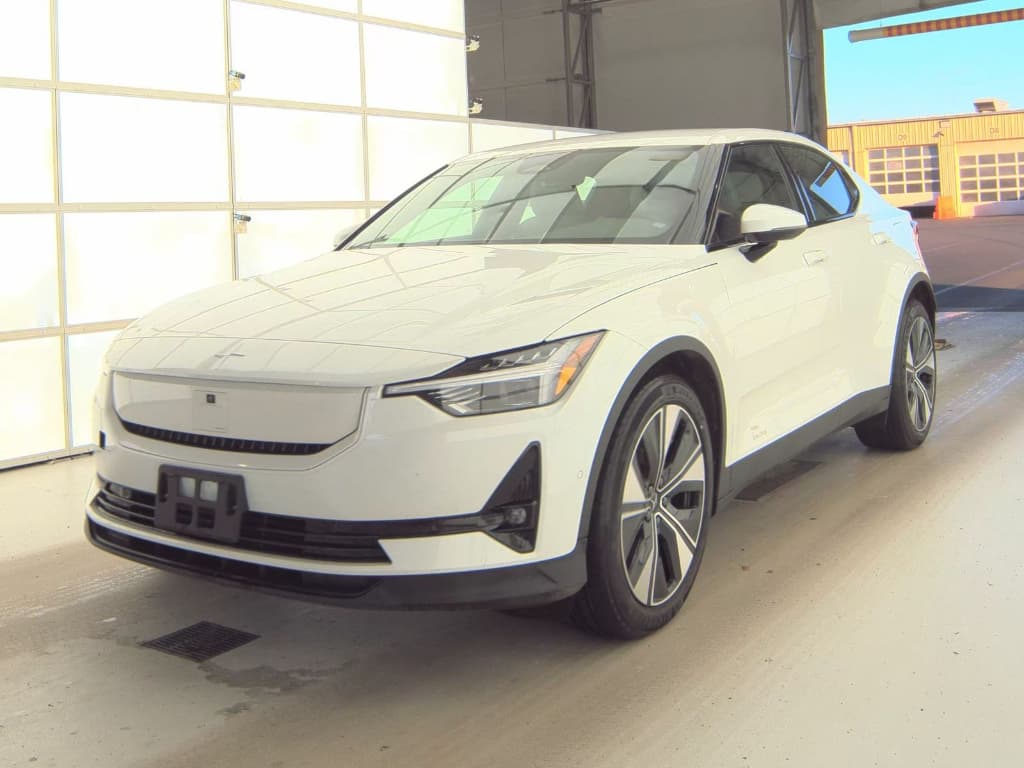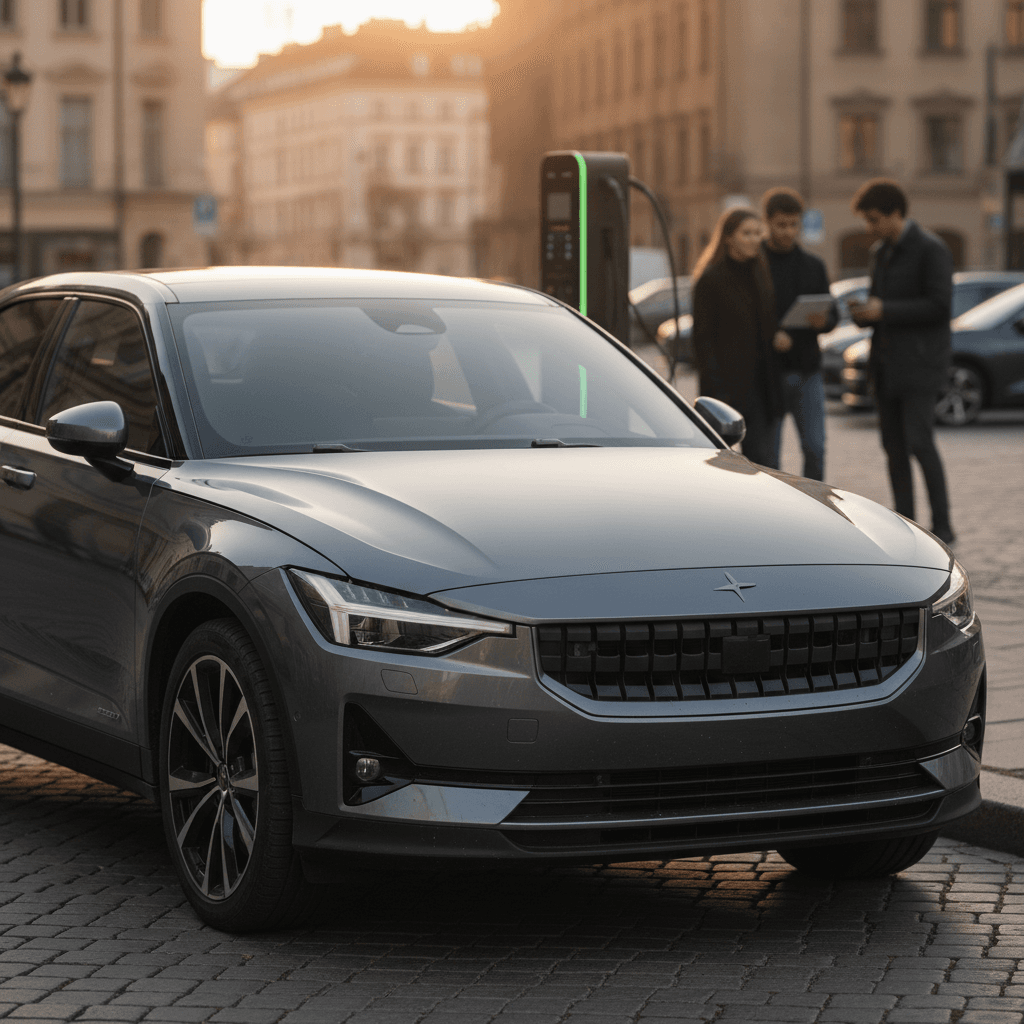
If you like minimalist Scandinavian design but don’t want to follow the Tesla herd, the question naturally comes up: is the Polestar 2 worth buying in 2026? The answer depends on whether you’re eyeing a heavily discounted used example or paying full freight for a new, high-performance model, and on how comfortable you are living with a stylish but still relatively low‑volume EV brand.
Snapshot verdict
Quick answer: is the Polestar 2 worth buying in 2026?
Polestar 2 2026 pros and cons at a glance
Where it shines, where it stumbles
Why it can be worth it
- Beautiful interior and design with a more premium, understated feel than many rivals.
- Google-based infotainment that’s intuitive and constantly updated over the air.
- Strong performance, especially on dual‑motor and Performance Pack cars.
- Heavy early depreciation makes 2021–2023 models surprisingly affordable used.
- Good real‑world range on long‑range variants, especially post‑refresh cars.
Why you might skip it
- Depreciates faster than many German luxury sedans and some rival EVs.
- Reliability is mixed, with a noticeable number of software glitches and hardware niggles reported.
- Polestar’s service network is sparse in many parts of the U.S.
- Newer Polestar 2s compete against fresher designs (Model 3 refresh, Hyundai Ioniq 6, etc.).
- Seat comfort and rear headroom are common complaints if you haul adults often.
If you’re buying new in 2026, the Polestar 2 mainly makes sense if you love the brand’s design and driving feel and you live reasonably close to a service partner. If you’re buying used, especially a 2021–2023 car at the right price with verified battery health, it can be one of the smarter ways to get into a premium EV fastback without paying new‑car money.
Polestar 2 at a glance: 2021–2025 model years
Before you can decide whether the Polestar 2 is worth buying in 2026, you need to understand how the car has evolved. The basic recipe is the same, compact premium electric fastback, but there are important year‑to‑year differences in range, motors, and pricing.
Polestar 2 U.S. model year cheat sheet
High‑level overview of how the Polestar 2 lineup has changed, 2021–2025.
| Model year | Key variants | Approx. usable battery | EPA‑style range ballpark | Notable changes |
|---|---|---|---|---|
| 2021 | Launch Edition dual motor | ~75 kWh | 220–233 miles | First U.S. cars; well equipped but modest range vs. 2026 standards. |
| 2022 | Single‑motor LR, dual‑motor LR | ~75 kWh | up to mid‑260s miles (SM LR) | Single‑motor long‑range model arrives, improving value and efficiency. |
| 2023 | Refinements to SM & DM | ~75 kWh | similar to 2022 | Software refinements, option tweaks; still early‑generation hardware. |
| 2024 | Updated motors, higher efficiency | ~79–82 kWh | up to ~320+ miles (SM LR est.) | Hardware refresh with stronger motors and more range for many trims. |
| 2025 | Long‑range focus, performance skew | 82 kWh | mid‑200s to 300+ miles, trim‑dependent | Lineup leans into higher‑spec, higher‑performance variants; pricing climbs. |
Exact specs and trims vary by market; this focuses on the U.S. picture.
Model‑year sweet spot
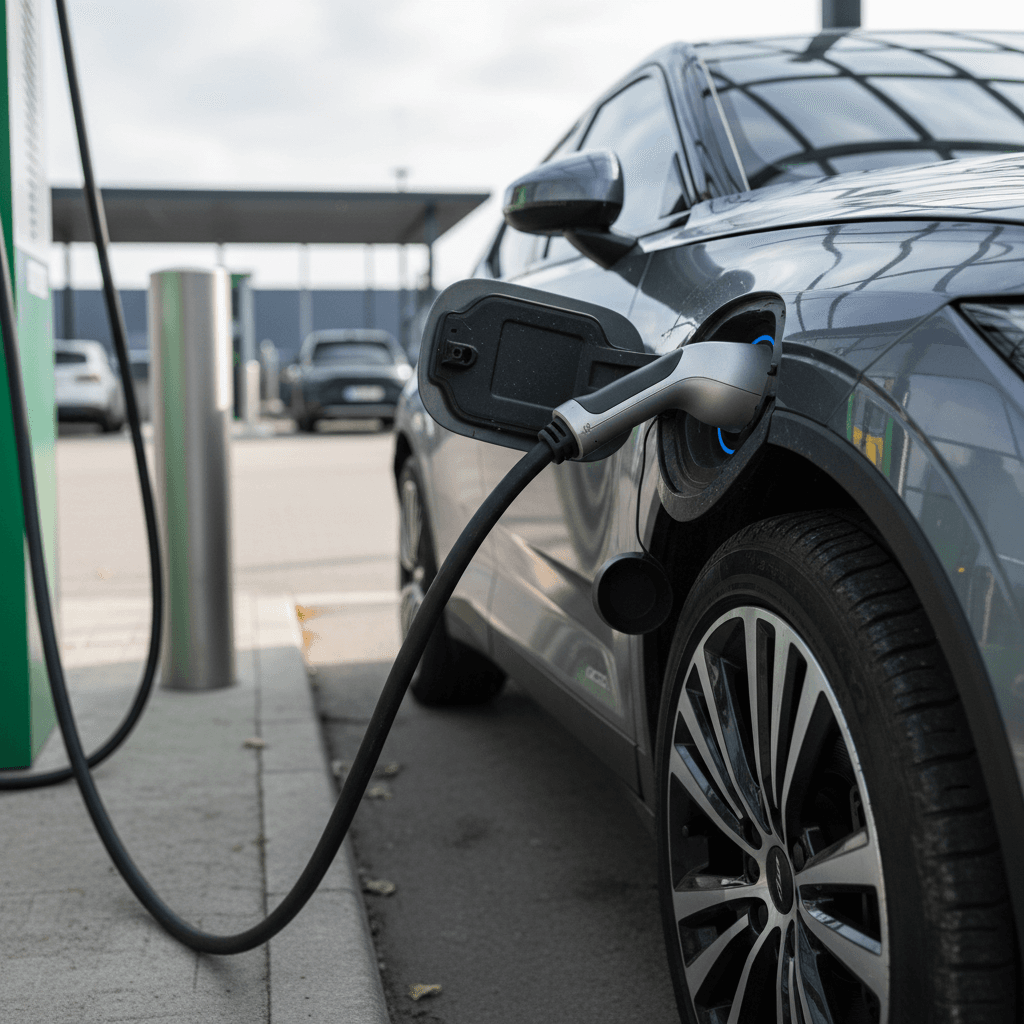
Range, battery and charging: what to expect
Polestar has incrementally improved the 2’s powertrain, especially from 2024 onward, but the broad strokes are consistent: a battery in the low‑ to mid‑80‑kWh range on long‑range cars and performance that’s more than adequate for U.S. highways.
Polestar 2 range and charging benchmarks (typical)
If you do a lot of highway driving, prioritize long‑range single‑motor cars for their efficiency. Dual‑motor and Performance Pack cars are quicker but use more energy and tend to have slightly lower range in the real world, especially on big wheels.
Wheel and climate caveat
Reliability and service: the elephant in the room
Here’s where the decision gets less straightforward. The Polestar 2 hasn’t been a disaster, but it also hasn’t earned a bulletproof reputation. Owner reports over the first several years point to a split experience: some drivers sail along with minimal issues, while others encounter a string of software bugs, infotainment glitches, and occasional hardware failures.
- Software and infotainment issues: Google‑based infotainment is excellent when it works, but some owners report reboots, lag, or blank screens that require dealer visits.
- Early‑build quirks: 2021 and some 2022 cars were more likely to see "first‑generation" problems that Polestar later ironed out with updates and running changes.
- Parts availability and service delays: In the U.S., parts often ship from Europe, and the limited service network can mean longer wait times than you’d see with a mainstream brand.
- Open recalls and investigations: As of late‑2025, the Polestar 2 has accumulated multiple recalls and owner complaints, including investigations related to camera and display behavior.
Out‑of‑warranty risk
Factory warranty basics (typical)
- 4 years/50,000 miles bumper‑to‑bumper coverage.
- 8 years/100,000 miles battery and high‑voltage system coverage, usually to ~70% capacity.
- Roadside assistance during basic warranty term.
Always confirm exact terms for the specific VIN you’re considering.
What this means in 2026
- Many 2021 cars are out of basic warranty; 2022s are close or just out depending on in‑service date.
- Battery coverage should still apply on 2021–2023 cars, but it doesn’t cover every failure.
- If you live far from a Polestar or Volvo service point, downtime risk is real if something fails.
Depreciation and used prices: bargain or risk?
Viewed through a depreciation lens, the Polestar 2 is a classic early‑cycle premium EV: expensive new, then a surprisingly quick slide into the high‑$20,000s to mid‑$30,000s after just a few years. That’s painful for first owners, but it creates opportunity in 2026 if you’re shopping used.
Polestar 2 depreciation snapshot (typical U.S. market)
If you’re buying new, this depreciation profile is a reason for pause unless you plan to keep the car for a long time or accept that you’re paying a design and brand premium. If you’re buying used in 2026, that same curve is exactly why a clean 2022 or 2023 car at an honest price can be a very rational choice.
When depreciation works in your favor
How it compares: Tesla Model 3 and other rivals
No one shops a Polestar 2 in a vacuum. In 2026, its main rivals for U.S. buyers are the Tesla Model 3 (including the refreshed “Highland” version), Hyundai Ioniq 6, and, to a lesser extent, cars like the BMW i4 and Kia EV6 for buyers cross‑shopping body styles.
Polestar 2 vs key 2026 rivals
High‑level comparison for shoppers
Polestar 2
- Strengths: Premium cabin, distinctive styling, Google infotainment, strong used‑car value.
- Weaknesses: Smaller dealer network, mixed reliability reports, tighter rear seat.
Tesla Model 3
- Strengths: Huge fast‑charging network, excellent efficiency, strong performance, robust OTA software pace.
- Weaknesses: Sparse interior feel, variable build quality, more common on the road.
Hyundai Ioniq 6 / BMW i4
- Strengths: Strong warranties (Hyundai/Kia), established dealer networks, competitive range and tech.
- Weaknesses: Interface learning curve, some models feel less special inside than Polestar.
The real comparison question
Who the Polestar 2 is perfect for, and who should pass
Great fit if you…
- Want a premium EV fastback that doesn’t look like every other car in the parking lot.
- Value interior quality and design on par with Volvo and other European brands.
- Live within a reasonable distance of a Polestar or Volvo service partner.
- Are shopping the used market and can take advantage of early depreciation.
- Are comfortable doing a bit more homework on warranty status and software updates.
Might want to look elsewhere if you…
- Live hundreds of miles from the nearest Polestar or Volvo service location.
- Need bulletproof long‑distance support and minimal downtime, no questions asked.
- Plan to own only a couple of years and are very sensitive to resale value.
- Regularly carry tall adults in the back seat (rear headroom is only so‑so).
- Prefer the largest possible charging network and minimal planning (Tesla has the edge here).
Buying checklist for a used Polestar 2
If you decide the Polestar 2 is worth buying in 2026, the difference between a great purchase and a headache often comes down to how carefully you evaluate a specific car. Use this checklist as a starting point.
Essential checks before you commit
1. Confirm warranty status
Ask for the in‑service date to see how much of the <strong>4‑year/50,000‑mile</strong> basic warranty remains. Even if basic coverage is gone, confirm that the <strong>8‑year/100,000‑mile battery warranty</strong> is intact and free of exclusions.
2. Get objective battery health data
Battery condition is the heart of any used EV’s value. A <strong>Recharged Score battery health report</strong> can show you how a Polestar 2’s pack compares to peers with similar age and mileage, not just what the dash guess‑o‑meter says.
3. Review recall and campaign history
With multiple recalls and software campaigns issued over the years, it’s critical to see which have been completed. Ask for a <strong>dealer service history printout</strong> or use VIN‑based recall tools before you agree to buy.
4. Inspect for software and infotainment glitches
On a test drive, pay close attention to the <strong>center screen, Google apps, and driver display</strong>. Any lag, black screens, or recurring error messages may require dealer attention, and are negotiation points if you still want the car.
5. Check for water leaks, wind noise and squeaks
Like many early EVs, some Polestar 2s show build‑quality quirks. Listen for <strong>wind noise around the mirrors and pillars</strong>, and inspect carpets and cargo areas for signs of moisture or musty smells.
6. Verify fast‑charging behavior
If possible, do a short DC fast‑charge session. Watch for <strong>reasonable charge speeds</strong> and stable behavior. A pack that throttles unusually early or triggers faults may need deeper investigation.
Leverage third‑party inspections
How Recharged helps you buy a Polestar 2 smarter
If you decide a Polestar 2 belongs in your driveway, where you buy matters just as much as what you buy. Because the car’s depreciation, software history, and battery health can vary widely from one VIN to the next, a transparent process is your best friend.
What you get with a Polestar 2 from Recharged
Designed around the realities of used EVs
Recharged Score battery diagnostics
Fair‑market pricing
EV‑specialist support
Ready to find your next EV?
Browse VehiclesYou can finance, trade in, or get an instant offer on your current vehicle, complete paperwork digitally, and arrange nationwide delivery if you’re not local. For a model like the Polestar 2, attractive but still evolving, having that extra layer of validation and support can make all the difference between a confident buy and an expensive experiment.
FAQs: is the Polestar 2 worth buying in 2026?
Common questions about the Polestar 2 in 2026
Bottom line: should you buy a Polestar 2 in 2026?
If your question is, “Is the Polestar 2 worth buying in 2026?”, the honest answer is: it can be a smart, rewarding choice for the right buyer, and a frustrating one for the wrong buyer. As a used EV, particularly in 2022–2023 long‑range form, it’s a bit of a hidden gem: premium looks, a great driving experience, and pricing that reflects the heavy first‑owner depreciation.
As a new‑car purchase, you need to be realistic about resale value, service access, and the pace of EV progress. If you understand those trade‑offs and still love the way the Polestar 2 looks and drives, it can absolutely be worth it. And if you’d rather have help sorting the standouts from the sketchy examples, starting your search with Recharged, and its built‑in Recharged Score battery health diagnostics, can turn a niche‑brand EV into a confident, data‑driven purchase.