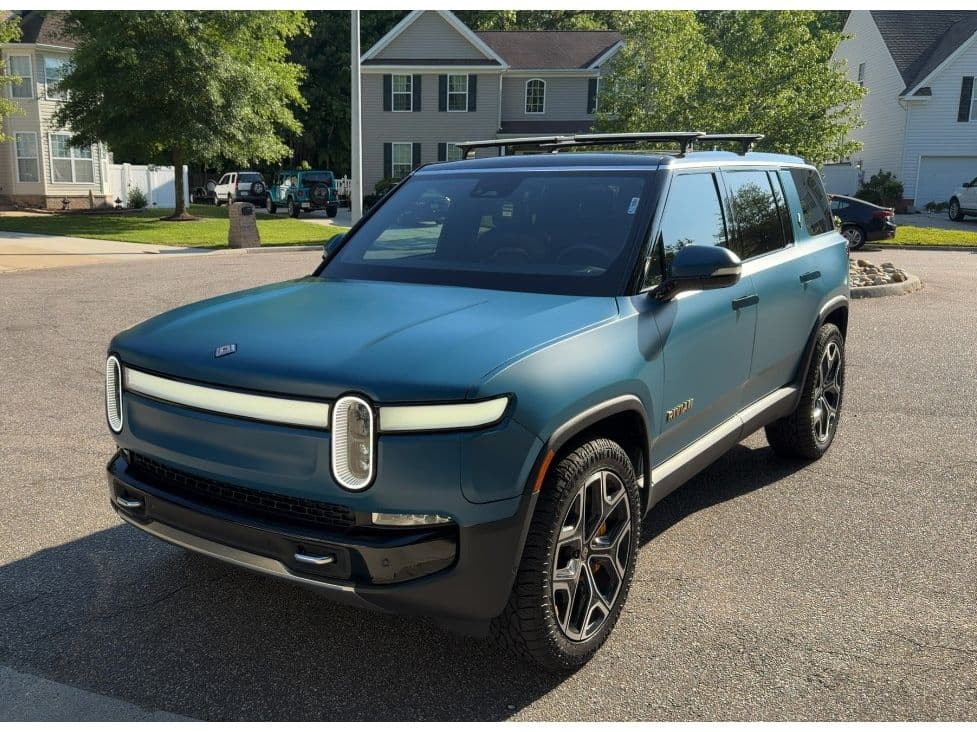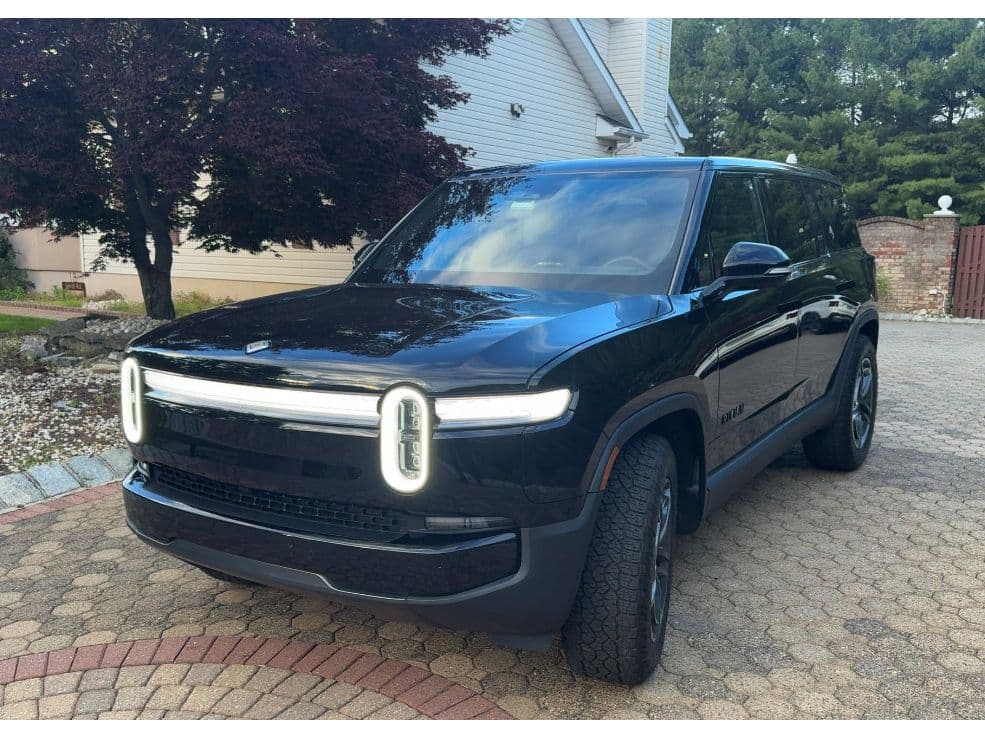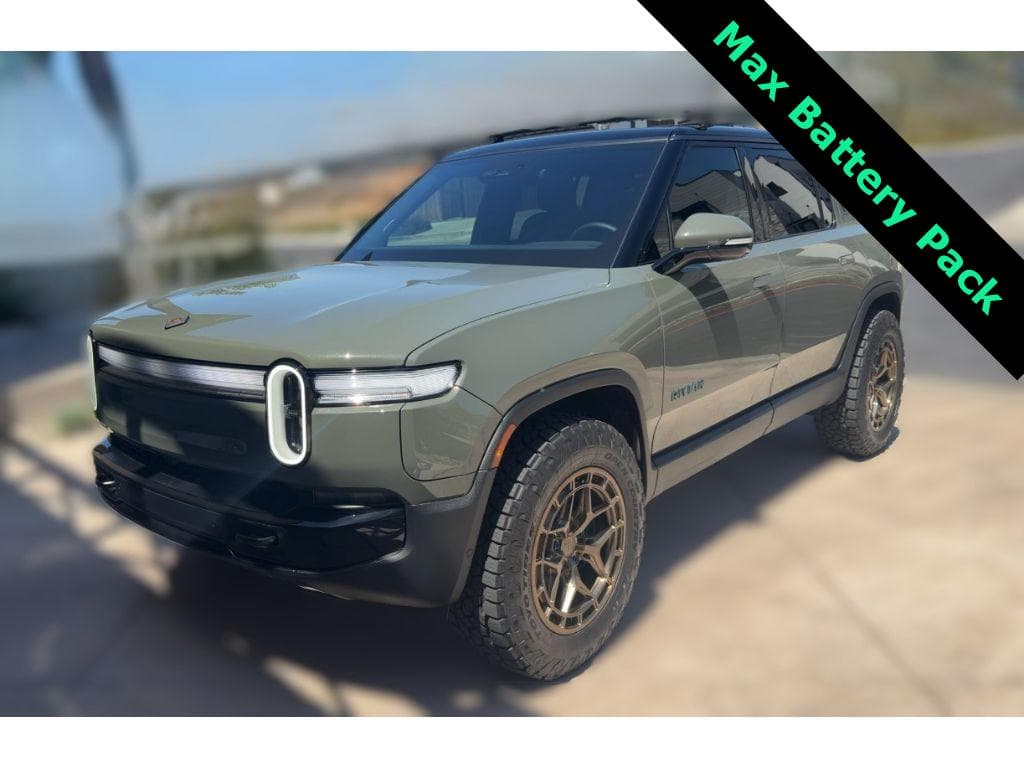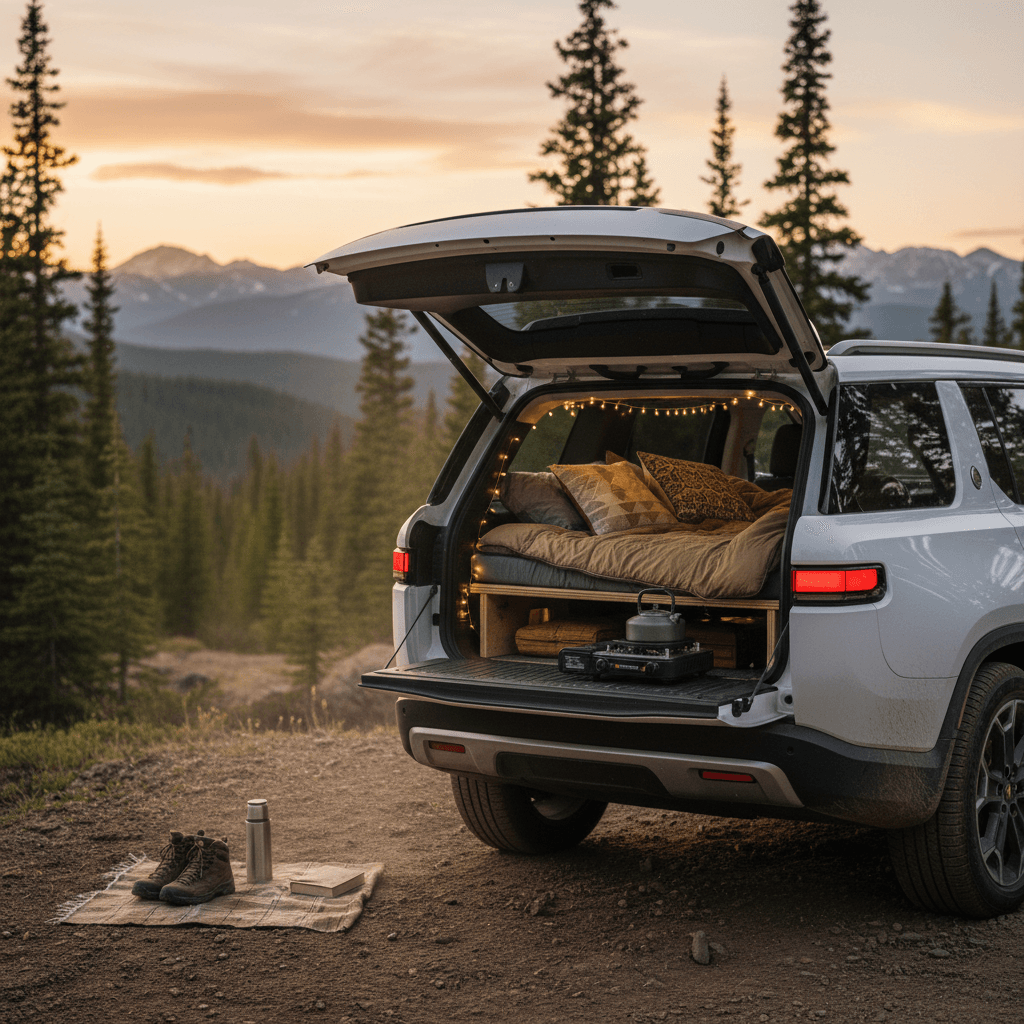
Yes, you can sleep in a Rivian R1S, and many owners do. Between the flat-folding rear seats, generous cargo volume, and a dedicated Camp Mode that keeps the cabin conditioned overnight, the R1S is one of the more camp‑friendly electric SUVs on the market. But how comfortable it feels, how much gear you can bring, and how much range you’ll lose while you sleep depend on how you set it up.
Short answer
Can You Actually Sleep in a Rivian R1S?
Rivian clearly had camping in mind when it designed the R1S. All three rows fold nearly flat, there’s a huge panoramic glass roof overhead, and software features like Camp Mode and Stay On are explicitly marketed for overnight use. Owners routinely report sleeping one or two adults in the cargo area, and some families pair interior sleeping with a rooftop tent for kids.
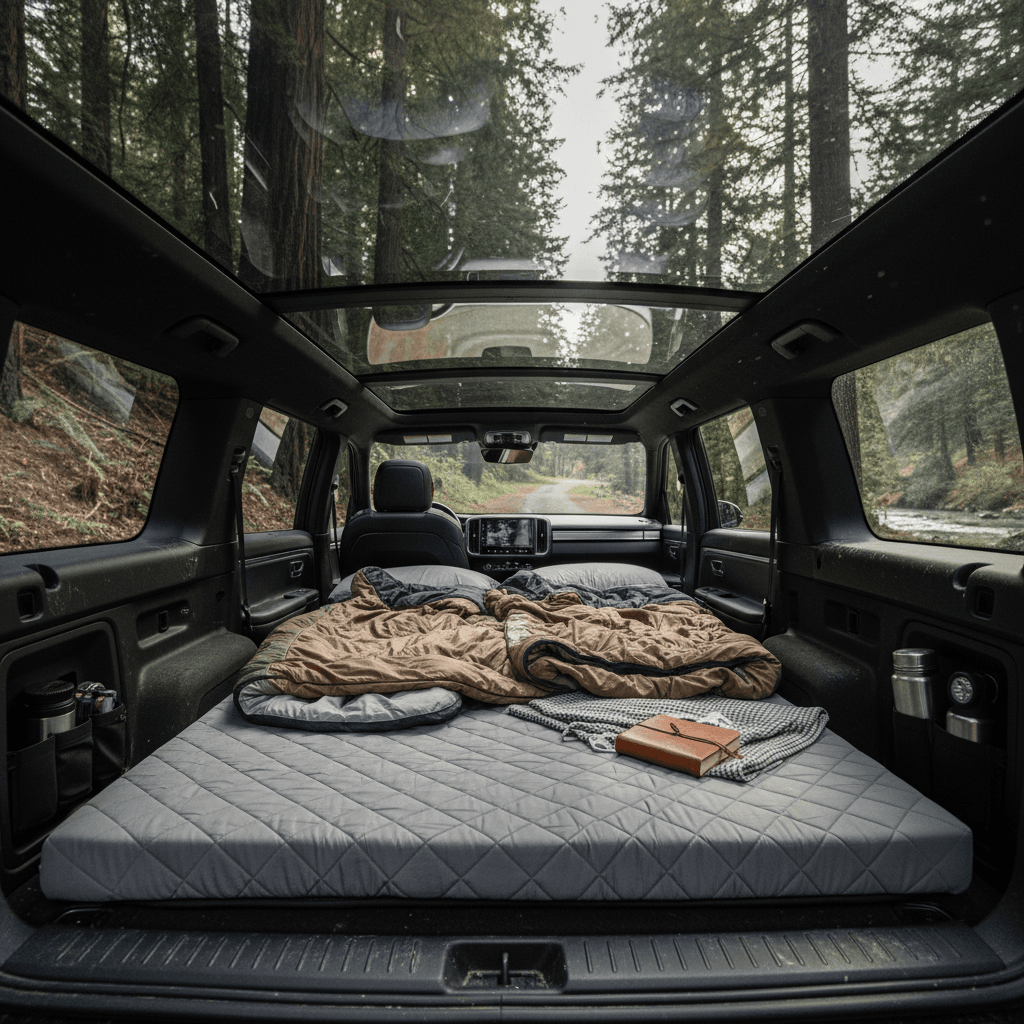
- Second and third rows fold to create a long, mostly flat sleeping platform.
- Cargo length with seats folded is roughly 84–85 inches (about 7 feet) from hatch to front seats in recent R1S specs.
- Interior width at the floor is around 50–51 inches, enough for a full‑size mattress and some side storage.
- Camp Mode can keep the cabin heated or cooled all night while the vehicle is parked.
- The frunk and rear storage bin free up interior space by swallowing bulky gear.
What size people fit?
Rivian R1S Sleeping Space: Dimensions and Layout
If you’re trying to decide whether you can realistically sleep in an R1S, you first need to understand the interior dimensions once the seats are down. Exact numbers vary slightly across model years and seat configurations, but the picture is broadly consistent.
Rivian R1S Interior Space at a Glance
The big takeaway: the R1S offers a long, relatively wide flat surface that’s well‑suited to a camping mattress. It’s not a cargo van, but it’s far roomier than most two‑row crossovers and even rivals some traditional full‑size SUVs in usable sleep length.
Common Sleeping Layouts in a Rivian R1S
How owners typically configure the seats and space for overnight stays.
| Layout | Seats Position | Best For | Notes |
|---|---|---|---|
| Full bed for two | Second and third rows fully folded | Two adults | Max sleeping length and width; gear moves to frunk, rear bin, or front seats. |
| Solo sleeper with gear | One side of second row up, third row folded | One adult + lots of gear | Use a single camping pad on one side, stack gear on the other. |
| Family + rooftop tent | Two inside, kids in RTT | Two adults + 1–2 kids | Interior used as bedroom or lounge; RTT for extra beds. |
| Dogs + human | Rows folded, dog bed at foot | One adult + pets | Put dog bed near hatch, human closer to second row for more headroom. |
Choose a layout that matches how many people you’re sleeping and how much gear you need inside.
How Comfortable Is Sleeping in an R1S?
Comfort comes down to three things: how flat the sleep surface is, how much padding you add, and how you manage temperature and light. The R1S does well on all three compared with typical SUVs, but it’s not a purpose‑built camper.
Key Comfort Factors When Sleeping in an R1S
Dial these in and the R1S becomes a genuinely cozy micro‑camper.
Flatness of the platform
Climate control
Noise & light
Mind the headroom
Using Camp Mode for Overnight Sleeping
Rivian’s software is one of the reasons the R1S works so well as a rolling campsite. Camp Mode (and related settings like Stay On or Cabin Mode, depending on software version) are designed specifically to manage the vehicle while you sleep.
- Park on stable, level ground and lower the suspension to a comfortable height. Leveling the vehicle makes a big difference in sleep comfort.
- Set your desired cabin temperature in the climate controls. Most people are comfortable around 68–72°F for sleeping.
- Enable Camp Mode (or the current equivalent in your software build). This keeps climate, 12V power, and some USB ports active without the vehicle trying to shut down to save energy.
- Turn on child locks and make sure all doors are fully closed so interior lights and alerts don’t wake you up.
- Adjust interior lighting: you can dim the ambient lights and screens to reduce glare while still keeping enough visibility to move around.
- Before you actually go to sleep, test that the cabin stays on for 10–15 minutes without throwing errors or shutting climate off. Software evolves, and it’s better to catch quirks before lights‑out.
Ventilation and safety
Battery Drain and Range Planning When You Sleep in Your R1S
One of the most common worries with EV camping is, “Will I wake up stranded?” The R1S carries a large battery pack, and overnight climate usage is modest compared with driving, but it’s smart to plan.
Typical overnight energy use
Real‑world owner reports suggest that 8–12 hours of Camp Mode with moderate heating or cooling often uses on the order of 5–15% of the battery, depending heavily on outside temperature and your setpoint.
- Mild nights: lower fan speed and wider temperature band can keep usage down.
- Very cold or hot nights: expect the high end of that range or more.
- Pre‑condition while plugged in when possible so the cabin is already close to your target temperature.
Range planning best practices
- Arrive at camp with a comfortable buffer, many owners target 40–60% state of charge if they won’t have charging overnight.
- Know where the next fast charger is and roughly how much energy you’ll need to reach it with margin.
- If you’re nervous, you can reduce climate load by lowering fan speed or bundling up a bit more.
- On multi‑day off‑grid trips, factor Camp Mode consumption into your daily energy budget just like trail driving.
Think like a backpacker, not a commuter
Best Mattresses and Gear for Sleeping in a Rivian R1S
The flatish floor of the R1S means you have plenty of options, from simple camping pads to made‑for‑Rivian solutions. The key is striking a balance between comfort, packability, and how fast you want to set up and break down camp.
Popular Sleeping Setups for the R1S
From simple pads to bespoke sleep systems.
Standard camping pads
Dedicated car‑camping mattress
DIY platform + mattress topper
Don’t forget insulation
Core Gear List for Sleeping in Your R1S
1. Sleeping surface
A properly sized camping mattress or foam topper that covers the main cargo floor and evens out seat joints.
2. Bedding and pillows
Sleeping bags rated for your expected temperatures or a duvet/blanket setup if Camp Mode will keep temperatures mild.
3. Window coverings
Simple reflective cutouts, magnetic shades, or even DIY curtains provide privacy and help with temperature control.
4. Soft storage for clothes
Use duffel bags or soft bins that can tuck into the rear footwells or frunk at night to free up sleeping space.
5. Small light source
Headlamps or a small USB‑rechargeable lantern make it easier to move around without blasting the cabin lights.
6. Organization for shoes & wet gear
A dedicated bin or mat near the hatch keeps dirt and moisture from ending up on your mattress.
Quick Setup Checklist Before You Go to Sleep
Once you’ve done it a few times, converting your R1S from “driving mode” to “bedroom mode” only takes a few minutes. This checklist keeps you from forgetting the small details that can make or break a good night’s sleep.
5‑Minute R1S Bedtime Routine
1. Park, level, and lower suspension
Choose the flattest spot you reasonably can, then drop the ride height so you aren’t climbing into bed at the end of a long day.
2. Move gear out of the way
Shift bulky items into the frunk, rear storage bin, or front seats so the cargo floor is completely clear for your mattress.
3. Fold second and third rows
Use the rear cargo buttons and manual levers as needed to get everything as flat as possible before you unroll your bedding.
4. Configure Camp Mode and climate
Select your temperature, fan level, and Camp Mode or Stay On settings. Dim screens and interior lights to your preferred level.
5. Lock in for the night
Confirm all doors and the hatch are securely closed, child locks are on if needed, and valuables are stowed out of sight.
Pros and Cons of Sleeping in an R1S vs a Tent or Rooftop Tent
The R1S gives you several camping options: sleeping inside, pitching a ground tent, or adding a rooftop tent. Each has trade‑offs in comfort, convenience, and cost. Understanding those trade‑offs helps you decide how much to invest in dedicated camping gear versus just using the SUV itself.
R1S Interior vs Tent vs Rooftop Tent
How different sleeping options stack up for comfort and practicality.
| Option | Comfort | Weather Protection | Setup Time | Cost | Notes |
|---|---|---|---|---|---|
| Sleep inside R1S | High with good mattress | Excellent with Camp Mode | Fast once dialed in | Low–medium | Great for stealth camping, bad weather, and quick overnights. |
| Ground tent | Varies with gear | Good but temperature swings | Slower, more parts | Low–medium | Best when you’re staying put several nights at the same site. |
| Rooftop tent | High for many designs | Very good, off the ground | Medium once familiar | Medium–high | Adds wind drag and cost but keeps interior free for living space. |
There’s no one “best” option, pick based on your trip style, weather, and budget.
Why many owners choose “inside first”
Is an R1S Right for You if You Plan to Camp a Lot?
If your idea of camping is a few long weekends and the occasional road trip, the Rivian R1S is overkill in the best way. You get strong off‑road capability, plenty of cargo space, and a comfortable, quiet place to sleep that doubles as your daily‑driver. Where you need to think harder is if you’re planning extended off‑grid travel far from charging or you want van‑life interior volume.
R1S camping is a great fit if…
- You value comfort and climate control over a “roughing it” experience.
- Your trips usually keep you within a day’s drive of DC fast charging.
- You like being able to transition quickly between driving, cooking, and sleeping with minimal setup.
- You want a single vehicle that can handle daily errands, road trips, and trailheads.
You might want more than an R1S if…
- You’re aiming for months‑long, off‑grid overland expeditions where charging is intermittent.
- You need standing headroom, an indoor kitchen, or a bathroom.
- You’re traveling with more than two adults who all want real beds inside the vehicle.
- You frequently haul large bikes or sports gear that compete for interior sleeping space.
If you’re shopping used, this is where buying through Recharged can help. Every EV we list, including adventure‑ready SUVs like the R1S, comes with a Recharged Score battery health report, so you understand real‑world range before you bank your camping plans on it. You can shop used EVs, compare range and pricing, and even arrange financing and nationwide delivery entirely online.
FAQs About Sleeping in a Rivian R1S
Frequently Asked Questions
You absolutely can sleep in a Rivian R1S, and for many owners it’s one of the vehicle’s superpowers. With a thoughtful mattress setup, smart use of Camp Mode, and sensible range planning, the R1S becomes a comfortable, climate‑controlled micro‑camper that still drives like a modern EV the rest of the week. If you’re considering a used R1S or another electric SUV for camping, Recharged can help you compare real‑world range, costs, and battery health so your next overnight under the stars starts with realistic expectations and the right vehicle.