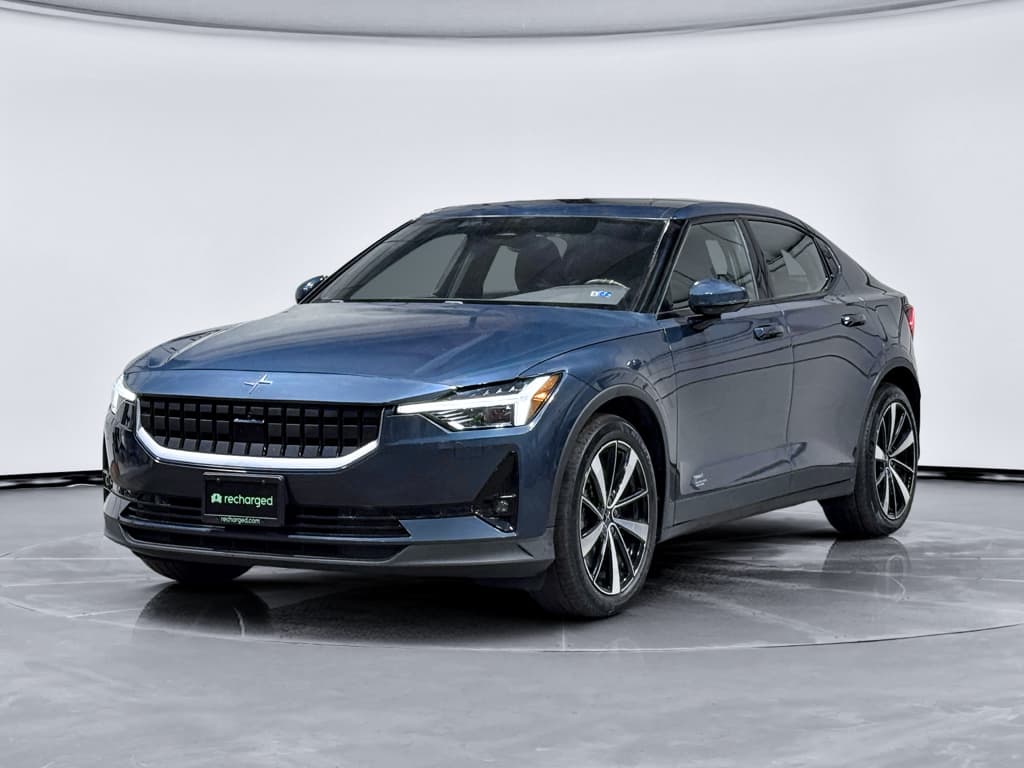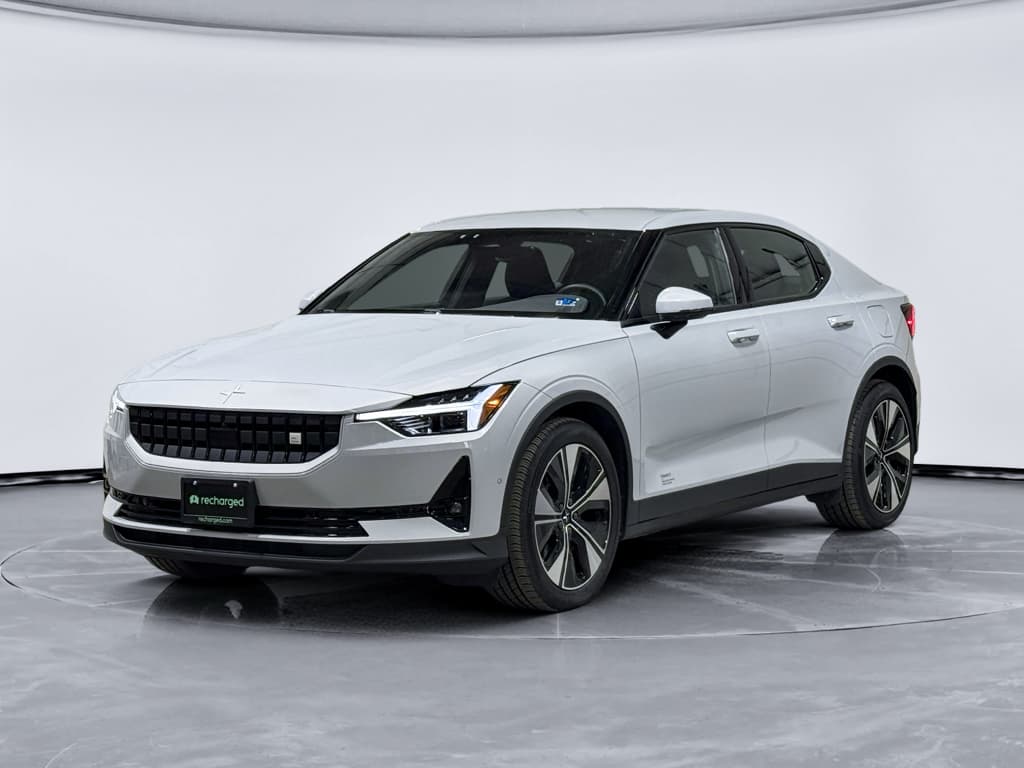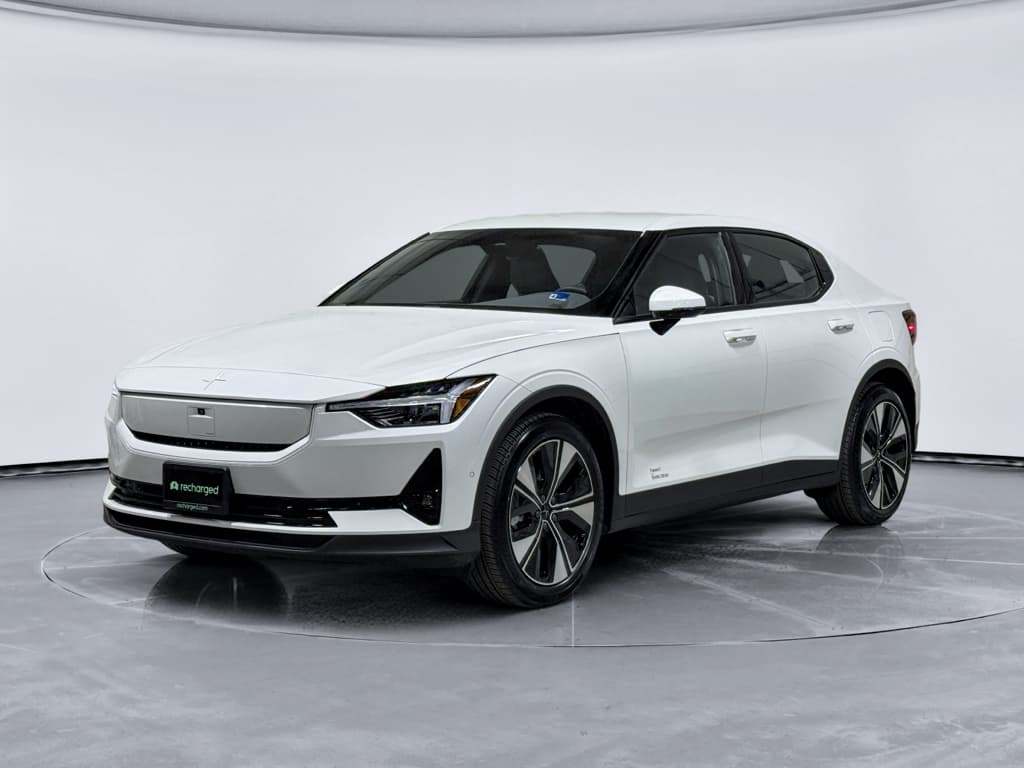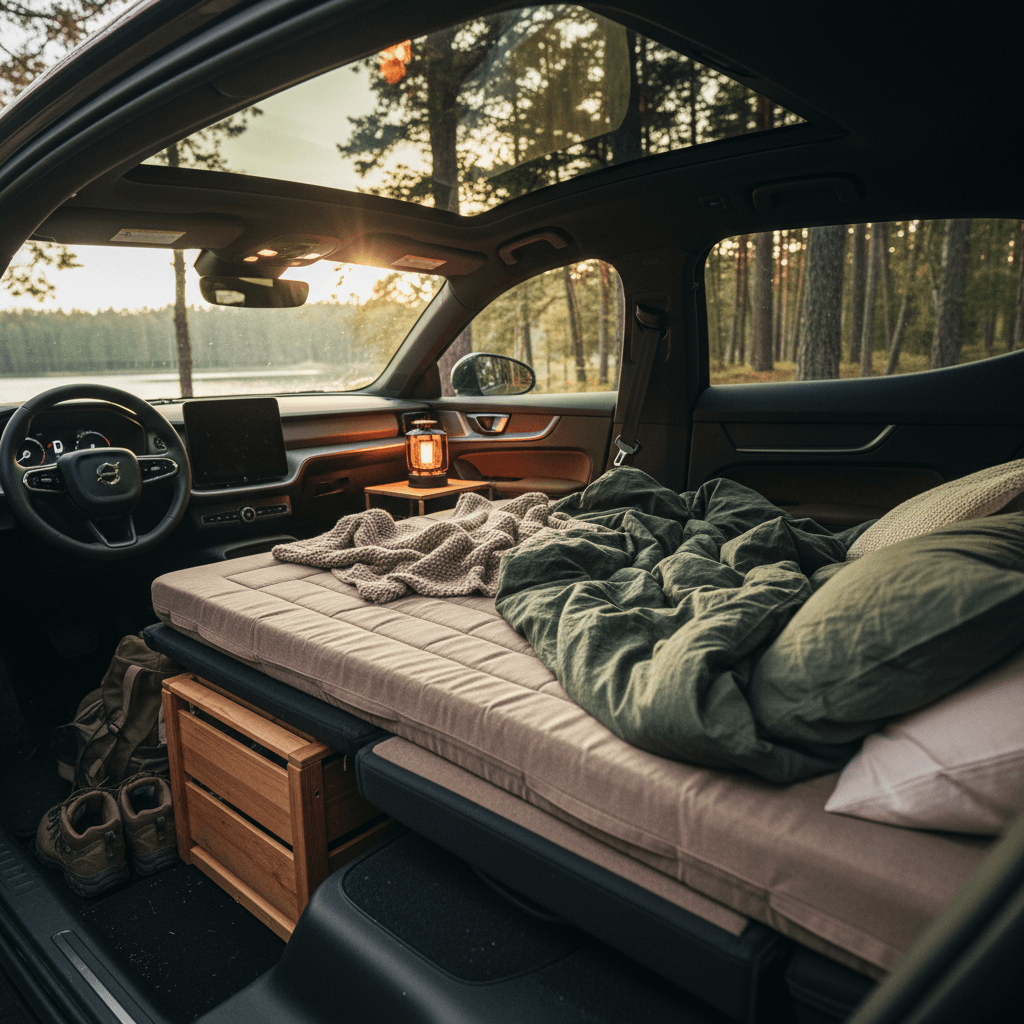
If you’re eyeing a Polestar 2 and wondering **“can you sleep in Polestar Polestar 2 on road trips or at campgrounds?”**, the answer is: yes, you can, but with some caveats. The fastback shape, fold‑down rear seats, and efficient climate control make it viable for **short car‑camping stints**, but it’s not going to rival a wagon or SUV for long‑term van‑life.
Quick answer
Can you actually sleep in a Polestar 2?
The **Polestar 2 is sleepable**, in the same way a Model 3, Hyundai Ioniq 6, or BMW i4 is: it’s a compact electric fastback with **folding rear seats** and a hatch, not a small SUV. That means: - You get a reasonably long load floor with the rear seats folded. - Interior height is limited, so you’re lying down, not sitting up like in a crossover. - The rear seatbacks don’t fold perfectly flat, so you’ll want a mattress to level things out. For **occasional overnight stops, music festivals, and weekend camping** the Polestar 2 works. If you’re trying to live in your EV full‑time, you’ll probably want something taller like a Polestar 3, Model Y, or another SUV.
Polestar 2 space at a glance
Polestar 2 space and dimensions for sleeping
When you’re trying to decide if you can sleep in a Polestar 2, the **numbers matter more than the brochure photos**. Here’s what the usable space looks like in practice.
Key Polestar 2 interior & cargo dimensions for sleeping
Approximate factory measurements converted into what they mean for lying down in the back.
| Measurement | Approx. value | What it means for sleeping |
|---|---|---|
| Cargo length seats up | ~40 in (≈102 cm) | Groceries and luggage; not relevant for sleeping. |
| Cargo length seats folded | ~70 in (≈178 cm) | Maximum flat length from tailgate to front seatbacks. |
| Max cargo height to roof | ~28 in (≈71 cm) | Low vertical clearance; good for lying down, not sitting upright. |
| Width between wheel housings | ~39–40 in (≈100 cm) | Enough for a narrow double or comfy single mattress. |
| Width at widest point | ~51 in (≈130 cm) | A bit of extra elbow room higher up the side panels. |
Always double‑check with your own tape measure and sleeping pad before committing to a build.
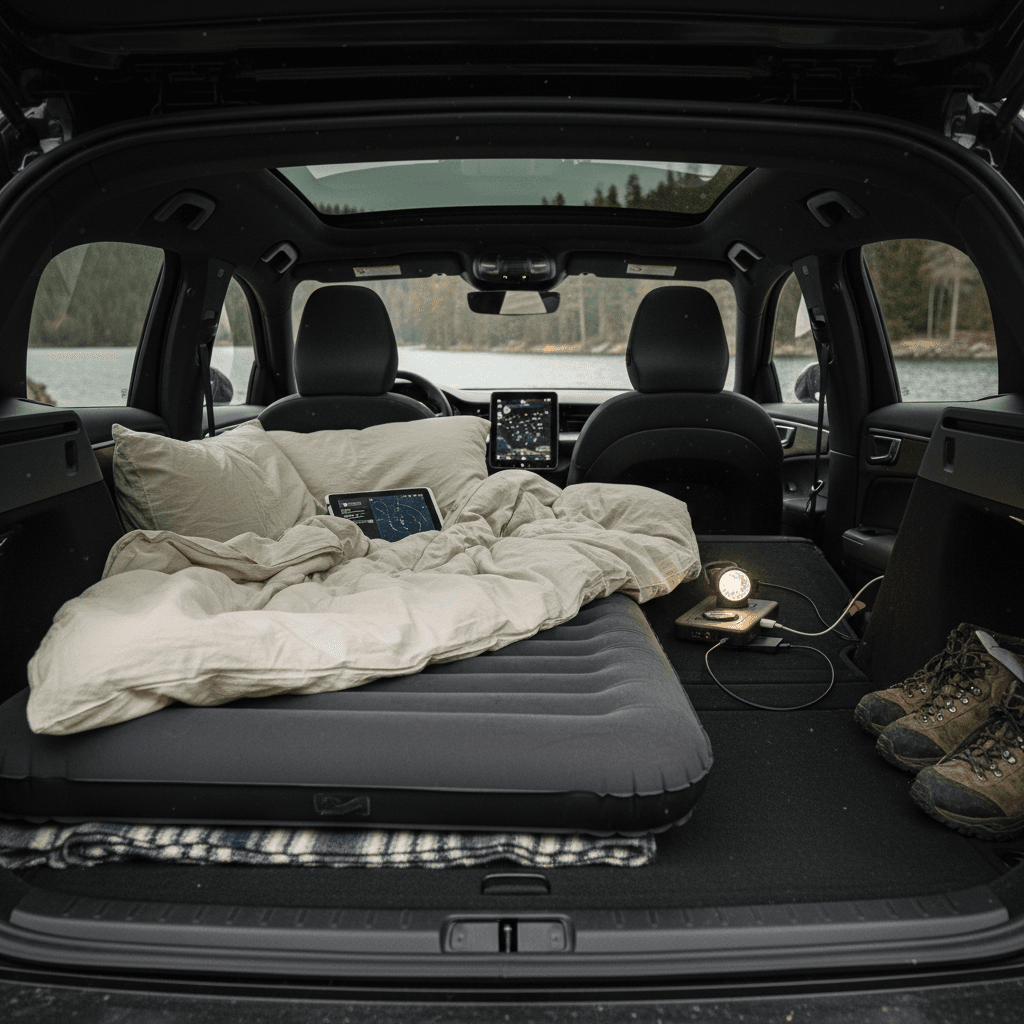
In practice, this means: - If you’re under about **5'10" (178 cm)**, you can likely lie straight with the front seats slid forward a bit. - If you’re taller, you’ll usually **sleep diagonally**, or with your head slightly between the front seats and your feet toward the hatch. - The **load floor is not perfectly flat**; there’s a noticeable step where the rear seatbacks meet the cargo floor. A 2–3 inch camping mattress or foam topper is almost mandatory.
Mattress size that actually fits
Does the Polestar 2 have a camp mode?
Polestar doesn’t offer a dedicated, branded **“Camp Mode”** button like Tesla, but the **underlying capability is there**. You can tell the car to keep the climate system running while parked, and the traction battery will power heating or cooling through the night.
- Use the central screen to activate **Parking climate / Keep climate** before you leave the driver’s seat.
- You can also **start or extend climate from the Polestar app**, useful if you wake up too hot or cold.
- The system will normally **shut off after a set time or if the battery drops too low**, so it’s not an officially guaranteed “all‑night” mode.
Not an official sleep mode
Functionally, though, sleeping in a Polestar 2 is similar to other EVs: you **set your target cabin temperature**, lock the car, and let the battery do the work quietly in the background. The big advantages over an ICE car are **silence, efficiency, and zero tailpipe emissions**.
How to set up a sleeping area in a Polestar 2
Here’s a step‑by‑step way to turn your Polestar 2 into a workable, if compact, sleeping pod.
Step‑by‑step Polestar 2 sleep setup
1. Fold the rear seats
Open the hatch, remove the cargo cover, and fold the **60/40 split rear seatbacks**. For a solo sleeper, many people fold just the larger side and leave the smaller side up for gear, but folding both maximizes length and width.
2. Slide and recline the front seats forward
Move the front seats **forward and slightly upright** to free up length. If you’re tall, experiment with how far forward you can go while still being able to sit up front to drive without re‑adjusting everything each morning.
3. Level the floor
Lay down your **mattress, self‑inflating pad, or foam topper** to smooth over the step between seatbacks and cargo floor. If you’re building a more permanent setup, lightweight plywood under the pad can create a totally flat base.
4. Decide your sleeping direction
Most people sleep with **heads toward the front seats, feet toward the hatch**. That gives better shoulder room near the wider part of the cabin and keeps your head away from the glass hatch in cold weather.
5. Sort privacy and window covers
Use **reflective window panels** or cut‑to‑fit foam/reflectix to cover the rear and side windows. This adds privacy, reduces condensation, and keeps heat in (or out) while you’re sleeping.
6. Set climate and ventilation
Before you lie down, **set your desired temperature** and enable parking climate. Crack a window slightly if conditions are safe to reduce condensation, and keep soft‑touch lights or a headlamp handy so you aren’t constantly waking the car up with the main screen.
Bring soft storage, not hard bins
Comfort tips for sleeping in a Polestar 2
You can technically sleep in almost any car; the difference between a miserable night and a decent night comes down to **comfort details**. The Polestar 2’s premium interior helps, but a little planning goes a long way.
Make a small EV feel bigger at night
Smart packing and positioning are the keys to restful sleep in a Polestar 2.
Use diagonal space
If you’re taller than about 5'10", don’t be afraid to sleep diagonally. Angle your shoulders toward the wider section of the cargo area and let your feet rest slightly toward one corner to pick up a few extra inches.
Layer for temperature swings
Even with climate running, temps can drift. Use layers instead of one huge comforter so you can adapt if the parking climate cycles off or outside temperatures change overnight.
Protect your back
The step in the floor is the enemy of good sleep. A thick, self‑inflating sleeping pad or 3–4 inch memory foam topper cut to size can transform the Polestar 2 from “barely tolerable” to “actually decent” for a night or two.
Manage light and noise
The Polestar 2 is quiet, but light leaks can still ruin your sleep. Use blackout window inserts or even a cheap eye mask. If you’re in a well‑lit area, consider a lightweight curtain hung behind the front seats to separate the cabin from the cockpit.
Think about your exit strategy
Don’t block the doors with gear. Keep shoes, a jacket, and essentials within arm’s reach of a rear door so you can get out quickly if you need a bathroom break or if conditions change.
Good use cases for sleeping in a Polestar 2
Battery drain and charging while you sleep
One of the biggest advantages of sleeping in an EV instead of an ICE car is that **climate control is efficient and quiet**. But it’s still drawing from your battery, so you want to understand **how much range you’re trading for comfort**.
- In mild conditions, expect **roughly 2–5% battery use over a night** with climate running, depending on settings and outside temperature.
- In very cold or very hot weather, climate has to work harder; budget for more like **5–10% over an 8‑hour stretch**.
- If you’re plugged into a **Level 2 charger at a campground or hotel**, the car can often maintain cabin temperature with little or no net loss in state of charge, depending on the charger’s power and conditions.
- Short naps or a couple of hours at a trailhead barely move the needle; it’s the **full‑night sessions in extreme conditions** where you need to think ahead.
Avoid low‑battery sleepovers
If you’re planning a trip where you’ll routinely sleep in the car, build a **charging‑first itinerary**: string together campgrounds with Level 2 charging, hotels with destination chargers, and DC fast‑charging stops that get you topped up before you find a quiet place to park.
Safety and legal considerations
Sleeping in any car is about more than just space and comfort; you’re also managing **security, ventilation, and local regulations**. The Polestar 2 doesn’t change those fundamentals, but its EV nature simplifies some of the risk compared with idling an engine all night.
Stay safe while sleeping in your Polestar 2
A compact EV is a discreet place to sleep, but you still need a plan.
Where you park matters most
Stick to **legal, well‑lit areas**: paid campgrounds, hotel lots with permission, or designated overnight parking. Many US rest areas allow overnight stays but not explicit camping, check state rules ahead of time.
Ventilation & condensation
Because the Polestar 2 seals up tightly, moisture from your breath can cause heavy condensation. A small window crack, partial vent position on the hatch (if safe), and moisture‑absorbing packs can help keep things drier.
Lock the car, reduce guard if needed
Use the **lock function as normal once you’re inside**, and familiarize yourself with reduced‑guard / interior motion settings so the alarm doesn’t trigger if you roll over in your sleep.
Know local rules
Some cities and HOAs explicitly prohibit sleeping in vehicles. If you’re doing lots of stealth camping, research local ordinances and be ready to move on if someone asks you to relocate.
Never compromise on personal safety
When a Polestar 3 or an SUV makes more sense
From an analyst’s perspective, the Polestar 2 is a **great electric fastback that can double as a minimalist camper**, not a purpose‑built adventure rig. If your travel plans revolve around sleeping in your vehicle, you should at least compare it with **larger EVs and crossovers**.
Where Polestar 2 works well
- Solo travelers who mostly use hotels but occasionally sleep in the car.
- Urban owners who want an EV but also want a backup plan for weather emergencies or late‑night naps.
- Drivers who value driving dynamics and efficiency first, and camping second.
Where an SUV or Polestar 3 wins
- Regular multi‑night camping or road‑tripping with two adults.
- Bringing pets and gear along while also sleeping inside.
- Building semi‑permanent bed platforms, storage drawers, or bike mounts.
If you’re shopping used and know that **sleeping in your EV is a core use case**, it’s worth cross‑shopping a Polestar 2 against **roomier used EVs** on Recharged, then using tools like the **Recharged Score battery health report** to make sure you’re not trading sleep comfort for a tired battery.
Should you buy a Polestar 2 if you plan to sleep in your EV?
Putting it all together, the Polestar 2 is a **credible “sleep‑sometimes” EV**, not a dedicated camper. That’s often exactly what buyers want: something that feels like a well‑sorted premium sedan most days, but can pinch‑hit as a bedroom in a pinch.
Decision checklist: Polestar 2 as a sleeper
You’re okay with minimalist camping
You’re planning **occasional nights in the car**, not a full‑time van‑life setup. You can live with limited headroom and some contortions when getting dressed.
Your body size fits the envelope
At your height, you can either lie straight with the seats forward or comfortably **sleep diagonally** on a 25–30 in wide pad without hitting both ends of the cabin.
You’re comfortable managing climate manually
You don’t need a big, dedicated “Camp Mode” button. You’re fine learning how **parking climate, app control, and state‑of‑charge limits** interact and planning around them.
You’ve scouted your use cases
You know where you’d likely sleep, trailheads, festival lots, ski resorts, and you’ve confirmed **overnight parking and charging** are realistically available there.
If that sounds like you, a Polestar 2 can be a **smart, efficient, and stylish choice** that also happens to double as a compact camper. If you’re leaning that way, a **used Polestar 2 with a verified battery** can be especially compelling: at Recharged, every vehicle includes a **Recharged Score battery health report**, transparent pricing, and EV‑specialist support to help you match the car’s capabilities, including sleep‑in‑it practicality, to your real‑world plans.