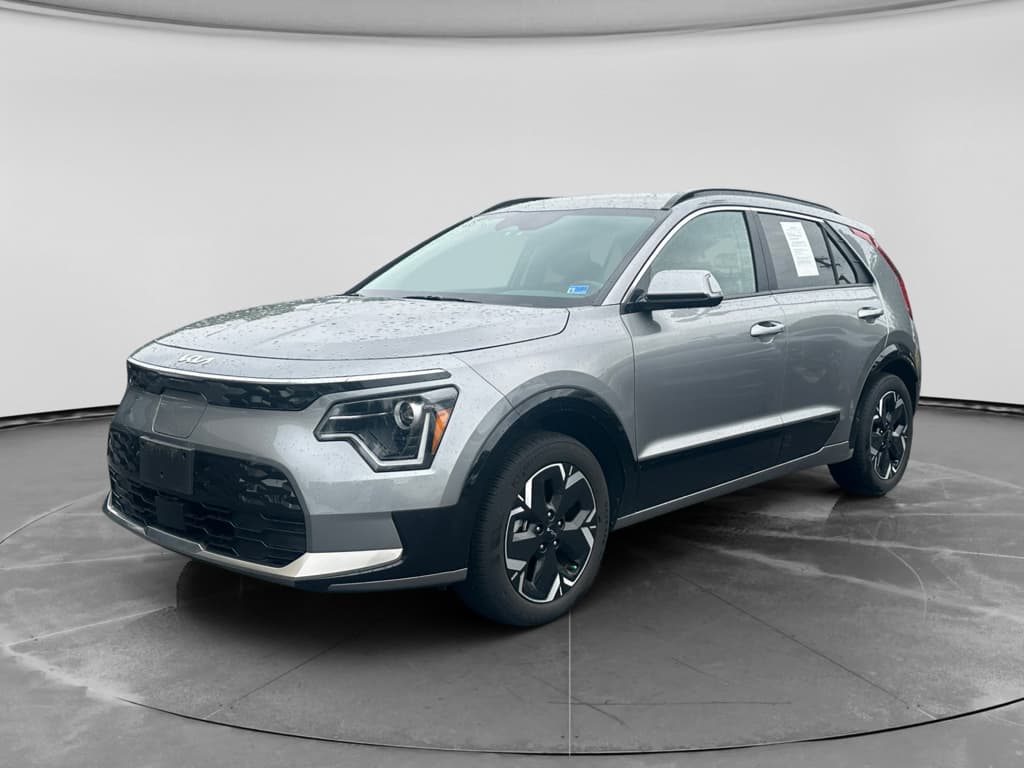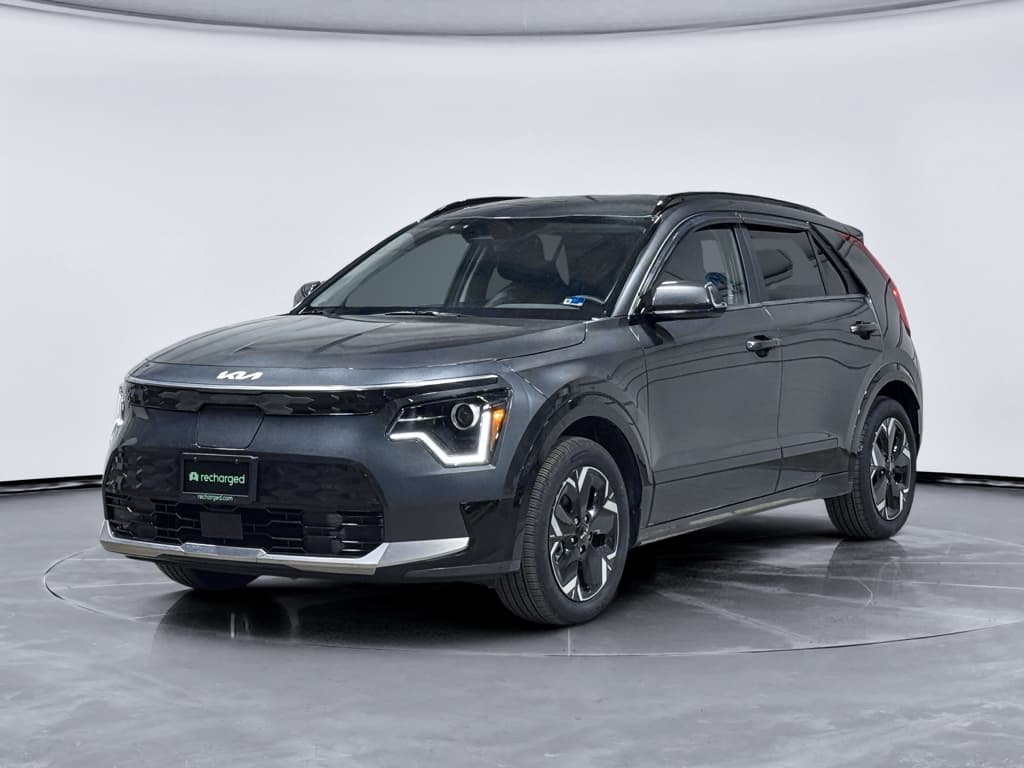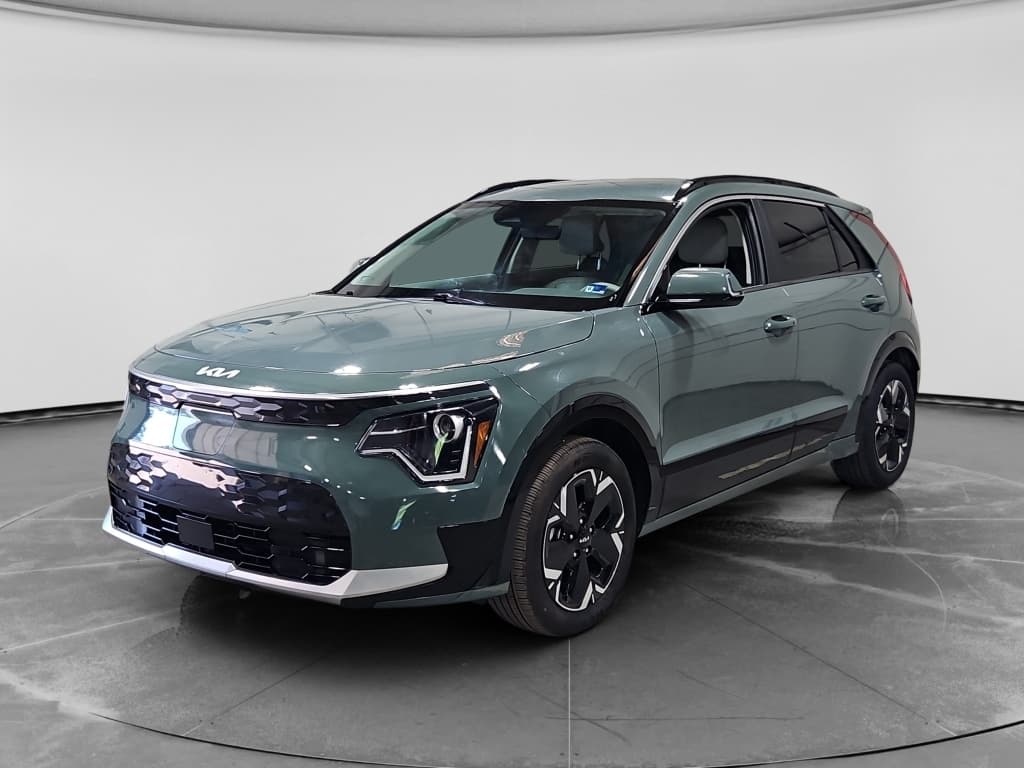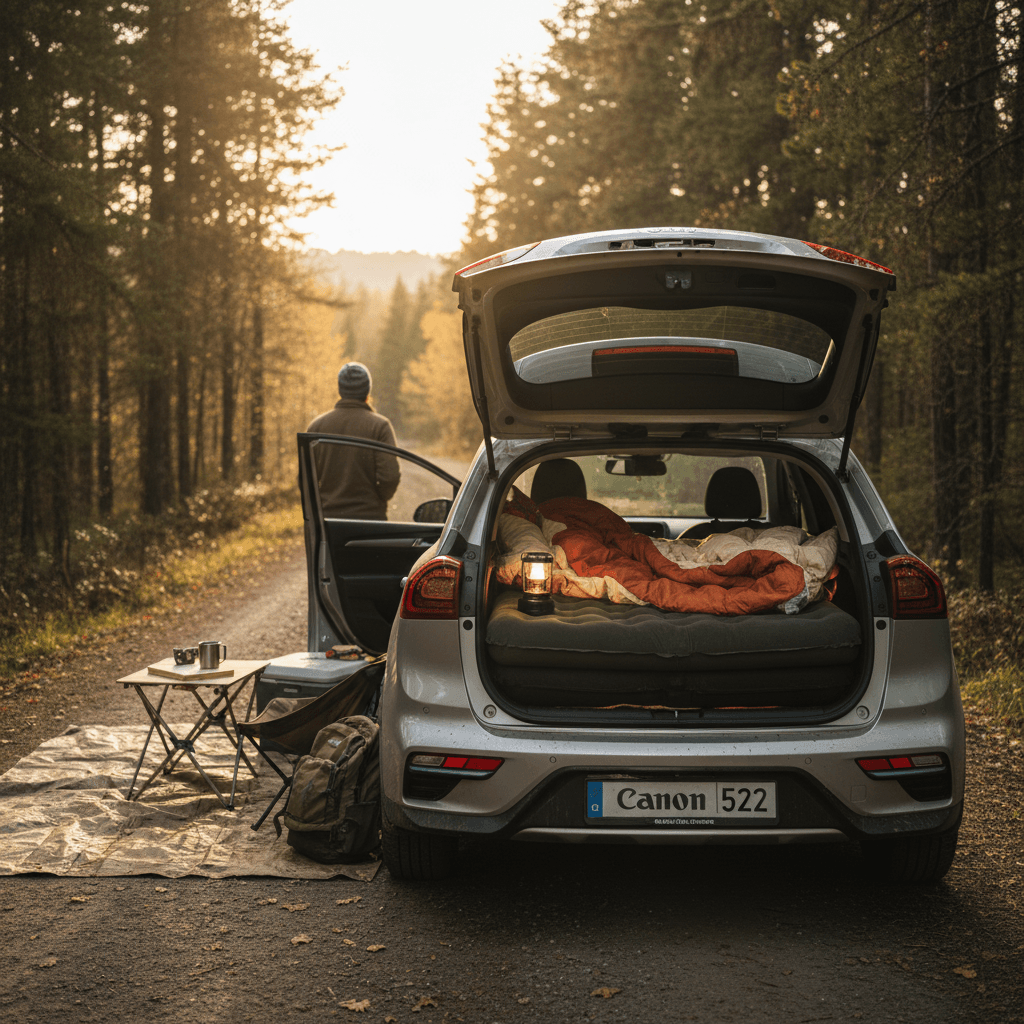
Yes, you can sleep in a Kia Niro EV, and plenty of owners do. The real question behind “can you sleep in Kia Niro EV?” is whether it’s actually comfortable and practical for the way you travel. With rear seats folded, the Niro EV offers enough length for many adults to stretch out, plus the quiet, efficient battery makes it a surprisingly good tiny camper when you set it up right.
Short answer
Can you actually sleep in a Kia Niro EV?
From a packaging standpoint, the Kia Niro EV is a compact crossover with a flat load floor, 60/40 split-folding rear seat, and a tall roof line. With the rear seats down, it opens up into a surprisingly usable sleeping platform. Owners routinely report being able to stretch out by folding the rear seats and sliding the front seats forward, and at least one Niro driver around 5'4" has shared that they can sleep fully extended by laying slightly diagonally behind the front seats.
- For one person: Very doable with a decent sleeping pad or small mattress.
- For two people: Possible for shorter sleepers or if you don’t mind a tight shoulder-to-shoulder setup.
- With gear: You’ll want to pack in soft duffels and use the front seats and footwells for overflow storage.
Mind the generation
How much room do you really have in a Niro EV?
Cargo specs only tell part of the story, but they’re a good starting point. The 2023+ Kia Niro EV offers about 22.8 cubic feet of cargo space behind the rear seats and roughly 63–64 cubic feet with the second row folded. That puts it near the top of the compact EV crossover class for maximum space.
Kia Niro EV interior space at a glance
Translated into sleeping terms, you’re looking at a space that’s roughly the size of a compact double mattress but slightly shorter in pure length. If you’re taller than about 5'8", you’ll probably want to sleep diagonally, curl slightly, or lift the front seatbacks a notch to gain a bit more usable floor length.
Use your diagonal
Best sleeping layouts for Kia Niro EV car camping
You don’t need a custom camper conversion to sleep in a Kia Niro EV, but a little planning goes a long way. Here are the most workable layouts Niro owners use on road trips and weekend camping runs.
Three proven sleeping layouts for the Kia Niro EV
Pick the setup that fits your height, gear and travel style.
1. Full-length cargo bed
Best for: Solo sleepers or two smaller adults.
- Fold both rear seatbacks flat.
- Slide both front seats forward and tilt them slightly upright.
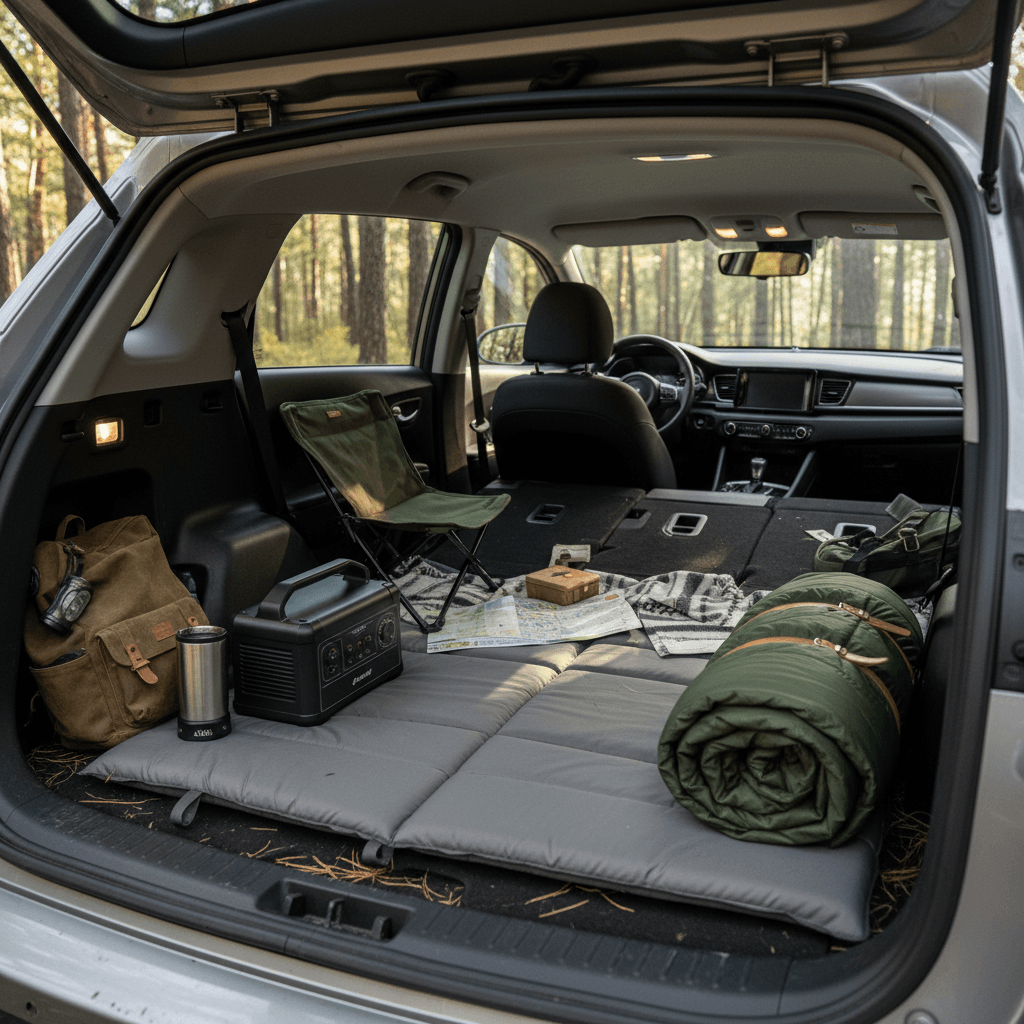
- Lay a 2–3 inch camping pad or 3/4‑size inflatable mattress from hatch to back of front seats.
This uses the full 63–65 inches of cargo floor and keeps your head away from the hatch glass.
2. Diagonal sleeper setup
Best for: Taller drivers (around 5'9"–6'0").
- Fold rear seats flat.
- Slide passenger seat farther forward than driver’s.
- Angle your pad from rear corner on one side to the front seatback on the other.
You gain precious inches of legroom without changing the car.
3. Split-sleeper + storage
Best for: One sleeper plus lots of gear.
- Fold only the wider 60% side of the split rear seat.
- Sleep on that side with a narrow pad.
- Stack gear on the remaining upright side and behind the other front seat.
You keep a dedicated gear wall and still have a usable bed.
Dealing with the step and slope
Like many crossovers, the Niro EV’s rear seatbacks don’t create a perfectly flat platform when folded. There’s usually a small step or angle where the seat meets the cargo floor. For a night or two, a thick sleeping pad will mask most of that. For regular car camping, some owners build a simple plywood platform or use foam blocks near the seat hinge to level things out.
Front seat position matters
Don’t just slide the front seats up as far as they will go; that can steal useful shoulder or hip space. Instead, experiment:
- Slide the passenger seat forward more than the driver’s.
- Recline the seatbacks slightly to create footroom under and around them.
- Check if your pillow fits better against the hatch or the front seats.
A few minutes of trial‑and‑error can make the difference between a cramped night and a surprisingly restful one.
Good news for light packers
Comfort setup: mattresses, pads and storage ideas
The Kia Niro EV’s interior gives you a blank slate. To turn it into a place you actually want to sleep, focus on three things: a level sleeping surface, smart storage, and basic privacy.
Comfort checklist for sleeping in a Kia Niro EV
1. Choose the right mattress or pad
A twin or 3/4‑size camping mattress usually fits better than a full twin bed and makes it easier to close the hatch. Look for a 2–3 inch self‑inflating pad or low‑profile air mattress rated for car camping, so you don’t lose headroom.
2. Level out the bumps
Use a folded blanket, foam tiles, or a small DIY platform to bridge any gap between the cargo floor and folded seatbacks. Even lightweight sleepers will feel that ridge after a few hours if you don’t address it.
3. Use every nook for storage
The under‑floor compartment is ideal for tools, charging cables, and items you won’t need overnight. Keep clothes and soft gear in duffels up front or along the sides so your sleeping area stays clear.
4. Add window shades or curtains
Reflectix panels, cut‑to‑fit sunshades, or simple clip‑on curtains give you privacy and help control temperature. They also block campground or street lights that might otherwise keep you awake.
5. Bring compact lighting
Even though the Niro EV has interior lights, a small dimmable LED lantern or USB light feels cozier and uses very little energy. It also lets you switch off the dome lights so you’re less visible from outside.
6. Plan a quick “drive away” mode
Store gear so you can slide into the driver’s seat with minimal reshuffling. That matters if you need to leave a rest area quickly or reposition at a campground after dark.
Pack for EV life, not SUV life
Using the Niro EV battery for climate and power
One of the big advantages of sleeping in a Kia Niro EV instead of a gas crossover is the ability to run climate control quietly without idling an engine. Many modern Kia EVs offer a Utility Mode or similar feature that keeps the high‑voltage system awake so you can power HVAC and accessories while parked.
- On a healthy battery, running gentle A/C or heat overnight will usually use only a small slice of your usable range, especially in mild weather.
- Because there’s no tailpipe, you don’t have the carbon‑monoxide risk you would if you idled a gasoline SUV to stay warm.
- You can power small devices, phones, a laptop, low‑draw lights, through the interior USB ports or 12‑volt outlet without worrying as much about draining a separate starter battery.
But don’t ignore your 12‑volt battery
How much range will you use overnight?
Real‑world consumption depends on outside temperature, your HVAC settings, and how well you insulate the cabin. As a rough mental model for planning:
- Mild nights (50–65°F): expect a modest range hit, especially if you mostly use fan and minimal heat.
- Very cold or hot nights: plan for a more noticeable drop, since heating and strong A/C are energy‑hungry.
- Short nap stops: With a big battery, one or two hours of climate control barely moves the needle.
If you’re camped near fast charging, you can afford to be more generous with energy; deep in the backcountry, be conservative.
Smart charging and camp planning
Before you settle in for the night, think about the next day’s driving:
- Arrive at camp with more charge than you strictly need, especially in cold weather.
- If you’re at a campground with Level 2 charging, plug in and let the Niro top itself off while you sleep.
- When planning a trip in a used Niro EV, factor in current battery health, an older pack with some degradation means a smaller cushion for climate use.
Buying from a marketplace like Recharged, you’ll see a Recharged Score battery health report on each Niro EV, so you know how much real‑world range you’re working with before you ever try a camp night.
Check your owner’s manual
Safety and legality of sleeping in your EV
Sleeping in a Kia Niro EV is generally safer than idling a combustion car, but you still need to think about where you park, how visible you are, and basic common sense. Laws about sleeping in vehicles vary by city, county and even by specific parking lot rules.
Stay safe and out of trouble when car camping
A few habits make EV camping more relaxing, and less likely to earn a knock on the window.
1. Pick legal, sensible overnight spots
- Campgrounds and RV parks that allow vehicles are your safest bet.
- Some rest areas explicitly allow overnight parking; others don’t, check posted signs.
- Many retailers and truck stops have their own policies; when in doubt, ask.
2. Keep a low profile
- Use window covers to avoid broadcasting that you’re sleeping inside.
- Don’t set up camp chairs, grills or awnings in parking lots, that changes the rules.
- Keep noise and lights down, especially in shared areas.
3. Mind ventilation and locking
- One advantage of the Niro EV is you can keep climate on with windows mostly closed.
- Lock your doors, keep valuables out of sight, and leave an easy path to the driver’s seat.
- If you crack windows, use bug screens or deflectors.
4. Trust your instincts
- If a spot feels sketchy, move, quiet EVs make it easy to slip away.
- Don’t override local rules just because you see other vehicles parked.
- Have a backup stop in mind along your route.
Watch local ordinances
Pros and cons: Niro EV vs tent or larger SUV
The Kia Niro EV is never going to swallow mountain bikes and a queen mattress the way a three‑row SUV can. But if you’re cross‑shopping options for road trips or occasional camping, it helps to weigh what the Niro EV does uniquely well, and where it compromises.
Sleeping in a Kia Niro EV vs other options
How the Niro EV stacks up against a tent or a larger SUV-style EV for overnight stays.
| Setup | Comfort | Weather protection | Privacy | Energy use | Space for 2 people |
|---|---|---|---|---|---|
| Kia Niro EV (inside) | Good for 1, cozy for 2 with careful packing | Excellent against rain, wind and noise | Good with window covers | Low, especially with smart HVAC use | Tight but workable for shorter couples |
| Tent next to Niro EV | Very good if you bring a real mattress | Depends on tent quality and site | Good if you pick a secluded spot | None for the car, but you’ll power lights from battery or power bank | Plenty, but you’re outside, not in the car |
| Larger SUV or van EV | Best for tall sleepers and families | Excellent if you add a platform | Very good; more space for curtains and storage | Higher, more cabin volume to heat/cool | Best option for two plus gear, but at a higher purchase price |
The right choice depends on how often you camp, how many people, and how much gear you haul.
Think about whole‑trip costs
Buying a used Kia Niro EV with camping in mind
If car camping is on your wish list, you’ll want to look beyond paint colors and wheels when you shop for a used Kia Niro EV. Interior condition, battery health and specific features can make the difference between “it’ll do in a pinch” and “this is my favorite tiny camper.”
Shopping checklist: Niro EV as a mini-camper
1. Check cargo floor and seat mechanisms
Fold the rear seats, feel for gaps or sharp transitions, and make sure the latches work smoothly. A damaged or uneven floor is more than a nuisance when you plan to sleep back there.
2. Verify battery health and range
For camping and road trips, you need enough real‑world range to run climate overnight and still make the next charger. A battery health report, like the Recharged Score you get with every EV on Recharged, gives you an objective view of usable capacity.
3. Look for convenience features
USB outlets for rear passengers, a 12‑volt socket in reach of the cargo area, and any factory utility or camp mode make overnight stays easier. Some trims also offer vehicle‑to‑load (V2L) capabilities, handy if you want to power campsite gear.
4. Inspect for odors and leaks
A musty smell, water stains, or damage in the cargo area can turn a sleepable Niro into a no‑go. Lift the cargo floor, check around the hatch seal, and make sure the carpets dry quickly after a test wash.
5. Test your sleeping layout before you buy
If the seller allows, bring a measuring tape, or even your camping pad. Fold the seats, lay it out, and see if your shoulders and feet actually fit the way you imagine. It’s better to find out on the lot than at mile 400 of a road trip.
Where Recharged fits in
Ready to find your next EV?
Browse VehiclesKia Niro EV sleeping & camping FAQ
Frequently asked questions about sleeping in a Kia Niro EV
Key takeaways for Kia Niro EV camping
So, can you sleep in a Kia Niro EV? Absolutely, within its compact limits. With the rear seats folded, a decent sleeping pad, and a little creativity in how you position the front seats, the Niro EV transforms into a capable one‑person micro‑camper and an occasional two‑person crash pad. Its big battery and quiet climate control are major advantages over gas crossovers when the weather turns nasty.
If you’re shopping used, think about camping the same way you’d think about commuting or road‑tripping: you want solid battery health, a clean and undamaged interior, and the right mix of features for the way you’ll use it. A Recharged listing with a full Recharged Score report, transparent pricing, and EV‑savvy support makes it much easier to see whether a particular Niro EV will suit life as your tiny all‑electric cabin. Get those pieces right, and that little hatchback can carry you, your gear, and a good night’s sleep a long way from home.