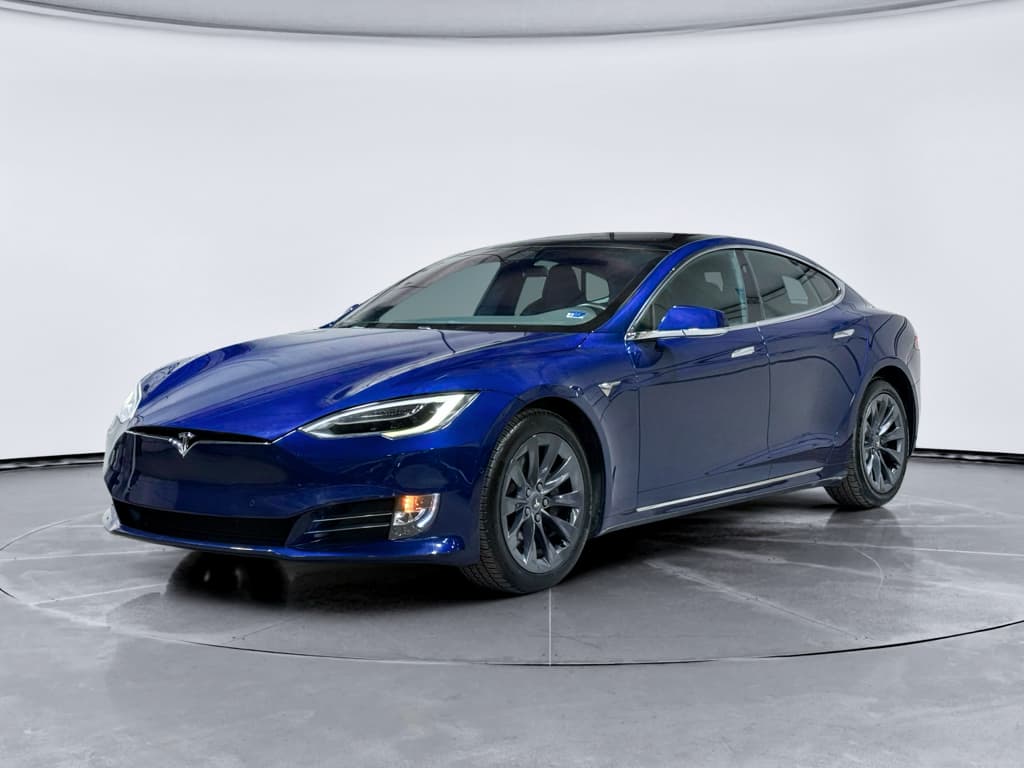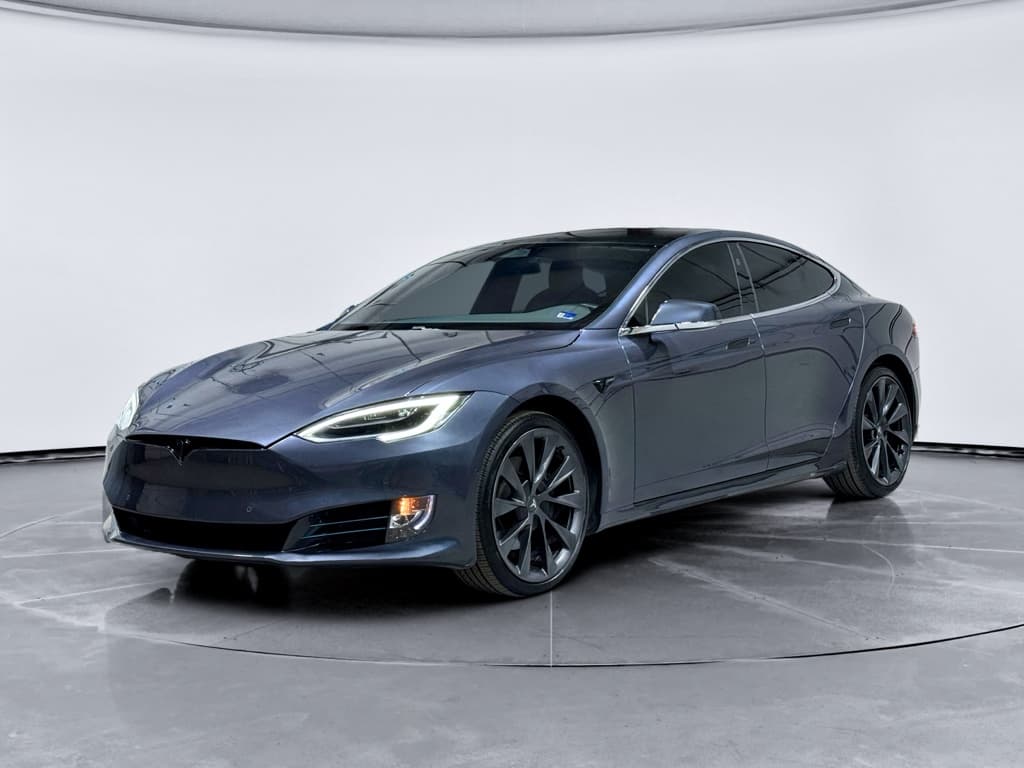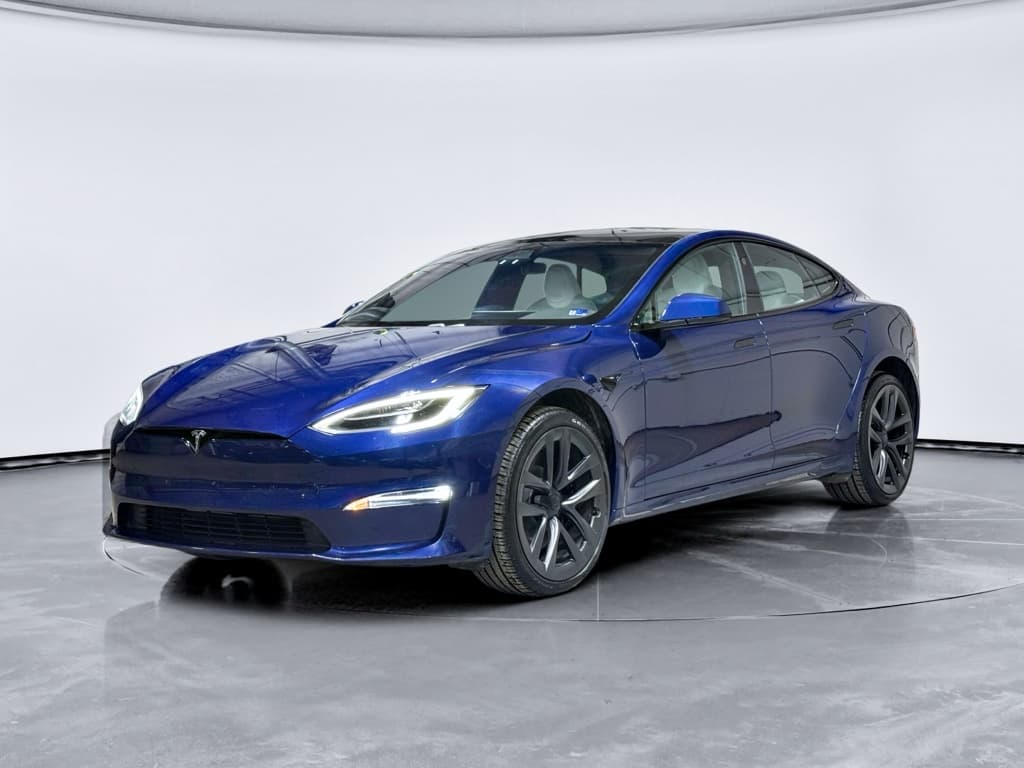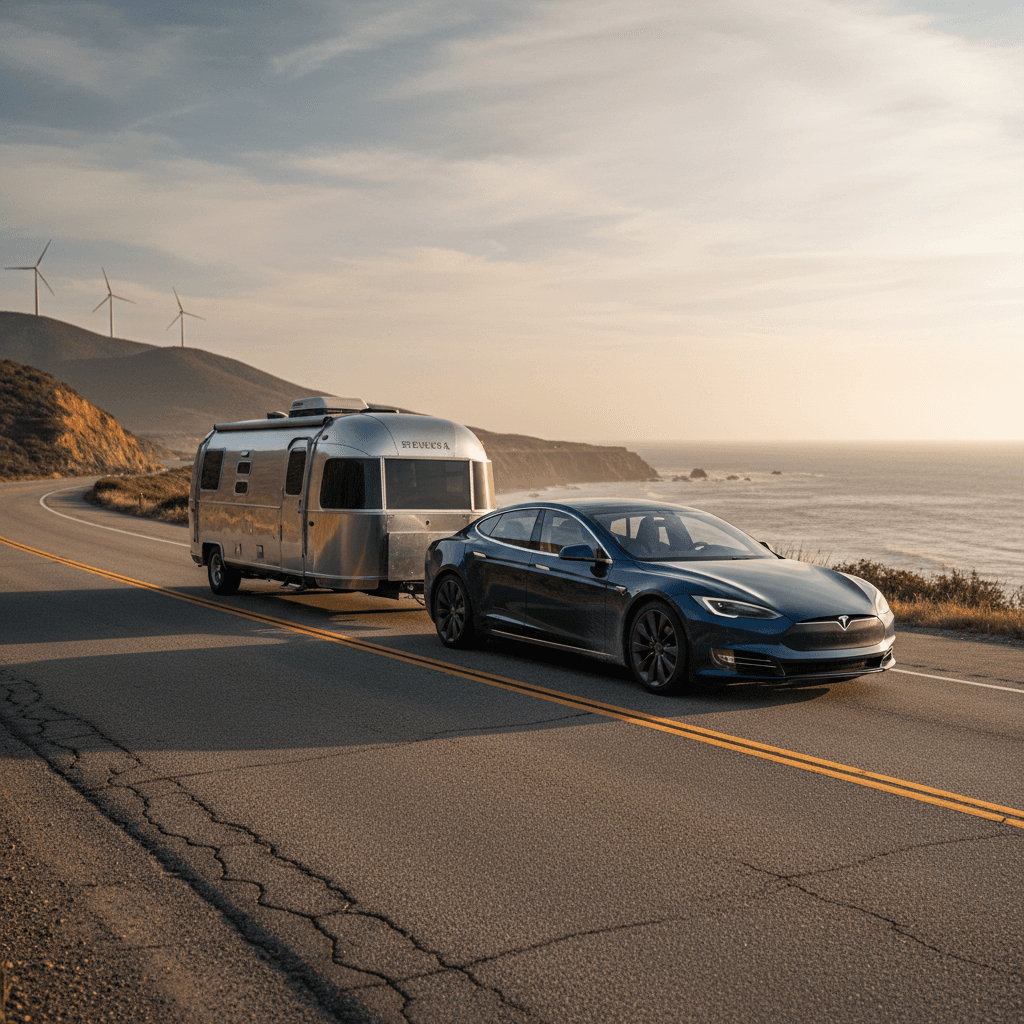
If you’re wondering whether a Tesla Model S can tow a trailer, you’re not alone. The car has sports‑sedan performance and a huge battery, so it’s natural to imagine it doubling as a light tow vehicle for a small camper, utility trailer, or bikes. The reality is more nuanced: some Model S variants are officially rated to tow in certain markets, others are explicitly “no‑towing,” and all of them suffer a major range hit when you put a trailer behind them.
Quick answer
Can a Tesla Model S Tow a Trailer at All?
The confusing part is that Tesla treats Model S towing differently depending on model year and market (North America vs. Europe and other regions). So the first question isn’t “how much can it tow,” but “is this particular Model S even supposed to tow?”
Where Model S Is Officially Rated to Tow
Market and model‑year differences matter more than you might think
Europe & some other regions
For the refreshed 2022+ Model S in certain markets, Tesla offers a factory tow package with a rated towing capacity listed in the local owner’s manual. These cars have software features like Tow Mode and cooling strategies tuned for trailer use.
North America (U.S. & Canada)
Historically, most U.S. Model S manuals have said “towing is not permissible”. On these cars, Tesla doesn’t publish an official trailer weight rating, and installing an aftermarket hitch is effectively at‑your‑own‑risk, even if the hardware can physically handle modest loads.
Plaid exception
If your manual or Tesla app shows a Tow Mode setting and you can order a factory tow package through Tesla for your VIN, your car is in the officially supported bucket. If not, you’re in the unofficial world of aftermarket hitches, conservative weights, and more personal responsibility.
Model S Towing Capacity by Market and Year
Because Tesla doesn’t publish a single global towing spec for the Model S, it’s better to think in ranges and patterns rather than one magic number. Always confirm against the VIN‑specific owner’s manual before you buy a hitch or hook up a trailer, but here’s how things generally shake out as of 2025.
Tesla Model S Towing Overview (High Level)
Approximate guidance for common Model S generations, always verify against the owner’s manual for your specific VIN.
| Model / Years | Region | Factory Tow Package? | Official Towing?* | Typical Use Case |
|---|---|---|---|---|
| Pre-refresh (2012–2020) | North America | No | No | Do not tow; small bike racks only via light-duty hitches |
| Pre-refresh (2012–2020) | Europe/selected | In some markets | Limited | Light trailers with regional rating; check local manual |
| Refresh (2021–2025, non-Plaid) | North America | Generally no | Mostly no | Technically capable, but no official U.S. tow rating |
| Refresh (2021–2025, non-Plaid) | Europe/selected | Yes (Tesla tow package) | Yes | Light camper or utility trailer within published limit |
| Model S Plaid (all years) | All | No | No | Not approved for towing; avoid trailer use |
Towing ratings vary by market and configuration. Treat this as a directional guide, not a substitute for your manual.
About the numbers
What Kind of Trailer Can a Model S Safely Tow?
Assuming your particular Model S is factory‑approved (or you’ve knowingly accepted the risk with an aftermarket hitch), the next question is what sort of trailer actually makes sense. Electric sedans are very sensitive to trailer size and aero drag, so the right use cases are narrower than most owners expect.
“Good Fit” vs. “Bad Fit” Trailers for Model S
Think light weight, low drag, and short distances
Better fits for Model S
- Small utility trailers for yard waste, hardware-store runs, or light home projects
- Low, narrow cargo trailers (e.g., a small enclosed 4x6 or 5x8)
- Bike racks or e‑bike platforms with proper tongue weight and lighting
- Teardrop or compact campers with careful weight management
Poor fits (avoid or extreme caution)
- Tall, boxy travel trailers that present a huge aerodynamic wall
- Car haulers or boat trailers near the limit of ICE SUVs
- Large toy haulers or high‑roof enclosed trailers
- Loads that push tongue weight or hitch rating to the max for long highway trips
Weight and tongue load still matter
- Aim for a fully loaded trailer that’s well below whatever maximum rating applies to your car.
- Keep tongue weight in the typical 8–15% of trailer weight range, and under the car’s specified limit.
- Distribute cargo low and slightly forward of the axle for stability without overloading the hitch.
How Towing Affects Tesla Model S Range
Towing with any EV is less about “can it pull” and more about “how far can it go before you’re out of juice.” The Model S has a relatively big battery compared with most EVs, which helps, but even so, towing typically cuts real‑world range roughly in half for highway driving.
Typical Range Penalties When Towing With an EV
If your Model S normally delivers around 280–320 miles of real‑world highway range at 70 mph in good weather, putting a small camper behind it often drops that to the 120–170 mile ballpark. Big, square trailers or high speeds can drag that number down further.
Plan like a pessimist
Factors that shrink your towing range
- High speed (75+ mph vs. 60–65 mph)
- Tall, blunt‑front trailers with roof racks or A/C units
- Steep grades, headwinds, or extreme heat/cold
- Overloading the trailer or carrying lots of cargo in the car
Factors that help preserve range
- Keeping speed in the right lane, closer to 60 mph
- Choosing low, narrow, aerodynamically clean trailers
- Carefully inflated tires on car and trailer
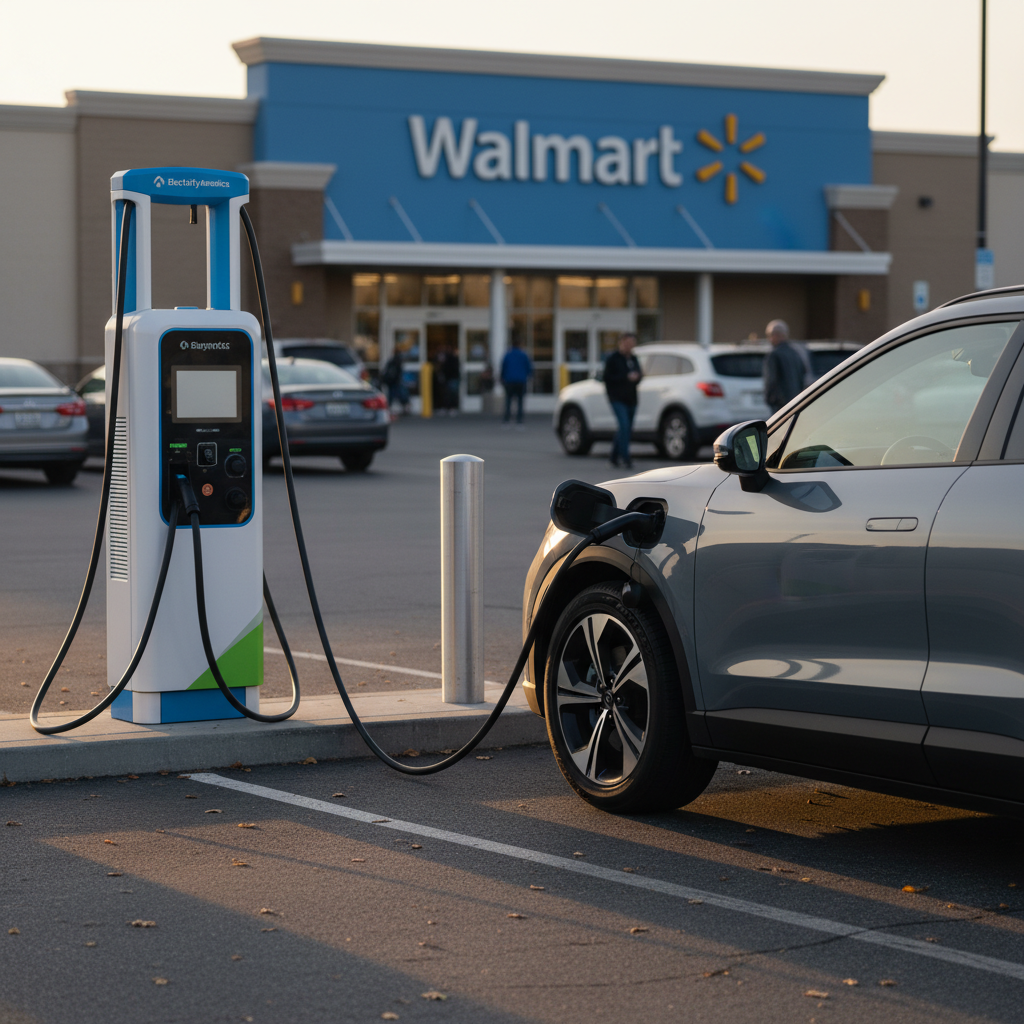
- Strategic charging, shorter, more frequent stops
Hardware You Need: Hitches, Wiring and Brakes
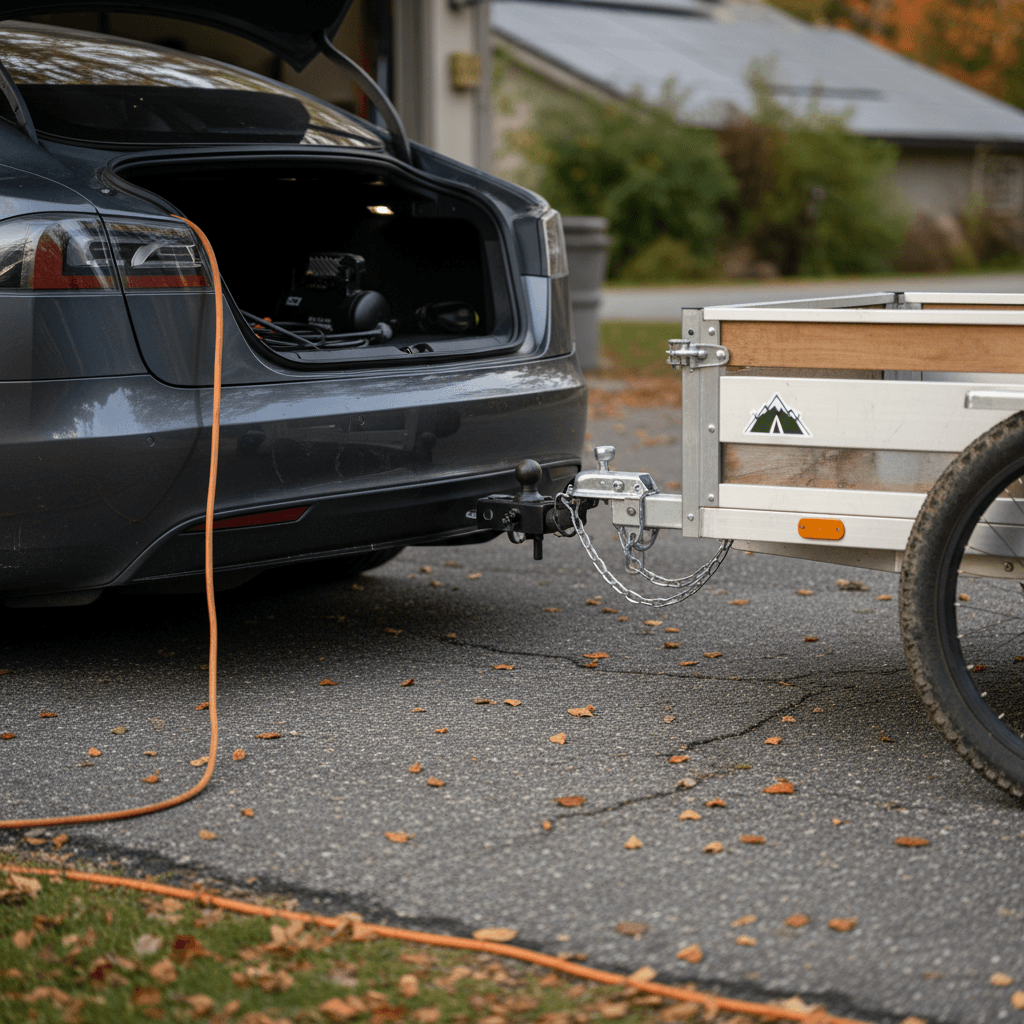
If your Model S is in a market where Tesla offers a factory tow package, the hardware picture is simple: buy the official kit and follow the manual. In the U.S., where most Model S cars aren’t rated to tow, owners lean on aftermarket hitches and third‑party wiring solutions.
Essential Towing Hardware for Model S
Even for light trailers, cutting corners here is a false economy
Hitch receiver
On factory‑rated cars, this is included in Tesla’s tow package. Aftermarket options like EcoHitch hide behind the bumper and typically support ~2,000–4,000 lbs, but the car still may not be officially rated to tow.
Trailer wiring
You need functioning brake lights, turn signals and running lights on any road‑legal trailer. Factory packages integrate wiring; aftermarket setups often use powered converters tied into the rear light harness.
Trailer brakes & controller
Above a few hundred kilograms/pounds, you should assume you need independent trailer brakes. Many EV owners use wireless or plug‑and‑play brake controllers to avoid hacking into the car’s systems.
Do not improvise on safety gear
Pre‑Tow Inspection for Your Model S and Trailer
1. Confirm your car’s rating
Open the digital owner’s manual for your VIN and look for the towing section. If it explicitly says “towing is not permissible,” understand you’re going off‑label with any trailer, even a small one.
2. Inspect the hitch install
Whether factory or aftermarket, crawl under and check that the hitch is properly torqued, safety‑chained where required, and free of rust or damage.
3. Verify tongue weight
Use a tongue‑weight scale or load‑cell hitch if possible. Aim for the recommended range and stay under the limit in the manual and the hitch rating, whichever is lower.
4. Test all lights
With a helper, test turn signals, brake lights and running lights on the trailer before every trip. Fix any issues before you roll.
5. Check tire pressures
Set pressures on both the Model S and the trailer to their recommended values. Underinflated trailer tires are a common failure point when towing with any vehicle.
Driving Tips for Towing With a Model S
Once the hardware is sorted, the way you drive will determine whether towing with your Model S feels like a calm, nerdy science experiment, or a stressful white‑knuckle slog from charger to charger.
- Slow down. Aerodynamic drag is the enemy. Dropping from 75 mph to 60–65 mph can dramatically improve efficiency and stability.
- Use Tow Mode if available. On cars and markets that support it, this adjusts stability control, suspension and sometimes regenerative braking for trailer dynamics.
- Brake early and smoothly. Let regen do as much work as possible, and don’t rely on last‑second panic stops, especially if your trailer brakes are marginal.
- Avoid aggressive lane changes. Sedans have shorter wheelbases and less mass than big trucks; treat your trailer like a sail and make gentle, deliberate inputs.
- Plan charging with extra margin. When routing between Superchargers, give yourself 15–20% state‑of‑charge buffers until you know how your specific trailer behaves.
When it works well
Warranty and Resale Risks When Towing
From a consumer‑protection standpoint, the most important difference between an officially rated tow vehicle and an off‑label setup is liability. Tesla has become more conservative about publishing tow ratings on sedans in certain markets, and that tells you a lot about how they want the car to be used.
Warranty considerations
- If your manual clearly says “no towing,” Tesla can argue that drivetrain or suspension issues caused by towing are misuse.
- They still need to prove causality to deny a claim, but why hand them extra ammunition?
- On factory‑rated tow cars, you’re on much firmer ground, as long as you stay within the published weight limits.
Resale and inspection
- Visible hitch hardware on a non‑rated Model S may raise questions for future buyers, or their lenders and insurers.
- Heavy towing can accelerate battery and brake wear, which shows up as lower range and more tired consumables.
- A thorough used‑EV inspection and battery‑health report (like a Recharged Score) can help quantify any impact.
Why Recharged cares about towing history
Shopping Used: Can a Tesla Model S Tow Your Trailer?
If you’re looking at a used Model S and you already own (or plan to buy) a trailer, it’s smart to work backwards from the job you need done. That means looking at trailer weight and shape first, then finding a car whose hardware, documentation and history line up with that job.
Used Model S Towing Suitability Checklist
1. Define your real trailer needs
Know your trailer’s empty weight, typical loaded weight, height and frontal area. A small teardrop plus bikes is a very different proposition than a tall 20‑foot box.
2. Prioritize the right markets and trims
If you genuinely need towing as part of everyday life, consider focusing on <strong>factory‑rated tow vehicles</strong>, whether that’s a Model Y, Model X, or a Model S from a market where Tesla supports towing.
3. Examine the specific car
Look for evidence of a hitch (current or removed), wiring splices, or reinforced bumper structures. Ask the seller directly about towing history and frequency.
4. Get a battery‑health report
Towing at high speed and frequent DC fast charging both raise pack temperatures and can accelerate degradation. A <strong>Recharged Score Report</strong> will show you how healthy the battery really is compared to similar cars.
5. Be honest about use case
If you’re only towing a couple of times a year to the local dump or hardware store, a lightly used aftermarket hitch on a non‑rated Model S might be acceptable. If you’re dreaming of cross‑country camping, you probably want a vehicle explicitly built and warranted for that job.
When a Model Y or X is a better answer
Frequently Asked Questions About Tesla Model S Towing
Model S Towing FAQs
Bottom Line: Should You Tow With a Tesla Model S?
A Tesla Model S can tow a trailer in some circumstances, but that doesn’t mean it’s always a good idea. The car’s structure and drivetrain are up to the task for light, well‑behaved trailers, especially in markets where Tesla sells a tow package and publishes clear limits. What it’s not built for is heavy, tall, long‑distance trailer duty, particularly in North America where many cars are officially "no‑towing."
If your real‑world use case looks like a few utility‑trailer runs or an occasional trip with a compact camper, a carefully set‑up Model S can work, provided you understand the range hit and stay well inside the conservative side of the envelope. If you’re planning regular RV adventures or serious hauling, your life will be easier, and probably cheaper in the long run, if you start with a vehicle that’s explicitly engineered and warranted for towing.
Either way, the smart move is to match the car to the job, not the other way around. On Recharged, you can compare used Teslas by battery health, real‑world range and equipment, tow packages included, so you end up with an EV that fits both your daily driving and your occasional towing ambitions.