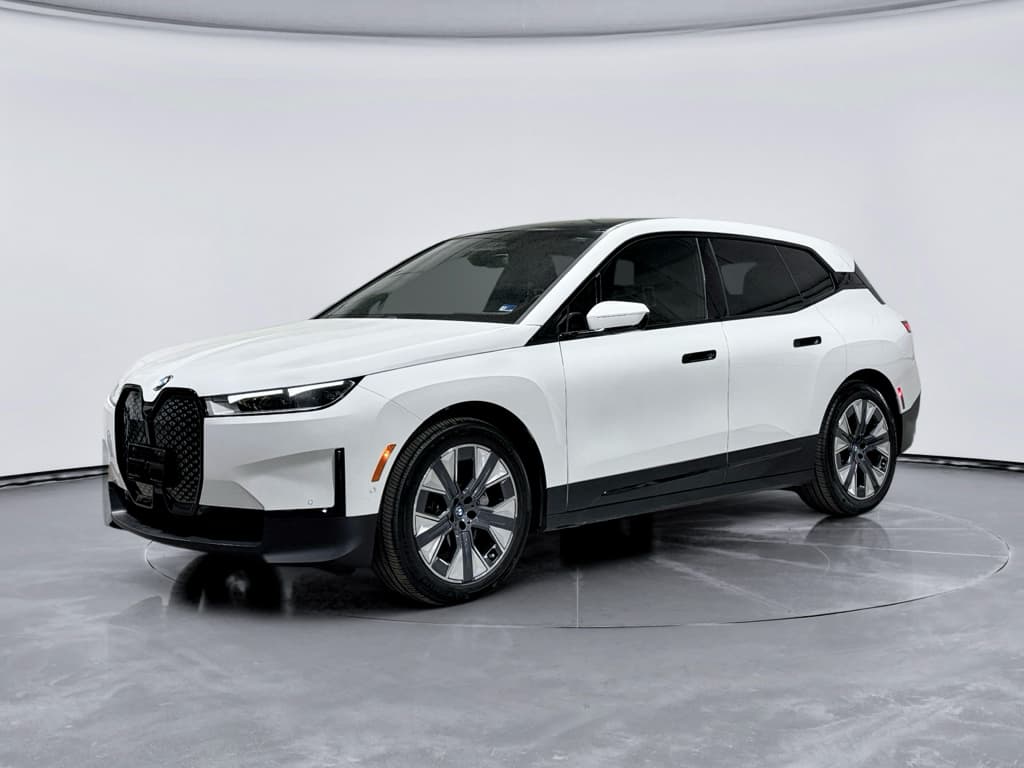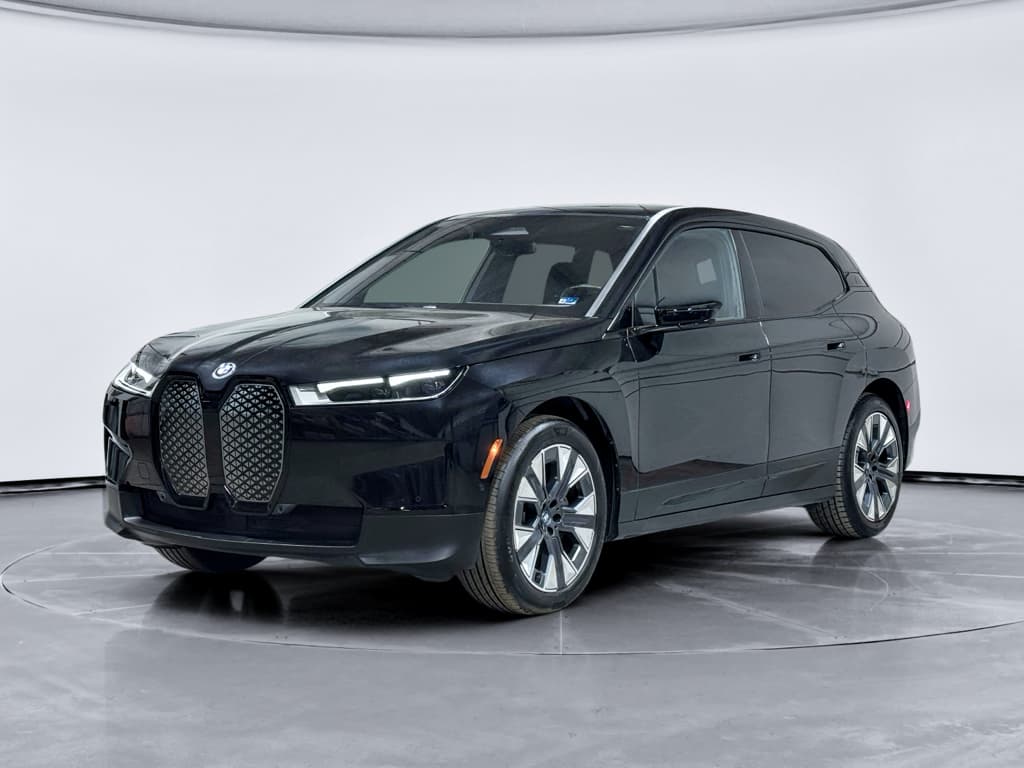
The BMW i7 is one of the most luxurious electric sedans on the road, quiet, quick, and packed with tech. But it’s also complex and expensive, which makes using a **BMW i7 buying checklist** essential, especially if you’re looking at a used example or cross‑shopping it against a Mercedes‑Benz EQS, Tesla Model S, Lucid Air, or Porsche Taycan.
At a glance: BMW i7 key facts
Why a BMW i7 buying checklist matters
A new or nearly new i7 often prices well into the six figures before options, and most cars on the market are heavily optioned. That means small decisions about **trim, wheel size, packages and charging** can have a big impact on range, comfort and resale value. A checklist keeps you focused on what actually matters for how you’ll use the car, not just what looks good in a showroom or a listing.
Is the BMW i7 a match for you?
Clarify fit before you dive into trim and options
Executive daily driver
You want a quiet, comfortable flagship sedan for commuting and client trips, with plenty of rear‑seat space and a long driving range.
High‑mileage freeway user
You log lots of highway miles and care most about **range, fast‑charging speed** and lane‑keeping tech.
Performance luxury buyer
You’re trading up from an M‑car or AMG and want the instant torque and punch of the i7 M70 with the same level of luxury.
Step 1: Define your ideal i7 use case and budget
Checklist: clarify your needs before you shop
1. Daily mileage and trip patterns
Write down your typical weekday mileage, weekend driving and how often you take 150–300+ mile trips. This will drive your **range and charging** priorities.
2. New vs. used BMW i7
Decide whether you’re comfortable letting someone else take the initial depreciation hit. The i7 is still a relatively new model, so **lightly used examples** can offer major savings while staying within warranty windows.
3. Purchase budget and payment comfort
Instead of just thinking about MSRP, decide on a target **out‑the‑door price or monthly payment** that fits your financial comfort zone, including insurance and home‑charging costs.
4. Must‑have vs. nice‑to‑have features
List non‑negotiables (for example, **Driving Assistance Professional Package** or rear‑seat luxury) separately from cosmetic wants like wheel style or certain trims.
5. New incentives and tax credits
Check current **federal, state and utility EV incentives** and whether they apply to new, used, or leased i7s. Used EVs can sometimes qualify for different credits than new purchases.
Recharged tip
Step 2: Choose the right BMW i7 trim and performance
Across recent model years, the U.S. BMW i7 lineup has centered on three configurations: **eDrive50 (single‑motor RWD), xDrive60 (dual‑motor AWD)** and **M70 xDrive (performance AWD)**. They all share the same basic battery pack, but power, range and price differ meaningfully.
BMW i7 trim comparison snapshot
Use this to narrow which drivetrain best fits your driving style and weather.
| Trim | Drivetrain | Approx. power | Typical EPA range* | Character |
|---|---|---|---|---|
| eDrive50 | RWD, single motor | ~449 hp | ~314–321 miles | Smooth, efficient, best range, rear‑drive feel |
| xDrive60 | AWD, dual motor | ~536 hp | ~308–317 miles | Strong all‑weather traction, brisk acceleration |
| M70 xDrive | AWD, dual motor | ~650 hp | ~274–291 miles | Flagship performance, least range, most expensive |
Exact specs can vary slightly by model year and wheel size; always confirm on the specific car you’re buying.
Wheel size matters
When the eDrive50 makes sense
- You mostly drive in mild climates and don’t need all‑wheel drive.
- You value **maximum range and efficiency** above all.
- You’re comfortable with ~5‑second 0–60 mph acceleration instead of super‑sedan thrust.
When the xDrive60 or M70 fits better
- You live where it snows and want **AWD traction**.
- You often drive fully loaded with passengers or luggage.
- You want the confidence of 0–60 mph in the mid‑3s to low‑4s (xDrive60 and M70).
- You’re willing to trade some range and cost for performance (M70).
Step 3: Range, battery and charging checks
BMW i7 battery & charging basics
Checklist: range, battery and charging
1. Confirm real‑world range needs
Take your **longest regular trip**, add a 25–30% buffer, and compare that to the i7 trim’s EPA range with the wheels it actually has. Remember that cold weather, high speeds and roof boxes all cut range.
2. Verify on‑board charging equipment
Make sure the car includes the **Flexible Fast Charger** (portable EVSE) and any adapters you need for your outlets. Replacing missing equipment adds cost.
3. Plan your home charging setup
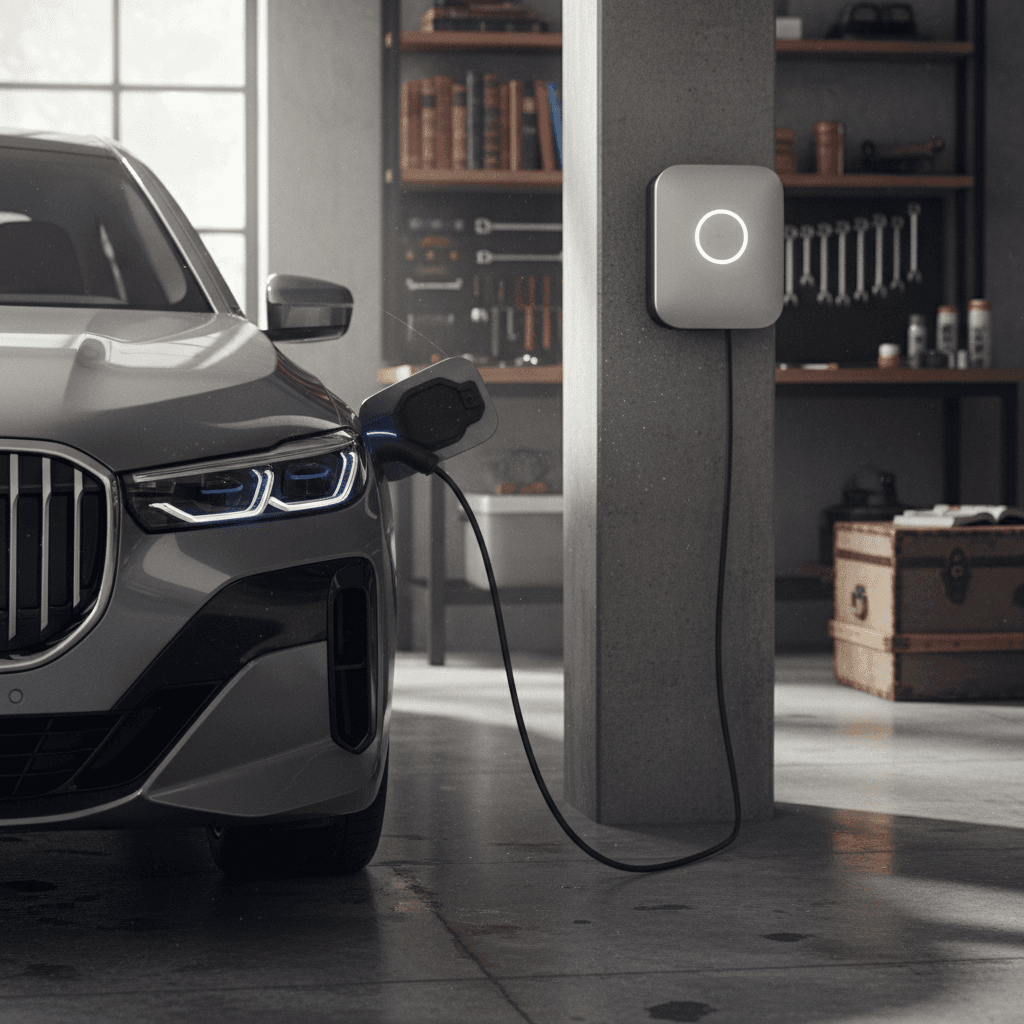
Decide whether you’ll use an existing 240‑V outlet, install a new **Level 2 wallbox**, or rely mainly on public DC fast charging. Installation quotes can vary widely by home.
4. Check DC fast‑charging history (used i7)
Ask how often the car has been DC fast‑charged, especially from low state of charge. Occasional use is fine; heavy, frequent fast‑charging can contribute to faster battery wear.
5. Review battery warranty status
BMW’s high‑voltage battery warranty typically runs **8 years / 80,000–100,000 miles** (depending on market and model year). Note how much of that remains on the specific car you’re considering.
6. Get an independent battery health report
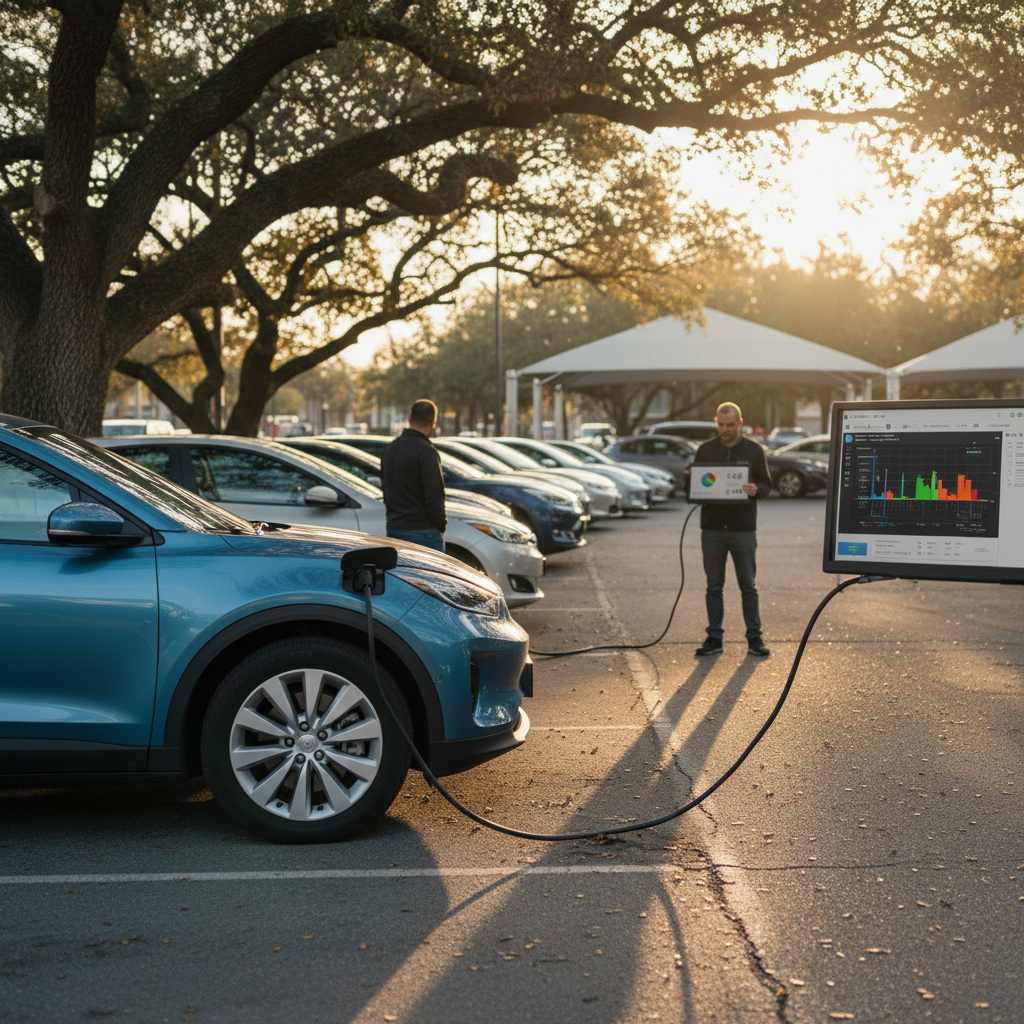
On a used i7, request a **third‑party battery health diagnostic**. With Recharged, every used EV includes a Recharged Score Report so you can see verified battery condition before you buy.
Home charging vs. public fast charging
Step 4: Must-have options and packages
The i7’s options list is long, and used examples often combine multiple packages. Focus on packages that are hard or impossible to add later, especially driver‑assistance and major comfort upgrades, before you get hung up on cosmetic details.
BMW i7 options and packages to prioritize
Not every buyer needs every feature, prioritize what matches your driving.
Driving Assistance Professional
Adds advanced hands‑on assist features such as **adaptive cruise with lane centering, Highway Assistant** on newer cars, and more capable traffic‑jam assist. A must if you do heavy freeway driving.
Luxury Rear Seating / Executive Lounge
Brings reclining, heated and often ventilated rear seats, upgraded headrests and sometimes a rear tablet. Ideal if you regularly **carry clients or family** in back.
Rear Theater Screen
The massive 31‑inch rear 8K screen is spectacular for passengers but overkill for some buyers. Decide honestly whether you’ll use it or just be paying for complexity.
Cold Weather & Climate Comfort
Heated steering wheel, armrests and additional seat heating transform the i7 in winter and help preserve range since you can **heat occupants more efficiently** than blasting cabin air.
Lighting and visibility packs
Look for **BMW’s advanced LED or laser headlights** and parking assistant systems (Surround View, Parking Assistant Professional) if you frequently park in tight city garages or drive at night.
M Sport & wheel packages
M Sport styling, bigger wheels and sportier suspension sharpen handling and looks but may **reduce ride comfort and range**. Balance aesthetics with practicality.
Beware option overload on used cars
Step 5: Tech, comfort and driver‑assistance
The i7’s cabin is a tech showcase: curved dual displays, ambient lighting, hidden vents, touch‑sensitive controls and optional rear‑seat tablets. All that tech is fantastic when it works, but it also means you should be systematic when evaluating a specific car.
Checklist: cabin tech, comfort and safety
1. Infotainment responsiveness and layout
Test the **Curved Display**: start navigation, switch audio sources, connect your phone, use voice control and check for lag. BMW’s system should feel quick and intuitive once you learn the basics.
2. Audio system and media sources
Confirm what sound system is fitted (standard vs. **Bowers & Wilkins**) and whether it meets your expectations. Play different sources, Bluetooth, USB, streaming apps, at highway volume.
3. Driver‑assistance feature set
With the ignition on, scroll through driver‑assist menus: adaptive cruise, lane centering, automated lane change, traffic‑jam assist, parking assist, 360° cameras. Make sure the actual car includes the systems you expect from the listing.
4. Seat comfort front and rear
Spend time adjusting seat length, bolsters, lumbar and massage (if equipped). Sit in the rear with the front seats set for a tall driver. For a flagship like the i7, **seat comfort is non‑negotiable**.
5. Climate control and ambient lighting
Cycle through all climate zones, seat ventilation, heated surfaces and ambient‑light themes. Make sure there are no strange fan noises, flickering lights or dead zones in the touchscreen controls.
6. Software version and updates
Ask which **software version** the car is running and whether over‑the‑air updates have been applied regularly. Cars that are badly out of date may have unresolved bugs or miss features added later.
Step 6: Inspection, test drive and BMW i7 issues to watch
The i7 has generally reviewed well for refinement and build quality, but like any high‑end, first‑generation EV platform, it’s smart to look for patterns: software glitches, squeaks and rattles, charging quirks and tire wear from the car’s weight.
Physical inspection checklist
- Look for **uneven panel gaps** or mismatched paint that might suggest prior repairs.
- Check wheels and tires for curb rash, bubbles or uneven wear from misalignment.
- Inspect the charge port door for smooth operation, no binding or error messages.
- Open and close all doors, soft‑close functions and the trunk several times.
- Verify that all keys, manuals and charging accessories are present.
Test‑drive checklist
- Start at low speed on a rough surface and listen for **rattles, buzzes or creaks** from the dash and rear deck.
- At highway speed, check for wind whistle around the frameless doors or mirrors.
- Accelerate strongly a few times; power delivery should be smooth and linear with no warning lights.
- Test full‑strength braking from moderate speed; pedal feel should be firm and consistent.
- Try one complete parking cycle with driver‑assistance aids to confirm camera and sensor performance.
Don’t ignore warning lights
Step 7: Total cost of ownership, financing and warranty
Sticker price is only part of the BMW i7 story. Energy costs, tires, insurance, maintenance and financing terms all shape your real ownership cost. The upside: relative to a V8 7 Series, an i7 can be significantly cheaper to operate day‑to‑day, even if it costs more up front.
Key BMW i7 ownership cost factors
Look past the MSRP to the full financial picture.
Energy vs. gasoline
Home electricity is usually much cheaper per mile than premium gasoline. Run the numbers using your local $/kWh and expected miles per year.
Tires and wear items
The i7 is heavy and powerful, which can mean faster tire wear, especially on **21‑inch performance tires**. Budget accordingly.
Warranty and maintenance
Newer i7s typically include several years of complimentary maintenance plus an 8‑year high‑voltage battery warranty. Verify end dates and transferability for any used car.
Financing or leasing
Luxury EVs often lease attractively thanks to residuals and potential tax advantages. Compare **lease vs. finance vs. cash** using real quotes, not assumptions.
Insurance costs
Get a binding insurance quote using a specific VIN before you sign. High‑tech lighting, sensors and glass can be expensive to repair.
Charging installation
Factor in the cost of installing a 240‑V circuit or wallbox at home if needed. For some homes this is minor; for others, panel upgrades add thousands.
How Recharged can help
Ready to find your next EV?
Browse VehiclesSpecial considerations when buying a used BMW i7
Buying used is where a **BMW i7 buying checklist** really earns its keep. Depreciation can be steep on six‑figure luxury EVs, but you’re also inheriting someone else’s charging, software‑update and maintenance habits.
Used BMW i7 checklist
1. Battery health and fast‑charge history
Ask for any available battery health reports and charging logs. A professional diagnostic, like the Recharged Score battery‑health report, can quantify remaining capacity instead of relying on guesses.
2. Service records and recalls
Request full **BMW dealer service history** plus proof that open recalls, technical service bulletins and software updates have been addressed. Consistent dealer or specialist service is a positive sign.
3. Accident and repair history
Review a vehicle‑history report and look for structural repair notes. Cosmetic work is common on city‑driven luxury sedans; structural repairs demand closer inspection.
4. Remaining warranty coverage
Calculate remaining **bumper‑to‑bumper, powertrain and high‑voltage battery** warranty based on in‑service date and mileage. This can be the difference between peace of mind and out‑of‑pocket risk.
5. Charging behavior of prior owner
Lightly used i7s that lived in a garage and mainly used **Level 2 home charging** are generally preferable to cars that lived on fast‑chargers, rode on 21‑inch wheels and did only short trips.
6. Independent EV‑savvy inspection
Before you finalize any private‑party or off‑brand‑dealer purchase, invest in a pre‑purchase inspection with a shop that understands EVs and BMW electronics specifically.
FAQ: BMW i7 buying questions answered
Frequently asked BMW i7 buying questions
Bottom line: put this BMW i7 buying checklist to work
A BMW i7 can be a phenomenal daily companion: whisper‑quiet, seriously quick and packed with comfort and tech. But it’s also one of the more complex EVs on the road, which is why a structured **BMW i7 buying checklist**, from trim and wheels to battery health and driver‑assistance, is your best protection against regret.
Take the time to clarify how you’ll really use the car, verify the exact equipment and software version on any specific i7 you’re considering, and dig into objective battery‑health data instead of guesswork. If you’d like help finding a **used BMW i7** with verified battery condition, fair pricing and expert guidance end‑to‑end, Recharged was built for exactly that job.