If you’re shopping for an electric car in California, you’ve probably heard about a 10‑year/150,000‑mile battery warranty. The reality is more nuanced. California’s electric vehicle battery warranty rules depend on model year, certification category, and whether you’re looking at a new or used EV. This guide breaks down what’s true today, what changes starting with 2026 model-year vehicles, and how to protect yourself when you buy, especially in the fast-growing used EV market.
Quick snapshot
How California EV battery warranty rules work today
As of late 2025, there are three overlapping layers that determine your California electric vehicle battery warranty:
- Federal EV battery warranty requirements (nationwide minimums)
- California emissions and PZEV warranties (applied to certain vehicles sold in the state)
- Manufacturer’s own battery warranty (which can be more generous than either law requires)
1. Federal baseline: 8 years/100,000 miles
Since the mid‑2010s, federal rules have effectively pushed EV makers to provide at least an 8‑year/100,000‑mile warranty on the high‑voltage (traction) battery. Many mainstream EVs you see on California roads today follow this pattern.
- Covers defects in materials and workmanship
- Usually includes some allowance for capacity loss (often around 70%)
- Applies in all 50 states, not just California
2. California emissions & PZEV rules
California’s Air Resources Board (CARB) adds state‑level emissions warranties. For vehicles certified as Partial Zero Emission Vehicles (PZEV), the emissions and energy‑storage warranty can stretch to 10 years/150,000 miles for the battery or other energy storage device.
This longer warranty doesn’t automatically apply to every EV; it’s tied to how the vehicle is certified for emissions purposes.
Where people get confused
Federal vs. California EV battery warranties
How federal and California rules fit together
Two sets of regulations plus the automaker’s own policy determine your coverage.
Federal baseline
At least 8 years/100,000 miles on the high‑voltage battery for most plug‑in vehicles.
This is why you see similar battery warranty terms across many brands nationwide.
California emissions warranty
CARB requires extra emissions coverage for vehicles sold in California, including longer coverage on some PZEV energy‑storage systems.
For qualifying models, that can mean 10 years/150,000 miles on the battery.
Automaker policy
Manufacturers can always go beyond the minimum. Some brands advertise longer terms or special capacity guarantees as a competitive edge.
Examples include 10‑year/100,000‑mile programs from some Korean automakers.
How to see what you really have
The truth about California’s 10‑year/150,000‑mile battery warranty
You’ll often see the phrase “California requires a 10‑year/150,000‑mile EV battery warranty.” That statement is partly right, but timing and vehicle category matter.
Who actually gets 10 years/150,000 miles today?
How 10‑year/150,000‑mile coverage is applied as of the 2025 model year.
| Vehicle type / certification | Typical battery warranty in California | Notes |
|---|---|---|
| Conventional hybrid or gas PZEV | Up to 10 years/150,000 miles on battery/energy storage | PZEV emissions rules, not a pure BEV requirement |
| 2025 BEV or plug‑in hybrid (non‑PZEV) | Usually 8 years/100,000 miles | Federal baseline; some automakers match or exceed this |
| PZEV‑certified plug‑in models | Often 10 years/150,000 miles | Check the PZEV section in the warranty booklet |
| Future 2026+ ZEVs | Enhanced durability and capacity guarantees | Covered separately below |
For most full battery‑electric vehicles, the minimum today is still 8 years/100,000 miles unless they’re certified under specific California standards.
Capacity vs. outright failure
Big changes coming in 2026 and 2030
California’s Advanced Clean Cars II (ACC II) regulations reshape California electric vehicle battery warranty expectations for 2026 model-year cars and beyond. The goal is simple: make EVs durable enough that they can truly replace gasoline vehicles, and hold their value in the used market.
Key California battery durability milestones
Under CARB regulations for 2026+ zero‑emission vehicles, manufacturers must:
- Guarantee the traction battery against defects that cause state of health (capacity) to drop below a defined threshold (70% initially, increasing to 75%) for at least 8 years/100,000 miles.
- Design vehicles so they retain at least 70% of their certified electric range for 10 years/150,000 miles from 2026–2029 model years, rising to 80% from the 2030 model year.
- Provide a consumer‑facing battery state‑of‑health indicator so owners and used‑EV buyers can see battery condition in plain language.
Why this is good news for used‑EV shoppers
What this means when you buy a used EV in California
Battery warranties are especially important if you’re buying a used EV. A replacement pack can run into the five figures; having factory coverage for several more years can make or break a deal. California’s framework offers useful protection, but there are gaps you need to understand.
1. Warranty follows the car, not the first owner
EV battery warranties in California typically transfer to subsequent owners. If a 2022 EV came with an 8‑year/100,000‑mile battery warranty from the factory, and you buy it in 2025 with 40,000 miles on the odometer, you generally get the remaining coverage.
Always confirm transfer rules; a few programs treat first owners differently, especially when “lifetime” claims are involved.
2. Age can matter more than mileage
California’s future rules explicitly recognize that battery degradation is often driven by calendar age as much as miles. For you, that means a low‑mileage EV that’s already 7 or 8 years old might have limited warranty coverage left, even if its range still looks decent.
Check both the in‑service date and odometer when you evaluate remaining protection.
Don’t assume “Certified Pre‑Owned” means battery is perfect
At Recharged, every used EV comes with a Recharged Score Report that includes verified battery health data, fair‑market pricing, and expert guidance. That’s crucial context in California, where battery warranty terms will vary widely between a 2019 BEV, a 2025 PZEV plug‑in, and a 2027 zero‑emission model built under the new rules.
How to read an EV battery warranty like a pro
Battery warranties are written in legal language, but a few key clauses tell you most of what you need to know. When you’re evaluating a California EV battery warranty, focus on these details:
Four clauses that matter most
If you understand these, you understand 80% of your battery warranty.
Term & mileage
Look for the line that reads something like “8 years or 100,000 miles, whichever comes first.” Some California PZEV‑certified vehicles and future ZEVs will show 10‑year/150,000‑mile references.
Capacity guarantee
Check whether the warranty specifies a minimum state of health, often 70% of original capacity. Under California’s ACC II rules, this sort of language becomes mandatory for 2026+ EV batteries.
What’s excluded
Most contracts carve out damage from abuse, unapproved modifications, or lack of basic maintenance (like ignoring cooling system issues). Understand what could void your coverage before you sign.
Remedy & process
Some warranties promise to replace the pack; others allow software updates or repairs to individual modules. Also note whether the automaker can use refurbished components.
Bring the booklet when you shop used
Checklist for California EV shoppers (new and used)
California EV battery warranty checklist
1. Confirm the model year and in‑service date
Battery warranties start counting from the in‑service date (when the first owner took delivery), not the build date. A leftover new 2024 model sold in early 2025 might effectively give you an extra year of coverage over a 2023 used model.
2. Find the California/PZEV warranty section
Open the warranty booklet to the section labeled “California Emissions Warranty” or “PZEV Warranty.” This is where you’ll see any 10‑year/150,000‑mile energy‑storage coverage spelled out.
3. Ask about capacity guarantees
Look for explicit language around battery capacity or range retention. For 2026+ California ZEVs, there should be a clear state‑of‑health threshold tied to 8‑year/100,000‑mile coverage.
4. Get real battery health data
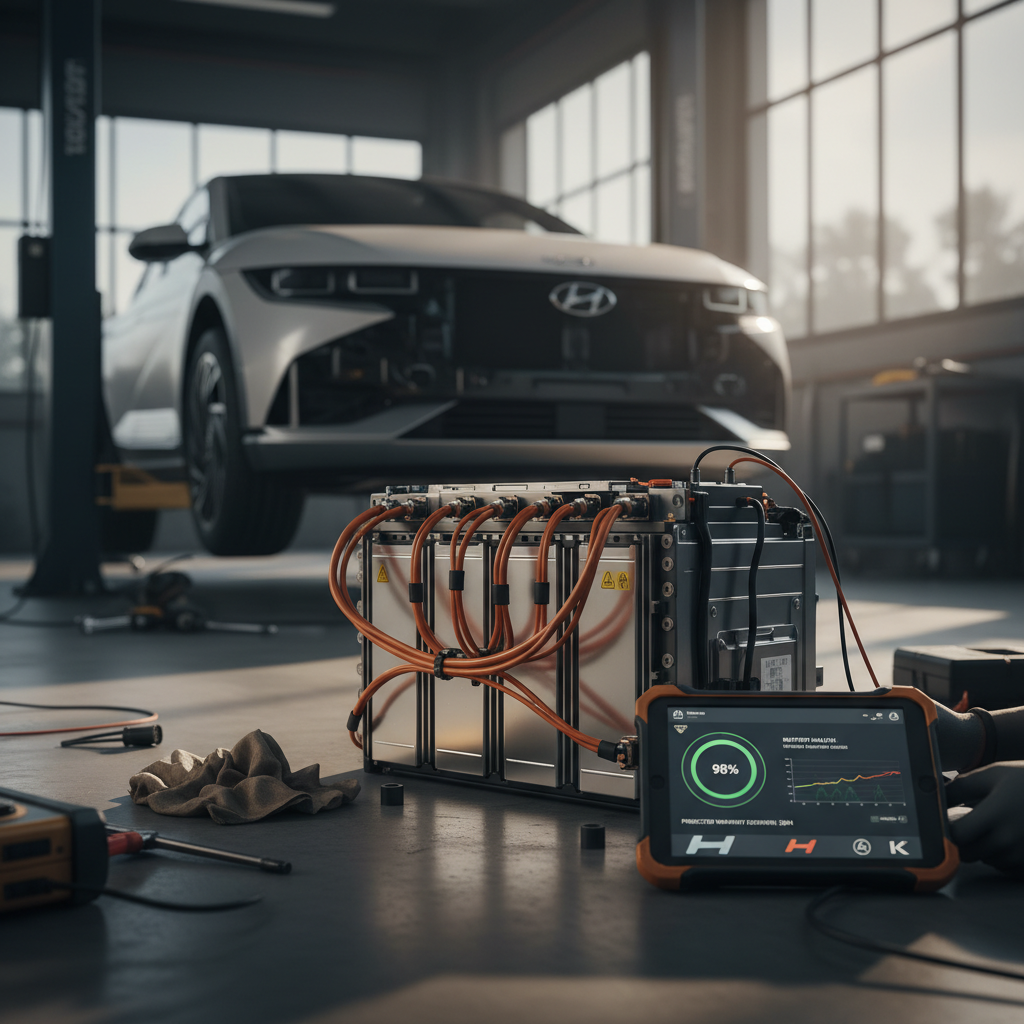
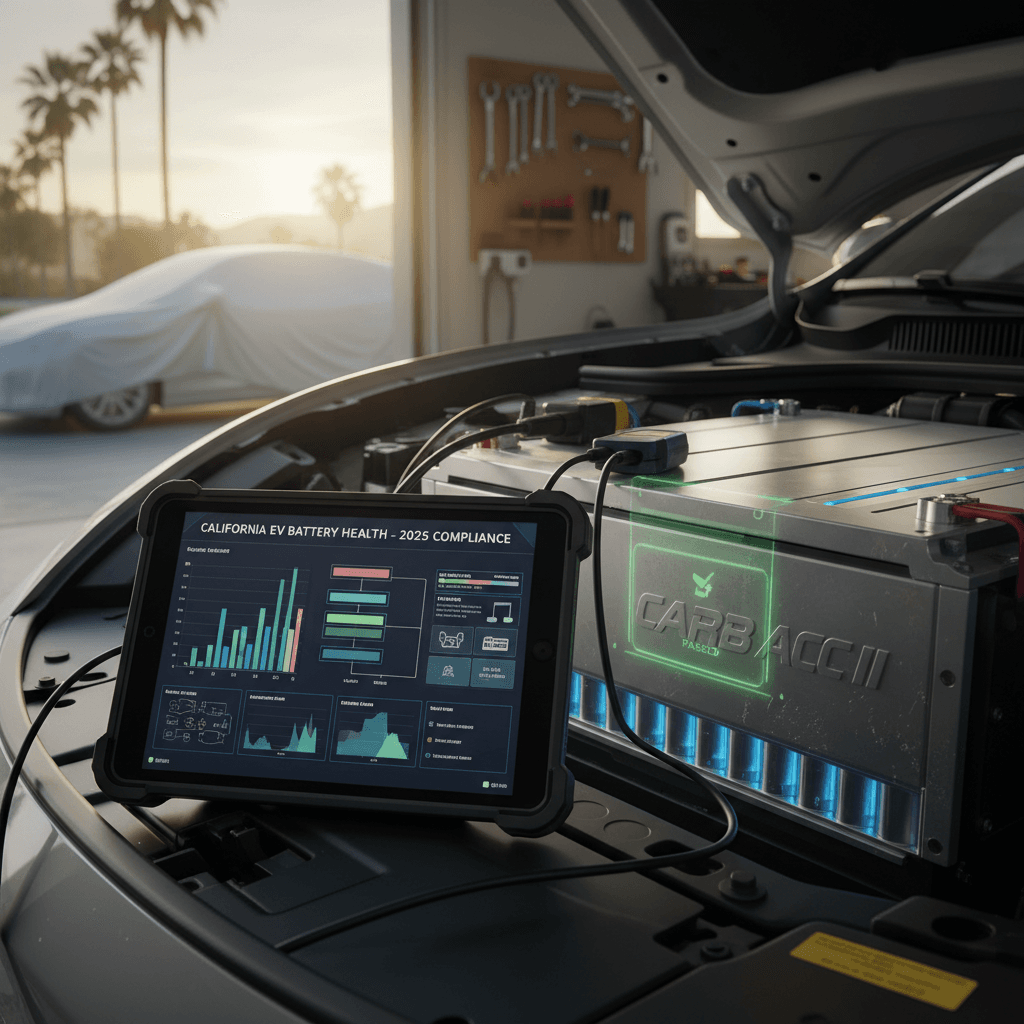
A scan tool or OEM report showing battery state of health is far more useful than a guess. Marketplaces like <strong>Recharged</strong> use diagnostics to generate an objective <strong>Recharged Score</strong> so you’re not buying blind.
5. Check for software and recall history
Updates and recalls can materially affect range and degradation. Confirm the EV is up to date; in some cases, failing to install required updates could be an issue in a future warranty claim.
6. Compare total cost of ownership
Combine remaining battery warranty length, expected range over time, and purchase price. A slightly more expensive car with several years of battery coverage left can be a better value than a cheaper one with the warranty about to expire.
FAQ: California electric vehicle battery warranty
Frequently asked questions about California EV battery warranties
Bottom line for California EV buyers
California is tightening the screws on electric vehicle battery durability, but we’re in a transition period. For the next few years, you’ll see a mix of vehicles on the market: older EVs with basic 8‑year/100,000‑mile coverage, select models with 10‑year/150,000‑mile PZEV warranties, and new 2026+ cars built to meet tougher CARB standards. The key is to treat the battery warranty as a core part of the deal, not fine print. If you understand the term, the capacity guarantee, and the actual state of health of the pack in front of you, you can buy with confidence.
That’s exactly why Recharged built its platform around transparency. Every used EV we sell includes a Recharged Score battery health report, expert EV‑specialist support, and a fully digital process backed by financing, trade‑in options, and nationwide delivery. Whether you’re in California now or relocating here later, that combination of verified data and clear warranty information is the best protection you have when you invest in an electric vehicle.