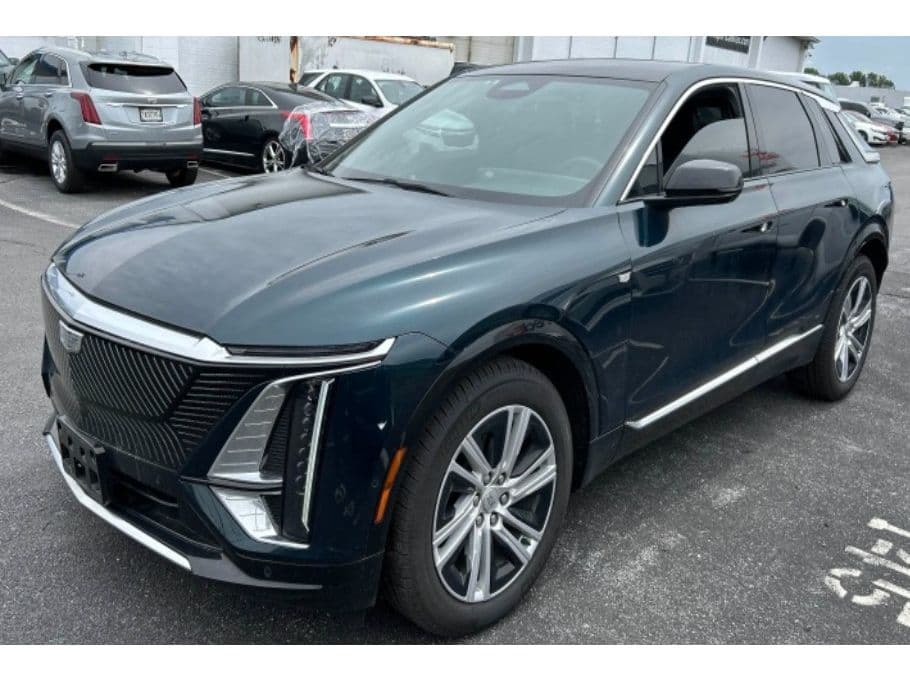
If you’re eyeing a Cadillac Lyriq, or already own one, the big question isn’t just the EPA number. It’s **Cadillac Lyriq real world range on the highway** at 65–75 mph, in real traffic, with real weather. That’s what matters for road trips, long commutes and whether a used Lyriq fits your lifestyle.
Why highway range matters more than you think
Cadillac Lyriq highway range at a glance
Typical real‑world Cadillac Lyriq highway range
Those ranges line up with independent 70–75 mph tests and owner reports across 2023–2025 Lyriqs. In other words: in decent weather, a Lyriq can realistically cover **250–300 miles between highway fast‑charging stops** if you’re willing to arrive around 5–10% state of charge instead of a comfortable buffer.
EPA range vs real‑world highway results
Every Lyriq uses roughly a 102 kWh battery pack, but range estimates vary slightly by model year and drivetrain. For 2025, Cadillac quotes **326 miles EPA for single‑motor RWD** and **up to 319 miles for dual‑motor AWD** in their own specs. That’s a mixed city/highway figure under ideal conditions, not a constant‑speed highway test.
Cadillac Lyriq EPA vs real‑world highway range (approximate)
How the Lyriq’s official ratings compare to what drivers and testers see at steady U.S. highway speeds.
| Configuration | EPA / Cadillac rating | Typical 65–70 mph range* | Typical 75–80 mph range* |
|---|---|---|---|
| RWD (single motor, 20" wheels) | ~312–326 mi | 280–310 mi | 245–270 mi |
| AWD (dual motor, 20" wheels) | ~307–319 mi | 260–290 mi | 230–260 mi |
| AWD w/ 22" wheels or Lyriq V | Low 300s mi | 245–275 mi | 215–245 mi |
Numbers are typical observations, not guarantees, your route, weather and speed will move the needle.
EPA range is not a highway number
Independent 70‑mph tests and early media drives have actually been kind to the Lyriq. In mild temperatures on flat interstate, reviewers have seen **300+ miles at 70 mph in an RWD Lyriq**, occasionally even beating its combined EPA estimate in pure highway driving. That’s unusual; most EVs trail their EPA number at those speeds.
How speed, temperature and wheels change Lyriq range
1. Speed: 65 vs 75 vs 80 mph
Aerodynamic drag rises exponentially with speed, and the Lyriq is no exception.
- 65–70 mph: Sweet spot for efficiency; many owners report 280–300 miles per charge in mild weather.
- 75 mph: Expect roughly a 10–15% drop vs 70 mph, often in the 250–270‑mile range.
- 80 mph+: Range can fall into the low‑ to mid‑200s, especially with headwinds or hills.
2. Temperature & climate control
The Lyriq’s battery is happiest between about 60–80°F. Outside that band:
- Cold (below freezing): Plan for 20–35% less range on the highway when using cabin heat.
- Hot (90°F+): Air‑conditioning typically trims range by 10–15% on long runs.
- Preconditioning: Warming or cooling the cabin and battery while plugged in recovers a noticeable chunk of that loss.
Wheels and tires are the third major lever. The Lyriq looks great on 22‑inch wheels, but the larger, wider tires increase rolling resistance and can knock another **10–20 miles off highway range** compared with the more efficient 20‑inch setup.
If range is a priority, skip the biggest wheels
Real‑world highway range by Lyriq trim
Because the battery is shared across the lineup, the spread in **Cadillac Lyriq real world range highway** mostly comes from drivetrain (RWD vs AWD), wheel/tire package and how aggressively you drive. Here’s how common setups tend to behave at U.S. interstate speeds in reasonable weather:
Highway behavior by common Lyriq setups
Approximate ranges at typical U.S. highway speeds in mild conditions (60–75°F, mostly flat).
RWD, 20" wheels (Luxury 1/2)
- Rated: Low‑ to mid‑320s miles.
- 65–70 mph: Many tests and owners see ~290–310 miles.
- 75 mph: Often 255–275 miles if you’re not driving aggressively.
AWD, 20" wheels (Sport trims)
- Rated: Just under RWD, low 300s miles.
- 65–70 mph: ~270–290 miles is common.
- 75 mph: ~240–265 miles depending on load and wind.
AWD with 22" or Lyriq V
- Rated: Around 300 miles, depending on spec.
- 65–70 mph: Roughly 250–280 miles when driven calmly.
- 75–80 mph / Velocity modes: 220–250 miles is more realistic.
Performance‑oriented modes like Sport or the Lyriq‑V’s Velocity settings sharpen responses and unlock extra power, but they also make it easier to burn kWh with hard launches and higher average speeds. If you’re trying to stretch a leg between fast chargers, Tour or My Mode with relaxed throttle mapping will serve you better.
Planning road trips around Lyriq highway range
On paper, a 300‑mile EV sounds like it should comfortably do 300‑mile highway stints. In reality, the most relaxing way to road‑trip a Lyriq is to think in **200–230‑mile chunks** between DC fast‑charging stops. That gives you padding for weather, detours and a healthy arrival buffer.
Sample Lyriq highway trip plan (RWD, 20" wheels, mild weather)
1. Start at 90–100% state of charge
Begin your first leg with a full or near‑full battery. On RWD models in mild temps, plan on ~280–300 miles of realistic max highway range.
2. Target 10–20% on arrival
Pick chargers ~200–230 miles apart so you arrive with 10–20% left. That’s the sweet spot for quick charging and low stress.
3. Charge from ~15% to ~70%
On a strong DC fast charger, the Lyriq can add roughly 70–80 miles in 10 minutes and 150–180 miles in 25–30 minutes when charging from low state of charge.
4. Repeat shorter legs in bad weather
In very cold or hot conditions, shorten your legs to 160–190 miles and lean on preconditioning to protect range.
5. Use in‑car and third‑party route planners
GM’s native route planning plus apps like PlugShare or A Better Routeplanner help you visualize spacing and elevation changes, both of which impact range.
Good news: Lyriq highway manners are EV‑friendly
Charging on the highway: CCS, NACS and charge times
Highway range is only half the story. How quickly you can recover that range matters just as much. The Lyriq uses a **CCS1 DC fast‑charging port** and, on newer models with the proper adapter, can also plug into many **Tesla Superchargers using NACS**.
Cadillac Lyriq highway charging basics
How quickly you can add highway range at public chargers when road‑tripping.
| Charging type | Max power (approx.) | Miles of range added | Best use case |
|---|---|---|---|
| Home Level 2 (11.5 kW) | Up to ~11.5 kW | ~30–32 mi/hour | Overnight charging before you leave |
| Home Level 2 (19.2 kW option) | Up to ~19.2 kW | ~50 mi/hour | Faster home top‑offs, fleet or heavy use |
| Public DC fast (up to 190 kW) | Peak ~190 kW | ~86 mi in ~10 min from low SOC | Highway stops on long trips |
| Tesla Supercharger via NACS adapter | Similar to CCS if stall is robust | Comparable to strong public DC fast | Extra options once your Lyriq is NACS‑compatible |
Exact speeds depend on charger quality, battery temperature and state of charge.
Plan charging for when the battery is low, not halfway
How to maximize your Lyriq’s highway range
- Use Tour or My Mode with gentler throttle mapping instead of Sport or Velocity modes when you’re stretching range.
- Aim for 65–70 mph instead of 75–80 mph when practical; that alone can save 30–40 miles of usable range per charge.
- Precondition the cabin and battery while plugged in before cold‑weather departures, especially for early‑morning starts.
- Run climate control in Eco or moderate settings; in winter, use heated seats and steering wheel so you can dial back cabin heat a bit.
- Keep tires at or near the recommended pressures and avoid heavy roof boxes that hurt aerodynamics.
- If you mount winter tires, understand they’ll trim a bit of range compared with low‑rolling‑resistance all‑season tires.
Watch your buffer in deep cold
Used Lyriq buyers: What highway range to expect
If you’re shopping the used market, highway range is one of the biggest confidence factors, especially as first‑wave 2023–2024 Lyriqs enter second ownership. The good news so far: early cars haven’t shown alarming degradation trends, and most owners still see **high‑200‑mile highway legs in mild weather** when the car is driven reasonably.
Highway‑range questions to ask about a used Lyriq
These checks help you understand how the car will behave on your commute or road trips.
How does it perform on a full‑to‑low highway run?
What’s the battery health and software history?
How Recharged can help with used Lyriq range questions
When you browse used EVs through Recharged’s fully digital platform, or visit the Experience Center in Richmond, VA, our team can walk you through how a specific Lyriq’s battery condition, wheel package and software version are likely to translate into everyday highway range for your routes.
Cadillac Lyriq highway range FAQ
Frequently asked questions about Cadillac Lyriq real‑world highway range
The takeaway on **Cadillac Lyriq real world range highway** is straightforward: driven at U.S. interstate speeds, it’s a genuinely efficient big EV that can cover 200‑plus‑mile legs without drama, and often push near 300 miles in the right conditions. The key is knowing how speed, weather and configuration change your true number, then planning charging around that reality. If you’re weighing a Lyriq against other luxury EVs, or comparing specific used examples, that’s exactly where independent battery health and real‑world range data from tools like the Recharged Score can turn a guess into a confident decision.