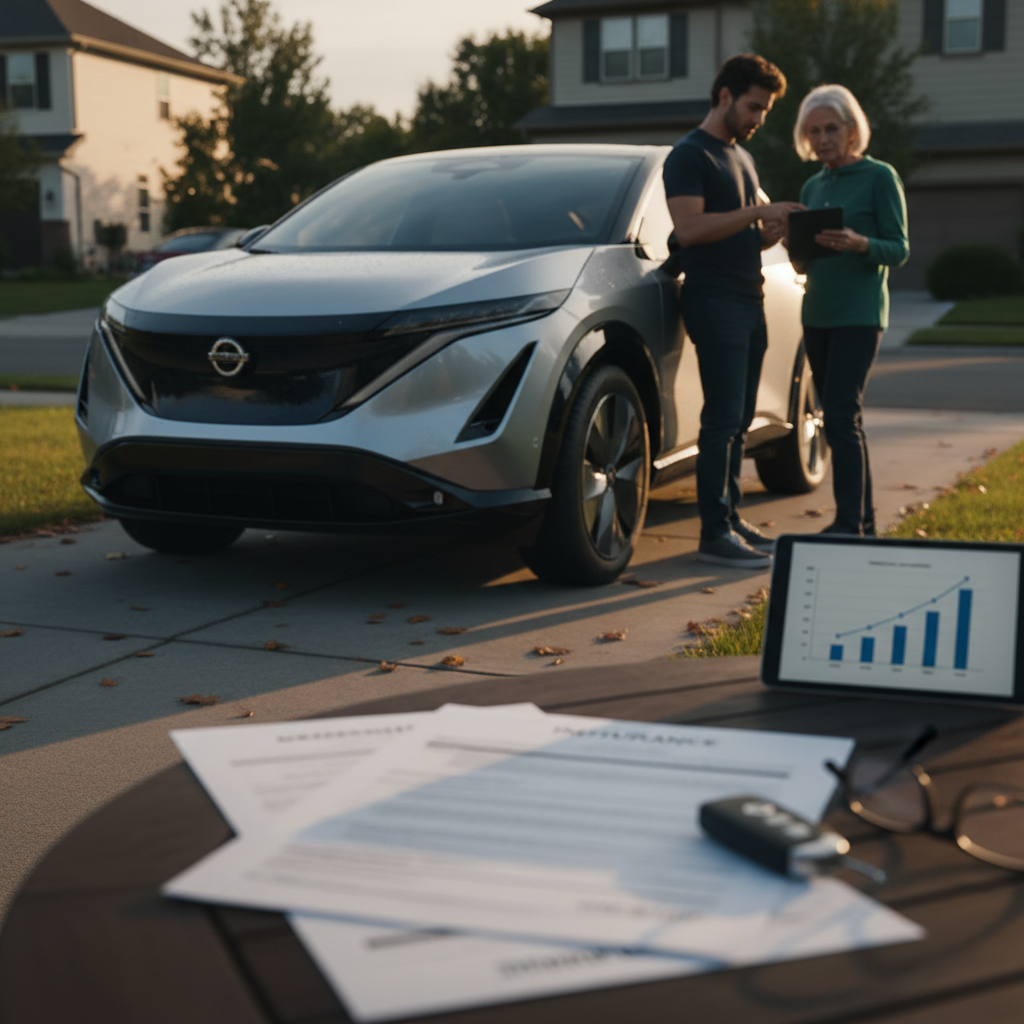
Buying a used rental vehicle can look like a screaming deal: late‑model car, clean history, attractive price. But you’ve probably also heard the horror stories, high mileage, hard use, lower resale value. The truth sits in the middle. If you understand how rental fleets operate and follow a disciplined inspection process, buying a used rental car or EV can be a smart move, not a gamble.
What counts as a “used rental vehicle”?
Why buying a used rental vehicle is on the rise
Over the past few years, large rental companies have quietly become major suppliers to the used‑car market. Brands like Enterprise, Avis and Hertz cycle hundreds of thousands of vehicles out of their fleets every year, and many of those cars are now sold directly to consumers through their own retail arms or partner marketplaces like Amazon Autos.
How big the rental-to-used pipeline is
At the same time, affordability is back on buyers’ minds. Interest rates are higher, and late‑model used cars can cost nearly as much as new ones. That combination is driving more shoppers to ask whether buying a used rental vehicle is a smart way to stretch their dollars, especially if they’re considering a commuter car or a second vehicle.
Who is a good candidate for a former rental?
Pros of buying a used rental car or EV
Key advantages of ex‑rental vehicles
Why a former rental can be a smart value play when you shop carefully
Lower purchase price
Newer model years
Documented maintenance
Good candidate for daily duty
Fleet‑spec durability
Negotiating leverage
Cons and risks of former rental vehicles
Now for the other side of the ledger. Rental vehicles live hard lives, and that shows up in several ways that matter when you’re buying used.
- Higher mileage for the age. A 2‑year‑old rental might have 30,000–45,000 miles, versus 20,000–27,000 for a typical private owner. More miles mean more wear on everything from tires to suspension to the driver’s seat.
- Many unknown drivers. You have no idea how carefully each renter treated the car. Some drove it like it was stolen; others babied it. The average is somewhere in between.
- Lower resale value and stigma. When you go to sell, buyers may discount the car simply because it’s a former rental. Price guides often apply an automatic deduction for prior rental use.
- Basic equipment levels. Fleet builds are typically lower or mid trims with fewer options. If you’re a stickler for a premium audio system or panoramic roof, selection can be limited.
- Cosmetic wear and minor damage. Small dings, carpet stains, scraped wheels, and touched‑up bumpers are routine on ex‑rental vehicles. Some are just cosmetic; others hint at rougher use.
Watch for “program car” euphemisms
How used rental vehicles are maintained
Unlike many privately owned cars, rental vehicles live within strict systems. When they’re managed correctly, that can be good news for you as a second owner. When corners are cut, you need to spot it before you sign.
What big rental brands typically do well
- Scheduled servicing: Oil changes, inspections, and recall work are usually performed on time because vehicles are constantly in rotation.
- Standardized check‑in inspections: After each rental, staff inspect for obvious damage and safety issues like bald tires or cracked glass.
- Rapid repairs on safety items: Anything that would make the car unsafe, or trigger customer complaints, tends to be resolved quickly.
Where problems can slip through
- Cosmetic issues: Light interior wear, door dings, and wheel rash often go unrepaired until the car is ready for sale.
- Hard‑to‑spot mechanical wear: Things like slightly bent suspension components or a transmission that’s been overheated may not show up in routine fleet checks.
- Inconsistent documentation: Not every car will come with a cleanly organized service file, especially if work was spread across multiple locations.
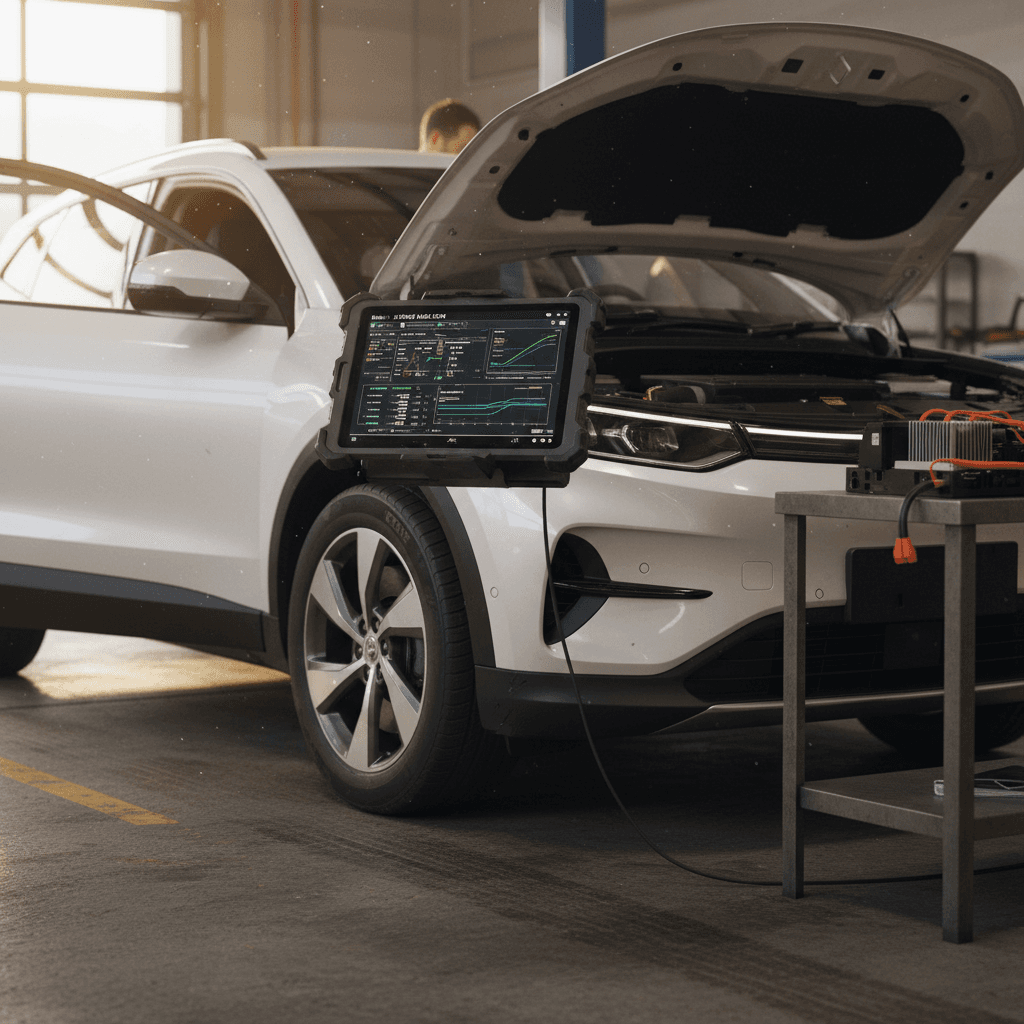
Bring your own inspector
Pricing, resale value, and when a rental deal makes sense
One of the biggest reasons people focus on buying a used rental vehicle is price. Those savings are real, but they come with trade‑offs.
How former rentals typically compare on value
General tendencies you’ll see when shopping ex‑rental vehicles versus similar privately owned cars at the same age and mileage.
| Factor | Former rental vehicle | Similar non‑rental used car |
|---|---|---|
| Purchase price | Often lower thanks to bulk purchasing and volume sales | Usually higher, especially from franchised dealers |
| Mileage for age | Higher (e.g., 30k–45k miles at 2–3 years) | Lower (e.g., 20k–30k miles at 2–3 years) |
| Resale value later | Lower; prior rental history is a drag on value | Higher, all else equal |
| Features & options | More basic trims and spec levels | Wider variety of trims and packages |
| Condition expectations | More cosmetic wear, possible hard use | Condition varies widely by prior owner |
Actual prices vary by brand, region, and vehicle condition, so always compare multiple listings.
Think in “total cost of ownership,” not just price
Step-by-step checklist for buying a used rental vehicle
Your ex‑rental buying game plan
1. Confirm the vehicle’s history
Pull a full vehicle history report and look for prior use marked as “rental” or “fleet.” Check for accidents, structural damage, or repeated repairs in the same area.
2. Compare similar non‑rental listings
Before you fall in love with one ex‑rental, price out similar cars that weren’t rentals. This tells you whether you’re actually being compensated for the extra miles and stigma.
3. Inspect cosmetics with a critical eye
Walk the car in good daylight. Look for mismatched paint, overspray, panel gaps, worn seat bolsters, damaged trim, and wheel rash. Moderate cosmetic wear is normal, but it should be priced accordingly.
4. Get an independent mechanical inspection
Have a trusted mechanic or mobile inspection service evaluate the engine, transmission, suspension, brakes, and electronics. Ask specifically whether the wear and mileage line up with the odometer.
5. Test drive like you already own it
Drive on surface streets and the highway. Check for vibrations, pulling, transmission hesitation, noisy wheel bearings, brake pulsation, and warning lights. Test all accessories and infotainment.
6. Review warranty and return policies
Clarify what factory warranty remains, whether there’s a rental company or dealer warranty, and if there’s a short return or exchange window if something isn’t right in the first week or two.
7. Run the numbers on financing and insurance
Compare interest rates and total payment across a few lenders. Ask your insurer for a quote on that specific car. A slightly cheaper car with a worse loan isn’t a better deal.
8. Put everything in writing
If the seller promises new tires, a fresh service, or a repaired bumper, make sure it’s on the purchase order. Verbal promises evaporate the moment you drive off the lot.
Special considerations for used rental EVs
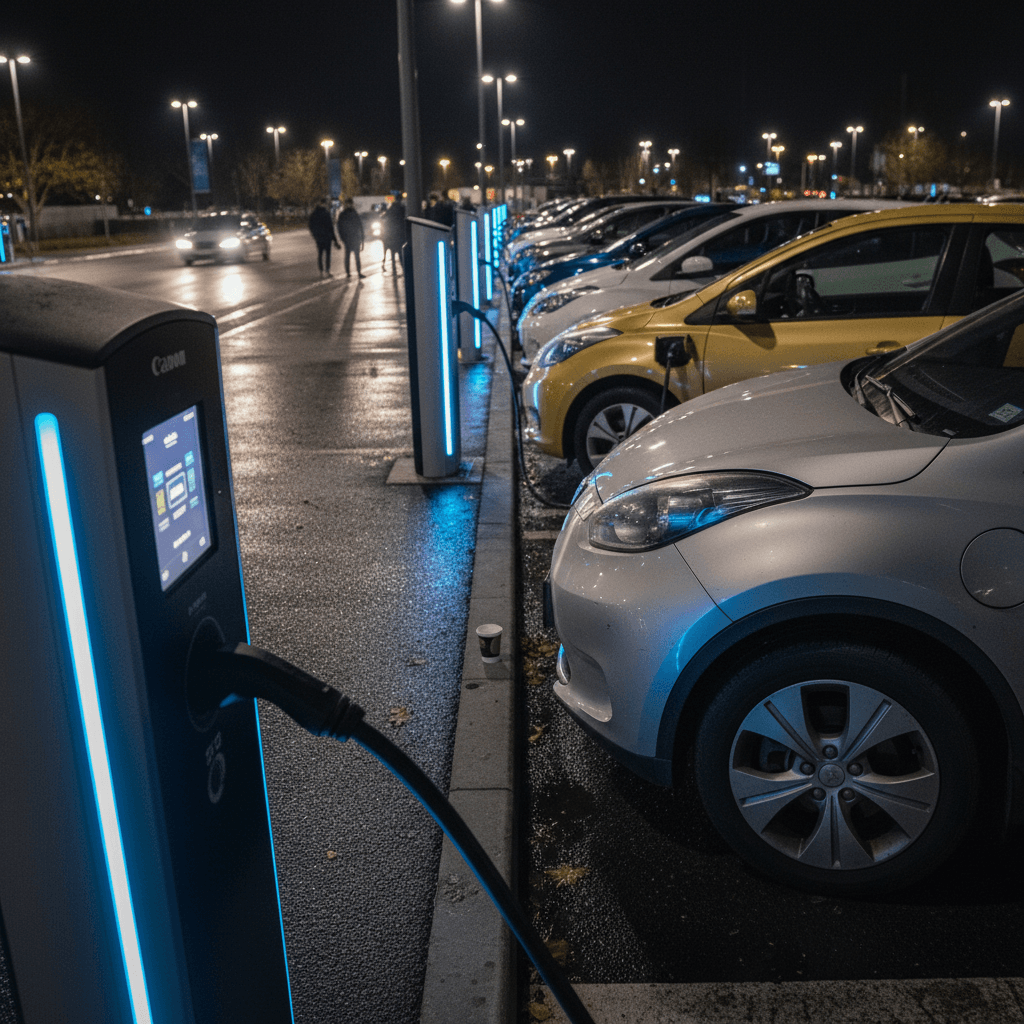
More rental fleets are experimenting with electric vehicles, and that means used EVs with rental histories are starting to appear on the market. Everything above still applies, but battery health and charging history now matter just as much as miles and maintenance.
Extra boxes to tick for ex‑rental EVs
Battery health, charging patterns, and software support matter more than ever
Battery state of health
Fast‑charging history
Use pattern and climate
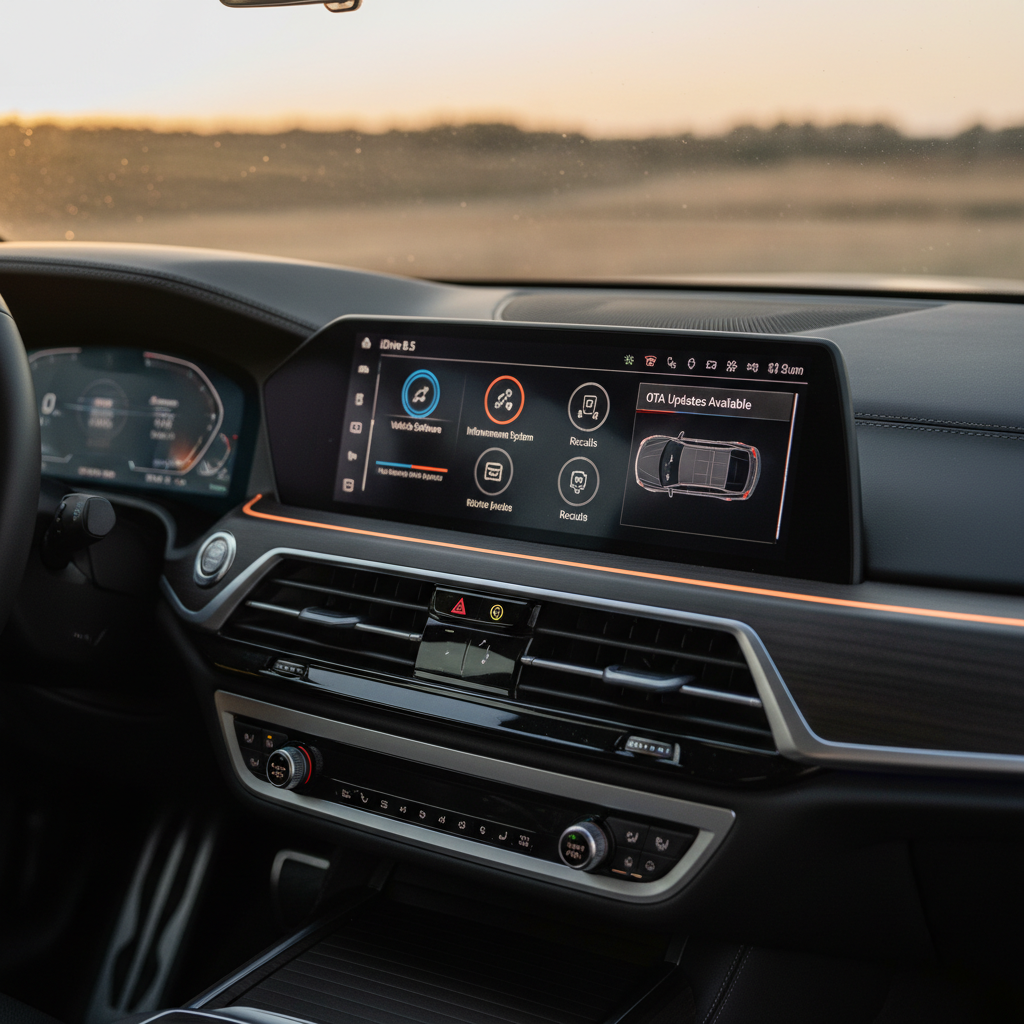
Software, apps, and updates
How Recharged helps on used rental EVs
Ready to find your next EV?
Browse VehiclesWhere to buy a used rental vehicle
If you decide that buying a used rental vehicle fits your needs, your next decision is where to shop. Each channel has its own strengths and watch‑outs.
1. Rental brands’ retail arms
Enterprise Car Sales, Hertz Car Sales, and similar outlets specialize in selling their own fleet vehicles directly. Many offer no‑haggle pricing, history reports, limited warranties, and short return windows.
Good for: Shoppers who want predictable pricing and a simple process.
2. Franchise and independent dealers
Many ex‑rental vehicles are wholesaled to dealers, then resold on their used lots. You may see them labeled as "fleet" or "program" cars.
Good for: Buyers who want to compare ex‑rental cars to other used options side by side and negotiate more aggressively.
3. Online marketplaces & EV specialists
Digital marketplaces and EV‑focused retailers like Recharged let you shop, finance, and often complete the entire purchase online, with delivery to your door.
Good for: Shoppers who value transparency, detailed condition reporting, and time‑saving convenience.
Leverage digital tools
Common mistakes to avoid
- Skipping the pre‑purchase inspection because the car "looks clean" or comes from a big brand.
- Focusing only on monthly payment instead of total cost, including maintenance you’ll likely face in the first 12–24 months.
- Ignoring signs of abuse, burnt smell from the transmission, lumpy idle, harsh shifts, or excessive interior wear.
- Assuming all rental companies maintain cars the same way. Policies and execution differ location by location.
- Failing to verify that factory recalls and software updates have been completed, especially on EVs.
Don’t buy on a deadline
FAQs about buying a used rental vehicle
Frequently asked questions
Bottom line: Is buying a used rental vehicle right for you?
Buying a used rental vehicle isn’t an automatic red flag, and it certainly isn’t a guaranteed bargain. It’s a value play that only works when the price, condition, and your ownership plans all line up. If you’re shopping for a practical daily driver, are comfortable with higher miles, and can verify that the car, or EV, has been maintained properly, a former rental can deliver a lot of transportation for the money.
If, on the other hand, you’re sensitive to resale value, want rare features, or don’t have time to vet condition carefully, you may be better served with a well‑documented non‑rental vehicle. Either way, take your time, insist on transparency, and use modern tools to stack the odds in your favor. And if you’re considering a used EV, remember that Recharged is built to make that process simple, from verified battery health reports and fair pricing to financing, trade‑in, and delivery, so you can focus on the car, not the guesswork.