If you’re new to electric vehicles, the idea of a brake regeneration system can sound a little like magic: you slow down, and somehow your battery gets more energy back. In reality, it’s clever engineering, not sorcery, and once you understand how regenerative braking works, you can use it to stretch range, reduce brake wear, and even change how you drive every day.
In simple terms
What is a brake regeneration system?
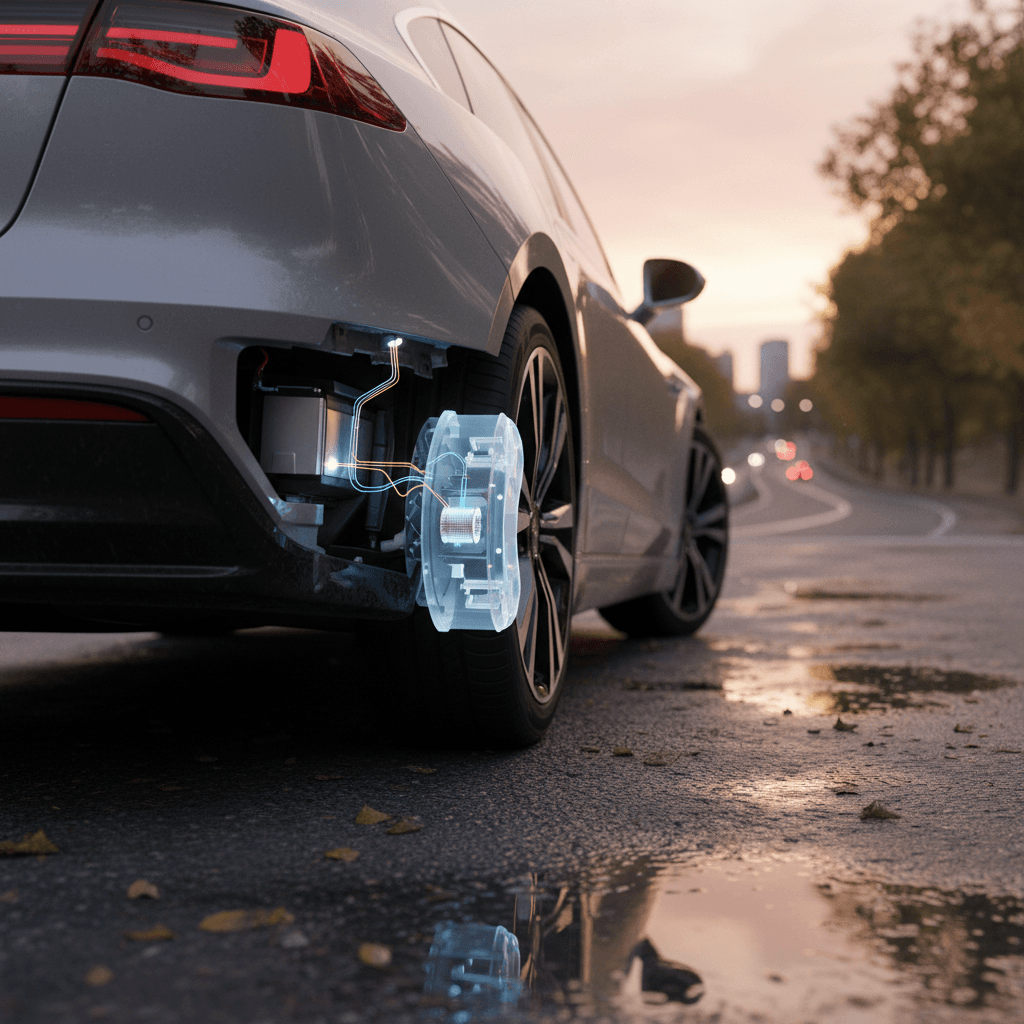
A brake regeneration system, often called regenerative braking or just “regen,” is an energy‑recovery feature built into hybrid and electric vehicles. Instead of relying only on traditional friction brakes, pads squeezing rotors to turn motion into heat, an EV’s drive motor temporarily works in reverse as a generator when you slow down. That generator creates electrical energy and sends it back to the battery.
- When you press the brake pedal (or lift off the accelerator in one‑pedal mode), the car commands the motor to resist rotation.
- That resistance slows the wheels, just like engine braking in a gas car, but here, the motor is also generating electricity.
- The electricity flows through the inverter and into the high‑voltage battery, topping it up a bit each time you decelerate.
- If you need more stopping force than the motor can provide, the friction brakes automatically step in.
Where you’ll find it
How a brake regeneration system works, step by step
Under the skin, a modern brake regeneration system is a dance between the motor, inverter, battery and brake controller. Here’s how the pieces fit together during a typical slowdown.
- Lift off the accelerator or press the brake. The car’s control unit reads how quickly you want to slow down.
- The inverter flips the script. Instead of sending power from battery to motor, it allows the rotating wheels to drive the motor and turn it into a generator.
- The motor resists and generates electricity. As the motor resists rotation, the car slows. At the same time it produces AC electricity, which the inverter converts to DC for the battery.
- The battery accepts what it can. The battery management system decides how much current it can safely accept based on temperature, state of charge, and overall health.
- Blending in the friction brakes. If you ask for more deceleration than regen alone can provide, the system gradually adds hydraulic pressure to the brake calipers. You feel one smooth stop, but behind the scenes it’s a blend of regen and friction.
- Fine‑tuning through software. Many EVs let you choose more or less aggressive regen using drive modes, steering‑wheel paddles, or a “B” setting on the shifter. That changes how quickly the car slows when you come off the accelerator.
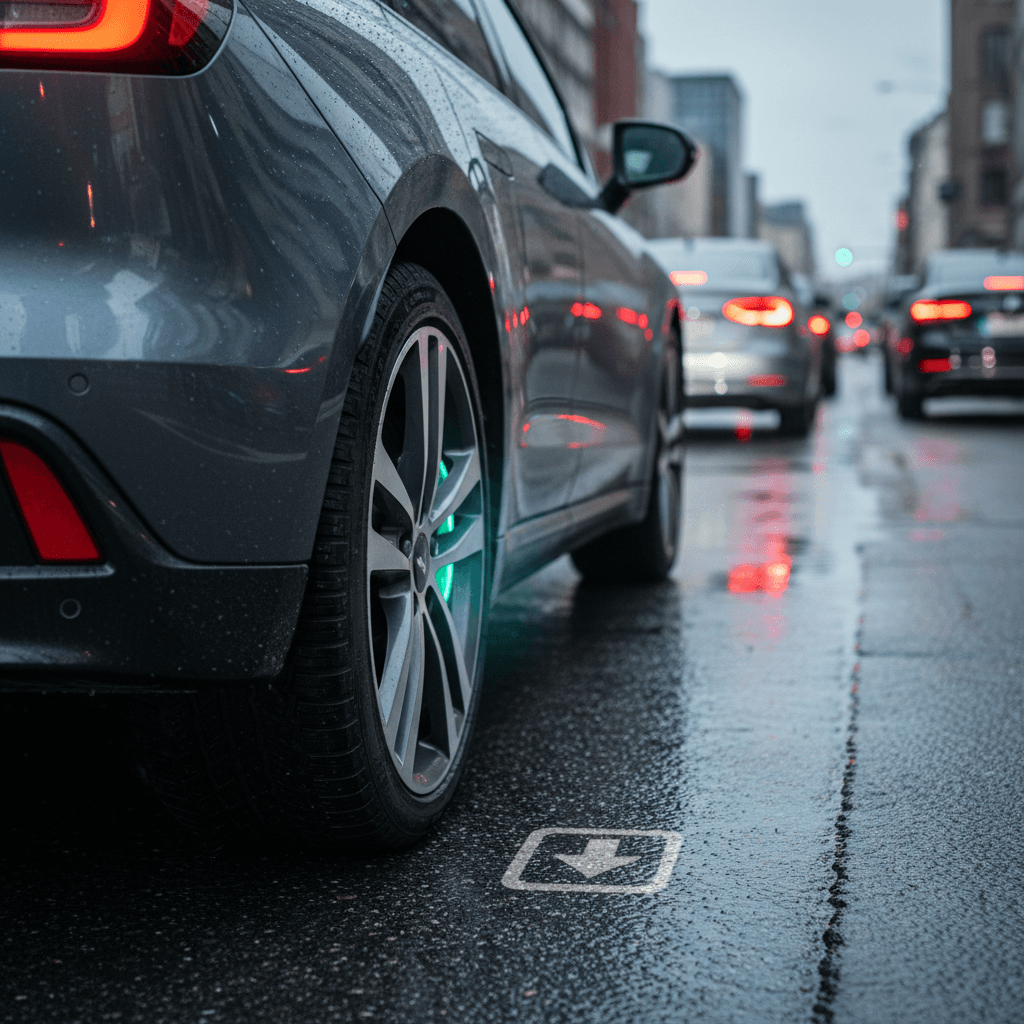
Regen can’t break physics
How much range can regenerative braking really add?
How much your brake regeneration system helps depends on where and how you drive. In city conditions, research and real‑world testing commonly show energy savings in roughly the 10–25% range compared with driving the same route without regen. In highway cruising, the impact is smaller because you brake less often.
What drivers can expect from brake regeneration
City vs. highway
Brake regeneration vs traditional friction brakes
Regenerative braking
- Uses the drive motor as a generator to create electricity.
- Slows the vehicle primarily through electromagnetic resistance.
- Recovers some of the energy you spent to accelerate.
- Produces minimal heat and almost no brake dust.
- Most effective from moderate speeds down to around 5–10 mph.
Traditional friction brakes
- Use pads and rotors to turn motion into heat.
- Provide strong, predictable stopping power at any speed.
- Do not recover energy, everything is lost as heat.
- Generate brake dust and eventually wear out components.
- Take over when you need hard or emergency stops.
In a modern EV, you don’t choose between the two; the car’s software continuously balances them. Light to moderate slows are handled mostly or entirely by regeneration. As you press the pedal harder, or as the battery gets close to full, the friction brakes do more of the work.
Safety still comes first
One-pedal driving and adjustable regen settings
Many newer EVs add a feature on top of basic regen called one‑pedal driving Your car may offer one or several of these options; check the drive mode or vehicle settings menu. Lift off the accelerator and the car slows strongly, often down to a complete stop. Great for city traffic and for maximizing energy recovery. A "B" position on the shifter, or Eco/Normal/Sport modes, often changes how aggressive the brake regeneration system feels when you come off the accelerator. Some EVs use paddles behind the steering wheel to increase or decrease regen on the fly, pull for stronger regeneration, tap to coast more freely. A well‑tuned brake regeneration system doesn’t just look good on a spec sheet. It changes how the car feels and how often you visit your service shop. As capable as a modern brake regeneration system is, it has important limits. Understanding those helps you drive safely and avoid surprises. If you’re shopping the used market, understanding the brake regeneration system is part of understanding the whole EV. It affects range, driving feel, and long‑term maintenance costs, all things you care about as a second owner. These are questions smart buyers ask before they sign anything. Regen only helps if the battery can hold what you put back into it. A car with good battery health will see more usable benefit from its brake regeneration system. Because EV friction brakes are used less, they can sometimes corrode from lack of use. Ask for a brake inspection report, not just pad thickness numbers. During the test drive, toggle through one‑pedal or regen modes. Make sure the transitions between regen and friction braking feel smooth and predictable. Look for documented brake fluid changes and software updates. Automakers sometimes refine regen tuning through over‑the‑air or dealer software updates. Ready to find your next EV? You don’t need to be an engineer to take advantage of brake regeneration, but a few habits can help you get more range and smoother driving out of any EV. Start lifting off the accelerator earlier as you approach traffic lights, stop signs, or slower vehicles. Smooth, longer decelerations give your brake regeneration system more time to work efficiently. If your EV supports one‑pedal driving, try using it in dense, stop‑and‑go situations. That’s where regen shines and can add the most range. Hard stabs on the accelerator followed by hard braking waste energy, even with regen. Smooth inputs make the most of the system and are easier on passengers. Charging to around 70–90% for daily use not only benefits battery longevity in many EVs, it also leaves headroom for regen when you pull out of your driveway. Most EVs show regen as a bar, gauge, or arrows on the instrument cluster. Glance at it occasionally to connect what your right foot is doing with how much energy you’re recovering. Expect weaker regen until the battery warms up on cold days, and slightly different behavior at very high temperatures. Adjust following distances accordingly. A brake regeneration system is one of the biggest reasons electric vehicles feel so different, and often so satisfying, on the road. By turning everyday slowing into usable energy, it boosts range, cuts brake wear, and supports smoother, one‑pedal‑style driving in the right conditions. It isn’t a replacement for the friction brakes that ultimately keep you safe, but it is a powerful partner working quietly in the background on every trip. If you already own an EV, spending a little time learning your regen settings and adjusting your driving habits can pay off with more miles per charge and less time in the service bay. And if you’re considering a used electric vehicle, understanding how regenerative braking interacts with battery health and brake hardware will make you a more confident shopper. That’s exactly where a transparent marketplace like Recharged, with verified battery diagnostics, fair pricing, and EV‑specialist support, can help you choose the right car and make the most of its technology from day one.Common ways EVs let you control regeneration
One‑pedal or "e‑Pedal" mode
B‑mode or drive modes
Paddles or regen paddles
Try it for a week
Real-world benefits: range, comfort and brake wear
Limits of brake regeneration: when pads still matter
Watch regen in winter
What brake regeneration means when you’re buying a used EV
How regen shows up when you’re evaluating a used EV
Battery health and range
Brake wear and corrosion
Driving feel and settings
Service history
Where Recharged fits in
How to drive to get the most from your brake regeneration system
Practical tips to maximize regenerative braking
1. Look farther ahead than you used to
2. Use one-pedal mode in city traffic
3. Avoid "stab and go" driving
4. Don’t obsess over 100% battery
5. Learn your car’s regen indicators
6. Remember weather changes the feel
Think of regen as gentle engine braking
Frequently asked questions about brake regeneration systems
Brake regeneration system FAQ
Key takeaways for EV owners and shoppers