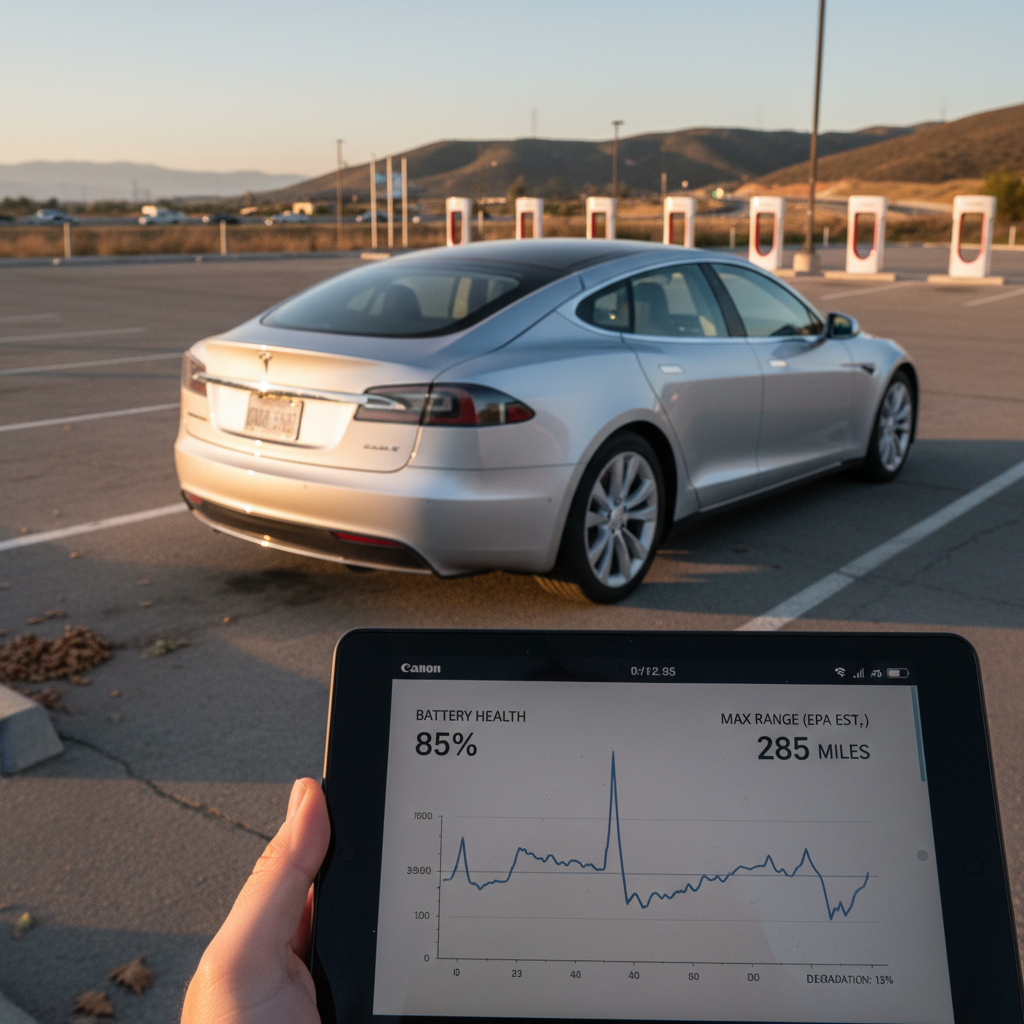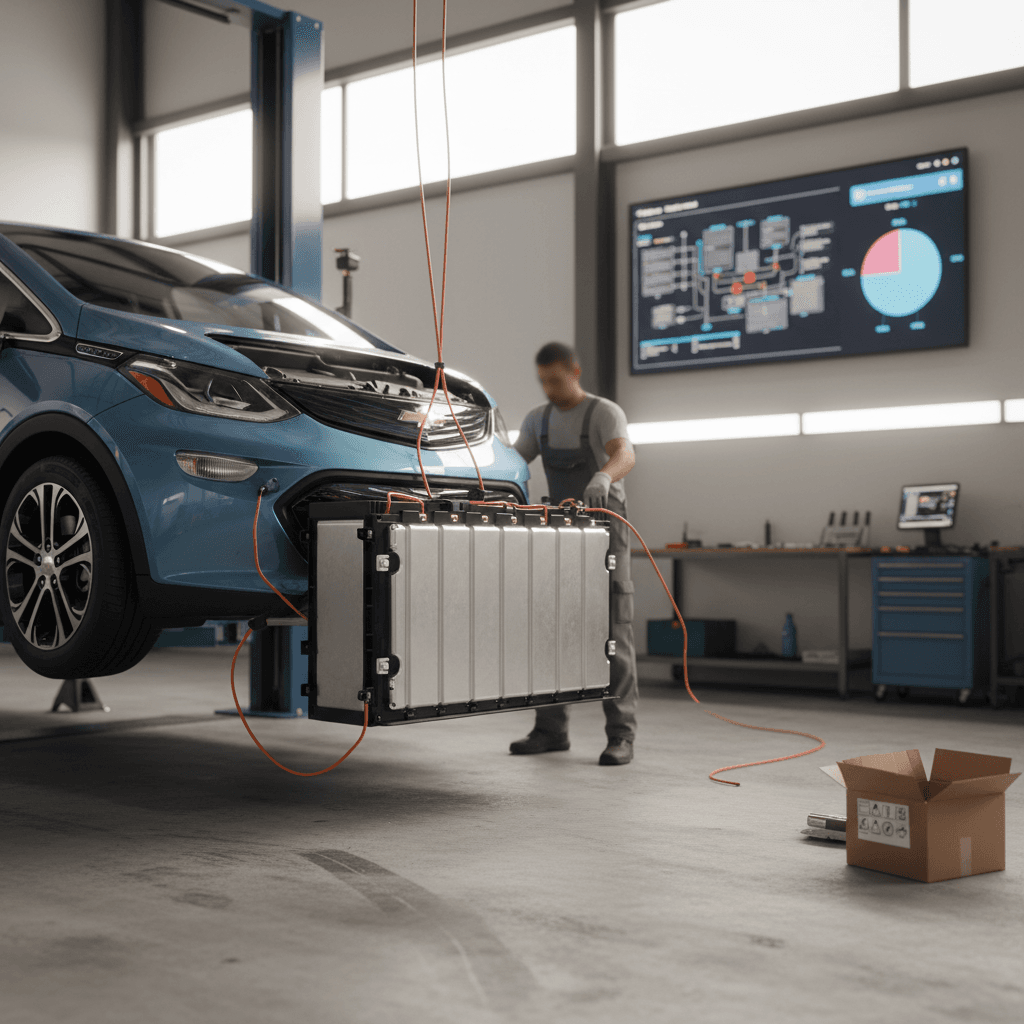
If you own or are shopping for a Chevrolet Bolt EV, you’ve probably heard the scary number: a full Bolt EV battery replacement can cost well into five figures. Between the high-voltage pack itself and specialized labor, the bill can feel bigger than the value of some early-model cars. The good news is that most drivers never pay that number out of pocket, but understanding the real Bolt EV battery replacement cost is key to making a smart decision.
Quick answer
Why Bolt owners worry about battery costs
The Bolt’s battery story has been unusually dramatic. Early cars delivered excellent real-world range, but a series of high-profile battery fires led to a massive recall covering 2017–2022 Bolt EV and EUV models. Many packs were replaced under warranty, others received new diagnostic software, and owners saw headlines about billion‑dollar repair campaigns. If you’re shopping used, or your original warranty is nearing its end, it’s natural to ask, “What happens if I’m the one who has to pay for a pack?”
High-voltage vs. 12‑volt battery
Bolt EV battery cost at a glance
How much does a Bolt EV battery replacement cost?
Let’s start with the number everyone wants: what you’d pay if you walked into a Chevy dealer today with an out‑of‑warranty Bolt that needs a battery.
Estimated Chevy Bolt EV battery replacement costs (out of warranty)
These are typical dealer-level figures for a full high-voltage pack replacement on a first-generation Bolt EV or EUV. Actual numbers vary by region and model year.
| Cost component | Typical range (USD) | What it includes |
|---|---|---|
| New battery pack (60–66 kWh) | $16,250–$17,100 | Complete factory Bolt EV/EUV pack with modules, casing, and electronics |
| Labor | $870–$1,900 | Diagnosing, dropping the old pack, installing and programming the new one |
| Shop fees, taxes, disposal | $300–$800 | Hazmat handling, shop supplies, local taxes |
| Estimated total | $16,000–$19,000 | Real-world replacement bill at many dealerships |
Realistic cost expectations help you decide whether repair, resale, or replacement makes the most sense.
That $16,000–$19,000 total is in line with most EV battery cost studies, which place a 60–66 kWh Chevy Bolt pack in the $12,000–$16,000 range before labor. It’s a big bill, and it’s exactly why understanding your warranty status, recall history, and vehicle value is so important.
Think in percentages, not just dollars
What the Bolt battery recall means for your costs
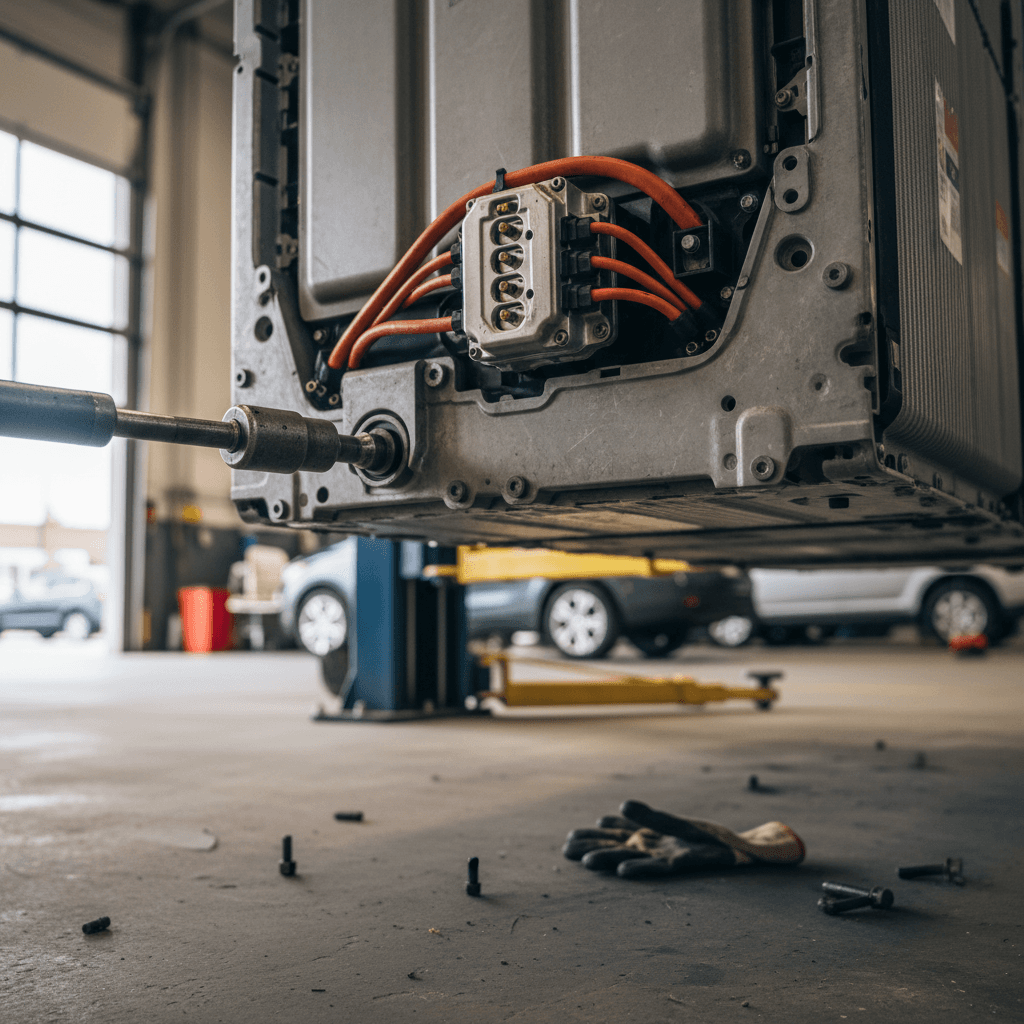
The Bolt EV and EUV recall changed the battery-cost conversation in a way you don’t see with most EVs. GM and its cell supplier absorbed billions of dollars in pack replacements and software fixes on 2017–2022 models. For many owners, that meant an entirely new battery pack at no charge, plus additional compensation in some cases.
- Most 2017–2019 Bolt EVs received full pack replacements under the recall.
- Many 2020–2022 Bolt EV/EUV owners received new advanced diagnostic software that constantly monitors the pack and triggers module or pack replacement only if a fault is detected.
- Owners involved in the recall have also seen goodwill payments or settlement compensation when they accepted the software remedy or had packs replaced.
If your Bolt is part of the recall
For you as an owner or shopper, the recall means two things: 1. A large number of Bolts on the used market now have younger replacement packs than their model year suggests. 2. Future, non-recall battery failures outside the 8‑year/100,000‑mile window are more likely to be rare defects or long‑term wear, still expensive, but not common.
Warranty coverage for Bolt EV and EUV batteries
Aside from the recall, every U.S.‑market Chevy Bolt EV and EUV came with a high-voltage battery warranty, usually 8 years or 100,000 miles (whichever comes first). That warranty covers manufacturing defects and, in many cases, excessive capacity loss below a defined threshold.
Quick guide to Bolt EV battery warranty basics
Exact terms vary slightly by model year, always confirm with Chevrolet, but this is the general picture for U.S. cars.
Length & mileage
Most Bolts include an 8‑year/100,000‑mile high-voltage battery warranty.
If you’re shopping used, check the in‑service date on the Carfax or purchase paperwork.
What’s covered
Manufacturing defects and some cases of abnormal degradation.
Coverage is usually for repair or replacement of the pack or affected modules.
What’s not covered
Normal range loss over time, collision damage, flood damage, or modifications.
Abuse or lack of basic maintenance can also void coverage.
How to check your Bolt’s warranty status
5 factors that change your final battery bill
Even with those headline numbers, two Bolt owners almost never see the same battery bill. Here are the big levers that drive your cost up or down.
Key factors that affect Bolt EV battery replacement cost
1. Model year and pack size
Earlier Bolt EVs used a 60 kWh pack; later EV and EUV models moved to roughly 65–66 kWh. Pack size, supplier contracts, and part numbers all influence parts pricing.
2. Warranty & recall status
If you’re still inside the 8‑year/100,000‑mile warranty, or if a recall code is still open, GM may cover all or most of the cost. Out-of-warranty owners bear the full bill.
3. Dealer vs. independent shop
Most high-voltage pack replacements still happen at franchised dealers, but a small number of EV specialists now repair or refurbish packs. They may be able to replace individual modules for less, but support varies by region.
4. New vs. remanufactured pack
A brand-new GM pack is the most expensive option. In coming years, remanufactured or salvage packs could lower costs, but you’ll need to weigh savings against longevity and warranty.
5. Labor rates and local fees
High-voltage work is specialized, and shop rates vary widely. Urban centers and coastal regions often see higher hourly rates, taxes, and shop fees than smaller markets.
Dealer replacement
At a Chevy dealer, you’re getting factory parts, factory procedures, and a factory backed warranty on the repair. That’s the safest route technically, but also the one that tends to land in the $16,000–$19,000 range if you’re paying yourself.
For newer Bolts still under warranty, this is often the only path, and your out-of-pocket cost may be zero.
Independent EV specialist
A handful of independent shops now specialize in module-level battery repair or sourcing used packs from salvage vehicles. When available, that can cut the replacement cost substantially, though warranty coverage will be different, and resale value can be affected.
For older, high-mileage Bolts that are out of warranty, this may make the difference between repairing the car and walking away.
How Bolt EV battery costs compare to other EVs
The Bolt’s pack is neither the smallest nor the most exotic on the market, so its replacement cost lands in the middle of the EV pack. It’s not as cheap as some early Nissan Leafs, but it’s also not as pricey as giant truck batteries.
Bolt EV battery replacement cost vs. popular EVs
Approximate out-of-warranty battery replacement costs, based on typical dealership and industry estimates for the U.S. in 2024–2025.
| Model | Battery size (kWh) | Estimated replacement cost | Notes |
|---|---|---|---|
| Chevy Bolt EV/EUV | 60–66 | $16,000–$19,000 | Liquid‑cooled pack, strong range, major recall support history |
| Tesla Model 3 (Standard Range) | ~75 | $13,000–$15,000 | Larger pack, but Tesla’s scale and integration keep costs slightly lower |
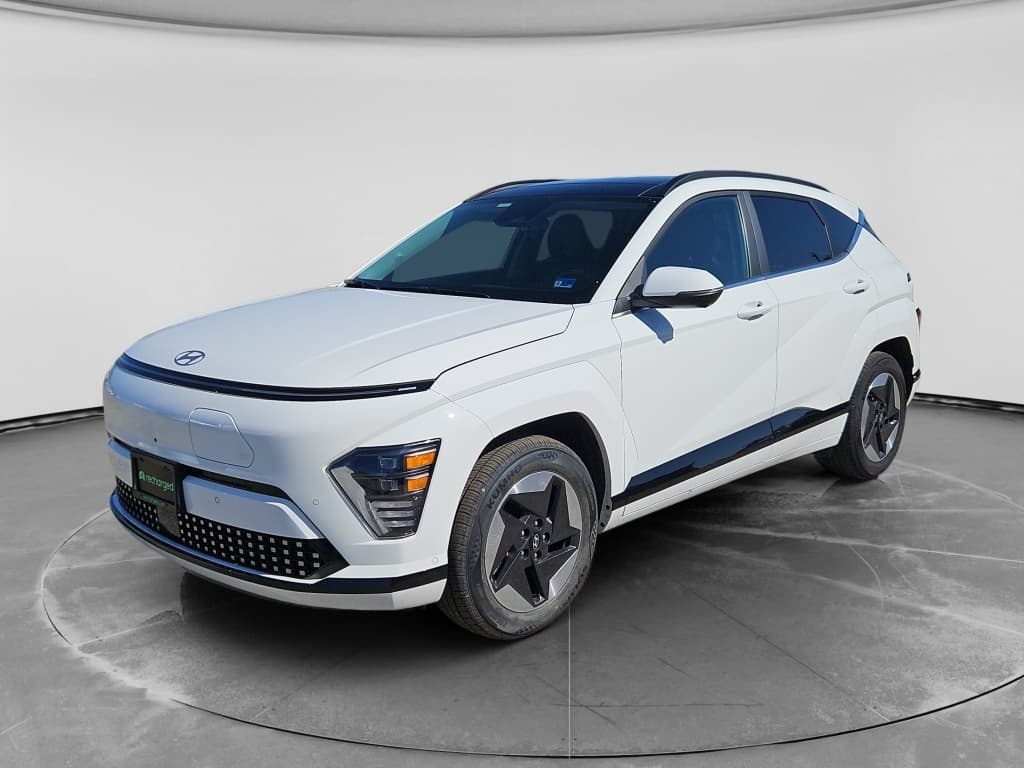
| Hyundai Kona Electric | 64 | $18,000–$20,000 | Similar capacity to Bolt, comparable or slightly higher replacement cost |
| Nissan Leaf (40 kWh) | 40 | $6,200–$8,000 | Smaller air‑cooled pack, lower cost but generally shorter range |
Seeing the Bolt EV alongside other EVs helps put its battery costs into perspective.
Why a smaller pack doesn’t always mean cheaper
Signs your Bolt battery might need attention
Most Bolt EV batteries are holding up well, especially those that received new packs under recall. Still, like any complex component, things can go wrong. Knowing the early warning signs lets you act while warranty or goodwill options may still be on the table.
- Noticeable and sudden drop in driving range over a few weeks, not just seasonal weather change.
- Repeated “Service High Voltage Charging System” or similar warnings on the dash.
- The car refuses to fast charge or only charges at very low power on DC fast chargers.
- Extremely slow Level 2 charging compared to past behavior, with no change in your home charger.
- Your dealer or the Bolt’s diagnostic software flags specific modules or pack faults.
Safety first with battery issues
Cutting your risk when buying a used Bolt EV
A big battery bill is scary, but it doesn’t have to scare you away from a used Bolt EV. In fact, a well-documented car with a replacement pack can be one of the smartest values in the market, you’re getting fresh battery life with used-car pricing. The key is doing your homework before you sign.
Used Bolt EV shopping checklist: battery edition
Confirm recall completion
Ask for service records or a dealer printout showing whether the battery recall is fully completed and whether the car received a new pack.
Check in-service date & mileage
Verify how much of the <strong>8‑year/100,000‑mile battery warranty</strong> is left. A car with several years of coverage remaining carries much less financial risk.
Get a real battery health report
Range estimates are helpful but imprecise. Look for a seller who can provide a <strong>battery diagnostic report</strong>. Every vehicle sold through Recharged includes a <strong>Recharged Score Report</strong> that quantifies pack health, charging history, and degradation.
Review charging history
Frequent DC fast charging, constant 100% charges, or long periods sitting fully charged in hot climates can accelerate wear. Ask how and where the car was typically charged.
Look at how the car drives
Take a long enough test drive to watch how quickly the state-of-charge gauge moves, and try both Level 2 and (if available) DC fast charging to confirm normal behavior.
Compare price vs. risk
If a used Bolt is priced far below market and missing records, mentally budget for potential battery work. Sometimes it’s better to pay a bit more for a car with clear documentation and a younger pack.
How Recharged lowers your battery risk
Ready to find your next EV?
Browse VehiclesFAQ: Bolt EV battery replacement cost & reliability
Frequently asked questions about Bolt EV battery costs
Bottom line: Is a Bolt EV worth it with today’s battery costs?
A $16,000–$19,000 Bolt EV battery replacement cost sounds terrifying in isolation, but most owners will never see that bill. Between the massive recall campaign, 8‑year/100,000‑mile battery warranties, and growing EV expertise in the repair world, the odds are good that your Bolt will deliver years of service without needing a full pack on your dime.
Where this really matters is in how you shop. A cheap Bolt with mystery history and no battery documentation can be a gamble. A well-priced car with recall work completed, documented battery health, and remaining warranty can be an excellent value. That’s why Recharged builds every listing around a Recharged Score Report, so you know exactly what you’re getting before you commit.
If you’re deciding between repairing, replacing, or trading out of your current Bolt, it comes down to math and confidence: the cost of the battery versus the value and remaining life of the car. With transparent information and a clear-eyed look at the numbers, a Bolt EV can still be one of the smartest, most affordable ways into EV ownership today.