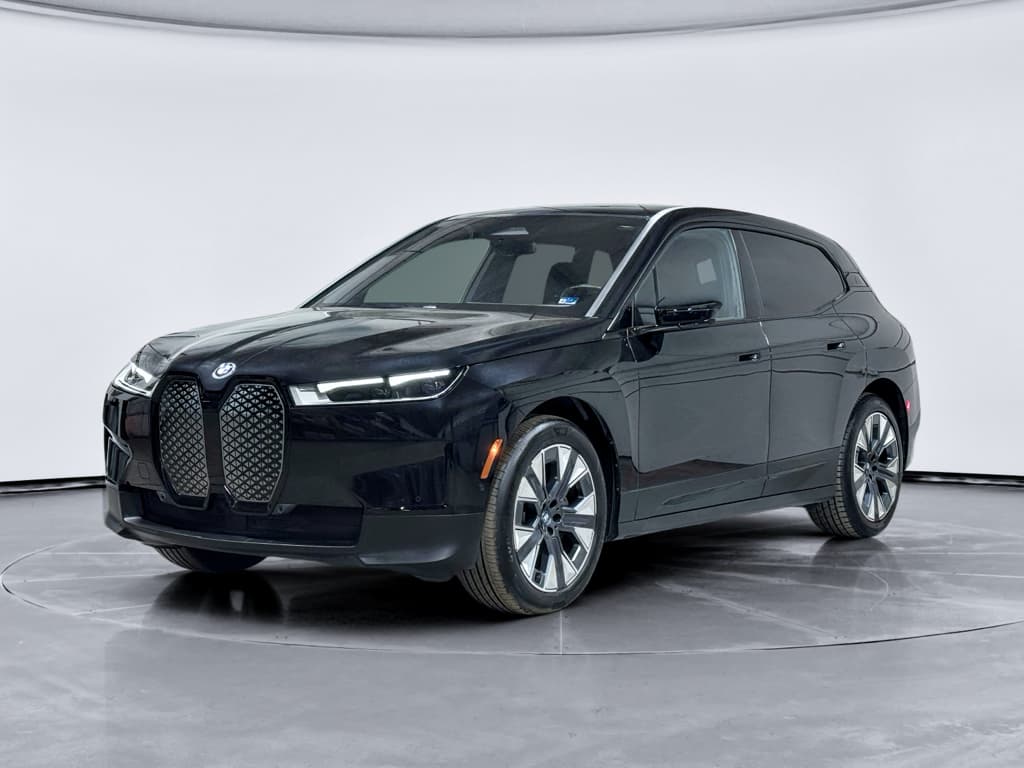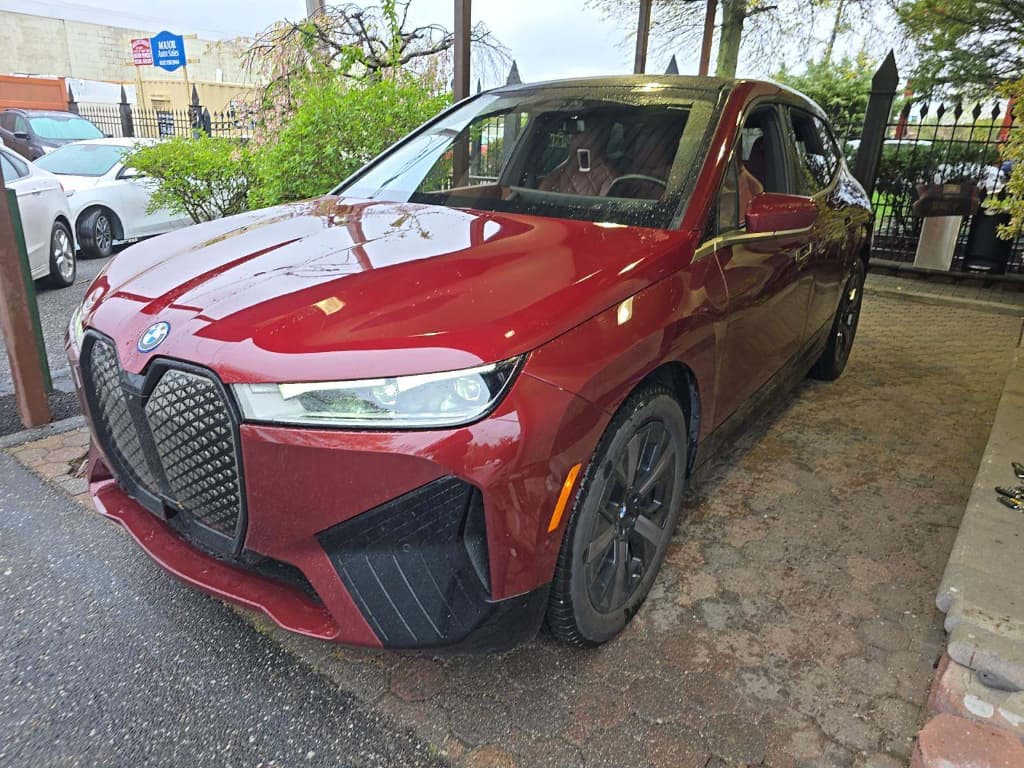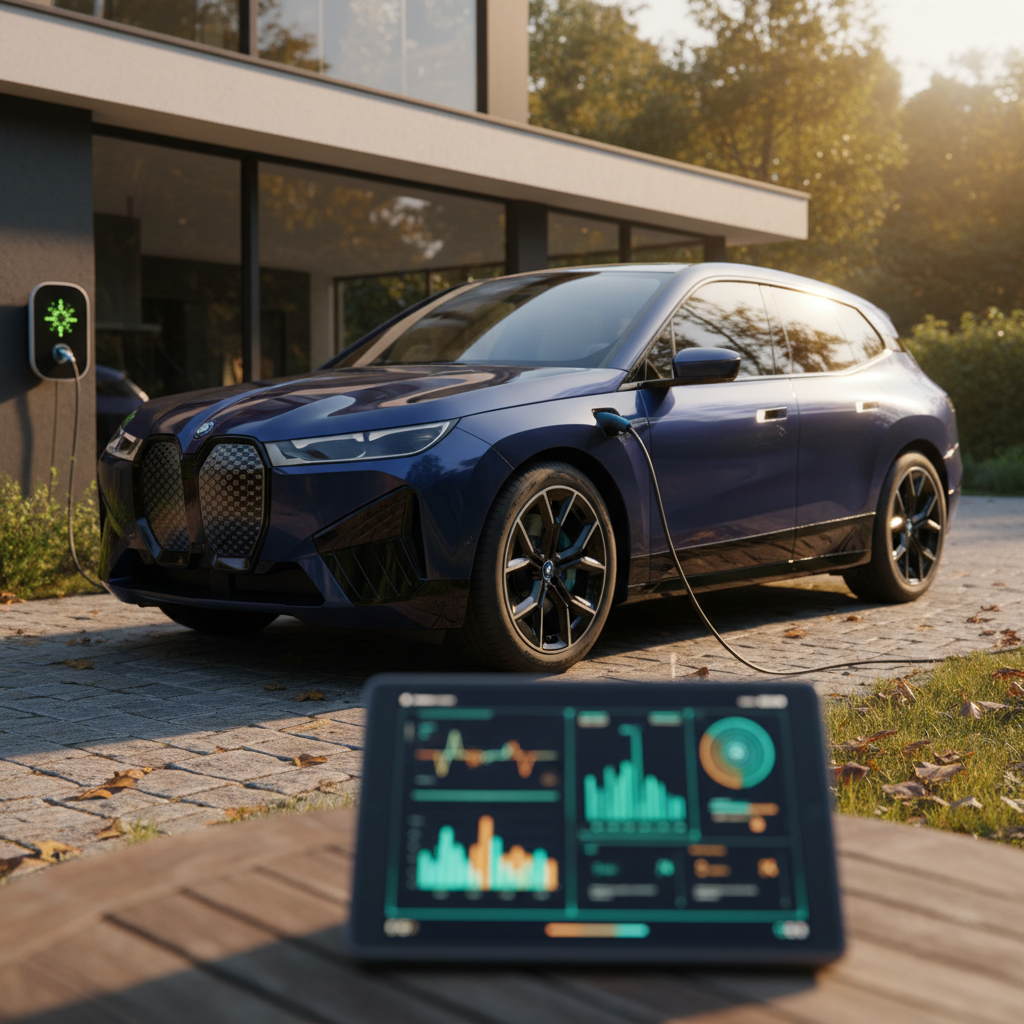
If you’re cross‑shopping a BMW iX against a gas BMW X5, sticker price doesn’t tell the whole story. What matters is total cost of ownership: energy, maintenance, insurance, and depreciation over the years you actually own the vehicle. This guide walks through realistic 5‑year numbers so you can see how the BMW iX total cost stacks up against its gas SUV equivalent in the U.S. today.
What this guide covers
Why BMW iX vs gas SUV costs matter in 2026
Luxury SUVs like the iX and X5 are rarely impulse buys. You’re likely thinking about monthly cash flow, resale value, and whether the EV premium actually pays off. At the same time, U.S. electricity prices have climbed roughly 20–25% in the last five years, and gasoline is still volatile. That means rules of thumb from early‑EV days ("EVs are always much cheaper") don’t necessarily hold for a 5,000‑plus‑pound German SUV anymore.
- Upfront price: the iX usually starts higher than a comparable X5, especially new.
- Energy costs: electricity is still cheaper per mile than premium gas for most U.S. drivers, but the gap is narrowing in some states.
- Maintenance and repairs: EVs eliminate oil changes and many wear items but can be more expensive to repair after a crash.
- Depreciation: early luxury EVs, including the iX, have seen steeper depreciation than their gas siblings, good news if you buy used, painful if you buy new.
Use this as a framework, not a quote
Baseline: how the BMW iX compares to a gas BMW X5
Our reference BMW iX
- Model: BMW iX xDrive50–type configuration (large battery, dual‑motor AWD)
- EPA efficiency: roughly 39–43 kWh/100 miles depending on wheels and trim (about 2.4–2.6 mi/kWh)
- Battery size: ~100 kWh usable pack
- Real‑world range: ~270–300 miles for most owners
- Energy source: electricity only, DC fast charging capable
Gas "equivalent" BMW X5
- Model: BMW X5 xDrive40i (turbo inline‑6, AWD)
- EPA fuel economy: around 23 mpg combined on premium
- Tank size: roughly 18–21 gallons, ~400–450 miles of range
- Fuel: premium gasoline recommended
- Transmission: 8‑speed automatic, conventional AWD drivetrain
Why the X5 is the best comparison
Energy costs: electricity vs gasoline
Let’s start with what you’ll spend just to move the vehicle. We’ll assume 12,000 miles per year and use recent U.S. averages: about $0.16–$0.18 per kWh for residential electricity and $3.75 per gallon for premium gasoline. If your local prices are higher or lower, you can plug in your own numbers using the same formulas.
Estimated annual energy cost: BMW iX vs BMW X5
Assumptions: 12,000 miles per year, $0.17/kWh home electricity, $3.75/gal premium gas, primarily home charging.
| Vehicle | Efficiency assumption | Energy price | Annual miles | Annual energy use | Estimated annual cost |
|---|---|---|---|---|---|
| BMW iX (mostly home charging) | 40 kWh/100 miles (2.5 mi/kWh) | $0.17/kWh | 12,000 | 4,800 kWh | ≈ $820/year |
| BMW X5 xDrive40i | 23 mpg combined | $3.75/gal premium | 12,000 | ≈ 522 gallons | ≈ $1,960/year |
You can easily adjust these assumptions for your own mileage and local prices.
Energy savings snapshot
- If your electricity is cheaper (e.g., $0.12/kWh with off‑peak rates), the iX’s advantage grows to roughly $1,400–$1,500 per year.
- If you rely heavily on DC fast charging at public networks around $0.40–$0.50/kWh, the iX’s fuel savings can shrink dramatically or even disappear on some road‑trip‑heavy use cases.
- If premium gas spikes above $4.50/gal, as we’ve seen in many markets, the X5’s annual fuel cost climbs quickly.
Beware fast‑charging math
Maintenance, repairs, and tires
From a maintenance standpoint, EVs like the iX remove a lot of routine items, no engine oil, spark plugs, fuel system, or exhaust. But these are still complex, heavy luxury vehicles with big wheels, sophisticated suspensions, and advanced driver‑assistance hardware.
Where the iX saves, and where it doesn’t
Think in systems, not just "EVs are cheaper to maintain".
Routine maintenance
- iX: No oil changes, fewer filters, no spark plugs, simpler brakes thanks to regen.
- X5: Oil and filter changes, more drivetrain fluids, more moving engine parts.
Over 5 years, the iX usually wins here.
Repairs & bodywork
- EVs can be more expensive to repair after serious collisions because of high‑voltage components and ADAS calibration.
- Luxury X5s are no picnic either, but repair networks and parts pipelines are more mature.
Tires & brakes
- Both vehicles are heavy, powerful SUVs on large wheels.
- You’ll likely replace tires every 25k–35k miles and deal with pricey rubber either way.
- Regen braking means the iX may use pads/rotors more slowly in normal driving.
Rough 5‑year maintenance picture (12,000 miles/year)
Collision repairs are the wild card
Insurance and taxes
Insurance is highly local, but in most U.S. markets the iX currently carries slightly higher premiums than an equivalent X5. Reasons include higher MSRP when new, more expensive collision repairs, and the relative newness of the model.
- If you’re in a high‑cost metro and insure through a mainstream carrier, expect the iX to run perhaps $150–$300 more per year than an X5 with the same driver profile and coverages.
- Some insurers are starting to sharpen EV pricing as data improves, so the gap may narrow over the next few years.
- Registration and vehicle taxes often track original MSRP, so in states with property‑style car taxes the more expensive iX may cost slightly more to register annually.
Get VIN‑specific quotes
Depreciation and resale value
Depreciation is where the iX vs X5 story gets complicated. Early luxury EVs have seen steeper depreciation than comparable gas SUVs, largely because technology is moving quickly and new EV incentives distort the market. That’s bad news if you buy new, but a huge opportunity if you buy used.
New purchase, 5‑year horizon
- A new iX can easily lose 55–65% of its value in 5 years, depending on incentives and how quickly newer tech makes older packs and infotainment feel dated.
- A well‑specced X5 might lose 45–55% over the same period, still significant, but historically more predictable.
- Result: on a new purchase, the X5 often wins the depreciation battle.
Used purchase, 3–7‑year horizon
- By year 3–4, a lot of that early iX depreciation has already happened.
- If the battery is healthy and you buy at the right price, an iX can offer outstanding value relative to a similarly priced used X5.
- This is exactly the gap marketplaces like Recharged are built to exploit, verified battery health, transparent pricing, and expert guidance.
Why depreciation matters more than fuel
5‑year total cost model: BMW iX vs X5
Let’s put the major pieces together. This is a simplified 5‑year ownership model for a buyer in 2026, using rough U.S. averages and assuming you buy new, drive 12,000 miles per year, and then sell the vehicle after 5 years.
Illustrative 5‑year total cost: new BMW iX vs BMW X5
Rounded estimates for a typical U.S. owner. All numbers in 2026 dollars; your local market may differ significantly.
| Cost component (5 years) | BMW iX (new) | BMW X5 xDrive40i (new) | Notes |
|---|---|---|---|
| Purchase price incl. taxes/fees | $95,000 | $85,000 | Nicely equipped examples; adjust for your build and discounts. |
| Estimated value after 5 years | $35,000 | $38,000 | Steeper tech‑driven depreciation for the iX; X5 resale a bit stronger. |
| Depreciation cost | $60,000 | $47,000 | Purchase price minus resale value. |
| Energy (electricity vs gas) | ≈ $4,100 | ≈ $9,800 | From earlier annual estimates, multiplied by 5 years. |
| Routine maintenance & minor repairs | ≈ $1,800 | ≈ $3,000 | Assumes no major collision or catastrophic failures. |
| Insurance (incremental vs each other) | ≈ $8,750 | ≈ $8,000 | $1,750/year iX vs $1,600/year X5 example, plug in your quotes. |
| Registration & taxes (where applicable) | Similar | Similar | Depends heavily on your state and local fees. |
| Total estimated 5‑year cost | ≈ $74,650 | ≈ $67,800 | Excludes financing costs; assumes straightforward ownership. |
| Average cost per mile (60,000 miles) | ≈ $1.24/mile | ≈ $1.13/mile | Total 5‑year cost divided by miles driven. |
Depreciation dominates, but operating‑cost differences still matter for monthly affordability.
New purchase: EV premium isn’t fully offset
How buying used changes the math
The story flips when you look at the used market. Because early iX models have dropped quickly from their original MSRP, you can often buy a 2–3‑year‑old iX for a similar price to an older or more basic X5. That’s where the EV operating‑cost advantages start to shine.
Illustrative 5‑year cost: used BMW iX vs used BMW X5
Example: buying in 2026, owning until 2031. Numbers rounded for clarity.
| Scenario (buy in 2026) | BMW iX (3‑year‑old, used) | BMW X5 (3‑year‑old, used) | Comments |
|---|---|---|---|
| Purchase price | $55,000 | $52,000 | Well‑equipped examples in many markets. |
| Estimated value after 5 more years | $25,000 | $24,000 | Both at 8 years old in 2031. |
| Depreciation over 5 years | $30,000 | $28,000 | Much smaller dollar hit than buying new. |
| Energy over 5 years | ≈ $4,100 | ≈ $9,800 | Same assumptions as before. |
| Maintenance & minor repairs | ≈ $2,500 | ≈ $4,500 | Higher as vehicles age, but iX still simpler powertrain‑wise. |
| Insurance over 5 years | ≈ $7,500 | ≈ $7,000 | Lower than new; small gap remains. |
| Total estimated 5‑year cost | ≈ $44,100 | ≈ $49,300 | Here the iX pulls ahead by roughly $5,000. |
| Average cost per mile (60,000 miles) | ≈ $0.74/mile | ≈ $0.82/mile | Used iX now cheaper to own per mile. |
Once the early depreciation hit is behind you, the iX can be extremely compelling.
Used is where EVs shine
Charging and lifestyle factors that shift costs
The tables above assume a fairly boring, national‑average lifestyle: 12,000 miles a year, mostly home charging, mixed city/highway use. Real life is messier, and a few key habits can swing your total cost either way.
Three lifestyle variables that matter most
You have more control over total cost than you think.
Home vs public charging
- Mostly home: You capture the majority of the iX’s fuel savings.
- Mostly public DC fast charging: Energy costs can approach or exceed gas SUV fuel costs on some routes.
- Mix of both: Still usually beats gas, but margin shrinks.
Annual mileage
- Higher mileage amplifies the iX’s fuel and maintenance advantages.
- At 20,000 miles/year, the iX vs X5 fuel spread can exceed $2,000 annually.
- Low‑mileage drivers feel depreciation more than operating‑cost differences.
Climate & driving style
- Cold climates reduce EV efficiency and range.
- Aggressive driving punishes both fuel economy and EV efficiency.
- Luxury SUVs already sit at a disadvantage vs smaller vehicles; drive them like luxury cruisers, not hot hatches.
Use off‑peak rates if you can
How to evaluate a used BMW iX
If you’re leaning toward a used iX, the key is reducing uncertainty. Unlike an X5, where your biggest fear is an out‑of‑warranty engine or transmission failure, an iX adds battery health and high‑voltage components to the mix. You want hard data, not guesswork.
Used BMW iX buyer checklist
1. Get a battery‑health report
Ask for <strong>verified state‑of‑health data</strong> from a scan or diagnostic tool rather than relying on range guesses. At Recharged, every iX includes a Recharged Score Report with battery health clearly documented.
2. Review fast‑charging history
Moderate DC fast‑charging use is fine, but heavy, frequent fast charging can accelerate degradation. Ask how the previous owner charged day‑to‑day.
3. Inspect tires, brakes, and suspension
These heavy SUVs can eat through tires and suspension components. A careful inspection can save you thousands in the first year of ownership.
4. Check software and recall status
Make sure the vehicle is up to date on BMW software campaigns, recalls, and battery‑related service bulletins.
5. Compare against gas alternatives
Pull real financing offers and insurance quotes, then lay the iX next to an X5 or similar gas SUV. Factor in your home charging situation and mileage.
6. Factor in support and warranty
Understand what remains of BMW’s battery and new‑vehicle warranties, and consider how comfortable your local service ecosystem is with iX repairs.

How Recharged fits in
FAQ: BMW iX total cost vs gas SUV
Frequently asked questions
Bottom line: is the BMW iX cheaper to own?
Put simply, a new BMW iX isn’t a slam‑dunk money‑saver over a new X5 once you add up purchase price, depreciation, insurance, and repairs. It’s cleaner, quieter, and cheaper to run, but depreciation and higher upfront cost usually keep the gas X5 slightly ahead on 5‑year total cost. Where the iX becomes very compelling is in the used market, once someone else has absorbed the early value drop.
If you have reliable home charging, drive a reasonable number of miles, and buy a used iX with documented battery health, it can undercut a comparable X5 on total cost of ownership while delivering the kind of effortless torque and refinement gas SUVs struggle to match. That’s exactly why Recharged focuses on transparent used‑EV retail: pairing data‑backed battery insights with fair pricing so you can make the numbers work on your terms.