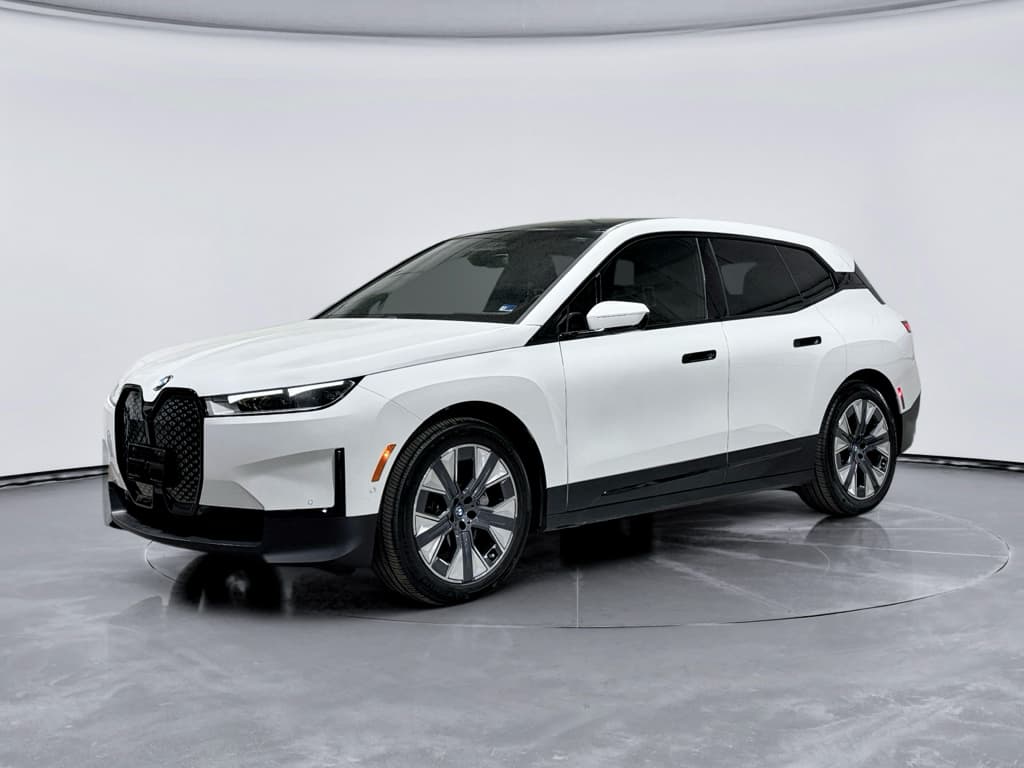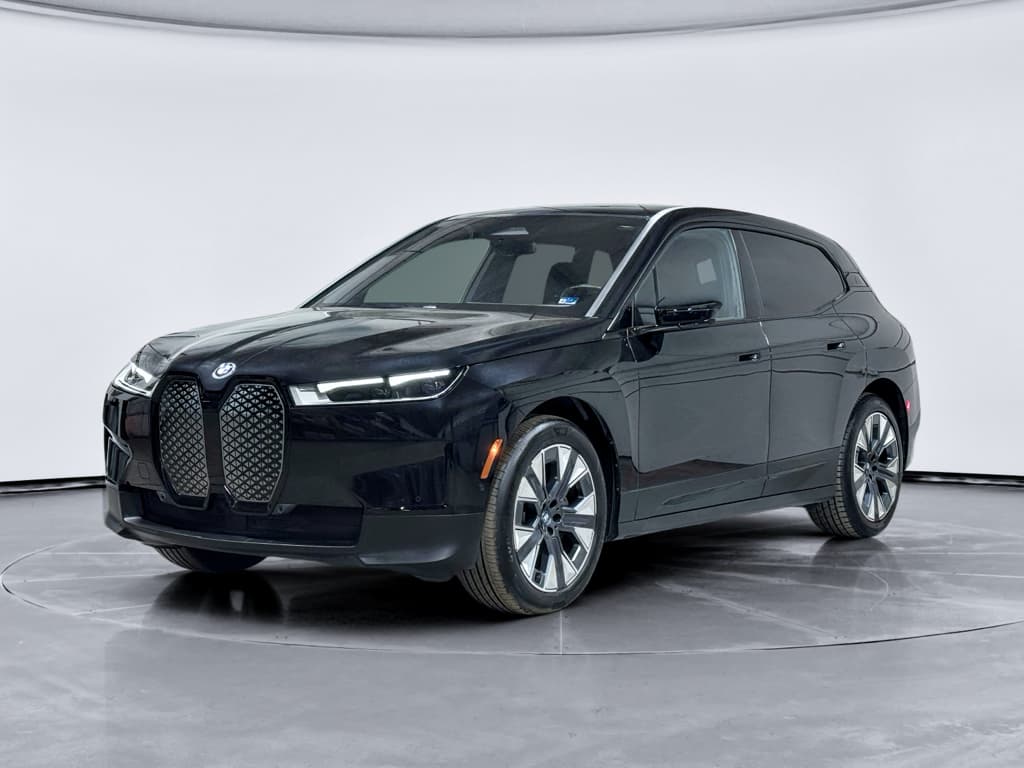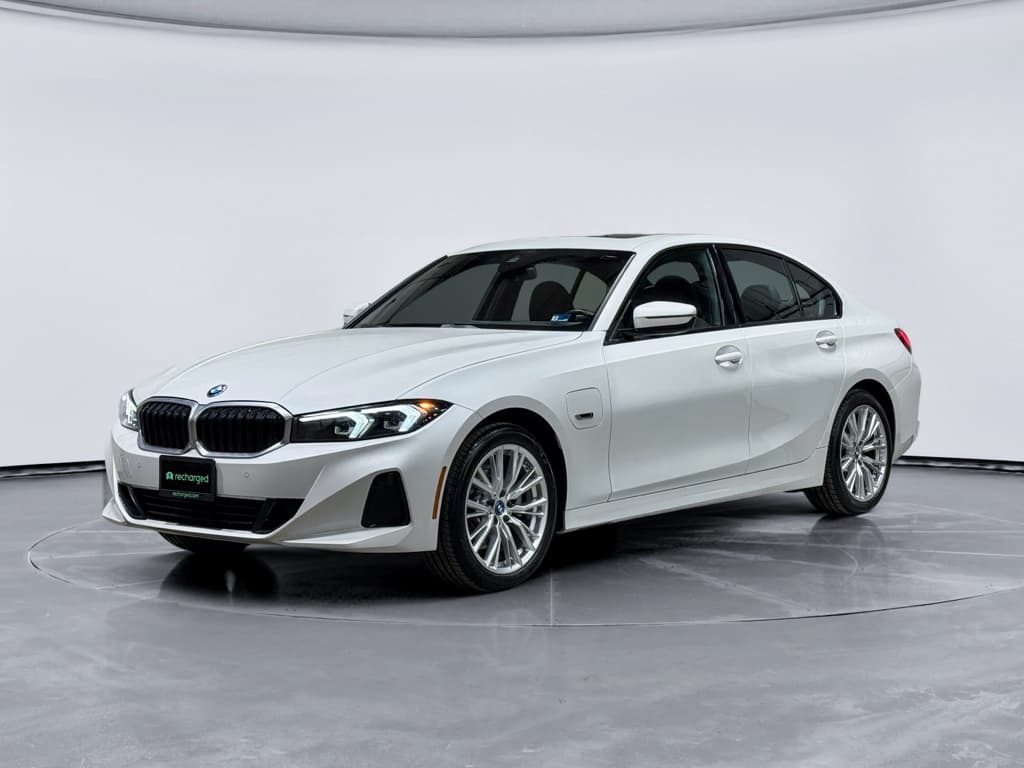
If you’re eyeing a BMW iX, you’ve probably seen the big EPA range numbers, well over 300 miles for some trims. But what you really care about is BMW iX real‑world range on the highway, at 70–75 mph, with luggage, family, and maybe a cross‑country run on the calendar. This guide breaks down what owners and testers typically see, how conditions change the story, and how to plan road trips (or a used iX purchase) with confidence.
Rated vs. real range
Why real‑world BMW iX highway range matters
On paper, the BMW iX xDrive50 and M60 look like road‑trip champions. In the real world, though, highway range is where the truth comes out. Steady high speeds, wind, temperature, and even your wheel choice can easily shave 15–30% off the EPA rating. If you’re shopping used, that makes understanding real‑world highway range just as important as comparing features or 0–60 times.
Range also drives your charging strategy. The difference between an iX that comfortably does 230–250 highway miles on a charge versus one that manages 180–190 in winter can mean one extra fast‑charge stop on every long‑distance day. Get a realistic picture now, and you’ll be far happier later, whether you’re commuting at 75 mph or crossing three states in a day.
BMW iX range: lab vs. highway reality
BMW iX battery versions and EPA range ratings
BMW hasn’t changed the iX formula drastically, but there are a few key versions you’ll see on the market. Knowing which battery and wheel setup you’re looking at helps you predict real‑world range more accurately.
BMW iX trims, wheels, and EPA range (approximate)
EPA ratings vary by model year and options, but this gives you a ballpark before we talk about real‑world highway numbers.
| Trim | Battery (usable est.) | Common wheel size | Approx. EPA range |
|---|---|---|---|
| xDrive40 (not sold in US early on) | ~71 kWh | 20–21" | ~250–270 mi |
| xDrive50 | ~105 kWh | 20" | ~320–324 mi |
| xDrive50 | ~105 kWh | 21" | ~305–315 mi |
| xDrive50 | ~105 kWh | 22" | ~285–295 mi |
| M60 | ~105 kWh | 21–22" | ~274–288 mi |
Always check the exact trim, wheel size, and options for the specific iX you’re buying; they can move the official rating noticeably.
EPA numbers are best‑case, not a promise
How the iX performs on the highway at 70–75 mph
Let’s translate all of this into the numbers you care about: how far you can actually drive at real American highway speeds before you’re hunting for a DC fast charger. These are typical, directional figures drawn from independent testing and owner reports, not a guarantee, but a solid planning baseline.
Real‑world BMW iX highway range estimates
Assumes a healthy battery, mild temps (around 70°F), light winds, and starting near full charge.
xDrive50 – 20" wheels
Highway at 70 mph: roughly 250–270 miles from 100% to near empty.
70–75 mph mix: plan on about 230–250 miles.
xDrive50 – 21" or 22" wheels
70–75 mph: more like 210–240 miles, depending on how aggressive you are with speed and passing.
Big wheels look great, but they cost you range.
M60 – performance focus
70–75 mph: think in the 200–230‑mile ballpark from 100% to very low state of charge.
More power and wider tires nibble away at efficiency.
Those numbers assume you’re willing to run the pack down close to empty. In day‑to‑day road‑tripping, most drivers are more comfortable using roughly 10–80% of the battery. That shrinks the usable window and turns those figures into something closer to 160–190 real‑world highway miles between fast charges on many routes.
A quick rule of thumb
Factors that shrink or stretch your BMW iX range
The BMW iX is an efficient big SUV, but physics still calls the shots. On the highway, a few variables dominate how far you’ll really go on a charge.
What really moves your BMW iX highway range
1. Speed climbs, range falls
Above about 60 mph, aerodynamic drag rises fast. Holding 80 mph instead of 70 can easily cost you 10–15% of your range. If you’re tight on distance to the next charger, easing back a few mph is the simplest fix.
2. Wheel size and tire type
Those gorgeous 22" wheels with sticky rubber? They look fantastic and grip like crazy, but they add rolling resistance and drag. If range matters more than stance, the 20" aero wheels are your friend.
3. Temperature and climate control
Cold batteries and cabin heating are range killers. At 30°F with heat on, you can lose 15–25% versus a warm summer day. Using seat and steering‑wheel heaters instead of blasting cabin heat helps preserve miles.
4. Headwinds, rain, and hills
A stiff headwind or heavy rain increases aerodynamic drag; sustained climbs chew through energy you might not fully gain back on the way down. If your energy graph suddenly worsens without a speed change, wind or grade is often the culprit.
5. Driving style
Frequent hard passes and high‑speed bursts take a toll on efficiency, even in an EV. Smooth throttle inputs and using adaptive cruise when traffic allows can trim consumption and extend your real‑world range.
6. Battery health and load
Over time, usable capacity shrinks slightly, and a fully loaded iX with passengers and cargo simply asks more of the battery. Know the battery’s health and consider how often you’ll be loaded to the roof on road trips.
The good news for everyday driving
Planning road trips: BMW iX highway range strategies
The iX is a comfortable, quiet, long‑legged cruiser once you understand how to work with its range instead of hoping for laboratory numbers. Here’s how to stack the deck in your favor before and during a long highway day.
Before you leave the driveway
- Start warm and full: Charge at home to your preferred limit (often 90%) and precondition the cabin while plugged in in cold or hot weather.
- Map your DC fast chargers: Use BMW’s built‑in navigation, PlugShare, or your preferred app to line up stops at reliable 150–200 kW stations every 150–190 miles.
- Check wind and weather: A strong headwind or deep cold may justify planning slightly shorter legs or an extra stop.
On the highway
- Watch your efficiency display: After 30–60 minutes at cruise, you’ll have a solid feel for today’s mi/kWh or kWh/100 mi. Use that instead of the EPA sticker in your head.
- Charge more often, not fuller: DC fast chargers are happiest from roughly 10–60%. Two short, quick stops are often faster than one long charge to 90–100%.
- Use Eco Pro when it makes sense: In marginal conditions, the more efficient drive mode can claw back a few percentage points of range without ruining comfort.
Think in segments, not the whole pack
Winter highway driving in the BMW iX
Cold weather separates wishful thinking from real‑world range in any EV, and the BMW iX is no exception. The pack is large and the cabin is well insulated, but heating all that space and keeping a chilled battery happy takes energy.
How winter changes BMW iX highway range
The colder and faster you go, the more careful you need to be.
Light winter (40–50°F)
Expect roughly a 10–15% hit to highway range with normal use of climate control.
Preconditioning while plugged in keeps the impact modest.
Freezing (20–32°F)
Now you’re looking at 15–25% less range at 70–75 mph, especially on shorter legs where the cabin never settles.
Cruise control and gentler speed help.
Deep cold (below 20°F)
The penalty can creep toward 25–30% on highway trips if you skip preconditioning and rely on full cabin heat.
Use seat heaters and plan shorter hops between chargers.
Don’t skip preconditioning in real winter
Battery health and used BMW iX range
Most modern EV packs, including the BMW iX, age gracefully when they’re charged and driven reasonably. Still, a used iX with 40,000–60,000 miles on the clock won’t have quite the same usable capacity as it did on day one. That matters when you’re pushing highway range to its limits between fast chargers.
When you shop used, you want proof of battery health, not just a seller’s promise. That’s where tools like the Recharged Score Report come in. Every EV sold through Recharged gets a verified battery‑health diagnostic and transparent capacity data, so you know how much of the original pack is still working for you before you ever sign paperwork.
- Ask for a recent battery‑health report or capacity test, ideally from a third‑party or dealer tool, not just the dashboard guess.
- Look at long‑term efficiency history if the seller can share it; extremely high lifetime consumption can hint at lots of high‑speed or heavy‑load driving.
- On a test drive, note how quickly the state of charge drops at highway speeds versus the remaining‑range prediction. Big mismatches can be a red flag.
- If you’re buying remotely, choose a seller or marketplace that provides independent range and battery checks, not just photos and a Carfax.
How Recharged helps with used iX range
Ready to find your next EV?
Browse VehiclesBMW iX vs other luxury EV SUVs on the highway
If you’re cross‑shopping a BMW iX against other big electric SUVs, it helps to know where it stands on highway endurance. On paper, several rivals claim similar or even higher range, but shape, weight, and tuning all show up in real‑world numbers.
Highway range feel: BMW iX vs. common rivals
These are directional impressions for 70–75 mph highway cruising in mild weather, not lab data.
| Model | EPA range (approx.) | Highway feel at 70–75 mph | Takeaway |
|---|---|---|---|
| BMW iX xDrive50 | ~305–324 mi | Feels comfortable around 210–250 real‑world miles per full charge; efficient for its size. | One of the better highway cruisers among large luxury EVs. |
| BMW iX M60 | ~274–288 mi | Shorter legs than the xDrive50, but still solid; performance tires and power cost range. | Trade some efficiency for grin‑inducing acceleration. |
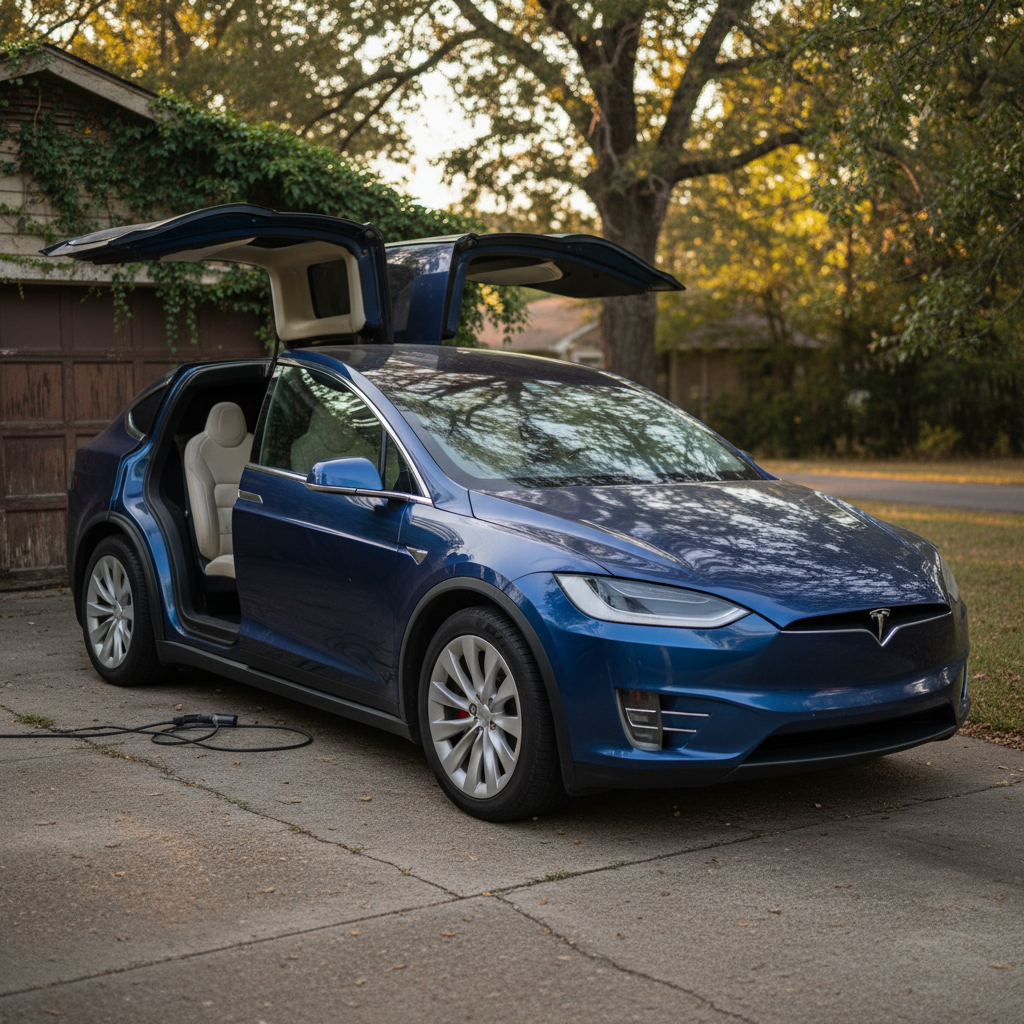
| Tesla Model X (Long Range) | ~330–350 mi | Can go very far at moderate speeds; larger frontal area can eat into range at high speeds. | Excellent network support, but efficiency depends heavily on wheel choice and speed. |
| Mercedes EQE/EQS SUV | ~260–305 mi | Often slightly lower real‑world highway range than the sticker suggests. | Very comfortable; range is decent but not standout at 75 mph. |
| Audi Q8 e‑tron | ~255–300 mi | Known to fall further from EPA on highway than some rivals. | Great ride, but plan conservative legs between chargers. |
Always compare specific trims, wheel packages, and batteries. Two SUVs with the same EPA rating can feel very different on a long, fast highway day.
The iX’s sweet spot
Frequently asked questions about BMW iX real‑world range
BMW iX real‑world highway range: FAQ
Key takeaways: living with BMW iX highway range
Strip away the glossy brochures, and the BMW iX still stands up nicely in the one place EV owners obsess over: real‑world highway range. In day‑to‑day use at 70–75 mph, a healthy iX xDrive50 will reliably cover 210–250 miles on a full charge in good conditions, a bit less in winter or on big wheels. Plan your trips around 160–190‑mile legs and smart DC fast‑charge stops, and it becomes a relaxed, capable long‑distance machine.
If you’re hunting for a used BMW iX, don’t just chase the biggest EPA number, chase verified battery health and honest real‑world range. A marketplace like Recharged that includes a detailed Recharged Score Report, expert EV guidance, and a fully digital buying experience makes that much easier. With the right example and realistic expectations, highway range doesn’t have to be the question mark; it can be the reason you look forward to the next road trip.