If you’ve browsed the used‑car listings lately and thought, “Why are used electric cars so cheap compared to when they were new?” you’re not imagining it. Many used EVs have dropped far faster in value than comparable gas cars, creating what looks like a buyer’s market, if you know what you’re looking at.
Quick answer
Why used electric cars look so cheap right now
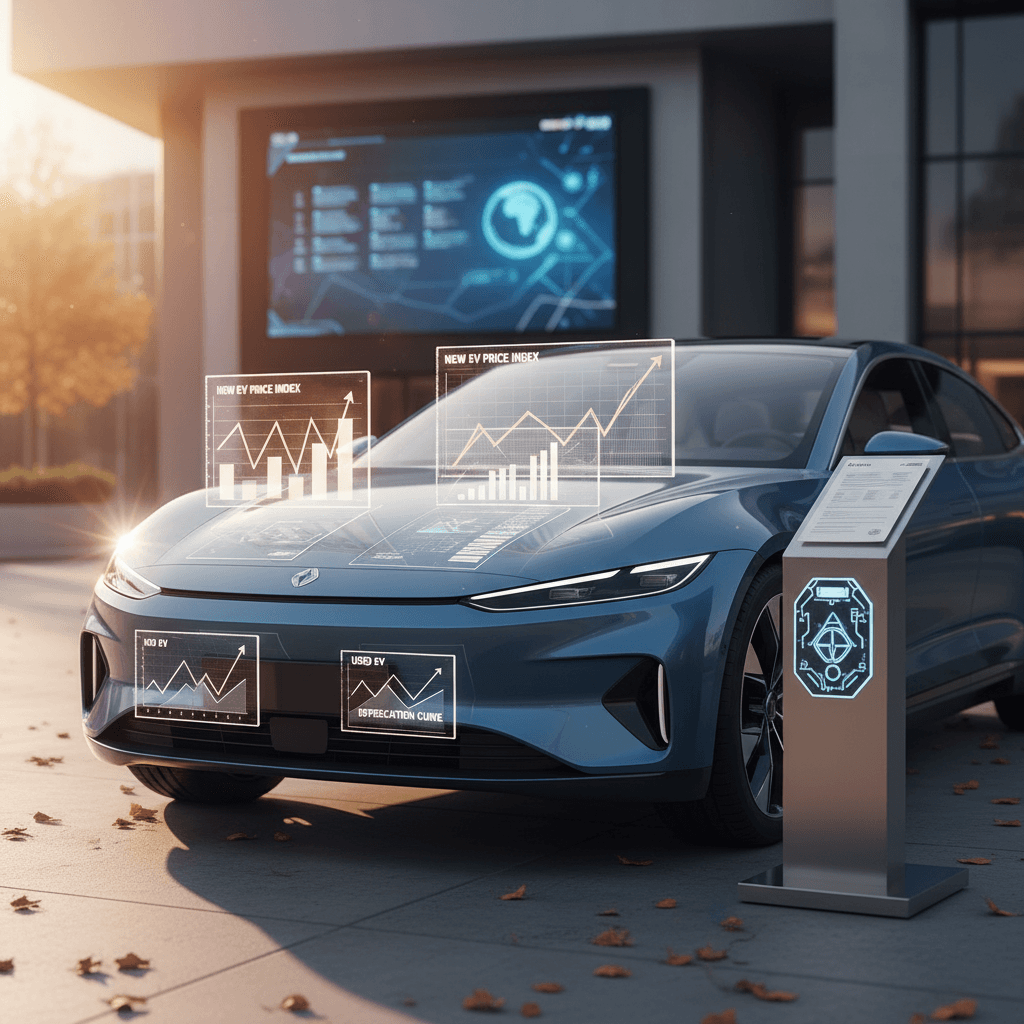
To understand why used electric cars seem unusually cheap, it helps to zoom out and look at the market. Over the past few years, EV prices have gone through several whiplash moments: rapid price hikes during the supply crunch, aggressive cuts from manufacturers (Tesla in particular), and a wave of incentives and leases designed to keep new EV sales moving. All of that hits the used market hard.
EV price and depreciation snapshot
By contrast, many gasoline vehicles have seen only tiny year‑over‑year drops in used prices. When you’re cross‑shopping, that makes an electric hatchback that once stickered at $38,000 and now lists in the mid‑teens look suspiciously cheap next to a similar‑age gas car still priced in the low‑$20,000s.
Cheap doesn’t always mean troubled
5 big reasons used EVs depreciate so fast
Why are used electric cars so cheap? The core drivers
Five forces pushing used EV prices down faster than gas cars
1. Tax credits & discounts on new EVs
For years, many new EVs qualified for generous incentives, often up to $7,500 federal tax credit, plus state rebates or dealer discounts. When a new version is effectively thousands cheaper than the original sticker, used prices must fall hard to stay competitive.
2. Rapid tech and range improvements
Battery tech moves quickly. In under a decade, typical EV range has roughly doubled, and fast‑charging speeds have improved dramatically. That makes a three‑year‑old EV with 220 miles of range feel dated next to a new one with 300+, depressing resale.
3. Battery anxiety and replacement fears
Many shoppers worry that a used EV’s battery will suddenly “die” and cost five figures to replace. In reality, most batteries degrade gradually, but the perception of risk pushes prices down, especially for models without clear battery‑health data.
4. Charging & range confidence still lag
Stories about crowded or broken chargers and winter range loss have cooled some buyers’ enthusiasm. A smaller pool of used‑EV shoppers means sellers must compete on price, which accelerates depreciation.
5. Leasing and fleet turn‑ins
A huge share of new EVs in recent years were leased or placed in fleets. As those two‑ and three‑year contracts end, lots of similar EVs hit the auction lanes at once. High supply + uneven demand = lower resale prices.
Bonus: Luxury pricing on day one
Many first‑wave EVs were priced as premium or luxury models. Expensive cars always fall faster in dollars and percentage, and EVs are no exception, especially when the new‑car market cools off.
How much have used EV prices actually dropped?
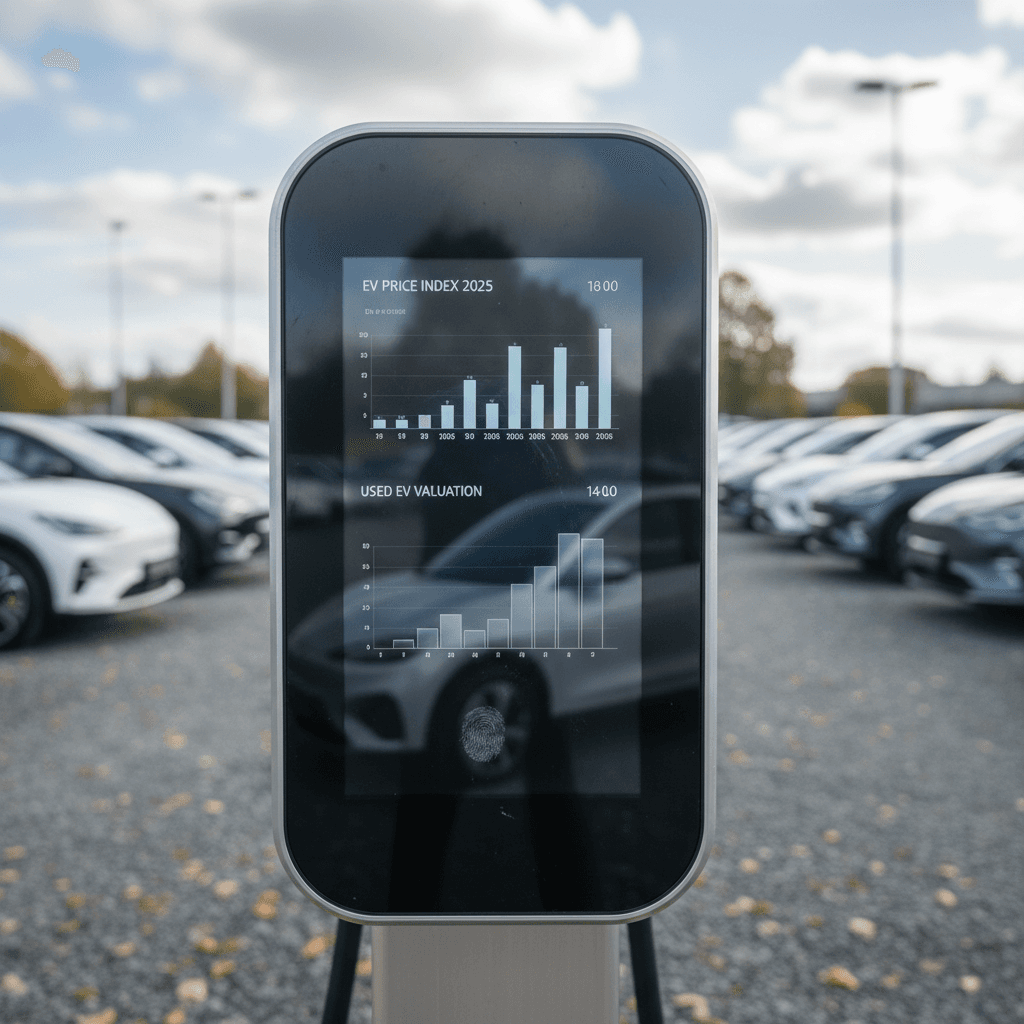
Different studies slice the numbers in different ways, but they all point in the same direction: used electric cars have been falling in price much faster than gasoline vehicles of the same age.
EV vs. gas depreciation at a glance
Illustrative averages from recent industry analyses, not guarantees for any one vehicle, but a useful reality check.
| Vehicle type | Typical 3‑year depreciation | Typical 5‑year depreciation | Recent 1‑year used‑price change |
|---|---|---|---|
| Gasoline vehicle | ≈39% | ≈45–50% | About flat (±1%) |
| Hybrid | Mid‑30%s | Low‑40%s | Slight decline |
| Battery electric (EV) | ≈50%+ | Often 55–60%+ | Double‑digit drop in many models |
| Some luxury EVs | 50–60%+ | Often 60%+ | Biggest swings year to year |
Why a three‑year‑old electric car can look like a screaming deal next to a similar gas model.
A quick example
Is a cheap used EV a good deal, or a money pit?
The honest answer: it depends on why it’s cheap. Some used EVs are genuine bargains with years of low‑cost driving left. Others are discounted for a reason, severely degraded batteries, hard‑to‑find parts, or models that never got the charging support they needed.
When “cheap” is a smart buy
- Battery still has strong usable capacity, verified with a health report.
- Model has solid aftermarket or OEM support and no major recall shadows.
- Range and charging speed still fit your daily use, even if they’re not class‑leading.
- You plan to keep the car long enough that low purchase price matters more than resale.
When “cheap” can be a trap
- Battery has already lost a big chunk of range, and replacement costs rival the car’s value.
- Model is discontinued with spotty parts supply or limited dealer support.
- You rely on DC fast charging in areas with poor coverage, adding frustration and time cost.
- You’re counting on high resale value in a few years, something EVs haven’t delivered consistently yet.
Think total cost of ownership, not just price
Battery health: the number‑one thing that makes or breaks a bargain
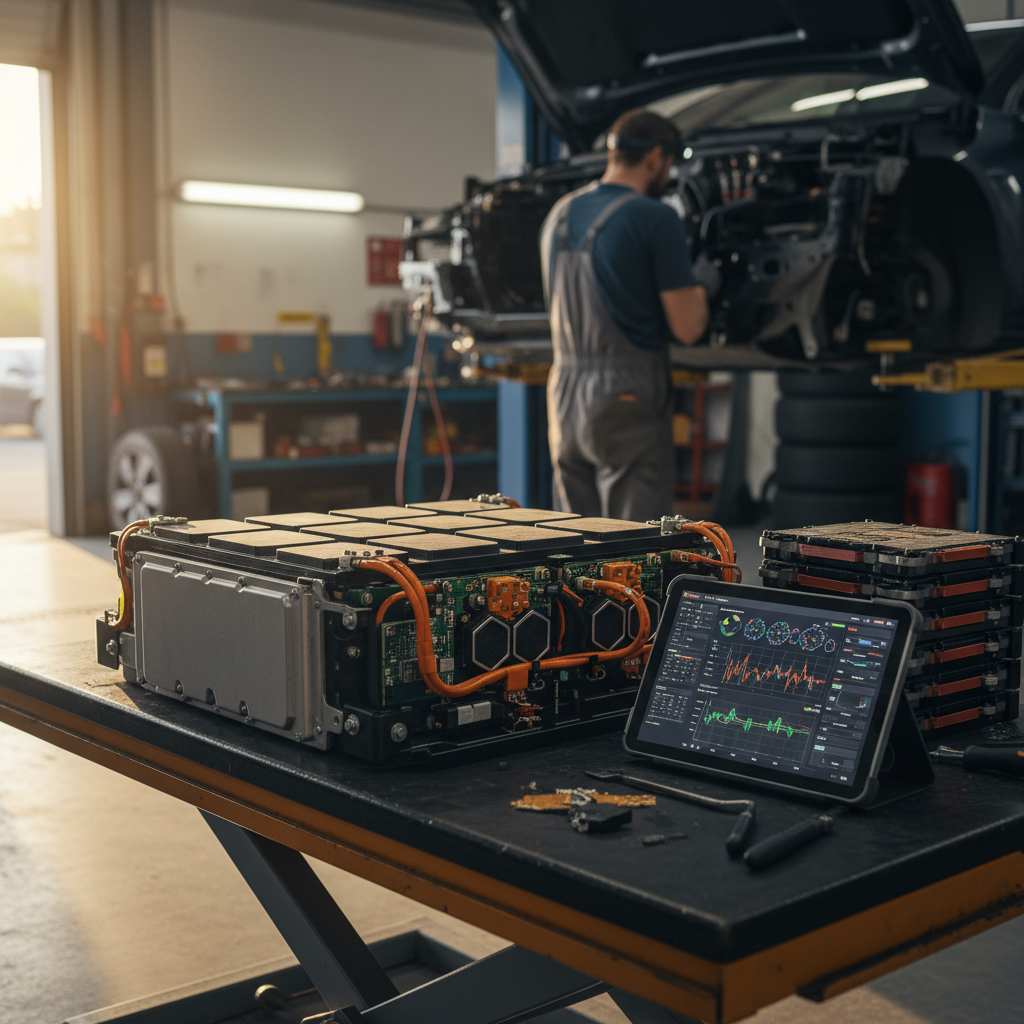
With used electric cars, the battery pack is the asset. It’s the most expensive component in the vehicle and the single biggest driver of real‑world value. Two identical EVs on paper, a 2021 model with 40,000 miles, can be worth very different amounts if one has lost 8% of its original capacity and the other has lost 25%.
- Battery capacity loss cuts usable range, which directly affects how convenient the car is to live with.
- Shoppers who don’t understand degradation risk deeply discount cars they assume will soon need a pack.
- Traditional vehicle history reports don’t tell you anything meaningful about the battery’s condition.
Where Recharged comes in
Other costs that make cheap used EVs attractive
Price is only part of the story. Even when EVs cost more to buy new, they can make up ground, sometimes completely, through lower running costs. When you combine a discounted used price with those savings, the value proposition can be compelling.
Why a cheap used EV can be a value play
Key cost categories where EVs often win
Energy costs
Electricity is typically cheaper per mile than gasoline, especially if you charge at home during off‑peak hours. Over five years, many EVs save thousands on fuel versus a comparable gas car.
Maintenance
No oil changes, no spark plugs, no exhaust system, and far fewer moving parts. Most EVs have lower maintenance costs, even if tires wear a bit faster due to weight and torque.
Incentives & fees
Depending on your state, you may see lower emissions fees, HOV perks, or local incentives, even on used EVs. Some states add EV registration fees; others reduce them, so it’s worth checking your local rules.
This is why some ownership‑cost studies now find that a significant share of EVs, roughly four in ten models, cost less to own over five years than a comparable gas vehicle, even if their depreciation hit is steeper. When you can buy into that equation at used‑car prices, the math often tilts further in your favor.
Which used EVs tend to be the cheapest, and why
Not all EVs depreciate equally. Some models are chronically cheap on the used market; others hold their value relatively well. Understanding who’s who helps you interpret those tempting prices.
Models that usually look “too cheap”
- Early‑generation short‑range EVs (older Nissan Leafs, early compliance cars) with under ~150 miles of EPA range.
- Discontinued or slow‑selling models from brands that changed strategy or exited EVs.
- Luxury EV sedans that started with high MSRPs and now face newer competitors with more range and tech.
Models that tend to hold value better
- High‑demand crossovers and SUVs with 250+ miles of range and strong charging performance.
- EVs from brands with loyal followings and frequent over‑the‑air updates.
- Newer models that still qualify for some incentives even when lightly used or leased.
What this means for you
Smart shopping checklist for buying a cheap used EV
If you’re intrigued by how inexpensive some used EVs have become, you’re not alone. Here’s a practical checklist to separate the steals from the headaches.
10 steps to evaluate a cheap used EV
1. Start with your real range needs
Write down how many miles you drive on a typical day, your longest regular trip, and where you’ll charge most often. A car that seems “too short‑range” on paper might be perfect if you rarely exceed 80–100 miles a day.
2. Check original and current battery warranty
Find the manufacturer’s battery warranty terms (years and mileage, plus what percent capacity is covered). See how much of that coverage remains on the car you’re considering.
3. Get a true battery health report
Don’t rely on a dashboard guess. Look for a <strong>professional battery diagnostic</strong>, like the Recharged Score battery health report, that measures usable capacity and flags any concerning cell behavior.
4. Compare real‑world range to EPA numbers
If possible, test‑drive or talk with current owners of the same model. How much range do they see at 80–90% charge in normal use, and how does winter affect it?
5. Review charging options near home and work
Map your local charging: home outlet or Level 2, workplace charging, and nearby public fast chargers. If you’ll rely heavily on DC fast charging, prioritize cars with faster charging speeds and reliable networks.
6. Research known issues for that model
Search for common problems, software recalls, and any history of widespread battery defects. Some early EVs have quirks that are well documented in owner forums and service bulletins.
7. Look at total cost, not just price
Estimate your five‑year fuel and maintenance savings versus a gas alternative. Factor in registration fees, insurance quotes, and any local EV incentives or fees so you’re comparing apples to apples.
8. Inspect tires, brakes and suspension
EVs are heavy and torquey. Worn tires or tired suspension on a cheap EV can erase a lot of the price advantage if you have to replace them immediately.
9. Understand software and feature support
Some EVs receive over‑the‑air updates that extend their useful life; others are essentially “frozen” in time. Ask what software version it’s on, whether navigation and apps are still supported, and what updates are available.
10. Plan your exit strategy
Assume depreciation will remain steeper than for a gas car. If that bothers you, focus on lower‑priced used EVs where the previous owner took the biggest hit, and plan to drive the car long enough to make the economics work.
How Recharged helps you tell a real bargain from a bad bet
Used EVs are one place where transparency is everything. A rock‑bottom price is only attractive if you know what you’re getting, especially when you can’t see the most expensive component, the battery. That’s exactly the gap Recharged was built to solve.
Buying a cheap used EV through Recharged
How we take the guesswork out of used‑EV “deals”
Verified battery health
Every vehicle includes a Recharged Score Report with in‑depth battery diagnostics, capacity, projected remaining life, and any anomalies. You’re not buying blind.
Fair market pricing
Recharged benchmarks pricing against the wider EV market, recent depreciation trends, and each car’s actual battery health. That keeps “cheap” from being too good to be true, or quietly overpriced.
EV‑specialist guidance
Our EV specialists walk you through how a specific car’s range, charging speed and battery condition fit your life. We’ll tell you when an ultra‑cheap model isn’t right for your commute.
Flexible ways to buy or sell
Finance your used EV, trade in your current vehicle, or consign a car you already own. Recharged supports financing, trade‑ins, instant offers and consignment in one digital experience.
Nationwide delivery
Found a great deal that’s not local? Recharged offers nationwide delivery plus an Experience Center in Richmond, VA if you prefer to see vehicles in person.
Transparent, digital process
No smoke and mirrors. You can browse, compare Recharged Scores, secure financing and complete paperwork online, with expert support when you need it.
FAQ: Cheap used EVs and depreciation
Frequently asked questions about why used electric cars are so cheap
Bottom line: Should you take advantage of today’s cheap used EVs?
Used electric cars are cheap today for structural reasons: generous incentives on new models, fast‑moving technology, lingering questions about batteries and an evolving charging landscape. None of that automatically makes them bad cars. It simply means the market is still pricing in a lot of uncertainty, sometimes more than the facts justify.
If you match the car’s capabilities to your real‑world needs, insist on hard battery‑health data and look at total ownership cost instead of just the sticker, a “too‑cheap” used EV can be one of the savviest buys on the lot. And when you shop through a marketplace that specializes in used EVs, backs every car with a verified battery report, and supports financing, trade‑ins and nationwide delivery, you’re in a much better position to turn today’s low prices into long‑term value.