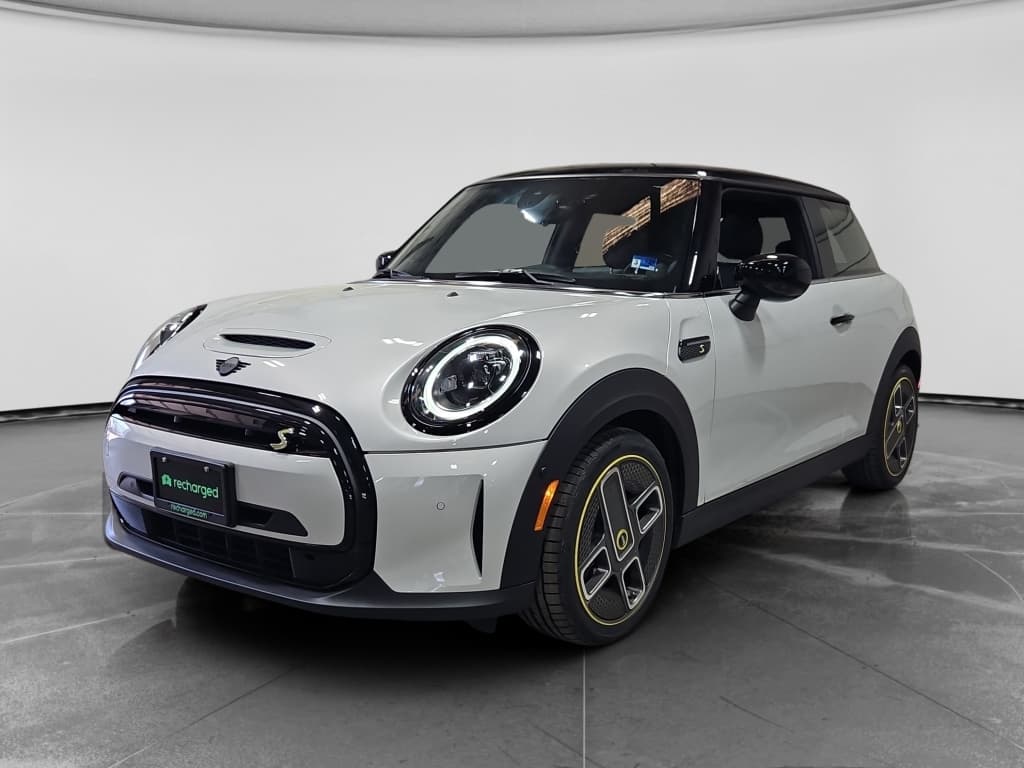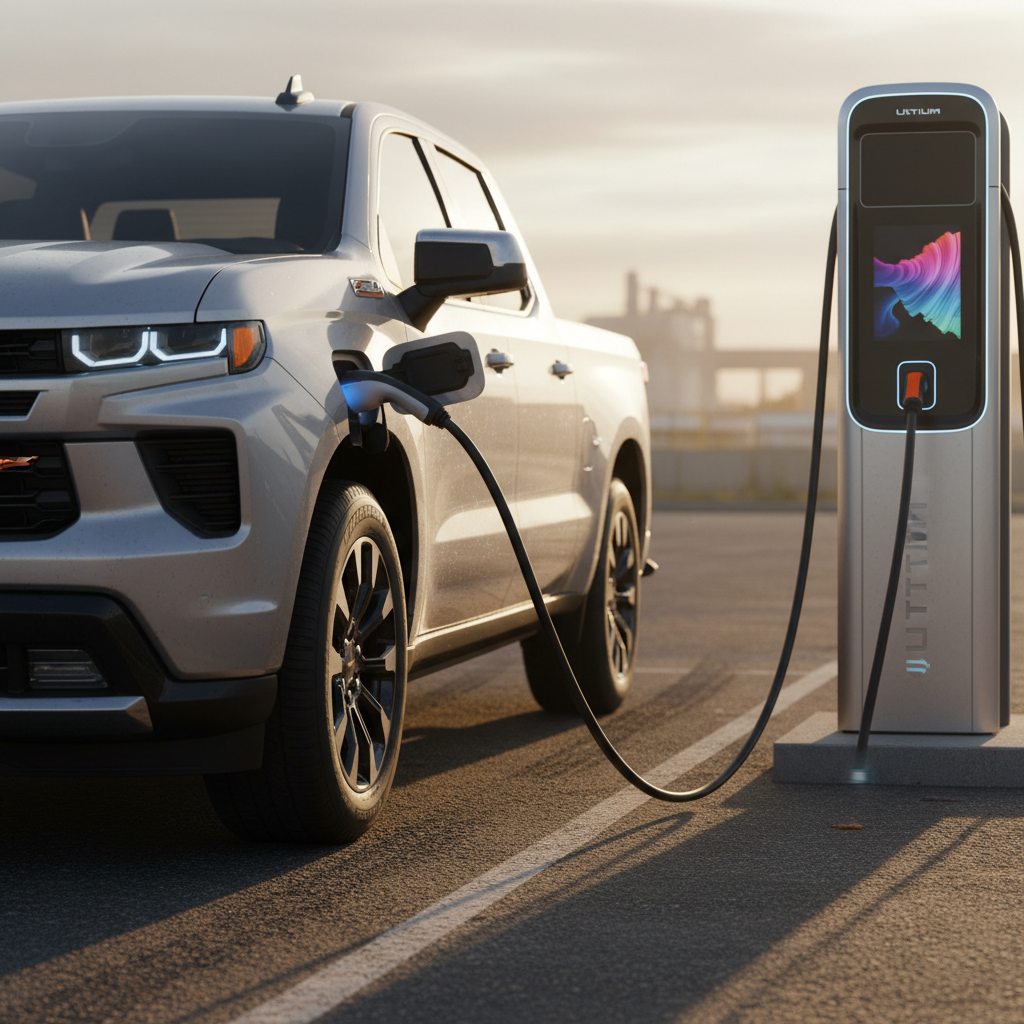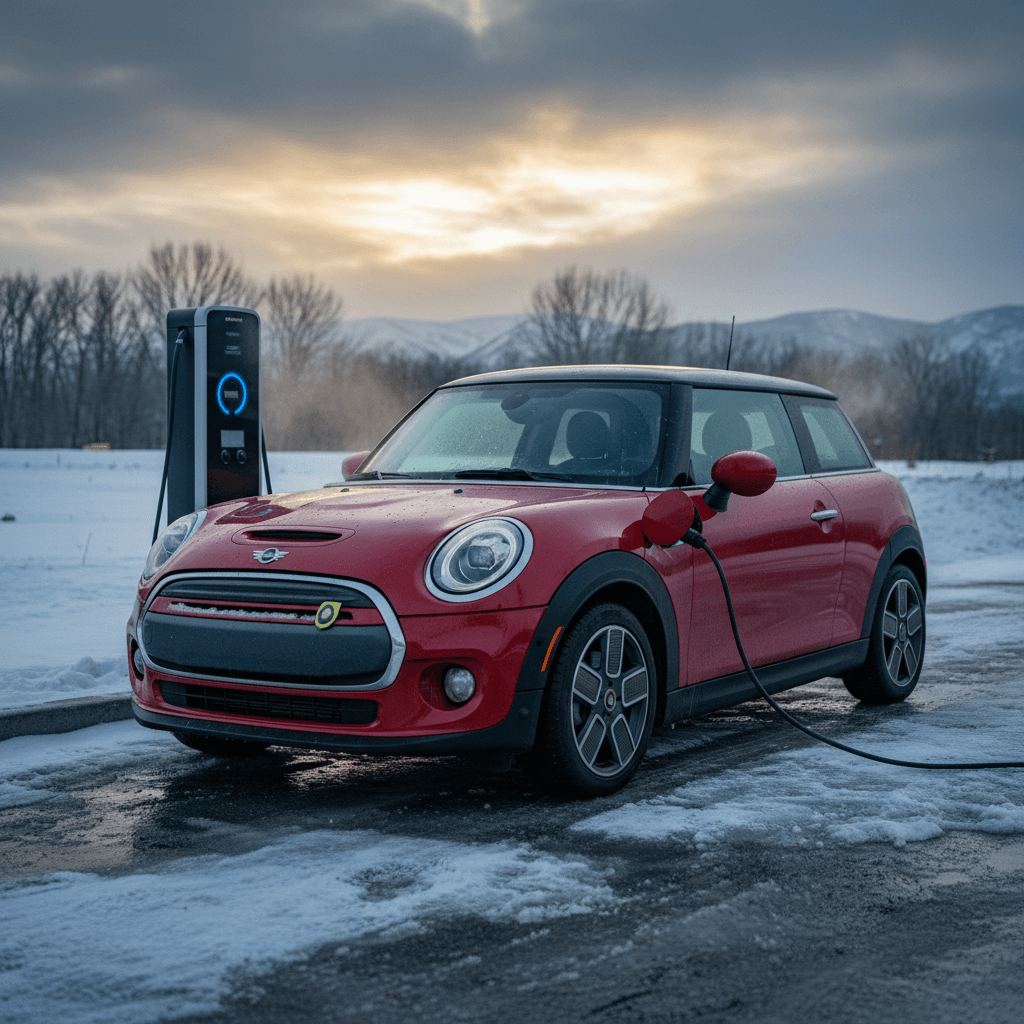
If you drive a Mini Cooper SE or you’re shopping for a used one, you’ve probably heard the same concern: its range is modest to begin with, and cold weather makes it worse. Understanding the Mini Cooper SE range in cold weather is essential if you live in a place with real winters and still want this car to work as your daily driver.
Winter range reality check
Mini Cooper SE winter range basics
The current Mini Cooper SE (a.k.a. Mini Electric) uses a battery pack in the low‑30 kWh range and carries an official EPA rating around 110–120 miles of combined driving range in mild conditions. In everyday mixed driving above freezing, many owners report seeing 100–120 miles on a full charge if they’re not constantly on the highway.
- EPA‑rated range in mild temps: roughly 110–120 miles per charge
- Typical real‑world, mixed driving in mild temps: about 95–120 miles
- Front‑wheel drive, no heat pump on early model years (resistive heater draws more energy)
- Compact, city‑oriented hatchback, ideal for short commutes rather than long highway runs
Think in trips, not just miles
How much Mini Cooper SE range loss to expect in cold weather
The exact range hit depends on temperature, speed, terrain, wind, and how you use the heater. But looking at winter testing and owner reports, a pattern emerges for the Mini Cooper SE.
Mini Cooper SE range in cold weather: ballpark expectations
Approximate real‑world winter range on a full charge, assuming a healthy battery and typical driving. Your results will vary, but these numbers help with planning.
| Outside temperature | Driving mix | What many owners see | What’s realistic to plan for |
|---|---|---|---|
| 30–40°F (‑1 to 4°C) | City + suburban (lower speeds) | 80–100 miles | Plan around 80–90 miles |
| 30–40°F (‑1 to 4°C) | Mostly highway at 65–70 mph | 70–85 miles | Plan around 70–80 miles |
| 15–30°F (‑9 to ‑1°C) | City + suburban | 65–85 miles | Plan around 70–75 miles |
| 15–30°F (‑9 to ‑1°C) | Mostly highway | 55–75 miles | Plan around 60–70 miles |
| Below 15°F (‑9°C) | Mixed driving with heavy heat use | 50–70 miles | Plan around 55–65 miles |
Figures assume mostly stock tires, moderate driving style, and regular use of heat. Eco driving and preconditioning can move you toward the higher end of each band.
Plan with a safety buffer
Why cold weather hurts Mini Cooper SE range
Cold weather hits every EV, but cars with smaller batteries like the Mini SE feel it more. That’s because fixed energy costs, like heating the cabin and warming the battery, eat up a larger percentage of the total battery capacity.
Four main range killers in winter
Understanding these makes it easier to fight them.
Cold slows battery chemistry
Cabin heat is energy‑hungry
Dense air + winter tires
Short hops are least efficient
Why some people see better winter range than others
Real‑world Mini Cooper SE winter range scenarios
Numbers are helpful, but it’s easier to decide if the Mini SE works for you by walking through real‑world use cases. Here are three common winter scenarios for U.S. drivers and how the car tends to behave.
1. Short urban commute (best‑case)
Profile: 10–20 miles each way, mostly 30–45 mph city and suburban roads, overnight Level 2 charging at home or work.
- Temps in the 20s–30s °F
- You precondition the cabin while plugged in
- Use Eco mode and moderate heat
What you can expect: 2–3 days of commuting between full charges, with winter range often in the 75–95 mile band.
2. 40–50‑mile round‑trip commute
Profile: 20–25 miles each way, speeds 50–65 mph, Level 2 charging at home only.
- Temps around freezing
- Limited preconditioning time
- Heater set to comfortable, not frugal
What you can expect: You’ll likely charge every night. Safe usable winter range often lands around 70–80 miles, so one round trip is fine, two without charging gets tight.
3. Weekend highway visit (worst‑case)
Profile: 65–80‑mile each‑way trip on the interstate at 70 mph, temps in the teens, strong heater use.
- Little or no charging at destination
- Headwinds or snow further cut efficiency
What you can expect: This can push the Mini SE to its limits in deep winter. You should plan a mid‑route fast charge or use another vehicle with more range.
When the Mini SE may not be enough
Driving habits that extend Mini Cooper SE range in winter
You can’t change physics or the size of the battery pack, but you can change how quickly you burn through those kilowatt‑hours. Driving style is one of the biggest levers you control.
Winter driving habits that add real miles
Drive a little slower on the highway
Aerodynamic drag rises with the square of speed. Dropping from 75 mph to 65 mph can claw back a surprising amount of range in the Mini SE, especially in cold, dense air.
Use Eco or Green+ modes in nasty weather
These modes dial back throttle response and, in some setups, cabin power draw. The car feels slightly more relaxed but noticeably stretches each kWh further.
Plan routes that avoid long, empty stretches
In winter, forcing a small‑battery EV to do long, uninterrupted highway stints is where range anxiety shows up. Use routes with potential charging stops as backup, even if you don’t plan to use them.
Take advantage of regenerative braking
One‑pedal driving in traffic lets the Mini SE recapture some energy when you slow down. In very cold temps, regen may be limited until the battery warms, so expect that behavior to change during your trip.
Combine errands into fewer trips
Every time you start cold, the car spends energy warming the cabin and battery. Bundling errands into a single outing means those overhead losses are spread across more miles.
Watch your tires and pressure
Properly inflated winter or all‑season tires reduce rolling resistance and keep handling predictable. Under‑inflated tires cost you both range and safety.
The upside of city driving
Heating and climate control strategies that actually work
Climate control can be the single biggest swing factor in your winter range. The same 30‑mile commute can consume very different amounts of energy depending on how you use the heater.
Smart ways to stay warm without killing range
Stay comfortable first, then trim waste where it doesn’t hurt.
Precondition while plugged in
Rely on seat and wheel heaters
Use consistent, moderate temperature
Take advantage of sunlight
Defrost and defog are energy spikes
Charging your Mini SE in cold weather
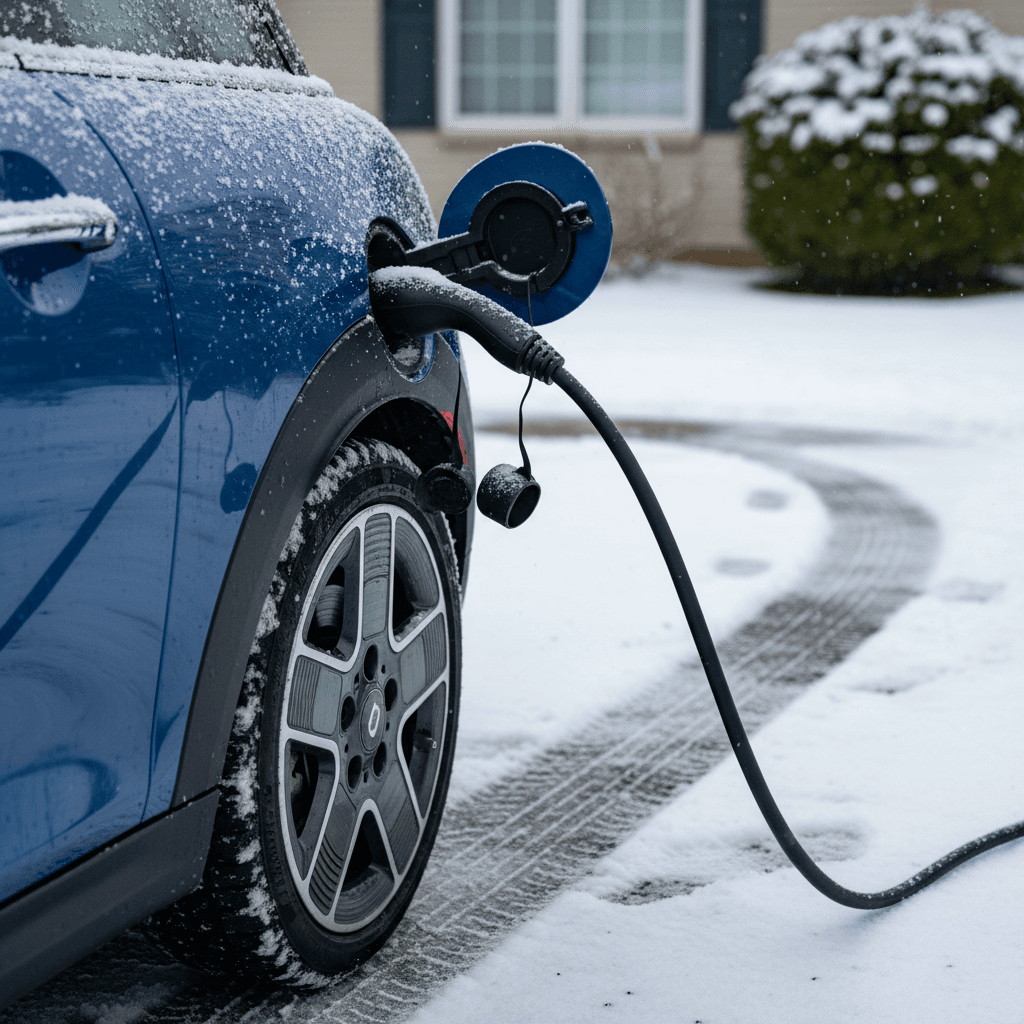
Cold weather not only trims range while you drive; it can also slow down how quickly your Mini Cooper SE charges. That’s especially noticeable if you rely on DC fast charging for winter road trips.
Winter charging behavior: what to expect
- Whenever possible, finish charging right before you leave. A battery that just finished charging is warmer and more efficient than one that sat full and cold all night.
- If you plan to use DC fast charging on a trip, try to arrive with the battery warm and under 50% state of charge so the car can accept power faster.
- In very cold weather, don’t be surprised if early charging speeds are modest and then pick up as the pack warms during the session. That’s normal behavior and helps protect the battery.
Home charging makes winter life easier
Cold weather, battery health, and long‑term impact
Cold doesn’t just affect day‑to‑day range; owners also worry about long‑term battery health. The good news is that cold is usually easier on battery longevity than heat, as long as you’re not regularly fast‑charging a frozen pack.
Short‑term winter effects
- Temporarily lower available capacity and reduced regen when the pack is cold.
- Slower DC fast charging to prevent lithium plating and cell damage.
- More energy pulled for cabin heat, which you feel as lower range.
Long‑term considerations
- Cold storage is generally benign or even slightly protective for lithium‑ion packs.
- Avoid habitual 100% charging and long periods at full charge, regardless of temperature.
- Let the car manage pack temperature; don’t defeat safeguards like reduced fast‑charge rates in deep cold.
How Recharged checks battery health on used Mini SEs
Is the Mini Cooper SE right for winter driving?
Whether the Mini Cooper SE works in cold weather comes down to your daily routine and your expectations. The car was engineered as a city‑first EV with a compact pack, not a cross‑country cruiser. Winter simply magnifies that design choice.
Who the Mini SE suits in winter, and who should think twice
Use this as a quick gut check before you buy, especially used.
Good winter fit
- Daily driving under 60–70 miles, mostly city/suburban.
- Reliable home or workplace charging.
- Another vehicle in the household for long trips.
- You value compact size and fun handling over maximum range.
Potential mismatch
- Regular 80–100‑mile winter highway drives with no charging at the destination.
- Limited access to home charging (street‑parking only, no workplace outlets).
- You want one car to cover frequent multi‑hundred‑mile winter road trips.
Why many cold‑climate owners still love it
If you’re considering a used Mini Cooper SE, don’t let winter scare you off, but do go in with clear eyes. Look closely at your routes, charging options, and local climate, and assume a 25–40% range haircut on the coldest days. Paired with solid battery health data, like the Recharged Score report that comes with every Recharged vehicle, the Mini SE can be a smart, affordable EV for cold‑weather city life.
Mini Cooper SE winter range FAQ
Frequently asked questions about Mini Cooper SE range in cold weather
In winter, the Mini Cooper SE is less about how far you can go on one charge and more about how perfectly it fits into the short, repeatable trips that make up most people’s weeks.