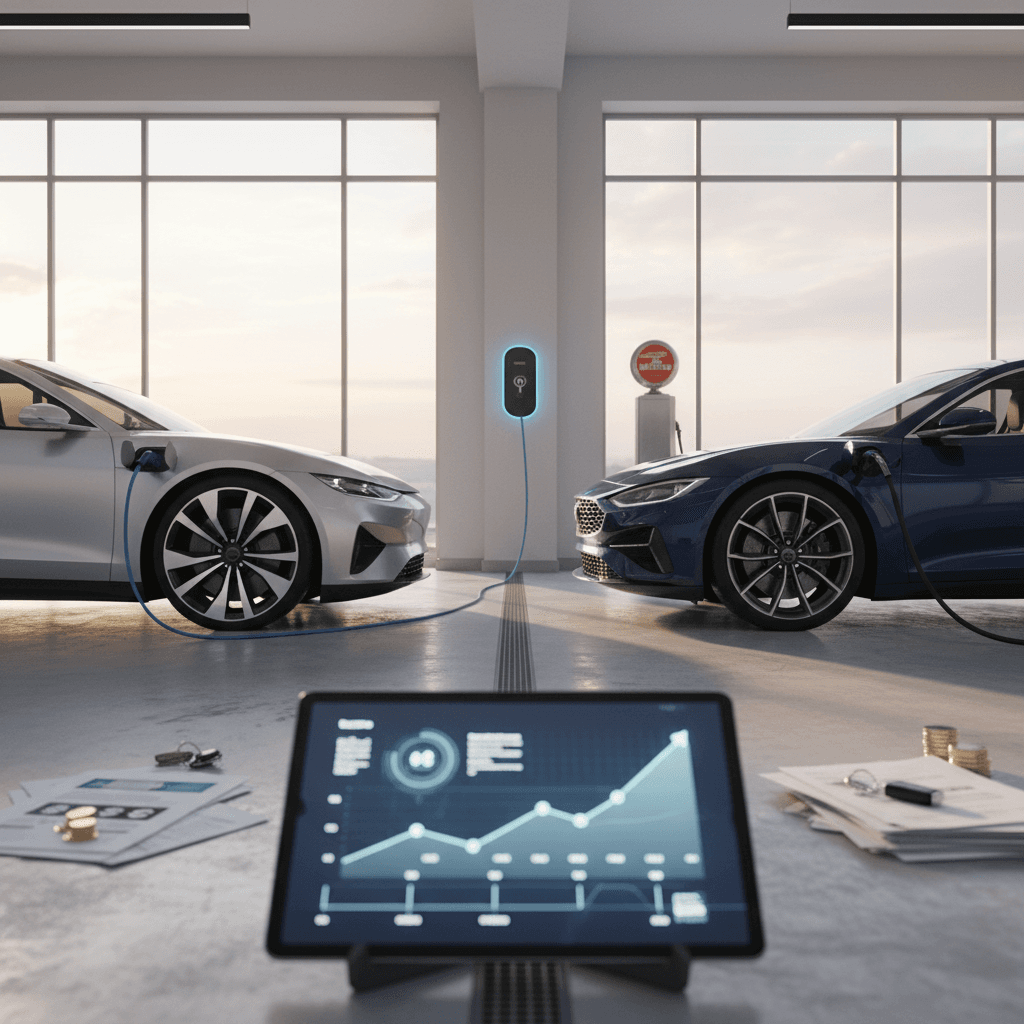
If you’re eyeing a BMW iX, you’re not just shopping for a luxury SUV, you’re making a long-term bet on an electric platform. Understanding BMW iX long term ownership cost is the difference between a feel-good purchase and a financially smart one. Let’s unpack depreciation, charging, maintenance, insurance, and how buying a used iX can dramatically change the math.
Quick takeaway
BMW iX long-term cost overview
BMW iX ownership snapshot (typical U.S. driver, 5 years)
Those ranges are directional, not promises, they depend heavily on how much you drive, where you live, and whether you buy new or used. To really understand BMW iX cost of ownership, you need to look at each piece: depreciation, energy, maintenance, insurance, and battery health risk.
BMW iX price & depreciation: 5-year view
New, a BMW iX xDrive50 has sticker prices that often land in the mid‑$80,000s with options, and well into the $90,000s for higher trims. That matters, because depreciation is the single biggest long-term ownership cost on a luxury EV.
How the BMW iX typically depreciates
Conceptual 5‑year pattern in the U.S. luxury EV market
Years 0–3: Steep drop
Like most high-end EVs, the iX takes its biggest hit early:
- First owner eats the new‑car premium.
- Tech moves fast, pulling used values down.
- Leasing and incentives can distort MSRPs vs. real transaction prices.
Years 3–7: Value flattens
After year 3, the curve usually flattens:
- Battery warranty still in effect, easing buyer anxiety.
- Most of the early depreciation already realized.
- Well-cared‑for examples hold relatively steady versus year 1–3 drops.
Where used buyers win
Illustrative 5‑year cost of depreciation: new vs. used iX
Hypothetical example numbers to show how timing your purchase affects long‑term cost. Actual prices vary by market and spec.
| Scenario | Purchase Price | Value After 5 Years of Your Ownership | Estimated Depreciation |
|---|---|---|---|
| Buy New iX xDrive50 | $88,000 | $35,000 | $53,000 |
| Buy 3‑Year‑Old iX | $52,000 | $30,000 | $22,000 |
These are example figures, not appraisals, always check live market data before you buy or sell.
That’s the core story: timing your entry into the depreciation curve matters more than almost any other factor. Buying used doesn’t just lower your payment, it can cut your 5‑year depreciation bill by tens of thousands of dollars.
Energy costs: charging a BMW iX
The BMW iX carries a large battery (around 111 kWh gross) and delivers real‑world consumption that often falls in the 2.2–2.7 miles per kWh range depending on climate, speed, and wheel choice. For cost of ownership, what matters is how many miles you drive and what you pay per kWh.
Home charging economics
If you do most of your charging at home on a Level 2 charger:
- Assume ~$0.14–$0.18 per kWh in many U.S. markets.
- An iX might use ~26–30 kWh per 100 miles in mixed driving.
- That’s roughly $3.75–$5.40 per 100 miles.
Drive 12,000 miles per year? You might spend roughly $450–$650/year on electricity if you’re home‑charging dominant.
DC fast charging & road trips
Rely more on DC fast charging and the math changes:
- Public DC fast rates often reach $0.35–$0.55/kWh.
- Your cost per 100 miles can easily double versus home.
- Road trips cost more, but they’re still often competitive with a large gas SUV.
The more you can steer charging to home (or cheap workplace rates), the better your BMW iX long term ownership cost looks.
Watch your utility rate plan
Maintenance & repairs: how the iX compares
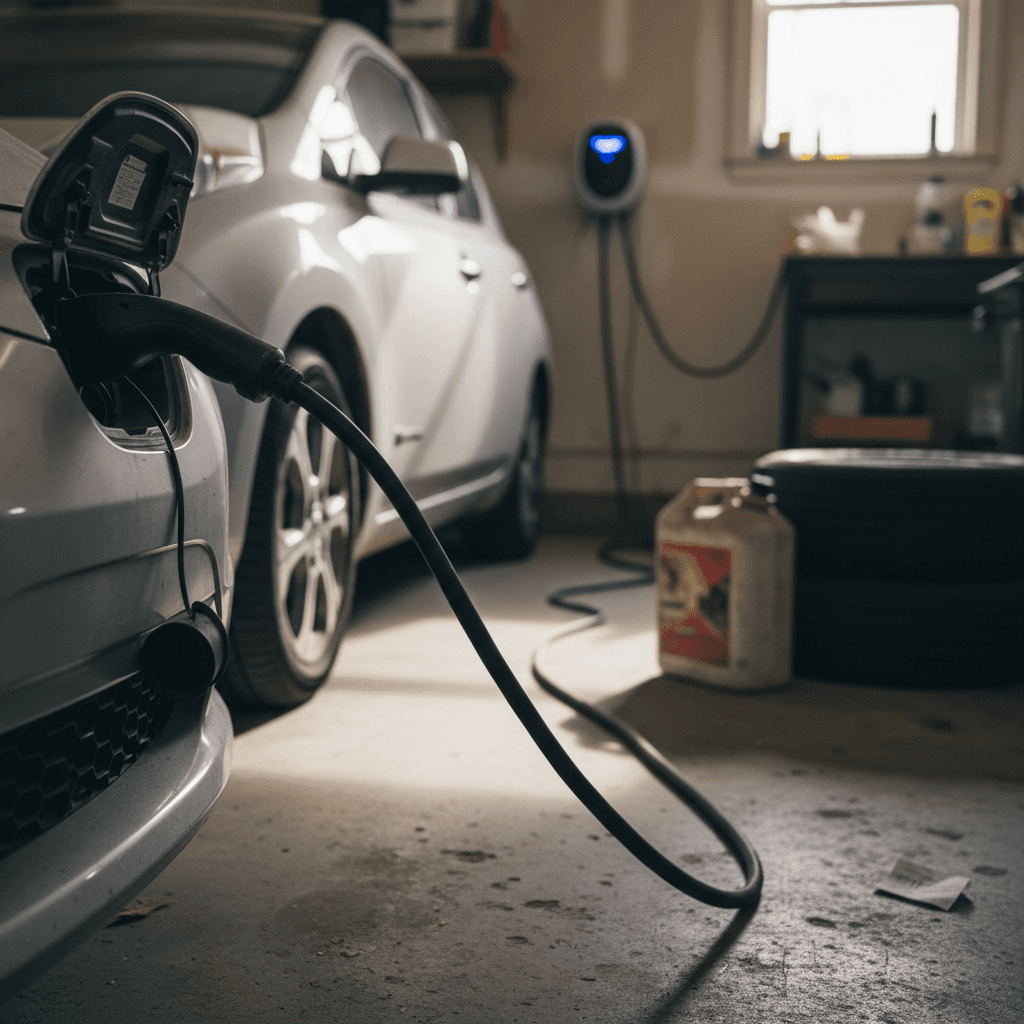
Long-term, maintenance is where EVs quietly separate themselves from traditional luxury SUVs. The BMW iX has the usual BMW complexity, air suspension, advanced driver assistance, sophisticated electronics, but it also sheds an entire gas powertrain.
Key maintenance differences: BMW iX vs. gas BMW X5
Why many iX owners see lower routine costs, even on a premium EV
No engine or oil
- No oil changes, spark plugs, or timing chain services.
- Fewer fluids overall (no transmission fluid changes, etc.).
- Simpler regular service schedule.
Brakes last longer
- Regenerative braking offloads work from friction brakes.
- Pads and rotors often last far longer than on a gas SUV.
- Still budget for periodic brake fluid changes.
BMW‑level parts & labor
- When things do break, they’re priced like a BMW.
- Suspension, electronics, body repairs: all premium.
- Out‑of‑warranty owners should keep a repair buffer.
Routine service items to expect
Insurance, taxes, and fees
Insurance is one of the most overlooked components of BMW iX cost of ownership. It’s a luxury EV with expensive bodywork, complex sensors, and strong performance, so insurers price it accordingly.
- In many U.S. ZIP codes, iX premiums land above mainstream crossovers and closer to other luxury SUVs.
- Repair costs for accident damage can be high due to aluminum body parts and embedded sensors in bumpers and glass.
- Shopping quotes across multiple insurers, and considering telematics or mileage‑based programs, often saves hundreds per year.
Consider higher deductibles strategically
On the tax side, some owners in high‑tax states will pay more up front in registration fees because the iX’s MSRP is high. The flip side is that you may save at the pump every month, which softens that blow over time.
Battery health and warranty coverage
Battery longevity is one of the biggest perceived wild cards in BMW iX long term ownership cost, especially if you’re buying used. In practice, modern EV packs tend to degrade gradually when they’re not abused, and the iX benefits from BMW’s EV experience and a robust warranty.
What to know about BMW iX battery health
1. Factory battery warranty
BMW typically offers an 8‑year/100,000‑mile high‑voltage battery warranty in the U.S., with coverage against excessive capacity loss. If you’re buying used, note the in‑service date and how much warranty time remains.
2. Degradation vs. failure
Most EV packs don’t suddenly die; they slowly lose usable capacity. A small percentage loss over several years is normal and built into real‑world range estimates.
3. Charging habits matter
Frequent DC fast charging, constantly charging to 100%, and storing the vehicle at very high or low state‑of‑charge in extreme temperatures can accelerate wear. Home charging in the 20–80% window is gentler.
4. Use health data, not guesses
Instead of guessing about the pack, lean on <strong>battery health diagnostics</strong>. Recharged’s <strong>Recharged Score Report</strong> includes verified battery data so you can see how a used iX’s pack has actually aged.
Don’t ignore battery history on a used iX
BMW iX vs gas SUV: long-term costs
If you’re cross‑shopping a BMW iX with a BMW X5, Audi Q7, or Mercedes GLE, it’s helpful to think in categories rather than obsessing over line‑item precision. Fuel vs. electricity, maintenance, and resale value are where the biggest differences emerge.
BMW iX vs. comparable gas luxury SUV: cost levers
High-level comparison over 5 years for a U.S. driver doing ~12,000 miles per year.
| Category | BMW iX (EV) | Gas BMW X5‑class SUV |
|---|---|---|
| Energy/fuel | Lower if mostly home‑charged; sensitive to power rates | Higher, especially with premium fuel and city driving |
| Routine maintenance | Lower: no oil changes, fewer fluids, extended brake life | Higher: oil services, spark plugs, more complex drivetrain |
| Repairs out of warranty | Can be costly for EV‑specific or BMW‑specific issues | Can be costly for engine/transmission plus typical BMW repairs |
| Insurance | Often higher than mainstream SUVs; similar to other luxury EVs | Similar to other luxury SUVs; sometimes slightly lower than EV |
| Depreciation | Can be steep early, then flatter; tech moves quickly | Also steep early, but values can be more predictable over decades of data |
Directionally, EVs like the iX tend to win on energy and routine maintenance while giving some of that back in depreciation and insurance.
Where the iX pulls ahead
Cutting costs with a used BMW iX
From an economist’s perspective, EVs like the iX are classic cases where buying used intelligently can unlock a lot of value. You’re letting the first owner eat the biggest depreciation hit while you enjoy most of the technology and comfort.
Why used iX economics are attractive
- Lower upfront price: A 2–4‑year‑old iX can be tens of thousands cheaper than new.
- Battery warranty remaining: Many used examples still sit well within the 8‑year battery coverage window.
- Slower depreciation kink: After the early years, values often move more gently.
How Recharged helps de‑risk a used iX
When you buy a used BMW iX through Recharged:
- You get a Recharged Score Report with verified battery health and pricing.
- Our EV‑specialist team can walk you through expected charging and maintenance costs.
- Financing, trade‑in options, and nationwide delivery make it a fully digital, streamlined experience.
5-year cost scenarios (estimates)
To make the long‑term picture concrete, here’s a simplified set of illustrative 5‑year scenarios for a U.S. driver putting 12,000 miles per year on a BMW iX. These are not quotes, just structured ways to think about the trade‑offs.
Illustrative 5‑year BMW iX ownership scenarios
Assumes 60,000 miles driven over 5 years. Dollar amounts are rounded estimates for comparative purposes only.
| Scenario | Vehicle | Approx. 5‑Year Depreciation | 5‑Year Charging Cost | 5‑Year Maintenance | 5‑Year Insurance | Notes |
|---|---|---|---|---|---|---|
| A: New iX, mixed charging | New iX, bought today | $50k+ | $4,500–$6,000 | $3,500–$5,000 | $9,000–$12,000 | Biggest hit is depreciation; strong experience but most expensive path. |
| B: 3‑year‑old iX, home‑heavy charging | Used 3‑yr‑old iX | $18k–$24k | $3,000–$4,500 | $3,500–$5,000 | $8,000–$11,000 | Often the sweet spot for value‑conscious luxury EV buyers. |
| C: 3‑year‑old gas X5 equivalent | Used gas BMW X5 | $15k–$22k | $9,000–$13,000 fuel | $5,000–$7,500 | $7,500–$10,500 | Lower energy efficiency, higher routine maintenance but familiar tech. |
Energy costs swing a lot with your charging mix; depreciation swings with when you enter the ownership curve.
Treat these as frameworks, not forecasts
Is a BMW iX worth it long-term?
Seen through a total‑cost lens, the BMW iX is not a cheap vehicle, but it isn’t irrational, either. You’re paying for design, refinement, and technology on par with other German luxury SUVs, while trading fuel and routine maintenance for higher upfront price and EV‑specific repair risk.
- If you drive 10,000–15,000 miles per year and can charge at home, the iX’s energy savings compound over time.
- If you buy a well‑vetted used iX instead of new, you can dramatically soften depreciation and still enjoy most of the features.
- If you’re in a region with high power prices, limited home charging, or very high luxury‑EV insurance rates, your equation may tilt back toward a gas SUV.
The smartest iX owners treat this like any other big capital purchase: they run the numbers, plan for a realistic repair and insurance budget, and buy at the right point in the depreciation curve. If you want help comparing a used BMW iX against other EVs, or against the gas SUV you’re driving now, Recharged can provide pricing, verified battery health, and expert guidance so you understand the true long‑term cost before you commit.