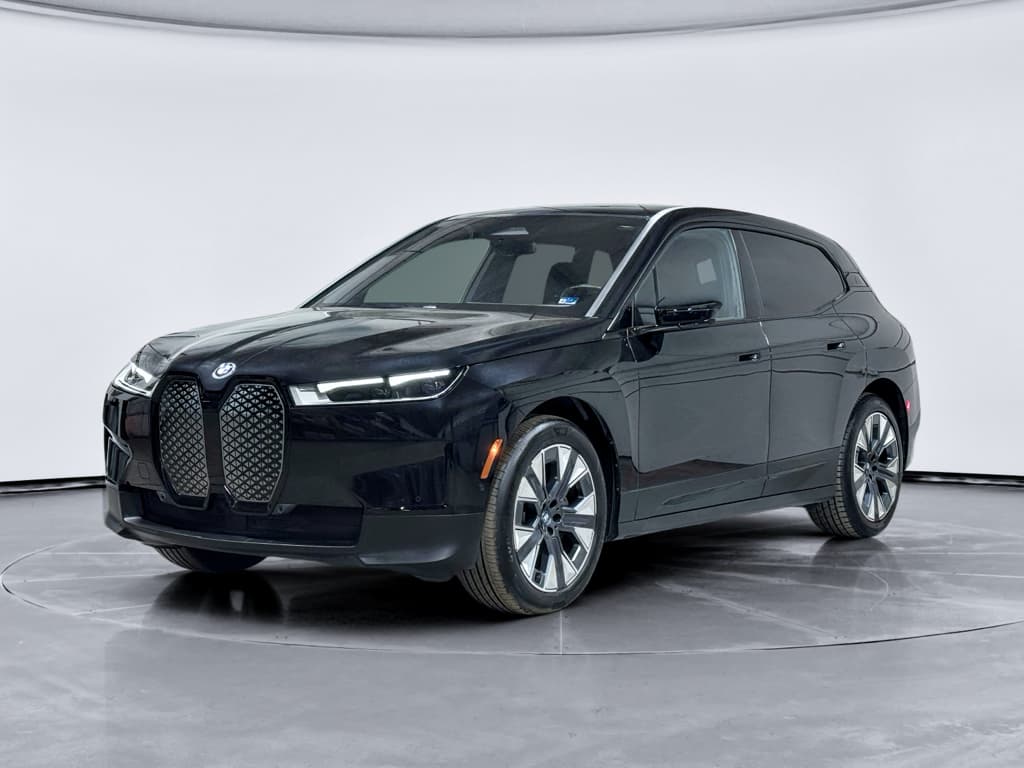
If you’re considering a BMW iX, depreciation should be part of your decision. Like most new luxury EVs, the BMW iX loses value quickly in the first few years, often faster than comparable gas SUVs. The good news? That same depreciation can make a used BMW iX one of the better values in the electric luxury SUV market if you buy at the right point in its life cycle.
Key takeaway
BMW iX depreciation overview
Depreciation is simply how much value a vehicle loses over time. On paper it’s a line item on a cost‑to‑own chart; in the real world it’s the difference between what you paid and what you can realistically get when you sell or trade. For a premium EV like the BMW iX, that spread can be tens of thousands of dollars over just a few years.
BMW iX depreciation at a glance
Those numbers can sound brutal, but they’re not unique to BMW. High‑MSRP luxury EVs from every brand, Tesla, Mercedes‑Benz, Audi, see similar early declines. The important question for you is how that curve looks over time and where you choose to step in or out of the ownership cycle.
How fast does a BMW iX depreciate?
Real‑world data shows that BMW iX depreciation is front‑loaded. The biggest value loss happens in the first 2–3 years, then the curve starts to flatten.
- In the first year, a new iX can lose a mid‑five‑figure chunk of value as soon as it’s titled and driven off the lot.
- By year 3, it’s common to see roughly 45–55% of MSRP gone, depending on trim, mileage, and options.
- From years 4–6, the annual loss usually slows to a more manageable pace as the market settles and demand is driven more by condition and battery health than by the latest tech.
Why early iX ownership is expensive
3‑year and 5‑year BMW iX depreciation rates
Exact numbers vary by trim and how the vehicle is driven, but cost‑to‑own tools for recent model years are remarkably consistent: the BMW iX sheds a lot of value early, then tapers.
Illustrative BMW iX depreciation over time
These example figures aggregate recent cost‑to‑own forecasts and appraisal data for well‑equipped BMW iX models. Actual values will vary by trim, mileage, options, and local market conditions.
| Ownership point | Approx. iX value vs. original MSRP | What this usually means for buyers/sellers |
|---|---|---|
| Year 1 (lightly used) | ~70–75% of MSRP | Early‑mile used iX examples can still carry a steep price, but the original buyer has already eaten a major chunk of depreciation. |
| Year 3 | ~45–55% of MSRP | Many iX models are roughly half of their original sticker, often the sweet spot for value‑oriented buyers. |
| Year 5 | ~35–45% of MSRP | Depreciation slows; condition, mileage, and battery health become the main price drivers. |
| Year 7+ | ~25–35% of MSRP | At this stage, a healthy battery and proof of proper maintenance matter more than cosmetics or tech updates. |
Think of this as a ballpark roadmap, not a quote for any specific VIN.
Why estimates differ from site to site
What drives BMW iX depreciation?
Main factors that move BMW iX values
Some you control, some you don’t, but all of them affect resale.
Luxury‑segment dynamics
The iX competes in the premium mid‑size SUV segment, where big MSRPs and heavy leasing activity are normal. That means more nearly‑new vehicles hitting the used market and pushing prices down.
EV tech turnover
Newer EVs arrive every year with more range, faster charging, and fresh interiors. That rapid pace makes 2–3‑year‑old models feel dated faster than comparable gas SUVs, increasing depreciation.
Battery and range perception
Even when real‑world range holds up, buyer concern about battery life can weigh on prices. Clear proof of battery health can offset some of that drag on depreciation.
Mileage & use patterns
High‑mileage commuter iX examples depreciate faster than low‑mile suburban or second‑car vehicles. Consistent charging habits and documented service also help protect value.
Regional demand
In EV‑dense markets with strong charging infrastructure, used iX values tend to be healthier. In regions where public charging or EV adoption lags, demand (and thus prices) can be softer.
Incentives & policy shifts
Tax credits on new EVs, changing state incentives, and corporate fleet decisions can all affect used pricing. When new EVs effectively get cheaper, used values often adjust downward.
BMW iX depreciation vs. other luxury EV SUVs
When you line up the iX against its peers, Tesla Model X, Mercedes‑Benz EQE SUV, Audi Q8 e‑tron, even high‑spec versions of the Model Y, the pattern is familiar: all of them drop hard early, but the exact percentages differ.
Tesla Model X & Model Y
- Historically strong brand pull has helped Teslas hold value, but recent price cuts and frequent updates have increased depreciation on earlier builds.
- Model X tends to lose a large dollar amount simply because its MSRP is high. Model Y depreciation is often milder in percentage terms.
Mercedes EQE SUV & Audi Q8 e‑tron
- Both compete directly with the iX and show comparable early value loss, especially on heavily optioned examples.
- Brand‑new EV platforms and evolving software mean first‑generation models can feel dated faster, pressuring resale values.
Where the iX fits in
Trim, year, and mileage: how much they matter
Not all iX models depreciate equally. The specific year, trim, and odometer reading can easily move value by five figures between two otherwise similar vehicles.
How different BMW iX versions age
Understanding where the sweet spots are can save you thousands.
Performance trims
High‑output versions with big wheels and sport packages look great on day one, but they often depreciate a bit faster than mainstream trims because their buyer pool is smaller.
Heavily optioned builds
Crystal controls, premium leather, and niche color combinations increase MSRP but don’t always return dollar‑for‑dollar on resale. You might find a well‑optioned iX used for not much more than a simpler spec.
Model‑year updates
Significant refreshes, like range boosts, tech upgrades, or new driver‑assist features, can make pre‑refresh years feel older and push their prices down faster.
How to read mileage on a used iX
1. Under 20,000 miles
Effectively "nearly new" in the eyes of many shoppers. You’ll pay a premium versus higher‑mile examples but still save compared with new MSRP.
2. Around 40,000–60,000 miles
Often the best value band. Depreciation has done most of its work, but the iX is still young enough that a healthy battery and modern tech feel current.
3. 80,000+ miles
Pricing can be attractive, but you’ll want extra confidence in battery health, maintenance history, and how the vehicle was used (fast‑charging habits, climate, etc.).
How Recharged helps here
How battery health affects BMW iX resale value
Because range is central to EV ownership, battery health is one of the biggest hidden drivers of iX depreciation. Two iX SUVs with the same mileage can have very different real‑world value if one battery has been babied and the other has been quick‑charged daily and parked outside in extreme heat.
What hurts battery value
- Frequent DC fast charging instead of mostly Level 2 home charging.
- Regularly charging to 100% and leaving the car parked at a full state of charge.
- Living in consistently hot climates without covered parking.
- Poor or incomplete service history.
What protects battery value
- Primarily charging at home on Level 2 and using DC fast charging only for trips.
- Daily charge limits set around 70–90% rather than 100%.
- Garaging the car or parking in shaded areas when possible.
- Documented software updates and scheduled maintenance.
Don’t buy blind on battery health
Strategies to reduce your BMW iX depreciation
You can’t control the whole market, but you can absolutely influence how much depreciation you personally absorb. The key is to be thoughtful about how and when you enter and exit ownership.
Practical ways to tame BMW iX depreciation
1. Let someone else take the first‑owner hit
Instead of buying new, target a 2–4‑year‑old iX that’s already dropped 40–50% from MSRP. You’ll still get modern tech and strong range, but your remaining depreciation curve is much gentler.
2. Buy the right trim, not the priciest
Look for popular, well‑equipped trims rather than heavily customized builds. Mainstream colors and options attract a broader pool of second and third owners and typically hold value better.
3. Keep mileage and cosmetic wear in check
Staying under major mileage breakpoints (like 60,000 or 80,000 miles) and promptly fixing dings, curbed wheels, or cracked glass helps your iX compete strongly against similar listings.
4. Document everything
Maintain digital service records, tire receipts, and any battery or charging reports. A thick file of documentation can justify a higher resale price and shorten time on market.
5. Time your exit
If you plan to sell, try not to stack multiple negatives at once (high mileage, older tech, and a down market). Watching local listings for a few months can help you spot stronger demand windows.
Using Recharged to maximize your return
Is a used BMW iX a good buy?
For many shoppers, the answer is yes, especially if you’re entering at the right point in the depreciation curve. A 3–5‑year‑old iX with a clean history and a healthy battery can deliver flagship‑SUV comfort, serious performance, and premium tech for the price of a much more basic new vehicle.
Pros and cons of buying a depreciated BMW iX
How the numbers and the experience balance out.
Upside for used buyers
- Huge discounts from original sticker once early depreciation is baked in.
- Luxury interior, quiet ride, and strong performance that still feel current.
- Lower effective cost of ownership when you combine fuel savings with slower later‑life depreciation.
What to watch out for
- Out‑of‑warranty repairs on a complex luxury EV can be expensive.
- Older software or infotainment may lag the latest releases.
- Battery and charging history must be vetted carefully.
How Recharged de‑risks a used iX
BMW iX depreciation FAQ
Common questions about BMW iX depreciation
Bottom line: making depreciation work for you
Depreciation on the BMW iX is steep in the early years, but that doesn’t have to work against you. If you buy new and flip the vehicle quickly, depreciation will be your biggest ownership cost. If instead you target a well‑documented, gently used iX after the first owner has absorbed the initial drop, and you verify battery health, depreciation turns into your ally, giving you a lot of luxury EV for far less than original MSRP.
That’s where a platform built around used EVs, like Recharged, can help. With transparent battery diagnostics, fair‑market pricing, nationwide delivery, and EV‑specialist guidance from start to finish, you can let the depreciation curve work in your favor, not against it.