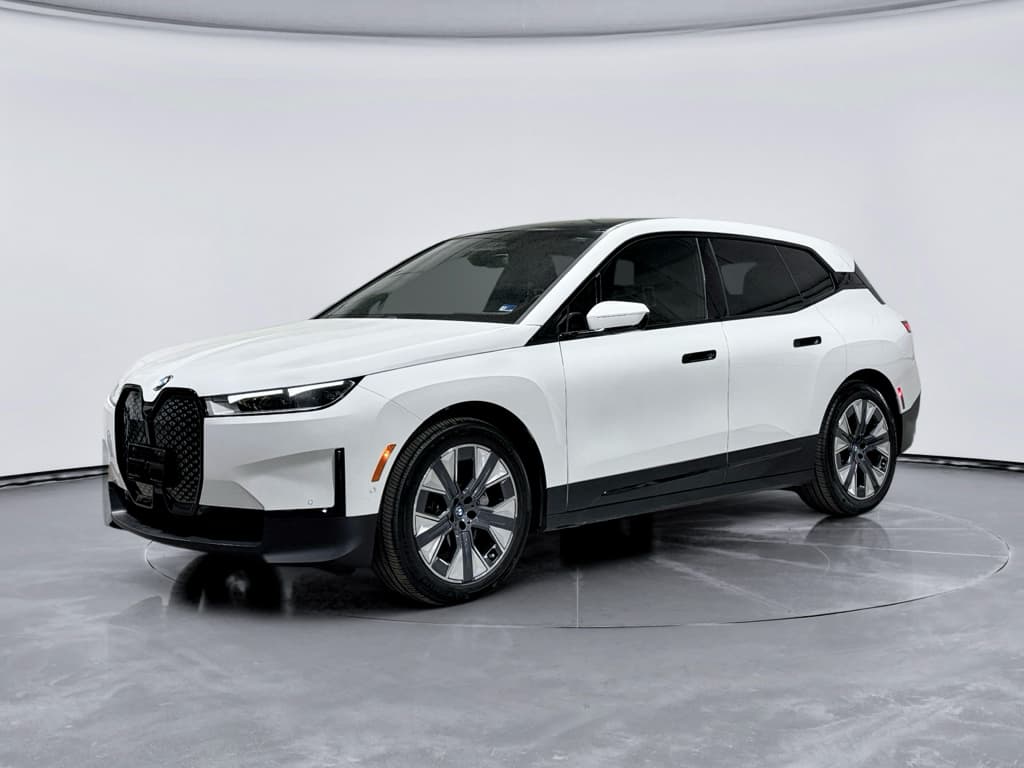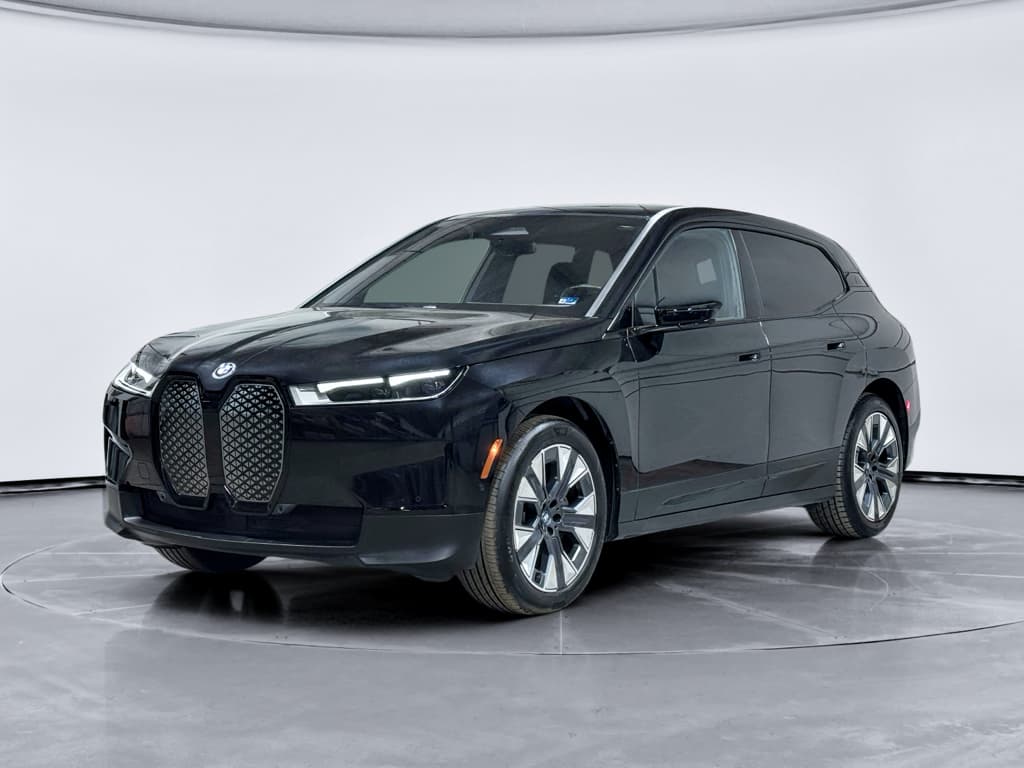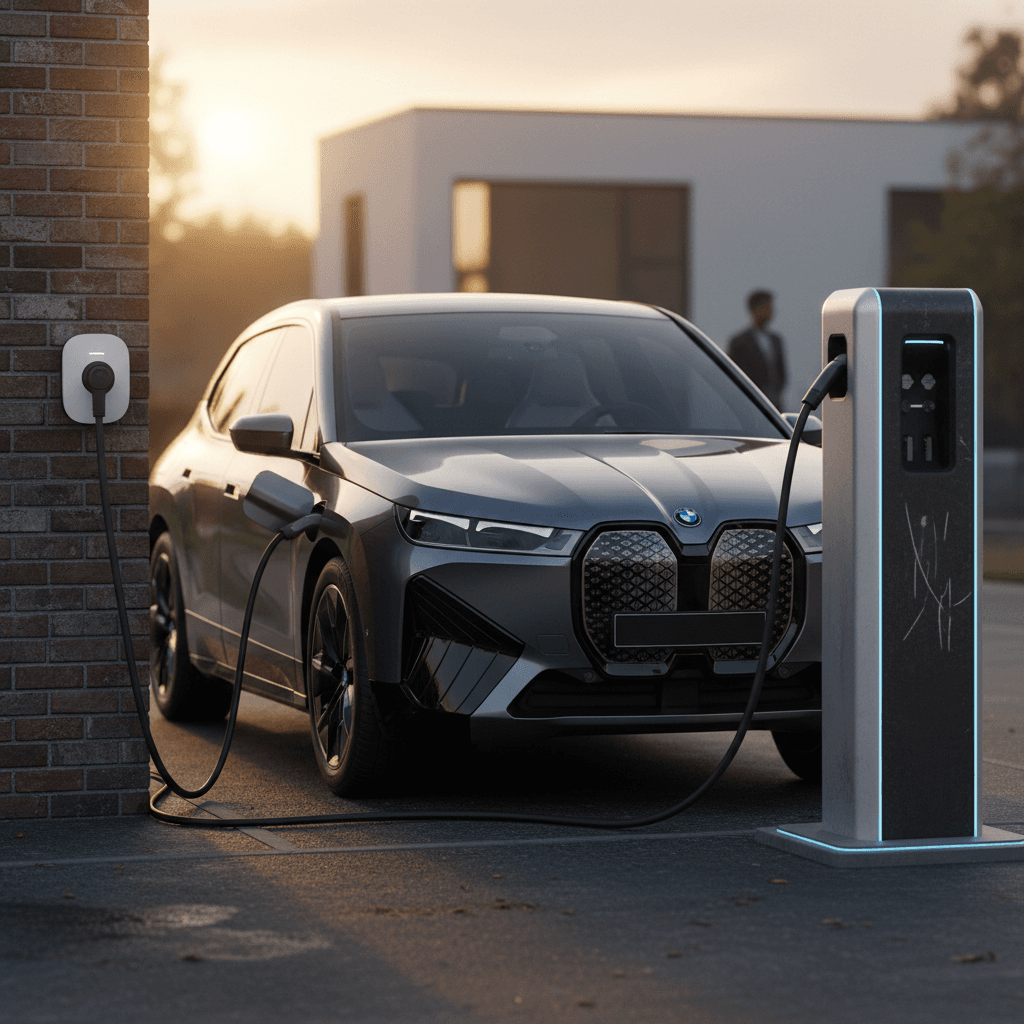
The BMW iX is a big, quiet, long‑legged electric SUV with an equally big battery. That’s good news for range, and it also means you need to understand BMW iX charging speeds so you’re not surprised by charge times at home or on a road trip. This guide breaks down what you can realistically expect from Level 1, Level 2, and DC fast charging, plus how to keep that battery happy over the long haul.
Which BMW iX does this guide cover?
BMW iX charging speed overview
BMW iX charging: quick stats
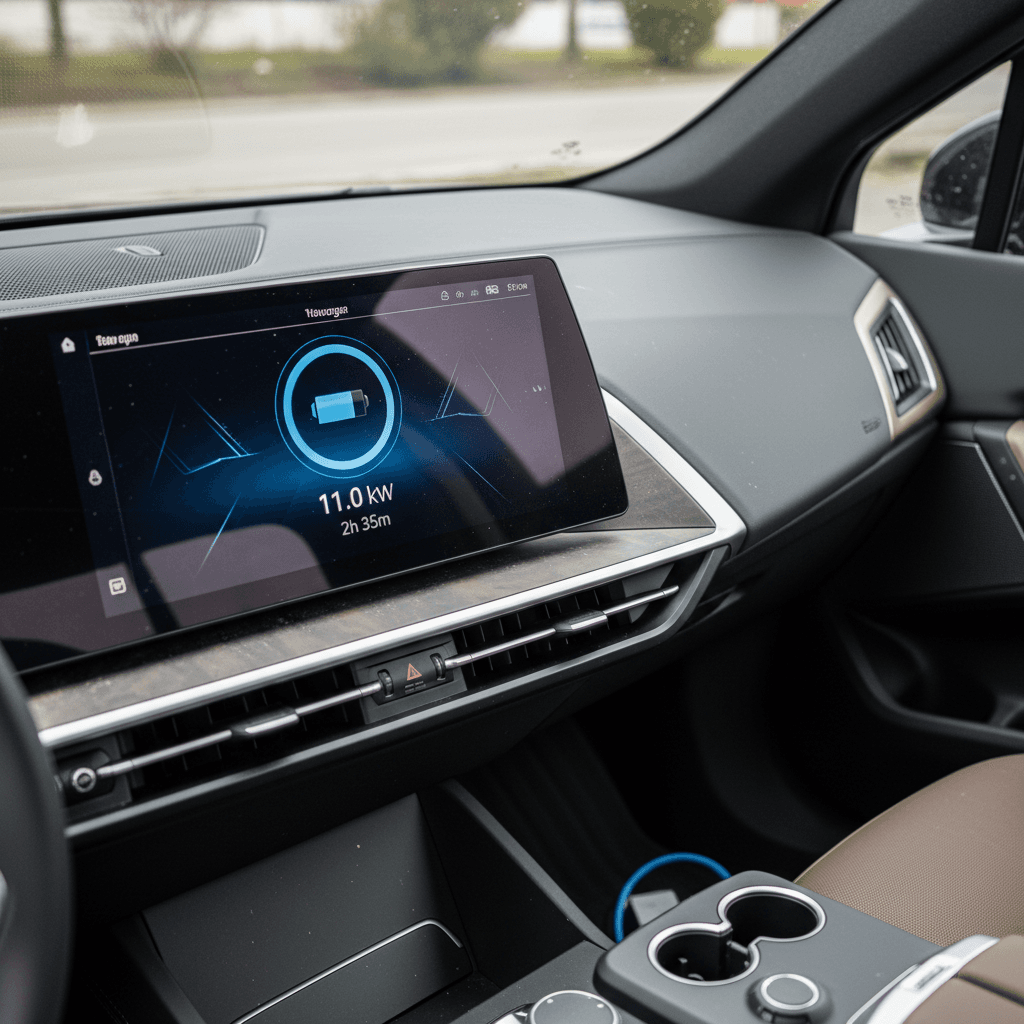
On paper, the BMW iX can accept up to 11 kW on AC (Level 2) and around 195–200 kW on DC fast chargers. In practice, you’ll rarely sit right on those peak numbers. Charging speed constantly adjusts based on battery temperature, state of charge (SOC), the specific charger, and even software updates. Instead of chasing one magic kW figure, you’ll be better served by thinking in time windows and use cases, overnight at home, quick DC top‑ups, and full pre‑trip charges.
BMW iX battery and charging specs that actually matter
Core BMW iX charging and battery specs (U.S. xDrive50 / M60 family)
These are the numbers that matter most for estimating charging time. Exact figures can shift slightly by model year and wheel size, but the ballpark remains the same.
| Item | Typical Value | Why it matters |
|---|---|---|
| Usable battery capacity | ≈106 kWh | The energy you can actually charge and use; sets the scale for charging time |
| Onboard AC charger | 11 kW (48A @ 240V) | Maximum Level 2 charging power the car can accept |
| Peak DC fast charge | ≈195–200 kW | Highest power you’ll briefly see from a strong DC fast charger |
| 10–80% DC window | ≈35–40 minutes | Most relevant metric for road‑trip stops |
| EPA range (xDrive50) | ≈300–310 miles | Determines how often you need to charge on trips |
| Level 2 at home | ~30–35 miles of range/hour | More useful than raw kW for daily planning |
Charging times below assume healthy battery and good charging equipment; real‑world conditions can be slower.
Specs vs reality
Home charging speed: Level 1 vs Level 2 for the BMW iX
Level 1 (120V household outlet)
If you plug your iX into a regular 120‑volt wall outlet with the portable cord, you’re in trickle‑charge territory.
- Typical power: ~1.2–1.4 kW (depending on outlet and settings)
- Adds roughly 3–5 miles of range per hour
- Good for: Low‑mileage drivers topping up overnight, temporary solutions, visiting family
- Full 0–100% charge: Well over 2 days, so not realistic for regular deep charges
If you consistently drive more than 25–30 miles a day, Level 1 will feel slow for an iX’s big battery.
Level 2 (240V home or workplace)
Level 2 is where the BMW iX’s charging hardware wakes up.
- Max AC power: 11 kW on a 48‑amp circuit
- Real‑world rate: About 30–35 miles of range per hour added
- 10–80% at home: Roughly 7–8 hours from a low state of charge
- Overnight top‑up (40–60% to 80–90%): Easily done in 3–5 hours
For most iX owners, installing or accessing 240V Level 2 is the single biggest upgrade you can make to your ownership experience.
Choosing the right home charging setup for your BMW iX
1. Confirm your daily mileage
If you usually drive under 30 miles per day and can plug in every night, Level 1 may limp along. Beyond that, an iX really deserves Level 2 to keep up.
2. Check electrical capacity
Have a licensed electrician confirm you can safely add a 40A–60A 240V circuit for a wallbox or NEMA 14‑50 outlet. A big‑battery SUV like the iX is not the place to cut corners on wiring.
3. Match the charger to 11 kW
Look for a Level 2 charger capable of at least 40A (9.6 kW) and ideally 48A (11 kW) so you’re not bottlenecking the iX’s onboard charger.
4. Think about cable length and placement
The iX is physically large. Make sure the charge cord reaches your preferred parking spot without stretching or wrapping around the car.
5. Use scheduled charging
Use the BMW app or iDrive to schedule charging for off‑peak hours. You’ll often pay less per kWh and you can finish just before departure for a warm, pre‑conditioned cabin.
6. Plan for future EVs
If you’re paying for electrical work anyway, size your wiring and charger for the possibility of a second EV or an even faster‑charging future model.
Where Recharged fits in
BMW iX DC fast charging speeds: 10–80% in the real world
DC fast charging is where the BMW iX turns into a long‑distance cruiser, but understanding its charging curve will save you a lot of time and frustration. Like most modern EVs, the iX charges fastest at lower states of charge, then gradually tapers power as the battery fills to protect longevity.
Typical BMW iX DC fast charging phases
These are ballpark figures on a strong 150–350 kW charger with a warm battery.
10–30%: Peak power
≈180–195 kW on a healthy, warm battery.
- Best time to plug in
- Each 10% comes very quickly
- Great for short splash‑and‑dash stops
30–60%: Still fast
≈120–170 kW is common.
- Power gently tapers but remains strong
- This is where most 10–80% sessions live
- Good balance of time vs added range
60–100%: Taper zone
Below ≈90 kW by the time you reach the high 70s, then steadily down.
- Charging gets progressively slower
- Best reserved for pre‑trip full charges
- Often not worth it mid‑road‑trip
BMW’s own claim lines up
Real-world BMW iX charging time examples
BMW iX charging time examples (approximate)
Assumes a healthy battery, typical xDrive50‑class pack, and decent charging equipment. Your results will vary with temperature, driving style, wheels, and charger quality.
| Scenario | Charger type | Start → Target | Estimated time | Notes |
|---|---|---|---|---|
| Overnight top‑up after commuting | Level 2, 11 kW | 40% → 90% | ≈5 hours | Set it and forget it; finish before your morning departure |
| Weekend‑trip prep at home | Level 2, 11 kW | 20% → 100% | ≈9–10 hours | Plug in the night before, precondition cabin before you leave |
| Lunch‑stop fast charge on road trip | DC fast, strong 150–350 kW | 10% → 60% | ≈20–25 minutes | Great balance of time and range; keeps you in the fast part of the curve |
| Standard highway fast charge | DC fast, strong 150–350 kW | 10% → 80% | ≈35–40 minutes | Classic 10–80% session once per 2–3 hours of driving |
| Topping off for a long rural leg | DC fast, 150 kW | 80% → 100% | ≈25–35 minutes | Very slow per kWh added; only do this when you truly need the range |
| Relying on 120V at a cabin | Level 1, 120V | 30% → 70% | ≈18–24 hours | Fine if the iX sits for a full day or weekend, but not a long‑term plan |
Use these as planning guides, not promises. Weather, software, and charger behavior can easily swing times by ±20%.
Don’t judge the iX by a bad charger
How to optimize BMW iX charging speed and battery health
- Arrive at DC fast chargers between about 5–30% for the fastest speeds.
- Use the BMW navigation’s “set as charging stop” function so the car can precondition the battery on the way in cold or very hot weather.
- On daily use, keep the battery roughly between 20–80% instead of living at 100%.
- Avoid repeated 0–100% DC fast charges unless you truly need the range.
- At home, a slower, steady Level 2 charge is both gentle and convenient.
- Check your tire pressures; under‑inflation can quietly eat into range and force more frequent fast charging.
Speed vs battery life: finding the right balance
The BMW iX can handle lots of fast charging, but a few habits will keep it happier for longer.
Battery‑friendly habits
- Use Level 2 at home as your primary fuel source.
- Save DC fast charging mainly for road trips.
- Charge to 80–90% for daily driving; 100% only before long drives.
- Park in a garage or shade in very hot or very cold weather when you can.
When to prioritize speed
- On long trips, it’s fine to bounce between 10–70% or 10–80% repeatedly.
- Don’t fear occasional 100% charges for big days, just don’t make it every night.
- If you’re behind schedule, leaving a charger at 60–70% can actually save you time overall.
Planning your public charging strategy in a BMW iX
With a big battery and solid charging curve, the BMW iX can gobble up highway miles. The trick is planning your stops so you’re charging when the car is happiest, low state of charge, warm battery, strong charger, and you’re ready for a break anyway.
Road‑tripping a BMW iX: charging game plan
1. Aim for 2–3 hour driving stints
Plan legs of roughly 140–200 miles between DC fast chargers. That usually drops you into the 10–30% sweet spot when you arrive.
2. Target 10–70% or 10–80%
Stopping more often for shorter sessions can be faster in total than one long, slow push from 10–100%.
3. Prefer 150 kW+ stations
Look for newer 150–350 kW sites from major networks. They give the iX room to stretch to its 195–200 kW peak, even if only briefly.
4. Use network apps and the BMW app
Check station status before you arrive, and favor sites with multiple working stalls. A big SUV is not fun to U‑turn with a dead charger.
5. Stack human breaks with charging breaks
Park, plug in, hit the restroom, grab a snack, walk around. By the time you’re ready to roll, you’ve usually added plenty of range.
6. Have a backup on long or rural legs
When routing through sparse charging areas, always know where your Plan B charger is, just in case your first choice is out of service.
Thinking about networks and membership
Buying a used BMW iX? Charging and battery checks
The BMW iX is a fantastic used‑EV candidate precisely because of its big battery and robust charging hardware. But that also means you want to be sure the pack is healthy and the charging behavior is normal before you sign anything.
Used BMW iX charging checklist
What to look for before you buy
Battery health
Ask for service records and any battery‑related warranty work. A detailed battery health report, like the Recharged Score, gives you an objective look at capacity and fast‑charge behavior.
AC charging test
If possible, plug the iX into a known good Level 2 charger and confirm it draws close to its 11 kW capability. You should see roughly 30+ miles of range added per hour.
DC charging behavior
On a test drive near a DC fast charger, start a session around 20–40% and watch for power climbing into the triple digits before tapering. An unusually flat, low curve can hint at charger issues or battery management limits.
How Recharged reduces the guesswork
Ready to find your next EV?
Browse VehiclesBMW iX charging speed FAQ
Frequently asked questions about BMW iX charging speeds
Key takeaways: making the most of BMW iX charging
The BMW iX is an easy EV to live with as long as you size your charging expectations to its big battery. At home, plan on Level 2 as your primary fuel source; it turns an overnight plug‑in into a full week of commuting. On the road, think in terms of 10–70% or 10–80% DC fast‑charge windows instead of chasing one spectacular kW screenshot. Build your stops around 20‑ to 40‑minute breaks, arrive with a warm battery, and you’ll discover the iX’s charging curve fits naturally with real‑world travel.
If you’re looking at a used BMW iX, the right charging information is as important as a test drive. That’s exactly why Recharged backs every vehicle with a Recharged Score Report, including battery health and charging performance, plus EV‑savvy support from first click to delivery. Get the charging setup right, and the iX becomes what it was meant to be: a long‑range, long‑lived electric road companion.