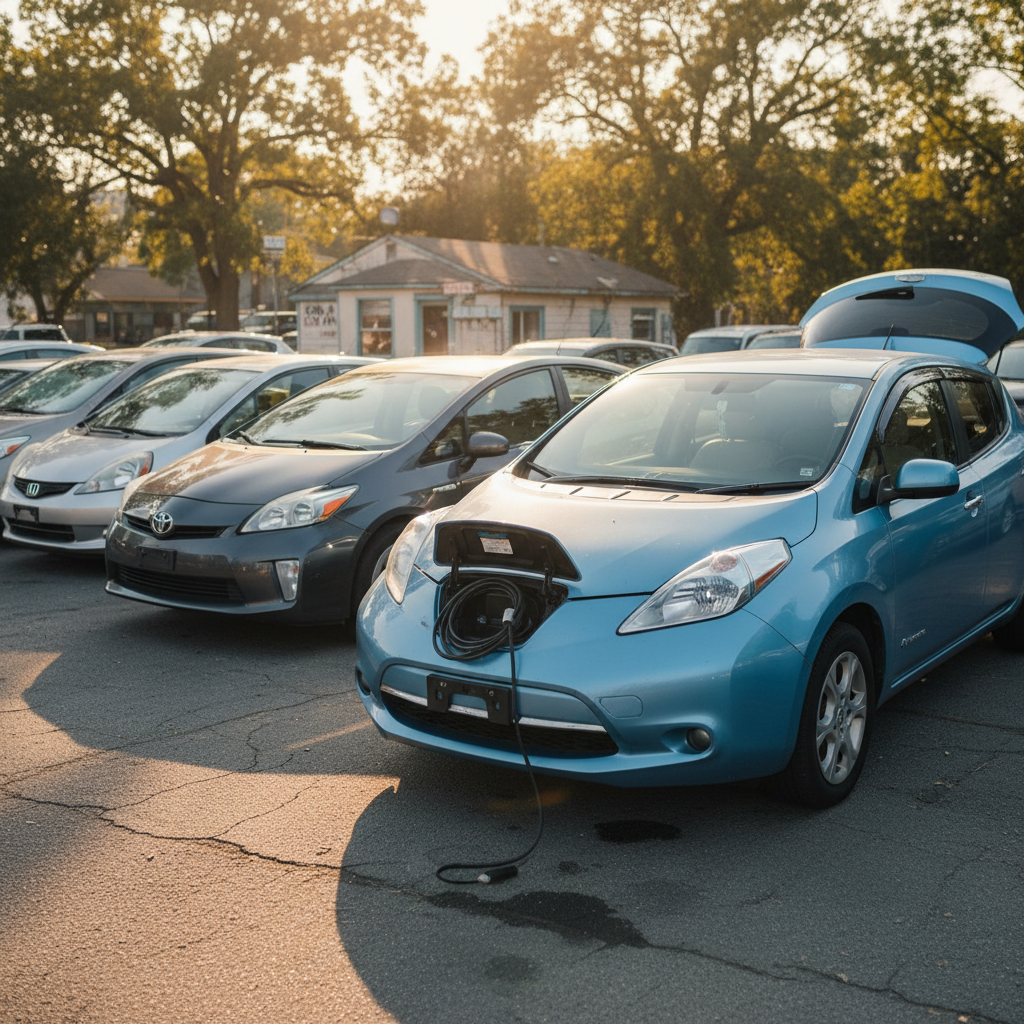
If you’re shopping used, a question comes up fast: is a 5‑year‑old EV worth buying, or are you just inheriting someone else’s battery problems? The honest answer: a five‑year‑old electric car can be one of the best values in the market, or a headache, depending on how you evaluate battery health, warranty, and price.
Quick Take
Are 5‑Year‑Old EVs Worth Buying in 2026?
For many buyers, a 5‑year‑old EV hits a sweet spot: the steepest new‑car depreciation is behind you, but the car is still new enough to benefit from modern battery tech, safety features, and (often) remaining warranty coverage. Used‑EV pricing has fallen sharply in the last few years, and industry data shows EVs typically lose close to half their value in the first five years. That hurts original owners, but creates opportunity on the used side.
The key is to treat a five‑year‑old EV less like a typical used car and more like a piece of battery hardware. You’re not just buying leather, paint, and a touchscreen; you’re buying a high‑voltage battery pack that determines range, reliability, and future resale. If you focus on battery state of health (SOH), remaining warranty, and total cost of ownership instead of just price, a 5‑year‑old EV can absolutely be worth buying.
What “Normal” Looks Like at 5 Years
Rule of Thumb
What 5 Years Actually Does to an EV
Gas cars age mechanically, engines, transmissions, and exhaust systems wear out. EVs age differently. At five years, you’re mainly watching three things: battery capacity, software/tech relevance, and how the previous owner treated the car.
How Age Shows Up in a 5‑Year‑Old EV
It’s less about rust and more about electrons.
Battery Capacity Loss
Charging Behavior History
Software & Features
Climate Matters
Battery Health Benchmarks for a 5‑Year‑Old EV
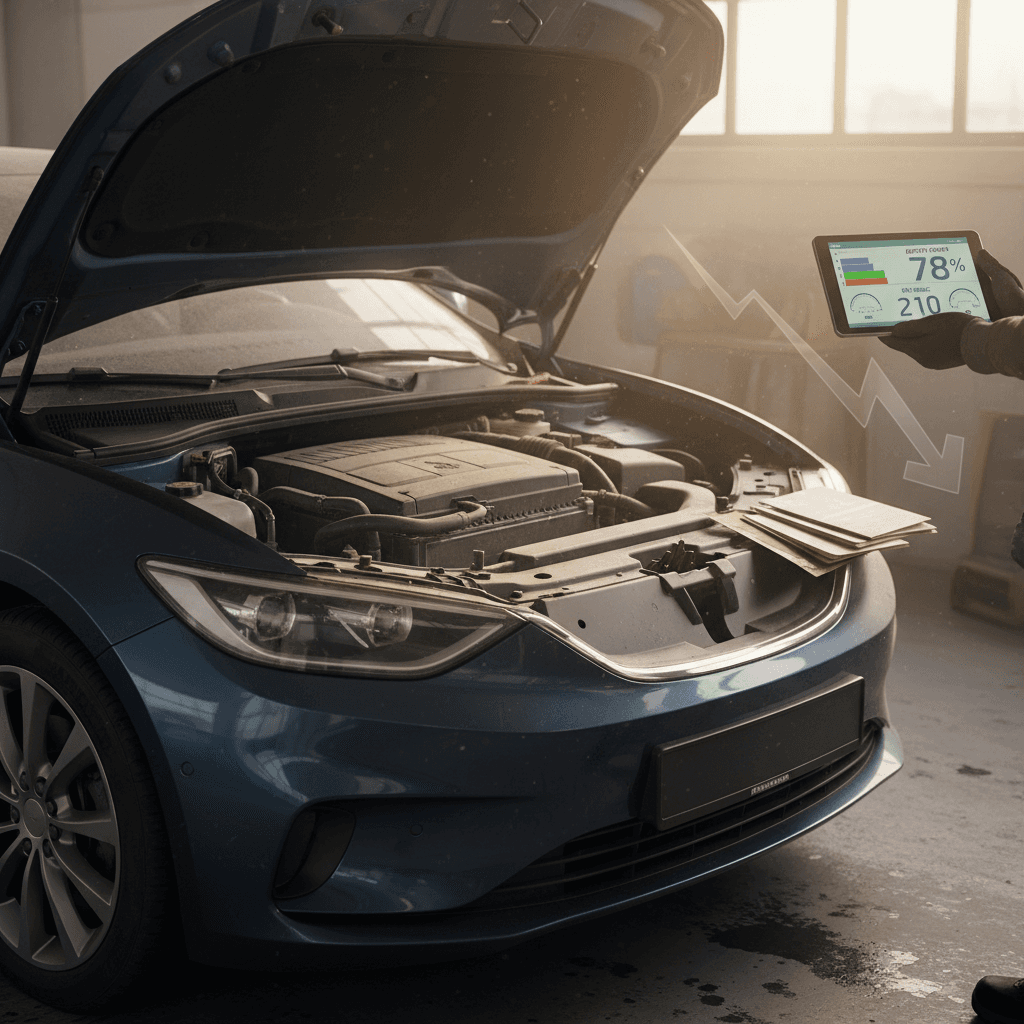
When you’re deciding whether a 5‑year‑old EV is worth buying, battery SOH is the main gatekeeper. It estimates how much usable capacity is left compared to when the car was new.
How to Read Battery Health on a 5‑Year‑Old EV
These are practical ranges, not hard rules, but they’re a useful starting point when you see a battery report.
| SOH Range (5 yrs) | Verdict | What It Means For You |
|---|---|---|
| 90–100% | Excellent | Unusually strong battery; likely light use, mild climate, or very robust pack design. Great for long‑term ownership. |
| 85–89% | Very Good | Slight but manageable range loss. Ideal balance of price and remaining life for most buyers. |
| 80–84% | Acceptable | Normal for many EVs at 5 years. Still fine if pricing is aggressive and your commute isn’t huge. |
| 75–79% | Borderline | Range and resale are becoming concerns. Only consider at a discount and with clear understanding of your range needs. |
| <75% | Walk‑Away Zone (Usually) | Noticeable range loss; may soon trigger warranty conversations or limit daily usability. Only consider if heavily discounted and fully documented. |
Always compare the battery’s state of health to your real‑world range needs, not just the original EPA number.
Non‑Negotiable
How You Can Check Battery Health
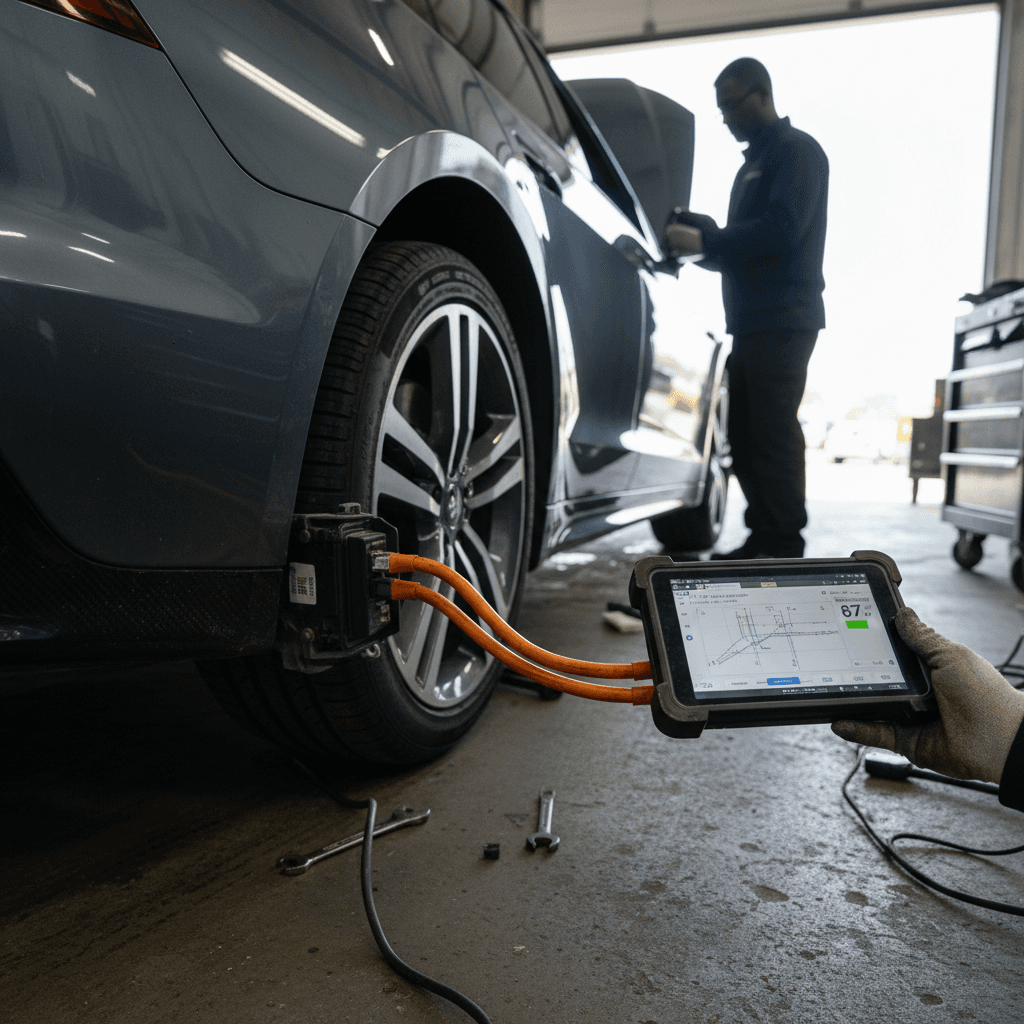
- OEM service report: Many dealers can pull a high‑voltage battery report for their brand.
- Third‑party tools: Some EVs support apps or dongles that read pack data (e.g., LeafSpy‑type tools).
- Dashboard clues: Cars like the Nissan LEAF show capacity bars; missing bars = lost capacity.
How Recharged Does It
Every vehicle on Recharged comes with a Recharged Score Report that includes verified battery state of health, not just guesswork based on miles. We run a dedicated EV battery diagnostic so you can compare one 5‑year‑old EV to another with confidence.
That battery data also feeds into our pricing, so a car with stronger battery health is priced differently than one that’s been heavily fast‑charged.
Depreciation: Why 5‑Year‑Old EVs Can Be Great Deals
EVs still depreciate faster than comparable gas cars. Studies based on hundreds of thousands of vehicles show many EVs lose around 50–60% of their value in five years, compared with roughly mid‑40s for the overall market. Some luxury EVs do even worse, dropping 65–70% by year five.
5‑Year EV Depreciation at a Glance
On the surface, that sounds scary, but it’s exactly why a 5‑year‑old EV can be a bargain. You’re letting the first owner absorb the sharp initial hit while you buy closer to the long‑term floor. Unlike an engine or transmission, a modern EV battery is often still in its prime at five years, especially in cars with good thermal management.
A Simple Pricing Framework
Warranty Coverage and Repair Risk at 5 Years
Warranty coverage is another big reason many shoppers target 5‑year‑old EVs. By year five, most cars are out of their basic bumper‑to‑bumper warranty but still covered by the long battery and electric‑drive warranty that automakers are required to provide.
Typical 5‑Year‑Old EV Warranty Snapshot
Exact terms vary by brand and model, always verify, but this is what many buyers see at the five‑year mark.
| Warranty Type | Typical New Coverage | What’s Likely Left at 5 Years |
|---|---|---|
| Bumper‑to‑Bumper | 3–4 years / 36k–50k miles | Usually expired. |
| High‑Voltage Battery | 8 years / 100k–150k+ miles | ~3 years and tens of thousands of miles left, if mileage is average. |
| Electric Drive Components | 8 years / 100k miles (often bundled with battery) | Often still active; protects against major electric motor/inverter failures. |
| Corrosion / Perforation | 5–7+ years | May be active or just expired depending on brand. |
Many 5‑year‑old EVs still have 3+ years of high‑voltage battery coverage remaining.
Watch the Fine Print
Where 5‑Year‑Old EVs Are Low vs. High Risk
Think systems, not just model year.
Low‑Risk Items
- Brake pads (often barely used thanks to regen)
- No timing belts, spark plugs, or oil changes
- Simple single‑speed gearbox in most EVs
Moderate‑Risk Items
- Suspension (bushings, dampers, alignment)
- 12‑volt accessory battery
- Door locks, window regulators, HVAC fans
High‑Impact Items
- High‑voltage battery pack
- DC fast‑charging hardware issues
- Power electronics (inverter/charger modules)
These are rare failures but expensive. That’s why verified diagnostics matter.
Will a 5‑Year‑Old EV Feel Outdated? Charging & Tech
EV tech moves quickly, but 5 years isn’t ancient history. Many 2020–2021 EVs already support DC fast‑charging, modern safety features, and app connectivity. The bigger questions are charging standards and range for your lifestyle.
- Charging standard: In North America, the market is moving toward the Tesla‑developed NACS plug. Many CCS‑equipped EVs will get adapters; some newer models are shipping with NACS ports. A 5‑year‑old CCS EV is still fine as long as you’re comfortable using adapters and non‑Tesla networks.
- Range: Early mass‑market EVs like older Leafs had 100–150 miles of real‑world range; newer 5‑year‑old models often sit in the 200–260‑mile bracket. Decide what you genuinely need week to week, not just what looks big on paper.
- Infotainment & apps: Expect a slightly older UI, but many OEMs push over‑the‑air software updates. Prioritize a clean, responsive screen and solid smartphone integration over the latest graphics.
Don’t Over‑Weight the Tech
Which 5‑Year‑Old EVs Are Safer Bets vs. Riskier
Model‑by‑model advice will always evolve, but some patterns have emerged in the used market. In general, mainstream crossovers and sedans with liquid‑cooled packs are safer five‑year bets than early, air‑cooled compact EVs with short original range.
Traits of Safer 5‑Year‑Old EV Bets
- Liquid‑cooled battery pack and proven thermal management.
- Original EPA range of ~220 miles or more.
- Strong reliability record and active OTA software support.
- Plenty of identical models in the market (easy parts and service).
- Battery SOH at or above ~80% with documentation.
Traits That Deserve Extra Caution
- Short‑range urban EVs (especially air‑cooled packs) used in hot climates.
- Luxury EVs that have already dropped 65–70% in value, deeply discounted for a reason.
- Cars with heavy DC fast‑charging history and high annual mileage.
- Any EV with no verifiable battery report or spotty service history.
None of these are automatic deal‑breakers, but they should change your price expectations and inspection standards.
Value Sweet Spot
5‑Year‑Old EV Buying Checklist
Before you commit to any 5‑year‑old EV, run through a structured checklist. This is where you separate the bargains from the bad bets.
Step‑by‑Step: Evaluate a 5‑Year‑Old EV
1. Confirm the Exact Build & Battery
Note the trim, battery size (standard vs. long‑range), and drivetrain. Two cars from the same year can have very different packs and range, make sure the listing matches the VIN‑decoded spec.
2. Get a Verified Battery Health Report
Ask for an OEM battery report, reputable third‑party diagnostic, or a <strong>Recharged Score Report</strong>. You’re looking for SOH, fast‑charge history, and any recorded battery service events.
3. Check Mileage and Use Pattern
Five years at 15,000 miles per year is normal. Extreme mileage (say 125k+ miles) or visible commercial use isn’t an automatic no, but you’ll want a stronger discount and cleaner battery data.
4. Verify Warranty Status
Confirm in writing how many months and miles remain on the battery and powertrain warranty. If you’re close to the limits, treat that as a pricing lever or look for a different car.
5. Review Charging History & Ports
Ask where the previous owner mainly charged (home vs public DC). Make sure the plug standard (CCS or NACS) lines up with your local infrastructure and that adapters you might need are readily available.
6. Inspect Physically and Drive It
Look for uneven tire wear, suspension clunks, panel gaps, and water leaks. On a test drive, pay attention to odd noises, HVAC performance, and any alerts about the high‑voltage system.
7. Compare Price to Market & Original MSRP
Use pricing guides and comparable listings. If the ask is more than ~60% of original MSRP and battery health isn’t top‑tier, you have room, either to negotiate or to walk.
Buying Remotely?
How Recharged De‑Risks Buying a 5‑Year‑Old EV
Recharged exists for exactly this scenario: you want the value of a 5‑year‑old EV without gambling on the battery or overpaying in a confusing market. Our entire platform is built around making used EV ownership simple and transparent.
What You Get When You Buy a 5‑Year‑Old EV Through Recharged
More data, less guesswork.
Recharged Score Battery Diagnostics
Fair, Data‑Backed Pricing
EV‑Specialist Support
Nationwide Delivery
Financing & Trade‑Ins
Experience Center Access
Whether you shop entirely online or visit in person, the goal is the same: a used EV, including 5‑year‑old models, that feels like a smart, confident purchase rather than a science experiment.
FAQ: Common Questions About 5‑Year‑Old EVs
Frequently Asked Questions About 5‑Year‑Old EVs
Bottom Line: When a 5‑Year‑Old EV Is Worth It
A 5‑year‑old EV is worth buying when the fundamentals line up: the battery is healthy, the warranty picture is clear, the price reflects real‑world depreciation, and the car’s range and charging options fit your life. When those boxes are checked, you’re getting most of the benefits of modern EV ownership at a substantial discount to new, without waiting a decade to see how the technology holds up.
If you’d rather not decode battery data and depreciation curves on your own, platforms like Recharged are built to do that homework for you, with verified battery diagnostics, transparent pricing, financing, trade‑ins, and nationwide delivery. However you choose to shop, make your decision based on the state of the battery, not just the shine of the paint, and a 5‑year‑old EV can be one of the smartest buys you make this decade.