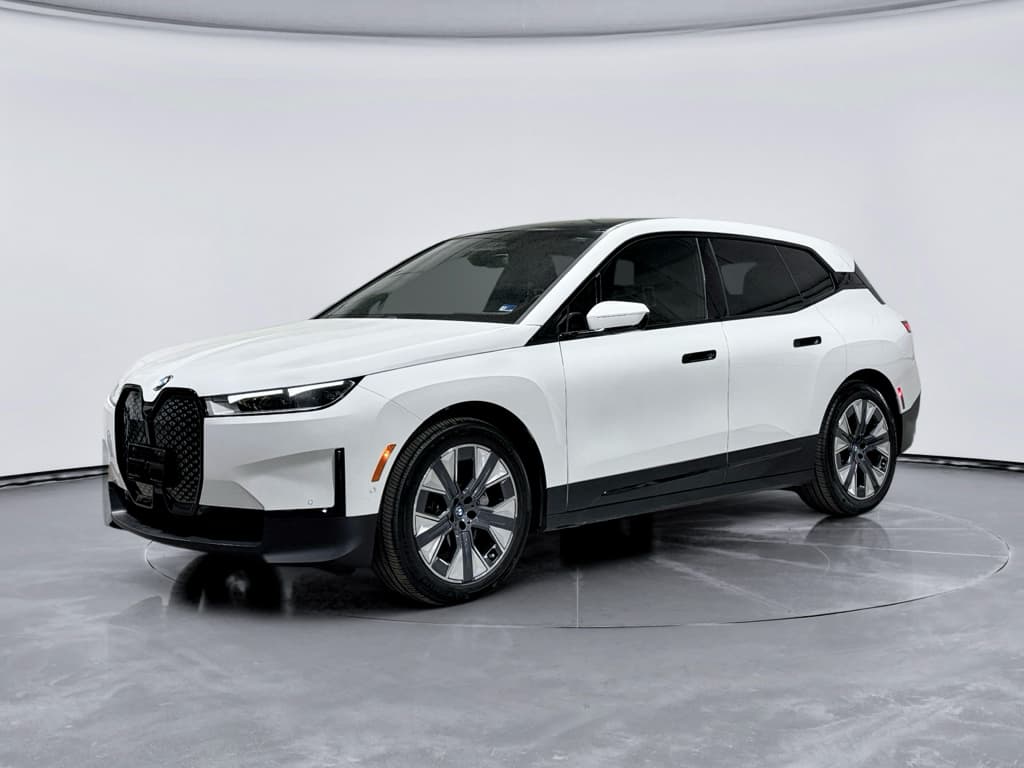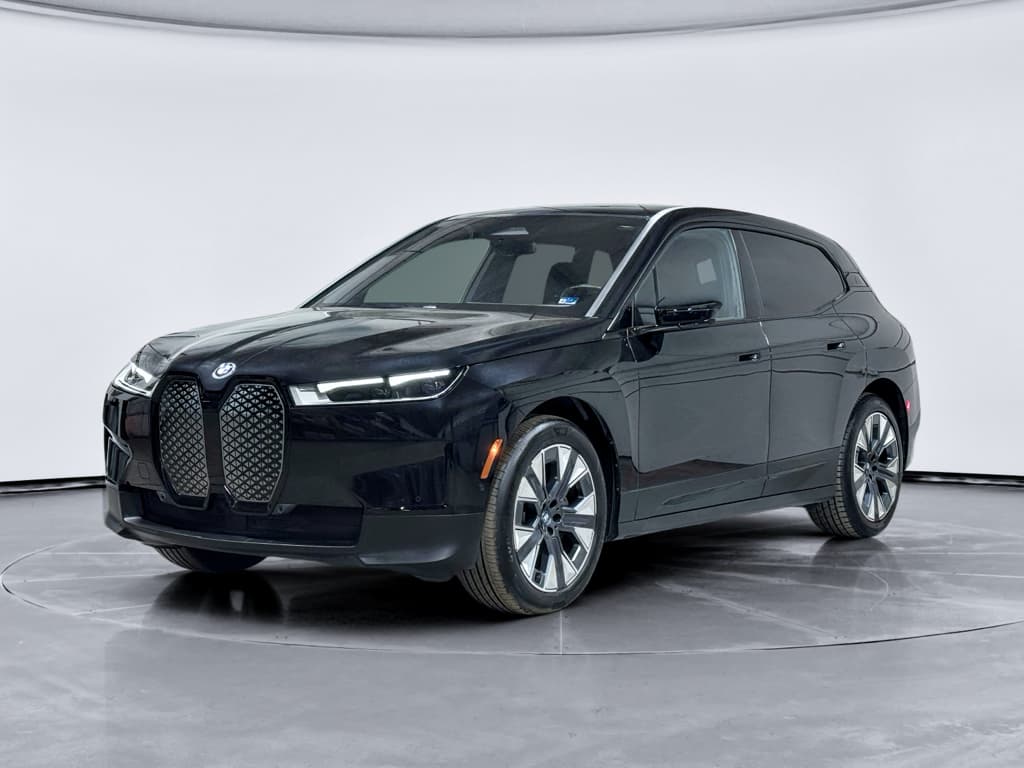
You don’t buy a BMW iX because you love spreadsheets, but if you’re looking at a big, all‑electric SUV, you absolutely care what it costs to drive every mile. The good news: once you know your local electricity rate and the iX’s efficiency, figuring out your BMW iX charging cost per mile is straightforward, and usually a lot cheaper than feeding a gas SUV.
What this guide covers
BMW iX charging cost per mile: quick overview
BMW iX cost-per-mile snapshot (typical U.S. driver in 2026)
Rule of thumb
BMW iX efficiency and battery basics
To understand BMW iX charging cost per mile, you need two pieces of data: how big the battery is and how efficiently the SUV turns electricity into miles. The iX is a large, heavy, all‑wheel‑drive luxury SUV, so you shouldn’t expect tiny‑EV efficiency numbers, but it’s still far cheaper per mile than gasoline.
BMW iX battery and efficiency basics
Approximate usable battery sizes and realistic efficiency ranges for common BMW iX trims in mixed driving.
| BMW iX trim | Usable battery (kWh) | Realistic efficiency (mi/kWh) | kWh per 100 miles |
|---|---|---|---|
| xDrive40 / xDrive45 | ~90–95 | 2.6–3.1 | 32–38 |
| xDrive50 | ~100–105 | 2.5–3.0 | 33–40 |
| M60 | ~110 | 2.2–2.7 | 37–45 |
Exact figures vary by wheel size, driving style, temperature, and model year. These ranges are a practical starting point for cost-per-mile math.
Cold weather penalty
How to calculate BMW iX charging cost per mile
The math itself is simple. Your cost per mile is just your electricity price per kWh divided by your BMW iX efficiency in miles per kWh.
- Find your electricity rate on your utility bill (look for $/kWh). Many U.S. households in 2025–2026 are paying around $0.15–$0.19 per kWh.
- Estimate your efficiency. In mixed driving, many BMW iX owners see roughly 2.5–3.2 mi/kWh.
- Use the formula: cost per mile = electricity price ÷ efficiency.
Example formula
Home charging: BMW iX cost per mile at common electricity rates
Let’s put some real numbers on the page. The nationwide average residential electricity price between mid‑2024 and mid‑2025 was roughly $0.17–$0.19 per kWh, with many states below that and coastal states often above. To keep things simple, we’ll run three scenarios using a realistic 3.0 mi/kWh for an iX in mild weather.
BMW iX home charging cost per mile
Estimated BMW iX cost per mile at different home electricity rates, assuming 3.0 mi/kWh.
| Home electricity rate | Cost per kWh | Cost per mile (3.0 mi/kWh) | Cost per 1,000 miles |
|---|---|---|---|
| Low‑cost state | $0.13 | $0.043/mile | $43 |
| Average U.S. | $0.17 | $0.057/mile | $57 |
| High‑cost state | $0.25 | $0.083/mile | $83 |
If your efficiency or rate is different, plug your own numbers into the same formula: price per kWh ÷ mi/kWh.
Off‑peak discounts can be huge
Public charging: BMW iX cost per mile on Level 2 and DC fast
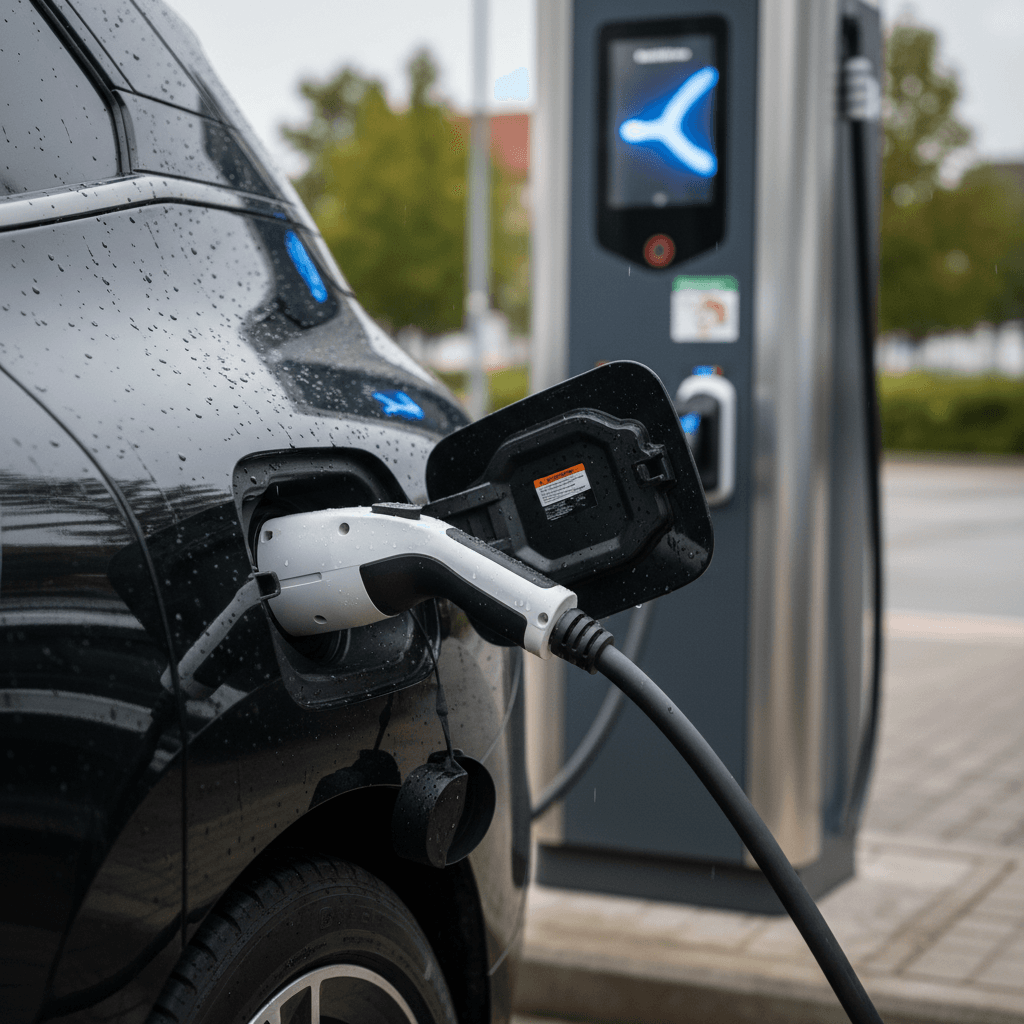
Public charging prices vary more than home electricity. Some workplace and hotel stations are free, while many urban networks now charge $0.24–$0.35 per kWh for Level 2 and roughly $0.35–$0.60 per kWh for DC fast charging in 2026.
Typical 2026 public charging prices and BMW iX cost per mile
Assumes 3.0 mi/kWh on Level 2 and 2.7 mi/kWh on DC fast (slightly less efficient at high power).
Free workplace or hotel Level 2
Price: $0.00 per kWh
Cost per mile: $0.00
Great when your employer or hotel covers the bill. Remember that it still counts toward battery wear, so don’t fast‑charge more than you need.
Paid public Level 2
Price: ~$0.24–$0.32 per kWh
Cost per mile: ≈ $0.08–$0.11
Think shopping centers, garages, and municipal lots. Often 1.5–2× the per‑mile cost of home charging.
DC fast charging (highway)
Price: ~$0.35–$0.60 per kWh
Cost per mile: ≈ $0.13–$0.22
Best for road trips and emergencies. Expect to pay a premium for speed and convenience compared with plugging in at home.
Beware idle and session fees
Real‑world cost per mile examples for BMW iX drivers
Example 1: Mostly home charging commuter
You drive 12,000 miles per year, mostly commuting and errands, and charge 90% of the time at home at $0.17/kWh. Your BMW iX averages 3.0 mi/kWh.
- Cost per mile: $0.17 ÷ 3.0 ≈ $0.057
- Annual charging cost: 12,000 × $0.057 ≈ $684
That’s roughly the cost of three or four oil changes in a German V8, except now it covers all of your “fuel.”
Example 2: Heavy road‑trip fast‑charging
You also drive an iX but do frequent long trips, so 60% of your miles come from DC fast charging at an average $0.45/kWh, and 40% from home at $0.17/kWh. Assume 3.0 mi/kWh at home and 2.7 mi/kWh on fast chargers.
- Home miles: 4,800 × ($0.17 ÷ 3.0) ≈ $272
- DC fast miles: 7,200 × ($0.45 ÷ 2.7) ≈ $1,200
- Total annual cost: ≈ $1,470
- Blended cost per mile: $1,470 ÷ 12,000 ≈ $0.12/mile
You’re still likely below a comparable gas SUV on fuel costs, but the gap is much smaller.
How BMW iX charging cost per mile compares to gas SUVs
To put BMW iX charging cost per mile in context, compare it to a similar‑size luxury SUV running on gasoline, something like a BMW X5 xDrive40i, Mercedes GLE, or Audi Q7. Many of these average roughly 20–25 mpg in mixed driving. With U.S. gas often hovering near $4.00 per gallon in many regions, the math isn’t kind to internal combustion.
BMW iX vs gas SUV: fuel cost per mile
Approximate per‑mile fuel cost comparison at different home electricity and gasoline prices.
| Scenario | Fuel price | Efficiency assumption | Cost per mile |
|---|---|---|---|
| BMW iX, home charging (avg. U.S.) | $0.17/kWh | 3.0 mi/kWh | $0.057 |
| BMW iX, DC fast highway mix | $0.45/kWh | 2.7 mi/kWh | $0.17 |
| Gas luxury SUV, conservative | $4.00/gal | 25 mpg | $0.16 |
| Gas luxury SUV, realistic | $4.00/gal | 20 mpg | $0.20 |
If your local gas is higher than $4.00/gal, the BMW iX advantage is even larger.
Where the iX really wins
7 ways to lower your BMW iX charging cost per mile
Practical ways to cut your BMW iX cost per mile
1. Charge at home whenever you can
Home electricity, especially off‑peak, is almost always cheaper than public Level 2 or DC fast charging. Even a basic 40‑amp Level 2 charger in your garage can slash your per‑mile costs.
2. Hunt for off‑peak or EV‑specific rates
Ask your utility about EV or time‑of‑use plans. If you can schedule your BMW iX to charge after midnight at $0.10–$0.12 per kWh, you’re in the 3–5¢/mile sweet spot.
3. Precondition while plugged in
Use the BMW app or in‑car settings to warm or cool the cabin while the iX is still plugged in. That keeps cold‑start energy use out of your driving efficiency and effectively lowers cost per mile in winter.
4. Avoid living on DC fast chargers
DC fast chargers are great for trips but expensive for daily use. Relying on them can double or even triple your fuel cost per mile, and add extra battery wear over time.
5. Watch your speed and tires
Above 75 mph, aerodynamic drag murders efficiency on any big SUV. Smooth driving and properly inflated, low‑rolling‑resistance tires can push your iX closer to 3.3–3.5 mi/kWh instead of 2.5–2.8.
6. Use charging stops strategically
On road trips, charge from about 10–70% rather than 5–100% when possible. The iX charges fastest in the middle of the pack, which means more miles added per minute and less paid time on expensive DC fast plugs.
7. Track your mi/kWh
Reset a trip computer and monitor your mi/kWh over a few weeks. Small changes in habits, eco drive mode, less roof‑rack time, smarter climate control, can shave pennies off every mile.
Shopping used? Why charging cost per mile is only half the story
If you’re eyeing a used BMW iX, low charging cost per mile is just one part of the ownership picture. The other big variable is battery health. A healthy pack can deliver the efficiency and range you’re expecting; a weak one might mean more frequent charging stops and higher real‑world costs.
How Recharged helps with real‑world costs
Because Recharged focuses on used EVs, you can compare BMW iX listings against other electric SUVs, Audi Q8 e‑tron, Tesla Model X, Mercedes EQE SUV, and see how range, battery condition, and pricing stack up. If you’re trading out of a thirsty gas SUV, our team can also help you understand total cost of ownership, not just today’s payment.
BMW iX charging cost per mile: FAQ
Frequently asked questions about BMW iX charging cost per mile
Once you strip away the jargon, your BMW iX charging cost per mile comes down to two levers you actually control: what you pay for a kilowatt‑hour and how efficiently you use it. Charge mostly at home, lean on off‑peak rates where you can, and treat DC fast charging as a road‑trip tool rather than a lifestyle, and this big electric BMW can undercut a comparable gas SUV on every mile you drive. If you’re weighing a new‑to‑you iX against other EVs, Recharged can help you read the battery‑health fine print, compare real‑world running costs, and find the electric SUV that fits both your driveway and your budget.