Which Model 3 years have a heat pump?
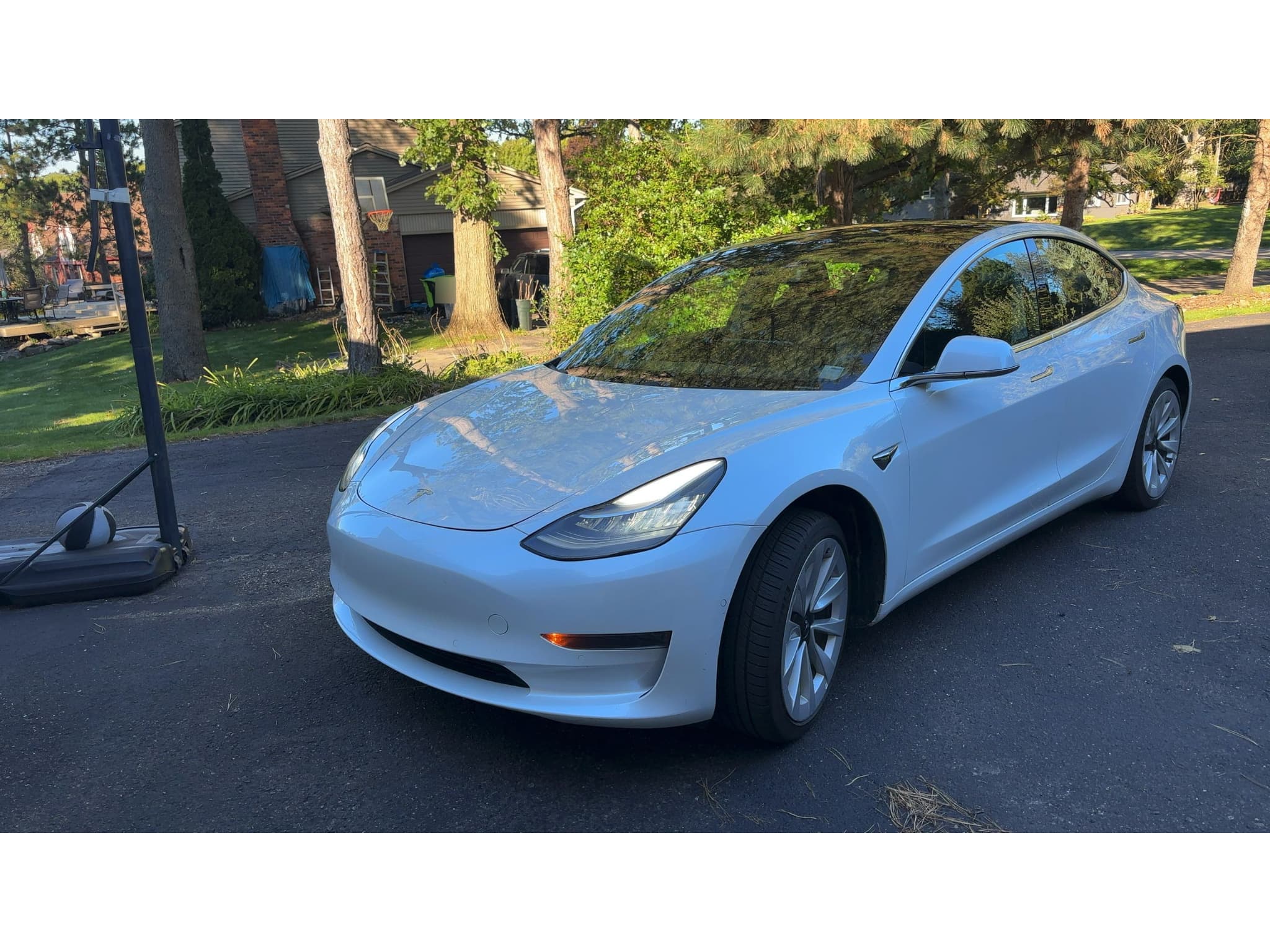
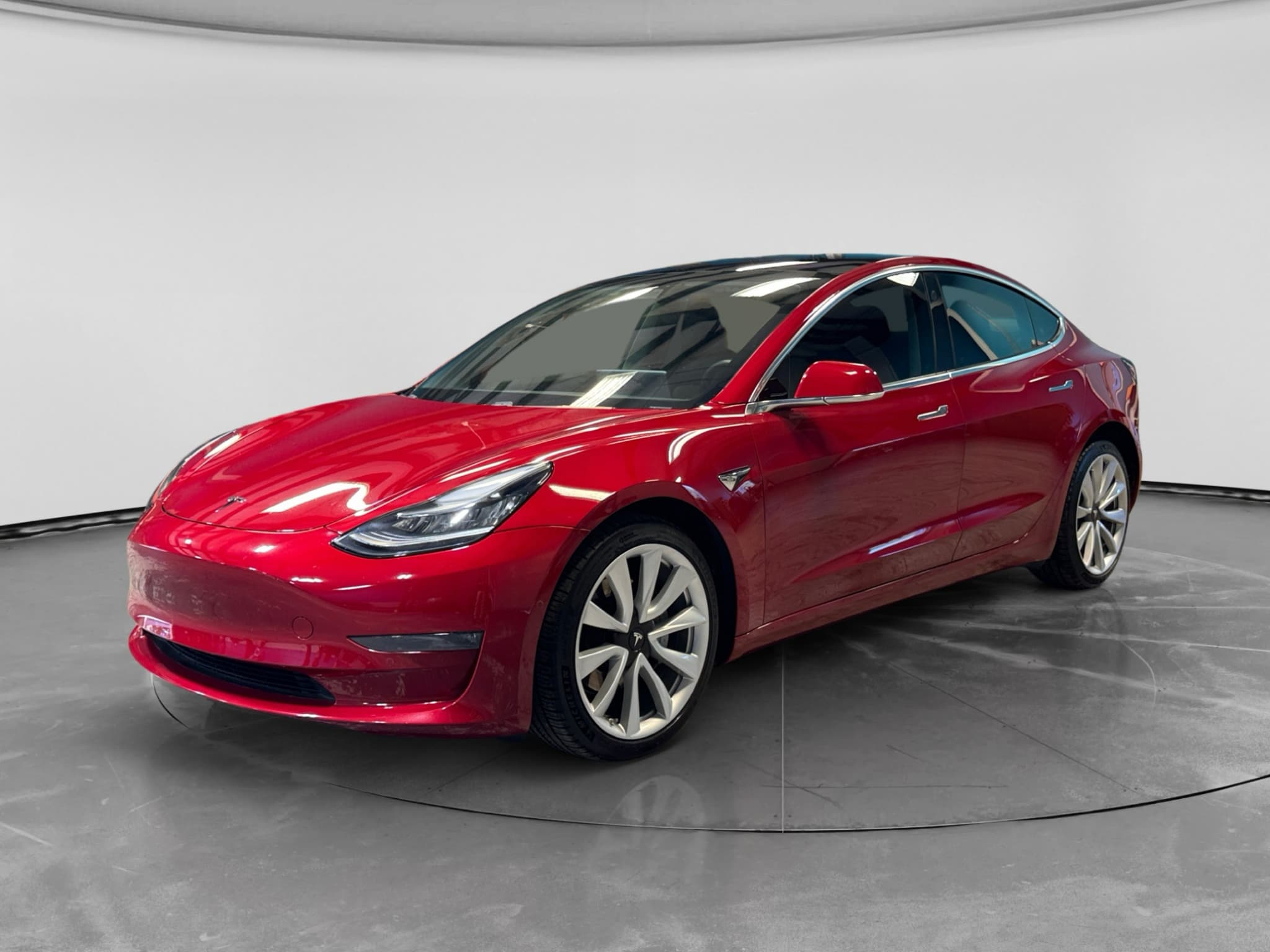
Most 2021-model-year and newer Model 3 vehicles have a heat pump, while earlier cars generally do not. Tesla introduced the system as part of a production update that began in late 2020, so build timing matters around the transition. A 2020-model-year car will usually have resistive heating, while a 2021-model-year car will generally have the newer thermal system.
Tesla does not always limit hardware changes to a clean calendar-year boundary. Use the following breakdown as a shopping guide, then confirm the equipment on the specific vehicle, especially if it was built near the transition or has undergone major repairs.
Model 3 heating system by model year
A quick guide to the factory heating equipment generally found in used Model 3 vehicles.
| Model year | Heat pump | Cabin heating | Buying guidance |
|---|---|---|---|
| 2020 and earlier | Generally no | Resistive heater | Check build details |
| 2021 | Generally yes | Heat-pump system | Verify transition cars |
| 2022 and newer | Yes | Heat-pump system | Confirm repair history |
Production transitions can create exceptions, so verify the individual car before buying.
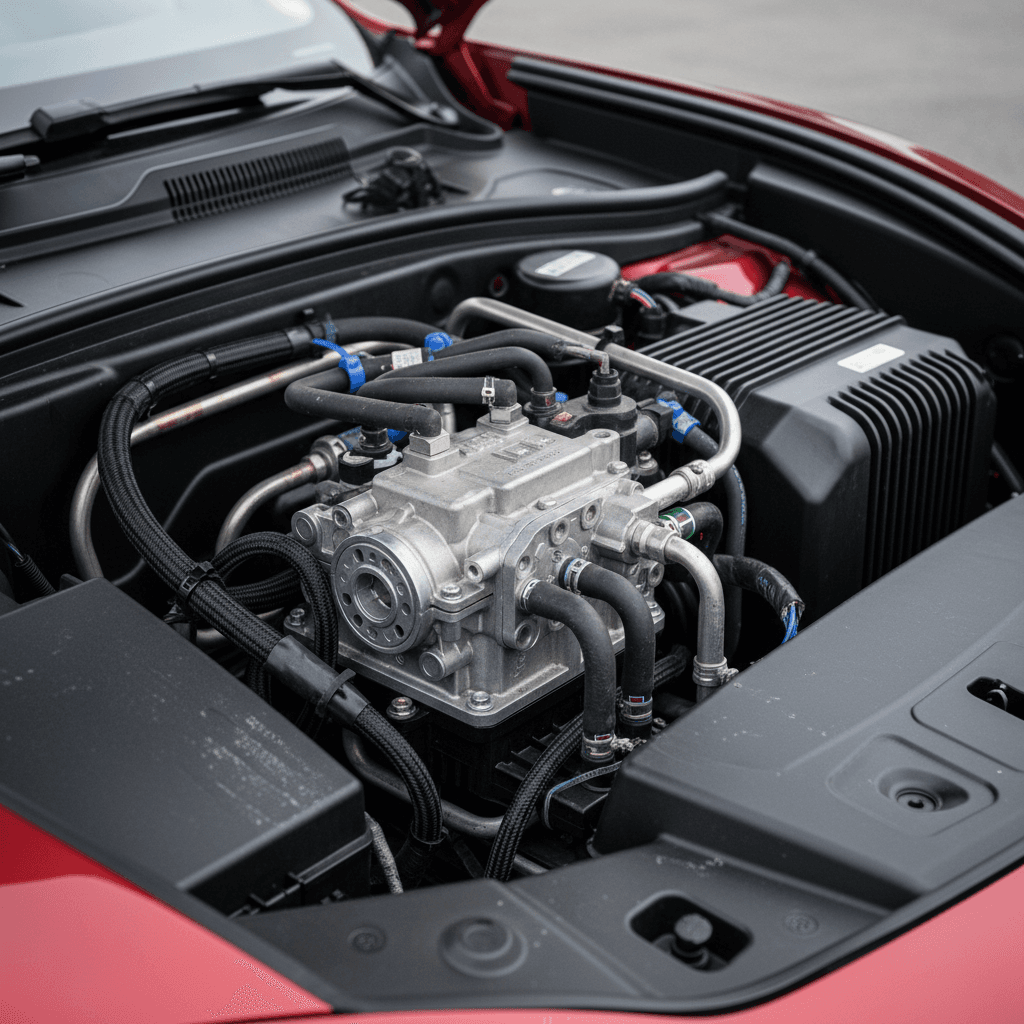
Why the heat pump matters
A heat pump can reduce how much battery energy the Model 3 uses to warm its cabin. Instead of creating all cabin heat directly through electrical resistance, the system transfers available heat and manages it across the vehicle’s thermal components. That efficiency can help preserve more driving range in cool weather, although the benefit varies with temperature, trip length, preconditioning and climate settings.
A heat pump does not increase battery capacity, guarantee a particular winter range or eliminate cold-weather losses. The battery still uses energy to warm itself, cold air and winter tires can increase consumption, and very low temperatures make thermal management more demanding. For a broader explanation of these variables, see the Tesla Model 3 range guide and our guide to how EV heat pumps work.
Heat pumps help, but battery condition still matters
How to verify a used Model 3
Verify a used Model 3 through its build information, service history and a physical inspection when necessary. The VIN can identify the model year, but model year alone may not resolve every production-transition question or reveal whether thermal-system components were replaced. Ask the seller to confirm the installed equipment rather than accepting a listing that simply says “newer heating system.”
What to check before you buy
Decode the VIN
Confirm the model year and compare it with the vehicle’s production information.
Review the build date
Pay closer attention to cars produced around the late-2020 transition.
Check service records
Look for HVAC, front-end or thermal-system repairs that may require further inspection.
Request equipment confirmation
Ask the seller or a qualified Tesla technician to verify the installed thermal hardware.
Test climate operation
Run the cabin heat and note warnings, unusual sounds or weak temperature control.
Check software status
Install pending updates, but remember that software cannot add missing physical hardware.
We connect incoming Model 3s to Wi-Fi and check for available software updates before a scheduled pickup when possible. Updates can address features and minor glitches, but they cannot turn an earlier resistive-heater car into a heat-pump-equipped one.
What Recharged Model 3 data shows
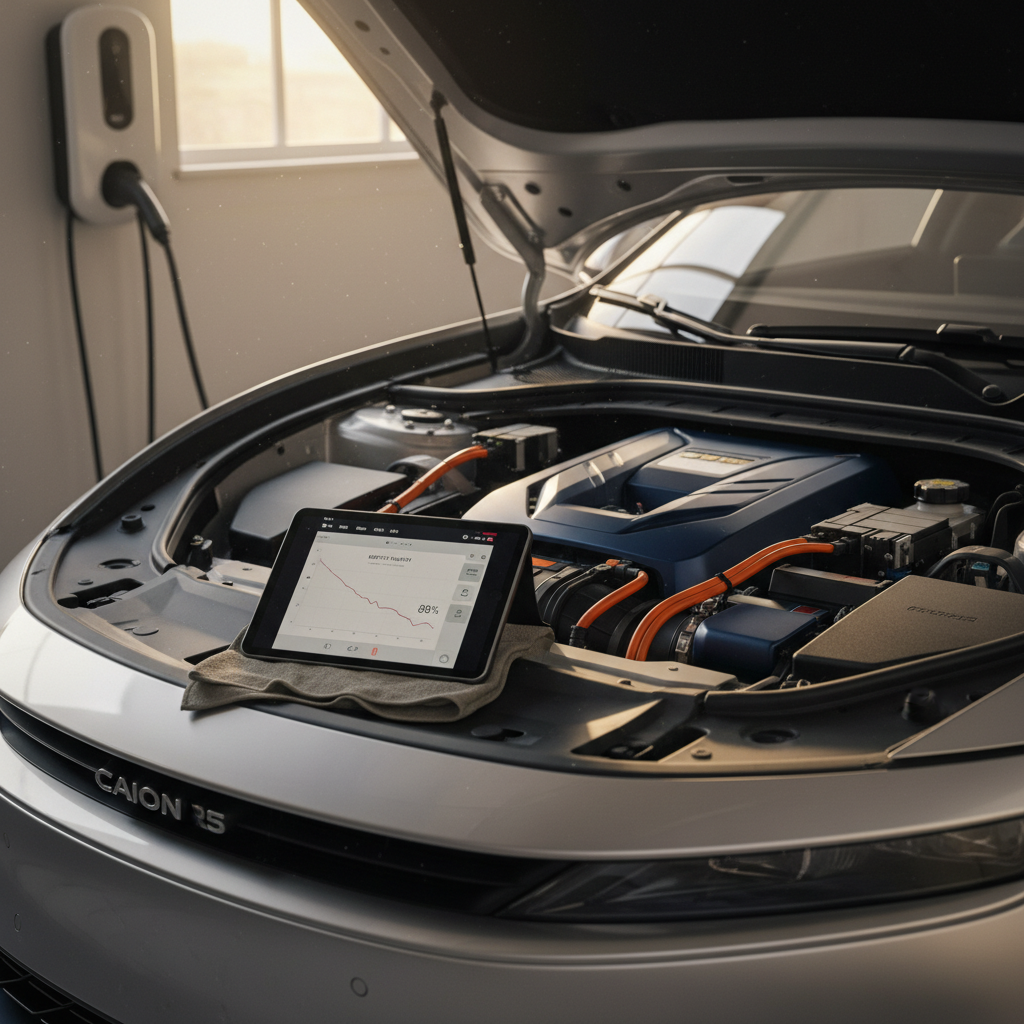
Recharged’s inspections show why battery condition should be evaluated separately from heating hardware. Across 303 Model 3 battery diagnostics, tested remaining capacity averaged 87.8% of original capacity, and tested real-world range averaged 280 miles. Those results describe the inspected batteries and tested range, not whether every car had a heat pump, so a shopper should check both battery health and installed HVAC equipment.
Recharged currently lists 26 Model 3 vehicles priced from $20,000 to $51,597. Price differences can reflect model year, battery configuration, mileage, condition, equipment and verified battery health, so heat-pump availability should be one part of a broader used Model 3 inspection. The practical takeaway is simple: prioritize a documented, healthy vehicle rather than treating the heat pump as the only buying criterion.
Every EV is battery-tested with a Recharged Score. Nationwide delivery.
Tesla Model 3 heat pump FAQ
Recharged data
Used Tesla Model 3 battery health
88%
avg remaining capacity
From Recharged battery inspections, not manufacturer estimates.
- Lowest
- 73%
- Median
- 88%
- Highest
- 100%
- Est. range
- 280 mi avg
- Cell balance pass
- 100%
- Quick charges
- 23 avg
- Slow charges
- 75 avg
Average cell imbalance: 5.5 mV
Based on vehicles Recharged tested
Recharged data
Used Tesla Model 3 prices at Recharged
$36,997
median list price
Current list prices for matching inventory at Recharged.
- Lowest
- $20,000
- Average
- $34,304
- Highest
- $51,597
Average Recharged Score on these listings
4.7 / 5
Range
4.3 – 4.9
Based on available listings
The bottom line for used-EV shoppers
Choose a 2021-model-year or newer Model 3 if a factory heat pump is important to you, then verify the specific car. The system can improve heating efficiency, but it cannot eliminate every source of winter range loss. A sound used-EV decision should combine equipment confirmation with verified battery health, service history, condition and fair pricing.
Instant offer, trade-in, or consignment. Pickup available.