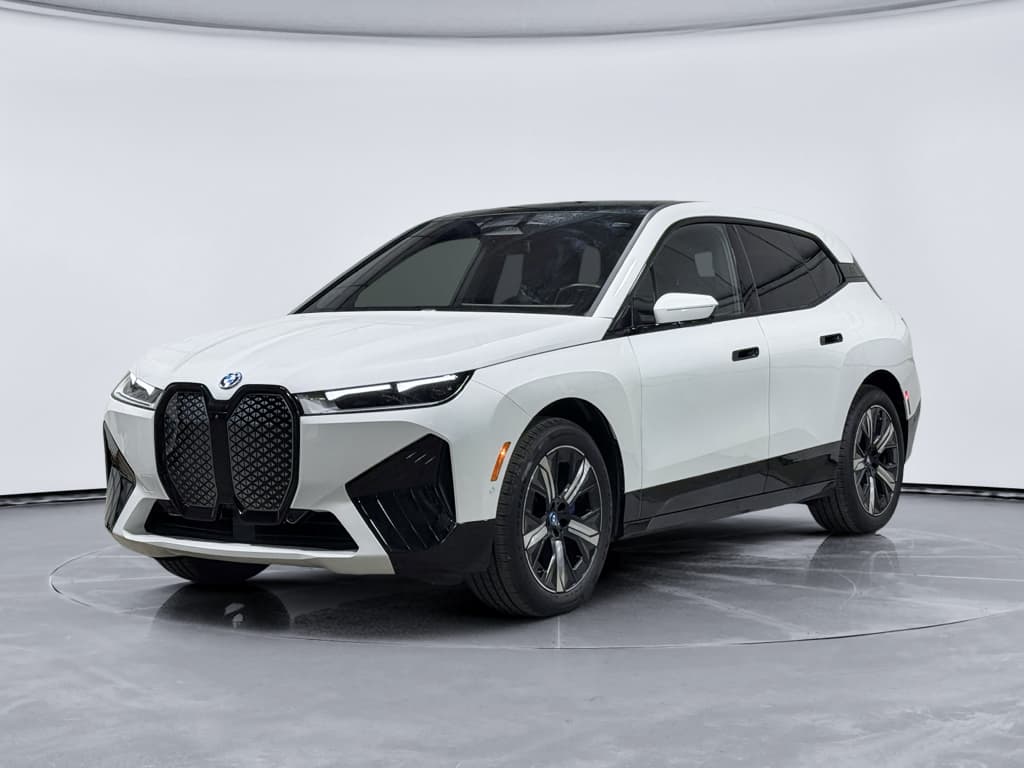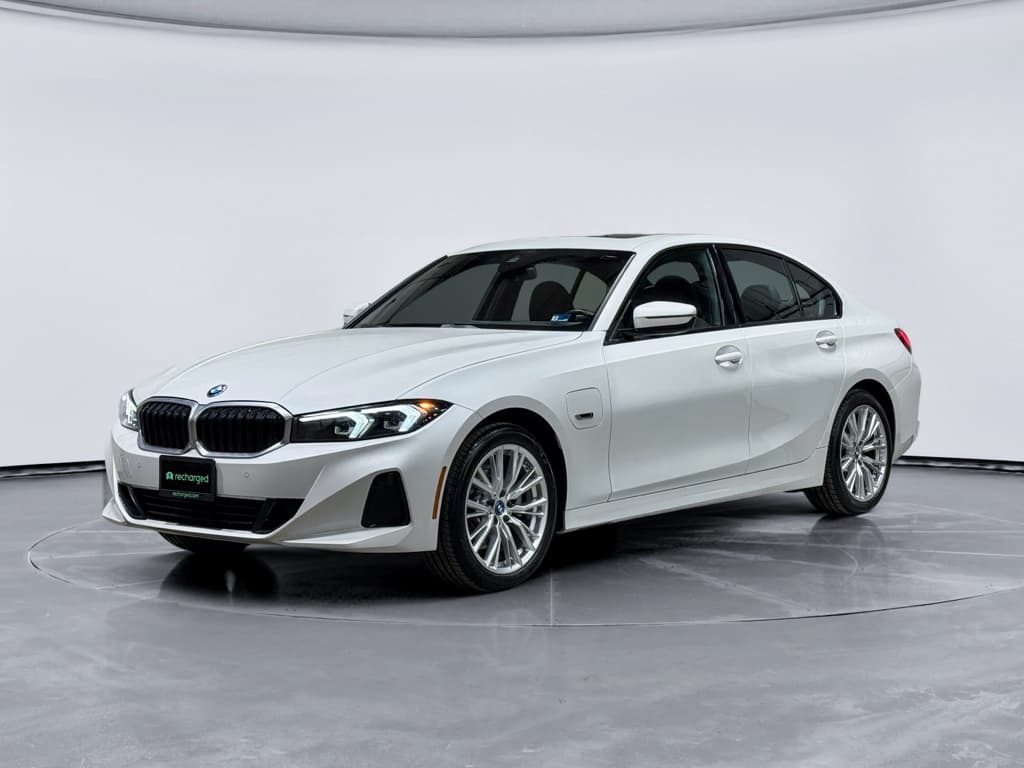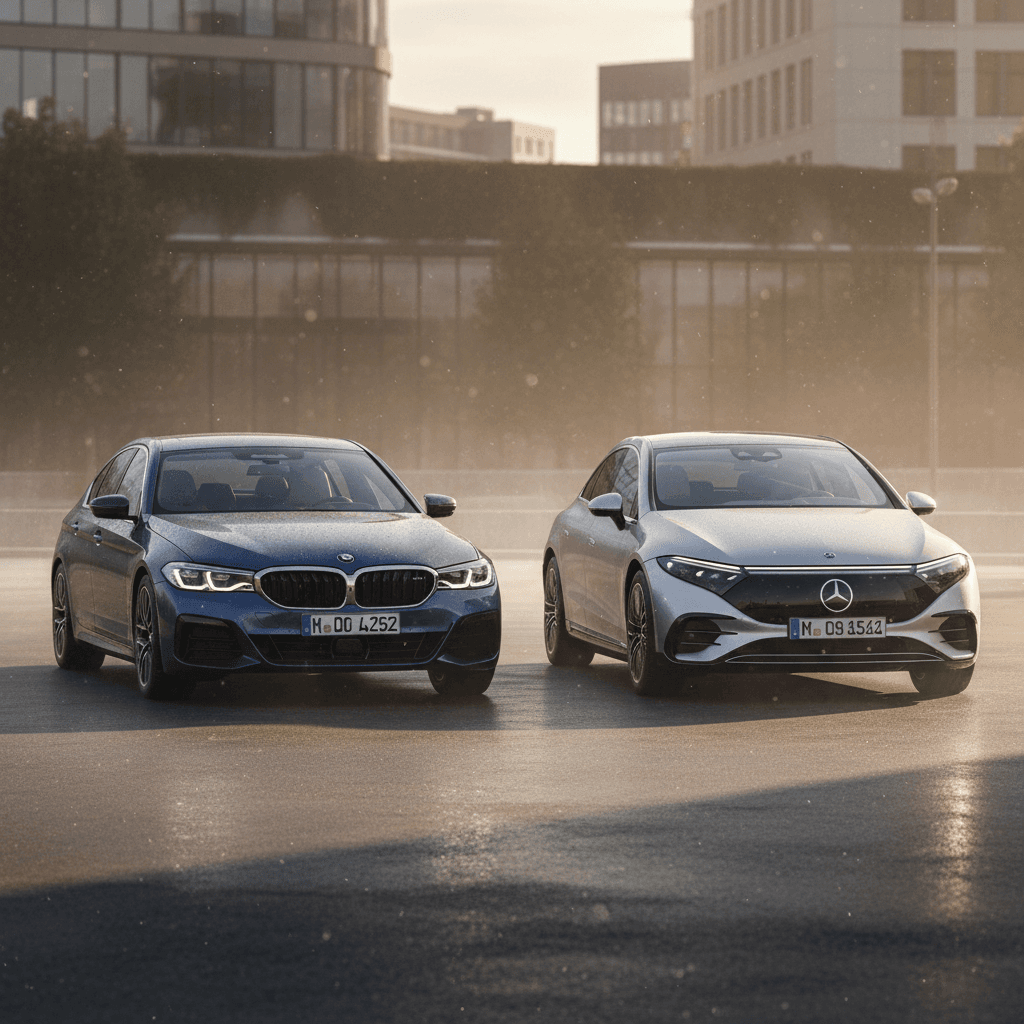
If you’re cross-shopping the BMW i5 vs Mercedes EQE, you’re looking at two of the most compelling electric luxury sedans on the market. Both promise quiet, effortless power and plush cabins, but they go about it in very different ways. This guide breaks down range, performance, charging, comfort, tech, and ownership so you can decide which one actually fits your daily life, and your budget, especially if you’re considering a used example.
Models Compared
BMW i5 vs Mercedes EQE: Who Are These EVs For?
Quick Positioning: Two Flavors of Electric Luxury
Same segment, very different personalities
BMW i5: The Driver’s Luxury EV
If you care about sharp handling, more engaging steering, and stronger acceleration, the i5 leans into BMW’s sport-sedan heritage. Even the base eDrive40 is quick, and the M60 is genuinely fast.
- More powerful lineup overall
- Sportier chassis tuning
- Clean, modern interior with a driver-focused feel
Mercedes EQE: The Comfort-First Cruiser
The EQE sedan is tuned for comfort and quiet. It isolates you from the outside world with soft ride quality and a serene cabin, classic Mercedes traits carried into the EV era.
- Plusher ride, hushed interior
- Traditional luxury ambiance
- Strong driver‑assistance feature set
Key Spec Snapshot (Typical U.S. Models)
On paper, the EQE usually offers a bit more rated range, while the i5 counters with stronger performance and more agile dynamics. The right choice comes down to whether you prioritize long‑legged comfort or a car that still feels like a classic German sport sedan, just electric.
Power and Performance: Sporty BMW vs Smooth Mercedes
BMW i5 vs Mercedes EQE: Power and 0–60 mph
Approximate U.S. market specs for common trims
| Model | Drivetrain | Horsepower | 0–60 mph (approx.) |
|---|---|---|---|
| BMW i5 eDrive40 | RWD | 335 hp | ~5.7 sec |
| BMW i5 xDrive40 | AWD | 389 hp | ~5.2 sec |
| BMW i5 M60 | AWD | 593 hp | ~3.7 sec |
| Mercedes EQE 350+ | RWD | 288 hp | ~6.0–6.2 sec |
| Mercedes EQE 350 4MATIC | AWD | 288 hp | ~5.7–6.0 sec |
| Mercedes EQE 500 4MATIC | AWD | 402 hp | ~4.5 sec |
Performance figures may vary slightly by model year, wheel choice, and testing method.
The BMW i5 lineup is simply stronger on raw numbers. Even the base eDrive40 outruns the EQE 350+ and feels more eager around town. Step up to the M60 and you’re in bona fide performance‑EV territory with near‑instant passing power. The EQE 500 4MATIC is brisk and effortless, but the car is heavier and tuned more for stability than playfulness.
How the BMW i5 Feels
- Steering and handling: Light but precise, with a rear‑drive balance that still feels like a 5 Series.
- Ride quality: Firm‑but‑comfortable on most trims; adaptive dampers help smooth rough pavement.
- Character: Feels smaller and more agile than it looks, especially on back roads.
How the Mercedes EQE Feels
- Steering and handling: Slower steering and softer suspension make it more of a relaxed cruiser.
- Ride quality: Supple and quiet, especially with available air suspension.
- Character: Prioritizes calm and isolation over driver engagement.
Performance Tip
Range, Battery Size, and Real-World Efficiency
BMW i5 vs Mercedes EQE: Battery and Range
Representative EPA or manufacturer‑estimated figures for common trims.
| Model | Usable Battery (approx.) | EPA/Est. Range |
|---|---|---|
| BMW i5 eDrive40 | 81.2 kWh | 271–295 miles |
| BMW i5 xDrive40 | 81.2 kWh | 248–266 miles |
| BMW i5 M60 | 81.2 kWh | 239–253 miles |
| Mercedes EQE 350+ | 90.6 kWh | 298–305 miles |
| Mercedes EQE 350 4MATIC | 90.6 kWh | ~260–280 miles |
| Mercedes EQE 500 4MATIC | 90.6 kWh | ~260 miles |
Exact range varies by wheel size, options, temperature, and driving style.
The EQE sedan generally carries a larger battery (around 90.6 kWh) and posts slightly higher rated range in its most efficient trims. The BMW i5 uses a smaller 81.2‑kWh usable pack, trading a bit of range for lighter weight and performance. In the real world, you can expect both cars to deliver comfortable interstate legs in the 200–260‑mile band before a fast‑charge stop, depending on conditions.
Cold Weather Reality Check
Charging Speed and Road-Trip Readiness
Charging Specs at a Glance
Both are fast enough for road trips, with small differences in peak power.
BMW i5 DC Fast Charging
The i5 can charge at up to 205 kW on a DC fast charger. BMW says 10–80% takes roughly 30 minutes in ideal conditions, competitive with other modern luxury EVs.
Mercedes EQE DC Fast Charging
The EQE sedan typically peaks around 170 kW, with a 10–80% charge also landing in the ~30–32 minute range on a strong charger.
Level 2 Home Charging
Both sedans offer onboard AC charging in the ~9.6–11 kW range. On a 240‑volt Level 2 charger, you’re looking at roughly 8–10 hours for a full charge from low state‑of‑charge.
In practice, charging speed shouldn’t be the deciding factor between these two. Both are good road‑trip companions as long as you plan stops around 150–200 miles in, and both benefit from preconditioning the battery when navigating to a DC fast charger.
Home Charging Tip
Interior, Comfort, and Practicality
BMW i5 Interior Highlights
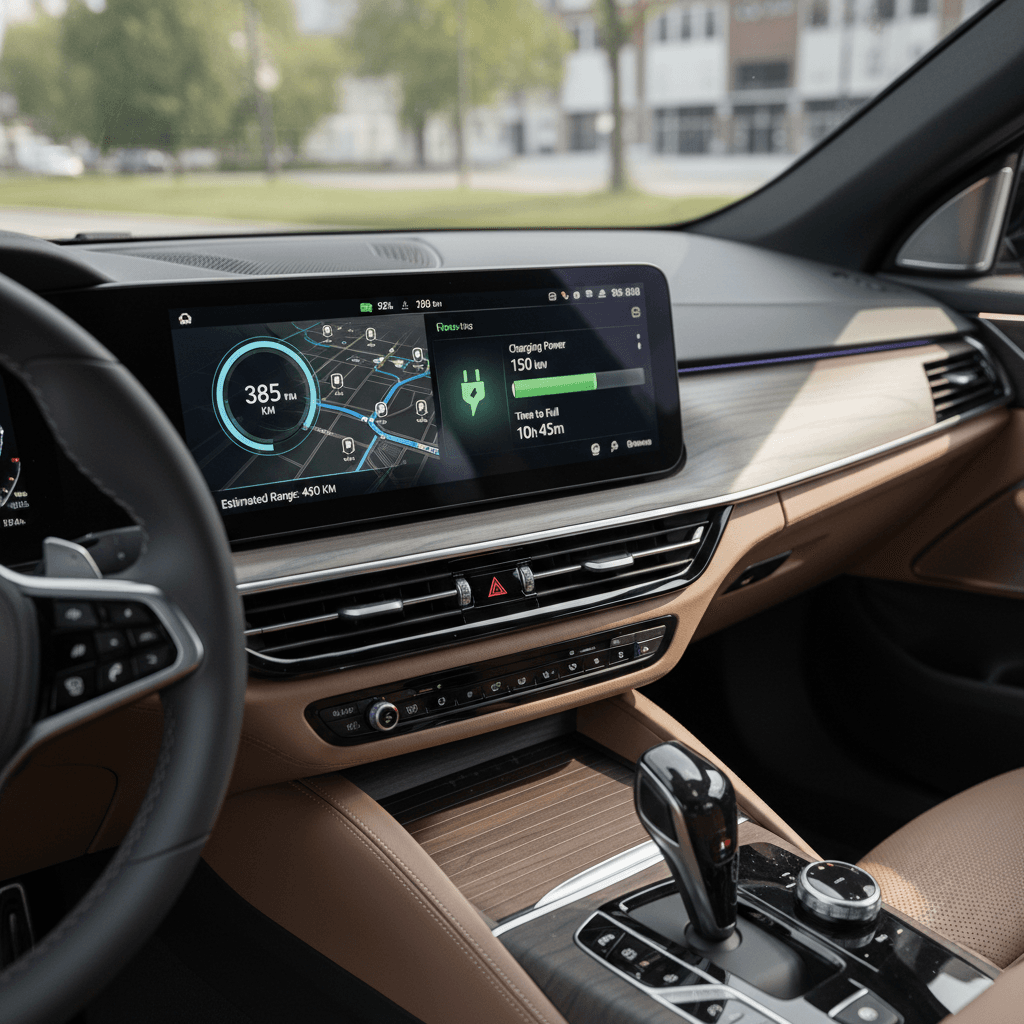
- Design: Clean dashboard with a curved display and minimal buttons; feels like a modern 5 Series.
- Space: Generous front and rear legroom, useful trunk for luggage or strollers.
- Seats: Firm, supportive chairs that work well on long drives.
- Vibe: Subtle luxury with an emphasis on ergonomics and driving position.
Mercedes EQE Interior Highlights
- Design: More dramatic, with sweeping lines, ambient light strips, and available large glass displays.
- Space: Similar footprint to the i5, with spacious rear seating.
- Seats: Softer cushioning and available massage features on many trims.
- Vibe: Classic Mercedes cocooning feel, tuned for quiet and comfort.
Comfort Winner (Most Shoppers)
Tech, Infotainment, and Driver Assistance
Side-by-Side: Tech and Safety
Both are loaded, but the interfaces feel very different.
Infotainment Experience
BMW i5: Uses BMW’s latest curved display with iDrive. Menus are deep but responsive, with strong integration of Apple CarPlay and Android Auto.
Mercedes EQE: Runs the MBUX system with a more visually dramatic interface and optional massive glass panels. Some functions are touch‑heavy, which can be distracting at first.
Driver Assistance
Both offer adaptive cruise control, lane‑keeping assist, blind‑spot monitoring, and automated emergency braking. Higher trims can add route‑based speed adaptation and lane‑change assist.
Learning Curve
BMW: Slightly more traditional controls and clear instrumentation may feel easier if you’re coming from another BMW or mainstream sedan.
Mercedes: Flashier graphics and touch controls look futuristic but can take longer to master.
Subscription and Software Considerations
Ownership Costs, Reliability, and Warranty
Battery‑electric luxury sedans eliminate oil changes and many traditional wear items, but they’re still complicated vehicles packed with software and hardware. Reliability and coverage matter, especially if you’re buying pre‑owned.
Key Ownership Factors to Compare
Battery and EV System Warranty
Both BMW and Mercedes typically back their high‑voltage batteries for around 8–10 years and roughly 100,000–155,000 miles. Check the in‑service date on any used i5 or EQE so you know how much coverage is left.
Bumper-to-Bumper Coverage
New, both cars come with roughly 4 years/50,000 miles of comprehensive coverage. On a used car, much of this may be expired, extended coverage can be worth pricing into your budget.
Included Maintenance
BMW often covers scheduled maintenance for the first few years, while Mercedes usually does not bundle free service. On a used car, that free maintenance window may be closed, but EVs still tend to be cheaper to service than gas counterparts.
Real-World Reliability
Early data and owner feedback suggest the i5 and EQE are broadly in line with their brands’ averages. That makes individual vehicle condition more important than the badge, maintenance history and battery health will tell you far more than brochure stats.
Market Note on Mercedes EQE Availability
Which EV Fits You Best? Key Buying Scenarios
Match the Car to Your Priorities
I Care Most About Driving Fun
Leaning BMW i5. The eDrive40 already feels quick, and the M60 is a serious performance car.
The chassis balance and steering feedback are closer to a traditional sport sedan.
Look for cars with adaptive suspension and smaller wheels for the best blend of handling and comfort.
I Want Maximum Comfort and Quiet
Leaning Mercedes EQE, especially 350+ and 350 4MATIC trims with comfort‑oriented setup.
Soft ride and plush seats make long drives less tiring.
Focus on cars with the options you’ll actually use, massage seats, upgraded sound, and advanced driver‑assist can all be worthwhile if you road‑trip often.
I Need Range Above All
EQE 350+ has a slight edge in rated range, especially on smaller wheels.
BMW i5 eDrive40 is still competitive and may be easier to find in some markets.
Remember that a healthy battery and efficient driving style matter more than a few miles of claimed range on the window sticker.
I’m Value- and Budget-Focused
Watch the used market closely: EQE values may soften faster because of brand incentives and model‑line changes, creating opportunities.
Older i5s may hold value slightly better but can still offer strong monthly payment math if you buy used and finance smartly.
This is where tools like a Recharged Score Report help, fair‑market pricing plus verified battery health so you’re not overpaying for range you’ll never see.
Used BMW i5 vs Used Mercedes EQE: What to Look For
Shopping used adds a few extra variables, battery health, software updates, option packages, and how the previous owner charged the car all matter. The good news: both the i5 and EQE can be excellent used buys if you know what to check.
Essential Checks Before You Buy Used
1. Battery Health and Fast-Charging History
Ask for a battery‑health report or have one generated. You want a clear view of usable capacity versus original spec. Heavy DC fast‑charging (e.g., daily use on road‑trip networks) can add wear over time.
2. Software Version and Feature Activation
Verify that infotainment and driver‑assistance software are up to date. On both cars, some features may be subscription based; confirm what’s active and what it costs to renew.
3. Charging Hardware and Cables
Ensure the OEM Level 1/Level 2 charging cable and any adapters are included, they’re surprisingly expensive to replace. Inspect the charge port for damage or signs of abuse.
4. Suspension, Tires, and Brakes
These heavy EVs can wear suspension components and tires quicker than lighter sedans. On a test drive, listen for clunks over bumps and check for uneven tire wear.
5. Accident and Repair History
With aluminum bodywork, glass roofs, and complex electronics, collision repairs on either model can be expensive. A clean history report and detailed service records are worth paying for.
6. Independent Battery Diagnostics
This is where a platform like Recharged adds value. Every vehicle listed with us includes a Recharged Score battery health diagnostic, so you can compare cars side‑by‑side on real, measured pack health, not guesses.
How Recharged Helps
BMW i5 vs Mercedes EQE: Frequently Asked Questions
Frequently Asked Questions
Bottom Line: BMW i5 vs Mercedes EQE
Choosing between the BMW i5 vs Mercedes EQE comes down to personality as much as specs. The i5 is the driver’s choice: more power, sharper dynamics, and a clean, modern cockpit that still feels like a sport sedan. The EQE is the quiet operator: softer ride, serene cabin, and slightly stronger range on paper, built for people who want their EV to melt away the miles.
If you’re shopping new, factor in changing incentives, tax‑credit rules, and Mercedes’ evolving U.S. EV strategy. If you’re shopping used, focus hard on battery health, charging history, and software status. That’s where Recharged comes in: every used EV we list, whether a BMW i5, Mercedes EQE, or anything else, includes a Recharged Score Report with verified battery diagnostics, fair‑market pricing, available financing, and even nationwide delivery. That way, whichever luxury EV you choose, you’re buying with eyes wide open.