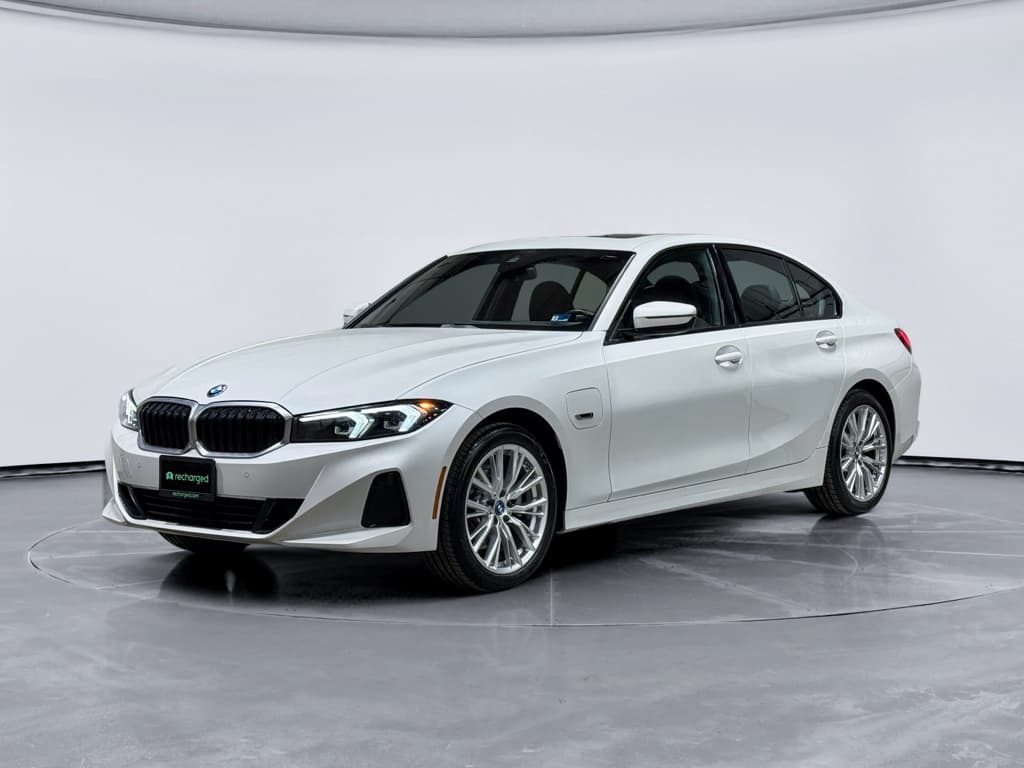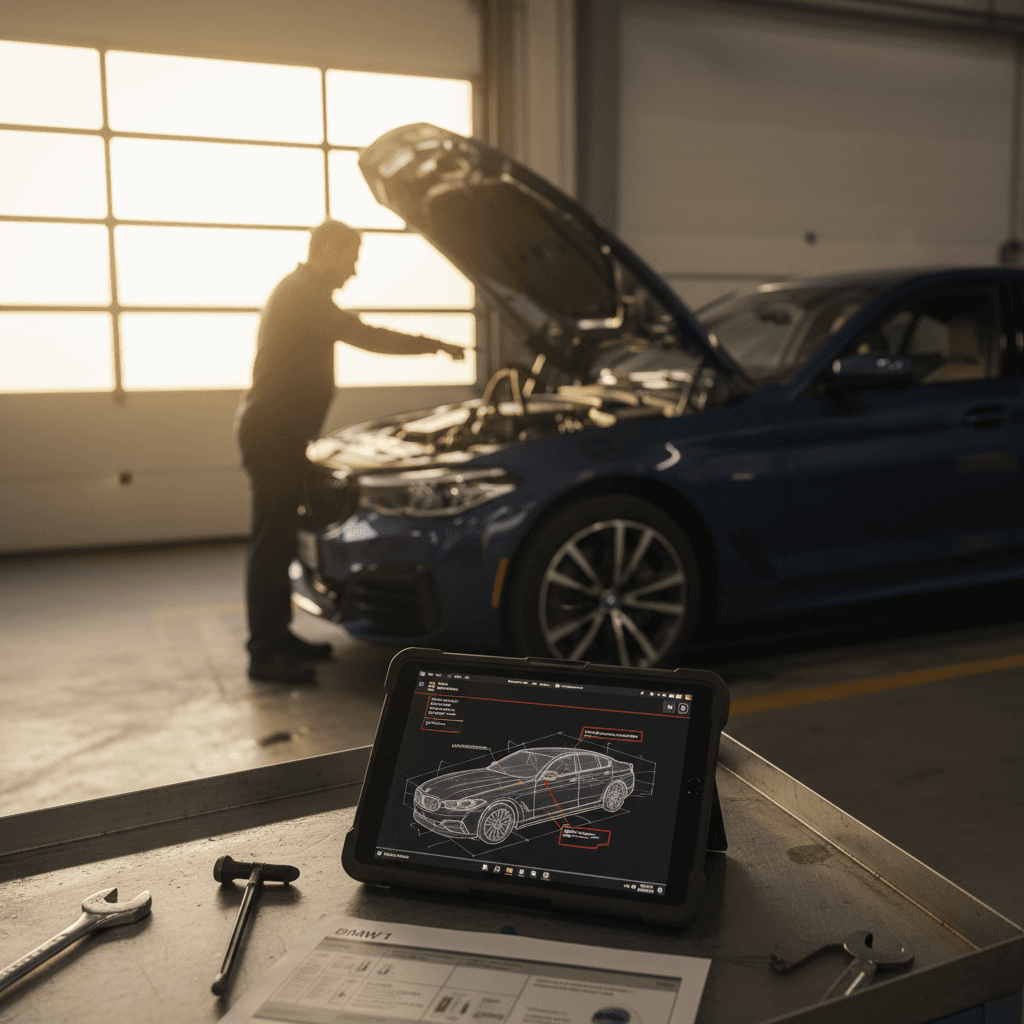
If you own a BMW i5, or you’re eyeing a used one, knowing the full BMW i5 recalls list isn’t just trivia. It’s how you make sure your sleek electric 5 Series can stop, steer, and warn pedestrians the way it’s supposed to. The good news: so far, i5 recalls have focused on software and specific components that BMW fixes for free once you know where your car stands.
Important context
BMW i5 recalls list: quick overview
BMW i5 recalls at a glance
BMW’s electric 5 Series is still relatively new, so the BMW i5 recalls list is shorter than what you’ll see for long-running gas models. But the few campaigns that exist matter, especially if you’re driving in dense city traffic or thinking about long road trips. Below, we’ll walk through each major recall in plain language, then show you exactly how to check any VIN before you buy or drive.
BMW i5 recall timeline so far
- Mid-2023: First BMW i5 production (G60 generation) begins for the 2024 model year.
- January 2024: BMW issues a recall for about 4,900 2024 i5s over a fault with the pedestrian warning sound software.
- August 2024: A wider Integrated Brake System (IBS) defect is announced affecting multiple BMW models, including the G60 5 Series and i5.
- Summer 2025: BMW recalls more than 70,000 EVs, i4, i5, i7, and iX, because a software fault can trigger a sudden loss of drive power; roughly 4,600 i5s are involved.
Model years vs. build dates
Recall #1: Pedestrian warning sound software (2024 i5)
The very first widely reported BMW i5 recall landed in early 2024 and targeted the car’s external sound generator, the artificial “whir” low-speed EVs make so pedestrians can hear them coming.
Pedestrian warning sound recall details
2024 BMW i5 (G60)
What’s the issue?
Certain 2024 BMW i5s left the factory with a software fault in the pedestrian warning sound system. The external artificial sound can intermittently fail to play at low speeds.
Because EVs are so quiet, U.S. regulations require an audible warning below certain speeds. If the sound doesn’t work, the car can approach pedestrians more quietly than allowed by law.
Why it matters
This recall isn’t about the car breaking down; it’s about people outside the car. Without the proper warning sound, pedestrians, especially those who are visually impaired or distracted, may not hear the i5 approaching.
BMW issued the recall as a precaution before any reported injuries.
How BMW fixes it
The fix is a software update for the sound generation control unit. In most cases, your dealer can perform it during a short service visit.
Some cars may receive the update over the air, but BMW typically routes safety-related updates through its dealer network to ensure they’re properly documented.
Who is affected
Approximately 4,900 model-year 2024 BMW i5s built between late June and mid-December 2023 were included.
Your dealer can confirm involvement by VIN, and BMW also sends mailed notices to registered owners.
Owner tip
Recall #2: Integrated Brake System defect (G60 i5)
Next up on the BMW i5 recalls list is a broader campaign that touches many late-model BMWs: a problem in the Integrated Brake System (IBS). The IBS uses an electric actuator and control unit to provide consistent pedal feel, brake assist, and coordination with stability control.
What can go wrong?
In affected cars, a defect in the Integrated Brake System can reduce brake performance. Drivers might notice:
- Higher-than-normal pedal effort to slow the car
- Longer stopping distances in emergency braking
- Warning messages related to ABS or stability control
In serious cases, this could increase the risk of a crash, particularly in panic stops or slippery conditions.
How it affects the i5
BMW’s recall campaign includes the G60 5 Series and G60 i5 among many other models. Not every single i5 is affected, but the platform is listed in the recall population.
Because the brake controller is shared across gasoline, plug-in hybrid, and electric versions, an i5 can be caught up in this campaign even though it’s fully electric.
Brake warnings deserve respect
The fix for the IBS recall generally involves replacing or reprogramming the electronic brake controller. When parts are available, BMW notifies owners and covers the work at no cost, including labor. Until the repair is done, your car may still be drivable, but if you notice any change in brake feel or extra pedal effort, get it inspected right away.
Recall #3: Sudden loss of drive power (i5 EV software)
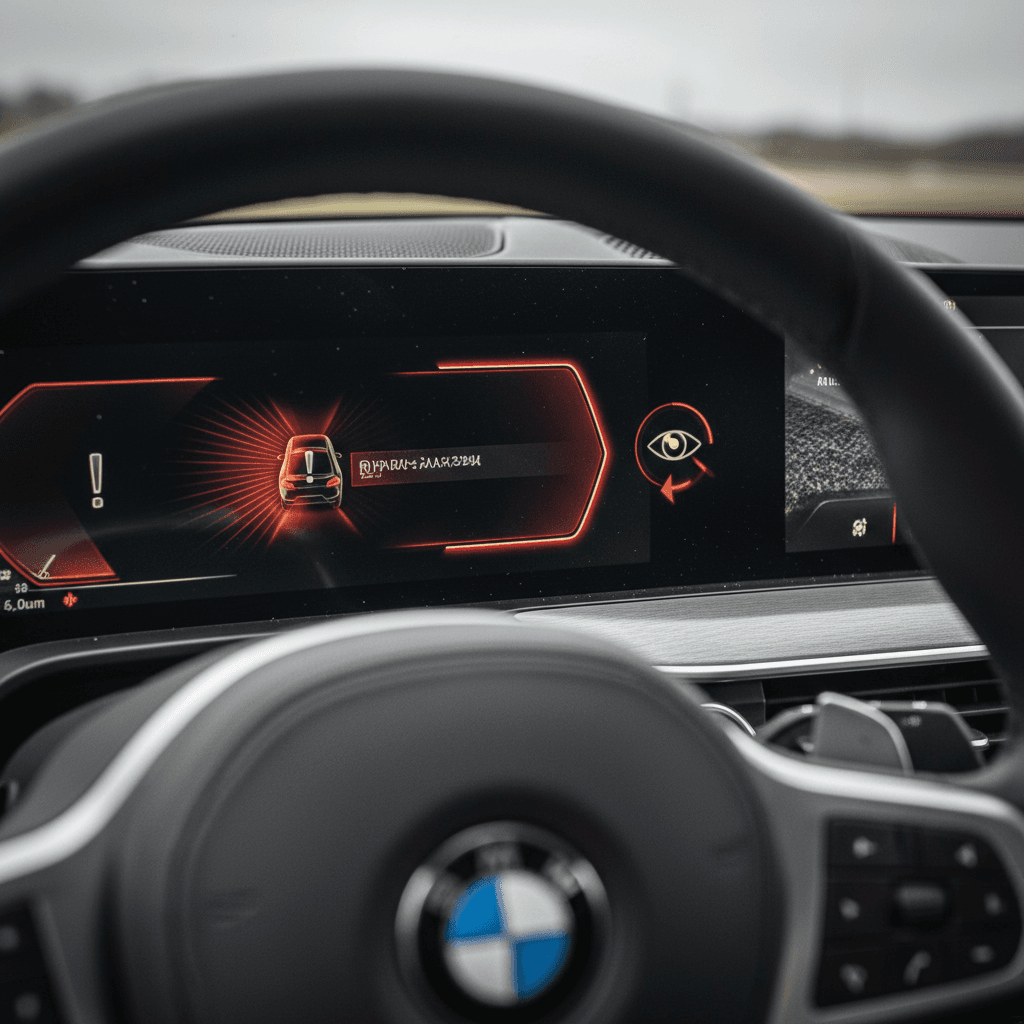
The most attention-grabbing item on the BMW i5 recalls list to date involves the high-voltage system software. In mid-2025, BMW announced a recall of more than 70,000 EVs, including the i4, i5, i7, and iX, because they could suddenly lose drive power while in motion.
High-voltage power-loss recall: key facts for BMW i5 owners
Software shutting down the electric drive, sometimes unnecessarily
What triggers the recall?
Software in affected BMW EVs can mistakenly see a fault in the high-voltage system, called a “double isolation” condition, even when nothing is physically wrong.
To protect the battery and power electronics, the system shuts down drive power, which can cause the i5 to coast to a stop.
What you might experience
BMW reports that drivers may see a warning message on the display 15–20 seconds before the shutdown. After that, the car can lose the ability to accelerate, though steering and braking remain.
On a busy highway, that unexpected loss of power is more than an inconvenience, it’s a real safety concern.
How BMW fixes it
The cure is a revised software package for the electric drive motor and high-voltage system. BMW can install it at a dealership or via an over-the-air update, depending on how your car is configured.
Once updated, the i5 should no longer shut down for false alarms while still protecting itself from genuine faults.
Which i5s are included
The campaign covers roughly 4,600 BMW i5s within a larger group of 70,000+ BMW EVs. Most are 2024 model-year cars, though a few late-built 2023 or early 2025 units may also be involved depending on market.
Again, the only sure way to know is to run the VIN.
Can you keep driving?
BMW and federal regulators generally don’t tell owners to park these EVs immediately, but they do urge you to get the update as soon as possible.
If your i5 ever displays high-voltage or drive system warnings, treat them seriously and contact your dealer.
OTA vs. dealer visit
Some owners will see a prompt to install an over-the-air (OTA) update. That’s the same recall fix, just delivered wirelessly.
If you’ve disabled OTA updates or the download won’t complete, your dealer can apply the software on-site at no cost.
Reassuring note for shoppers
Ready to find your next EV?
Browse VehiclesBMW i5 recalls list by model year
Known BMW i5 recalls by model year (through early 2025)
This summary is based on publicly reported campaigns. Always verify with a VIN check, as production dates and markets vary.
| Model year | Recall name / component | Main symptom or risk | Typical fix | Notes |
|---|---|---|---|---|
| 2024 | Pedestrian warning sound software | External artificial sound may not play at low speeds, reducing pedestrian awareness | Dealer-installed software update to sound generator control unit | Applies to roughly 4,900 early-production 2024 i5s |
| 2024 | Integrated Brake System (IBS) defect | Higher brake pedal effort, possible reduction in braking assist and stability-control function | Replace or reprogram electronic brake controller | Covers multiple BMW models on the same platform, including G60 i5 |
| 2024 (and some adjacent build dates) | High-voltage drive power-loss software | Unexpected loss of drive power while driving; warning appears shortly before shutdown | Updated software for electric drive motor and high-voltage system, via OTA or dealer | Part of a 70,000+ EV recall including i4, i5, i7, and iX |
| Future years | Additional campaigns as identified | Varies | Varies | BMW and NHTSA add new campaigns over time; always run a fresh VIN check. |
Use this as a starting point, not a substitute for an official VIN lookup.
Why this list will keep evolving
How to check any BMW i5 for open recalls
You don’t need to guess whether a specific BMW i5, new or used, is safe and up to date. Two free online tools will tell you if there are any open recalls tied to that exact VIN.
Step-by-step: checking a BMW i5 for recalls
1. Find the VIN
The Vehicle Identification Number (VIN) is a 17-character code. You’ll find it on the lower driver-side corner of the windshield, the driver’s door jamb, your registration, or your insurance card. For online listings, reputable sellers often publish the VIN in the details section.
2. Use BMW’s official recall checker
Go to BMW USA’s official safety and emission recall page, enter the VIN, and run a search. You’ll see whether that i5 has any open recalls in BMW’s system and where you can get them fixed.
3. Cross-check with NHTSA
Visit the National Highway Traffic Safety Administration (NHTSA) recall lookup site and type in the same VIN. NHTSA shows U.S. safety recalls and whether they’ve been completed, regardless of where the car is being sold today.
4. Confirm completion with service records
If recalls are listed as completed, ask for service invoices or a digital service history print-out. You want to see recall campaign codes and dates. This is especially important if you’re buying used from a private party.
5. Schedule any open recall work
If BMW or NHTSA shows an open recall, call a BMW center and schedule the repair. Recall work is performed at no charge, but parts availability can vary, so it pays to get on the calendar early.
How Recharged handles recall checks
Is a recalled BMW i5 still safe to drive?
Finding your BMW i5 on a recall list doesn’t automatically mean you need to park it and grab the bus. Whether it’s safe to keep driving depends on the specific defect, and what BMW and NHTSA say about it.
Examples where driving is usually allowed
- Pedestrian warning sound recall – Typically, BMW asks you to schedule service soon, but the car isn’t at risk of sudden mechanical failure.
- Software false-alarm power-loss recall – Regulators generally allow continued driving, but urge owners not to delay the update.
- Non-critical software updates – Many software-related campaigns can be handled at your next convenient visit.
Situations to treat as urgent
- Brake system recalls – Anything that affects stopping distance or ABS function should be handled right away.
- Fire-risk or “park outside” notices – On some gasoline BMWs, NHTSA has urged owners to park outdoors. If a similar message ever applied to an i5, you’d want to follow that advice immediately.
- New warning lights or sudden changes – If your car behaves differently, don’t wait on a scheduled appointment, call your dealer and describe what you’re experiencing.
Trust the official guidance first
Recalls and used BMW i5 shopping
If you’re hunting for a used BMW i5, recalls can actually work in your favor, if you know how to read them. A well-documented recall history often means the car has had diligent owners and dealer support, which is exactly what you want on a complex electric sedan.
How to factor recalls into a used BMW i5 purchase
Turn potential red flags into negotiating tools
Ask for documentation
Request a full service history, including any recall visits. Look for BMW campaign codes and dates, and compare them against the recalls you know should apply to that model year.
Gaps don’t always mean trouble, but they’re worth asking about.
Use open recalls in negotiations
If the car has open recalls, they’ll be fixed for free, but you still have to invest your own time. It’s reasonable to factor that inconvenience into price discussions, especially if parts are back-ordered.
Remember: recalls and battery health are separate
Most i5 recalls so far involve software, braking, or external sound. They don’t tell you much about battery health or remaining range.
That’s where independent diagnostics, like a Recharged Score battery health report, help fill in the blanks.
Prefer cars with completed safety work
An i5 that shows all applicable recalls as completed on both BMW and NHTSA sites is generally a safer bet than one with an unknown history.
Think of it as proof that the car has been cared for, not a stain on its record.
Consider dealer proximity
If the used i5 you’re considering still needs recall work, make sure you’re within comfortable distance of a BMW center, or that the seller is willing to complete the work before delivery.
Leverage specialist marketplaces
Marketplaces focused on EVs, like Recharged, are more likely to highlight recall status, battery health, and charging behavior upfront than general classifieds.
BMW i5 recalls: FAQ
Frequently asked questions about BMW i5 recalls
The BMW i5 is one of the most compelling electric sedans on the road, but like any modern EV, it lives at the intersection of software, safety systems, and high-voltage hardware. Understanding the BMW i5 recalls list helps you separate genuine red flags from fixable footnotes. If you’re already an owner, make recall checks part of your regular safety routine. And if you’re shopping used, pair those checks with battery-health data and transparent history from a specialist marketplace like Recharged so you know exactly what you’re getting before you plug in and drive away.