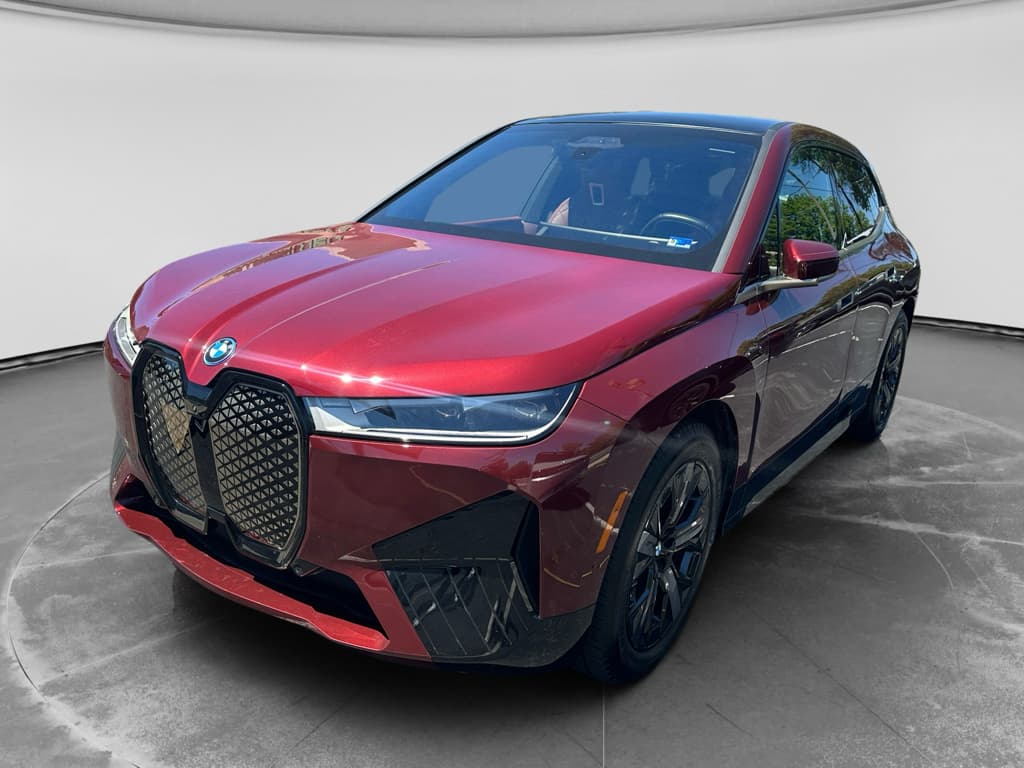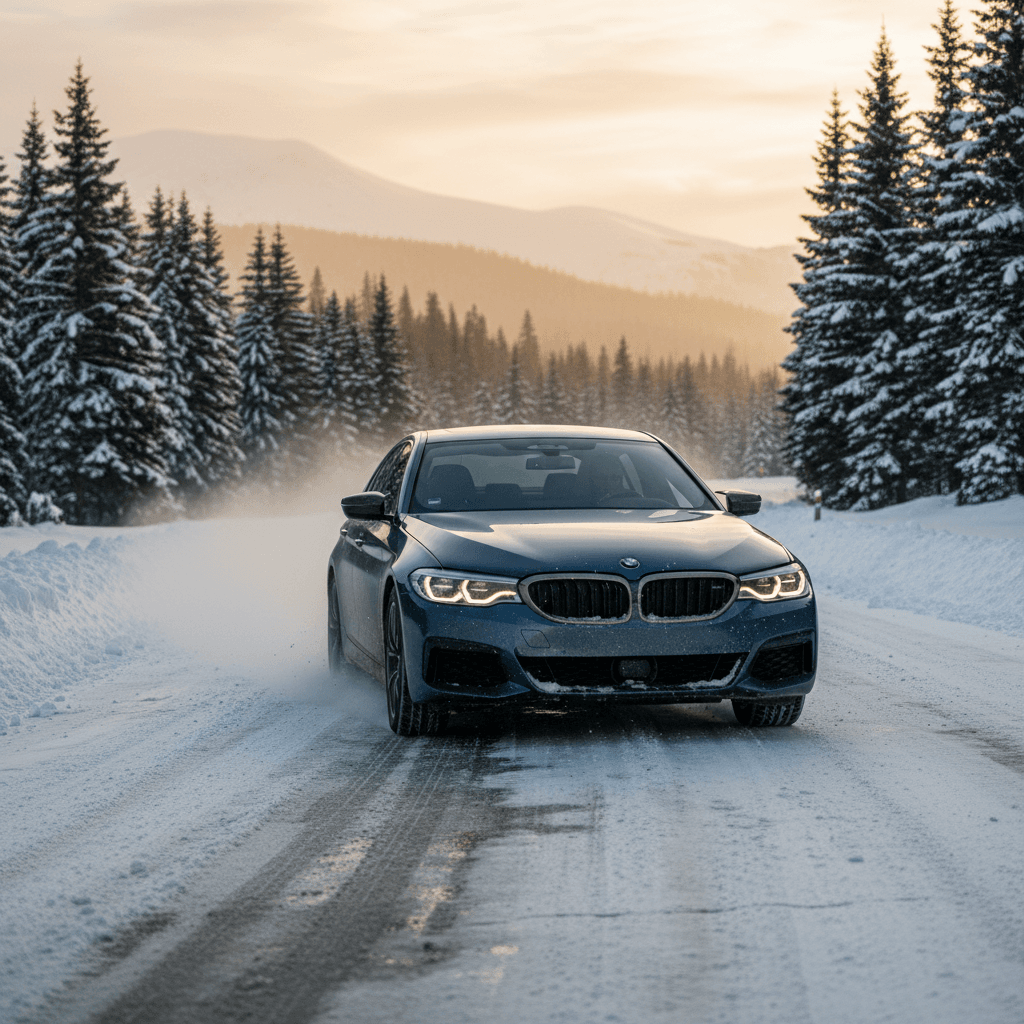
If you live where roads turn white a few times each year, it’s natural to ask whether the BMW i5 is best for snow and ice or if you’re better off with something else. The short answer: a properly equipped i5 can be a confident, comfortable winter car, but only if you choose the right version and take winter tires seriously.
Quick Take
BMW i5 in Snow and Ice: Big Picture
Under the skin, the i5 is essentially the electric version of BMW’s 5 Series sedan. That brings a long wheelbase, a relatively low center of gravity thanks to the battery pack, and sophisticated traction and stability control. Those are all positives for winter driving. But like any performance‑leaning luxury sedan, the details, drive layout, tires, and ground clearance, make or break its behavior in real snow and on slick ice.
BMW i5 Winter-Driving Fundamentals
So if your winters mostly mean plowed streets, packed snow, and the occasional icy morning, the i5 is a compelling choice. If you regularly drive through 8–10 inches of unplowed snow on a steep dirt road, you’re better off in a taller SUV, electric or otherwise.
Which BMW i5 Is Best for Winter Driving?
BMW i5 Trims Ranked for Snow and Ice
Assuming proper winter tires in all cases
Best: i5 xDrive40 or i5 M60 xDrive
Dual motors and xDrive all‑wheel drive give you sure‑footed traction when you’re pulling away on snowy intersections or merging on a slick highway on‑ramp.
Ideal for drivers in the Snowbelt, ski‑trip families, and anyone regularly dealing with slush and packed snow.
Good: i5 eDrive40 (RWD) with winter tires
Rear‑drive i5s can be perfectly usable in light to moderate snow, but only on a good set of winter tires and with a gentle right foot.
Best for milder winter climates or drivers who rarely encounter steep, icy grades.
Avoid: Summer tires in any climate
Whether it’s an xDrive or eDrive, the i5 on summer performance tires will be poor in snow and nearly useless on ice.
If you see freezing temperatures, plan on a separate winter or all‑weather setup.
From a pure winter‑confidence standpoint, the i5 xDrive40 (and the more powerful M60 xDrive) are the best-balanced choices. They combine AWD traction, strong performance, and the same everyday refinement that makes the i5 such a pleasant daily driver in July.
Think climate first, trim second
xDrive40 vs eDrive40: AWD or RWD for Snow?
BMW i5 xDrive40 / M60 xDrive (AWD)
- Two electric motors, one at each axle, give fully variable front/rear torque split.
- BMW’s xDrive with DSC constantly monitors wheel slip and can cut power or shift torque in fractions of a second.
- Feels secure pulling away on snowy intersections and accelerating on slick, cambered off‑ramps.
- More stable under power on mixed surfaces, one side snow, one side pavement.
BMW i5 eDrive40 (RWD)
- Single rear motor, classic BMW rear‑drive balance.
- On winter tires and with smooth inputs, it can be surprisingly capable in light snow.
- More prone to loss of traction on steep, icy hills, especially from a standstill.
- Driver technique matters more, gentle throttle, anticipate stops, avoid sudden steering.
BMW’s current xDrive software for the i5 borrows from its best practices on the X5 and other SUVs, with traction control working closely alongside the stability system. You don’t need to think about torque splits or slip angles; you just feel the car pull itself straight and true, even when conditions aren’t ideal.
AWD isn’t magic
Tires, Wheels, and the Setup That Matters Most
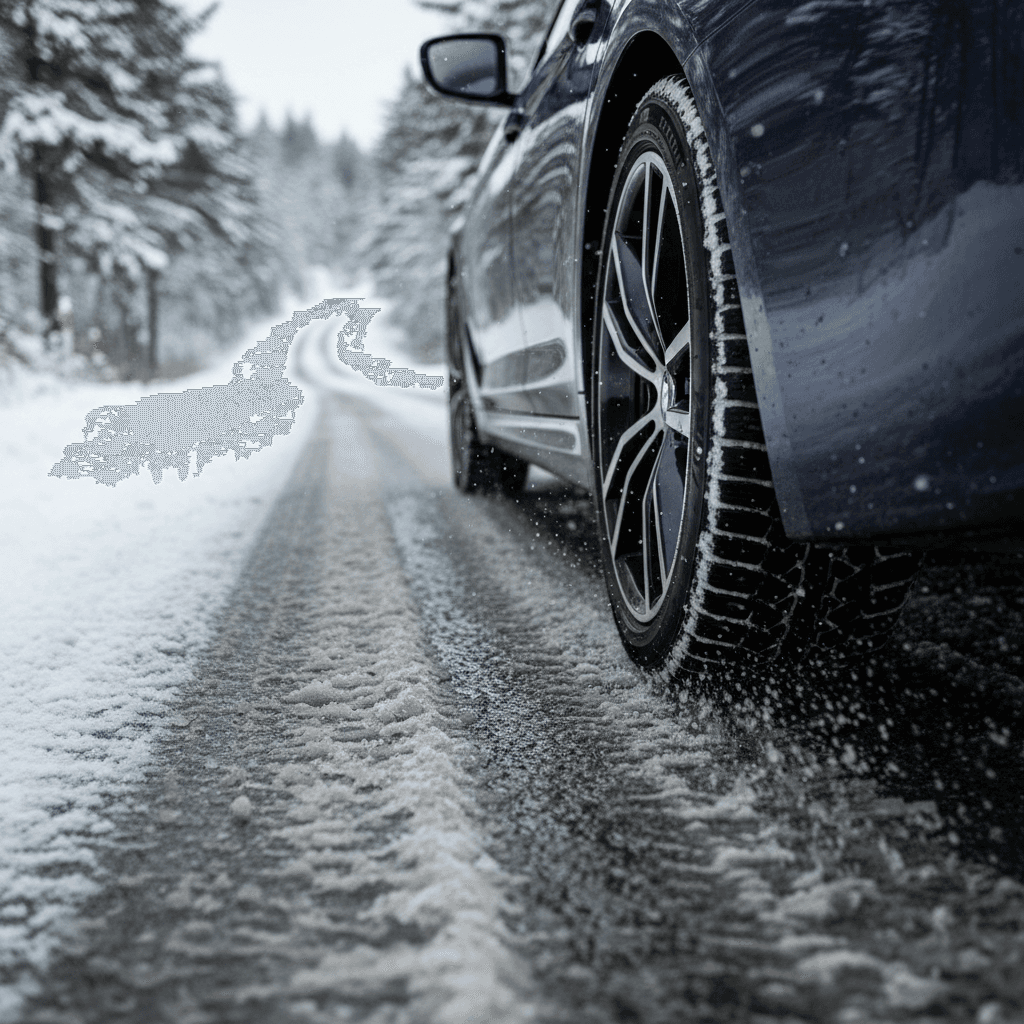
If there’s one place not to skimp on a BMW i5 for winter, it’s tires. The car’s weight, instant torque, and sophisticated electronics can only work with the grip they’re given. For real winter use, you want either dedicated winter tires or at least severe‑snow‑rated all‑weather tires, ideally on a narrower wheel than your summer setup.
- Look for the three‑peak mountain snowflake (3PMSF) symbol on the sidewall for severe‑snow rating.
- If your i5 came with 20" or 21" performance wheels, consider a separate 18" or 19" winter wheel set to run narrower tires for better snow bite.
- Avoid wide, low‑profile summer performance tires once temperatures drop consistently below 45°F (7°C).
- Set cold tire pressures according to the door‑jamb sticker, and recheck as temperatures swing; cold snaps can drop pressures notably.
- For mostly ice‑covered roads, prioritize winter tires known for ice traction, not just deep‑snow ability.
The winning combo
Ground Clearance, Weight, and Handling on Slick Roads
The i5 rides lower than most SUVs, with roughly 5.7–5.9 inches of ground clearance depending on wheel and suspension package. That’s typical for a midsize luxury sedan and perfectly adequate for plowed city streets and highways, but it’s not a snow‑bank climber.
- Low center of gravity: The battery pack helps the i5 stay composed in quick lane changes or emergency maneuvers on slick roads.
- Weight cuts both ways: Extra mass helps press the tires into the surface for traction, but it also increases stopping distances if you over‑speed for conditions.
- Deep snow is still a problem: Once snow depth approaches the car’s belly, you risk high‑centering and packing snow into the wheel wells and underbody.
- Steep unplowed driveways: If your daily commute includes one, consider whether a higher‑riding EV or plug‑in hybrid SUV might better serve you.
Sedan vs SUV reality check
BMW i5 Winter Tech: Traction, Drive Modes, and Comfort
The i5’s software ecosystem does a lot of invisible work to keep you out of trouble. Traction control, stability control, and the electric powertrain all talk to each other constantly to manage torque and keep the car pointed where you intend.
Useful BMW i5 Features for Winter
Most of these are standard or common on U.S.‑market cars
Pre‑conditioning
Using the app or in‑car schedule, you can pre‑heat the cabin and battery while plugged in. That means warm seats, defrosted glass, and more available range before you ever leave the driveway.
Traction and stability systems
The i5’s DSC (Dynamic Stability Control) and traction control modulate power at the individual wheel level, especially on xDrive models. For winter, leave the systems on; they’re tuned to rescue minor mistakes before they become spins.
Heated comfort features
Heated seats, a heated steering wheel, and in some markets heated windshield zones keep you comfortable without blasting cabin heat as much, helpful for preserving range.
Drive mode for winter
Cold-Weather Range and Charging Behavior
Every EV loses range in winter, and the BMW i5 is no exception. Between battery chemistry, denser cold air, and cabin heating, you can expect a noticeable drop from the EPA rating once temperatures head toward freezing and below.
- Plan on roughly 20–35% less real‑world range in sustained cold, especially at highway speeds.
- Short, stop‑and‑go trips in very cold weather can be even less efficient because the car keeps reheating the cabin and battery.
- Use pre‑conditioning while plugged in to warm the cabin and battery before departure instead of spending on‑road energy doing it.
- If you DC fast‑charge on road trips, the i5 will warm the battery ahead of arrival when you set the charger as a navigation destination, crucial for maintaining decent charge speeds in winter.
Don’t cut it close
Buying a Used BMW i5 for Snow: What to Look For
If you’re shopping the used market, you can absolutely find a BMW i5 that’s well‑suited to snow and ice. But you’ll want to look beyond color and options list and focus on a few winter‑specific details.
Used i5 Winter-Buying Checklist
Confirm xDrive vs eDrive
If you want maximum winter confidence, prioritize an <strong>xDrive40 or M60 xDrive</strong>. Rear‑drive eDrive40 cars can work, but make sure that matches your climate and expectations.
Inspect tires and wheel sizes
Ask what tires are included: are they summer, all‑season, or winter? A second set of winter wheels and tires is a real value add if you live where it snows regularly.
Check underbody and wheel wells
Look for damage from past winters, scraped undertrays, cracked plastic liners, or corrosion from road salt. These are common in snowbelt states and worth catching early.
Review range and battery health
Because cold slashes range, you want to understand the car’s actual battery condition. A <strong>Recharged Score battery health report</strong> gives you a transparent view of capacity before you buy.
Test drive in poor traction if possible
On a rainy or slushy day, pay attention to how cleanly the i5 pulls away from a stop, how the traction control intervenes, and whether straight‑line braking feels predictable.
Plan financing and winter setup together
When you run the numbers, budget for a proper winter tire package alongside your <strong>loan or lease</strong>. At Recharged, you can roll that into the deal to keep things simple.
Because Recharged focuses on used EVs specifically, every BMW i5 on the platform comes with a Recharged Score Report that spells out battery health and fair market pricing. That helps you understand how much winter range you can realistically expect, not just what the window sticker once claimed.
Winter Setup Checklist for Your BMW i5
Whether you already own an i5 or are about to bring a used one home, here’s a straightforward winterization plan you can work through over a weekend.
Owner’s BMW i5 Winter Setup Checklist
1. Choose the right tires
Select a set of <strong>3PMSF‑rated winter or all‑weather tires</strong> on appropriately sized wheels. Narrower is usually better for snow, and separate winter wheels protect your summer set.
2. Set up pre‑conditioning in the app
Add your home and work as charging locations and create departure schedules so the i5 pre‑heats its cabin and battery while still plugged in.
3. Dial in driver profiles for winter
Save a winter profile that uses Comfort or Eco drive modes, gentler steering weight, and your preferred seat and steering‑wheel heat settings.
4. Update charging and range habits
In cold months, aim to start trips with a higher state of charge and build in more frequent, shorter DC fast‑charge stops if you road‑trip.
5. Carry a simple winter kit
Keep an ice scraper, gloves, small shovel, and charging‑cable cleaner in the trunk. Snow and de‑icing chemicals on connectors can lead to charging hiccups.
6. Rinse off road salt regularly
Hit a touchless wash or spray‑off bay every week or two when roads are salted. Pay attention to the i5’s underbody, wheel arches, and door sills.
BMW i5 Winter Driving: Frequently Asked Questions
Common Questions About the BMW i5 in Snow and Ice
Bottom Line: Is the BMW i5 Good in Snow and Ice?
If you’re trying to decide whether a BMW i5 is best for snow and ice, focus less on the nameplate and more on the configuration. In an xDrive40 or M60 xDrive with proper winter tires, the i5 is a poised, confident winter sedan that shrugs off most storms you’ll actually choose to drive through. The rear‑drive eDrive40 can still be a fine choice in milder climates or for drivers willing to plan around big storms and invest in the right rubber.
If you’re shopping used, platforms like Recharged make the process simpler: every car comes with a Recharged Score Report that clarifies battery health and pricing, and EV‑savvy specialists can help you choose the trim and tire setup that fits your winter reality. Get those fundamentals right, and a BMW i5 can be as reassuring on a freezing February commute as it is enjoyable on a warm June evening.