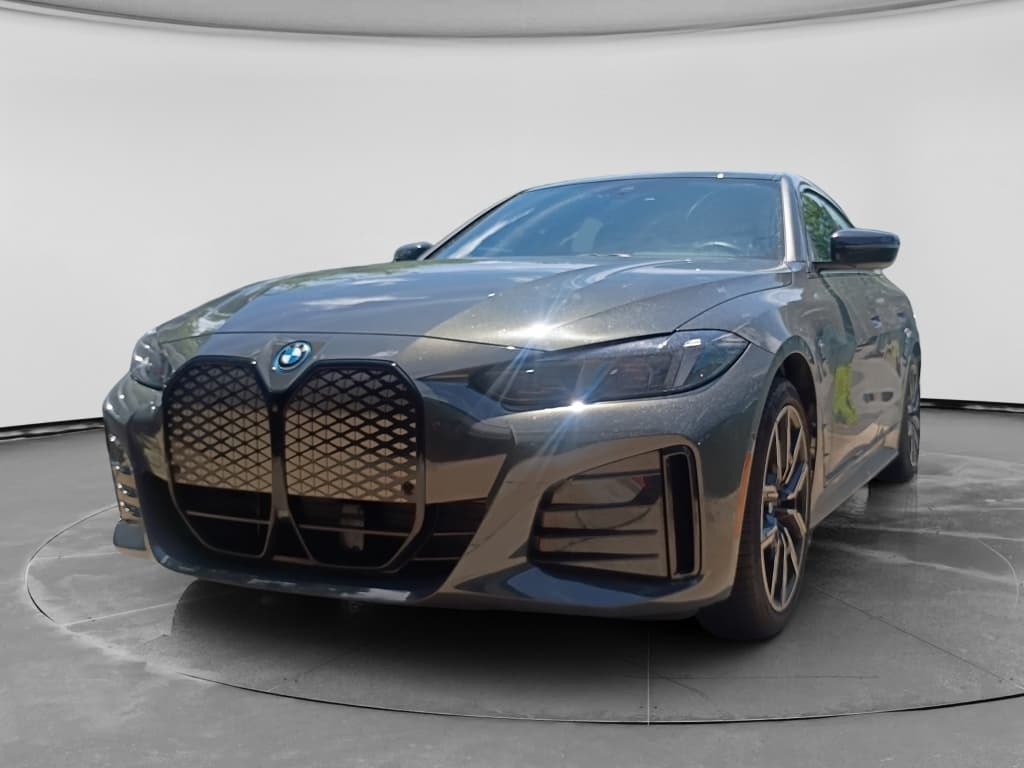
If you’re looking at a BMW i4 and wondering how much it can tow, and what that does to your driving range, you’re not alone. The i4 blends classic BMW dynamics with a modern EV powertrain, but its towing capacity and range vary quite a bit by trim, wheels, and how you drive. This guide walks through the BMW i4 towing capacity and range in plain language so you can plan road trips, choose the right trailer, or shop for a used i4 with confidence.
Quick answer
BMW i4 towing and range: overview
BMW i4 at a glance: towing and range
What matters before you hitch up a trailer
Towing capability
BMW engineered the i4’s chassis and cooling system to support light to moderate towing when properly equipped. Official guidance caps towing at 1,600 kg (≈3,500 lb) with a braked trailer, plus up to 75 kg on the roof.
Always verify your specific trim’s rating in the owner’s manual and local regulations before towing.
Range envelope
Depending on trim and wheels, EPA‑rated combined range for recent i4 models runs from about 227 miles (M50 on 20" wheels) up to 307 miles (xDrive40 on 18" wheels).
Towing, high speed, cold weather, and big wheels can all chip away at these numbers.
Before you tow
BMW i4 official towing capacity
Unlike many early EVs that were “no‑towing” on paper, the BMW i4 platform supports towing in markets where it’s been homologated. BMW’s global technical data calls out a maximum braked trailer capacity of 1,600 kg (around 3,527 lb) and an unbraked trailer limit that’s typically lower (often ~750 kg, or 1,650 lb). There’s also a 75 kg (165 lb) roof‑load rating, useful for bike racks or a small roof box.
Typical BMW i4 towing limits (reference values)
Always confirm the exact figures for your model year, market, and VIN in the official owner’s manual.
| Configuration | Braked trailer limit | Unbraked trailer (typical) | Roof load (max) | Notes |
|---|---|---|---|---|
| All BMW i4 trims (where towing approved) | 1,600 kg (≈3,500 lb) | ≈750 kg (≈1,650 lb) | 75 kg (≈165 lb) | Requires BMW‑approved tow bar and wiring |
| Tongue weight | Typically 80–100 kg (175–220 lb) | , | , | Check your towbar label and owner’s manual |
| Roof accessories only | , | , | 75 kg (≈165 lb) | Includes rack, box, and cargo weight combined |
Braked trailer capacity is the headline number, but pay attention to tongue weight and payload too.
U.S. fine print
- Check your exact model year owner’s manual before assuming you can tow.
- Use a BMW‑approved hitch and wiring where available; quality aftermarket options should match or exceed OEM specs.
- Stay well under the 1,600 kg (≈3,500 lb) cap if you’ll be in hot climates, mountains, or running near max passenger/cargo weight.
BMW i4 range by trim and wheel size
Range is where the BMW i4 really differentiates by trim and wheel choice. With the 2024 model‑year lineup, EPA ratings span from a low of 227 miles to a high of 307 miles on a full charge, largely depending on battery size, drive layout, and wheel diameter.
EPA‑rated range window for recent BMW i4 models
2024 BMW i4 EPA range by trim and wheels
These are EPA combined estimates for 2024 i4 models. Earlier model‑year numbers are similar but can differ slightly.
| Trim (2024) | Drive | Battery (approx net) | Wheels | EPA range (combined) |
|---|---|---|---|---|
| eDrive35 | RWD | ≈70 kWh | 18" | 276 miles |
| eDrive35 | RWD | ≈70 kWh | 19" | 252 miles |
| eDrive40 | RWD | ≈83–84 kWh | 18" | 301 miles |
| eDrive40 | RWD | ≈83–84 kWh | 19" | 283 miles |
| xDrive40 | AWD | ≈83–84 kWh | 18" | 307 miles |
| xDrive40 | AWD | ≈83–84 kWh | 19" | 279 miles |
| M50 | AWD | ≈83–84 kWh | 19" | 269 miles |
| M50 | AWD | ≈83–84 kWh | 20" | 227 miles |
Wheel size alone can swing range by 15–20% on the same powertrain.
Wheel choice matters
Looking slightly ahead, BMW has previewed range improvements for the 2026 i4 that could add roughly 5% more range to the main trims. But if you’re shopping in 2025, the table above is the right ballpark for the cars you’ll actually find on dealer lots and in the used market.
How towing affects BMW i4 range
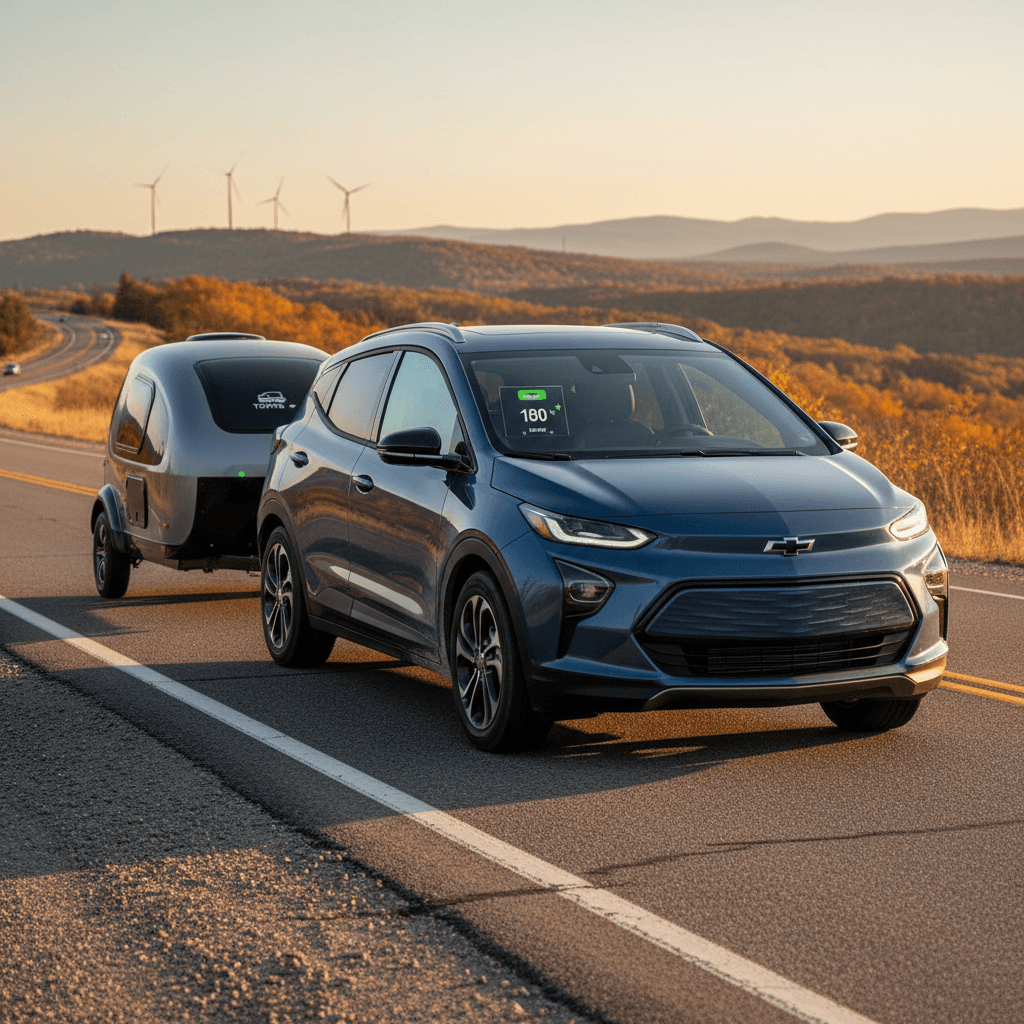
Towing doesn’t change the chemistry of the i4’s battery, but it absolutely changes how fast you use energy. You’re asking the motors to move more mass through the air and up hills, and you’re adding aerodynamic drag with a trailer or bike rack. The result is that your effective range shrinks, often by 30–50% depending on what you’re pulling and how you drive.
Light trailers (≈1,000–1,500 lb)
Think small utility trailers, lightweight teardrops, or two bikes plus gear:
- Range hit: Commonly 25–35% reduction at highway speeds.
- Best case: Urban/suburban speeds, conservative driving, 18" wheels.
- Example: eDrive40 on 18" wheels might drop from 301 mi EPA to roughly 190–220 mi of usable highway range when lightly loaded.
Heavier trailers (≈2,000–3,500 lb)
Small campers, heavier cargo, or a trailer with poor aerodynamics:
- Range hit: More like 40–50%+ at 65–70 mph.
- Thermal load: Long highway grades in hot weather can stress cooling systems.
- Example: xDrive40 rated at 307 mi EPA may feel more like 150–180 mi between comfortable DC‑fast‑charge stops.
Watch temps on long grades
Real‑world factors that change your i4’s range
Even without a trailer, the BMW i4’s range can shift a lot between a mild‑weather suburban commute and a 75‑mph winter interstate run. Add towing on top of that and it’s worth understanding the levers you can actually control.
Biggest range influencers on a BMW i4
Towing or not, these are the dials you’re constantly turning
Speed
Aerodynamic drag rises exponentially with speed. Going from 65 to 75 mph can easily cost you 10–20% of your range, more with a tall trailer.
Temperature
Cold batteries are less efficient and need more energy for cabin heat. In sub‑freezing conditions, expect 15–30% less range, sometimes more if you do lots of short trips.
Wind & profile
A boxy trailer or strong headwind can feel like driving uphill forever. Low, sleek loads (bikes behind the car, teardrop campers) are much kinder to range.
Wheel & tire setup
Big, sticky tires look great and handle well but they add rolling resistance. On the i4, stepping up from 18" to 20" wheels can cost 15–20% range.
Driving style
Gentle acceleration, early coasting, and using Eco Pro mode all help. Hammering Sport Boost with a trailer on the back is a quick way to meet the next charger.
Charging strategy
Staying in the 10–80% state‑of‑charge band and preconditioning the pack before DC fast charging keeps average speeds and trip times reasonable, even when towing.
Aim for energy, not miles
Planning trips in a BMW i4 while towing
Once you understand the i4’s towing limits and range envelope, the game becomes trip planning. You’re essentially trading speed for flexibility: slower speeds and lighter trailers buy you more options in terms of where you can stop and how often you have to charge.
Checklist for towing road trips in a BMW i4
1. Start with a conservative range estimate
If your unloaded i4 typically does ~280 miles on a full charge, assume half that or less with a mid‑weight trailer at highway speeds. You can always revise upward later.
2. Plan chargers along your trailer route
Use EV‑specific planners (A Better Routeplanner, PlugShare, or native BMW tools) and filter for chargers near highways with easy trailer access, big parking lots, rest areas, and truck‑friendly sites.
3. Charge between 10–80%
The i4’s DC charge curve is strongest in the middle of the battery. Plan more frequent, shorter stops instead of deep charges to 95–100%, especially when towing and time‑constrained.
4. Budget extra time in headwinds or mountains
If your plan barely works in ideal conditions, it won’t work in a 20‑mph headwind or at 7,000 feet. Build in a buffer so you’re not white‑knuckling it to every charger.
5. Mind weight distribution and tongue load
Keep heavy items low and close to the trailer axle, stay within tongue‑weight specs, and double‑check your i4’s payload once passengers and cargo are onboard.
6. Practice maneuvering and braking
Even with strong regenerative braking, you still need margin. Practice low‑speed maneuvers and emergency stops with your trailer in a safe area before heading onto busy highways.
Good use cases for i4 towing
Does towing hurt BMW i4 battery health?
The good news is that towing, by itself, doesn’t do anything magical or uniquely harmful to the i4’s battery. What matters are the same fundamentals that affect any EV’s long‑term health: average state of charge, time spent at 100%, temperature, and how hard you regularly push the pack.
What towing changes
- More frequent DC fast charges, often from lower states of charge.
- Higher average power demand on long grades and hot days.
- Potentially more time keeping the pack warm or cool.
How to protect the pack
- Use Eco Pro or Comfort instead of Sport when towing.
- Aim to live in the 10–80% SoC band most of the time.
- Don’t immediately fast‑charge from 0–5% straight to 100% unless you truly need every mile.
Battery diagnostics on used i4s
Buying a used BMW i4: towing and range checks
In the used market, you’re not just buying a spec sheet, you’re buying a history. Two i4s with identical EPA ratings can behave very differently on the road depending on how they were driven, charged, and (if applicable) used for towing.
Key questions to ask about a used BMW i4
Especially important if you plan to tow or road‑trip
1. What’s the real‑world range today?
Ask the seller what they typically see on a full charge in their mixed driving, not just the guess‑o‑meter. On a healthy 2024 i4 eDrive40, seeing 250–280 miles in fair weather is a good sign.
2. Any battery health documentation?
Look for third‑party or OEM battery reports, not just anecdotes. With Recharged, every EV includes a Recharged Score Report that quantifies battery health against similar vehicles.
3. Has the car towed regularly?
Towing itself isn’t a deal‑breaker, but heavy, frequent towing may correlate with more DC fast charging and thermal stress. Ask what kind of trailer, how often, and on what routes.
4. How was it charged?
Daily Level 2 home charging and occasional DC fast charging is ideal. A life lived almost entirely on 200‑kW fast chargers is harder on the pack, especially in hot climates.
Leaning on experts
BMW i4 towing capacity & range: FAQ
Frequently asked questions about BMW i4 towing and range
Key takeaways on BMW i4 towing and range
The BMW i4 can absolutely tow, up to around 3,500 lb braked on paper, but it’s happiest as a light‑duty tow vehicle. Pair it with small, aerodynamic trailers, keep the 18‑inch wheels, and drive at sane speeds and you’ll preserve a useful chunk of its 227–307‑mile EPA range window. Push the limits on trailer weight, wheel size, and speed, and your effective range will shrink fast.
If you’re already an i4 owner, the key is to treat towing and long trips as an energy‑management problem: know your consumption, build in margin, and take advantage of the i4’s strong DC‑fast‑charging performance. If you’re shopping used, don’t just read the brochure, look at real‑world range, battery diagnostics, and towing history so you know what you’re getting. That’s exactly what Recharged is built for: transparent battery health, fair pricing, and EV‑savvy guidance to help you find the right i4 for the way you actually drive, and tow.