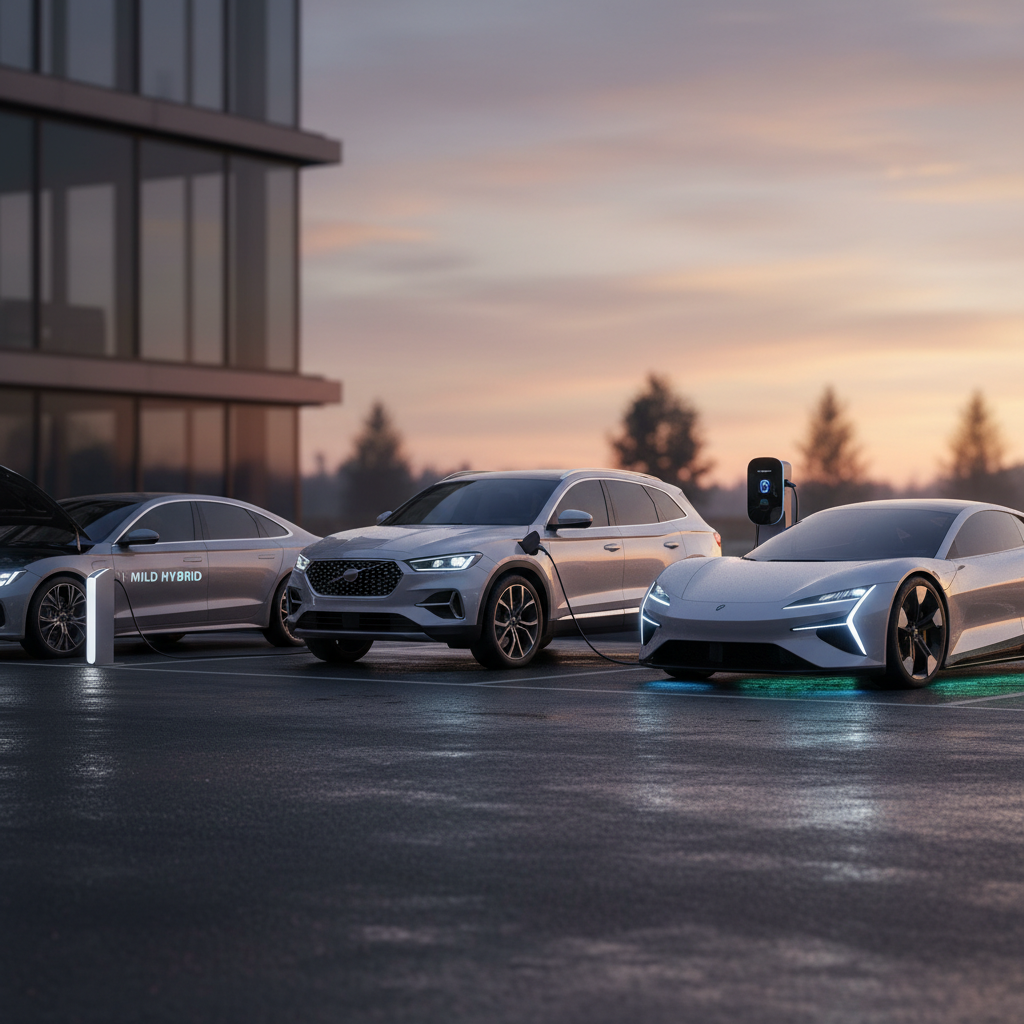
If you’re wondering what happens to an electric vehicle battery after it comes out of the car, you’re not alone. With EV adoption surging, there’s a growing wave of used packs that are too worn out for long-range driving, but still too valuable to simply shred. That’s where second-life EV batteries come in: giving those packs a new career in everything from home backup power to grid-scale storage.
In a nutshell
What Are Second-Life EV Batteries?
An EV battery’s first life is in the vehicle, where it has to deliver strong acceleration, fast charging, and predictable range in all kinds of conditions. Over time, the pack loses capacity, typically a few percent per year, until it no longer meets the automaker’s targets for range or power. At that point, the vehicle might be traded in, scrapped, or receive a replacement pack. But that doesn’t mean the battery is dead.
A second-life EV battery is that same pack, removed from the car, inspected, tested, and then repurposed for a new job. Instead of pushing a two‑ton vehicle down the highway at 70 mph, it might sit in a cabinet or shipping container, slowly charging and discharging to support a building, solar array, or the power grid.
- First life: traction battery in an EV, optimized for power, range, and fast charging.
- Second life: repurposed battery, optimized for energy storage where weight, volume, and peak power matter less.
- End of life: when degradation, damage, or economics make further reuse impractical, the pack is dismantled and materials are recycled.
Key idea
Why EV Batteries Still Have Life Left After the Car
Automakers tend to design EV batteries very conservatively. In practice, most drivers consider a pack to be “worn out” for automotive use when it has lost around 20–30% of its original capacity. That’s painful for road trips, but in many cases the battery still has decades of useful life left in less demanding roles.
How Much Life Is Left in “Retired” EV Packs?
The reason this works is simple: stationary storage is far easier on batteries than driving. Batteries in cars see large swings in temperature, high charge and discharge rates, and deep cycles. In a warehouse, on a microgrid, or behind a home, they can be kept in a narrow state‑of‑charge window, at moderate temperatures, and cycled predictably, conditions that dramatically extend useful life.
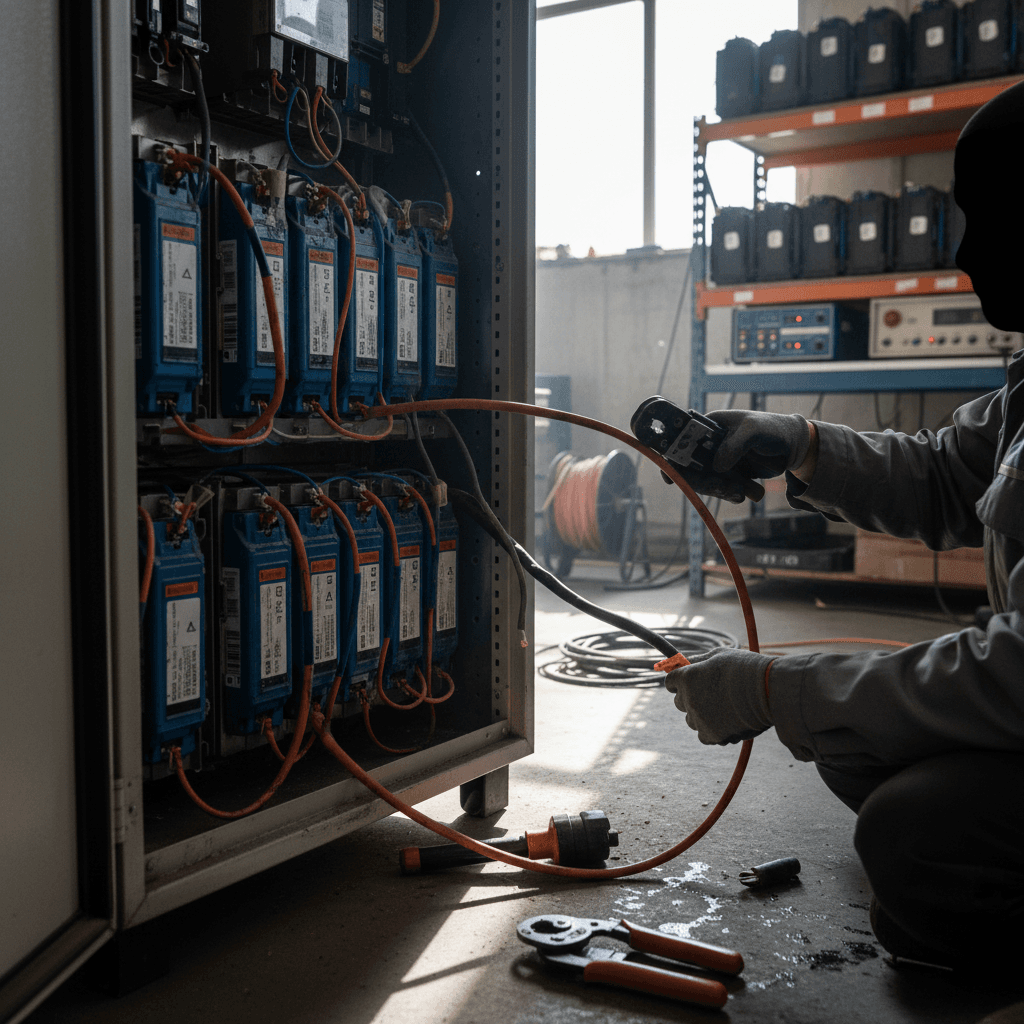
From Car to Storage: How Second Life Works
Giving an EV battery a second life isn’t as simple as yanking it from a car and plugging it into a building. Specialized companies and automakers follow a multi‑step process to ensure safety, reliability, and bankable performance.
The Second-Life EV Battery Journey
1. Collection and logistics
Packs arrive from end‑of‑life vehicles, dealer warranty swaps, fleet retirements, or recall campaigns. They’re logged, tracked by serial number, and transported under strict hazardous‑materials rules.
2. Initial inspection & triage
Technicians visually inspect packs for damage, swelling, or signs of abuse. Anything with serious damage, internal shorts, or flood exposure is usually sent straight to recycling.
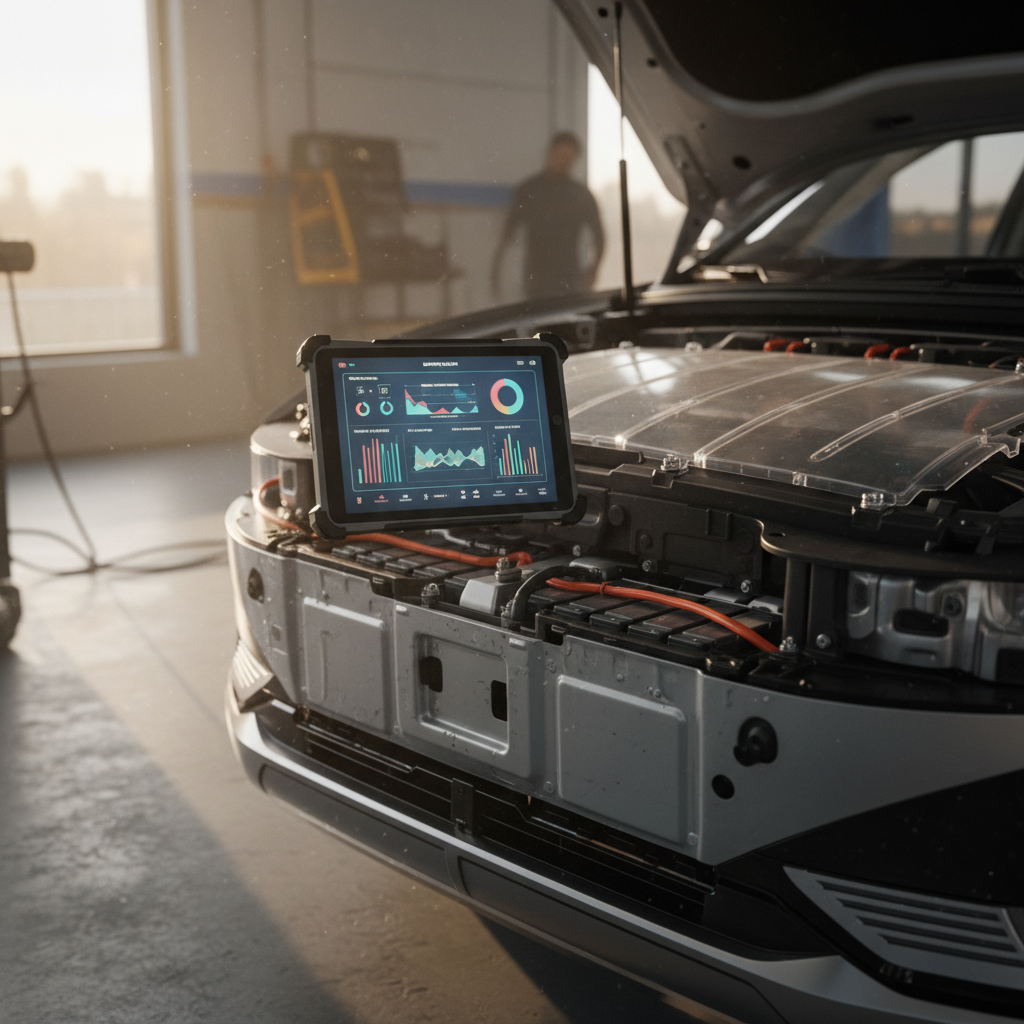
3. Electrical testing & diagnostics
Remaining packs are tested for capacity, internal resistance, leakage, and safety. Battery management system (BMS) data is often downloaded to understand how the pack was used over its life.
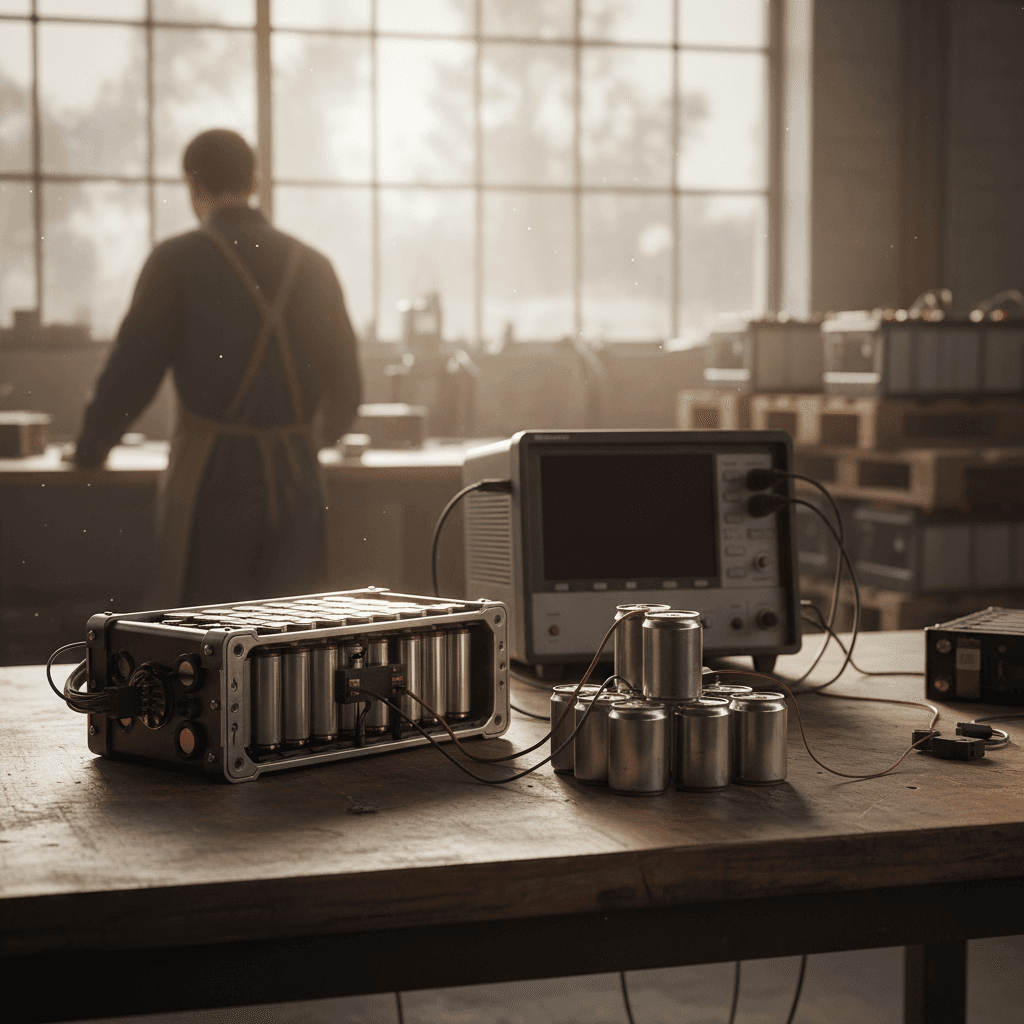
4. Disassembly into modules or cells
Most EV packs are modular. Usable modules are separated, while weak or damaged ones are removed. This “re‑binning” step is critical to build balanced, reliable second‑life systems.
5. Integration into new systems
Qualified modules are assembled into cabinets, containers, or racks with new power electronics, safety systems, and controls tailored to the specific project (home, commercial, microgrid, etc.).
6. Certification, monitoring & eventual recycling
Systems are certified to relevant standards, monitored remotely, and operated for years. When performance falls below target, modules are finally sent to recyclers to recover lithium, nickel, cobalt, and copper.
Why diagnostics matter
Where Second-Life EV Batteries Are Used Today
If you think second‑life batteries are just a lab experiment, it’s time to update that mental model. Automakers like Nissan and Renault, utilities, and specialists like Redwood Materials have already deployed second‑life systems at meaningful scale. The sweet spots are applications where energy matters more than peak power and weight or space aren’t critical.
Four Big Use Cases for Second-Life EV Batteries
From homes to data centers, second life is already doing real work
Home & small commercial storage
Second‑life batteries can pair with rooftop solar to:
- Store daytime solar for evening use
- Provide backup during outages
- Reduce demand charges for small businesses
Because cycle rates are predictable and power needs are modest, slightly degraded packs work well here.
Building & campus microgrids
Larger installations, office parks, factories, schools, use second‑life packs to:
- Shave peaks and lower utility bills
- Island critical loads during blackouts
- Integrate onsite solar or wind
These systems often sit in shipping containers or dedicated battery rooms.
Renewable energy & grid balancing
Wind and solar are variable; the grid likes predictability. Second‑life storage helps by:
- Smoothing renewable output
- Shifting energy from low‑demand to high‑demand hours
- Providing fast-response services like frequency regulation
Data centers & specialized loads
As AI and cloud computing explode, some operators are pairing second‑life packs with generators or renewables to:
- Reduce reliance on diesel
- Buffer sudden load changes
- Lower the cost of backup power capacity
Real-world scale
Second Life vs. Recycling: What’s the Difference?
Second life (reuse)
- Goal: Extract more useful work from an existing battery pack before it’s dismantled.
- Pros: Lower upfront cost than brand‑new batteries, extends asset life, defers the environmental and energy cost of recycling.
- Best for: Packs with decent remaining capacity, no major safety issues, and predictable use‑cases.
Recycling
- Goal: Recover raw materials, lithium, nickel, cobalt, copper, aluminum, for new batteries or other products.
- Pros: Reduces mining demand, secures supply chains, handles heavily degraded or damaged packs safely.
- Best for: Very old, damaged, or uneconomical packs that can’t justify a second life.
It’s not an either‑or choice. Every pack will eventually be recycled. The question is whether it spends an extra 5–15 years in a second‑life application first, generating value and displacing new battery production.
Policy backdrop
Economics of Second-Life EV Batteries: How Much Value Is Left?
From an economics perspective, the attraction of second‑life batteries is straightforward: most of the cost of a battery is in its materials and manufacturing. If you can extract more years of useful service from that same hardware, the cost per kilowatt‑hour delivered over its lifetime drops.
Where the Value Comes From in Second-Life Batteries
How second‑life packs can pencil out for different stakeholders
| Stakeholder | Value from Second Life | Hidden Benefits |
|---|---|---|
| EV owner / fleet | Higher residual value for the pack, lower total cost of ownership | Potential future trade‑in or recycling credits as take‑back programs mature |
| Second‑life integrator | Lower cost per kWh of storage compared with new batteries | Ability to offer competitively priced systems into cost‑sensitive markets |
| Utility / site host | Bill savings (demand charge reduction, time‑of‑use arbitrage), resilience | Defers substation upgrades, supports renewable integration |
| Society / environment | Lower material demand per kWh delivered over full life | Reduced mining impacts, fewer packs landfilled or mis‑handled |
Numbers are illustrative, but the value stack structure is broadly representative.
Rule of thumb
Risks, Limits, and the Regulatory Picture
Second‑life batteries are promising, but they’re not magic. There are real technical, safety, and regulatory challenges that have to be managed carefully. That’s why serious players in this space look less like scrap dealers and more like engineering firms and utilities.
Key Challenges With Second-Life EV Batteries
Why this isn’t a DIY science project
1. Safety & liability
Used batteries can hide damage or manufacturing defects. Integrators must:
- Thoroughly test for internal shorts and thermal issues
- Design robust fire detection and suppression
- Carry appropriate insurance and warranties
2. Standards & regulation
Second‑life systems must comply with:
- Electrical and building codes (e.g., NFPA, NEC)
- Transportation and hazardous‑materials rules
- Emerging standards for repurposed batteries
Regulators are still catching up, which can slow permitting.
3. Performance uncertainty
Every pack has a unique history. Variations in:
- Driving and fast‑charging habits
- Climate and storage conditions
- Previous repairs or recalls
make forecasting lifetime and degradation more complex.
Don’t cut corners
What Second Life Means for EV Owners and Used Buyers
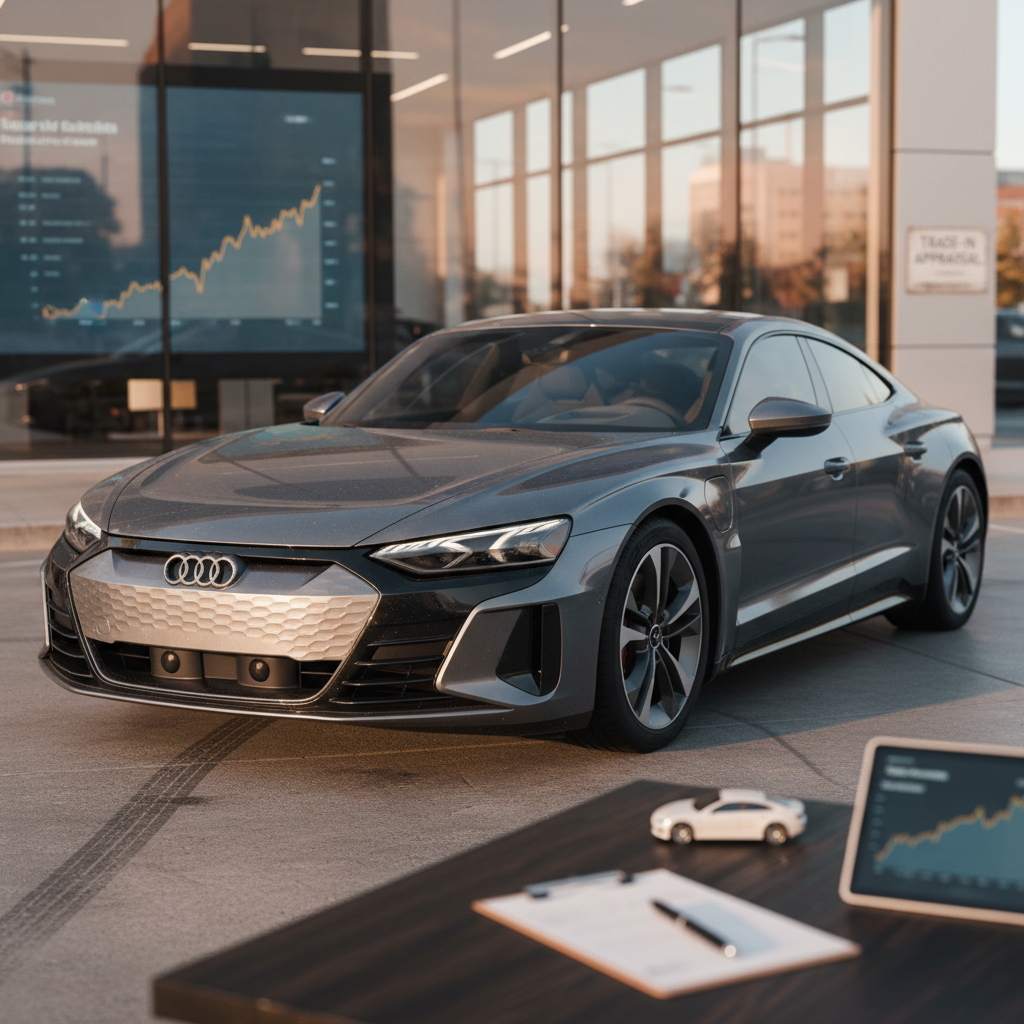
So how does all of this affect you if you own, or are considering buying, a used EV? You’re not going to pull the pack from your car and turn it into a backyard microgrid yourself, but second‑life markets can still influence your ownership experience and resale value.
- As second‑life markets mature, healthy used packs should carry more value, supporting stronger trade‑in offers over time.
- Automakers and recyclers are experimenting with take‑back programs where they assume responsibility for your pack at end‑of‑life, sometimes with financial incentives.
- Knowing that your battery will be repurposed and then recycled can make the environmental math of driving an EV even more compelling.
Battery health matters
How Recharged Thinks About Battery Lifecycle
At Recharged, we look at every EV battery as a long‑lived asset with multiple potential careers, not a consumable that gets tossed when range falls a bit. That’s why every vehicle we sell includes a Recharged Score Report with verified battery health, so you can see exactly how the pack has aged and what to expect in the years ahead.
By focusing on transparent battery condition, fair market pricing, and expert EV guidance, we’re effectively building the first half of the lifecycle: getting good vehicles and healthy packs into the right hands. As second‑life and recycling ecosystems mature, that data will also help upstream partners decide which packs should be reused, which should be recycled, and how to extract the most value with the least waste.
Why this helps used EV buyers
If you’re shopping for a used EV, working with an EV‑focused retailer that understands battery diagnostics, financing, trade‑ins, and long‑term value, like Recharged, helps you navigate not just the next few years of ownership, but your battery’s full life story.
FAQ: Second-Life EV Batteries
Frequently Asked Questions About Second-Life EV Batteries
Second‑life EV batteries won’t solve every challenge in the energy transition, but they’re a powerful example of how electrification can feed a genuinely circular economy. The pack that drives your EV today could be keeping someone’s lights on tomorrow and then donating its raw materials to the next generation of batteries after that. Understanding that full lifecycle, from first drive to final recycling, helps you make smarter decisions about which EV to buy, how to care for its battery, and where to shop when it’s time for a used electric vehicle. That’s exactly the kind of long‑view thinking Recharged was built around.