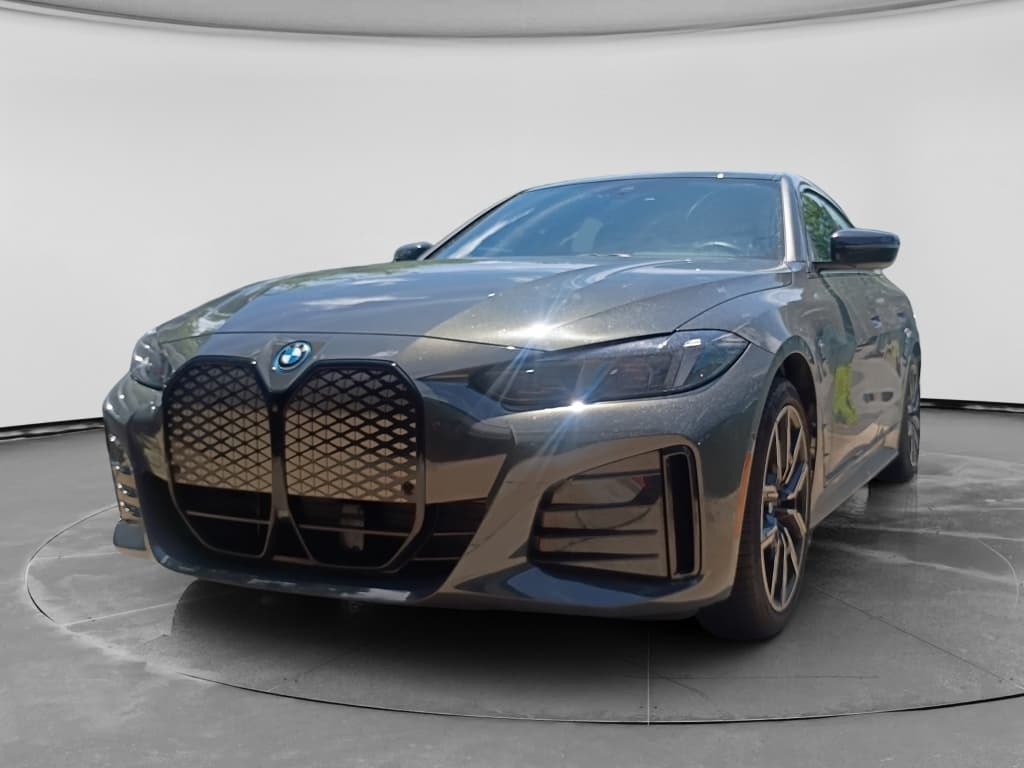
If you own or are considering a BMW i4, the battery warranty details matter just as much as range or 0–60 times. The high‑voltage pack is the most expensive component in the car, and understanding exactly how BMW protects you for years, miles, and battery capacity is crucial, especially if you’re thinking about buying used.
Short answer
BMW i4 battery warranty at a glance
BMW i4 battery & vehicle warranty snapshot
BMW does not market a special, model‑specific battery policy just for the i4. Instead, i4 coverage follows BMW’s broader electric-vehicle warranty structure used across its i‑branded EVs. For 2022–2026 BMW i4s in the U.S., you should expect the familiar combo: a 4‑year / 50,000‑mile new‑vehicle warranty plus a special high‑voltage battery warranty that runs out later, generally at 8 years / 100,000 miles from the original in‑service date.
How the BMW i4 battery warranty works
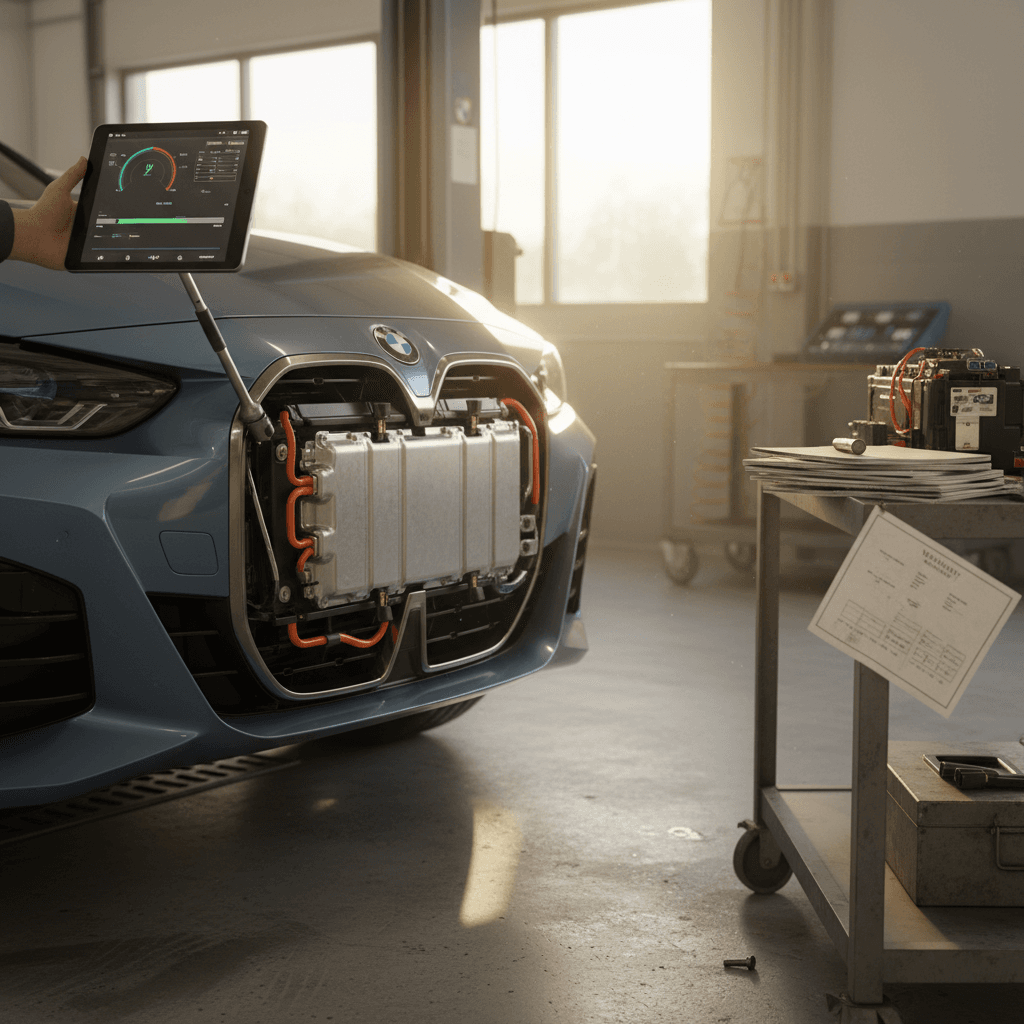
Let’s unpack what the BMW i4 battery warranty really means in day‑to‑day ownership. BMW splits coverage into different layers. The high‑voltage pack and related components get their own long‑term protection on top of the standard bumper‑to‑bumper warranty.
- High‑voltage traction battery: Typically covered for 8 years / 100,000 miles (whichever comes first) against defects in materials or workmanship, and, subject to BMW’s capacity rules, excessive loss of usable energy capacity.
- Battery‑related hardware: Components such as battery modules, the high‑voltage wiring inside the pack, and battery electronics are usually included when the failure is internal to the battery system.
- Start date: Coverage begins when the car is first placed in service (first retail sale, demo, or company use), not when you personally buy it.
- Geography: These terms apply to U.S.‑spec cars; other markets may have different years and mileage limits.
Check your exact model year
It’s also important to separate the legal warranty from the real‑world repair process. Even if you’re technically within the 8‑year / 100,000‑mile window, BMW still has to determine that your issue is due to a warrantable defect or excessive capacity loss, not normal aging, misuse, or accident damage.
What the BMW i4 battery warranty does and does not cover
Typically covered
- Manufacturing defects in the battery cells or modules that cause failure, warnings, or inability to charge.
- Internal short circuits or module failures that are not caused by external damage.
- Battery management electronics inside the pack if they fail due to defects.
- Excessive capacity loss (below BMW’s internal threshold) when within the 8‑year / 100,000‑mile window.
Typically not covered
- Normal degradation over time, as long as remaining capacity stays above BMW’s minimum threshold.
- Collision or impact damage to the pack, including road‑debris strikes.
- Water intrusion from deep water or flooding events.
- Improper modifications or tampering with high‑voltage components, including non‑approved repairs.
- Neglect and abuse, such as ignoring critical battery warnings.
High‑voltage safety note
BMW i4 battery warranty vs. the 4-year new vehicle warranty
A lot of i4 shoppers lump the battery warranty together with the new‑vehicle warranty, but they operate on separate clocks and cover different parts of the car.
BMW i4 warranty layers compared
How the i4’s battery warranty fits alongside the rest of BMW’s protection.
| Coverage type | What it covers | Term (typical U.S.) |
|---|---|---|
| New Vehicle Limited Warranty | Most non‑wear components across the car (electronics, interior, chassis, etc.) | 4 years / 50,000 miles |
| High‑voltage (traction) battery warranty | Defects and abnormal capacity loss in the i4’s main battery pack | 8 years / 100,000 miles |
| Corrosion (rust perforation) | Body panels rusting through from the inside out | 12 years / unlimited miles |
| Maintenance program (Ultimate Care) | Factory‑scheduled maintenance (not repairs) | 3 years / 36,000 miles on recent models |
Both warranties start on the original in‑service date, but the battery warranty usually lasts much longer than the 4‑year basic coverage.
Two clocks running at once
Capacity loss and degradation: what BMW will actually fix
No manufacturer can promise a battery that never loses range. Every lithium‑ion pack, BMW’s included, will slowly degrade. The question is how much degradation triggers warranty action.
BMW does not always publish a clear public number for its i4 capacity guarantee the way some rivals do, but industry practice on modern EVs clusters around roughly 70% of original usable capacity as the lower bound of “normal.” In practical terms, that means if an i4’s real‑world usable capacity falls substantially below that threshold within the 8‑year / 100,000‑mile period, assuming normal use and proper documentation, BMW is more likely to treat it as a warrantable issue.
How to build a degradation record
- Take note of state of charge vs. miles driven on consistent routes.
- Capture photos of the instrument cluster after full charges.
- Ask your dealer for a battery test report at each visit.
From BMW’s perspective, a pack that has lost, say, 10–15% of its usable capacity after several years and tens of thousands of miles is aging as expected. But a pack that has lost a third or more of its capacity in four years under normal use is more likely to trigger deeper diagnostics and, if confirmed, a warranty remedy.
How the BMW i4 battery warranty works for second owners
If you’re shopping used, the good news is that BMW structures its warranties to be transferable, including the high‑voltage battery.
Buying a used BMW i4: what carries over
Understanding what you inherit from the first owner is key to smart shopping.
Battery warranty is tied to the car
Basic warranty may be gone
Where Recharged fits in
Ready to find your next EV?
Browse VehiclesPractical examples: when your BMW i4 battery will and won’t be covered
It’s easier to understand warranty fine print through real‑world style scenarios. These examples are simplified, but they capture how BMW is likely to look at many common cases.
Real‑world scenarios and likely outcomes
1. Sudden battery warning and power loss at 5 years / 60k miles
If your i4 throws a high‑voltage fault, limits power, or refuses to charge, BMW will typically perform diagnostics under the battery warranty. If the cause is an internal defect, say a failed module or control unit, you’re likely covered, with repair or replacement handled under the 8‑year battery warranty.
2. Gradual range loss after 6 years of normal use
Let’s say your rated range has dropped 15–20% after six years and 70,000 miles, but there are no faults. That level of degradation is often considered normal aging. Unless your usable capacity falls below BMW’s internal minimum, this scenario usually does not trigger a warranty replacement.
3. Battery damage after hitting road debris
If you strike debris that punctures the battery case, this is usually considered impact damage and excluded from warranty coverage. You’d be looking at collision or comprehensive insurance, not the battery warranty, to cover repairs.
4. Flood damage after driving through deep water
Submerging the battery or driving through water beyond BMW’s specified depth can lead to corrosion or internal damage. This typically falls under owner misuse / environmental damage, and is not a battery‑warranty issue.
5. Salvage‑title BMW i4 with a replaced pack
Once a car is branded as salvage or has had unauthorized high‑voltage repairs, BMW may decline battery warranty coverage entirely. If you’re considering a salvage i4, assume you’re effectively on your own for the pack.
BMW i4 battery warranty vs other EV brands
From a pure spec‑sheet view, BMW’s i4 battery warranty is competitive but not unique. Several mainstream automakers now offer similar or slightly stronger terms, especially on mileage and explicit capacity guarantees.
How BMW i4 battery coverage stacks up
Approximate high‑voltage battery warranty terms for major EV brands in the U.S. (always verify the latest for a specific model year).
| Brand / model | Years | Miles | Typical capacity guarantee |
|---|---|---|---|
| BMW i4 | 8 | 100,000 | Implicit; often tied to ~70% usable capacity, details in documentation |
| Tesla Model 3 RWD | 8 | 100,000 | 70% battery capacity retention guarantee |
| Hyundai Ioniq 5 | 10 | 100,000 | Often 70% capacity; strong anti‑degradation positioning |
| Kia EV6 | 10 | 100,000 | Similar to Hyundai; check model‑year booklet |
| Volkswagen ID.4 | 8 | 100,000 | 70% net energy content |
| Ford Mustang Mach‑E | 8 | 100,000 | High‑voltage battery coverage, capacity threshold varies by documentation |
BMW’s 8‑year / 100,000‑mile i4 battery warranty is right in the mix with other premium brands.
What really matters isn’t just the number
What to check before buying a used BMW i4
The i4’s battery warranty can be a valuable safety net, but it’s not a blank check. If you’re shopping used, you want to know both how much warranty is left and how healthy the pack is today.
Used BMW i4 battery & warranty checklist
1. Confirm in‑service date and mileage
Ask for the original in‑service date (first registration) and current odometer reading. That tells you exactly how much of the 8‑year / 100,000‑mile battery warranty is left. Remember: both clocks started ticking long before your test drive.
2. Read recent service history
Look for BMW service records mentioning high‑voltage system checks, software updates, or battery diagnostics. Repeated HV faults or unexplained repairs should trigger deeper questions.
3. Get an independent battery health assessment
Ask for a recent, objective measure of state of health (SoH) and usable capacity, not just the dashboard range estimate. With Recharged, that’s built into the Recharged Score battery health report on every EV we list.
4. Inspect for underbody and water damage
Even if the car looks great up top, check for signs of impact or corrosion around the battery housing. Accident damage or flooding is usually an insurance issue, not a battery warranty claim.
5. Verify title status
Avoid, or price in the risk of, salvage or rebuilt titles. A branded title often means factory warranties are severely limited or void, including the battery.
6. Ask about DC fast‑charging habits
Frequent fast‑charging isn’t inherently bad, but extreme patterns matter. A car that lived on ultra‑fast chargers 100% of the time deserves closer scrutiny than one that did most charging at Level 2.
FAQ: BMW i4 battery warranty
Frequently asked questions about BMW i4 battery coverage
Key takeaways for current and future BMW i4 owners
The BMW i4’s battery warranty gives you a meaningful safety net: roughly a decade of calendar time for most owners, with mileage coverage that lines up with how long many people keep a premium car. But like every EV warranty, it’s built around the idea that some degradation is normal, and that owners need to avoid abuse, flooding, and unapproved tinkering.
If you’re already driving an i4, your best move is simple: document anything unusual, keep up with software updates and service visits, and treat high‑voltage components with respect. If you’re shopping used, combine the remaining warranty with a transparent battery health assessment, whether from a BMW dealer or a marketplace like Recharged that includes a Recharged Score Report with every car. That way, you’re not just relying on a promise buried in fine print; you’re making a decision based on how this particular i4’s battery has actually aged.