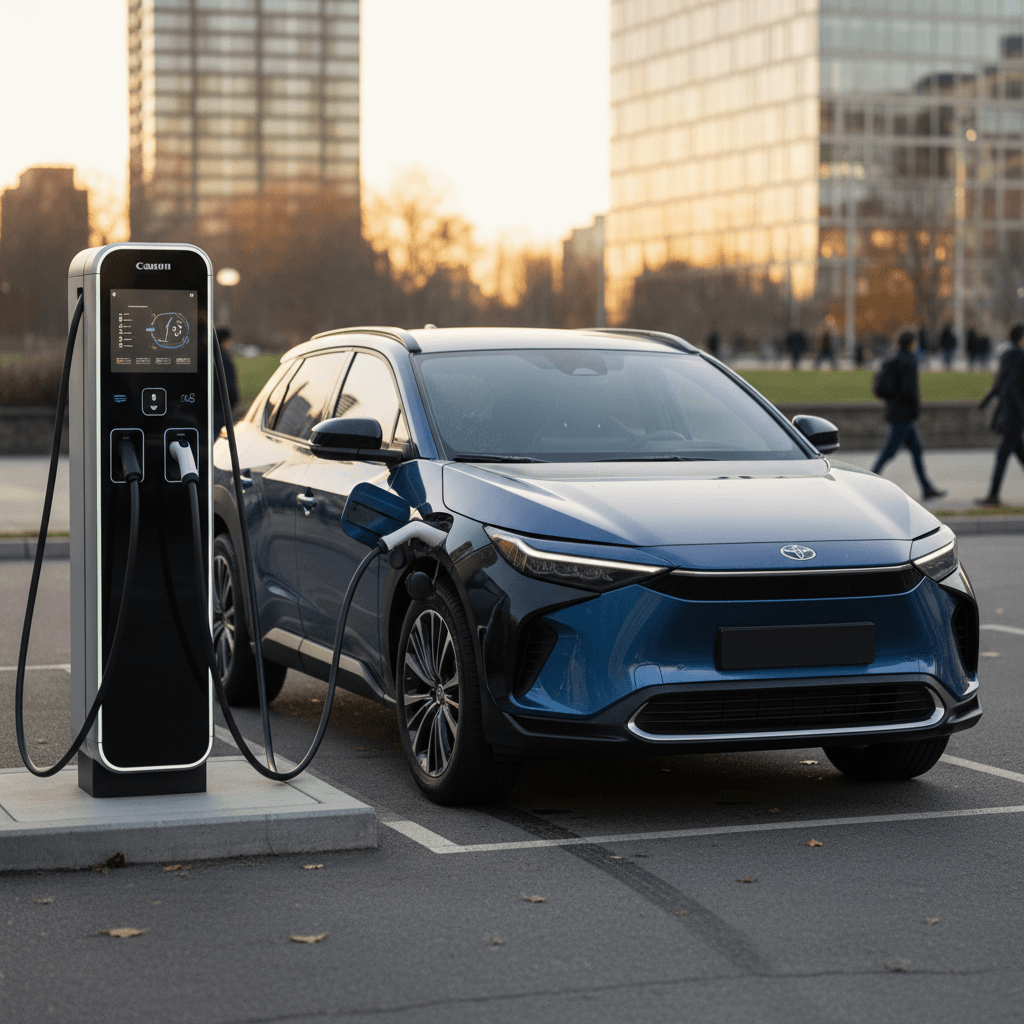
If you’re wondering whether the Toyota bZ4X is worth buying in 2026, you’re not alone. Toyota’s first dedicated EV SUV now has a few model years of real-world data behind it, plus a growing used supply and stiffer competition from Hyundai, Kia, Tesla and others. The result is a crossover that can be a smart buy for the right driver, and a frustrating choice for the wrong one.
At a glance
Quick take: is the bZ4X worth buying in 2026?
Toyota bZ4X: core numbers that matter in 2026
In 2026, the bZ4X is worth buying if you prioritize comfort, safety, Toyota’s long-term reputation and mostly drive locally with reliable home charging. It’s less attractive if you rely heavily on public fast charging, live in an area with harsh winters, or want standout tech and performance compared with newer EVs.
Where the bZ4X quietly makes sense
Toyota bZ4X key specs and what they mean
High-level Toyota bZ4X specs (U.S. market, recent model years)
Specs can shift slightly by trim and model year, but this gives you the ballpark for what you’ll see on dealer lots or in used listings in 2026.
| Item | FWD models | AWD models | Why it matters |
|---|---|---|---|
| Battery size (usable) | ~71–73 kWh | ~71–73 kWh | Similar pack size; AWD adds weight and dual motors, trimming range. |
| EPA range (new) | Up to ~252 miles | Low- to mid-220s miles | Enough for most commuters; road-trippers may want more headroom. |
| 0–60 mph | Low 7-second range | Mid 6-second range | Adequate, not performance-focused, fine for daily use. |
| Max DC fast charge | Up to ~150 kW (claimed) | Up to ~150 kW (claimed) | Real-world sessions tend to run slower and taper early vs newer rivals. |
| Onboard AC charging | Up to 6.6–11 kW (by year) | Up to 6.6–11 kW (by year) | Determines how quickly you refill at home Level 2 or workplace chargers. |
| Connector type | CCS1 / J1772 | CCS1 / J1772 | Good compatibility with current public networks; NACS adapters will matter long term. |
Always confirm final specs against the specific VIN you’re considering.
You’ll see small year-to-year tweaks between 2022–2025 bZ4X models, especially in thermal management and charging behavior, but the fundamentals don’t change dramatically. When you’re shopping, the big questions are which drivetrain you want (FWD vs AWD), how much range you really need, and whether the charging profile fits your lifestyle.
Range and charging: fine for commuters, not a road-trip hero
Real-world range
The bZ4X’s official range ratings, roughly 228–252 miles when new depending on trim and drivetrain, put it in the middle of the compact EV SUV pack. In Recharged’s testing, real-world range tends to land a bit below EPA numbers at highway speeds, and winter weather or big wheels can trim that further.
- For mixed city/highway commuters, plan on roughly 180–220 miles between full charges when new.
- On older used examples, bake in a modest degradation buffer (especially if the car did a lot of DC fast charging).
Charging behavior
On paper, the bZ4X supports up to ~150 kW DC fast charging, with manufacturer claims of 10–80% in the 30–35 minute range under ideal conditions. Independent testing and owner reports show that real sessions often run slower, with early tapering compared with newer Hyundai, Kia or Tesla systems.
- Great for occasional road trips if you’re patient and plan your stops.
- Not ideal if you expect the fastest-possible turnarounds at every charger.
Cold-weather and repeated-charging caveats
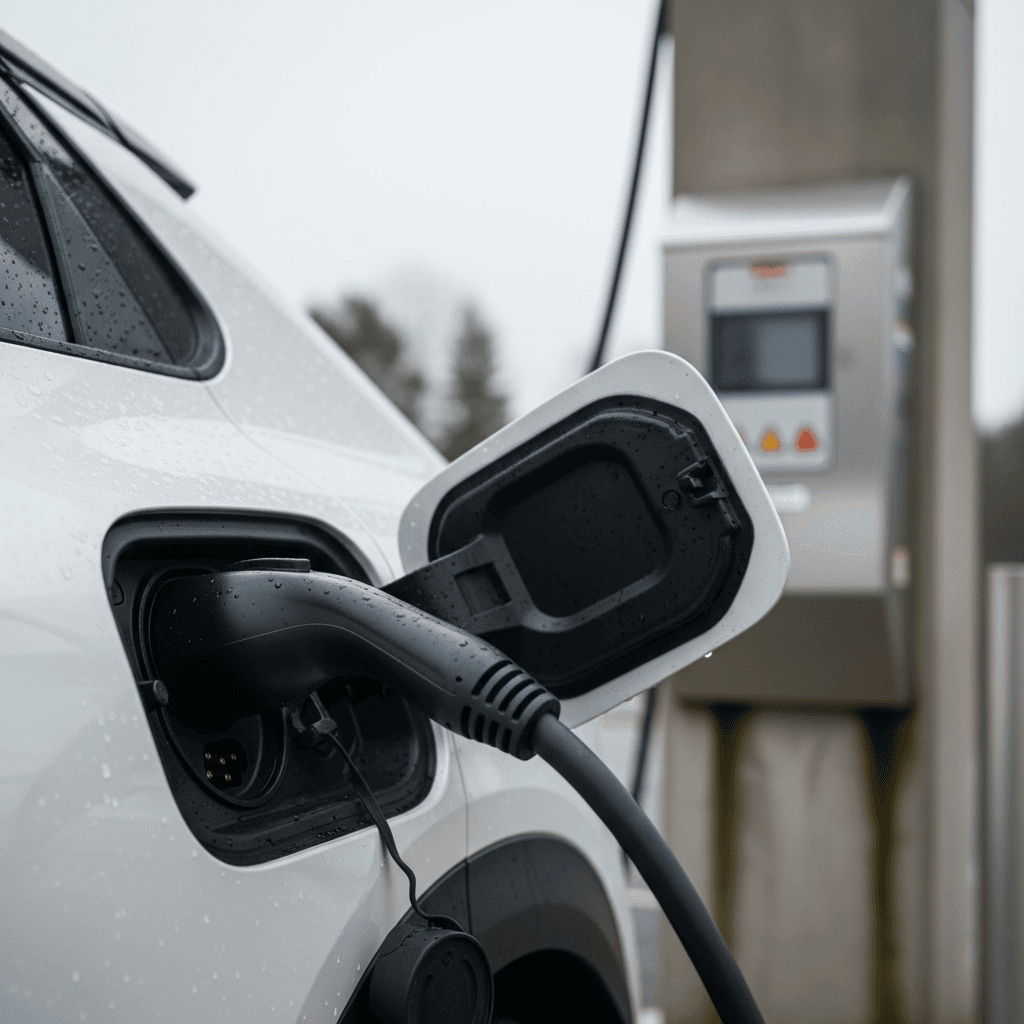
Where the bZ4X shines is home charging. With a properly sized Level 2 charger, either a wall unit or a 240V plug-in, you can comfortably refill overnight. For many buyers, that makes the real-world experience effortless, even if the highway charging story is just average.
Is bZ4X charging a good fit for you?
1. You can install (or already have) Level 2 at home
Having a 240V charger in your garage or driveway turns the bZ4X into a plug‑in‑and‑forget commuter. If you rely exclusively on public charging, you’ll feel its slower DC speeds more often.
2. Your typical daily drive is under 120 miles
At that distance, even an older used bZ4X with some degradation has comfortable range buffer, and you won’t stress every time temperatures drop.
3. You don’t mind 30–45 minute fast-charge stops
If you road‑trip occasionally and can build meal or break time around a slower session, the bZ4X is workable. If you demand 15–20 minute 10–80% sessions, it’s worth looking elsewhere.
4. You know your local charging network
Check CCS coverage near you and along your usual routes. Good local infrastructure can offset the bZ4X’s conservative charging curve.
Reliability so far: recalls, 12V issues, and Toyota’s track record
Toyota built its reputation on long-lived hybrids, not bleeding-edge EVs, and that cuts both ways for the bZ4X. On one hand, the high-voltage battery is tuned conservatively and backed by a lengthy warranty. On the other, early-production cars saw some high-profile hiccups, and we’re still in the early innings of long-term data.
What we know about bZ4X reliability as of 2026
Separate the headlines from what you’re actually likely to experience.
High-voltage battery health
Toyota’s pack is liquid-cooled and heavily protected against abuse, with software that favors longevity over flashy charging curves. That’s one reason the bZ4X’s DC charging isn’t the quickest, but it’s also why we haven’t seen systemic traction‑battery failures so far.
12V battery complaints
Owners have reported 12‑volt battery drains and failures, particularly on early model years. A weak 12V battery can leave the car unable to “boot,” even if the main pack has charge. Many cases have been covered under warranty, but it’s a pain point to watch for on used listings and during pre‑purchase inspections.
Recalls & HVAC issues
Early bZ4X builds were recalled for wheel hub and other concerns, and later model years have seen HVAC and heat‑pump complaints, especially in cold climates. Many affected vehicles have received recall work or software updates, but you’ll want documentation confirming these were completed.
Why model year matters for used shoppers
Overall, the bZ4X doesn’t yet have the bulletproof reputation of a long-running Toyota hybrid, but the pattern so far looks like a few recurring themes (12V, HVAC, software glitches) rather than widespread catastrophic failures. For risk‑averse buyers, buying certified pre-owned with warranty coverage or ensuring you have an extended factory warranty in place is a smart move.
Ownership costs, pricing, and incentives in 2026
The ownership story in 2026 is very different from the bZ4X’s rocky launch years, when slow sales forced price cuts and heavy lease incentives. Those early discounts hurt resale values, but that’s exactly why a used or off‑lease bZ4X can be a bargain now.
Cost factors to weigh when buying a bZ4X in 2026
Use this as a high-level framework; exact numbers will depend on your market, trim and deal.
| Factor | New bZ4X in 2026 | Used 2022–2024 bZ4X in 2026 | What to watch |
|---|---|---|---|
| Purchase price | Competitive with other compact EV SUVs after dealer discounts, but rarely the cheapest. | Often significantly lower than rivals thanks to earlier depreciation and lease incentives flowing into the used market. | Shop across multiple regions and compare to used Hyundai Ioniq 5, Kia EV6, ID.4 and Model Y pricing. |
| Federal EV credit | Because the bZ4X has been built outside North America, it historically has not qualified for the new‑EV buyer tax credit. Lease passthrough incentives have been common instead. | Pre‑owned EV credits depend on IRS rules and VIN list eligibility; historically, the bZ4X has struggled to qualify as a used “clean vehicle.” | In late 2025, federal rules changed again. For 2026 purchases, assume limited direct tax support for a bZ4X purchase and validate any dealer claims in writing. |
| Fuel and maintenance | Electricity costs are far below gasoline in most U.S. markets, and EVs skip oil changes and many wear items. | Same upside on used models, though you may face out‑of‑warranty repairs sooner on early cars. | Compare your local $/kWh vs gas prices and ask dealers for maintenance schedule printouts. |
| Resale value | May remain softer than top rivals, especially if newer Toyota EVs arrive with faster charging and longer range. | Already absorbed a big chunk of depreciation, which protects you somewhat on the downside. | If you plan to own 7–10 years, resale becomes less critical. Short‑term flippers should be cautious. |
Factor in both up-front price and long-term costs, not just the sticker.
How Recharged fits into the cost picture
How the bZ4X stacks up against 2026 rivals
2026 compact EV SUV landscape: where the bZ4X lands
You’re probably also cross‑shopping at least one of these.
Hyundai Ioniq 5 / Kia EV6
These Korean siblings generally offer longer range, much faster DC charging and bolder styling than the bZ4X. Their 800‑volt architectures make road‑tripping easier, though pricing and availability can vary by region.
Tesla Model Y
The Model Y brings stronger performance, Supercharger access (increasingly open to non‑Teslas via NACS) and a dense fast‑charging network. Interior quality and ride comfort are more polarizing, and pricing swings with Tesla’s frequent changes.
VW ID.4 and others
Volkswagen’s ID.4, the Nissan Ariya and similar EV SUVs typically match or exceed the bZ4X on range and offer varying levels of DC charging performance. Their dealer networks and software maturity are mixed, so test both the drive and the tech.
Where the bZ4X still holds its own
- Comfortable, quiet ride that feels familiar to Toyota owners transitioning from a RAV4 or Highlander.
- Simple, approachable interface compared with some hyper‑minimalist rivals.
- Conservative battery tuning that favors longevity over headline‑grabbing charging numbers.
- Growing used inventory at approachable prices, especially from off‑lease vehicles.
Where rivals pull ahead
- Faster DC fast charging and more heat‑tolerant charging curves on Ioniq 5/EV6 and many newer 2025–2026 entries.
- Longer range options that push well past 270–300 miles in the same size class.
- More advanced driver-assist suites and over‑the‑air update ecosystems on some competitors.
- Broader NACS-native support on 2025–2026 models as the industry standard shifts.
Who the Toyota bZ4X is a good buy for
You’re the right buyer for a bZ4X if…
You prioritize comfort and predictability over flash
The bZ4X is tuned to feel like a familiar Toyota SUV that just happens to be electric. If you want a “normal car” experience, it delivers.
You have reliable home charging
Level 2 at home unlocks the car’s strengths and hides its DC fast‑charging compromises. Apartment dwellers who rely on public charging will feel its limitations more acutely.
You’re value‑hunting in the used market
Because of earlier depreciation, a clean, low‑mileage 2023–2024 bZ4X can undercut flashier rivals while still meeting your range and space needs.
You plan to keep the car a long time
If your time horizon is 7–10 years, Toyota’s battery warranty and conservative tuning look appealing, and short‑term resale swings matter less.
You live in a moderate climate
The bZ4X is happiest in regions that aren’t routinely sub‑zero in winter or scorching for months at a time, conditions that strain any EV’s range and charging.
When the answer is a clear yes
Who should skip the bZ4X and shop something else
- You routinely drive long interstate trips and want the fastest possible 10–80% DC charges.
- You live in an area with sparse CCS infrastructure and depend heavily on public fast charging.
- You want cutting‑edge driver-assistance tech, big‑number performance and the latest infotainment ecosystems.
- You’re highly risk‑averse about first‑generation EV products and would rather wait for Toyota’s second‑wave models or buy a rival with longer track record.
Road‑warriors: read this twice
Buying a used bZ4X: what to check carefully
By 2026, a large share of bZ4X inventory will be off‑lease or early‑term trades. That’s good news for pricing, but only if you verify that the specific vehicle in front of you has been cared for and updated.
Used bZ4X due‑diligence checklist
1. Pull detailed service and recall history
Confirm that all open recalls and service campaigns are completed, especially wheel/hub, HVAC and software updates. Ask for printed documentation, not just verbal assurances.
2. Test and scan the 12V system
Have a shop, or a platform like Recharged, check the 12‑volt battery’s health. Slow crank‑up, warning lights or unexplained dead‑car episodes are red flags.
3. Get objective battery health data
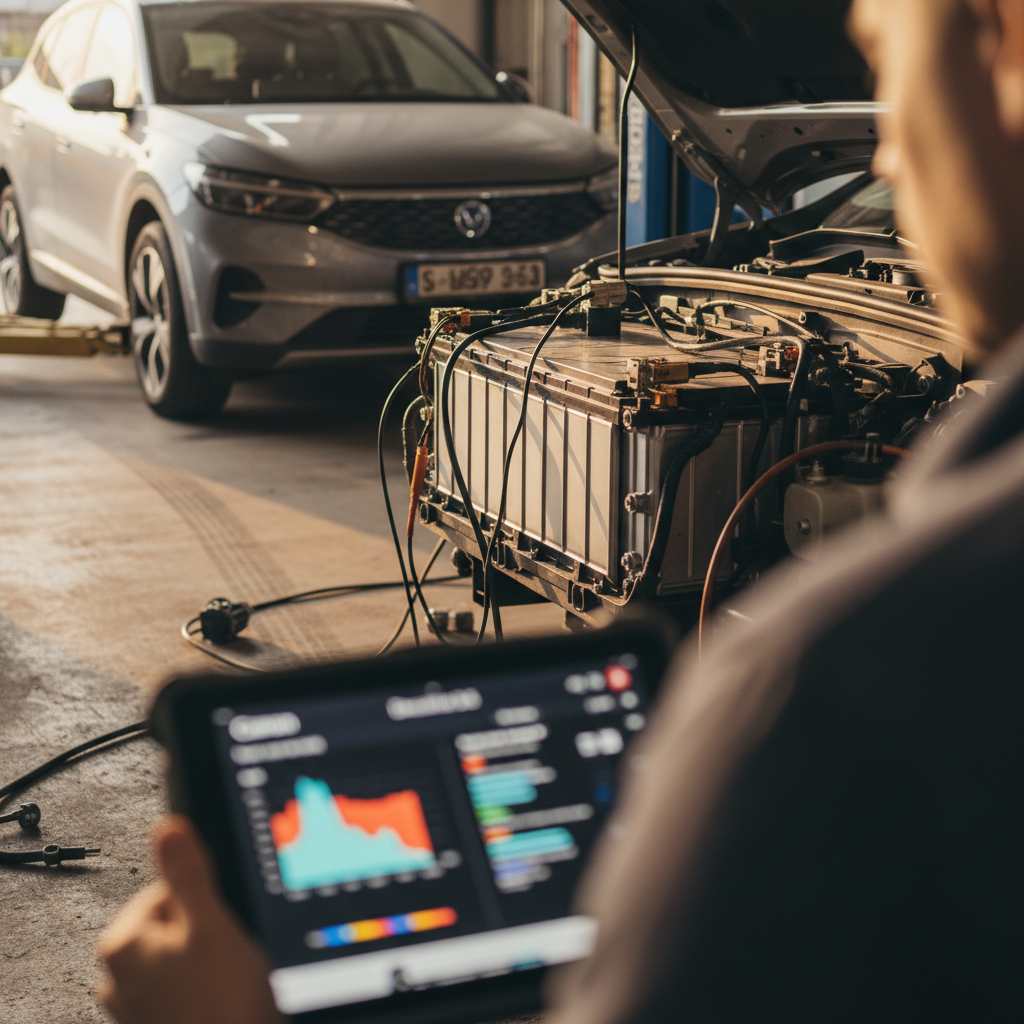
Traction‑battery condition isn’t obvious from a test drive. A <strong>Recharged Score battery health diagnostic</strong> can quantify pack capacity and fast‑charging history so you know if the previous owner abused DC charging or left the car sitting at 100% often.
4. Evaluate charging behavior on a real station
If possible, plug into a DC fast charger during your test period. Watch how quickly power ramps, how long it holds, and whether charging unexpectedly slows or errors out.
5. Inspect tires and suspension
The bZ4X is a relatively heavy EV; worn tires or tired suspension components can show up earlier than on a lighter gas crossover. Uneven tire wear may also hint at alignment or accident issues.
6. Verify included charging equipment
Make sure the OEM portable charger and any wallbox or accessories promised in the listing are actually present and functional. Replacing them can be expensive.
Why shop a used bZ4X through Recharged
Toyota bZ4X 2026 FAQ
Frequently asked questions about buying a bZ4X in 2026
Bottom line: is the Toyota bZ4X worth it in 2026?
In 2026, the Toyota bZ4X is neither a slam‑dunk must‑buy nor a model to avoid at all costs. It occupies a middle ground: a comfortable, straightforward electric SUV with respectable range, cautious charging behavior and some early‑generation warts. Where it becomes compelling is price. Thanks to early incentives and softer resale, a clean used bZ4X can cost thousands less than flashier rivals while still doing the job for a home‑charging commuter or family driver.
If your driving is mostly local, you can plug in at home, and you’re shopping carefully with an eye on service history and battery health, the answer to “is the Toyota bZ4X worth buying in 2026?” can absolutely be yes, especially on the used market. If you’re chasing the fastest charging, longest range and most advanced tech in the segment, you’ll be better served by one of the newer 2025–2026 entries instead. The key is matching the bZ4X’s strengths to your real‑world needs, and using tools like a Recharged Score Report to make sure the specific car you’re eyeing lives up to the promise on paper.