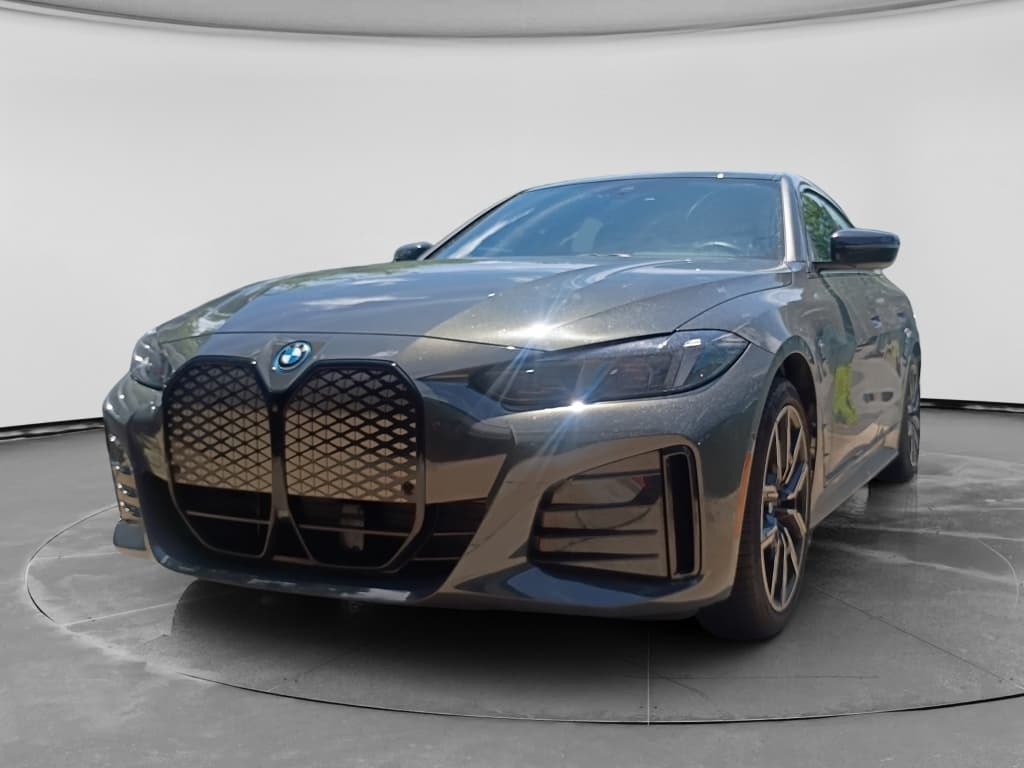
If the battery is the heart of an EV, then the BMW i4 battery replacement cost is the number that keeps buyers awake at night. You hear dealer-quotes that sound like a starter home, horror stories from early EVs, and then… silence from the people actually selling you the car. Let’s drag the numbers into the daylight and talk about what a BMW i4 pack really costs, how likely you are to need one, and how to shop used without gambling on the most expensive component in the car.
Key takeaway
BMW i4 battery replacement cost: the quick answer
BMW i4 battery replacement at a glance
You will see BMW i4 battery replacement cost figures thrown around online that range from “not that bad” to “sell a kidney.” Realistically, in 2025–2026 U.S. dealer environments, a full high‑voltage pack replacement is likely to land somewhere in the $15,000–$25,000+ range once you add parts, labor, shop fees, and taxes. That’s not a typo. The i4 is a premium German EV with a dense, liquid‑cooled pack; the price tag reflects that.
Sticker shock alert
What actually drives BMW i4 battery replacement cost?
BMW is not simply swapping in a big Duracell. A modern i4 battery is a structural component, thermal system, and computer network all in one. Several factors drive the final number you’ll see on an estimate sheet.
The big levers behind BMW i4 battery cost
Why no one can give you a one-size-fits-all quote over the phone
Pack size & configuration
The i4 uses a high‑capacity lithium‑ion pack integrated into the floor. Larger usable capacity and higher energy density mean more cells, more material, and more complex cooling, every one of which drives up cost.
Parts vs. labor
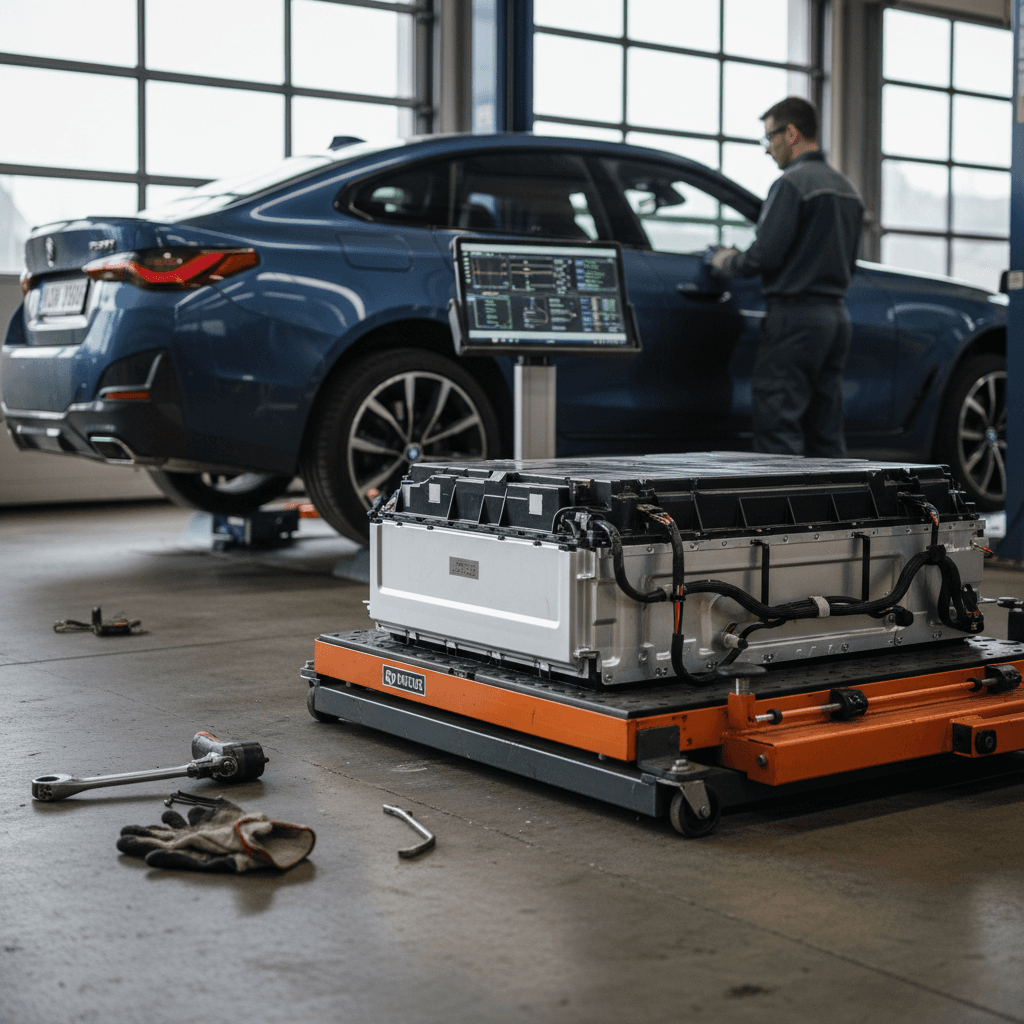
The battery pack itself is the lion’s share of the bill, but labor isn’t trivial: you’re paying for a lift, specialized tools, and BMW‑certified EV technicians. Eight to 12 hours of work at premium hourly rates adds up.
Warranty vs. customer pay
Inside warranty, BMW corporate is typically footing the bill. Outside of it, that five‑figure line item lands on your side of the invoice, unless you have a third‑party warranty with real high‑voltage coverage.
Region & climate impact
In very hot or very cold climates, packs work harder and thermal systems matter more. Over time that can influence degradation and, in edge cases, failure risk, though modern BMW packs are robust compared to first‑gen EVs.
Root cause of failure
Not every battery issue is a dead pack. A failed contactor, coolant leak into the pack, or HV wiring fault might be fixed for thousands, not tens of thousands, if a dealer or specialist is willing to repair rather than replace.
Part sourcing
Brand‑new BMW pack, remanufactured unit, or salvaged pack from a crashed i4 all carry different price points and risk profiles. OEM dealers will almost always quote new or BMW‑remanufactured units only.
Ask for a line‑item breakdown
BMW i4 battery warranty: what’s covered and for how long
Before you obsess over BMW i4 battery replacement cost, you need to understand the shield between you and that bill: warranty coverage. For U.S. buyers, the i4’s high‑voltage battery is generally covered for 8 years or 100,000 miles from the in‑service date, whichever comes first. Some states that follow California’s emissions rules may see enhanced coverage, always read your specific warranty booklet.
Typical BMW i4 battery warranty coverage in the U.S.
Always confirm details in your own warranty booklet; this is a general guide, not a contract.
| Item | Typical Coverage | What It Means For You |
|---|---|---|
| High‑voltage battery pack | 8 years / 100,000 miles | If the pack fails or drops below a specified capacity threshold during this period, repairs or replacement may be covered. |
| Capacity guarantee | Around 70% usable capacity | If BMW’s official test shows capacity below the threshold, they may repair or replace the pack under warranty. |
| Non‑battery HV components | Often 8 years / 100,000 miles | Inverters, DC‑DC converters, and some HV wiring may be covered under the same emissions‑related warranty. |
| Wear & abuse exclusions | Not covered | Damage from accidents, flooding, improper modifications, or abuse typically isn’t covered. |
| Transfer to new owner | Usually yes | Subsequent owners generally retain the remaining battery warranty when buying used. Good news for used‑i4 shoppers. |
Use this as a conversation starter with a dealer or seller, not a substitute for reading the fine print.
Do not assume capacity loss is always free
How long does a BMW i4 battery last in the real world?
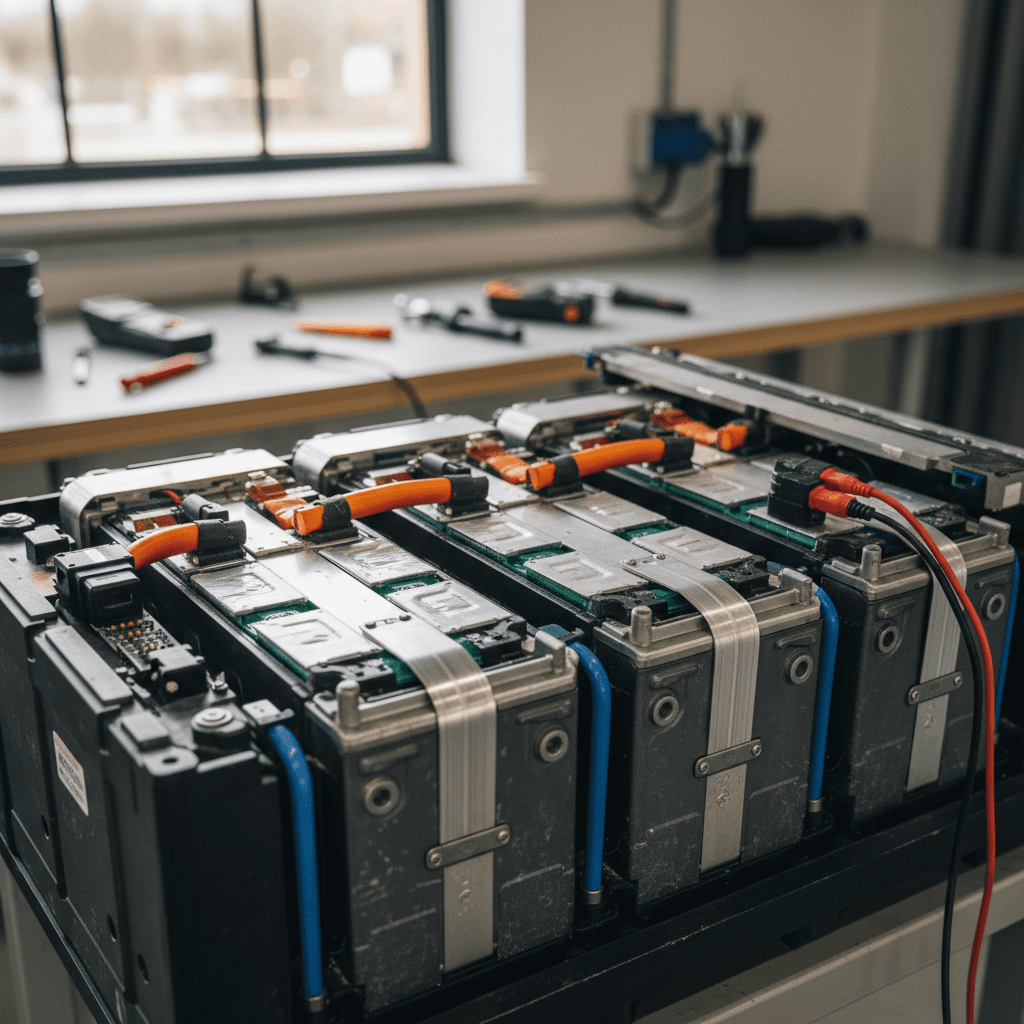
The BMW i4 is not an early‑2000s science project. It shares battery technology DNA with the iX and other modern BMW EVs that have benefited from a decade of hard lessons learned by the whole industry. That shows up in real‑world degradation: most mainstream EV packs lose only a few percent of capacity in the first couple of years, then taper slowly if reasonably cared for.
- Many owners see single‑digit capacity loss over the first 3–5 years with normal driving and charging habits.
- Liquid cooling, sophisticated battery management, and conservative buffers mean the pack never sees its true extremes in daily use.
- High‑mileage highway cars often age better than low‑mileage, constantly fast‑charged commuters. Heat and repeated fast‑charging are the real enemies.
- Cold climates temporarily reduce effective range but do not inherently destroy the pack the way extreme heat can, especially if the car preconditions the battery.
The 70% rule of thumb
Early warning signs your BMW i4 battery may be in trouble
Batteries rarely die without sending a few postcards first. The trick is learning to read them. With the BMW i4, some warning signs are software‑side, some are felt at the pedals, and some show up as cryptic dash messages that owners are too quick to dismiss.
Watch for these battery‑related red flags
Sudden, dramatic range loss
If your indicated range drops by 20–30% over a short period with similar driving patterns, it’s time for diagnostics. Gradual, single‑digit change over years is normal; sudden cliffs are not.
Repeated HV system warnings
Messages about "drivetrain malfunction," "reduced power," or "energy system fault" that come and go may indicate high‑voltage issues. Capture screenshots and get them documented at a dealer while under warranty.
Limp‑mode acceleration
If the car repeatedly drops into a reduced‑power mode under moderate acceleration, especially at higher state of charge, the pack or power electronics may be protecting themselves from a deeper problem.
Refusal to DC fast‑charge
An i4 that used to fast‑charge normally but now refuses or throttles way down, even in good conditions, deserves professional attention. It could be a charging‑station issue, or it could be the pack or cooling system.
Unusual fan or pump noises
If thermal management is working overtime at modest temperatures and low loads, it may be compensating for a battery‑side issue. Don’t ignore new, persistent whirring or buzzing from under the car.
Document everything while in warranty
Alternatives to a full BMW i4 battery replacement
This is where the conversation gets interesting. The BMW i4 battery replacement cost you see on forums usually assumes a worst‑case: dealer, brand‑new pack, full replacement. But EV ownership is evolving, and so are your options.
1. Repair instead of replace
In some cases, the real culprit is a module‑level issue, contactor failure, coolant leak, or BMS fault. A growing ecosystem of independent EV specialists can diagnose and repair these issues without replacing the whole pack. BMW dealers are often constrained to pack‑swap policies; independents have more latitude.
Costs here can range from low thousands to mid‑thousands of dollars depending on parts, access, and shop expertise, painful, but a fraction of a new pack.
2. Remanufactured or salvage packs
As more i4s hit the road, and, inevitably, crash yards, salvage packs become an option. A remanufactured pack from BMW or a carefully vetted salvage pack from a low‑mileage donor car can dramatically cut costs. You’re trading some uncertainty for a smaller bill.
This path is still emerging for the i4, and you’ll want a shop that can properly test and warranty the work. But it’s a glimpse of how EV battery economics will look five years from now.
Be careful with third‑party warranties
BMW i4 battery replacement cost vs other EVs
Is BMW uniquely expensive here, or are i4 owners just louder on Reddit? In truth, the BMW i4 is playing in the same financial ballpark as other premium EVs when it comes to out‑of‑warranty battery work. High‑capacity packs are expensive no matter whose badge is on the trunk.
How BMW i4 battery costs compare to other EVs (big‑picture)
Approximate dealer‑level ranges for full pack replacement in premium EVs, based on industry reporting and owner anecdotes. These are directional, not guaranteed quotes.
| Model | Typical Pack Size (kWh) | Approx. Replacement Cost Range | Notes |
|---|---|---|---|
| BMW i4 | 70–80+ | $15,000–$25,000+ | Premium German hardware, complex cooling and structure. |
| Tesla Model 3 / Model Y | ~60–80 | $12,000–$20,000+ | High volume helps, but packs are still major expenses. |
| Hyundai Ioniq 5 / Kia EV6 | ~70–77 | $12,000–$22,000+ | 800‑V architecture; similar stakes if pack fails out of warranty. |
| Audi Q4 e‑tron / VW ID.4 | ~77 | $14,000–$24,000+ | Modular MEB packs; dealer policies vary on repair vs. replace. |
Your actual costs will depend heavily on model year, pack size, region, and whether repair options exist.
The EV industry reality
How to reduce your long‑term BMW i4 battery costs
You can’t change lithium‑ion chemistry or BMW’s parts pricing. You can absolutely change how hard your i4’s battery has to work. Think of it like sunscreen: boring, invisible, and the difference between healthy skin and regret.
Practical habits that keep your BMW i4 battery happy
Avoid living at 100%
Charging to 100% occasionally for trips is fine. Parking at 100% every night is not. For daily use, aim to keep the battery between 20% and 80% when possible.
Don’t fear fast‑charging, but don’t live there
DC fast‑charging is a tool, not a lifestyle. Using it constantly, especially in hot weather, accelerates battery wear. Mix in slower AC charging at home or work whenever you can.
Let the car manage temperature
Use preconditioning before fast‑charges and winter drives when available. Avoid turning off thermal management systems to "save energy", they’re protecting the pack.
Be gentle with deep discharges
Running the battery down to near 0% once in a blue moon is fine. Making it a weekly habit isn’t. Try to plug in somewhere north of 10% whenever practical.
Keep software up to date
BMW refines charging curves, thermal logic, and range estimates over time. Staying current helps the car take better care of its own battery.
Good news for normal drivers
Buying a used BMW i4: battery questions you must ask
This is where the rubber really meets the road, or the electrons meet the anode. If you’re considering a used BMW i4, the textbook BMW i4 battery replacement cost number is far less important than one question: What’s the health of this specific car’s pack? That’s the gap between a great deal and an expensive science experiment.
- Ask for a documented battery health report. Not just a dash range reading, but a proper test that measures usable capacity and flags cell‑level issues.
- Confirm remaining battery warranty. Get the in‑service date and current mileage; don’t just accept "it should be covered" as an answer.
- Review charging history if available. Frequent DC fast‑charging and hot‑climate use aren’t automatic deal‑breakers, but they’re context you should price in.
- Drive it like you’ll actually use it. A short, gentle dealer loop won’t reveal much. Include highway speeds and a few strong accelerations to feel for power‑limit weirdness.
- Factor battery health into price, not fear. A well‑documented i4 with slightly reduced range can be a smart buy if it’s priced accordingly and still meets your needs.
How Recharged de‑risks used BMW i4 shopping
FAQ: BMW i4 battery replacement cost & ownership
Common questions about BMW i4 battery costs
Bottom line: should you worry about BMW i4 battery replacement cost?
Yes and no. Yes, in the sense that a full BMW i4 battery replacement cost is a five‑figure event you never want to see on a service invoice. No, in the sense that modern BMW packs are engineered to survive the normal life of the car, and most owners will sell or trade long before they’re anywhere near a catastrophic failure, especially if they drive and charge sensibly.
The smarter mindset is this: don’t try to budget for a hypothetical $20,000 battery eight years from now. Instead, focus on buying the right i4 in the first place, with clear battery health data and warranty status, then treat the pack with basic respect. If you’re shopping used, a platform like Recharged can do much of that homework for you by providing verified battery diagnostics, transparent pricing, financing, and even nationwide delivery. That’s how you enjoy one of the sharpest‑driving EVs on sale today, without lying awake wondering what’s happening under the floorpan.