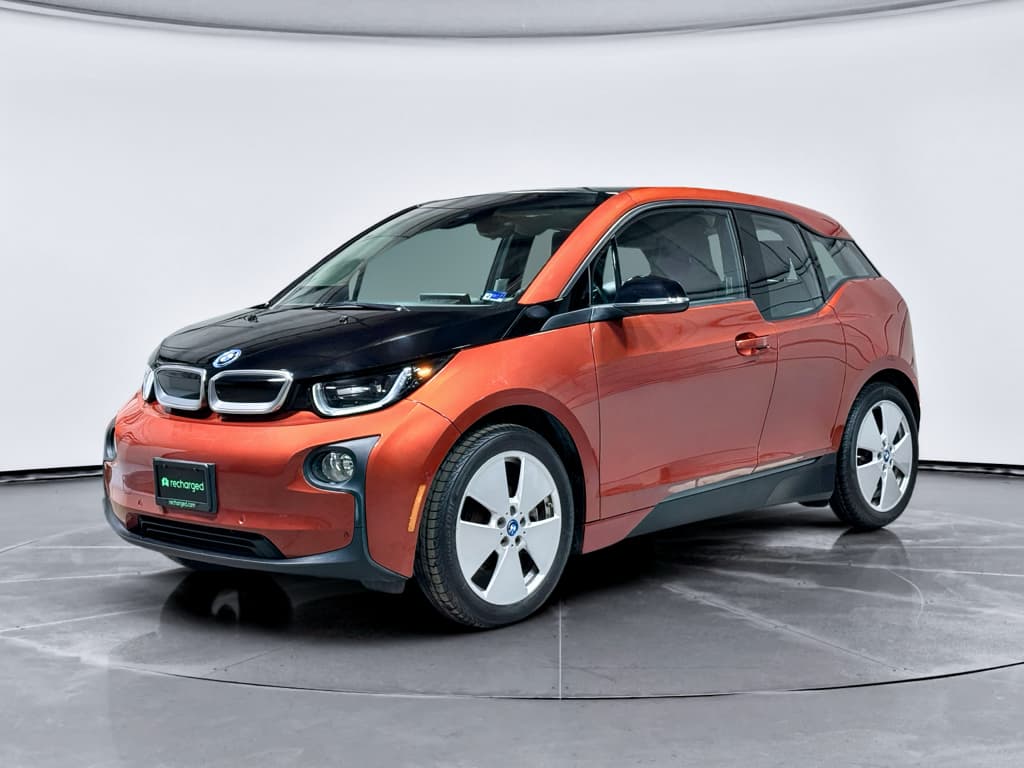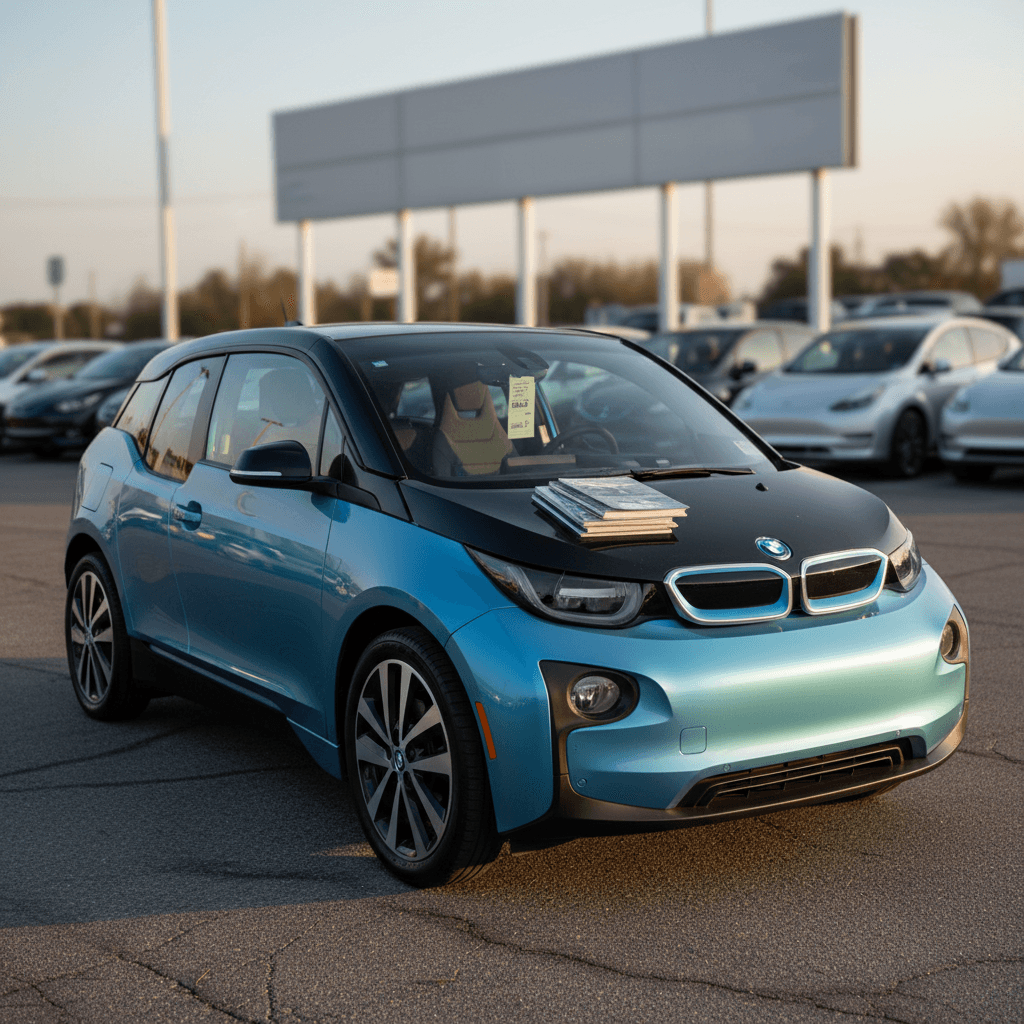
The BMW i3 has become the cult classic of used EVs: carbon-fiber city pod, suicide doors, lounge-like interior, and on today’s used market, often cheaper than a three‑year‑old Corolla. If you’re trying to make sense of current BMW i3 price trends in 2025, you’re not alone. Prices have fallen hard with the rest of the EV market, but the spread between good and bad examples is wide.
Quick take
BMW i3 price overview in 2025
Typical BMW i3 price bands in the U.S. (late 2025)
Because used EV prices in general have dropped sharply since 2024, the i3 now lives in a price neighborhood with older Leafs and Bolts, but with much more premium materials and a far more interesting design. In other words, you’re not crazy if you’re cross‑shopping a six‑figure‑original‑MSRP German eco‑pod against a beige crossover.
Sticker shock…in reverse
What really drives BMW i3 price
Four levers that move BMW i3 price
Think beyond mileage and leather seats
Battery size (Ah rating)
The single biggest driver of value. The i3 evolved from 60 Ah to 94 Ah to 120 Ah packs. Bigger pack = more usable range = stronger demand.
Mileage & usage pattern
The i3 shrugs at miles better than many luxury cars, but a 120k‑mile urban Uber life is not the same as 60k highway miles from a commuter.
REx vs pure electric
The Range Extender (REx) adds a tiny gas engine and higher real‑world range. In gas‑anxious markets it commands a premium, especially on 60/94 Ah cars.
Battery health & history
Because packs age with time, heat, and fast‑charging habits, two identical 2018 i3s can have wildly different real‑world range, and price should adjust for that.
Options matter less than in a typical BMW sedan. A mega‑spec i3 with Giga World trim and Harman Kardon audio is nice, but buyers pay first for range and reassurance: the Ah rating on the door jamb, a clean accident history, and a recent, credible battery‑health report.
Decode the badges fast
BMW i3 price by model year and battery size
The i3’s life cycle is neat and compact: U.S. model years 2014–2021. Under the skin BMW quietly bumped battery capacity twice, which is why you’ll see such a spread in asking prices for what looks like the same little tall hatch.
BMW i3 price ranges by year & battery (typical U.S. retail asking, late 2025)
These are ballpark asking-price bands for clean-title, average-mileage cars. Local markets, options, and condition can swing numbers up or down.
| Model years | Battery pack | EPA range (approx) | Typical miles today | Rough price band |
|---|---|---|---|---|
| 2014–2015 | 60 Ah (22 kWh) | ~80 mi BEV / ~150 mi REx | 80k–120k | $10,000–$13,000 |
| 2016 | 60 Ah (22 kWh) | Similar to early cars | 70k–110k | $11,000–$14,000 |
| 2017–2018 | 94 Ah (33 kWh) | ~114 mi BEV / ~180 mi REx | 60k–100k | $13,000–$17,000 |
| 2018 i3s | 94 Ah, sport model | Slightly lower range, more power | 50k–90k | $15,000–$19,000 |
| 2019–2021 | 120 Ah (42 kWh) | ~153 mi BEV / ~200 mi REx | 30k–80k | $17,000–$24,000 |
| 2019–2021 i3s | 120 Ah i3s | Sportiest & scarcest | 30k–70k | $19,000–$26,000 |
Use this table as a sanity check, not a final appraisal, battery health and history can move an individual car thousands of dollars either way.
Why the 2019–2021 cars cost more
Range Extender vs BEV: how it changes price
i3 BEV (pure electric)
Think of the BEV as the purist’s choice. Less weight, a tiny bit more performance, and one less drivetrain to service. In markets with dense charging, BEV cars often sell nearly on par with REx equivalents, especially in 94 Ah and 120 Ah form.
- Lower mechanical complexity
- More cargo space without the gas hardware
- Best match if you’re comfortable living fully electric
i3 REx (Range Extender)
This is the anxiety‑hedge special: a tiny motorcycle engine under the trunk floor that keeps the battery alive when you’re out of electrons. In early 60 Ah and 94 Ah cars, REx can add $1,000–$2,000 in value because it effectively doubles useful range.
- More desirable in rural and cold‑weather markets
- Slightly higher maintenance and complexity
- Some buyers avoid them due to inspections and gas use
Where the REx premium disappears
Cost of ownership: is the BMW i3 a bargain?
Used EVs are now routinely cheaper than used gas cars in the U.S., recent data showed average used EV prices undercutting gasoline cars by a couple grand. The i3 lives right in that sweet spot: low purchase price, very low running costs, but a few quirks you should know about.
How the i3 saves, or costs, you money
Where this quirky BMW pencils out, and where it doesn’t
Fuel & charging
Even with 2025 electricity prices creeping up, home‑charged kWh are usually cheaper than gas on a per‑mile basis. A city commuter putting 8,000–10,000 miles a year on an i3 can save hundreds annually versus a small gas crossover.
Maintenance
No oil changes, fewer moving parts, and strong brake life from regeneration. The tradeoff: when EV‑specific parts do fail, you want an EV‑savvy shop, not a lube chain guessing at high‑voltage systems.
Depreciation
The bad news is depreciation already happened, the i3 fell hard from its original MSRP. The good news for you: someone else took that hit, so today’s prices bake in most of the pain.
Where Recharged fits in
Ready to find your next EV?
Browse VehiclesHow battery health impacts what you should pay
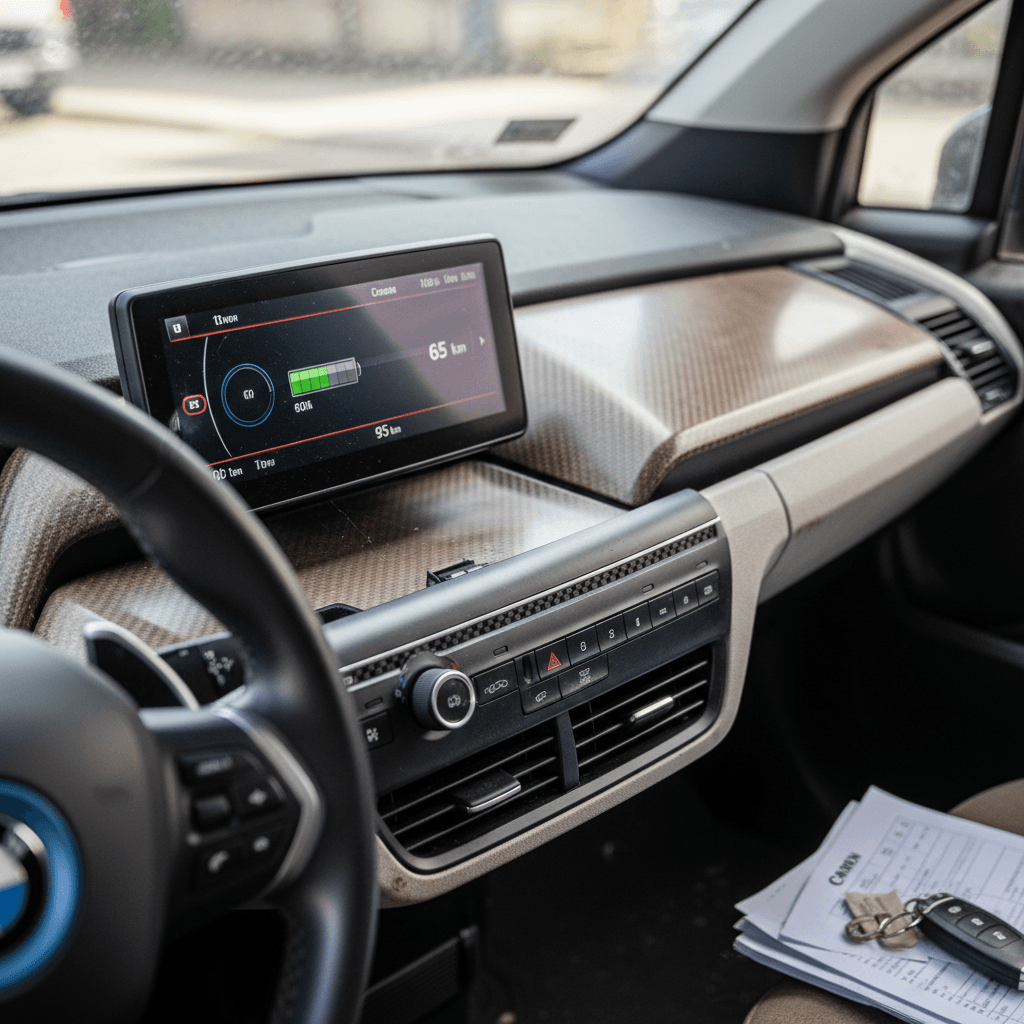
BMW’s i3 packs, 18, 27, and 37 kWh usable depending on generation, have generally held up well, but they are not immortal. Age, heat, frequent DC fast charging, and repeated 0–100% cycles all nibble away at usable capacity. The difference between a healthy 94 Ah car and a tired one can be 20–30 miles of real‑world range, which is the difference between relaxed ownership and white‑knuckle winters.
- For an early 60 Ah i3, a strong pack that still delivers ~70–80 miles in mixed driving is worth a clear premium over a car that struggles to do 55.
- On 94 Ah and 120 Ah cars, you’re buying confidence; a third‑party or Recharged diagnostic that shows solid capacity retention should be reflected in the price.
- A cheap i3 with a tired pack is less a bargain than a project, especially if you live somewhere with cold winters or long commutes.
Don’t skip a real battery test
BMW i3 vs other affordable used EVs
By 2025, the under‑$20K EV corner of the lot looks very different than it did even three years ago. The early Tesla Model S has drifted down, Chevy Bolts are everywhere, Leafs are almost disposable, and the BMW i3 is the interesting outlier: small, premium, quirky, and not for everyone.
How the BMW i3 stacks up against common budget EV alternatives
Focusing on typical examples around the $15k–$22k mark in late 2025.
| Model | Typical price band | Usable range (real world) | Key pros | Key cons |
|---|---|---|---|---|
| BMW i3 (94/120 Ah) | $13k–$24k | 90–150 mi | Premium cabin, compact size, carbon shell, fun to drive | Tight rear seat, modest range, unusual styling |
| Chevy Bolt EV (2017–2021) | $11k–$19k | 180–230 mi | Excellent range for the money, DC fast charge, practical hatch | Recall stigma, more ordinary interior |
| Nissan Leaf (30–40 kWh) | $8k–$15k | 70–130 mi | Very cheap to buy, simple to drive | Aging CHAdeMO fast charge standard, weaker long‑term batteries |
| Hyundai Ioniq Electric (28–38 kWh) | $13k–$20k | 110–170 mi | Super efficient, well‑equipped, conventional styling | Limited availability, smaller dealer EV expertise in some areas |
The i3 trades ultimate range for character and build quality. Whether that’s a good deal depends on your daily drive and charging situation.
Why someone chooses the i3 anyway
Checklist for buying a used BMW i3
Nine things to check before you buy an i3
1. Confirm battery size and build date
Check the door‑jamb label or documentation to confirm whether it’s a 60, 94, or 120 Ah pack, and make sure that lines up with the advertised model year and range claims.
2. Get a real battery‑health report
Use a specialist shop or buy from a platform like Recharged that includes a battery‑health diagnostic in a Recharged Score Report. Aim to see usable capacity and any cell‑level imbalances.
3. Decide early: REx or BEV
Be honest about your charging access and road‑trip habits. If you regularly stretch past 100 miles without easy charging, a REx or bigger‑battery BEV might be the safer bet.
4. Inspect tires and wheels carefully
The i3 uses unusual, tall‑and‑skinny tires. They’re not ruinously expensive, but a set of four plus alignment can move the true cost of a "cheap" car up by a thousand dollars or more.
5. Look underneath for corrosion or crash repair
The carbon‑fiber shell doesn’t rust, but the aluminum subframes and suspension hardware live in the real world. Pay attention if the car lived in salty climates.
6. Test all charging modes
If possible, verify both Level 1 and Level 2 charging. On 2015+ cars with DC fast charging, a quick session at a CCS station is ideal to confirm that the hardware works.
7. Check for warning lights and software updates
An i3 festooned with drivetrain, airbag, or high‑voltage warnings is a car begging for specialized diagnostics. Also ask if the car is up to date on BMW software campaigns.
8. Factor tax credits and incentives
Until September 30, 2025, qualifying used EVs in the U.S. can still tap a federal credit of up to $4,000 if income and price caps are met. Some state and utility rebates stack on top.
9. Compare against fair‑market pricing
Look at multiple listings and, where possible, pricing tools that adjust for battery health, not just year and miles. This is exactly what Recharged’s pricing and Recharged Score are designed to do.
FAQ: BMW i3 price and buying questions
Frequently asked questions about BMW i3 prices
Bottom line: should you buy a BMW i3 now?
For the right driver, the BMW i3 in 2025 is a quietly brilliant deal. You’re buying into carbon‑fiber engineering, Scandinavian‑chic interiors, and a driving experience that’s more hot‑hatch than hair‑shirt eco‑appliance, all at a price that undercuts the average used EV. The catch is that the car’s value now lives almost entirely in its battery and history, not in the badge on the nose.
If you want simple, transparent EV buying, look for cars with documented battery health, realistic pricing, and clear support from people who live and breathe EVs. That’s exactly the gap Recharged is built to fill: verified Recharged Score battery reports, fair‑market pricing, expert EV guidance, and financing that respects your time. Do that, and the quirky little i3 goes from risky science project to one of the smartest ways to go electric on a budget.