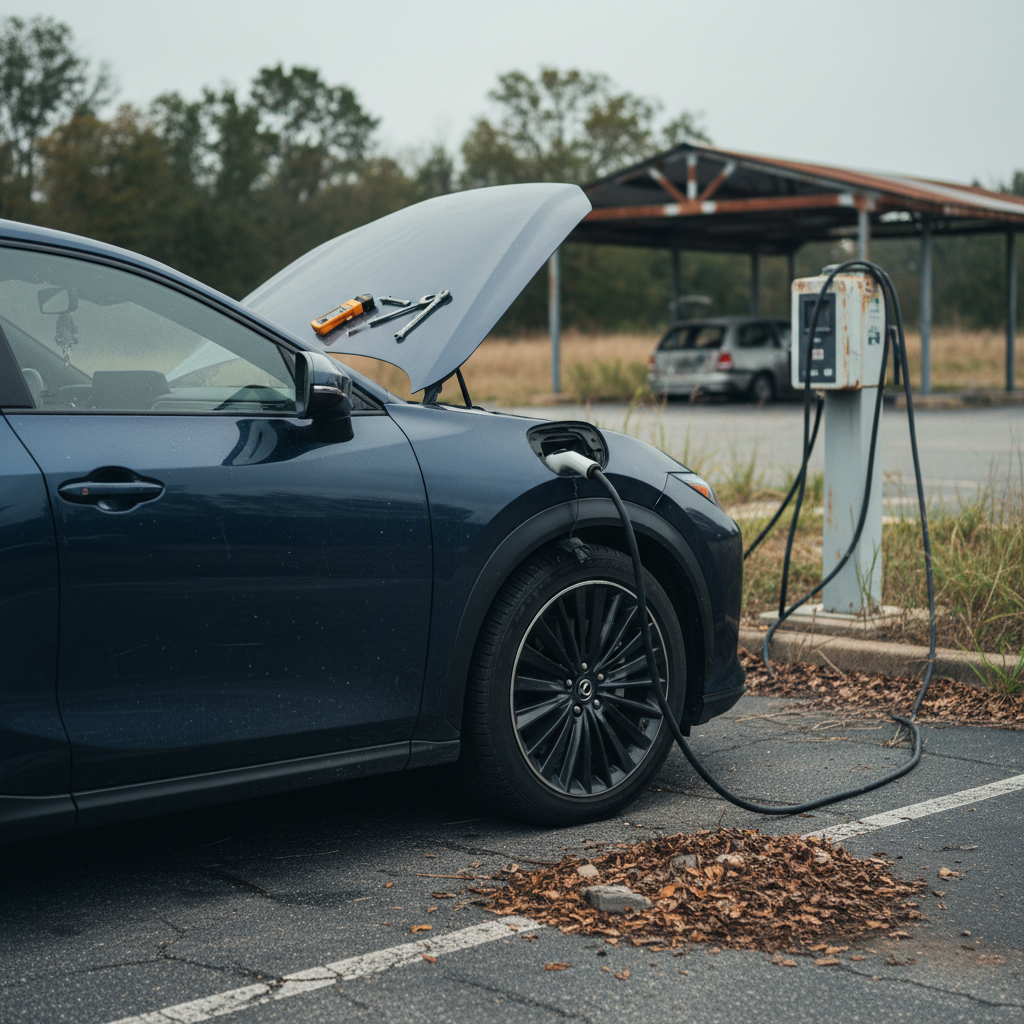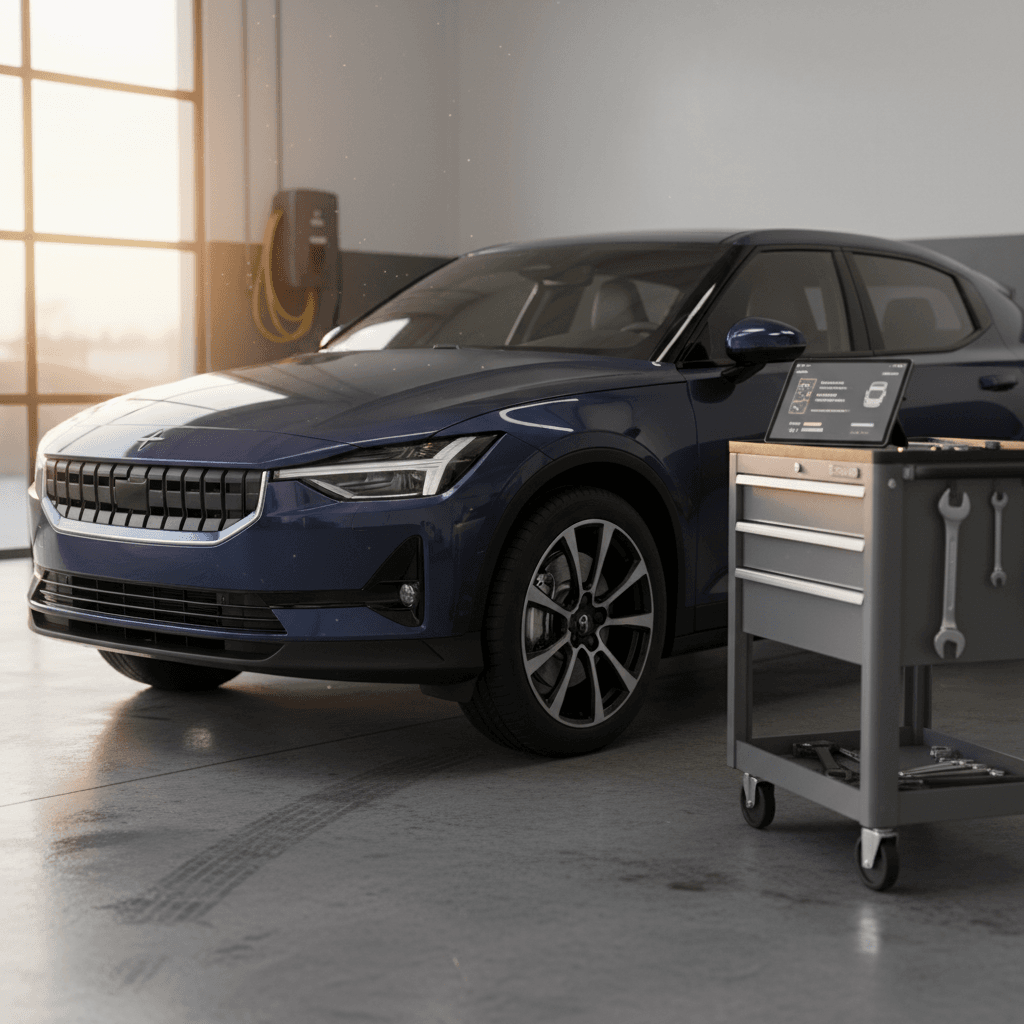
If you’re shopping for an electric Acura ZDX or you already have one in the driveway, you’re probably wondering what the Acura ZDX maintenance schedule looks like. No oil changes, no timing belt … so what does your service advisor actually do every 7,500 miles, and how much of it is really necessary?
Quick take
Acura ZDX maintenance overview
The ZDX is Acura’s first modern all-electric SUV, built on GM’s Ultium platform. That means its maintenance pattern looks more like other EVs than like an MDX or RDX. There’s no engine oil, no spark plugs, and no transmission fluid changes in the traditional sense. Instead, maintenance revolves around three buckets:
- Regular inspections and tire rotations (roughly every 7,500 miles).
- Time-based services like brake fluid and cabin air filters.
- Long-term items: coolant for the high-voltage battery and the occasional hardware replacement, like wiper blades or 12‑volt battery.
Where to find the official schedule
Acura ZDX maintenance schedule & intervals
Because ZDX production was short-lived and Acura leans on Maintenance Minder, you won’t always find a neat one-page chart. But dealer guidance for the electric ZDX lines up closely with what we’re seeing on other EVs and Acura’s own service sites: a light-touch but regular schedule focused on tires, brakes, cabin filters, and a few fluids.
Typical Acura ZDX mileage-based maintenance schedule
Approximate service intervals for a ZDX or ZDX Type S. Always follow Maintenance Minder and your owner’s manual if they differ from this guide.
| Mileage | What usually happens | Why it matters |
|---|---|---|
| Every 7,500 miles | Tire rotation, tire pressure check, multi‑point inspection (brakes, suspension, steering, lights, fluids, underbody). | EVs are heavier and eat tires faster; regular rotations even out wear and keep handling consistent. |
| 15,000 miles | Repeat 7,500‑mile visit; many dealers also recheck alignment if any uneven wear shows up. | Catches early tire cupping or alignment issues before they shorten tire life. |
| 22,500 miles | Tire rotation + more detailed inspection; many dealers replace the cabin air filter here. | Keeps the HVAC system breathing freely and your cabin air clean. |
| 30,000 miles | Standard inspection + tire rotation as needed, software checks/updates. | Software can affect range, charging behavior, and driver‑assist systems. |
| 45,000 miles | Deeper inspection: tires, suspension, brakes, cooling circuits; brake fluid often flushed between 45,000–60,000 miles. | Brake fluid absorbs moisture over time; fresh fluid keeps pedal feel firm and protects components. |
| 60,000 miles | Repeat 7,500‑mile checks; additional cooling system checks, possible brake service depending on wear. | By this point the car’s weight and your driving style start to show up in brake and tire wear. |
| 90,000+ miles | Periodic repeats of the above; some dealers schedule high‑voltage coolant service around the 8–10‑year mark instead of a specific mileage. | Long‑term thermal management keeps the battery and power electronics healthy. |
Think of 7,500 miles as your "heartbeat" visit, with deeper services layered on less frequently.
Model‑year and dealer differences
Time-based services your ZDX still needs
Even if you barely drive, time still works on fluids, rubber, and seals. Acura EV dealers outline a set of time-based services for the ZDX that roughly mirror this cadence:
Common time-based maintenance items on the Acura ZDX
These are rough guidelines; check your owner’s manual and Maintenance Minder for exact timing.
Every 6–12 months
- Tire rotation & inspection if you’re piling on miles.
- Visual brake inspection to catch rust or stuck calipers early.
- Underbody wash in snowy or coastal areas to rinse off salt.
Every 2 years
- Replace the cabin air filter.
- Check wiper blades and washer system.
- Alignment check if you notice any pull or uneven tire wear.
Every 3–5 years
- Brake fluid flush (often around the 4–5‑year mark).
- More detailed brake inspection, especially in rust‑prone climates.
Every 5–10 years
- Inspect and, if specified, replace coolant in the battery and power‑electronics circuits.
- Replace HVAC desiccant or A/C service if recommended.
Don’t skip brake fluid just because it’s an EV
How ZDX EV maintenance differs from a gas Acura
Services you can forget about
- Engine oil & filter changes
- Spark plugs, ignition coils
- Exhaust system repairs (no muffler, no catalytic converter)
- Timing belt/chain service
- Traditional transmission flushes (the ZDX uses a single‑speed drive unit)
Items that still matter on an EV
- Tires and alignments – Ultium‑based SUVs are heavy; cheap or neglected tires make them feel sloppy fast.
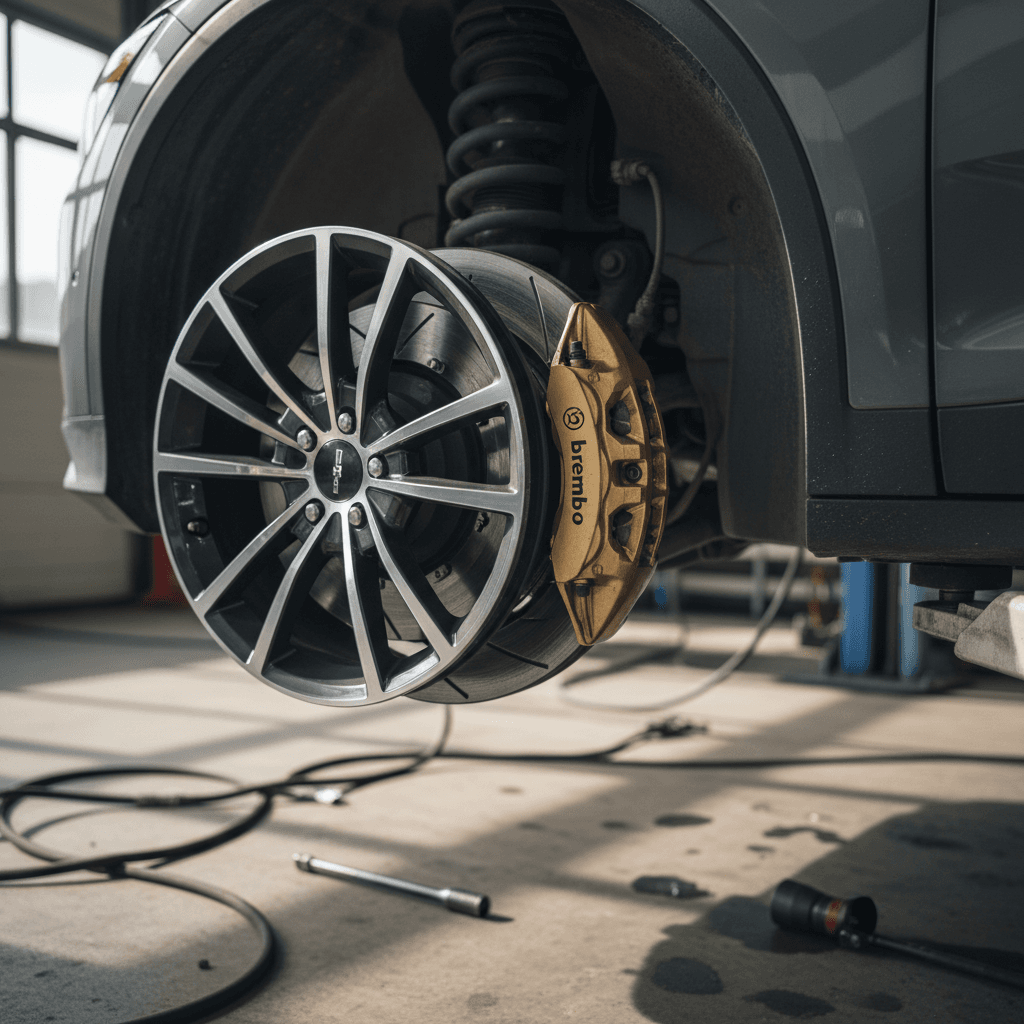
- Brakes – Pads last longer, but calipers and rotors still need love, especially in winter climates.
- Suspension & steering – Extra battery weight works bushings and ball joints harder over time.
- HV battery cooling – Keeping coolant fresh and leak‑free helps the pack age gracefully.
- Software – Updates can subtly change range, charging behavior, and safety systems.
Good news for your wallet
Expected Acura ZDX maintenance costs
Real‑world ZDX repair data is still limited, but we can triangulate from dealer menus and generic ZDX maintenance cost tools to get a sense of what you’ll spend. Most owners will see a rhythm like this:
Typical Acura ZDX maintenance cost ranges
Independent shops using national labor guides estimate a typical ZDX 7,500‑mile service falling under a few hundred dollars. Longer visits that add brake fluid or more in‑depth inspections move up from there. Region, labor rates, and whether you’re inside a complimentary maintenance period all play a role.
Where a used ZDX can surprise you
Using Acura’s Maintenance Minder with the ZDX
Instead of a rigid chart, the ZDX relies on Acura’s Maintenance Minder system: an algorithm that looks at mileage, time, and how the vehicle is driven to decide when it’s time for service. You’ll see a main code (like "A" or "B") and a number (1–9) that map to specific tasks.
How to live with Maintenance Minder on your ZDX
1. Learn where to find it
Cycle through the menus in the driver display, or open your Acura app. The Maintenance section shows the remaining oil‑life equivalent for EV service items plus the next code due.
2. Match codes to real work
Your owner’s manual and dealer site list what each letter/number pair means. On the ZDX, codes usually translate to EV‑appropriate items like inspections, tire rotations, and brake service, not engine work.
3. Don’t outrun the clock
If you drive very little, time‑based services (like brake fluid every few years) may come up before your mileage does. The Minder will still flag them; don’t ignore a code just because you haven’t driven much.
4. Keep records in one place
Whether you visit a dealer or an independent EV‑savvy shop, save invoices and have them log the Maintenance Minder code cleared. That paper trail protects resale value on a ZDX more than on an ordinary SUV.
Dealer vs independent shop for ZDX service
Checking maintenance on a used Acura ZDX
Because production of the ZDX has already wrapped, most examples you’ll see over the next few years will be pre‑owned. The good news: early data suggests normal battery degradation and solid reliability. The bad news: a neglected EV can hide its sins until you look closely at tires, brakes, and range numbers.
Used Acura ZDX maintenance checklist
Five things to verify before you sign anything.
Service history
- Ask for itemized records up to the current mileage.
- Look for 7,500‑mile visits, brake fluid by year 4–5, and cabin filter changes every few years.
Range and charging
- Compare displayed range at 100% charge with original EPA estimates for its trim.
- Test DC fast charging if possible to confirm healthy speeds.
Tires & alignment
- Check for uneven wear or cheap replacement tires.
- Budget for a fresh set if tread is low or patterns look choppy.
Brakes
- Listen for noises, feel for vibration on braking.
- Look at rotor faces for heavy rust or grooves.
Recalls & updates
- Confirm all open recalls and software updates are complete.
- A dealer can pull this from the VIN.
Warranty & coverage
- Verify remaining battery and powertrain warranty.
- Ask about any prepaid maintenance or tire/wheel coverage that transfers to you.
How Recharged handles used ZDX maintenance
How Recharged makes ZDX ownership and maintenance easier
The ZDX is a sophisticated EV, but keeping it healthy shouldn’t be a full‑time job. If you’re shopping used, a platform that understands EVs, and this model specifically, can take the guesswork out of both battery health and upcoming service.
- Recharged Score battery diagnostics reveal real‑world pack health, not just what the dash says.
- Transparent pricing reflects condition, mileage, and expected maintenance, so you’re not surprised by a set of tires or a brake service 60 days in.
- Trade‑in and instant offer options make it easy to move out of a gas SUV and into an EV like the ZDX without juggling multiple dealers.
- EV‑specialist support can walk you through what the next 24–36 months of ZDX maintenance will realistically look like, based on how you drive.
And because Recharged handles financing, purchase paperwork, and even delivery as a fully digital experience, you can spend your time figuring out where you’ll charge and how you’ll use all that instant torque, instead of wondering what’s hiding in the maintenance history.
Acura ZDX maintenance FAQ
Frequently asked questions about Acura ZDX maintenance
Bottom line: building an easy ZDX maintenance plan
The Acura ZDX maintenance schedule is refreshingly simple once you see it laid out: think 7,500‑mile tire rotations and inspections, a handful of time‑based fluid and filter services, and very little in the way of engine‑style upkeep. Pay attention to tires, brakes, and software updates, and the ZDX should be one of the lower‑maintenance luxury SUVs you can own.
If you’re eyeing a used ZDX, don’t be shy about asking hard questions about service history and battery health. That’s exactly the homework Recharged bakes into every EV we list, so you can skip the guesswork, enjoy the instant torque, and treat maintenance as a quiet background detail instead of a constant worry.