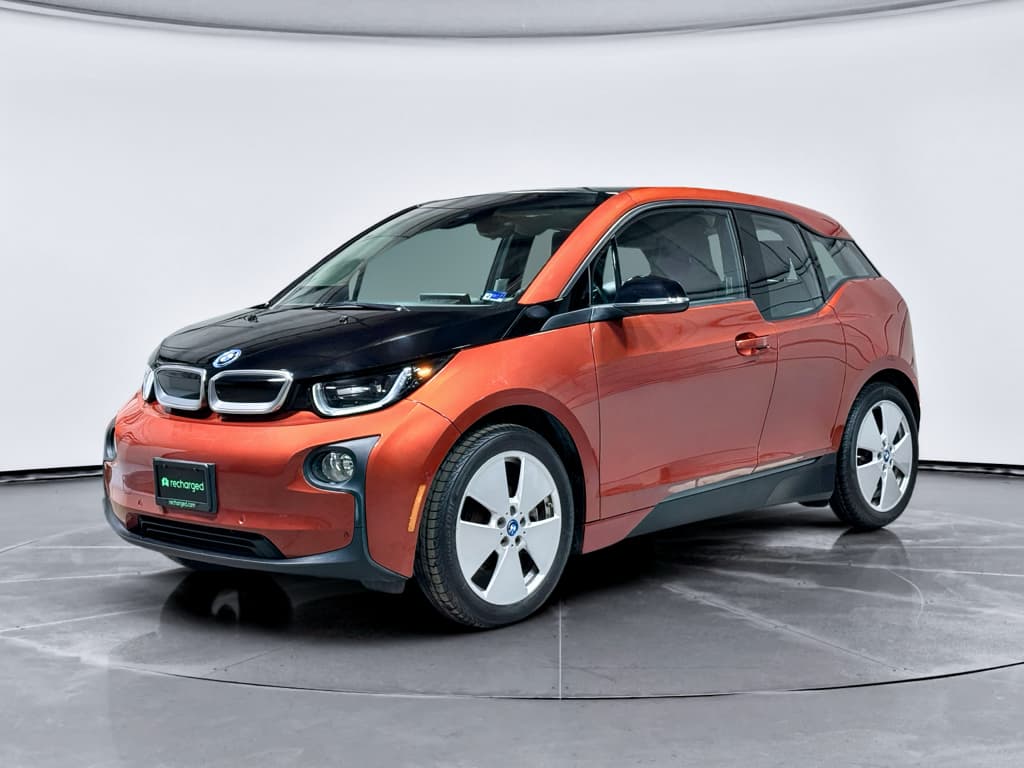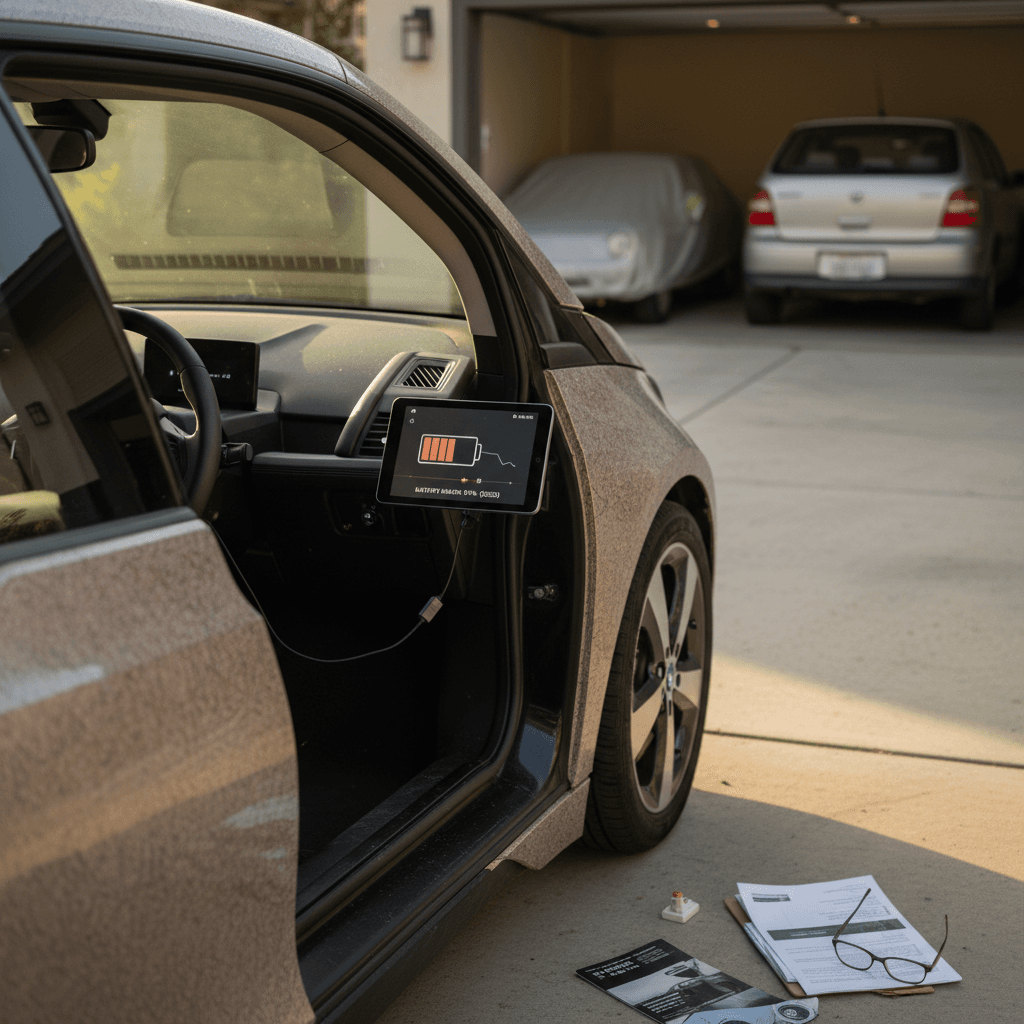
You’re eyeing a BMW i3 and wondering, very simply, “What’s a fair BMW i3 car price in 2025?” The i3 is no longer built new, but it’s become one of the most interesting bargains in the used EV world, especially if you live in a city or do mostly short commutes. This guide walks you through real‑world price ranges, what pushes an i3’s value up or down, and how to shop confidently, with battery health front and center.
Quick context: BMW i3 timeline
BMW i3 car price overview in 2025
Snapshot: BMW i3 prices in today’s U.S. market
Because the BMW i3 is out of production, there’s no “new” BMW i3 car price anymore, only what the used market will bear. But that actually works in your favor. Early i3s had MSRPs in the $40,000–$50,000 range when new; in 2025, you can often buy one for a quarter to half of that original sticker, depending on age and spec.
Typical used BMW i3 price ranges
Actual prices move with the market, interest rates, and local demand, but if you’re casually browsing listings right now, you’ll roughly see this pattern in the U.S.:
Typical 2025 BMW i3 used price ranges (U.S.)
Approximate asking prices based on public listings in late 2025. Local taxes, fees, and condition will affect what you actually pay.
| Model years & type | Battery / version | Typical miles | Rough price band* |
|---|---|---|---|
| 2014–2015 i3 BEV | 60 Ah (22 kWh) | 60k–100k+ | $8,000–$11,000 |
| 2014–2015 i3 REx | 60 Ah + range extender | 60k–100k+ | $9,000–$13,000 |
| 2017–2018 i3 BEV | 94 Ah (33 kWh) | 40k–80k | $12,000–$17,000 |
| 2017–2018 i3 REx | 94 Ah + range extender | 40k–80k | $13,000–$18,000 |
| 2019–2021 i3 BEV | 120 Ah (42 kWh) | 20k–60k | $16,000–$22,000 |
| 2019–2021 i3s BEV | 120 Ah i3s sport | 20k–60k | $18,000–$24,000+ |
Use these ranges as a starting point, not a hard rule, battery health, miles and history can move an individual i3 well above or below these bands.
Important disclaimer on prices
If you’re seeing prices way outside these bands, ask yourself why. A steal might be hiding battery problems or flood history; an overpriced car might just be sitting on the market, waiting for a price drop.
7 key factors that change BMW i3 car price
What really moves the needle on BMW i3 value
It’s more than just model year and mileage.
1. Battery size & chemistry
2. Region & climate
3. Mileage & usage
4. Service & accident history
5. Trim & options
6. REx vs BEV
Price factor #7: timing & incentives
Battery health and how it impacts value
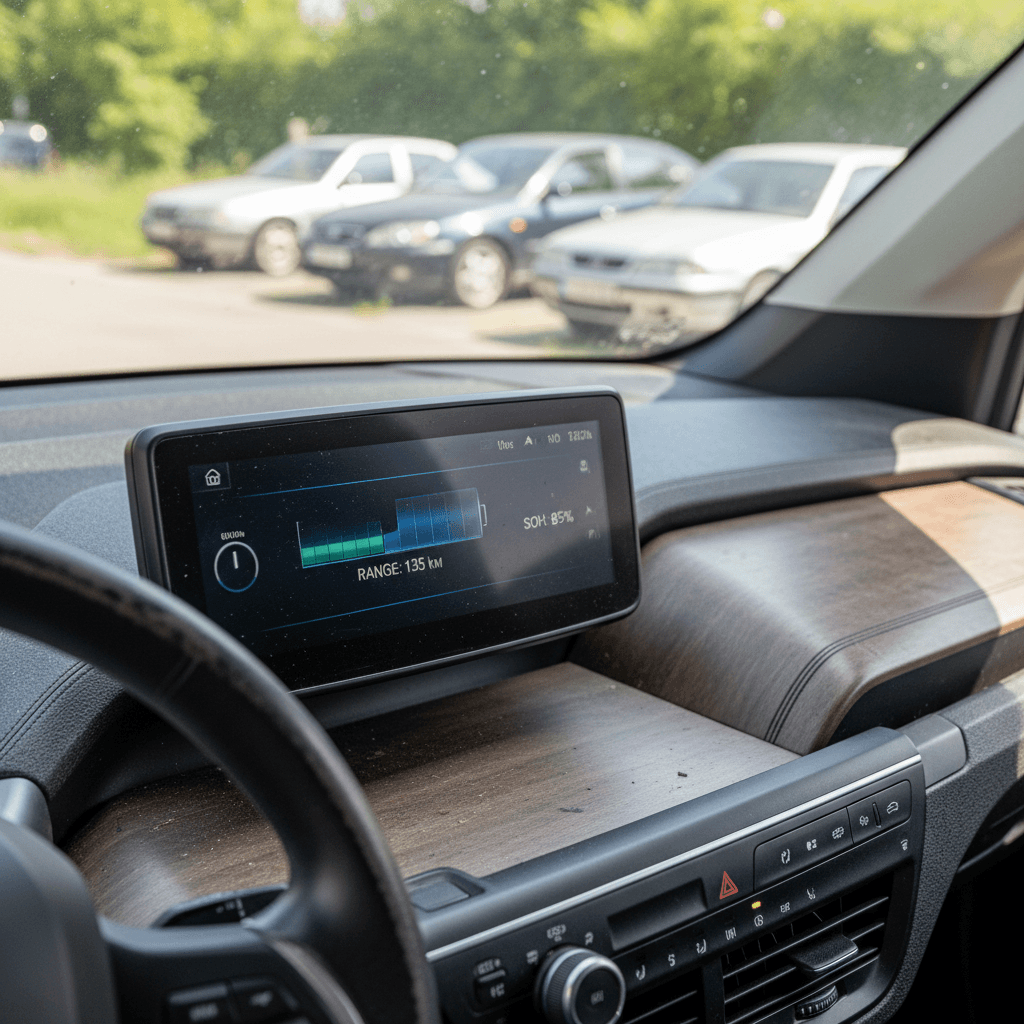
With the i3, battery health is the headline, not horsepower. BMW’s pack evolved from about 22 kWh usable in early 60 Ah cars to roughly 38 kWh usable in the 120 Ah models. Range went from around 81 EPA miles to about 153 miles in the longest‑range BEV. That’s on paper. A decade later, real‑world range depends on how the pack was treated.
- Frequent DC fast charging at high state of charge can accelerate wear.
- Living in hot climates with the car parked outside shortens battery life.
- Keeping the battery mostly between about 20–80% charge is gentler on the pack.
- Software updates and careful BMW maintenance can help keep the pack happy.
How much degradation is normal?
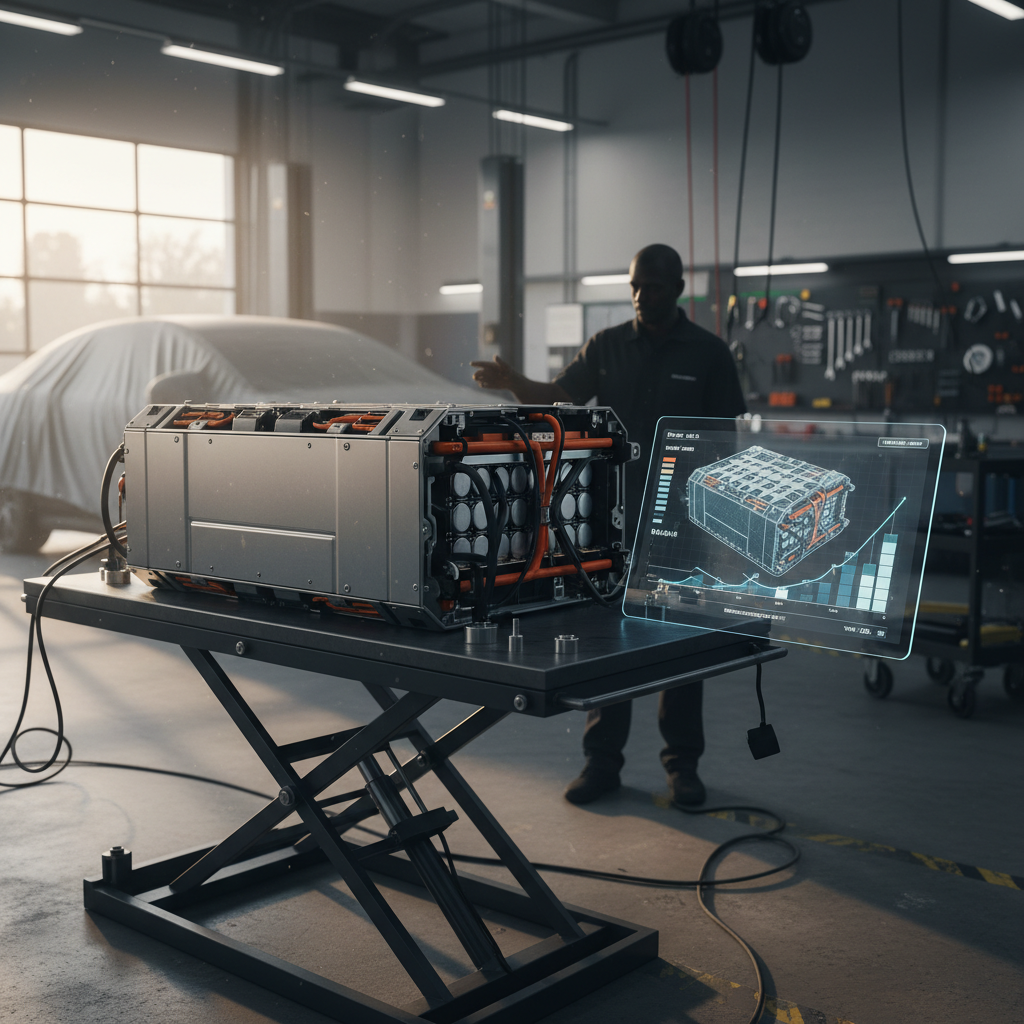
Because you can’t see battery health by kicking the tires, this is where buying from a specialist matters. Every vehicle on Recharged includes a Recharged Score Report, which uses battery diagnostics and live data to show you the pack’s condition, remaining capacity, and how that compares with similar EVs. That transparency lets you judge whether the price you’re paying actually matches the battery you’re getting.
REx vs BEV: how each version is priced
Pure electric BMW i3 (BEV)
The standard i3 is a battery‑electric vehicle only: no gas tank, no tailpipe. It’s lighter, a bit quicker, and mechanically simpler than the range‑extender version.
- Quiet, smooth, and always in EV mode.
- Less maintenance, no oil changes, no extra engine components.
- Best fit if you have reliable home or workplace charging and mostly predictable daily miles.
In strong EV markets with good charging, BEVs can be priced on par with, or sometimes above, REx cars when battery health is excellent.
BMW i3 with Range Extender (REx)
The i3 REx adds a small two‑cylinder gasoline engine that acts as a generator. It doesn’t drive the wheels directly, but it keeps the battery from dropping to zero when you go beyond electric range.
- Useful backup for road trips or spotty charging areas.
- Slightly smaller gas tank in early U.S. cars; later models improved this.
- More moving parts and maintenance than the pure BEV.
In regions where charging is still catching up, REx cars often carry a small price premium, especially with the larger 94 Ah and 120 Ah batteries.
Watch for local regulations
Ownership costs beyond the purchase price
A low BMW i3 car price is only a win if the total cost of ownership stacks up. Fortunately, the i3 starts with a few big advantages: it’s efficient, it sips electricity instead of gas, and routine maintenance is lighter than on a gasoline BMW. Still, it’s smart to pencil out the full picture.
Major cost buckets for a used BMW i3
Factor these into your budget, not just the sticker price.
Charging & electricity
Maintenance & repairs
Insurance & warranties
Don’t forget the high‑voltage system
How to shop smart for a used BMW i3
Step‑by‑step checklist for evaluating an i3
1. Decide your minimum acceptable range
Think about your real daily miles plus a buffer. If you’re regularly driving 70–80 miles between charges, a tired 60 Ah car may be more stress than it’s worth, look at stronger‑battery 94 Ah or 120 Ah cars instead.
2. Check the battery health story
Ask specifically for battery diagnostics or a range test. On Recharged, the <strong>Recharged Score Report</strong> puts this front and center so you can compare cars apples‑to‑apples.
3. Confirm DC fast‑charging capability
Some early i3s were sold without DC fast charging. If you expect to road trip or rely on public charging, CCS fast‑charge capability is worth paying a little extra for.
4. Look closely at tires and wheels
The i3’s tall, narrow tires are unique and not the cheapest. A set that’s near the end of its life can effectively add hundreds of dollars to your real purchase cost.
5. Review service history & recalls
Ask for documentation of regular service and any completed recalls or service campaigns. A well‑documented car is worth more, and usually deserves it.
6. Compare against the broader EV market
Before you stretch for a pricey late‑model i3, compare it with other used EVs in the same budget. At Recharged you can line up multiple models, pricing, and battery scores side‑by‑side.
Where Recharged fits into your BMW i3 search
Buying a used BMW i3 doesn’t have to feel like a science project. Recharged is built from the ground up for used EVs, and cars like the i3 are exactly where that focus pays off.
- Every EV includes a Recharged Score Report with verified battery health, range estimates, and a transparent look at how the pack has aged.
- You get fair market pricing grounded in current EV‑specific data, not just generic gas‑car comparables.
- If you have a trade‑in, you can get an instant offer or choose consignment, and have your next EV delivered nationwide.
- The entire process is fully digital, backed by EV‑specialist support, with an in‑person Experience Center in Richmond, VA if you prefer to see and touch before you buy.
Make the numbers work for you
Ready to find your next EV?
Browse VehiclesFrequently asked questions about BMW i3 car price
BMW i3 pricing: quick answers
Bottom line: is a used BMW i3 worth it?
If you want a compact, premium‑feeling EV for city and suburban life, a used BMW i3 can be a tremendous value in 2025. Pricing has come down far enough that you’re no longer paying new‑car money for early‑adopter tech, yet the design still feels special and the driving experience is delightfully different from a typical hatchback.
The key is to judge each BMW i3 car price through the lens of battery health, range needs, and total ownership cost, not just the window sticker. When you combine that mindset with transparent diagnostics and fair market pricing, exactly what Recharged is built to provide, you can shop the used i3 market with confidence instead of crossed fingers.