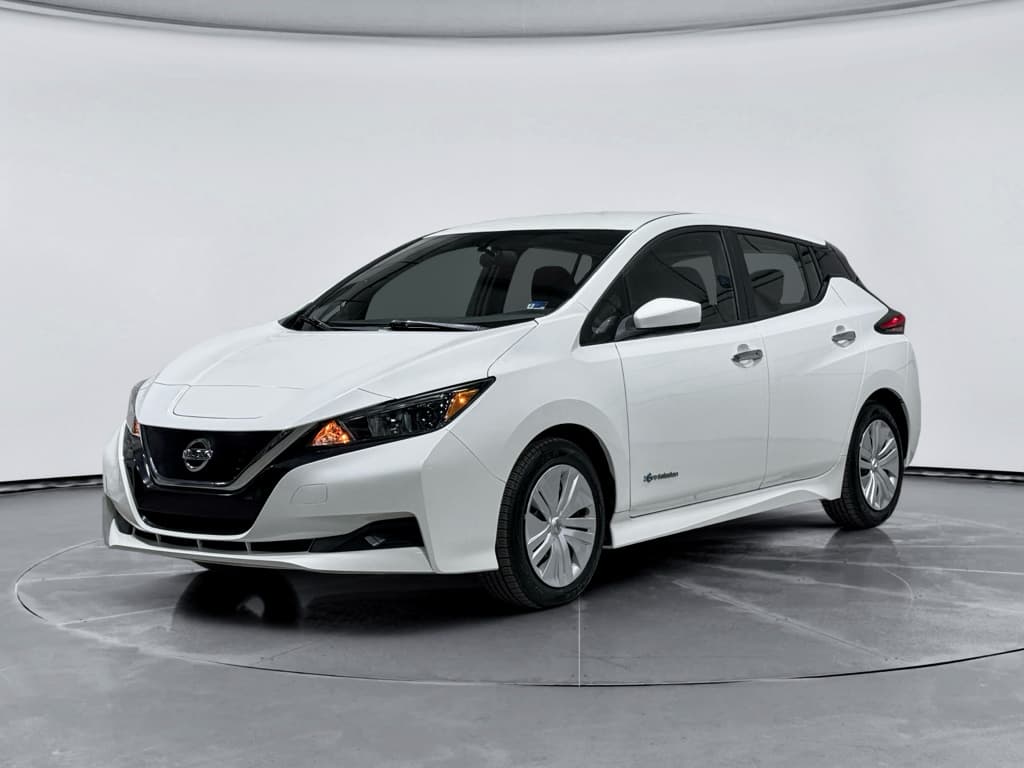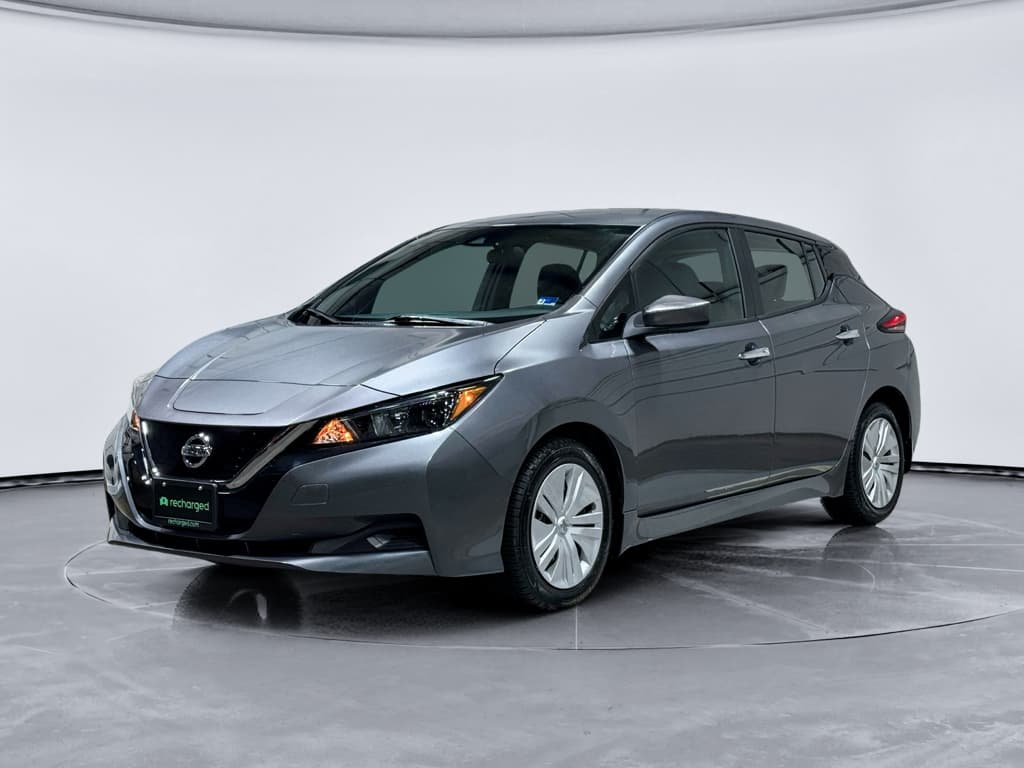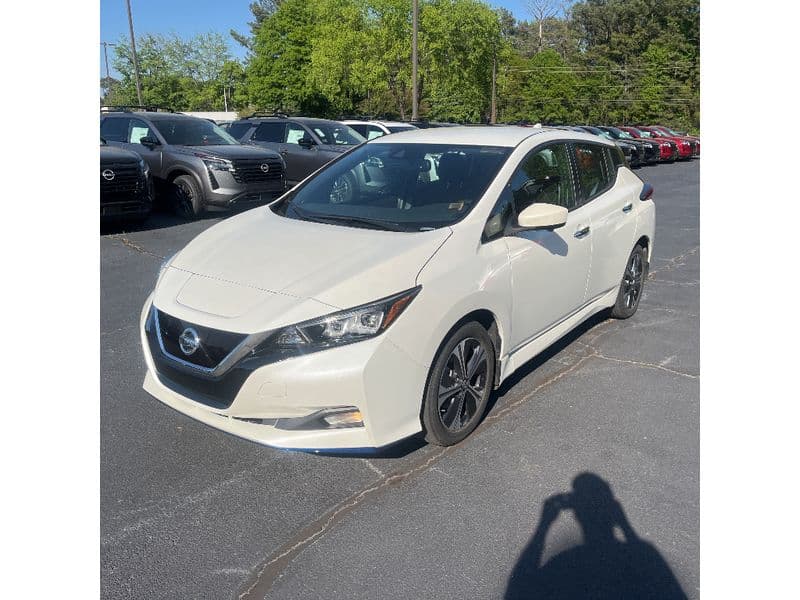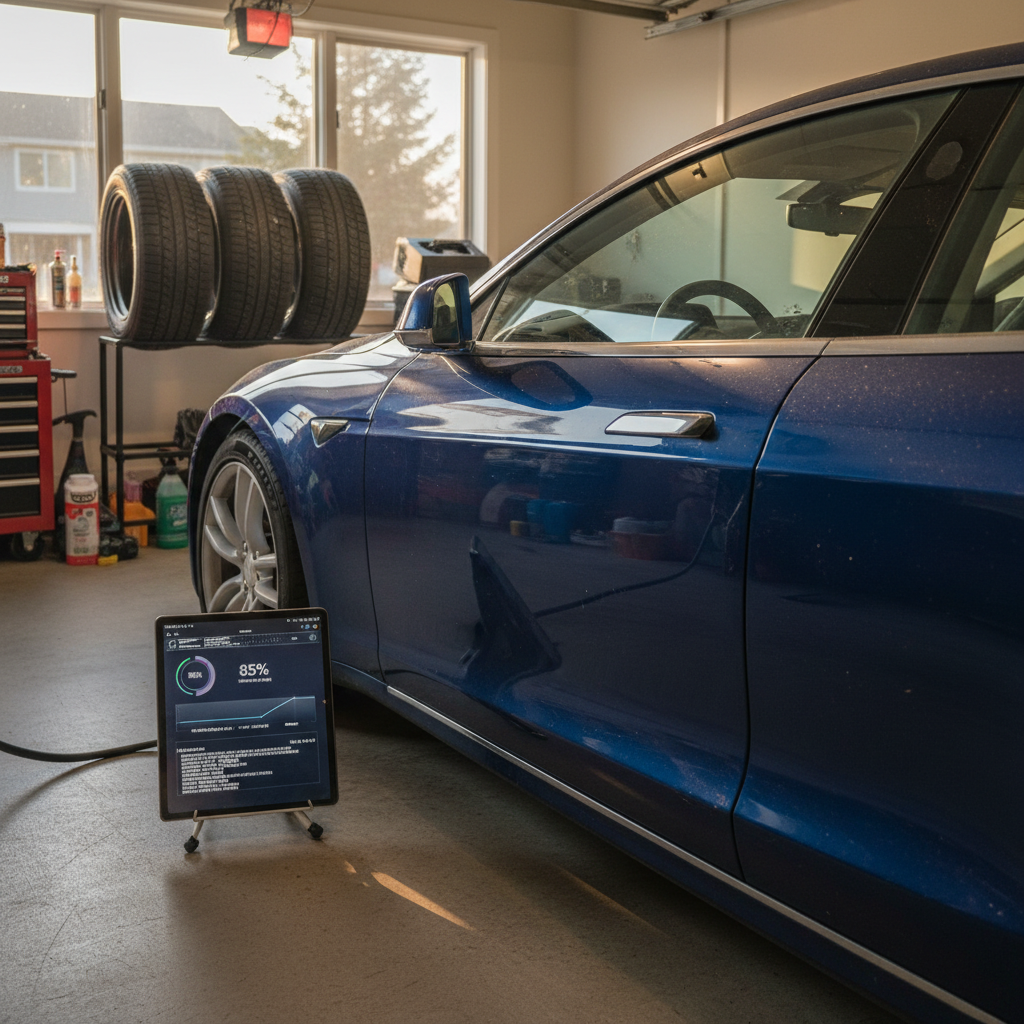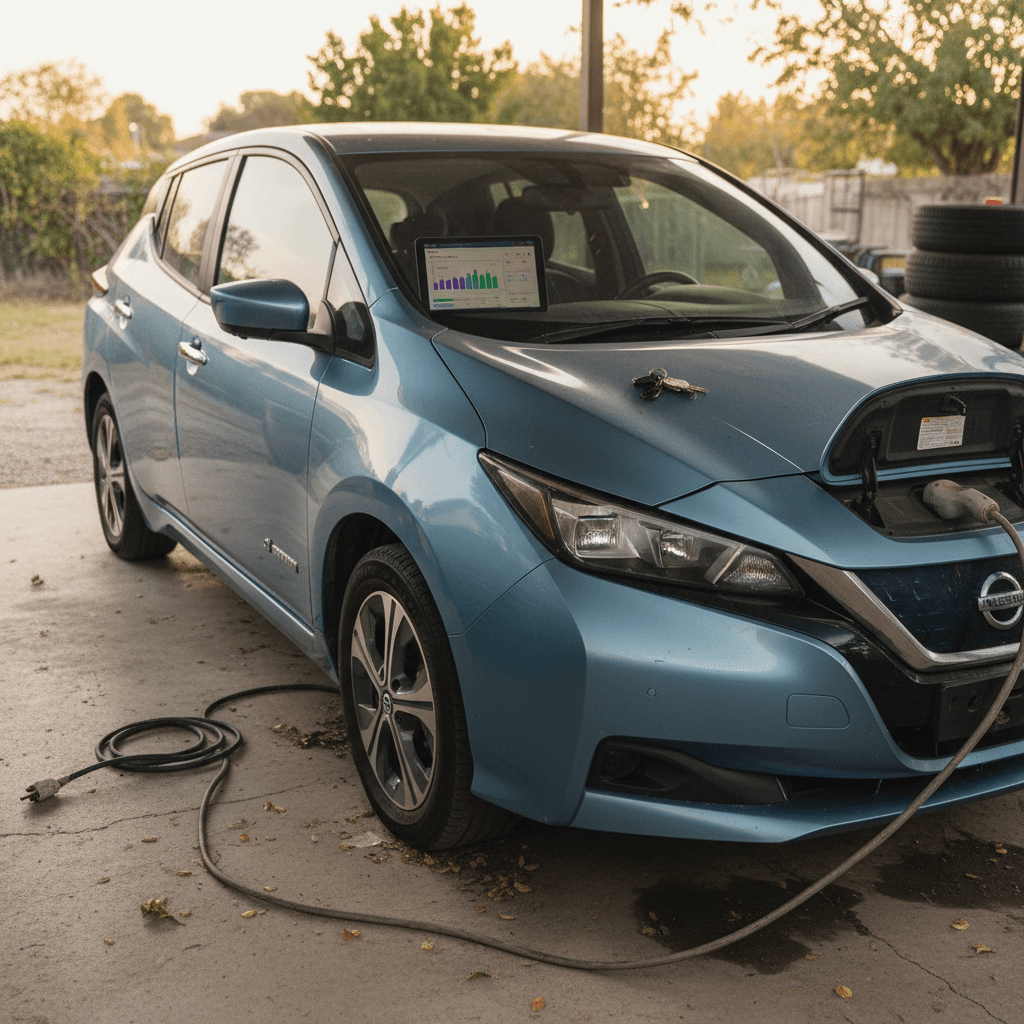
If you’re looking at a used electric hatchback, the question of 2018 Nissan Leaf reliability is going to come up quickly. The second‑generation Leaf brought more range and a nicer interior, but it’s now an eight‑year‑old EV. The good news: many owners report almost gas‑car‑free, trouble‑free driving. The catch: you have to pay close attention to battery health, recalls, and how the car was used.
Quick take
Is the 2018 Nissan Leaf reliable?
From a big‑picture standpoint, the 2018 Leaf has a solid reliability record. Long‑term tests and many owner reviews report few to no breakdowns, almost no unscheduled repairs, and extremely low running costs compared with a gas compact. At the same time, some survey data rates it only “average” or slightly below for overall reliability because of issues in areas like electronics, climate control, and battery concerns rather than catastrophic failures.
2018 Nissan Leaf reliability at a glance
So if your main worry is, “Will a 2018 Leaf leave me stranded?” the answer, in most cases, is no, provided the battery is healthy and recalls are handled. Unlike some early EVs, the 2018 Leaf hasn’t been plagued by widespread drivetrain failures in North America.
Where ratings can mislead
How the 2018 Leaf scores on reliability
Owner reviews
Owner reports for the 2018 Leaf on major car‑shopping sites are overwhelmingly positive. Ratings for reliability often sit around 4.7 out of 5 stars, and many owners describe the car as the most reliable vehicle they’ve owned, especially when used as a commuter or around‑town car.
Comments frequently highlight the absence of repairs beyond tires and basic wear items even after several years of use.
Expert & survey data
Some survey‑based reliability scores rank the 2018 Leaf as **average or a bit below average** compared with all 2018 model‑year vehicles. That sounds scary until you realize these scores can be dragged down by relatively minor electrical or trim issues rather than major mechanical failures.
In other words, expert testing and owner satisfaction often paint a rosier picture than a single number on a chart.
How to read reliability scores
2018 Leaf battery life and degradation
Battery health is the most important part of 2018 Nissan Leaf reliability. The 2018 model launched with a 40 kWh battery and an EPA‑rated range of about 151 miles. In 2026, real‑world range will vary widely based on climate, charging habits, and mileage.
- Many owners in moderate climates report losing only ~5–10% of range after 5–6 years of mostly local driving.
- Others, especially in very hot regions or with heavy fast‑charging use, can see noticeably faster degradation.
- Unlike some newer EVs, the 2018 Leaf’s pack does not have an active liquid‑cooling system, which can make it more vulnerable to heat over time.
Why heat matters
Inside the car, Nissan shows battery health via 12 small capacity bars next to the main battery gauge. Losing one or two bars is common on older Leafs and usually still allows comfortable daily commuting. Losing four or more bars means a big hit to range and resale value.
Smart ways to evaluate 2018 Leaf battery health
1. Look at the capacity bars
With the car on and fully charged, check how many of the 12 small battery capacity bars are present. Fewer bars = more degradation. Walk away from cars missing several bars unless the price reflects it.
2. Ask for charging history
If possible, ask how the previous owner charged. Mostly Level 2 home charging is ideal. Frequent DC fast‑charging and very hot‑weather use can shorten battery life.
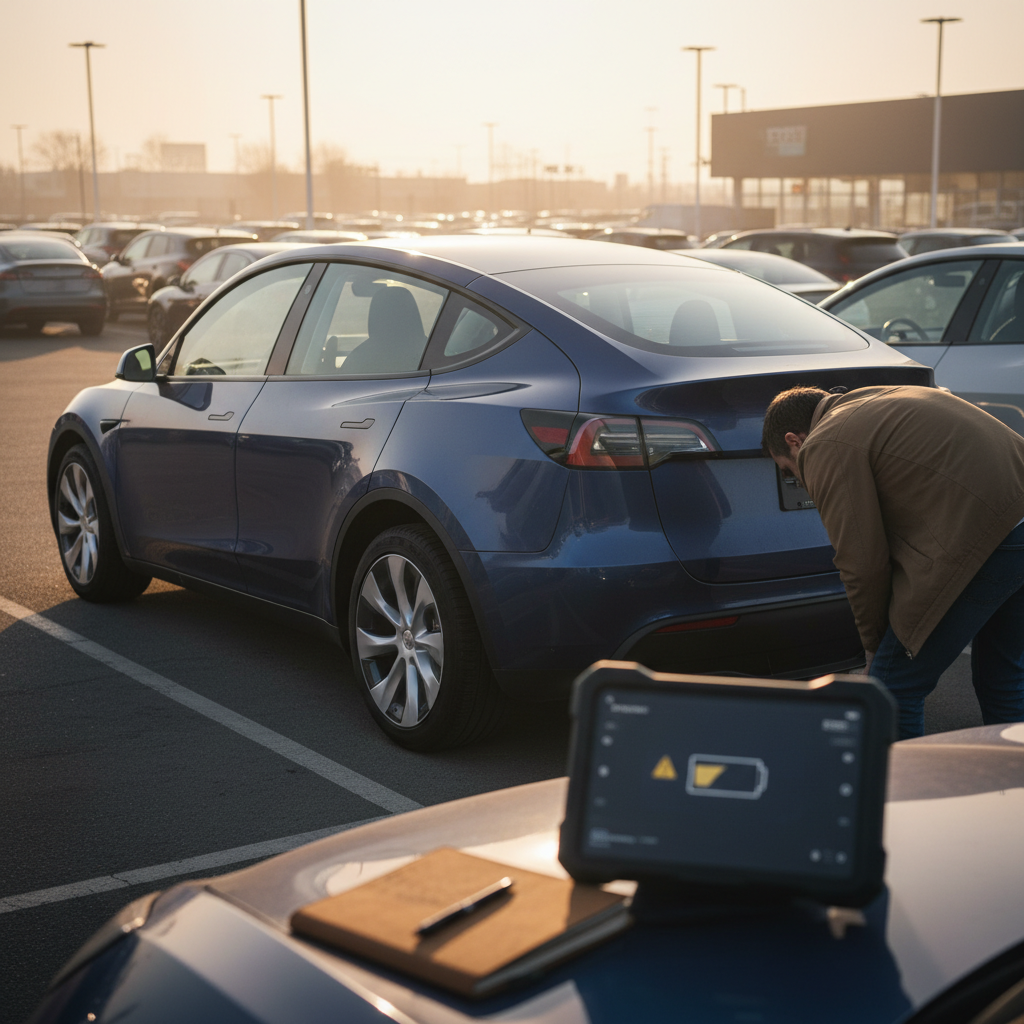
3. Use a professional battery test
A proper diagnostic tool can read pack health at a much finer level than the in‑car display. At Recharged, the <strong>Recharged Score battery health report</strong> quantifies remaining capacity so you aren’t guessing.
4. Test real‑world range
On a long test drive, start with a known state of charge and see how many miles you can cover before dropping 50%. If range is far below expectations, budget for a discount, or a different car.
Common problems on the 2018 Nissan Leaf
There’s no pattern of catastrophic failures on the 2018 Leaf, but like any eight‑year‑old vehicle, a few issues show up more often than others. Most are more annoying than dangerous, but they still matter when you’re choosing between used EVs.
Typical 2018 Leaf trouble spots
Most are minor, but they’re worth checking on a test drive
Battery & range concerns
Symptoms: Noticeable loss of range, missing capacity bars, reduced fast‑charge speed, or the car limiting power under high load.
Why it matters: Unlike a gas tank, a degraded pack costs thousands to replace. Range that felt OK in 2018 can feel tight in 2026 if your commute has grown.
Climate control quirks
Symptoms: HVAC not heating or cooling properly, odd noises from the blower fan, or fogged windows that take a long time to clear.
Why it matters: Efficient heating and defrosting are critical in colder states, both for comfort and safety.
Infotainment & camera issues
Symptoms: Backup camera image dropping out, distorted, or laggy; head unit freezing or rebooting.
Why it matters: Some of these are covered by recalls or software updates. Confirm they’ve been done.
Brakes & regenerative feel
Most owners love the Leaf’s e‑Pedal and gentle braking feel. Occasionally, drivers mention inconsistent transition between regenerative and friction braking, or early wear of pads and rotors if the car is driven aggressively or mostly in stop‑and‑go traffic.
On a test drive, listen for squeaks, feel for pulsation in the pedal, and make sure the parking brake holds securely.
Body, trim, and interior
On some cars, you’ll find squeaks from interior panels, minor wind noise at highway speeds, or loose trim pieces. These are typical age‑related issues, not Leaf‑specific defects, but they can affect how “solid” the car feels.
Check window switches, door locks, hatch operation, and seat adjustments to avoid living with small but annoying problems.
Walk‑away signs
2018 Nissan Leaf recalls and warranty coverage
The 2018 Leaf has been subject to several recalls, mainly related to the rearview camera system and owner’s‑manual instructions affecting defroster performance. These are important for safety but typically fixed via software updates or small hardware adjustments at no cost to the owner.
Key 2018 Nissan Leaf recall themes
Always verify recall completion on any used Leaf by checking the VIN with NHTSA or a Nissan dealer.
| Area | Typical Fix | Why it matters |
|---|---|---|
| Rearview camera image | Inspect or reroute camera harness, apply protective tape, or replace parts | Ensures you have a clear rear view when reversing. |
| Backup camera settings | Software update so image can’t be disabled permanently | Prevents driver from accidentally turning off the rear camera display. |
| Defroster instructions | Updated owner’s‑manual insert with correct operation steps | Helps ensure the windshield defrosts effectively in cold or damp weather. |
Recall campaigns are performed free of charge at Nissan dealerships.
Battery recalls on newer Leafs
From the factory, the 2018 Leaf’s battery warranty was 8 years/100,000 miles against excessive capacity loss, and 8 years/100,000 miles against battery defects (whichever came first). In 2026, many 2018 cars will be at or near the end of that window, so you should assume little or no remaining factory battery coverage unless proven otherwise with documentation.
Maintenance costs and ownership experience
One of the biggest upsides of the 2018 Leaf is how little it costs to keep on the road. Long‑term tests over roughly 10,000 miles have found no unscheduled repairs and virtually no routine maintenance costs besides inspections. Many owners echo the same story: tires, wiper blades, cabin filters, and that’s about it for the first several years.
- No engine oil or transmission fluid changes.
- No timing belt, spark plugs, or exhaust system to worry about.
- Regenerative braking reduces wear on pads and rotors compared with a similar gas compact.
- Fewer moving parts overall than a traditional powertrain.
Daily‑driver sweet spot
How reliable is a used 2018 Leaf vs. newer EVs?
When you compare a used 2018 Leaf with newer EVs, reliability looks a bit different than it does with gas cars. The Leaf’s simple drivetrain and proven design are strengths, but its older battery tech and lack of active cooling are weaknesses.
Where the 2018 Leaf holds up well
- Simplicity: Fewer complex features than some newer EVs means fewer things to glitch or break.
- Known track record: After eight years, common issues and fixes are well‑understood.
- Low running costs: Tires and basic consumables dominate maintenance spending.
Where newer EVs may do better
- Battery management: Many rivals now have liquid‑cooled packs that can age more gracefully in hot climates.
- Range: New compact EVs commonly offer 220–300+ miles, giving more headroom as the pack ages.
- Active safety tech: Newer cars may offer more advanced driver‑assist systems.
Value vs. longevity
What to check before buying a 2018 Leaf used
Shopping used EVs is different from shopping used gas cars. On a 2018 Leaf, you’re not worried about head gaskets and transmissions, you’re worried about battery health, software status, and how the car was treated. Here’s a practical pre‑purchase checklist.
Pre‑purchase checklist for a 2018 Nissan Leaf
Confirm battery health and range
Check the 12 capacity bars, ask for any battery test records, and take a long test drive that mimics your real commute. If you buy from Recharged, your Leaf comes with a <strong>Recharged Score battery health report</strong> so you know exactly what you’re getting.
Check for open recalls by VIN
Use the VIN to check recall status with NHTSA or a Nissan dealer. Make sure camera and defroster‑related campaigns have been completed so you’re not left chasing software updates.
Inspect charging equipment and ports
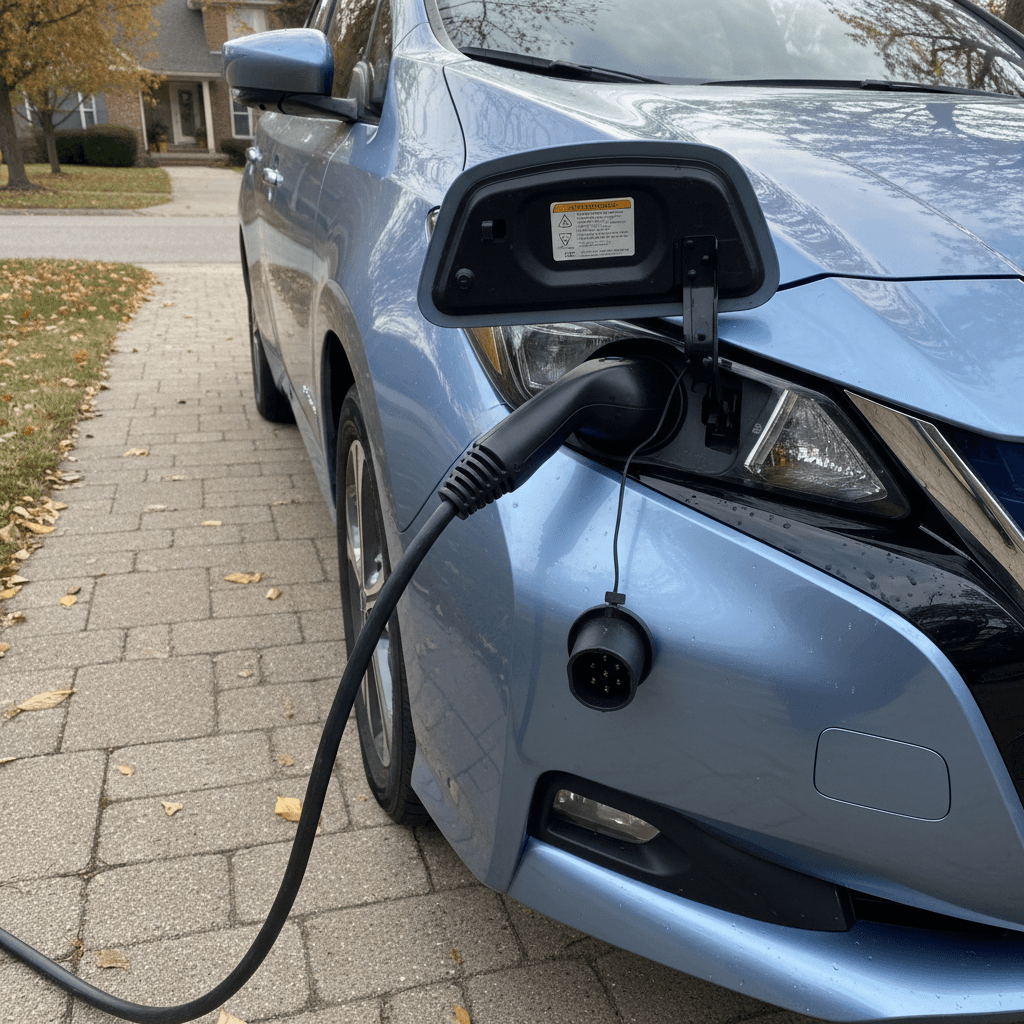
Verify that the charge port door opens smoothly, the latches feel solid, and the Level 2 cable (if included) works properly. Look for corrosion or damage around the connectors.
Test all electronics
Cycle the infotainment system, Bluetooth, backup camera, HVAC, power windows, locks, and keyless entry. Minor glitches aren’t unusual on older cars, but you want to know about them up front.
Review service history
Ask for dealer or independent shop records. On a Leaf, good records mainly confirm that recalls and software updates were performed and that any issues were addressed promptly.
Evaluate fit for your lifestyle
Make sure the Leaf’s real‑world range covers at least <strong>twice your typical daily round trip</strong>. That buffer makes winter driving, detours, and eventual battery aging much less stressful.
How Recharged evaluates 2018 Leaf reliability
Because battery health is so central to 2018 Nissan Leaf reliability, a visual inspection and a quick test drive aren’t enough. That’s why every Leaf sold through Recharged includes a Recharged Score Report that goes deeper than a typical used‑car checklist.
What’s in a Recharged Score for a 2018 Leaf
Data‑driven insight, not guesswork
Verified battery diagnostics
We use professional‑grade tools to measure pack health, cell balance, and charging behavior, then translate that into an easy‑to‑understand score and estimated usable range.
History & recall review
Title checks, accident history, mileage validation, and recall completion are all verified so you know where the vehicle has been and what’s been done.
EV‑specialist guidance
Our EV specialists walk you through the report, explain what the numbers mean for day‑to‑day driving, and help you compare a Leaf to other used EV options.
Ready to find your next EV?
Browse VehiclesBuy online, get it delivered
2018 Nissan Leaf reliability FAQ
Frequently asked questions about 2018 Leaf reliability
Bottom line: Is the 2018 Leaf a good used buy?
If your priority is a sensible, low‑cost electric commuter, a well‑sorted 2018 Nissan Leaf can be a very reliable used EV. The drivetrain is robust, maintenance needs are light, and owner satisfaction is high. The catch is that every 2018 Leaf lives or dies by its battery health and how well previous owners kept up with recalls and software updates.
Go into the process with clear eyes: verify battery condition, confirm recall completion, and make sure real‑world range fits your lifestyle with room to spare. If you’d rather not tackle that on your own, buying through Recharged means your Leaf comes with a Recharged Score battery health and condition report, transparent pricing, and EV‑specialist guidance from the first click to delivery.