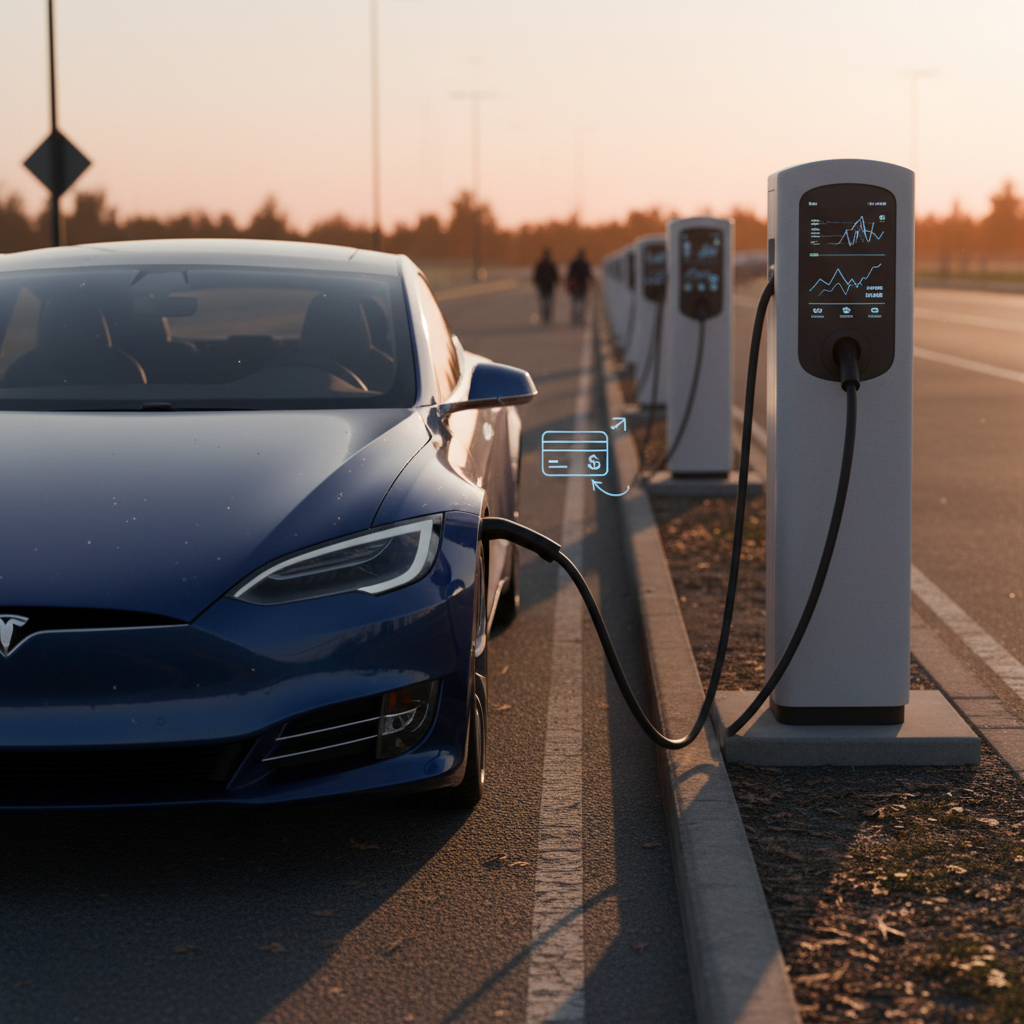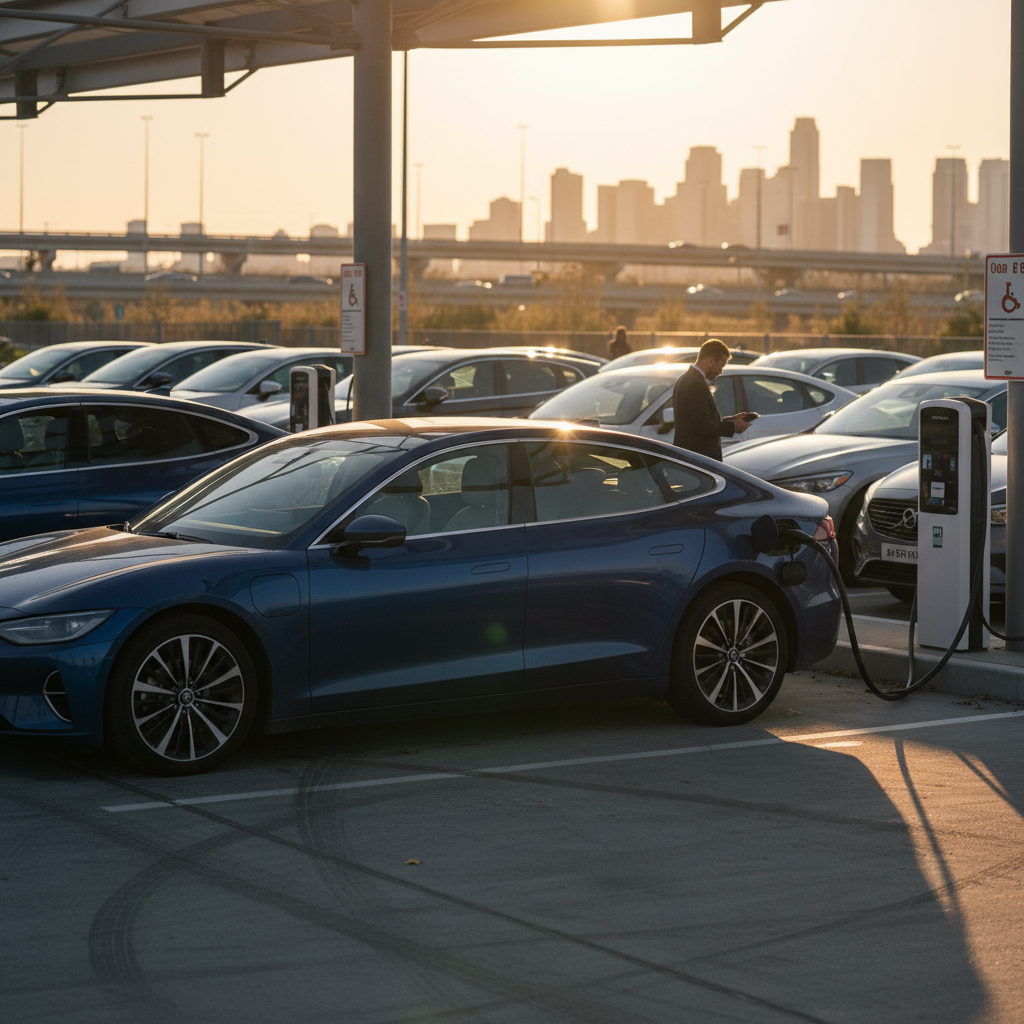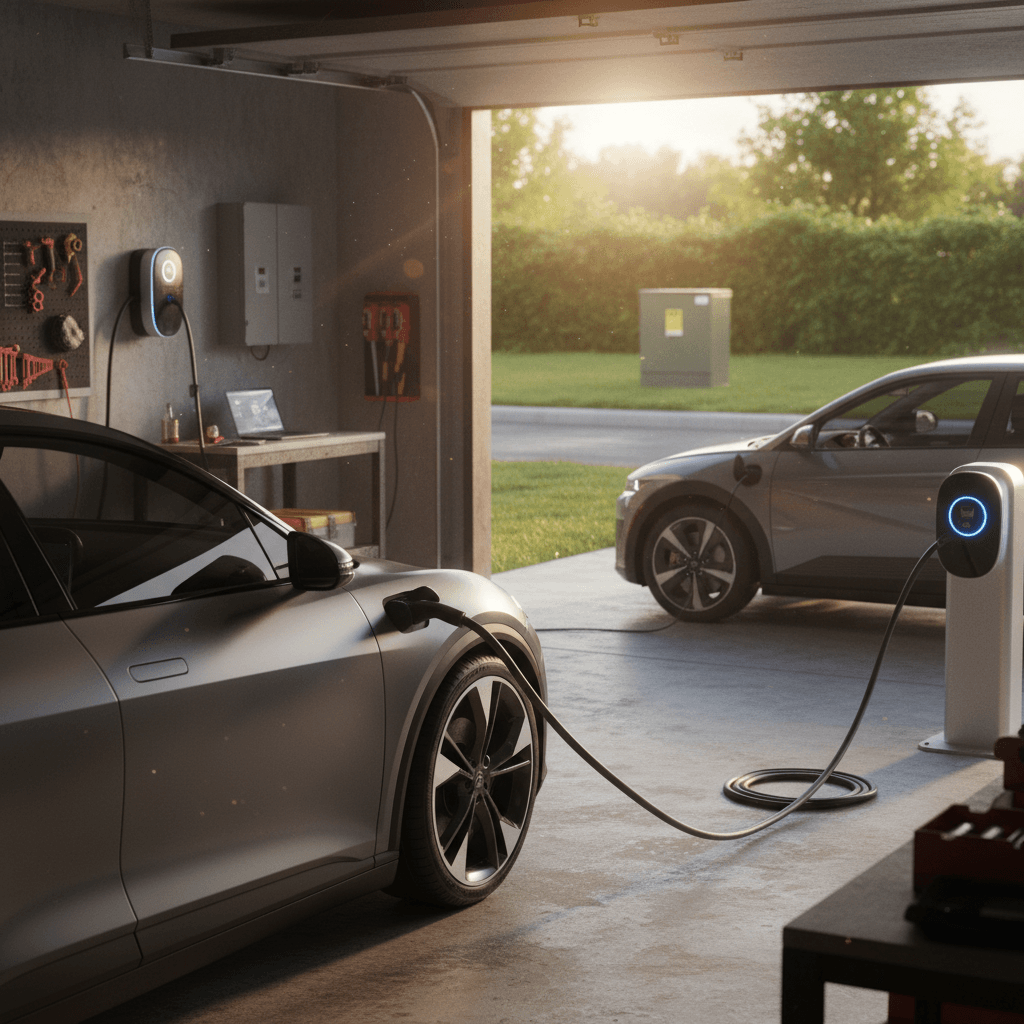
If you’ve ever lost power in a storm or looked at your electric bill during a heat wave, the idea of using your EV to power your home starts to sound less like a gimmick and more like a smart back‑up plan. In 2025, bidirectional charging EVs, cars and trucks that can push power back out to your house, the grid, or your gear, are finally moving from niche to mainstream. This guide walks through how bidirectional charging works and gives you a practical, up‑to‑date bidirectional charging EVs list for 2025 so you can decide which models actually fit your life and budget.
Bidirectional charging at a glance
Why bidirectional charging matters in 2025
Think of your EV as a rolling battery. A typical modern EV stores 60–130 kWh of energy, often more than a whole‑home battery system. With bidirectional charging, you’re no longer limited to pulling power from the grid into the car; you can also push power back out when and where it’s more valuable: during outages, peak‑rate windows, or even to support the grid.
- Energy resilience: Keep lights, refrigeration, internet and HVAC running during blackouts for days, not hours.
- Bill savings: Pair with time‑of‑use rates or solar to charge off‑peak and discharge during peak pricing.
- Grid participation: Some utilities now pay EV owners for participating in demand‑response or vehicle‑to‑grid (V2G) programs.
- Flexibility on the go: With V2L (vehicle‑to‑load) you can power tools, camping gear, or even another EV away from home.
Think beyond emergencies
Bidirectional charging basics: V2H vs V2G vs V2L
Vehicle‑to‑Home (V2H)
V2H lets your EV act like a whole‑home battery during an outage or for daily load shifting. Power flows from the car, through a compatible bidirectional charger or smart gateway, into your home’s main panel.
Vehicle‑to‑Grid (V2G)
With V2G, your EV sends power back to the utility grid under a managed program. In return, you may earn bill credits, direct payments, or discounted rates. It requires a participating utility and certified hardware.
Vehicle‑to‑Load (V2L)
V2L is the most common entry point. The EV provides AC outlets, often 120 V, onboard or via an external adapter so you can plug in tools, appliances, or camping gear without additional infrastructure.
Not all bidirectional systems are equal
Quick glance: Which EVs support bidirectional charging in 2025?
The 2025 bidirectional EV landscape
Below is a simple overview of key 2025 models with factory‑supported bidirectional functionality. In the next section we’ll dive into each family in more detail and separate full V2H/V2G capability from lighter‑duty V2L setups.
Selected 2025 EVs with bidirectional charging
Major EVs on sale in 2025 that offer factory‑supported bidirectional capability in the U.S. (availability and features may vary by trim, market, and hardware).
| Brand | Model (2025 or earlier) | Type of bidirectional | Notes |
|---|---|---|---|
| Ford | F‑150 Lightning | V2H, V2L | Home Backup Power with Ford Charge Station Pro; outlets in cabin/bed for V2L. |
| General Motors (Ultium) | Chevy Silverado EV, Blazer EV, Equinox EV; GMC Sierra EV; Cadillac Lyriq, Escalade IQ, Optiq | V2H, V2G (select pilots) | GM Energy bundles enable up to ~19.2 kW V2H on many Ultium models. |
| Hyundai | Ioniq 5, Ioniq 6, Ioniq 9 | V2L widely, V2H/V2G in pilots | V2L standard; V2H/V2G rolling out with compatible DC hardware in select regions. |
| Kia | EV6, EV9, Niro EV (select trims) | V2L, V2H (EV9) | Up to ~3.6 kW V2L; EV9 adds V2H with approved hardware. |
| Genesis | GV60 | V2L | Premium cousin to Ioniq 5 with interior/exterior outlets. |
| Tesla | Cybertruck; newer Model Y and others via Powershare rollout | V2H, V2L, V2V | Cybertruck launched Powershare; broader fleet support rolling out via hardware and software updates. |
| Nissan | Leaf (all gens); new Leaf (2025+) | V2H, V2G | Longtime V2G pioneer via CHAdeMO and certified DC chargers. |
| Volkswagen | ID.4 (select markets) | V2H | Rolling out V2H capabilities with specific wallbox solutions. |
| Volvo/Polestar | EX90, Polestar 3 & 4 (market‑dependent) | V2G, V2H (select) | Bidirectional features tied to specific chargers and markets. |
| Mitsubishi | Outlander PHEV | V2L, V2H (CHAdeMO) | Plug‑in hybrid with established V2H capability in some regions. |
Always confirm current feature availability and hardware requirements with the manufacturer or dealer before you buy.
Always verify capability on the exact car you’re buying
Detailed 2025 bidirectional EVs list by brand
Ford
Ford was one of the first major players to lean into bidirectional charging. The F‑150 Lightning turns its big battery into a whole‑home backup system with Ford’s Home Backup Power setup, using the Ford Charge Station Pro and a dedicated home integration system. With the extended‑range battery, Ford estimates you can power an average home for up to three days, and potentially up to ten if you ration usage carefully. You also get multiple 120‑volt and 240‑volt outlets in the cabin and bed for V2L use at job sites or campsites.
- F‑150 Lightning (all years) – V2H via Home Backup Power bundle, plus V2L via Pro Power Onboard outlets.
- Ford’s bidirectional offering currently centers on the truck; other Ford EVs use more conventional one‑way charging for now.
General Motors (Chevrolet, GMC, Cadillac)
GM’s Ultium platform is aggressively embracing bidirectional capability. Starting with the 2024 Silverado EV, GM has been making V2H effectively standard on new Ultium EVs when paired with GM Energy’s home power bundle. That bundle typically includes a bidirectional charger or PowerBank, a home gateway, and optional stationary storage.
- Chevrolet Silverado EV (2024+) – V2H standard‑ready, V2G in select pilots.
- Chevrolet Blazer EV and Equinox EV (2024+) – Ultium‑based crossovers with V2H support via GM Energy hardware.
- GMC Sierra EV (2024+), GMC Hummer EV (via software update) – Truck‑focused V2H solutions, attractive for home backup power.
- Cadillac Lyriq (2024+), Escalade IQ (2025+), Optiq (2025+) – Luxury Ultium EVs with V2H baked in when paired with the right hardware.
GM’s lease‑style energy bundles
Hyundai, Kia, and Genesis
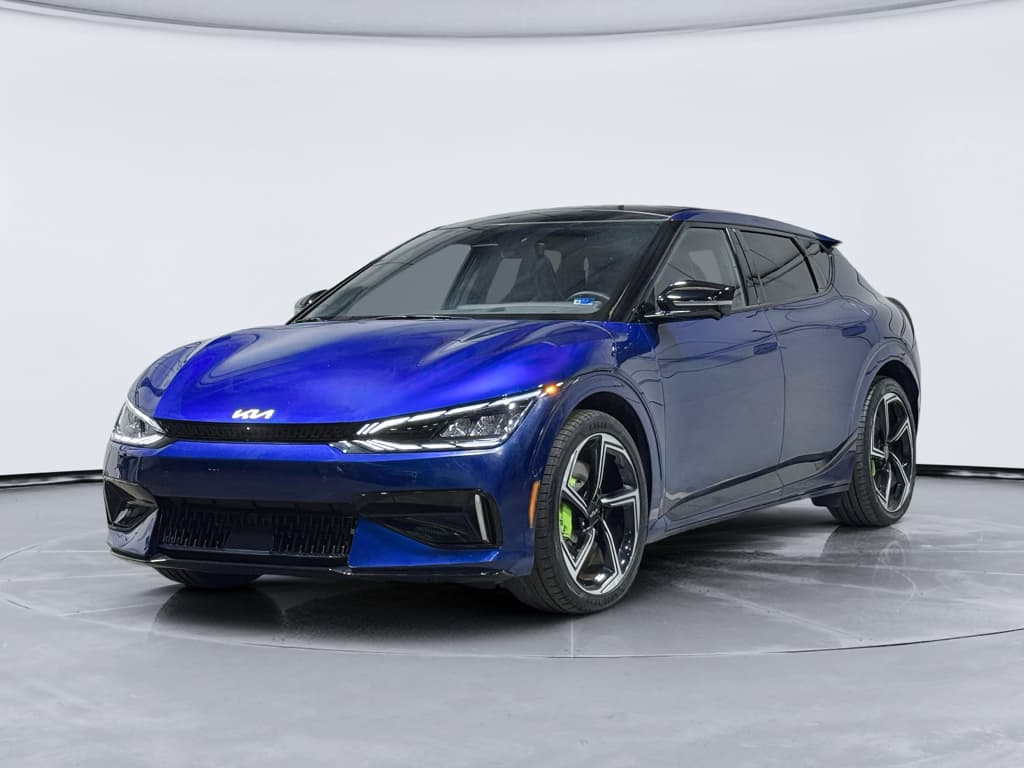
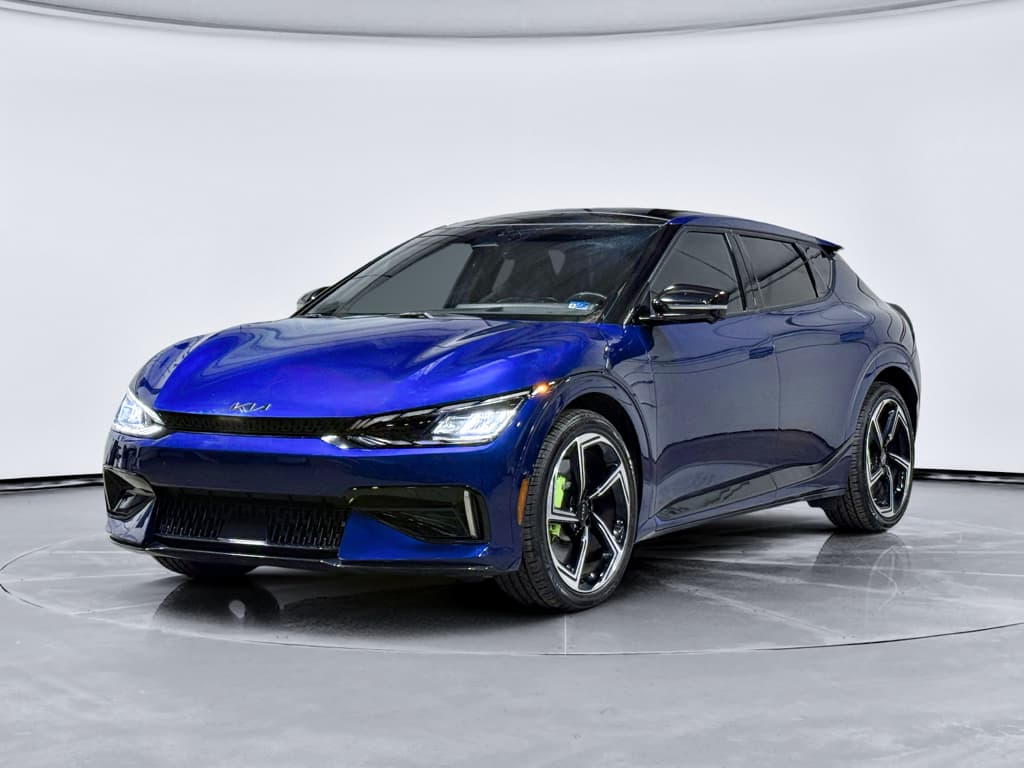
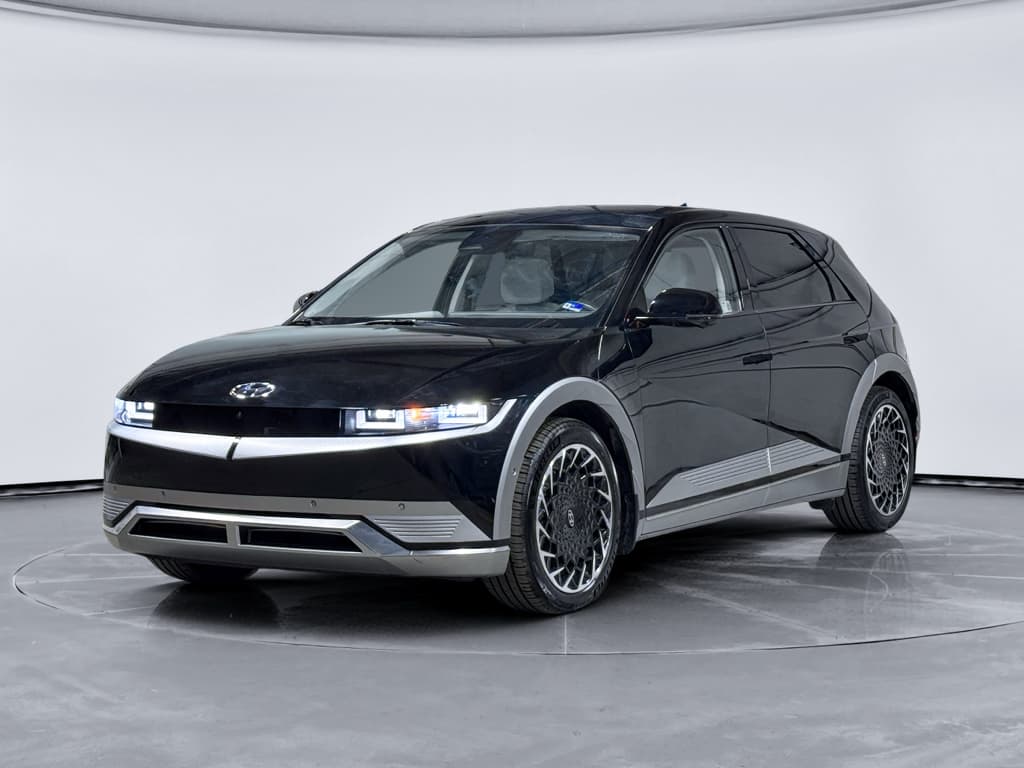
Hyundai Motor Group has been a champion of V2L. Models like the Hyundai Ioniq 5, Ioniq 6, Genesis GV60, and Kia EV6 made headlines for powering coffee shops, concerts, and campsites straight from the car’s battery. In 2025, the group is expanding into full V2H and even early V2G services, led by the Kia EV9 and Hyundai Ioniq 9, with plans to extend functionality to more models and markets over time.
Hyundai–Kia bidirectional highlights (2025, U.S. focus)
Representative models from Hyundai Motor Group with notable bidirectional capabilities.
| Brand | Model | Bidirectional type | Typical max output | Key use cases |
|---|---|---|---|---|
| Hyundai | Ioniq 5 | Primarily V2L; pilots for V2H/V2G | Up to ~3.6 kW V2L | Camping, tools, small appliances. |
| Hyundai | Ioniq 6 | V2L; V2H/V2G pilots | Similar V2L power | Home office, travel, light backup. |
| Hyundai | Ioniq 9 (upcoming) | V2H, V2G, V2L | Higher V2H power via DC hardware | Whole‑home backup, grid services (select markets). |
| Kia | EV6 | V2L, future V2H support in some markets | ~3.6 kW V2L | Road‑trip and outdoor power, emergency loads. |
| Kia | EV9 | V2L + full V2H | ~3.6 kW V2L; higher via V2H | Household backup, time‑of‑use bill management. |
| Kia | Niro EV (select trims) | V2L | ~3.0 kW V2L | Entry‑level V2L for basic needs. |
| Genesis | GV60 | V2L | ~3.6 kW V2L | Premium V2L with both interior and exterior outlets. |
Exact features vary by trim and market; verify regional specifications.
Tesla
Tesla was late to the bidirectional party but is now moving quickly. The Cybertruck launched with Tesla’s Powershare system, supporting V2L outlets, vehicle‑to‑vehicle charging, and full V2H when paired with the company’s home gateway. Tesla has publicly committed to expanding bidirectional capability across its lineup, with newer Model Y builds and other vehicles receiving software‑enabled functionality as supporting hardware rolls out.
- Cybertruck – Native Powershare with multiple 120‑volt outlets and V2H when combined with a Tesla home gateway.
- Newer Model Y and select other Tesla models – Ongoing rollout of V2H and V2L features, often via over‑the‑air software updates plus compatible home hardware.
- Older Teslas – In some cases can participate in V2H/V2G using third‑party DC bidirectional chargers, but support is more limited and should be approached cautiously.
Nissan, Volkswagen, Volvo, Polestar, and others
A number of other manufacturers offer either fully fledged bidirectional charging or are in active pilots.
- Nissan Leaf: One of the original V2G‑ready EVs. Through certified CHAdeMO bidirectional chargers, many Leaf models can participate in V2G programs or power homes and buildings. The next‑generation Leaf due around 2025 continues that focus.
- Volkswagen ID.4: VW has announced V2H functionality with specific DC wallboxes in select markets, with broader North American support expected over time.
- Volvo EX90, Polestar 3 and 4: Built with hardware for V2H/V2G in mind, rolling out alongside branded home energy ecosystems in Europe and select U.S. markets.
- Mitsubishi Outlander PHEV: A plug‑in hybrid that’s long supported V2H via CHAdeMO in Japan and some other regions, with limited but growing use in North America.
Good news for used‑EV shoppers
How much power can these EVs actually provide?
On paper, many modern EVs rival or exceed dedicated home battery systems. The key questions are: how fast can they deliver power (kW) and how long can they sustain it (kWh)?
Power output in real‑world terms
What typical bidirectional power levels mean for your home or gear
3–3.6 kW (typical V2L)
Enough to run:
- Refrigerator + lights + Wi‑Fi
- Television and small electronics
- Moderate power tools
Great for camping, tailgating, and basic emergency loads.
9.6–11.5 kW (Ford, many V2H systems)
Enough to power:
- Most essential home circuits
- Electric oven or well pump (if wired)
- Small central AC or multiple mini‑splits
Comparable to a whole‑home backup generator in many houses.
Up to ~19.2 kW (some GM Ultium setups)
Enough for:
- Larger homes with heavier loads
- Simultaneous HVAC and appliances
- Short bursts of high‑draw tools
Most households won’t need this full capacity continuously, but it offers headroom.
How long will it last?
What extra equipment do you need for V2H or V2G?
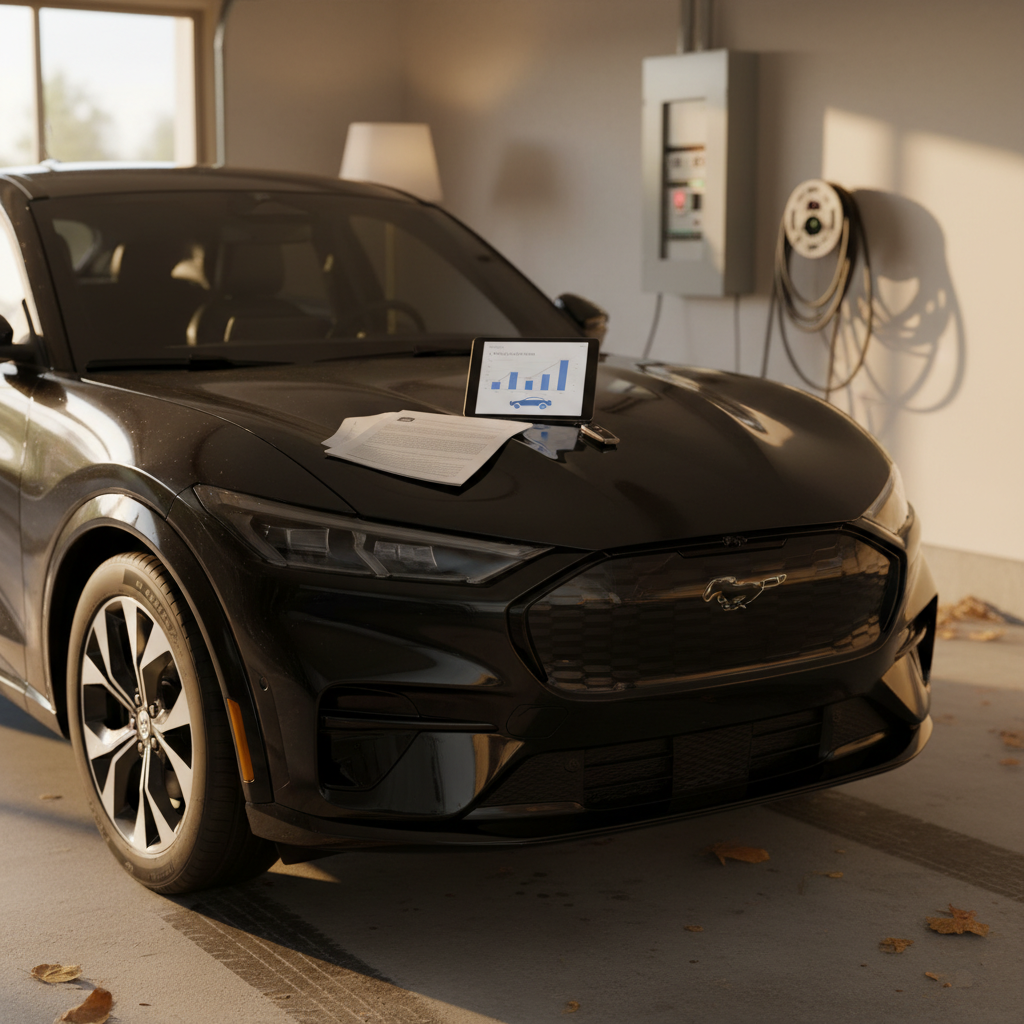
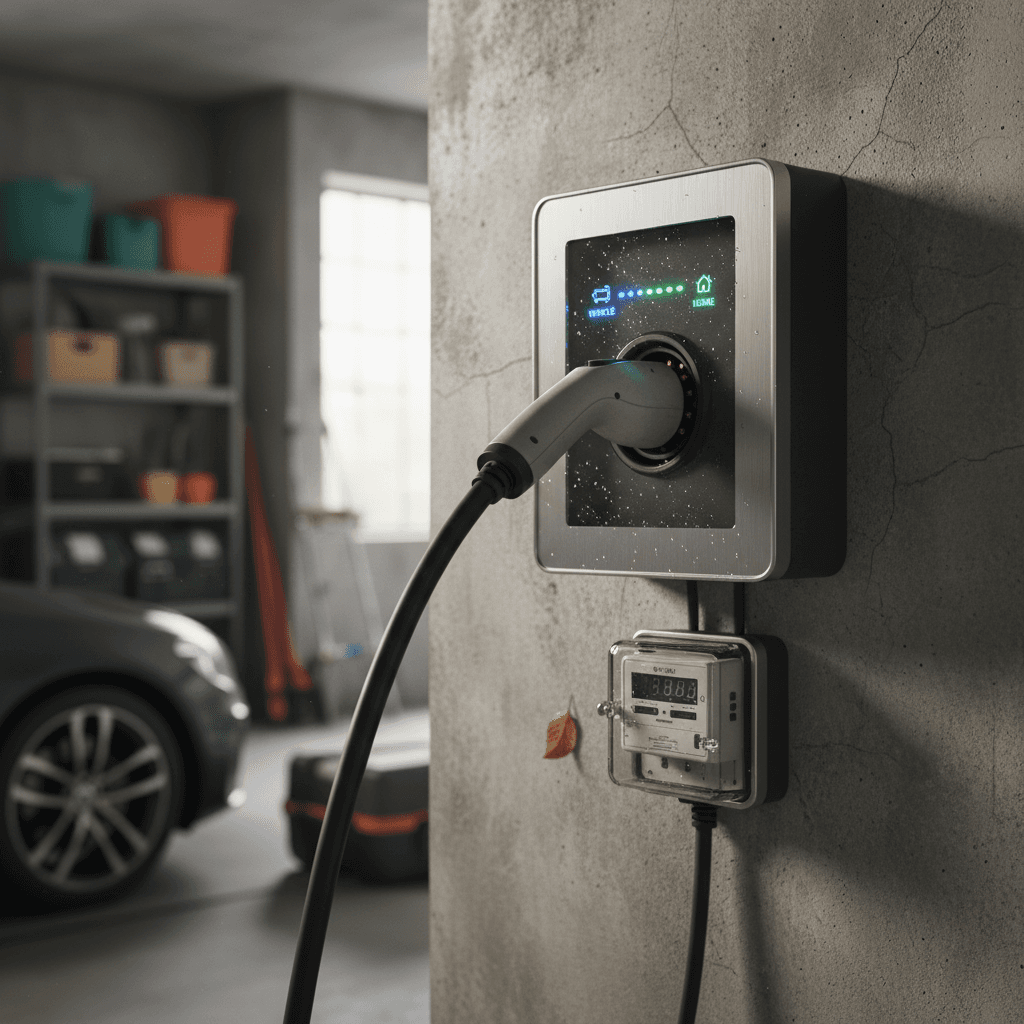
Owning a bidirectional‑capable EV is only half the equation. To safely send power back into your home or the grid, you’ll almost always need dedicated hardware. The exact setup varies by automaker and utility, but the building blocks are similar.
Core components of a bidirectional setup
Bidirectional‑capable EV and onboard hardware
First, your EV needs built‑in support for bidirectional charging. That usually means DC‑fast‑charge hardware designed for power export and software that speaks the right protocols to chargers and utilities.
Certified bidirectional charger or home gateway
This can be an automaker‑branded unit (Ford Charge Station Pro, GM Energy bundle, Tesla Powershare Gateway) or a third‑party DC charger approved for your car (for example, certain Nissan Leaf V2G solutions).
Home integration system or transfer switch
To power your house safely, you need a smart gateway or transfer switch that isolates your home from the grid during outages and routes power only where it’s allowed to go.
Utility approval for V2G programs
If you plan to do V2G rather than just V2H, your utility must support it. That often means enrolling in a pilot program and using approved equipment so they can manage when and how your car exports energy.
Professional installation and permits
Because you’re working with high‑power equipment and your main service panel, a licensed electrician (or OEM‑partner installer) almost always needs to handle installation and permitting.
Don’t improvise with DIY backfeeding
Costs, incentives, and real-world payback
A fully installed V2H or V2G system isn’t cheap. Between the charger, home gateway, wiring, and labor, you’re usually looking at several thousand dollars, even before you count the price of the car. But that doesn’t mean it’s a bad deal, especially if you live with frequent outages or can tap into utility incentives.
Upfront and ongoing costs
- Hardware: Many bidirectional DC chargers and OEM bundles land in the $4,000–$10,000 installed range, depending on complexity and distance from your panel.
- Permits and upgrades: Older homes may need panel upgrades or new circuits, which can add substantially to the bill.
- Financing and leases: Some automakers and energy companies now offer hardware leases or financing, smoothing costs into a monthly bill.
Ways it can pay you back
- Avoided generator costs: A whole‑home generator with fuel and maintenance often rivals or exceeds the cost of a bidirectional setup over time.
- Time‑of‑use arbitrage: Charge when rates are low, discharge during peak hours to cut your bill, especially powerful if you also have rooftop solar.
- Utility incentives: V2G pilots sometimes pay per event or per kW of available capacity, helping offset hardware and installation.
Ask about stackable incentives
Buying a used bidirectional‑capable EV
You don’t have to buy new to enjoy bidirectional charging. Models like the Nissan Leaf, Mitsubishi Outlander PHEV, earlier Hyundai/Kia EVs with V2L, and first‑wave F‑150 Lightnings and GM Ultium vehicles are all entering the used market in larger numbers. The key is to separate marketing from reality and verify exactly what the car you’re considering can do.
Key checks when shopping used for bidirectional features
What to verify before you rely on a used EV for backup power
Hardware and trim confirmation
Many bidirectional features are trim‑dependent. Verify that the exact VIN has the right charge port, onboard hardware, and factory bidirectional support, not just the model name.
Battery health and capacity
A degraded pack still works, but it shortens how long you can power your home. Review battery health reports, DC fast‑charge history, and any previous warranty work.
Compatibility with chargers and utilities
Make sure your local utility supports the car + charger combo you’re considering, especially for V2G. Some programs certify only specific hardware and model years.
How Recharged can help
Is bidirectional charging worth it for you?
Bidirectional capability is one of those features that can feel like overkill, until the first time you sit comfortably through a multi‑day outage while your neighbors scramble for fuel. Still, it’s not a must‑have for everyone. Your decision should be shaped by your local grid reliability, rate structure, and long‑term plans for the home you’re in.
Questions to ask before you pay for bidirectional features
Do you experience regular or prolonged outages?
If you live in an area with frequent storms, wildfires, or grid constraints, V2H can function as a silent, low‑maintenance generator replacement.
Are you on time‑of‑use or demand‑based rates?
If your utility charges sharply higher rates at certain hours, a bidirectional EV plus smart controls can turn those spikes into a savings opportunity.
Will you stay in this home for several years?
Because hardware is expensive, the economics improve the longer you use the system. Short‑term renters may see more value in V2L alone.
Do you already plan to install solar or a home battery?
If you’re building an energy‑resilient home anyway, folding an EV into the mix can reduce or even replace the need for additional stationary storage.
Is simplicity more important than flexibility?
If you’d rather never think about it, a conventional standby generator might be simpler. If you like the idea of your EV doing double duty, bidirectional is worth a look.
“The most expensive feature on a car is the one you never use. With bidirectional EVs, the trick is to match the capability to how you actually live, whether that’s backing up a rural home or just powering a few tailgate parties a year.”
FAQ: Bidirectional charging EVs in 2025
Frequently asked questions about bidirectional EVs
Bidirectional charging won’t matter to every EV shopper, but for many households it can turn a car into a quietly powerful part of their home‑energy plan. In 2025 the list of bidirectional charging EVs is still relatively short, but it’s growing quickly, and more models will arrive over the next few years. If you like the idea of your next EV pulling double duty as backup power, focus on vehicles with clear, documented V2H or V2L support and make sure you understand the hardware and utility requirements before you buy. And if you’re comparing used options, a trusted marketplace like Recharged can help you find a bidirectional‑capable EV with verified battery health and straightforward pricing, so you’re not left guessing about the most important component in your rolling power plant.