If you’re shopping for the best value used cars in 2025, you’re really asking one question: “What will give me the most reliable miles for every dollar I spend?” With used prices finally cooling off and used EVs, in particular, getting dramatically cheaper, this is one of the best moments in years to be a value-focused buyer, if you know what to look for.
What “best value” really means
Why “best value” isn’t just the cheapest used car
In the last couple of years, depreciation has started doing buyers some favors. Used vehicle values cooled in 2024 and 2025, and used EVs in particular have seen price drops on the order of 30%+ from their pandemic-era highs as demand cooled and new EV incentives shifted. That means you can often buy a two- or three‑year‑old EV for a fraction of its original MSRP, while still getting plenty of life left in the battery and warranty coverage.
But the best value used car for you isn’t automatically the one with the lowest price or the biggest discount from MSRP. You’re trying to minimize total dollars per mile over the next 5–10 years, not just win the negotiation on day one. When you run the math, several factors matter far more than a few hundred dollars in the purchase price.
- Depreciation: How much value the car will lose from when you buy it to when you sell it or trade it in.
- Energy costs: Gas vs electricity, your commute, and whether you can charge at home.
- Maintenance and repairs: Reliability track record, known problem areas, and parts costs.
- Insurance and fees: Some EVs and luxury models are cheaper to run but more expensive to insure.
- Financing: Your interest rate and loan term, especially if you’re stretching on price.
Quick rule of thumb
How to measure value in a used car or EV
Key cost-of-ownership realities in 2025
To compare the value of different used cars, it helps to think like a fleet manager. They don’t care about paint colors; they care about cost per mile. Here’s how to approximate that mindset for your own purchase.
The four pillars of used car value
Weigh each of these instead of focusing only on the price tag.
1. Purchase price & depreciation
A car that’s already taken the steepest part of its depreciation curve is often a better value than a slightly cheaper but older or less efficient one.
- Look for 2–5‑year‑old vehicles with big MSRP-to-used price drops.
- Avoid paying a premium for the newest tech that hasn’t depreciated yet.
2. Energy and efficiency
Fuel is the cost you feel every week. Efficient gas cars, hybrids, and EVs can save thousands over 5 years.
- Home EV charging often pencils out to the equivalent of ~$1.50/gallon or less, depending on your electricity rate.
- Short commuters or city drivers benefit most from efficiency gains.
3. Reliability & maintenance
A cheap car with a bad reliability record is almost always a bad value.
- Favor models with strong reliability history and inexpensive parts.
- For EVs, remember there’s no engine oil, transmission fluid, or exhaust system to service.
4. Warranty & resale safety net
Many EV batteries carry 8‑year/100,000‑mile warranties, and some gas/hybrid powertrains offer similar coverage.
- A car still under battery or powertrain warranty dramatically reduces downside risk.
- High-demand models (e.g., compact SUVs, popular EVs) tend to retain value better.
Don’t ignore the battery warranty
Best value used gas and hybrid cars in 2025
Even in an EV‑centric world, certain gas and hybrid models still deliver excellent value because they combine low purchase prices, strong reliability, and frugal fuel use. These are the kinds of cars that quietly rack up hundreds of thousands of miles in fleets and with second or third owners.
Representative best‑value used gas & hybrid models (around 5 years old)
Approximate examples of used cars that tend to deliver strong value for budget‑conscious buyers. Actual prices and availability vary by mileage, trim, and region.
| Model type | Why it’s a value play | Typical strengths | Watch-fors |
|---|---|---|---|
| Subcompact hatch (e.g., Honda Fit, Kia Rio) | Low purchase price and great fuel economy; simple, durable drivetrains. | City-friendly size, easy parking, surprisingly useful cargo space. | Crash safety and highway refinement are improving but still not on par with larger, newer cars. |
| Compact sedan (e.g., Toyota Corolla, Honda Civic) | Mass‑market reliability champs with cheap parts and abundant supply. | 30–40+ mpg, comfortable enough for road trips, massive aftermarket support. | Avoid heavily modified examples or those with sketchy maintenance. |
| Hybrid sedan (e.g., Toyota Prius, Hyundai Ioniq) | Exceptional fuel economy and strong hybrid reliability records. | 50+ mpg realistic, especially in city driving; low brake wear. | Battery packs do age, on very high‑mileage cars, budget for a future replacement or choose lower miles. |
| Midsize sedan (e.g., Toyota Camry, Subaru Legacy) | Great for families who don’t want an SUV, often cheaper than equivalent crossovers. | Comfortable ride, good safety scores, plentiful used selection. | AWD versions can be heavier on tires and fuel. |
Think of this as a cheat sheet for the types of models that commonly bubble to the top in reliability and value analyses.
When a gas car still makes more sense
Best value used EVs right now
Where things get seriously interesting in 2025 is on the used EV side. EVs tend to depreciate faster than comparable gas cars, often 50–60% or more over five years, but their operating costs are dramatically lower when you can charge at home. That combination of big upfront depreciation and low running costs is exactly what value‑hunters should be targeting.
Used EVs that often deliver standout value
Representative models that frequently score well on value because they mix big used‑price discounts with solid range and relatively low running costs.
| Model example | Typical used price* | Approx. EPA range | Why it’s a value standout |
|---|---|---|---|
| Kia Niro EV | Low-to-mid teens (USD) | ~200–240 miles | Huge depreciation from new, practical crossover shape, and decent real‑world efficiency. |
| Chevrolet Bolt EV | Mid-teens | ~200–259 miles | Compact but surprisingly roomy, excellent efficiency, and one of the lowest cost-per‑mile EVs on the market. |
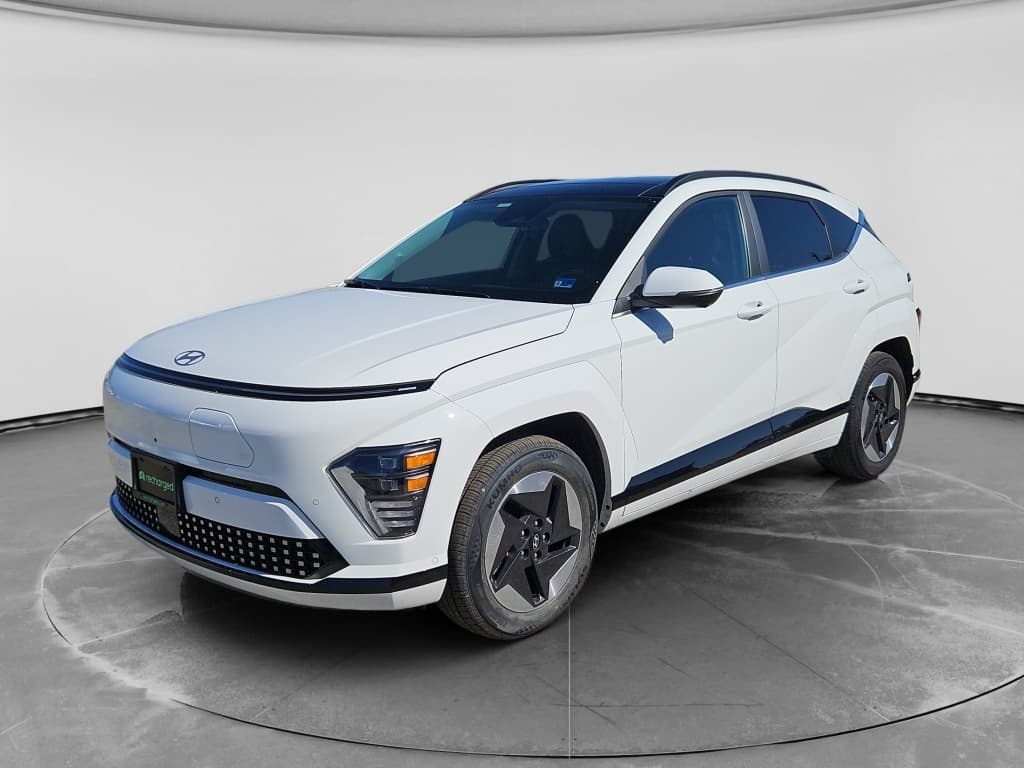
| Hyundai Kona Electric | Mid-teens | ~230–260 miles | Strong range in a small footprint; generally good reliability and warranty coverage. |
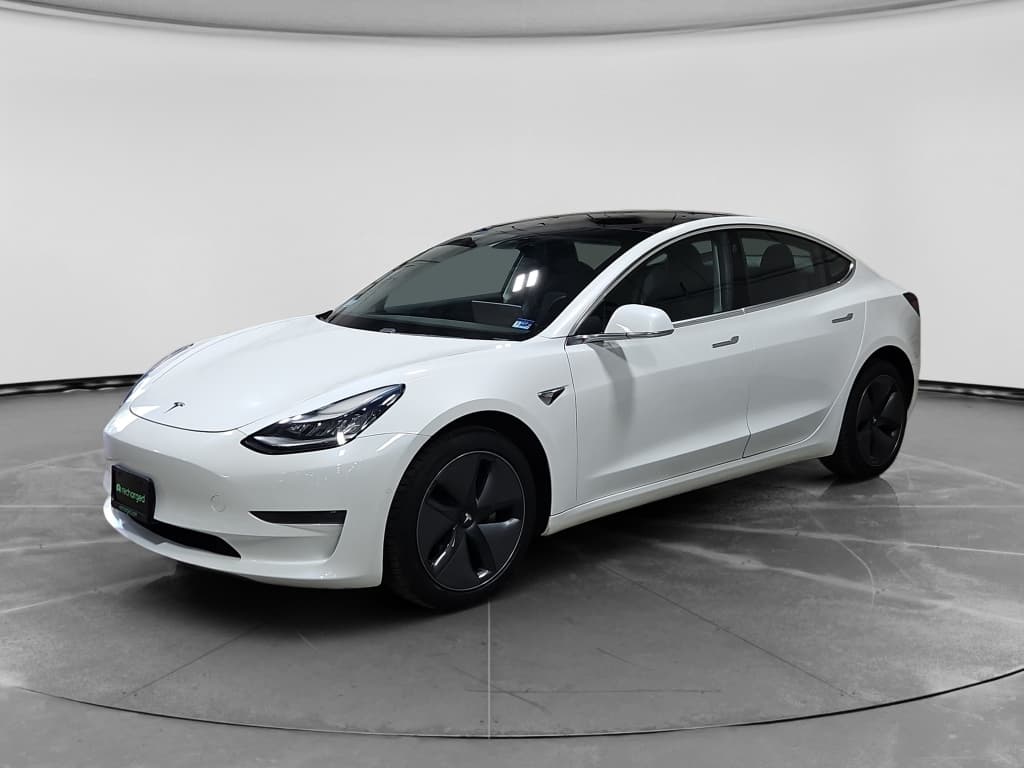
| Tesla Model 3 (RWD) | High teens to low‑20s | ~220–260+ miles | Access to Tesla’s Supercharger network and software features at a much lower price than new. |
| Volkswagen ID.4 | Low‑20s | ~240–270 miles | Family‑friendly crossover with generous interior space and strong discounts on the used market. |
Actual pricing moves quickly; focus on the pattern: mainstream compact EVs and crossovers typically offer the best bang for the buck.
A note on EV depreciation
Used EVs vs gas cars: what the costs really look like
Used EV: where the savings come from
- Energy: Charging at home is usually much cheaper than gasoline on a per‑mile basis, especially if you can charge overnight on off‑peak rates.
- Maintenance: No oil changes, no timing belt, no spark plugs, no exhaust system. Brake wear is often lower thanks to regen.
- Urban driving: EVs shine in stop‑and‑go traffic where traditional engines are least efficient.
Used gas or hybrid: where it still wins
- Highway or rural driving: If most of your miles are at 70–80 mph or in rural areas with limited fast charging, gas or hybrid can still be cheaper and more convenient.
- Very low purchase price: If your budget is extremely tight, an older but reliable gas car may be the only realistic option.
- No home charging: If you rely entirely on public charging, the cost advantage of an EV shrinks and convenience can suffer.
Run a simple 5‑year comparison
How to spot a great-value used EV
Because EVs age differently from gas cars, your value checklist needs a few extra items. Battery health, fast‑charging behavior, and software support all matter more than whether the previous owner bought the upgraded stereo.
Checklist for finding a high‑value used EV
1. Check real battery health, not just range estimates
Look for an objective measure of battery health rather than guessing from the dash. At Recharged, every vehicle includes a <strong>Recharged Score</strong> with a verified battery-health report so you know exactly how much usable capacity remains.
2. Confirm remaining battery and drivetrain warranty
Ask for the in‑service date and mileage. Many EV batteries are covered for 8 years or 100,000 miles or more. Buying with several years of coverage left dramatically reduces your downside risk.
3. Look at charging history and pattern
A car that lived mostly on home Level 2 charging is typically easier on the battery than one fast‑charged to 100% every day. If possible, favor cars with balanced charging habits and no history of frequent DC fast charging at very high states of charge.
4. Test real‑world range on your type of route
On a test drive, pay attention to how quickly the estimated range drops versus miles driven. Highway‑only tests can make any EV look worse; try to include a mix that reflects your typical driving.
5. Verify connector type and charging network access
In North America, the industry is standardizing on the NACS (Tesla‑style) connector. Many earlier EVs use CCS or CHAdeMO; make sure adapters are available and that you’ll have convenient charging options where you live and travel.
6. Evaluate software and support
Over‑the‑air updates, app support, and active infotainment updates all add value. An EV that’s still receiving software support from the manufacturer will age much more gracefully than one stuck on an early version forever.
Red flags when shopping used EVs
Common pitfalls that destroy used-car value
Most bad used‑car stories sound different on the surface, but they rhyme underneath: the buyer underestimated future costs, overestimated reliability, or didn’t get enough transparency before signing. Here are the traps that most often turn a seeming bargain into a money pit.
- Chasing the lowest price with no inspection or history report.
- Ignoring signs of neglect (overdue fluids, mismatched tires, warning lights).
- Underestimating insurance premiums on performance or luxury models.
- Buying right before expensive scheduled maintenance (e.g., timing belt service on older gas cars).
- For EVs, skipping any kind of battery health evaluation or fast‑charging test.
Why transparency matters more than haggling
How Recharged helps you buy a better-value used EV
If you’ve decided that a used EV might be the best value used car for your situation, the remaining challenge is buying with confidence. That’s exactly the problem Recharged was built to solve.
What you get when you shop used EVs with Recharged
Value isn’t just about the car, it’s about the buying experience.
Verified battery health
Every vehicle on Recharged includes a Recharged Score Report with independent battery diagnostics. You’re not guessing at pack health based on the odometer, you see real data.
Fair, data-backed pricing
Recharged benchmarks every vehicle against current market data so pricing stays transparent. You see how the listing compares to similar cars nationwide, including the impact of incentives and depreciation trends.
EV‑specialist support
From explaining connector types to helping you understand range in your climate, Recharged’s EV specialists guide you through the entire process, online or at the Experience Center in Richmond, VA.
Trade‑in and consignment options
Already own a car? Recharged can evaluate it for an instant offer or consignment, whether you’re moving from gas to electric or simply trading up within the EV world.
Flexible financing
With financing options tailored for used EVs and an entirely digital checkout flow, you can pre‑qualify without impacting your credit and understand your payment before you fall in love with a specific car.
Nationwide delivery
Found the right EV but it’s not local? Recharged offers door‑to‑door delivery across the U.S., so you can shop for value nationwide instead of being limited to what’s on the nearest lot.
Ready to find your next EV?
Browse VehiclesFAQs: best value used cars and EVs
Frequently asked questions
Bottom line: finding the best value used car for you
The best value used car in 2025 isn’t a single model; it’s the one that delivers the most dependable miles for the least total money in your specific life. For many buyers, that’s now a mainstream used EV whose first owner has already eaten the steepest depreciation. For others, it’s a bulletproof compact or hybrid with a decade of reliable service still ahead of it.
If you can charge at home and your daily driving fits within a few hundred miles of range, a used EV can be a particularly compelling value play, especially when you buy with hard data on battery health, transparent pricing, and expert guidance. That’s exactly what Recharged is set up to provide, along with financing, trade‑in support, and nationwide delivery.
Take the time to compare total ownership costs, insist on transparency, and use the tools that didn’t exist a decade ago. Do that, and you won’t just find a cheap used car, you’ll find a genuinely great value used car that fits the way you actually live and drive.