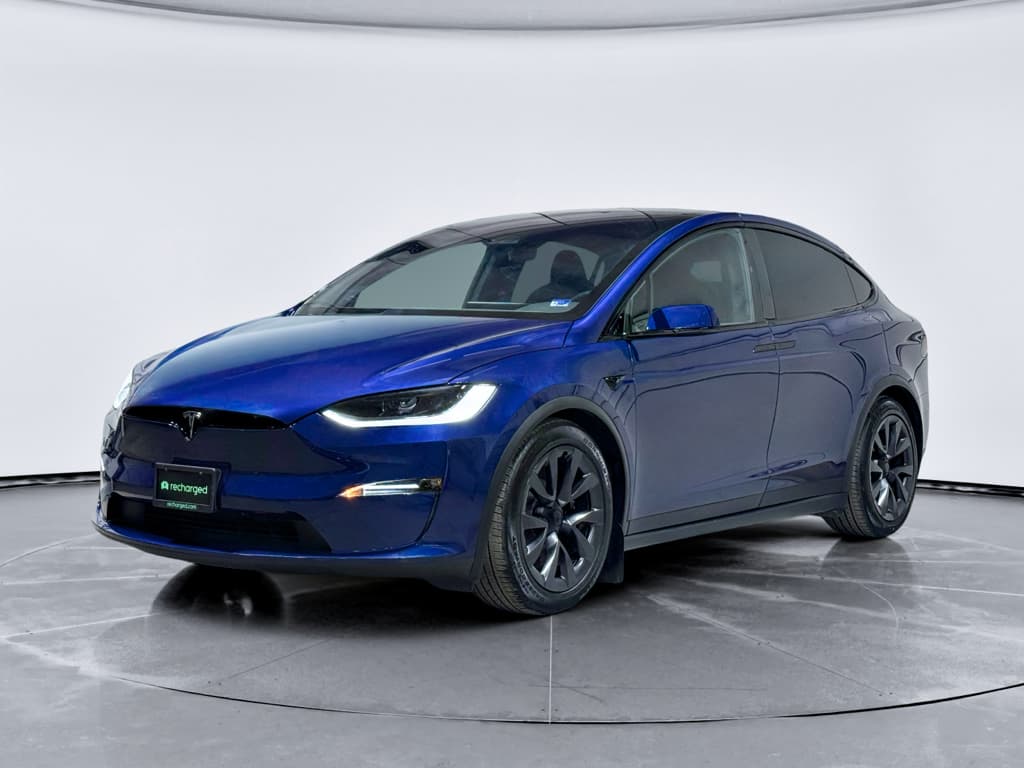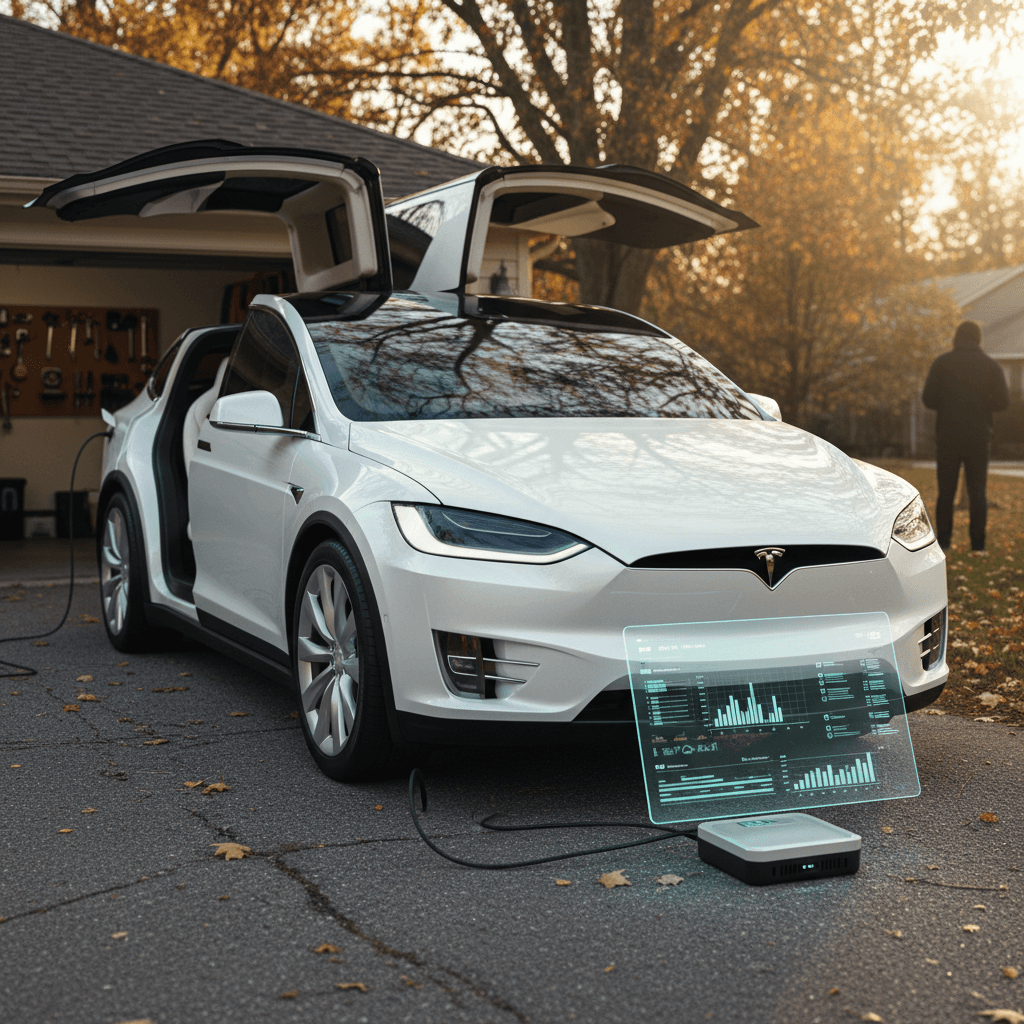
If you’re looking at a used electric SUV, the 2022 Tesla Model X is probably on your shortlist. Before you spend six figures on a flagship EV, you need to understand the **2022 Tesla Model X reliability rating**: how it scores with major reviewers, what tends to go wrong, and what that means for you as a used buyer.
Quick take
2022 Tesla Model X reliability overview
2022 Tesla Model X reliability at a glance
Across the industry, the 2022 Model X lands in an awkward middle ground: **safer and more refined than early Model X years**, but still not in the same reliability league as a Lexus RX or even some newer mainstream EV SUVs. Third‑party scores and owner reports line up on a consistent story: if you buy a 2022 X, you’re paying for performance and tech, not for bulletproof durability.
How major sources rate 2022 Model X reliability
Consumer-style ratings
Across consumer-oriented outlets, the 2022 Model X is typically described as having below-average to average reliability for a luxury SUV. Some rating services explicitly call out the X as a poor value partly because of its reliability track record and high purchase price.
Consumer surveys that group 2022–2024 EVs consistently show EVs having more issues than gas vehicles overall, and Tesla’s complex designs push the Model X toward the higher‑problem end of that spectrum.
J.D. Power–type scores
Where the Model X is scored on a 100‑point quality & reliability scale, it tends to land in the **low 70s out of 100**, which is roughly in line with an "average" rating for a premium EV. That’s better than some early EVs and rivals, but worse than the most reliable Tesla models and most top‑tier luxury SUVs.
In plain language: it’s not a disaster, but it’s not a "buy it and forget it for 10 years" vehicle either.
Reliability vs satisfaction
Common 2022 Model X problems to know about
The 2022 Model X is a mid‑cycle "refresh" with the yoke steering (or later round wheel option), updated interior, and revised powertrain hardware. That means some earlier issues are improved, but the X still has more moving parts and complex systems than a Model 3 or Y. Here are the most frequently cited trouble spots for the 2022 model year.
Top problem areas on the 2022 Model X
Where most reliability complaints tend to cluster
Falcon Wing door issues
The Falcon Wing rear doors are the single most notorious reliability risk on the Model X.
- Doors not opening fully or at all
- Overly sensitive or blind obstacle detection
- Rubbing or misalignment with trim and seals
- Multiple visits to recalibrate sensors or replace hardware
These are often covered under warranty but can be time‑consuming to resolve.
Air suspension & ride
The adaptive air suspension offers a smooth ride and adjustable heights, but it adds complexity.
- Compressor failures and warning messages
- Air leaks leading to "sagging" when parked
- Clunks, rattles, or vibrations around 30–40 mph
Repairs outside of warranty can get expensive quickly.
Interior tech & trim
Compared with powertrain faults, more complaints involve cabin details.
- Screen glitches or infotainment bugs
- Rattles and squeaks, especially in the dash and doors
- Weatherstripping and seals peeling or misaligned
These rarely strand you, but they matter on a six‑figure vehicle.
Tip for test drives
Recalls and safety concerns for the 2022 Model X
One reason reliability scores are soft for the 2022 Model X is the sheer number of recalls. Many were software‑based and fixed with over‑the‑air updates, but each still counts as a reliability blemish and a potential safety concern.
Representative recall themes on 2022 Model X
This is not a complete list, but it highlights the types of issues that have triggered recalls.
| Issue type | Examples of recall causes | Typical fix | What it means for you |
|---|---|---|---|
| Software & UI behavior | Chimes or warnings not sounding correctly; display behavior not meeting regulations | Over‑the‑air software update | Low friction for you, but shows how often Tesla iterates in the field. |
| Seat belt & restraint concerns | Incorrectly installed or inspected second‑row seat belts in some builds | Service visit for inspection, reinstallation, or replacement | Important to verify all seat‑belt‑related recalls are completed if you carry passengers often. |
| Autopilot / safety assist | Behavior not matching regulatory expectations in rare edge cases | Software update and/or feature adjustments | Doesn’t mean Autopilot is unsafe by default, but reinforces that you must stay fully engaged. |
| Body & trim | Hood latch, trunk, or door latches not to spec on certain VIN ranges | Component inspection and replacement | Pay attention to panel alignment and latching behavior during your inspection. |
Always run the VIN through the NHTSA recall lookup and Tesla’s own site before buying.
Don’t skip the recall check
Battery and drivetrain reliability on the 2022 Model X
Here’s the good news: while cosmetic and body issues are common, the **battery pack and dual‑motor powertrain on the 2022 Model X have not developed a widespread failure pattern** so far. Tesla’s large packs have generally proven durable, and most owners see modest, gradual range loss over the first few years rather than dramatic degradation.
- Most 2022 Model X Long Range vehicles still report strong real‑world range when charged to 80–90%.
- No systemic pattern of pack failures unique to the 2022 model year has emerged yet, though isolated cases exist with any EV.
- Drive units (motors) are largely trouble‑free; noises or vibrations are more often suspension- or wheel-related than motor-related.
- Thermal management issues (coolant leaks, pump problems) are relatively rare but worth checking for during inspection.
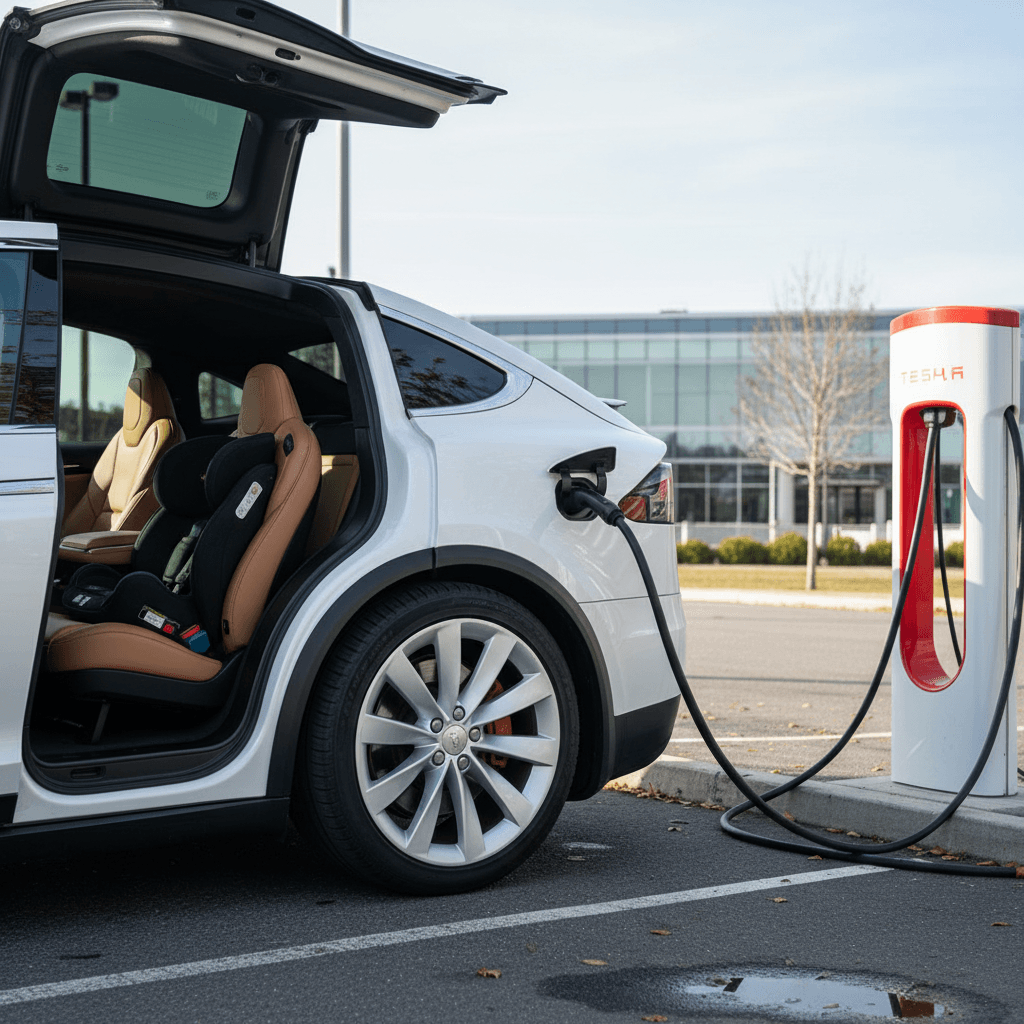
How Recharged measures battery health
Ready to find your next EV?
Browse VehiclesOwnership costs when reliability is only “okay”
A fair way to think about the 2022 Model X is that **it’s mechanically solid but operationally needy**. You’re unlikely to be stranded by an engine failure, but you may spend more time than you’d like at service centers chasing squeaks, sensor quirks, or cosmetic defects. That has cost implications even if most work is under warranty.
Cost risks tied to 2022 Model X reliability
1. Time at the service center
Even when work is covered, multiple visits for the same Falcon Wing door or trim issue means lost time, arranging alternative transportation, and potential frustration, especially if your nearest Tesla center is far away.
2. Out-of-warranty suspension repairs
Air suspension components aren’t cheap. A failed compressor, leaking strut, or height sensor replacement after the basic warranty expires can run into four figures.
3. Cosmetic and interior fixes
Rattles, loose seals, or misaligned panels may be covered early on, but many owners simply live with them once they’re out of warranty. If you’re picky about fit-and-finish, budget for occasional interior work.
4. Extended warranty value calculus
Third‑party extended warranties for EVs price in Tesla’s reputation for issues like doors and suspension. Run the math: in some cases, paying a bit more up front for a cleaner, well‑documented used X is smarter than buying a cheaper but rough example plus an expensive warranty.
How to assess a used 2022 Tesla Model X
If you like what the Model X offers but are wary of its reliability rating, the key is a **disciplined inspection**. The goal isn’t to find a perfect car, that may not exist, but to avoid the problem‑child examples that will sour your ownership experience.
Used 2022 Model X reliability checklist
1. Run VIN history & recall checks
Start by running the VIN through NHTSA and Tesla’s own recall tools, then pull a vehicle history report. Look for repeat visits for doors, suspension, or major electrical work. A few recalls is normal; a long list of repeated service entries for the same issue is a red flag.
2. Stress-test the Falcon Wing doors
Open and close both rear doors multiple times in different places, tight garages, under low ceilings, and in the open. Watch for partial openings, beeping without movement, rubbing on the body, or doors that report an obstruction when there isn’t one.
3. Evaluate air suspension behavior
Cycle through height settings (Very High, High, Standard, Low) while parked and while inching forward. Listen for clunks or groans and feel for vibrations at 30–40 mph on imperfect pavement. After parking overnight, check that the car hasn’t "sagged" on one corner.
4. Listen for interior and dash noises
At city speeds on rougher roads, turn the audio down and listen for squeaks, rattles, or buzzing from the dash, doors, or rear hatch. Minor noises happen, but a chorus of rattles on a low‑mileage X hints at build‑quality issues.
5. Check battery health and charging history
On the car’s screen, compare 90% or 100% charge range to the original EPA figure. Big gaps at low mileage can indicate heavy fast‑charging or unusual degradation. Where possible, use an independent battery health report, Recharged provides this automatically via the Recharged Score.
6. Confirm software & driver-assistance behavior
With the seller’s permission, test Autopilot and key safety features on a clear, well‑marked road. You’re not just testing features, you’re checking that cameras, radar (if equipped), and sensors are all calibrated and error‑free.
How Recharged de-risks a used Model X
When a 2022 Model X still makes sense to buy
Good fit: performance-first, tech-tolerant buyers
The 2022 Model X is compelling if you:
- Want supercar-level acceleration in a three‑row EV SUV.
- Value Tesla’s Supercharger network and software ecosystem.
- Can tolerate an occasional rattle or service visit in exchange for unique doors, a huge windshield, and a futuristic cabin.
- Are shopping within the remaining factory warranty window or with strong third‑party coverage.
Poor fit: set-and-forget owners
You may want to look elsewhere if you:
- Expect “Toyota‑like” reliability from a six‑figure SUV.
- Live far from a Tesla service center or can’t spare time for repeat visits.
- Are particularly sensitive to fit‑and‑finish issues like panel gaps or interior noises.
- Plan to keep the vehicle long past the basic warranty without budgeting for repairs.
Consider model year and spec
FAQs: 2022 Tesla Model X reliability rating
Frequently asked questions about 2022 Model X reliability
Bottom line on 2022 Model X reliability
If all you care about is the **2022 Tesla Model X reliability rating**, the answer is straightforward: it’s an extraordinary EV SUV wrapped around **merely average reliability**. The battery and motors are usually the least of your worries; it’s the doors, suspension, trim, and software details that drive complaints and recalls.
Whether that’s acceptable depends on you. If you value performance, Supercharger access, and design theater enough to tolerate some service visits, a carefully chosen 2022 Model X can be a fantastic daily driver and road‑trip machine. If your top priority is "buy it, do oil changes, forget about it," you’re shopping in the wrong segment, electric or otherwise.
Either way, you’re better off going in with eyes open. Look for transparent inspection records, verified battery health, and a clear picture of prior repairs. If you’d like a curated starting point, Recharged specializes in used EVs with **Recharged Score battery health diagnostics, fair market pricing, financing support, trade‑in options, and nationwide delivery**, so you can enjoy the upside of a 2022 Model X with fewer surprises.