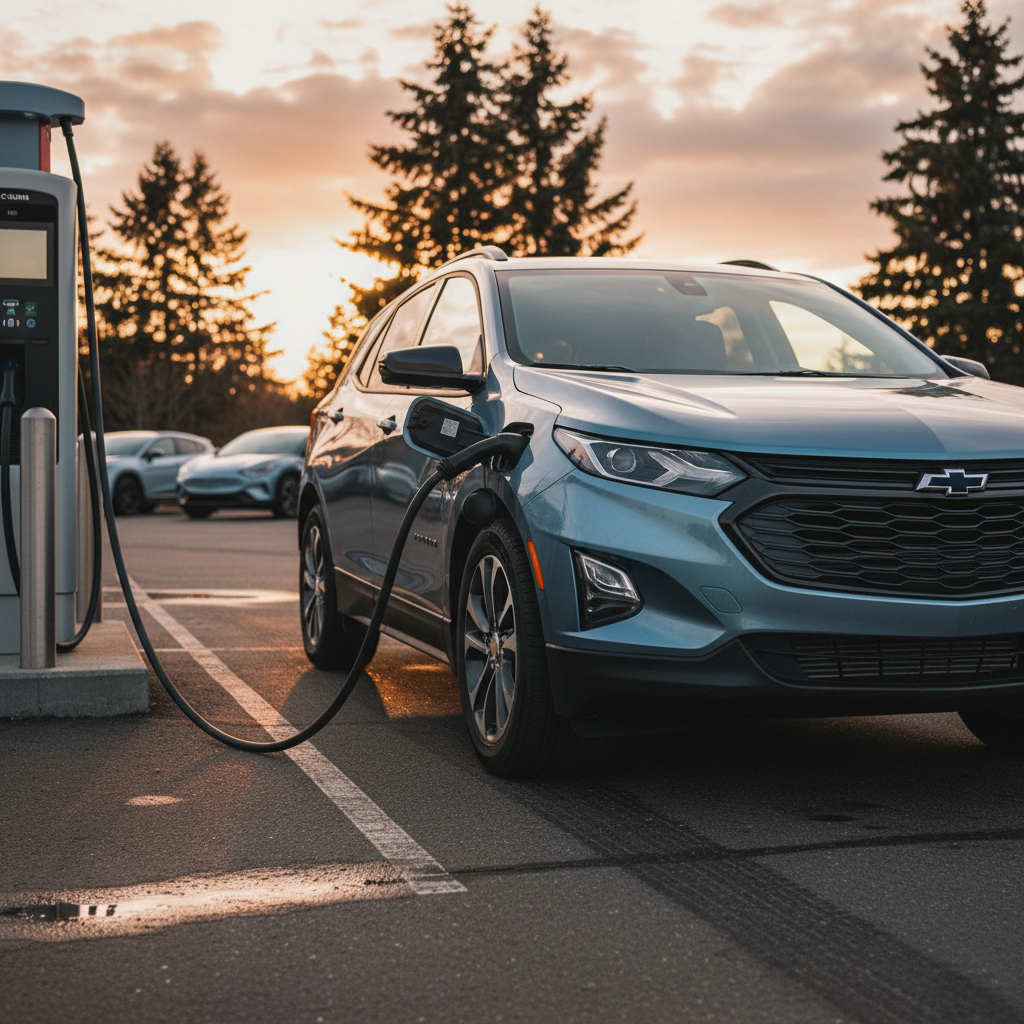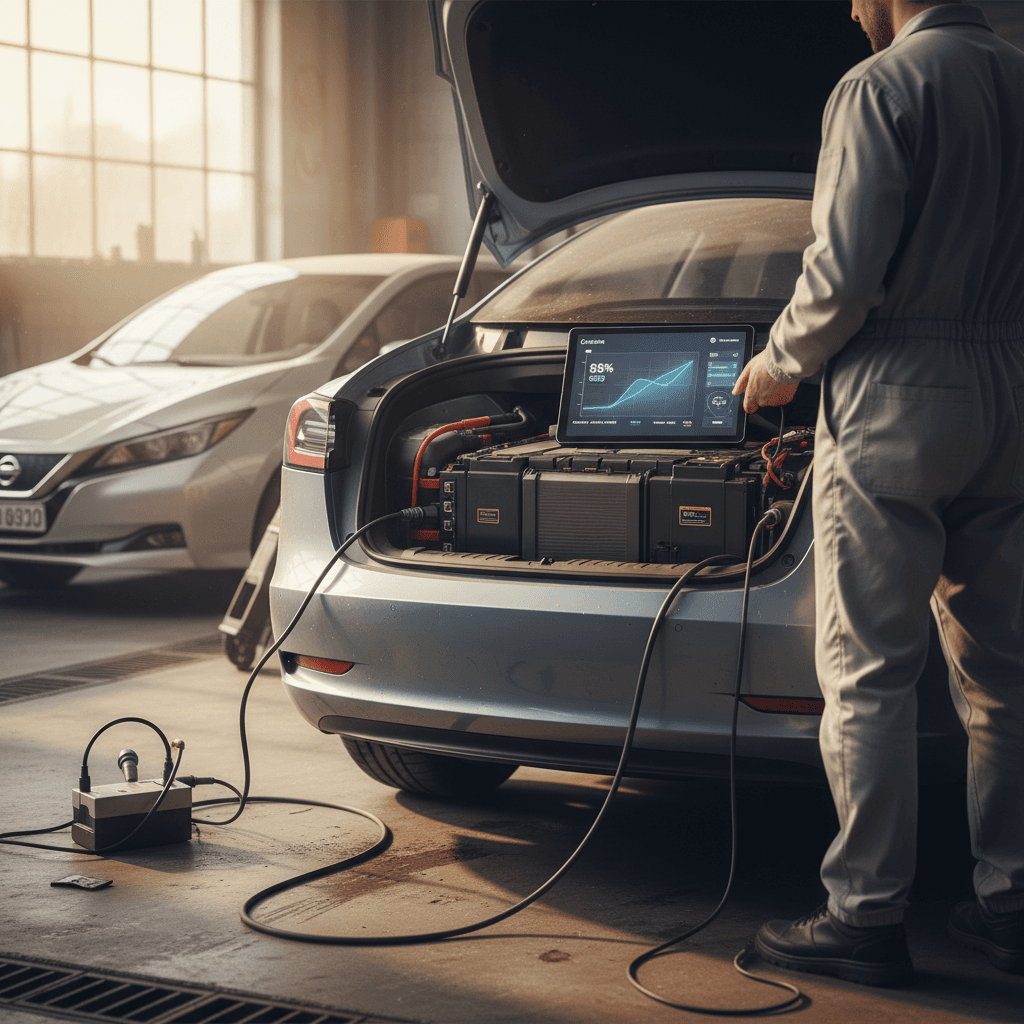
If you’re hunting for the best used EV to buy in 2026, you’re stepping into a market that finally favors the buyer. New EV demand has cooled, depreciation has done its brutal work, and a wave of 2021–2023 lease returns is hitting dealer lots. The trick now isn’t finding a used electric car, it’s avoiding the landmines and zeroing in on the few models that age gracefully, hold a charge and won’t ambush you with a five‑figure battery bill.
The 2026 used‑EV moment
Why used EVs make so much sense in 2026
New incentives are gone, but prices caught up
With federal EV tax credits winding down after 2025, the new‑car math got harsher. At the same time, used EV prices slid hard from their pandemic highs. That combination makes a three‑year‑old EV the sweet spot in 2026: someone else pays the steepest depreciation, you pocket the savings.
EV tech has matured
Early science‑experiment EVs are fading out. What’s left in the 2020–2024 used pool are cars with safer chemistry, better thermal management and robust warranties. They’re not just cheap to fuel; they’re finally normal cars with fewer weird compromises, and that matters if you’re buying used for the first time.
How we picked the best used EVs for 2026
- Real‑world reliability and owner‑reported headaches, not just brochure promises.
- Battery health data from large studies plus warranty coverage and pack design.
- Depreciation and current used pricing, how much value you actually get per dollar.
- Charging experience, including DC fast‑charge speed and access to dependable networks.
- Everyday livability: space, comfort, visibility, ease of use and safety ratings.
- Availability in the U.S. used market, no forbidden fruit that only exists in press fleets.
Where Recharged fits in
Quick ranking: best used EVs to buy in 2026
Editor’s picks: best used EVs to buy in 2026
High‑value, widely available models with strong battery performance and sane ownership costs.
| Rank | Model | Best Years to Target | Why it’s a standout |
|---|---|---|---|
| 1 | Tesla Model 3 | 2021–2023 | Outstanding charging access, strong resale, efficient and now relatively affordable. |
| 2 | Hyundai Kona Electric | 2020–2022 | Budget hero with excellent efficiency and range for the money. |
| 3 | Chevy Bolt EV / EUV | 2020–2023 | Dirt‑cheap to own, great city car; post‑recall packs are a sleeper deal. |
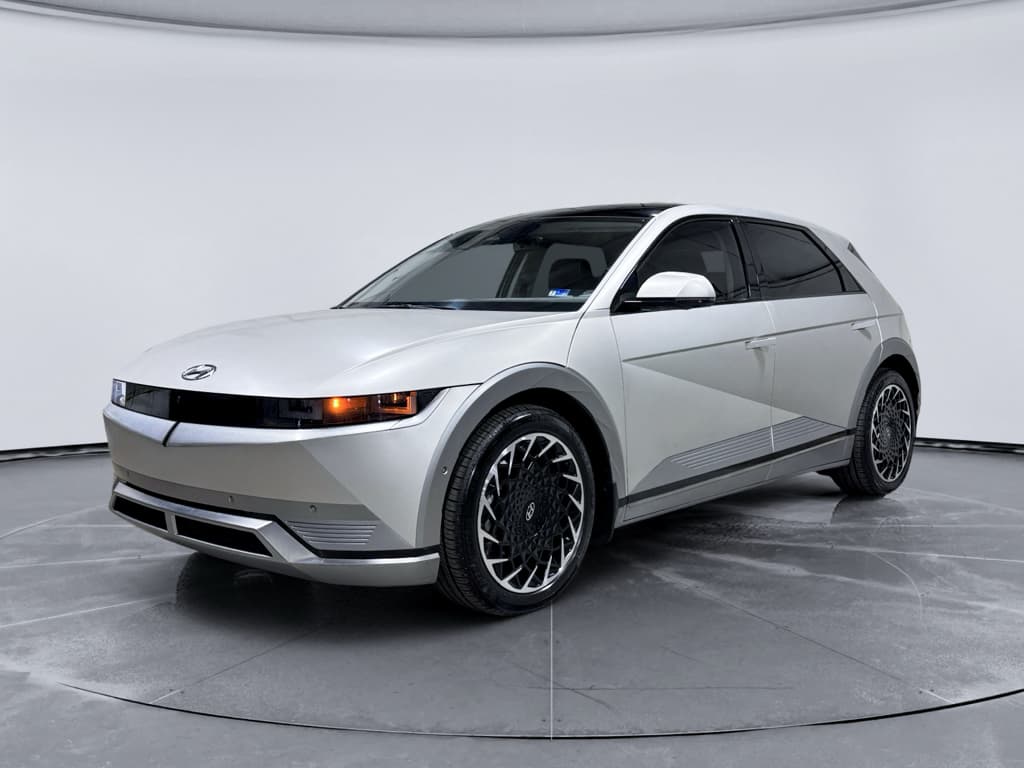
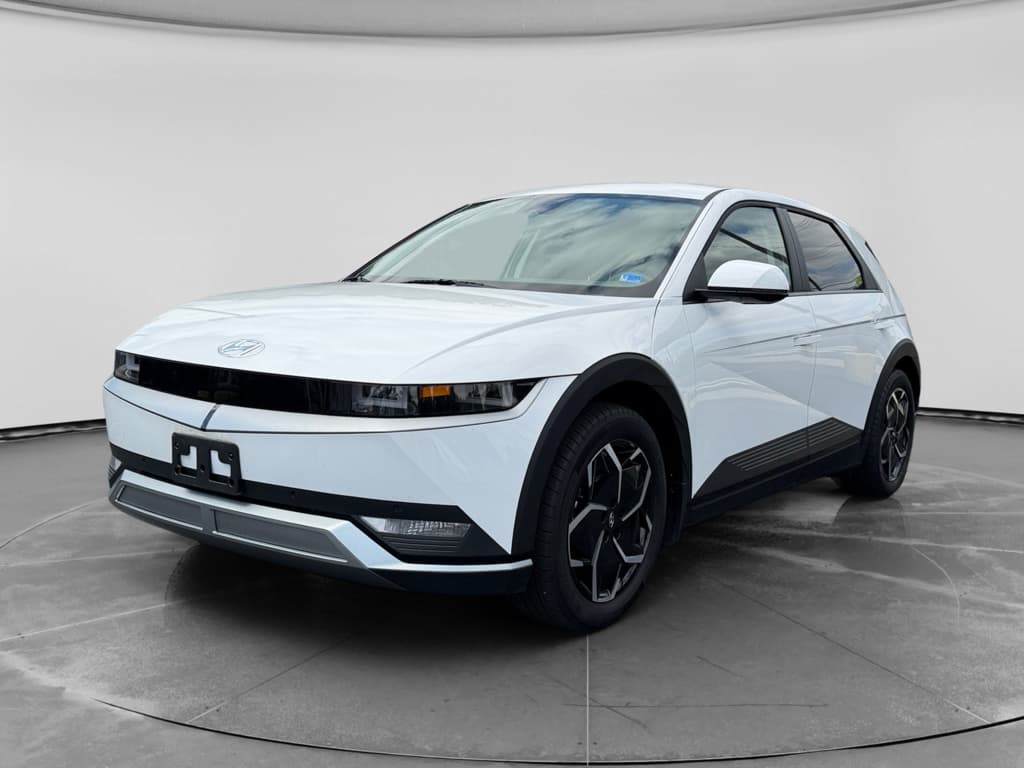
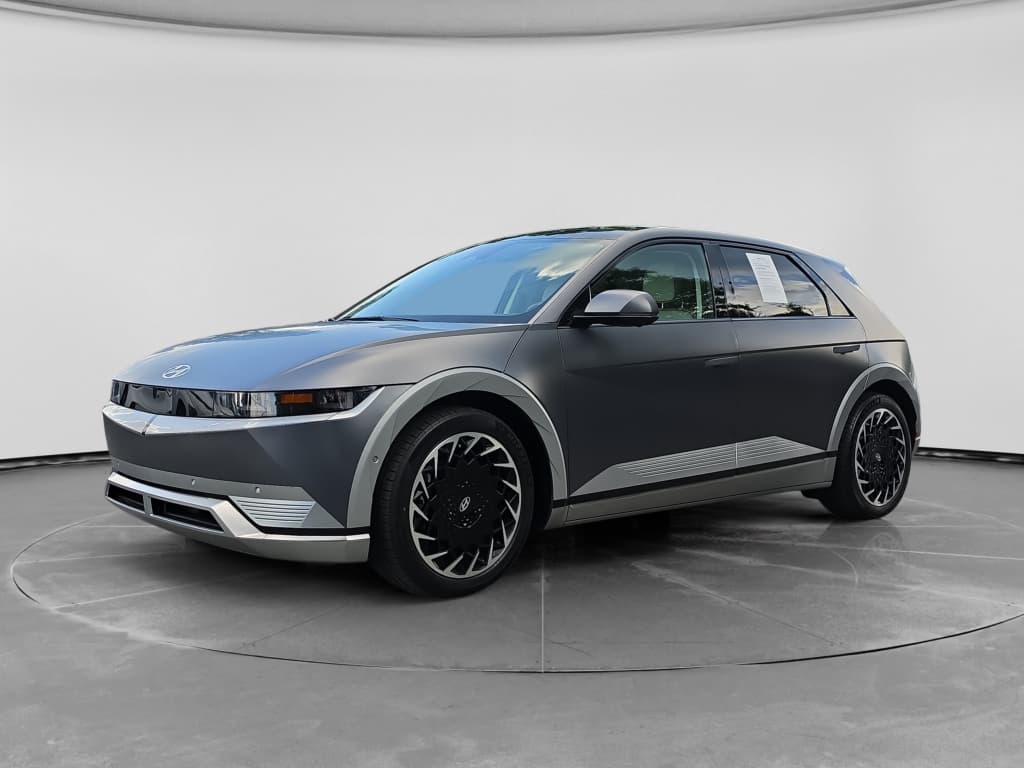
| 4 | Hyundai Ioniq 5 | 2022–2023 | Family‑friendly SUV with ultra‑fast charging and spacious cabin. |
| 5 | Volkswagen ID.4 | 2021–2023 | Comfortable, practical SUV that depreciated heavily, good news for you. |
| 6 | Tesla Model Y | 2021–2023 | America’s best‑selling EV; pragmatic range, space and Supercharger access. |
| 7 | Audi Q8 e‑tron (formerly e‑tron) | 2020–2022 | Luxury SUV that took a depreciation cliff; plush, quiet, great for shorter commutes. |
Focus on 2020–2024 model years unless otherwise noted; always confirm exact specs and options.
Best all‑rounder: Tesla Model 3
You knew this one was coming. The Tesla Model 3 is still the default answer to “what’s the best used EV to buy in 2026?” for a reason: it’s efficient, relatively simple mechanically, has iron‑clad fast‑charging access, and the used market is deep enough that you can be picky.
How to buy a used Tesla Model 3 in 2026
Years, trims and traps to know before you send a wire transfer to a stranger.
Best years & trims
- 2021–2023 RWD / Long Range are the sweet spot: updated heat pump, improved build quality and modern driver‑assist hardware.
- Performance is fun but eats tires and insurance budgets; buy only if you’ll actually use the power.
Charging & range
- Direct access to the Supercharger network, which remains the gold standard for reliability.
- Long Range variants comfortably road‑trip; RWD is plenty for commuting and weekend trips.
What to watch for
- Panel‑gap hand‑wringing is overblown; focus on battery health, brake wear and accident repair quality.
- Early cars with high mileage and repeated DC fast‑charging deserve extra scrutiny of pack health.
Heat, fast charging and Model 3 batteries
Best budget pick: Chevy Bolt EV & EUV
If you want maximum EV for minimum money, the Chevy Bolt EV and Bolt EUV are 2026’s reigning bargain champs. They took a reputational beating over the battery‑recall years, then quietly returned with new packs and fire‑sale resale values. For the right driver, city, suburbs, modest road‑trip needs, they’re wildly rational.
Why the used Bolt is a value outlier
Bolt EV vs Bolt EUV
- Aim for 2020–2023 cars that have already had their recall battery replacement documented.
- Be realistic on range: a healthy pack gives you roughly 230–250 miles in mixed driving, less in winter.
- This is not a highway cruiser like an Ioniq 5; think commuter, grad‑school runabout, Uber side‑hustle device.
Best value compact SUV: Hyundai Kona Electric
The Hyundai Kona Electric is the quiet assassin of the used‑EV world. Not glamorous, not huge, but ferociously efficient. Multiple 2024–2025 reviews put the Kona at or near the top of the real‑world miles‑per‑kWh charts, which translates directly into lower monthly energy spend.
Why the Kona Electric keeps landing on “best used EV” lists
It’s the Corolla of small EV crossovers, in the best sense.
Range & efficiency
- Realistic 240–260 miles from the larger‑battery versions when new; a bit less in 2026, but still strong.
- High efficiency means fewer stops and cheaper charging, especially if you’re on time‑of‑use rates at home.
Warranty & reliability
- Hyundai’s long battery warranty means many 2020–2022 cars still have years of coverage left.
- Simple, proven powertrain with relatively few systemic issues reported.
What to check
- Some early cars had DC‑fast‑charge throttling updates, make sure software is current.
- As with any compact crossover, inspect tires and suspension bushings if it’s been ridden hard over city streets.
Best family EV SUVs: VW ID.4 & Hyundai Ioniq 5
If you’re trying to replace the family crossover with electrons, the Volkswagen ID.4 and Hyundai Ioniq 5 are the smart‑money plays in 2026. Both have taken enough depreciation that a well‑equipped, long‑range example often costs less than a new mid‑trim gas SUV, before you count fuel and maintenance savings.
Volkswagen ID.4 (2021–2023)
- Spacious, quiet and tuned for comfort rather than drama.
- Early software was glitchy; by 2023 most cars have had major updates. Verify that with service records.
- Strong safety scores and a relaxed driving position make it ideal for long days with kids and cargo.
Hyundai Ioniq 5 (2022–2023)
- One of the first mainstream EVs with ultra‑fast 800‑V charging, meaning very short highway stops on compatible chargers.
- Cabin is pure lounge: tons of rear legroom, sliding console, airy glass.
- Depreciation has been moderate but not brutal; you’re paying for a genuinely future‑proof platform.
Don’t obsess over 0–60 times
Luxury on a discount: Tesla Model Y & Audi Q8 e‑tron
Luxury EVs have been depreciation’s favorite chew toy. That’s grim news for first owners but an opportunity for you in 2026, if you pick carefully. Two standouts: the Tesla Model Y, which barely counts as “luxury” anymore so much as “the new Camry with Supercharging,” and the Audi Q8 e‑tron (previously just “e‑tron”), a serene highway appliance with a tragically steep depreciation curve.
Who should buy these, and who should walk away
Know your use case before you fall for the screens and soft leather.
Tesla Model Y (2021–2023)
- Best for: families who want space, range and road‑trip‑grade charging with minimal fuss.
- Watch for: uneven panel repairs after accidents, worn interior trim on high‑milers, and mismatched tires (a clue to cheap upkeep).
Audi Q8 e‑tron (2019–2022)
- Best for: shorter daily miles, buyers who value silence and ride comfort over maximum range.
- Watch for: range that looks modest versus newer rivals; this is less a cross‑country machine than a plush suburban shuttle.
Luxury EV trap to avoid
Used EV battery health: what really matters in 2026
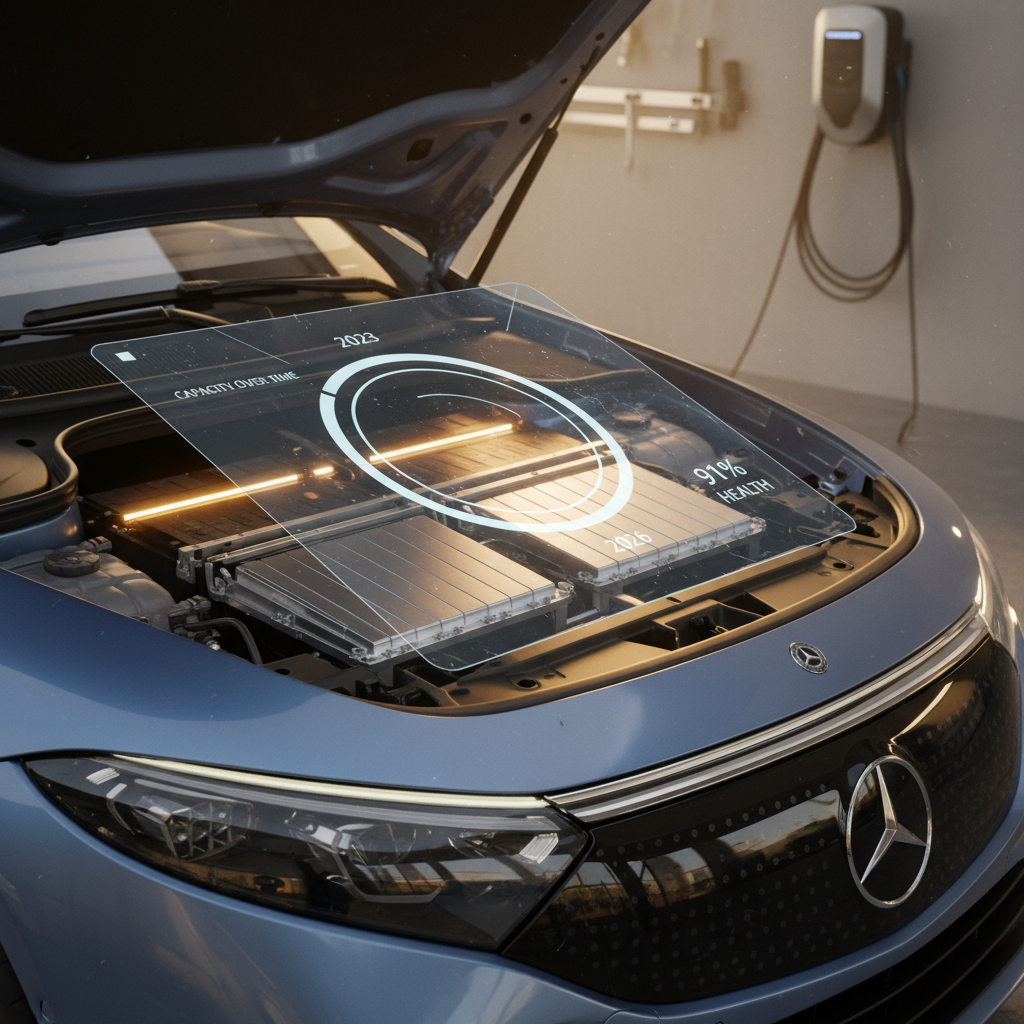
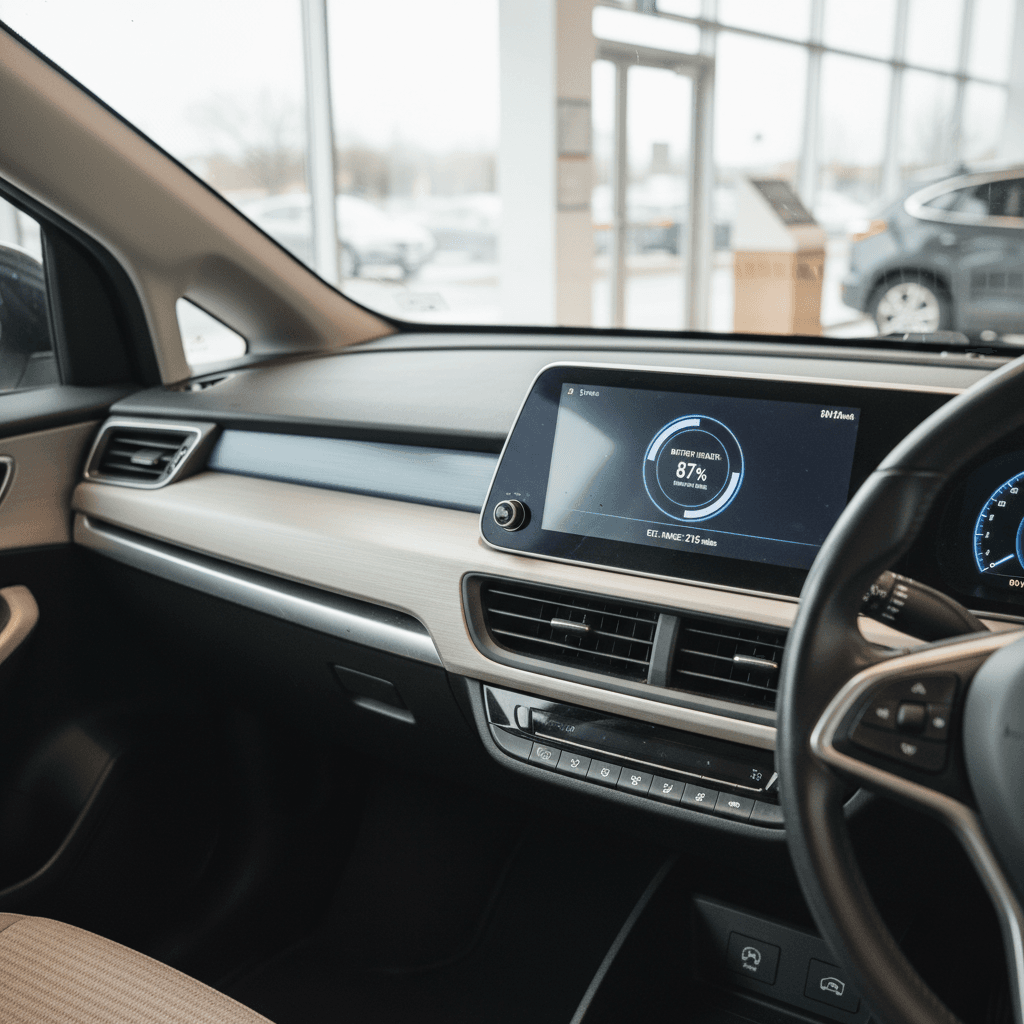
Battery fear is the soundtrack of every used‑EV discussion, but the data from 2024–2025 is surprisingly calm. Large, multi‑brand studies found that the majority of EVs still retain around 90% of their original capacity after several years on the road. In other words, most packs are aging much more gracefully than the internet’s horror stories suggest.
Battery reality check for 2026 shoppers
How to actually check battery health
Battery health red flags and green lights
Look at SoH, not just odometer
A low‑mileage car that’s been fast‑charged daily and parked in heat can have a weaker pack than a higher‑mileage highway commuter. State of Health is the metric that matters.
Cross‑check warranty coverage
Most modern EVs offer 8‑year battery warranties around 100,000 miles. In 2026, many 2019–2020 cars are getting close to the edge, check the in‑service date, not just model year.
Review charging history when possible
Ask how the car was charged: mostly home Level 2, or constant DC fast charging? 100% every night, or 40–80% most days? Even anecdotal detail helps you interpret the SoH numbers.
Beware DIY software hacks
Third‑party tuning, unofficial battery unlocks or range “mods” can complicate warranty claims. If the infotainment looks rooted, proceed cautiously.
Prices, depreciation and total cost in 2026
EVs did something dramatic between 2021 and 2025: they went from “unobtainium with markups” to “used‑car bargain bin,” especially in luxury and early‑adopter models. Analysts looking at 5‑year‑old cars through early 2025 found EVs over‑represented among the most heavily depreciated vehicles, particularly pricey models and early compact EVs. That story is still unfolding in 2026, and you can use it to your advantage.
Typical 5‑year depreciation patterns for popular EVs
Illustrative ranges based on 2024–2025 cost‑of‑ownership and resale analyses; real numbers vary by trim, region and mileage.
| Model | Typical 5‑yr depreciation | What it means for you |
|---|---|---|
| Tesla Model 3 / Y | ~40–55% | Still hold value better than many rivals; you pay more up front but recover more when you sell. |
| Hyundai Ioniq 5 | ~35–50% | Depreciation is steeper than Tesla but not catastrophic; good balance of price and modern tech. |
| VW ID.4 | ~45–60% | Software drama plus brand‑new platform pushed values down, creating buyer opportunity in 2026. |
| Chevy Bolt EV/EUV | ~50–60%+ | Recall stigma and compact‑car status hammered values; great if you don’t need a big SUV. |
| Early luxury EVs | 60%+ | Audi e‑tron, Jaguar I‑Pace, etc. can look cheap but may carry higher long‑term running costs. |
Use this as directional guidance, not a quote. Always compare multiple valuation tools and live listings.
Don’t forget running costs
If you’d rather not become an armchair economist, this is where marketplaces like Recharged are doing the heavy lifting. Our pricing engine looks at real‑world transactions, battery health and equipment to surface fair‑market prices, not just whatever a seller thinks they can get away with.
Checklist: how to shop for the best used EV in 2026
Your 2026 used‑EV buying checklist
1. Start with your daily reality, not the spec sheet
How many miles do you actually drive most days? Where will you charge, home, work, public DC fast chargers? Answer these before you fall in love with a particular badge.
2. Set a hard budget including charging setup
Factor in a home Level 2 charger or outlet upgrade if you own your place. If you rent, budget for public charging costs. A slightly cheaper car with terrible charging access is no bargain.
3. Shortlist proven models
Focus on EVs with good reliability records and strong battery management, Model 3/Y, Kona Electric, Ioniq 5, ID.4, Bolt, etc. Skip experimental one‑offs unless you enjoy risk.
4. Demand real battery data
Ask for a recent battery health report. On Recharged, the Recharged Score and report summarize pack condition, estimated remaining life and any warning signs.
5. Inspect for boring car stuff too
Tires, brakes, suspension bushings, accident repair quality and interior wear matter just as much as kilowatt‑hours. An EV is still a car; it can still be neglected.
6. Test‑drive with an ear for weirdness
EVs are quiet; that makes new noises stand out. Clunks over bumps, whines at certain speeds or inconsistent regen feel are worth a pre‑purchase inspection.
7. Compare total cost of ownership
Look at insurance, taxes, energy costs and likely depreciation. A slightly pricier Ioniq 5 may cost less to own than a cheap‑to‑buy older luxury EV that drinks electrons and tires.
8. Consider who you’re buying from
Private sellers can be fine, but specialized EV retailers like Recharged offer diagnostics, clear pricing and EV‑literate humans to answer questions, hard to put a price on that peace of mind.
Frequently asked questions about the best used EVs in 2026
Best used EV to buy 2026: FAQ
Bottom line: which used EV should you buy in 2026?
If you want the safe, high‑confidence play, a 2021–2023 Tesla Model 3 or Model Y remains the best used EV to buy in 2026 for most American households. If you’re value‑hunting and don’t need maximum range, a Chevy Bolt or Hyundai Kona Electric turns every grocery run into a lesson in financial prudence. Families who live on the freeway will be happier in a Hyundai Ioniq 5 or VW ID.4, which finally let you retire the gas crossover without feeling like early‑adopter cannon fodder.
Whatever you choose, the playbook is the same: start with your real use case, insist on transparent battery health data, and let total cost of ownership, not just the asking price, guide you. If you’d like a shortcut through that homework, browsing used EVs on Recharged gives you model‑specific insights, Recharged Score battery diagnostics and EV‑specialist support from first click to delivery. In a 2026 market full of noise, that kind of clarity is the real luxury option.