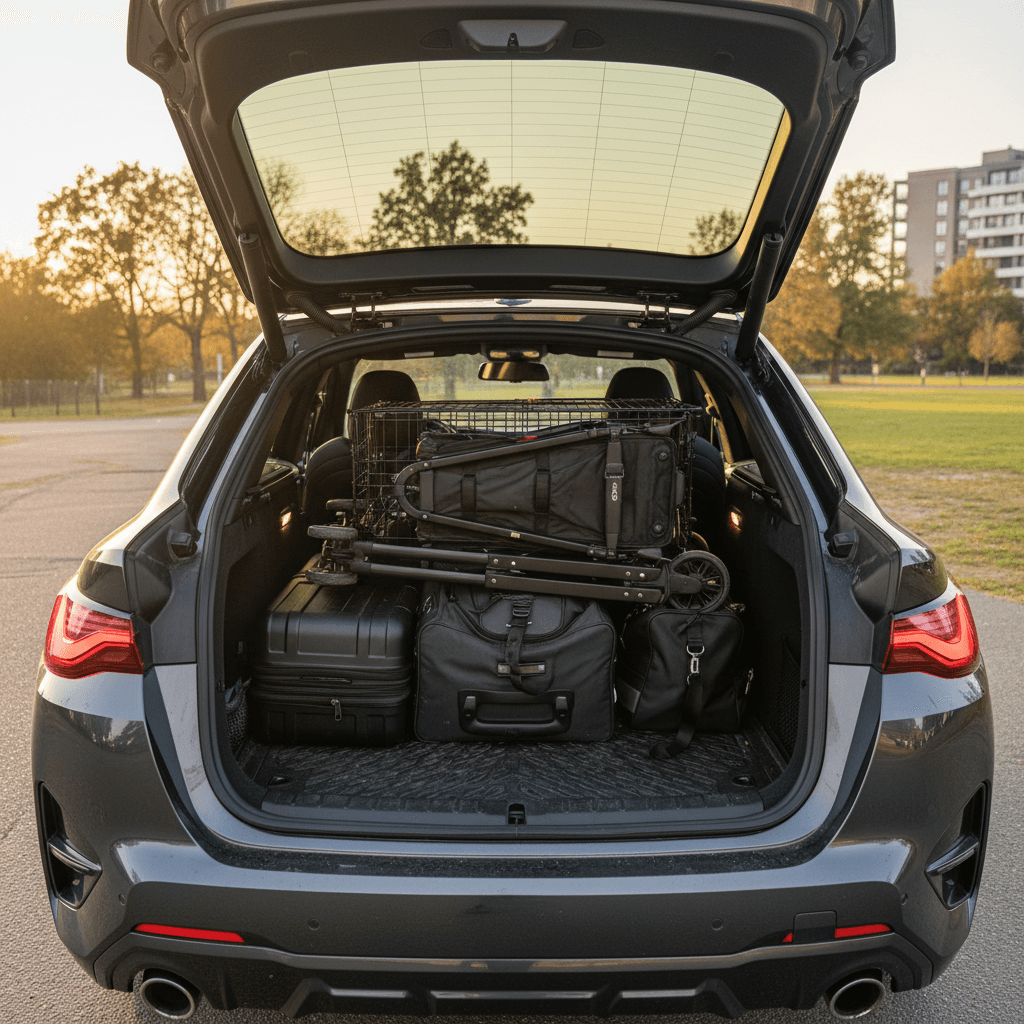
If you’re cross-shopping the BMW i4 against other EVs, you’ve probably seen a confusing range of cargo numbers. Some spec sheets quote **10 cubic feet**, others say **16.6 cubic feet**, and then there’s a much bigger figure once you have the **BMW i4 cargo space with seats down**. Let’s unpack what those numbers really mean and what you can actually fit in the back of an i4.
Quick take
BMW i4 cargo space overview
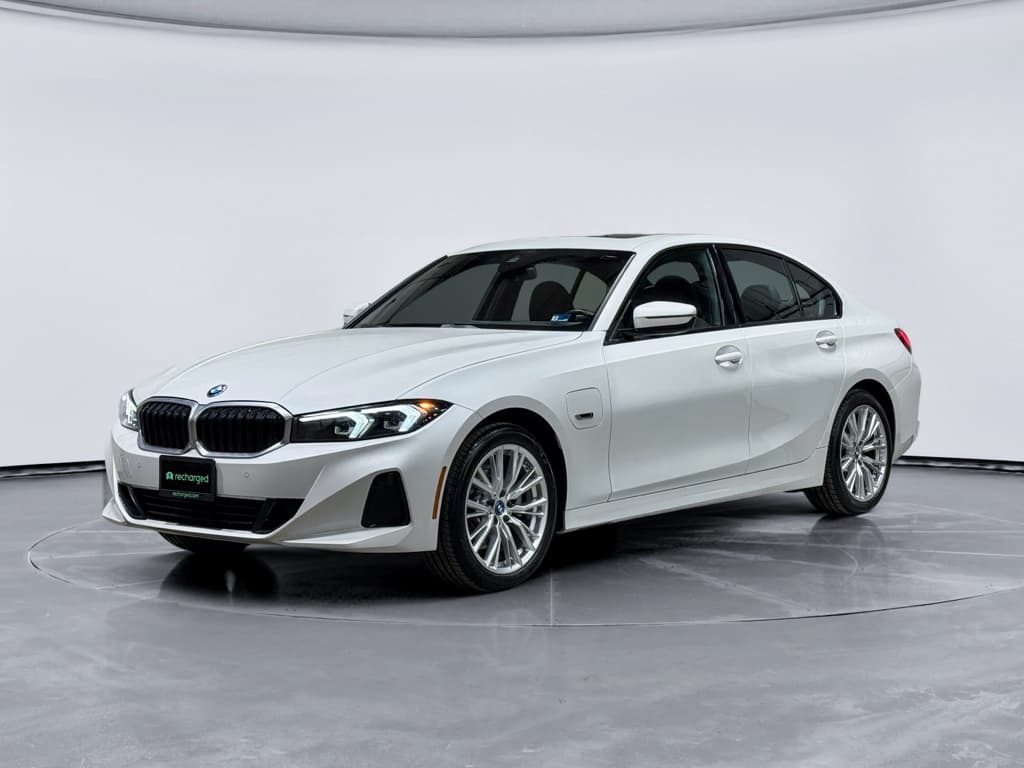
The BMW i4 is essentially a **4 Series Gran Coupe with an electric powertrain**. That means you get a fastback-style hatch, not a traditional sedan trunk. For cargo, that’s good news: a wide opening and tall loading area make the space more usable than the raw cubic-foot number suggests.
- All BMW i4 model years so far (2022–2025 and announced 2026) share the same basic hatchback body shell.
- You get a **40/20/40 split-folding rear seat**, so you can fold just the center section for skis or long boxes.
- There’s **no front trunk (frunk)**, so all storage is in the rear cargo area and cabin.
Why you see different cargo numbers
BMW i4 cargo space with seats down: the numbers
BMW i4 cargo specs at a glance
Across BMW brochures and spec databases for the i4 and its 4 Series Gran Coupe sibling, you’ll see a common pattern: **about 470 liters (≈16.6 ft³)** with the rear seats in place and **up to 1,290 liters (≈45.5–45.6 ft³)** with them folded. That larger figure is the one that matters most if you’re wondering how much you can haul with the seats down.
Does trim or battery change cargo space?
Key dimensions with the rear seats folded
Cubic feet are useful for comparisons, but most shoppers really want to know: **Will my stuff fit?** Here’s what owners, testers, and BMW’s own materials suggest about real-world dimensions when you fold the seats.
Approximate BMW i4 cargo dimensions (seats folded)
These are typical real-world measurements gathered from owner reports and comparisons. They may vary slightly by trim, liner, and where you measure from.
| Dimension | Approximate value | Notes |
|---|---|---|
| Max load length (hatch to front seatbacks) | ~65–70 in (5.4–5.8 ft) | Varies with front-seat position; longer drivers reduce usable length. |
| Floor length (hatch to back of folded rear backrest) | ~40+ in (3.3+ ft) | Useful reference for shorter items or with partial seat folding. |
| Max width between wheel housings | ~40 in | Wider above the wheel arches; enough for many flat boxes. |
| Max height to roof (seats folded) | ~30+ in | Taller items can fit if they don’t interfere with the hatch closing. |
| Load floor step | Small step at folded seats | Folded seatbacks aren’t perfectly level but form an almost-flat extended floor. |
Use these dimensions as a working guide when you’re planning specific cargo like bikes, furniture, or gear.
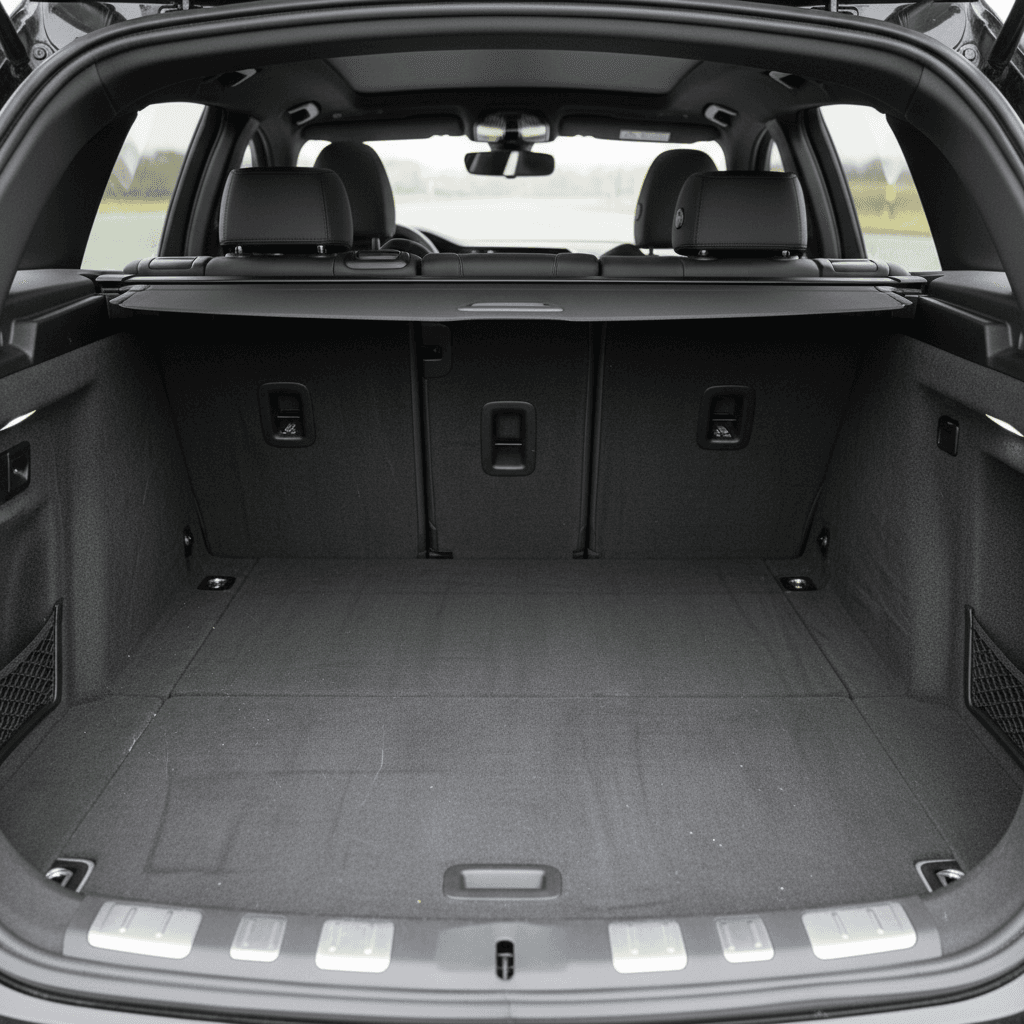
Bring a tape measure to your test drive
What actually fits in a BMW i4 with seats down?
Specs are one thing; **real cargo scenarios** are another. Here’s how the BMW i4 behaves once you drop the rear seatbacks.
Common hauling scenarios in a BMW i4
How the i4’s max cargo space translates to everyday life
Golf clubs and sports gear
Owners routinely report fitting two full golf bags when at least part of the rear seat is folded. With all rear seats down, you can easily stack multiple bags, push carts, and duffels.
For skis or snowboards, fold the center 20% section and slide long gear through while keeping two rear passengers.
Bikes and outdoor equipment
A standard road bike typically fits with the **front wheel removed** and the rear seats folded. Some owners report fitting a road bike with both wheels on, but that depends on frame size and seat-post height.
Two mountain bikes or e-bikes are possible with seats down if you’re willing to remove wheels and stack carefully.
Flat-pack furniture & boxes
Think IKEA runs more than full moving day. Long, flat boxes, bookcases, desks, TV stands, are usually fine as long as they come in pieces.
Taller, single-piece dressers or wardrobes are harder; the sloping rear glass can limit vertical clearance even with seats down.
Luggage and travel: how much fits?
Carry-on tests vs. real-world packing
Seats up vs. seats down
With seats up, independent tests have fit about six carry-on suitcases in the i4’s trunk, which matches its ~16–17 ft³ rating.
Fold the rear seats and you open up roughly 45+ ft³, enough for a family’s luggage, a stroller, and extra gear, provided you’re okay using the full cabin height.
Road-trip packing strategy
For long trips, many owners treat the i4 like a compact wagon: luggage stacked from the floor to the window line, softer bags on top, and smaller items tucked under the hatch floor where applicable.
If you’re traveling with just one passenger, folding at least one rear section gives you a massive, continuous load area for coolers, duffels, and camping gear.
Bottom line on practicality
How BMW i4 cargo space compares to other EVs
On paper, the BMW i4 doesn’t dominate the cargo charts, but it’s competitive among compact premium EVs. The story changes depending on whether you’re comparing **seats-up** or **seats-down** capacity.
BMW i4 vs. common EV alternatives (cargo specs)
Approximate manufacturer or widely quoted cargo figures with rear seats up and folded. Always check the latest numbers for a specific model year.
| Model | Body style | Cargo seats up (ft³) | Cargo seats down (ft³) | Notes |
|---|---|---|---|---|
| BMW i4 | Compact luxury hatchback | ~16.6 | ~45.5–45.6 | No frunk; strong seats-down space for its size. |
| Tesla Model 3 | Compact sedan with trunk | ~19.8 (incl. frunk) | ~43+ | Deeper trunk, plus small frunk; opening is less hatch-like. |
| Tesla Model Y | Compact crossover | ~30 | ~68+ | More upright tailgate; significantly more volume overall. |
| Hyundai Ioniq 6 | Aerodynamic sedan | ~11.2 | ~35–40 (est.) | Stylish but compromised trunk access. |
| Polestar 2 | Compact hatchback | ~14.3 | ~38–40 | Hatchback practicality but slightly less max volume than i4. |
Use this comparison to understand where the i4 sits in the broader EV market for cargo capacity.
Where the i4 shines
- Seats down, it’s strong for a low-slung car, those ~45+ cubic feet are genuinely useful.
- The wide hatch opening makes it easier to load bulky items than a sedan trunk with a similar volume.
- Compared with another sleek sedan like an Ioniq 6, the i4 feels much more wagon-like when fully opened up.
Where it falls short
- If you need crossover-level space (kids, pets, strollers, big sports gear), an SUV like a Model Y or Kia EV6 will be roomier.
- The sloping rear glass can be a limit for tall furniture or boxy items.
- There’s no frunk, so you miss out on the extra cubby that some rivals offer for charging cables or dirty gear.
Tips to maximize BMW i4 cargo room
If you decide the numbers work for you, there are a few simple ways to squeeze the most usable space out of your i4, especially with the seats folded.
Practical ways to get more from i4 cargo space
1. Use the 40/20/40 split smartly
Fold only the sections you need. For example, drop the center 20% for skis or long boxes while keeping four usable seats, or fold one side plus the middle to haul a bike and still keep a rear passenger.
2. Remove the cargo cover
The retractable cargo cover is great for privacy, but it limits vertical space. Popping it out opens up several more inches of height, crucial for tall boxes or stacked luggage.
3. Pack soft bags instead of hard cases
Duffels and soft-sided luggage mold into the i4’s sloping roofline better than rigid suitcases. They’re easier to stack and to slide under the hatch glass when you’re using the full height.
4. Protect the load floor and seatbacks
If you’re hauling bikes, tools, or furniture, add a cargo mat or tarp over the load floor and folded seatbacks. It protects the upholstery and lets you slide heavy items without snagging the fabric.
5. Slide front seats strategically
A small adjustment to the front seats can add an inch or two of load length. If nobody’s sitting behind the front passenger, move that seat forward a bit to open up extra space for long items.
6. Secure tall or heavy cargo
Use the built-in tie-down points and hooks to keep cargo from shifting under hard braking. A compact cargo net or a few bungee cords go a long way toward keeping things in place.
Don’t block your rearward visibility
Used BMW i4: what to check for cargo practicality
Shopping used is where understanding **BMW i4 cargo space with seats down** really pays off. You’re not just comparing specs; you’re inspecting an actual car with a real history.
Cargo-related checks when buying a used BMW i4
Quick things to look at beyond mileage and options
Inspect the load floor & seatbacks
Look for gouges, tears, and stains in the cargo floor and on the backs of the rear seats. Heavy use (bikes, tools, construction materials) can leave marks that hurt resale and may hint at hard overall use.
Test the seat-folding mechanism
Fold each section of the 40/20/40 rear bench down individually and make sure it latches and releases smoothly. Any binding or misalignment could mean past damage or a repair that wasn’t done right.
Check for accessories & organization
Ask whether the car includes cargo nets, floor mats, or dividers. They’re small items, but they make living with the car easier. Replacing them later adds cost.
If you’re browsing used BMW i4s on Recharged, every vehicle comes with a **Recharged Score Report**, so you get transparency not just on battery health and pricing but also on how the car’s been used overall. Our EV specialists can walk you through whether an individual i4’s cargo area has been babied or worked hard, and help you decide if it still fits your needs.
FAQ: BMW i4 cargo space and practicality
Frequently asked questions about BMW i4 cargo space
Bottom line: should cargo space stop you from buying an i4?
If you’re expecting crossover-like room, the BMW i4 will come up short. But if you mostly haul people and luggage, and you’re willing to fold the rear seats when you need to, the **BMW i4 cargo space with seats down is more generous than its low-slung styling suggests**. You get roughly 45+ cubic feet to play with, a wide hatch, and a flexible 40/20/40 split that makes bikes, skis, and bulk shopping runs very doable.
Where cargo space really matters is at the individual-car level, especially in the used market. That’s where a platform like Recharged helps: every used EV listing includes a **Recharged Score Report** with verified battery health, transparent pricing, and expert guidance, so you can focus on whether the i4’s size and shape fit your life, without worrying what’s hiding under the surface. If the numbers and real-world scenarios here line up with your needs, the i4’s blend of performance, luxury, and hatchback practicality can be a strong fit.