If you’re hunting for the best used EV for the money in 2026, you’re in a sweet spot. New EV demand has cooled, many early leases are coming off term, and some models have depreciated brutally, creating real bargains for used buyers who know where to look. The trick is separating genuinely good value from cheap cars with weak batteries, slow charging, or painful resale.
Why this guide is different
Why used EVs are such good deals right now
Used EV value snapshot (early 2026)
The combination of heavy new-EV incentives (through September 2025), rapid tech improvement, and buyer uncertainty around batteries has pushed used prices down faster than gas equivalents. That means you can often buy a 2–4 year old EV with modern safety tech and low running costs for the price of a 7–8 year old gasoline crossover.
Great deals, real risks
How we define “best used EV for the money”
“Best” depends on how you drive, but for this guide, a best used EV for the money checks most of these boxes:
- Competitive purchase price versus similar EVs and gas cars
- At least ~200 miles of original EPA range (or a clear use case for less)
- Decent DC fast-charging speed if you ever leave town
- No serious, widespread battery or safety recalls, or a clear remedy in place
- Reasonable depreciation outlook (you’re not lighting residual value on fire)
- Availability on the used market in enough volume that you can be choosy
Good value used EV
- Solid battery health with documented history
- Modern safety and driver-assist tech
- Decent charging speed and network access
- Depreciation has already done the worst of its work
"Cheap" but not a bargain
- Short range that limits daily use
- CHAdeMO or other legacy charging standard
- Known battery-degradation or recall issues
- Depreciation still falling fast, weak resale demand
Top value used EV picks for 2026
Below, we’ll group the best used EVs for the money into three buckets: budget commuters, sweet-spot all‑rounders, and family-friendly crossovers. Price ranges are typical U.S. retail asking prices for clean titles in good condition as of early 2026; your local market may vary.
Budget picks: Best used EVs under about $18,000
High-value budget EVs
Strong daily drivers if you don’t need luxury badges
Chevrolet Bolt EV (2017–2022)
Why it’s a value: Massive depreciation plus good efficiency means you can often find Bolts in the $11,000–$18,000 range with ~200–259 miles of EPA range.
- Compact hatch with surprisingly roomy interior
- DC fast charging around 50 kW, fine for occasional trips
- Battery recall means many packs have been replaced or warrantied
Watch for: Confirm recall work, check for new pack documentation, and pay attention to fast-charging behavior on test drives.
Nissan Leaf (40–62 kWh, 2018–2022)
Why it’s a value: Leafs can look unbelievably cheap, sometimes under $10,000, because they depreciate quickly. That can make sense for short-range commuters.
- Comfortable, simple, and easy to drive
- 40–62 kWh packs rated 149–226 miles when new
- Great second car or city runabout
Watch for: Air‑cooled batteries that can degrade in hot climates, and CHAdeMO fast charging, which is slowly being phased out. Battery health is everything here.
Hyundai Kona Electric (2019–2022)
Why it’s a value: Often found in the mid‑teens, the Kona Electric delivers around 258 miles of EPA range and a decent 70–75 kW fast‑charge rate.
- Compact crossover form factor
- Long warranty on battery and drivetrain
- Good efficiency keeps energy costs low
Watch for: Some early‑production battery recall history, verify campaign completion and inspect charging behavior.
Think in years, not dollars
Sweet spot: Best used EVs around $18,000–$28,000
This is where many buyers find the true “best used EV for the money”: modern crash safety, robust range, and charging that doesn’t make road trips miserable.
High-value used EVs in the sweet spot
Representative examples of used EVs that balance price, range, and charging well in 2026.
| Model | Typical Used Price | EPA Range (mi) | Notable Strength |
|---|---|---|---|
| Kia Niro EV (2019–2022) | $16,000–$24,000 | 212–239 | Huge depreciation, practical size, efficient |
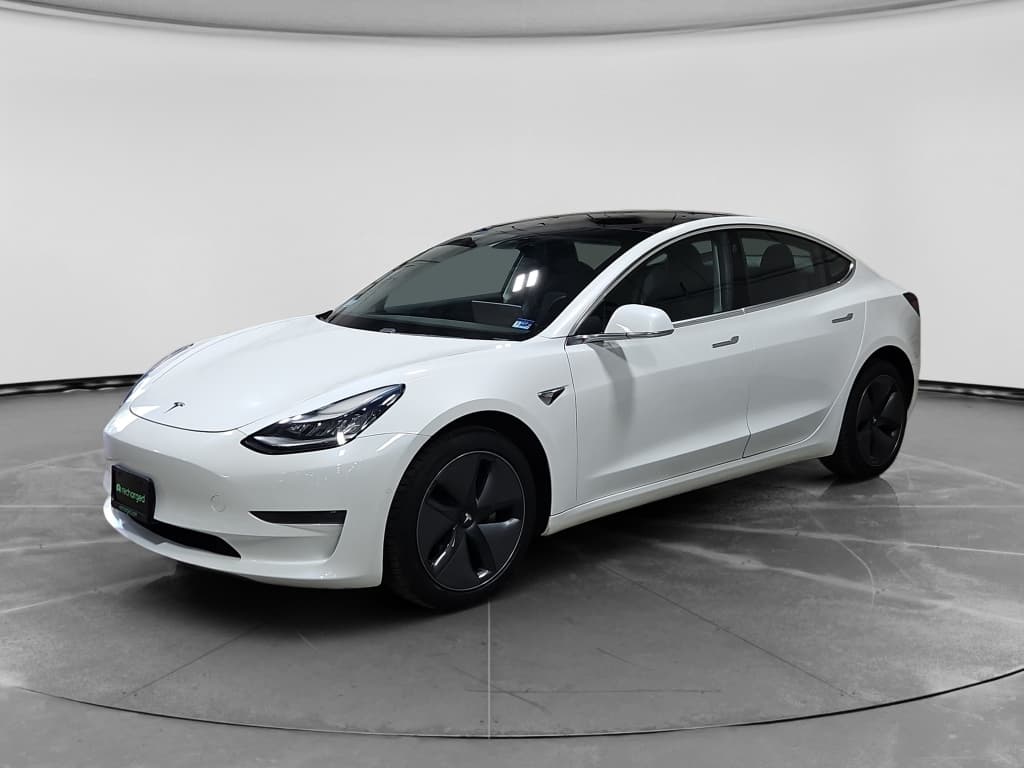
| Tesla Model 3 RWD/LR (2019–2023) | $18,000–$30,000 | 240–358 | Supercharger access, software, strong resale vs peers |
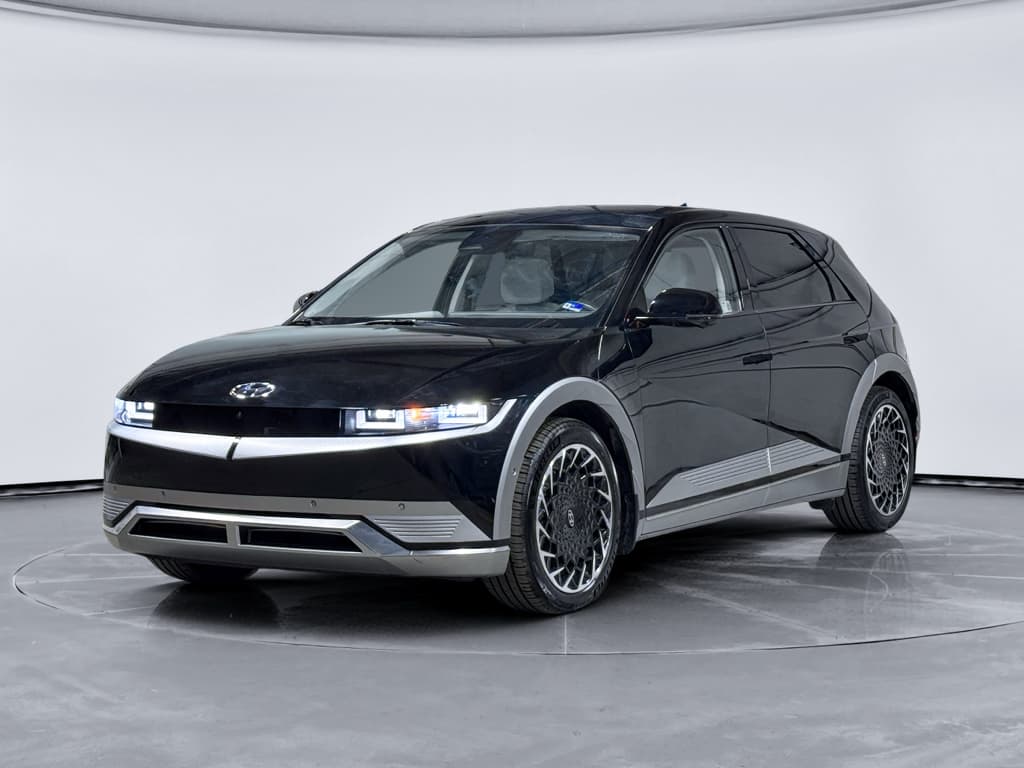
| Hyundai Ioniq 5 (2022–2023) | $25,000–$34,000 | 220–303 | Ultra-fast charging, roomy interior, modern tech |
| Volkswagen ID.4 (2021–2023) | $23,000–$30,000 | 240–275 | Comfortable family crossover with DC fast charge |
| BMW i4 eDrive40 (2022–2023) | $30,000–$38,000 | 270–300 | Premium feel and range at CPO pricing |
Actual prices vary by region, mileage, trim, and condition.
Models like the Kia Niro EV and Tesla Model 3 routinely show up at the top of value rankings because they combine sharp price drops with real‑world usability: 200+ miles of range, usable rear seats, and strong owner satisfaction scores.
Family haulers and crossovers that punch above their price
Used EV crossovers with strong value
For families that want space without overspending
Tesla Model Y (2020–2023)
Why it’s a value: Model Y still holds value better than many EVs, but used prices have come down enough that a well‑specced Long Range model can be compelling versus new compact SUVs.
- EPA range often 300+ miles
- Access to the Supercharger network and software features
- Strong demand supports future resale
Best for: Families who road‑trip regularly and want fast, predictable charging more than absolute lowest purchase price.
Volkswagen ID.4 & Kia EV6
Why they’re value plays: Both have seen real-world discounts, especially ex‑lease units. They offer grown‑up ride comfort, usable rear space, and DC fast‑charging speeds that put earlier EVs to shame.
- ID.4: comfortable, conservative, good for city and highway
- EV6: sportier, with strong charging performance
- Pricing often in the low‑to‑mid $20,000s depending on spec
Best for: Families who want a conventional crossover feel without Tesla’s polarizing design or UI.
Used EVs that look cheap but aren’t a great bargain
Some of the cheapest used EVs on the market got that way because the market learned hard lessons about them. If you’re disciplined and understand the tradeoffs, they can still make sense, but walk in with eyes open.
Proceed-with-caution used EVs
Older Nissan Leaf (pre‑2018, small battery)
Very low prices, but early air‑cooled packs in hot climates have shown substantial degradation. CHAdeMO fast charging is also fading from new sites, which limits road trip options.
Luxury EVs with brutal depreciation
Jaguar I‑Pace, older Audi e‑tron, and some Mercedes EQ models have shed 60–70% of value within five years. You might get a $70,000+ vehicle for $20,000, but parts, tires, and out‑of‑warranty repairs still carry luxury‑brand pricing.
Short‑range city EVs
Models like the Mazda MX‑30 or BMW i3 can be fine urban runabouts, but sub‑150‑mile range limits flexibility. If this will be your only car, run the numbers on your real‑world driving before buying.
Models with unresolved recall history
Some EVs have had high‑profile battery recalls. A recall that’s been fully addressed can actually be a plus (you get a newer pack), but vehicles with incomplete or unclear histories are risky buys.
Don’t buy on price alone
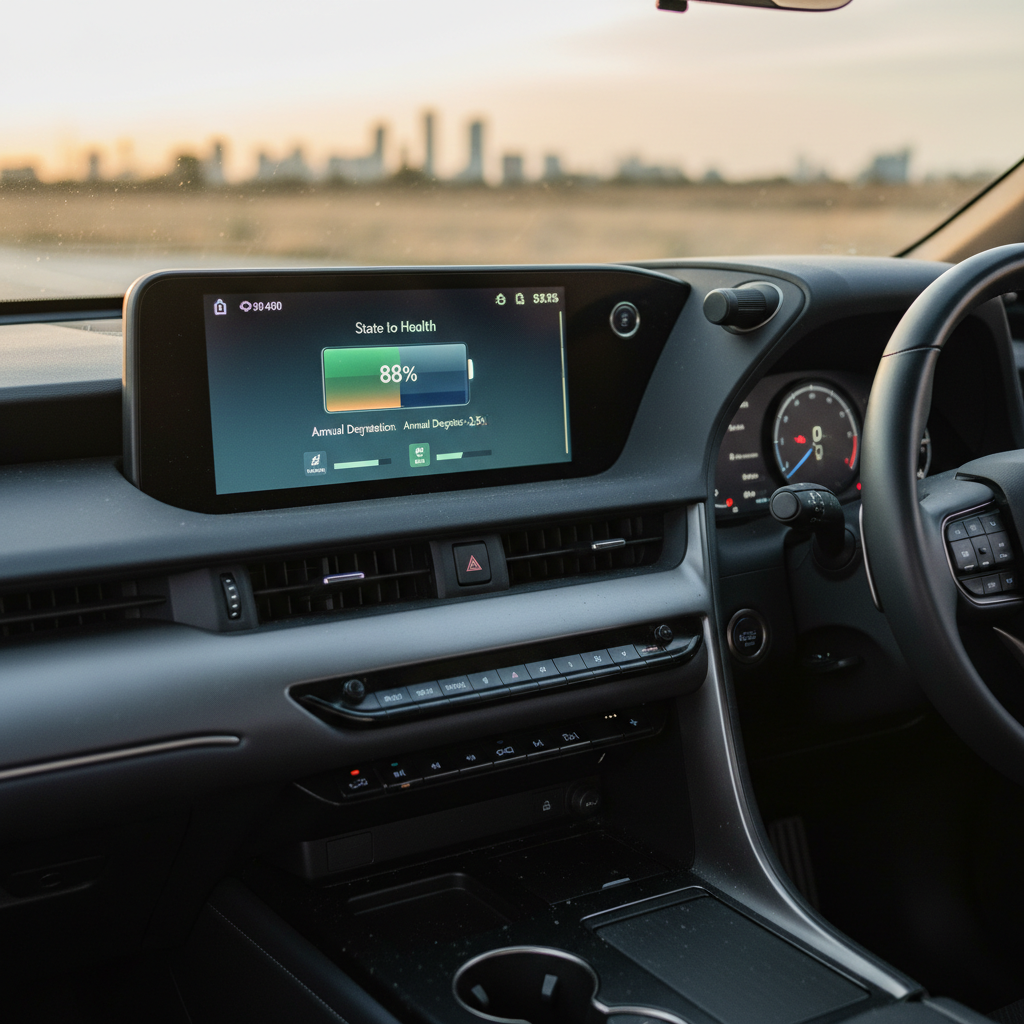
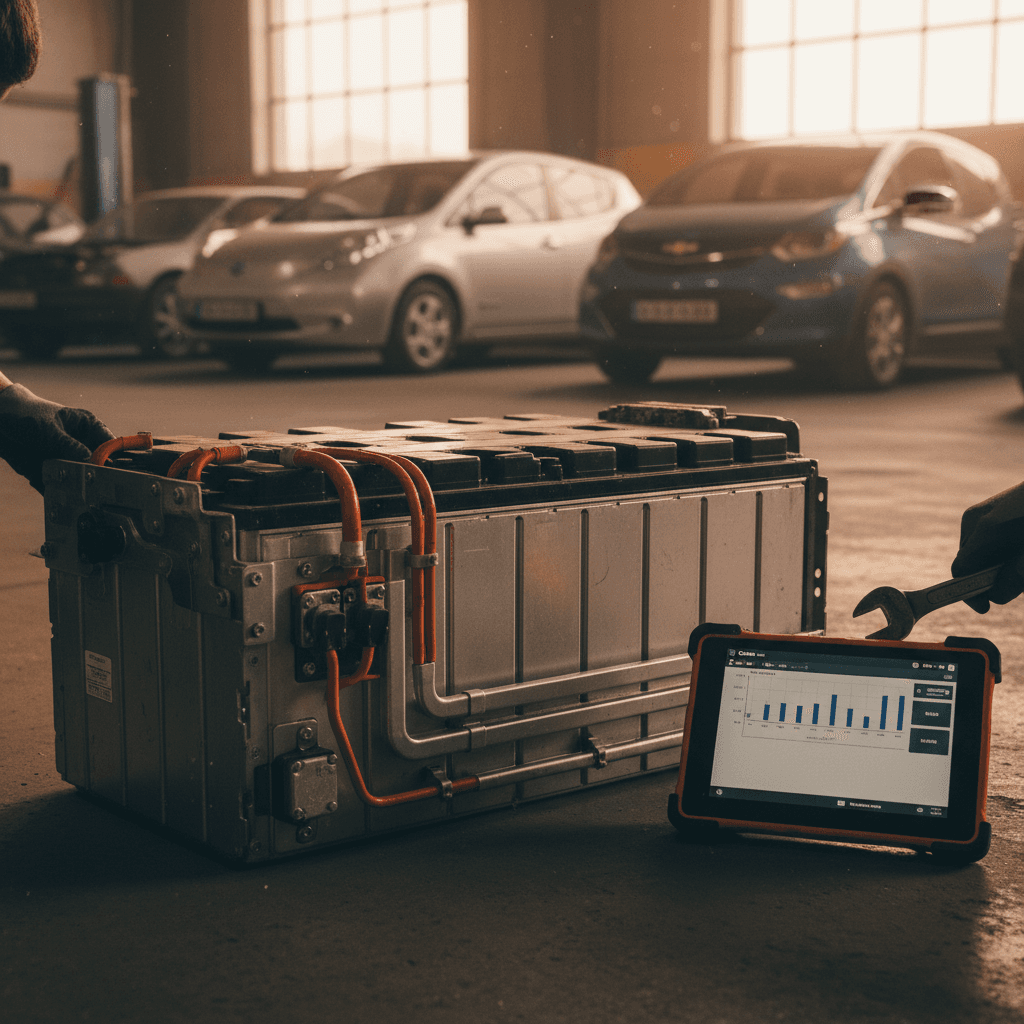
Battery health: What matters more than the sticker price
In the used-EV world, the battery is the car. Two identical-looking vehicles can have wildly different remaining useful life based on how they were charged, where they lived, and how they were driven.
Key factors that affect battery health
- Age and mileage: Time and cycles both matter, but calendar age often dominates after 6–8 years.
- Climate: Hot-weather cars, especially those with air‑cooled batteries, are more prone to degradation.
- Fast‑charging patterns: Constant DC fast charging can accelerate wear compared to mostly Level 2 home charging.
- Software and recalls: Some OEMs have pushed updates or performed hardware replacements that materially change pack longevity.
How to quickly assess a pack
- Compare the displayed full-charge range to the original EPA rating.
- Scan for error codes or warning lights related to the battery or charging system.
- Take a long mixed-drive test and watch how quickly the state of charge (SoC) falls.
- When possible, use a diagnostic scan that reports remaining capacity in kWh or %.
What Recharged’s battery report adds
Depreciation and resale: what to expect
On average, EVs have depreciated faster than gas cars, roughly high‑50s to ~60% value loss over five years, because incentives pushed down effective new prices and buyers worry about battery life. But not all EVs behave the same.
Typical depreciation patterns by EV type
Understanding this helps you choose the best used EV for the money
Mainstream compacts (Bolt, Leaf, Kona, Niro)
These often take a big hit in the first 3–5 years, then stabilize. Buying at 3–6 years old typically means most of the ugly depreciation is behind you, especially if the battery is healthy.
Crossovers and Teslas (Model 3/Y, Ioniq 5, ID.4)
Better value retention thanks to demand and capability. You’ll pay more up front, but future resale is stronger, important if you plan to sell again in 3–5 years.
Luxury nameplates (I‑Pace, EQC, Taycan)
These can lose 60–70% of value within five years. Great “spec for the money,” but ongoing costs are still luxury‑tier. They’re a value only if you budget for that reality.
Match depreciation to your plan
How to shop smart for a used EV (step-by-step)
Step-by-step used EV buying checklist
1. Define your real range and charging needs
List your typical daily miles, worst‑case days, and how often you road‑trip. This determines whether a 150‑mile car is plenty or a deal-breaker.
2. Set your total budget, including charging
Price out not just the car, but also a Level 2 home charger if needed, installation, and any public-charging membership fees.
3. Shortlist 3–5 models that fit your use case
For example: Bolt EV, Niro EV, and Model 3 for a long commute; Leaf or BMW i3 for a short-city runabout; Ioniq 5 or ID.4 for family trips.
4. Research known issues and recalls
Look up common problems, battery recalls, and software updates for each model year you’re considering. Some “problem” cars become great buys once recall work is done.
5. Evaluate specific cars, not just models
Two Model 3s on the same lot can have very different histories. Focus on service records, charging patterns, climate, and accident history.
6. Get a battery health assessment
Whether through a Recharged Score Report or a specialist inspection, insist on objective data about remaining battery capacity before you commit.
7. Run the total-cost-of-ownership math
Compare payment, charging costs, insurance, and expected resale against a comparable gas vehicle. A slightly higher purchase price can still be cheaper over 5–7 years.
Be careful with generic inspections
How Recharged helps you find the right used EV
Used EVs reward informed buyers and punish guesswork. That’s exactly the gap Recharged is built to close. Instead of leaving you to decode battery data and auction listings alone, Recharged combines transparent diagnostics with an EV‑focused buying experience.
What you get when you buy through Recharged
Beyond a price and a Carfax
Recharged Score Report
Every vehicle includes a detailed Recharged Score with verified battery health, charging profile, and fair‑market pricing, so you know how this specific car compares to others like it.
Fair pricing & financing
Recharged benchmarks pricing against the broader used‑EV market, then offers financing options tailored to EVs, plus trade‑in, instant offer, or consignment if you’re selling a vehicle.
Digital-first, nationwide
Browse and buy completely online, get nationwide delivery, or visit the Recharged Experience Center in Richmond, VA if you prefer to see vehicles in person and talk with EV specialists.
Ready to find your next EV?
Browse VehiclesWhy this matters for value
Best used EV for the money: FAQ
Frequently asked questions about used EV value
Bottom line: Which used EV is “best” for your money?
If you’re after the best used EV for the money, focus less on chasing a single “#1 pick” and more on matching the right class of vehicle to your life. For budget commuters, a healthy Chevy Bolt EV, Niro EV, or even a carefully vetted Nissan Leaf can dramatically undercut gas-car running costs. In the sweet spot, Tesla Model 3, Hyundai Ioniq 5, and Volkswagen ID.4 deliver the mix of range, comfort, and charging that makes EV ownership feel easy rather than experimental.
Whatever you choose, treat battery health and charging capability as non‑negotiables, and think about depreciation through the lens of how long you’ll actually keep the car. If you’d rather not decode all of that alone, Recharged’s combination of Recharged Score battery diagnostics, fair pricing, financing, and EV‑specialist support is designed to tilt the odds in your favor, so your “best used EV for the money” is still a smart call years down the road.