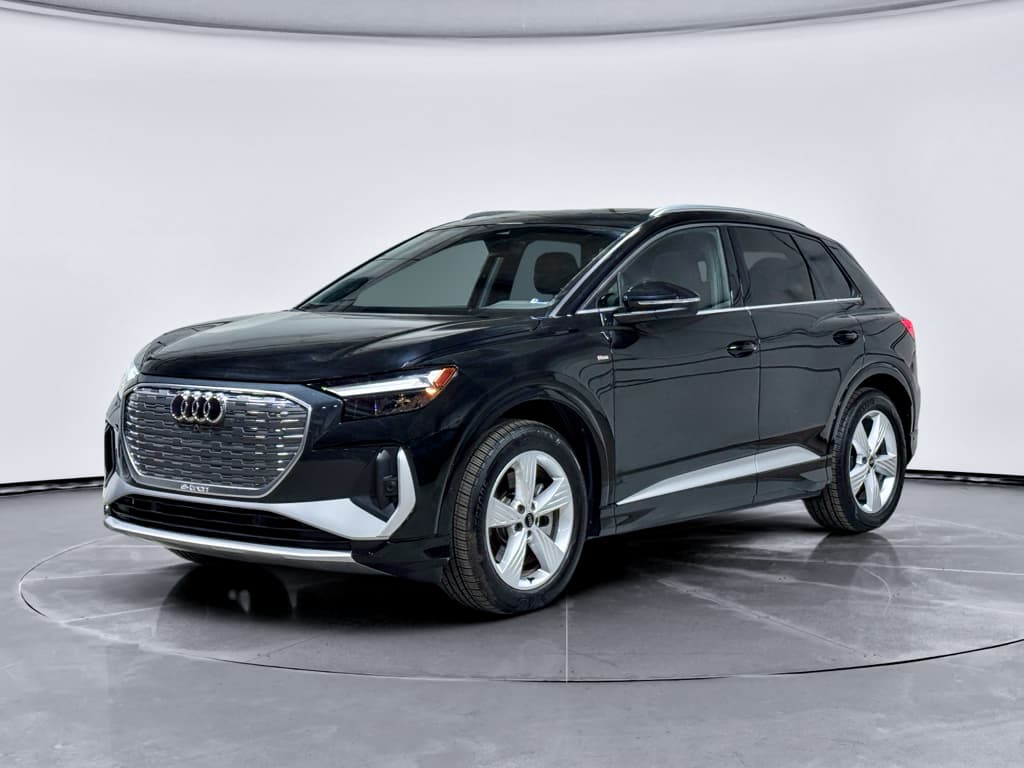
If you own an Audi e-tron GT or you’re eyeing one on the used market, 2026 is a pivotal year. Luxury EV prices have cooled after the post‑pandemic frenzy, and the e-tron GT has settled into its true resale lane: stunning to drive, heavy on tech, and subject to serious first‑owner depreciation, but often a strong value as a used buy.
Big picture on e-tron GT resale
Why Audi e-tron GT resale value matters in 2026
The Audi e-tron GT launched into a world where EV prices were climbing and supply was tight. By 2024–2025, the script flipped: new EV discounts, a flood of off‑lease cars, and fast‑moving tech pushed used values down across the board, especially for luxury models. In 2026, understanding resale value, depreciation, and battery health is critical whether you’re trading out of your GT or finally ready to snag one used.
Audi e-tron GT resale snapshots
Those numbers can look scary if you bought new. But they also mean that in 2026, a used Audi e-tron GT can deliver RS‑level drama for the price of a new, mid‑trim mainstream crossover. The key is knowing what a specific car is worth, and what you should walk away from.
How the Audi e-tron GT depreciates over time
Depreciation isn’t just a sad line on a chart; it’s the story of how a car’s price collides with demand, technology, and running costs. The e-tron GT started life as a $100,000–$140,000 halo car. In 2026, it’s following the classic luxury‑EV curve: brutal up front, then calmer later.
Typical Audi e-tron GT depreciation curve
Approximate private‑party value retention versus original MSRP, assuming average mileage and clean history. This is directional guidance, not a quote for any specific car.
| Age & model year | Typical mileage | Approx. value vs. original MSRP | What this feels like in 2026 |
|---|---|---|---|
| 1–2 years (2024–2025 MY) | 10,000–25,000 mi | ~55–65% of MSRP | First owner already lost a huge chunk; still pricey but big discounts vs. new. |
| 3–4 years (2022–2023 MY) | 25,000–45,000 mi | ~40–50% of MSRP | Sweet spot for value; steep early drop is baked in, warranty still strong. |
| 5 years (2021 MY) | 45,000–70,000 mi | ~35–45% of MSRP | Depreciation slows; condition, options, and battery health matter more than model year. |
Your actual value will depend on options, miles, condition, battery health, and regional demand.
Don’t over‑trust any single estimate
Compared with rivals, the e-tron GT depreciates similarly to other six‑figure luxury EVs. It generally loses more, faster, than a well‑specced Porsche Taycan Cross Turismo, and it’s in the same neighborhood as Mercedes EQS and older Tesla Model S when you normalize for price and trim. In short: it’s not a resale star, but it’s also not an outlier disaster in this category.
Real-world 2026 used Audi e-tron GT price bands
Let’s translate percentages into the thing you actually care about: dollars. The ranges below are directional bands for U.S. private‑party and retail asking prices in early–mid 2026, assuming clean history and sensible mileage. Extreme options packages, rare colors, or damage histories will move an individual car outside these bands.
Typical Audi e-tron GT asking prices in 2026
Approximate U.S. market ranges; your local listings may vary.
2021–2022 e-tron GT
Typical miles: 25,000–45,000
Approx. asking range: $45,000–$60,000
These early cars carry the heaviest first‑owner depreciation but remain very desirable if clean and well‑optioned.
2022–2023 RS e-tron GT
Typical miles: 15,000–35,000
Approx. asking range: $65,000–$85,000
RS models keep a stronger performance halo. Low‑mile, well‑optioned examples can still push higher, especially with carbon and ceramic brakes.
2024+ late‑model cars
Typical miles: under 20,000
Approx. asking range: $70,000–$95,000
Nearly new cars that reflect aggressive new‑car discounts. Early depreciation is sharp; savvy buyers can find barely‑used examples at big savings from MSRP.
How Recharged can help with pricing
What helps your e-tron GT hold its value
You can’t change market cycles, but you can stack the deck in your favor. Certain spec choices and ownership habits make a clear difference in Audi e-tron GT resale value.
- Low, consistent mileage: In 2026, shoppers are wary of high‑mile luxury EVs given expensive components. A 25,000‑mile 2022 car will be much easier to sell than a 60,000‑mile twin.
- Clean, documented service history: Buyers want proof that software updates, coolant checks, and high‑voltage inspections were done on schedule at a dealer or reputable EV specialist.
- Desirable specs: Prestige or higher trims, adaptive air suspension, driver‑assist packages, and tasteful colors (grays, blacks, deep blues) tend to sell faster and closer to asking price.
- Battery care: Owners who avoided constant DC fast charging, limited daily charge to 80–90%, and stored the car in moderate climates typically see healthier range at resale.
- Strong remaining warranty: An e-tron GT with several years of battery and bumper‑to‑bumper coverage left is significantly more attractive than one nearing its coverage cliff.
Spec that used buyers love
What hurts Audi e-tron GT resale value
On the flip side, there are a few recurring themes that drag e-tron GT resale value down. Some you can avoid; others you simply have to price around when you sell or factor into your offer when you buy.
Market and tech realities
- Rapid tech turnover: Newer EVs pack longer range and faster charging for less money, which makes three‑year‑old cars feel older than their age on paper.
- Luxury EV stigma: Shoppers expect eye‑watering repair bills on six‑figure German EVs, whether that’s fair or not, and they price in the risk.
- Soft demand for big sedans: Crossovers rule the road; low‑slung sports sedans are a niche taste, which narrows your buyer pool.
Car‑specific dealbreakers
- Accident or structural damage: Even quality repairs can knock thousands off an EV like this, especially if the battery or high‑voltage systems were involved.
- Out‑of‑warranty repairs: Stories of five‑figure battery or driveline repairs make buyers cautious of older or high‑mile examples without warranty.
- Odd colors or heavy mods: Aggressive wraps, aftermarket wheels, or unusual color combos limit your audience and resale value.
When to walk away from a used e-tron GT
Battery health, warranty, and resale value
On any EV, resale value rises and falls on the health of the pack and the confidence it inspires. For the e-tron GT, the 93 kWh battery and cooling system are sophisticated and expensive, great for performance, but not cheap to fix if something goes wrong.

Key Audi e-tron GT battery and warranty facts
Core battery and warranty details that used‑market buyers and sellers care about most.
| Item | Typical U.S. coverage / reality | Why it matters for resale |
|---|---|---|
| High‑voltage battery warranty | 8 years / 100,000 miles (whichever comes first), against excessive capacity loss or defects | Cars with 3+ years and tens of thousands of miles left command more money and sell faster. |
| Capacity and range expectations | Moderate range loss over time is expected; heavy DC fast charging, hot climates, and high mileage can accelerate it. | A car that still delivers close to original real‑world range is worth more, and feels newer, than one that’s lost 15–20% of its usable range. |
| Out‑of‑warranty battery repairs | Can run into the five‑figure range for full pack replacements or major module work. | Shoppers discount older, high‑mile cars to account for potential big‑ticket failures. |
Always verify the specific in‑service date and warranty terms for the exact car you’re considering.
How Recharged approaches battery health
If you’re selling, gather any documentation on battery or high‑voltage service and be ready to share real‑world range at your typical state‑of‑charge. If you’re buying, insist on a battery‑health report or independent test, not just a screenshot of the dash display.
Running costs, insurance, and total cost of ownership
Resale value is only half the money story. Even a screaming deal on purchase price can be undermined by high running costs. The e-tron GT is more affordable to fuel than a comparable gas Audi, but it’s still an expensive machine to maintain and insure.
Cost factors that shoppers quietly price into resale
These don’t show up on a window sticker, but they shape what buyers are willing to pay.
Electricity vs. gas
Home charging beats premium gasoline all day, especially if you can use off‑peak rates. Shoppers doing the math realize that over 3–5 years, fuel savings offset some depreciation pain.
Maintenance & repairs
Routine service is modest, but RS brake rotors, suspension work, or out‑of‑warranty driveline repairs can be breathtakingly expensive. Savvy buyers price in the risk, especially after the bumper‑to‑bumper warranty expires.
Insurance & risk
The e-tron GT is a powerful, expensive EV with pricey parts and limited body‑shop familiarity. Insurers know this, and premiums can be higher than a mainstream EV. Buyers use those quotes to decide how much car they can really afford.
Sticker shock example
Selling your Audi e-tron GT in 2026: options compared
When it’s time to move on, how you sell your e-tron GT can swing the bottom line by thousands. Each route trades money for effort and convenience.
Ways to sell your e-tron GT in 2026
How typical sale channels compare for a high‑value EV like the Audi e-tron GT.
| Option | Typical payout | Time & effort | Best for |
|---|---|---|---|
| Dealer trade‑in | Lowest but fastest; often several thousand below private‑party market value. | Very low, you hand them the keys and sign paperwork. | If you value convenience, are rolling equity into your next car, or the car has issues you don’t want to manage privately. |
| Instant online cash offer | Usually similar to or slightly better than local dealer trade‑in, depending on condition and demand. | Low; quick inspections, but you’ll need to share photos and details. | If you want speed with a bit more market exposure and are okay sacrificing top dollar. |
| Private‑party sale | Highest potential price, but you shoulder marketing, test drives, and paperwork. | High; you’ll be answering messages, meeting buyers, and screening payment. | If your car is in great shape, you’re patient, and you’re comfortable handling a big‑ticket transaction. |
| Consignment / specialist marketplace | Often close to private‑party money, minus a fee or commission, with professional marketing. | Moderate; the platform or dealer handles most of the work for a slice of the sale price. | If you own a well‑specced e-tron GT and want a strong price without doing the heavy lifting. |
Your situation, risk tolerance, and timeline should drive which option you choose.
Where Recharged fits in
Buying a used Audi e-tron GT in 2026: smart checklist
If you’re on the buying side, a used e-tron GT can feel like cheating the system: super‑sedan pace, Audi design, and a price not far from a new family SUV. But don’t let the deal blind you to the details. Here’s what to work through before you sign.
Essential checks before you buy an e-tron GT
1. Decode the trim and options
Confirm whether you’re looking at a base, Prestige, S, or RS e-tron GT, and list major options (air suspension, driver‑assist, wheel size, audio). These can swing value and running costs.
2. Verify battery health and remaining warranty
Ask for a recent battery‑health report, not just “it charges fine.” Confirm the in‑service date and remaining high‑voltage and bumper‑to‑bumper warranty coverage.
3. Review service and recall history
Check for completed campaigns, software updates, and any high‑voltage or cooling‑system work. Repeated repairs in the same area warrant extra caution.
4. Inspect for damage, especially underneath
The e-tron GT rides low. Have a shop or mobile inspector look for underbody scrapes, wheel damage, and any signs of battery tray or structural repair.
5. Drive it the way you’ll actually use it
On your test drive, include highway speeds, rougher pavement, and a full‑power merge. Listen for suspension clunks, brake noises, and any driveline shudder or warnings.
6. Get realistic about insurance and charging
Pull an insurance quote before you fall in love, and make sure your home or regular charging plan fits this car’s appetite for electrons.
Why many shoppers buy used through Recharged
Ready to find your next EV?
Browse VehiclesIs the Audi e-tron GT a good used buy in 2026?
If you’re chasing lowest‑possible cost per mile, the Audi e-tron GT isn’t your car. Depreciation is steep, parts are pricey, and it asks more of its owner than a humble hatchback. But that’s not why this car exists.
As a used performance EV, though, the e-tron GT can be an outstanding buy in 2026. The worst depreciation is behind it, the battery warranty still has meaningful runway on many cars, and you’re getting a grand‑touring experience that would have cost six figures just a few years ago. If you choose carefully, and budget realistically for insurance and maintenance, you can enjoy a lot of car for the money.
Whether you’re selling or buying, the key is information: real‑world pricing, independent battery health data, and a clear picture of warranty and condition. That’s exactly what Recharged was built for. If you’re ready to see how today’s Audi e-tron GT resale values line up with your plans, explore current listings, get an instant offer, or talk to an EV specialist who lives and breathes this stuff.