If you’ve got $20,000 to $25,000 to spend, you’re shopping in the current sweet spot of the used EV market. Prices have dropped sharply since the 2021–2023 EV frenzy, and that budget now buys real range, modern safety tech, and cars that still have years of battery warranty left, if you know where to look and how to judge battery health.
Why this price band matters now
Why $20,000–$25,000 Is the Sweet Spot for Used EVs
Below $20,000, you’re typically looking at early Nissan Leafs, older BMW i3s, or high‑mileage city EVs. They can be great commuter cars, but range and battery degradation start to limit where you can go. Between $20,000 and $25,000, you step into newer platforms with 60+ kWh batteries, 200+ miles of rated range when new, and far better DC fast‑charging performance, cars that still feel modern in 2026.
Used EVs in 2025–2026 at a Glance
Quick Answer: Best Used EVs Between $20,000 and $25,000
Top Picks by Priority
All commonly available in the $20,000–$25,000 range in the U.S., depending on year, trim, and mileage.
Best Overall Value: Chevy Bolt EV
Why: Long range for the money (up to 259 miles when new), simple packaging, and aggressive price drops make the Bolt one of the best cost‑per‑mile options in the market.
Watch for: Completed recall battery replacements and a fresh battery warranty letter.
Best All‑Rounder: Hyundai Kona Electric
Why: Quiet ride, strong efficiency, 200+ miles of real‑world range, and solid reliability scores. Often overlooked, which helps prices.
Watch for: Availability, inventory can be patchy outside EV‑heavy states.
Best Practical Crossover: Kia Niro EV
Why: Crossover shape, good cargo space, and value‑driven used pricing with over 200 miles of rated range.
Watch for: Option content and DC fast‑charge history; not every Niro was used the same way.
How to use this guide
How Much EV $20,000–$25,000 Buys You in 2025–2026
Typical specs in this price band
- Model years: Roughly 2019–2023 for mainstream EVs, sometimes newer for city‑focused models.
- Battery size: Around 60–66 kWh, give or take, on cars like the Bolt, Kona, Niro, and Model 3 RWD.
- EPA range when new: 215–260 miles for most of the serious contenders.
- DC fast‑charging: 50–150 kW peak, enough to add useful range on road trips.
Where you’ll feel the compromises
- Older infotainment and ADAS: Driver‑assist tech has moved quickly; a 2020 car won’t feel like a 2025 flagship.
- Battery degradation: You may be starting with 5–15% less range than the EPA sticker, depending on use and climate.
- Charging curve: Most of these cars taper charging speed earlier than the newest EVs, fine for occasional trips, slower for frequent long‑distance use.
- Interior noise and materials: Economy EVs are often louder and more basic inside than newer premium models.
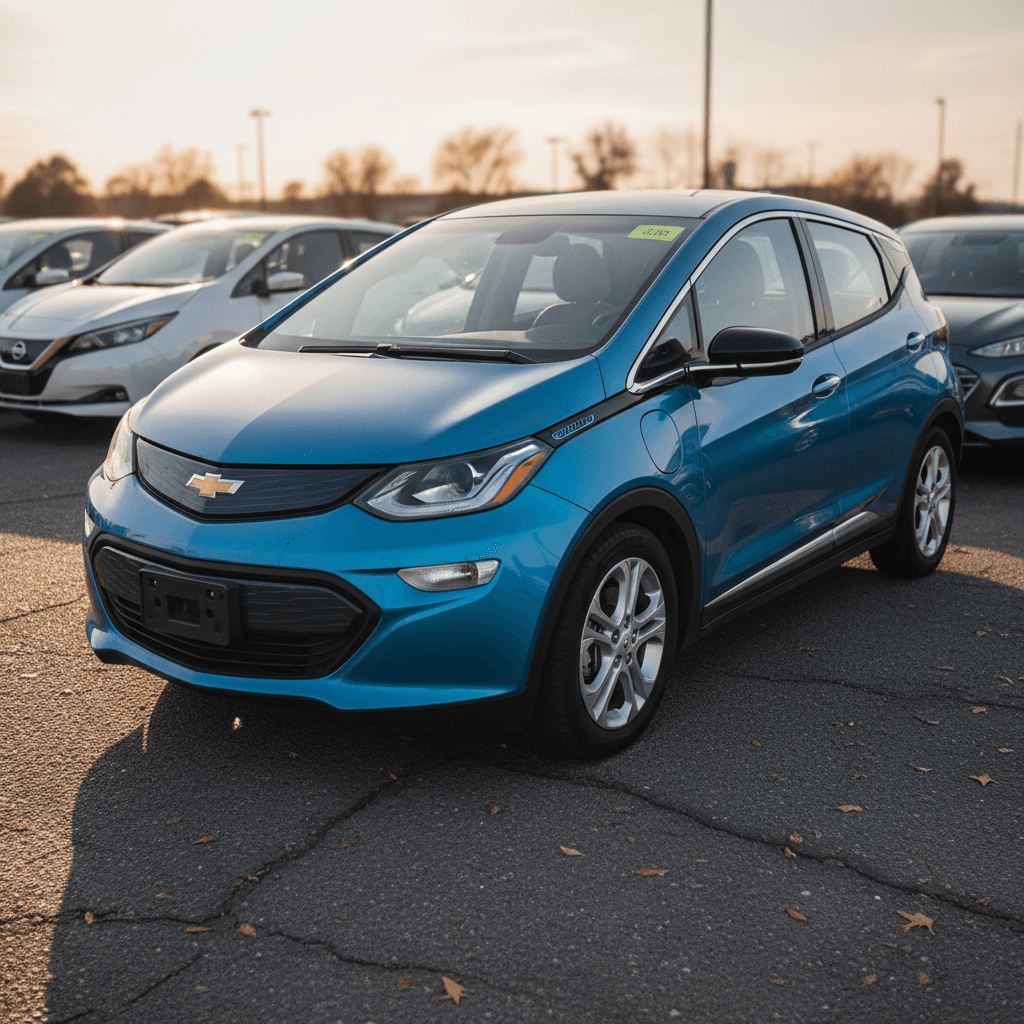
Chevy Bolt EV and EUV: Maximum Range Per Dollar
If you care most about squeezing the most miles from your $20,000–$25,000, the Chevy Bolt EV and slightly larger Bolt EUV deserve to be on your test‑drive list. After steep price cuts and GM exiting new Bolt production, used examples have become genuine bargains. A 2019–2022 Bolt EV with the 66‑kWh pack started life with an EPA range up to 259 miles, and many cars in this budget still deliver well over 200 miles in normal driving.
Chevy Bolt EV/EUV: What You Need to Know
Great commuter and road‑trip companion, if you choose carefully.
Where the Bolt shines
- Outstanding value: Used prices frequently land in the low‑ to mid‑$20Ks for low‑ to mid‑mileage cars.
- Real‑world efficiency: Many owners report 3.5–4.0 mi/kWh, which keeps your electricity bill low.
- Easy to park: Compact footprint, big hatchback cargo area.
- Decent DC fast‑charging: Not class‑leading, but capable enough for occasional road trips with planning.
What to watch out for
- Battery recall history: Earlier Bolts had a high‑profile battery recall. Many cars received new packs, but you want documentation.
- Seat comfort: Some drivers find the front seats narrow on long drives.
- Road noise: Economy‑car roots mean more tire and wind noise than in a Tesla or premium EV.
On Recharged, the Recharged Score will confirm whether a Bolt has a replacement pack and show you measured battery health before you buy.
Non‑negotiable for any used Bolt
Hyundai Kona Electric: Quietly Excellent All‑Rounder
The Hyundai Kona Electric doesn’t shout for attention, but it routinely tops expert lists for efficiency and day‑to‑day livability. Earlier models launched with an EPA range north of 250 miles, and later refreshes have continued to impress reviewers with 4+ mi/kWh real‑world efficiency. Used prices have softened to the low‑ and mid‑$20Ks, especially for 2019–2021 cars, putting it squarely in your budget.
Best for drivers who…
- Want a compact crossover feel rather than a low hatchback.
- Regularly commute 40–80 miles a day and value quiet, efficient cruising.
- Appreciate modern safety tech like adaptive cruise and lane‑keeping assist.
- Live in areas with colder winters, where efficiency matters more.
Things to keep in mind
- Rear seat and cargo: Tighter than a Kia Niro EV or Tesla Model 3, especially for tall passengers.
- Availability: Concentrated in EV‑forward states; nationwide delivery from a retailer like Recharged can help if local choices are thin.
- Charging curve: Reasonable but not class‑leading, fine for vacation trips, a bit slow if you fast‑charge every weekend.
Kia Niro EV: EV Practicality With Crossover Space
If you want EV running costs without giving up crossover practicality, the Kia Niro EV is one of the best used buys in the market. Analysts consistently rank it near the top of value charts thanks to strong discounts and a usefully large battery that delivered over 200 miles of EPA range when new. In the $20k–$25k window, you’re generally looking at 2019–2021 models with moderate mileage.
Why Shoppers Cross‑Shop Niro EV, Kona, Bolt and Early Model 3s
Same basic mission, different personalities.
Space & practicality
The Niro EV offers a roomier back seat and easier cargo loading than most hatchback‑based EVs in this price band. It’s a great fit for small families, rideshare work, or hobby gear.
Road manners
Comfort‑oriented tuning and predictable handling make the Niro EV an easy highway companion, though it’s not as playful as a Model 3.
Ownership & value
Strong used discounts and long factory battery warranties translate into low cost per mile. Just verify regular service and any software updates.
A strong “do‑everything” choice
Nissan Leaf: Cheapest To Buy, Tricky on Battery Health
The Nissan Leaf is the original mass‑market EV, and on price alone it often looks like a steal. In this budget you can find late‑model Leafs, sometimes 2022–2024 cars, with low miles and long equipment lists. But there’s a catch: most Leafs use an air‑cooled battery, which tends to degrade faster in hot climates and with frequent fast‑charging than the liquid‑cooled packs in many rivals.
Nissan Leaf vs. Other Used EVs in This Budget
How the Leaf typically stacks up in the $20k–$25k range.
| Model | Typical years at $20k–$25k | EPA range when new | Cooling type | Best use case |
|---|---|---|---|---|
| Nissan Leaf (40–62 kWh) | 2020–2024 | 149–226 mi | Air‑cooled | Short‑ to medium‑range commuting, mild climates |
| Chevy Bolt EV | 2019–2022 | 238–259 mi | Liquid‑cooled | Longer commutes, budget road trips |
| Hyundai Kona Electric | 2019–2022 | ~258 mi | Liquid‑cooled | Highly efficient daily driver |
| Kia Niro EV | 2019–2021 | ~239 mi | Liquid‑cooled | Practical crossover duty |
Numbers are typical, not guaranteed, individual cars can vary widely based on use and climate.
Early Leaf years: proceed with caution
If your budget is tight, your climate is moderate, and you mainly drive in town, a late‑model Leaf priced in the low $20Ks can still be a savvy buy. Just don’t assume a 200‑mile EPA sticker when new means 200 miles today. At Recharged, the Leaf’s battery health and estimated real‑world range are baked into the Recharged Score so you can see if that bargain price really pencils out.
Stretching for a Tesla Model 3 in This Budget
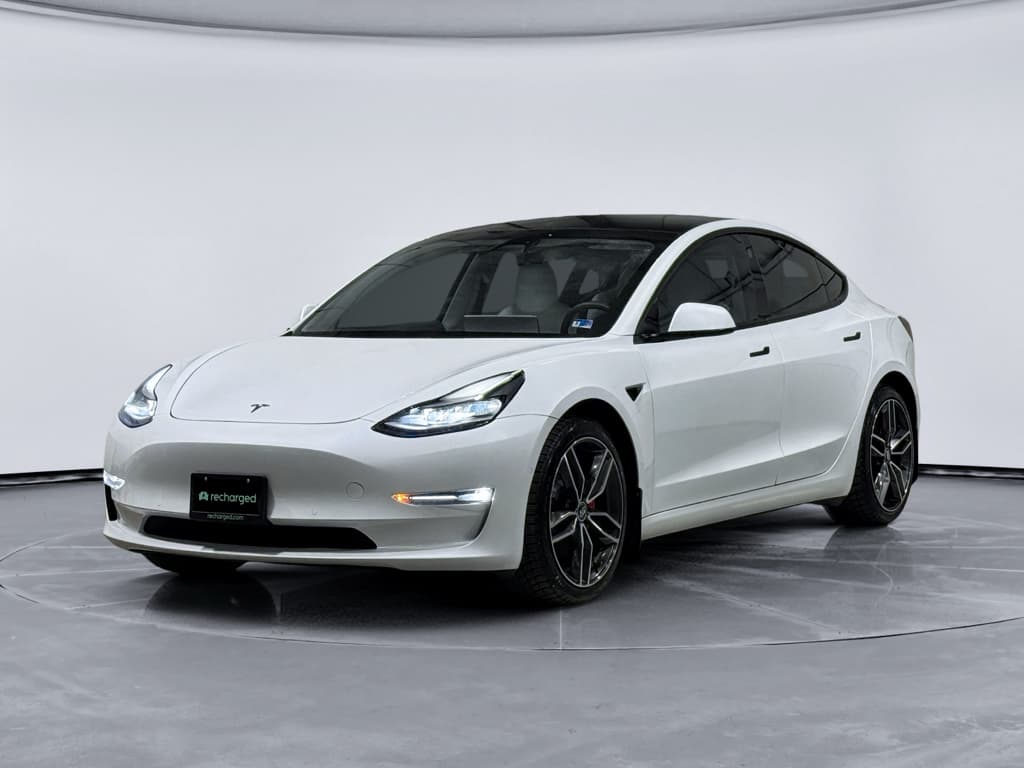
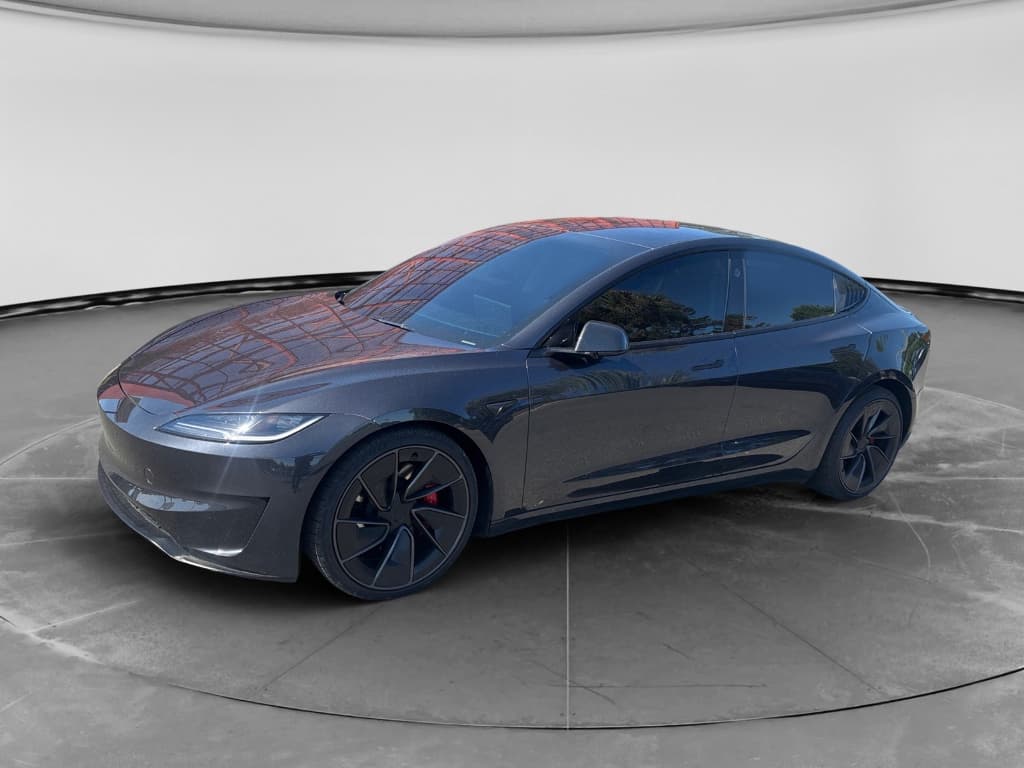
Everyone asks the same question: "Can I get a decent Tesla Model 3 between $20,000 and $25,000?" The honest answer in 2026 is: sometimes, but you’ll be shopping carefully, earlier model years, higher mileage, or rear‑wheel‑drive base trims. That’s not necessarily bad news, but you need to weigh the trade‑offs.
Why consider a used Model 3
- Charging network access: The Supercharger network remains a huge lifestyle advantage, especially as more non‑Teslas gain access.
- Driving experience: Quick, quiet, and composed, still feels modern even as newer EVs arrive.
- Software: Frequent over‑the‑air updates and a polished infotainment experience.
What’s different at $20k–$25k
- Earlier build years with older hardware and more basic driver‑assist features.
- Higher odometer readings, which can mean more battery wear and more stone chips or interior wear.
- Potentially out of basic warranty, though many cars still carry battery and drive unit coverage.
On Recharged, we flag any accident history and show measured battery health so you can see if a budget Model 3 still fits your lifestyle.
Compare the Top Used EVs Between $20k and $25k
Used EVs $20k–$25k: Spec Snapshot
Broad strokes comparison of common contenders in this price range. Always check individual listings for exact specs and equipment.
| Model | Typical years in budget | Original EPA range | Body style | Best for |
|---|---|---|---|---|
| Chevy Bolt EV | 2019–2022 | Up to ~259 mi | Compact hatch | Max range per dollar, city + occasional highway |
| Chevy Bolt EUV | 2022–2023 (higher miles) | ~247 mi | Taller hatch/SUV | More rear space, similar value |
| Hyundai Kona Electric | 2019–2022 | ~258 mi | Subcompact crossover | Efficiency and comfort in a small package |
| Kia Niro EV | 2019–2021 | ~239 mi | Compact crossover | Families and cargo‑heavy lifestyles |
| Nissan Leaf (40–62 kWh) | 2020–2024 | 149–226 mi | Hatchback | Budget commuters in mild climates |
| Tesla Model 3 RWD | 2018–2020 (higher miles) | 220–250+ mi | Sedan | Drivers who prioritize Supercharger access and driving feel |
Ranges shown are EPA estimates when new; real‑world and used‑vehicle range will be lower depending on battery health and conditions.
Battery Health and Range Checks You Can’t Skip
In a used EV, the battery is the story. A $22,000 Bolt with a tired pack is not the same car as a $24,000 Bolt with a fresh recall battery and better real‑world range. Before you fall in love with a price or a paint color, you want concrete answers about how much usable battery capacity is left and how the car has been charged and driven.
Essential Battery & Range Checks Before You Buy
1. Get a quantified battery health report
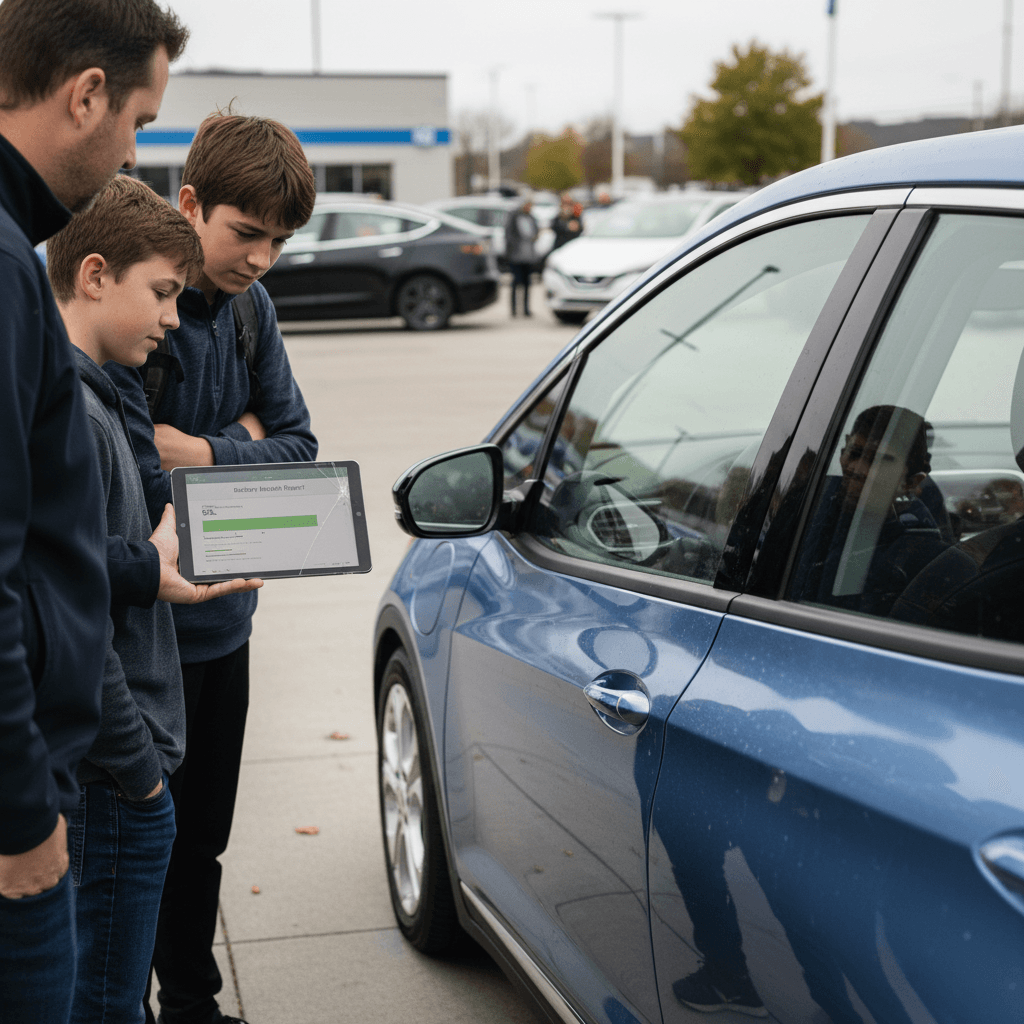
Ask for measured state‑of‑health (SOH), not just "it seems fine." On Recharged, the Recharged Score includes verified battery diagnostics and an estimate of remaining capacity and usable range.
2. Compare expected vs. original EPA range
Look up the car’s original EPA range, then compare it to the tested range or SOH figure. A healthy used pack might be down roughly 5–15% after several years; much more than that deserves a price adjustment or a closer look.
3. Check climate and fast‑charge history
Cars that lived in very hot climates or that were DC fast‑charged heavily may show more degradation. Service records, telematics reports, or a Recharged Score can give you this context.
4. Confirm remaining battery warranty
Most mainstream EVs carry 8–10‑year battery warranties. Check the in‑service date and mileage so you know how much coverage is left, and whether it includes capacity loss, not just outright failure.
5. Verify software and recall status
Make sure all recalls, including battery‑related campaigns, have been completed. Updated battery management software can improve longevity and accuracy of the range estimate.
6. Take a real‑world test drive
On a mixed city/highway route, watch how quickly the state‑of‑charge drops versus miles driven. It’s not a lab test, but extremes (very fast drop or wildly inaccurate gauge) can flag deeper issues.
How Recharged simplifies this step
Financing and Total Cost: Why a Used EV Can Beat a New Gas Car
It’s easy to get tunnel vision on the purchase price, but what you’ll actually feel month‑to‑month is the combination of payment, fuel, and maintenance. A $23,000 used EV that sips cheap electricity and needs little more than tires and cabin filters can end up cheaper to own than a brand‑new compact crossover that burns $4‑a‑gallon gas.
Where used EVs save you money
- Energy costs: Home charging often works out to the equivalent of paying $1–$1.50 per gallon of gas, depending on your rates.
- Maintenance: No oil changes, fewer moving parts, and less brake wear thanks to regenerative braking.
- Depreciation already taken: The first owner usually absorbed the worst of the value drop; you benefit from more stable resale.
Financing a used EV smartly
- Compare loan terms on used vs. new; rates can differ, but a lower principal offsets a lot.
- Run the numbers on fuel savings: even $75–$150 a month in gas avoided can change what "affordable" looks like.
- If you’re buying through Recharged, you can get EV‑friendly financing and see your estimated payment, taxes, and delivery options online before committing.
Checklist: Shopping for a Used EV Between $20,000 and $25,000
Your 10‑Step Used EV Game Plan
1. Define your real range needs
List your longest regular trips and how often you take them. If you rarely exceed 120–150 miles in a day, nearly every EV in this guide can work; that keeps you from overpaying for range you won’t use.
2. Choose your short list of models
Based on space, style, and range, pick 2–3 main candidates, for example, Bolt EV vs. Kona Electric vs. Niro EV. This keeps you focused when you start looking at actual cars.
3. Decide how you’ll charge
Confirm whether you can install a Level 2 charger at home or have reliable public options nearby. A great EV with no convenient charging plan is a bad match.
4. Check local and national inventory
Look beyond your ZIP code. Nationwide marketplaces like Recharged can ship a car to you, which matters a lot for models that were originally sold only in certain states.
5. Filter aggressively on history
Prioritize clean titles, no major accident history, and up‑to‑date recalls. Cosmetic issues can be negotiated; structural repairs and battery uncertainty are where you walk away.
6. Get a real battery health report
Treat it like a home inspection. If a seller can’t provide credible battery data, assume the worst or insist on an independent test. Recharged does this up front and includes it in the Recharged Score.
7. Cross‑check price vs. market
Compare the asking price to similar cars nationally, adjusting for mileage, trim, and battery health. A "cheap" EV with a tired pack may not actually be cheap over five years of ownership.
8. Test the driving position and visibility
Some EVs (like the Bolt) have quirks in seat shape or sight lines that bother certain drivers. A quick test drive can make or break a deal before you get lost in spreadsheets.
9. Confirm charger compatibility
Make sure the car’s charging connector (CCS, NACS, CHAdeMO on older Leafs) matches the fast‑charging options you’ll actually use, and check whether you’ll need adapters.
10. Plan ownership for 5+ years
Ask yourself how this EV fits not just today, but if your commute changes, your family grows, or you move. A car that’s slightly more expensive but fits more scenarios can be the better long‑term buy.
FAQ: Best Used EVs Between $20,000 and $25,000
Frequently Asked Questions
Bottom Line: Pick the Right EV for Your Life, Not Just the Sticker Price
The best used EV between $20,000 and $25,000 isn’t the one with the flashiest badge; it’s the one whose range, battery health, and shape match the way you actually live. For most shoppers, that means starting with a Bolt EV/EUV, Hyundai Kona Electric, or Kia Niro EV, and then deciding whether the Tesla Model 3’s charging network or the Nissan Leaf’s lower entry price brings something you truly need.
Do your homework on battery health, think honestly about your charging situation, and remember that a slightly higher upfront price can make sense if it buys you years of fewer compromises. If you’d rather not decode all that alone, every car at Recharged comes with a Recharged Score report, EV‑savvy financing options, and experts who live this stuff every day, so you can enjoy the quiet, instant‑torque part of EV ownership and leave the fine print to someone else.