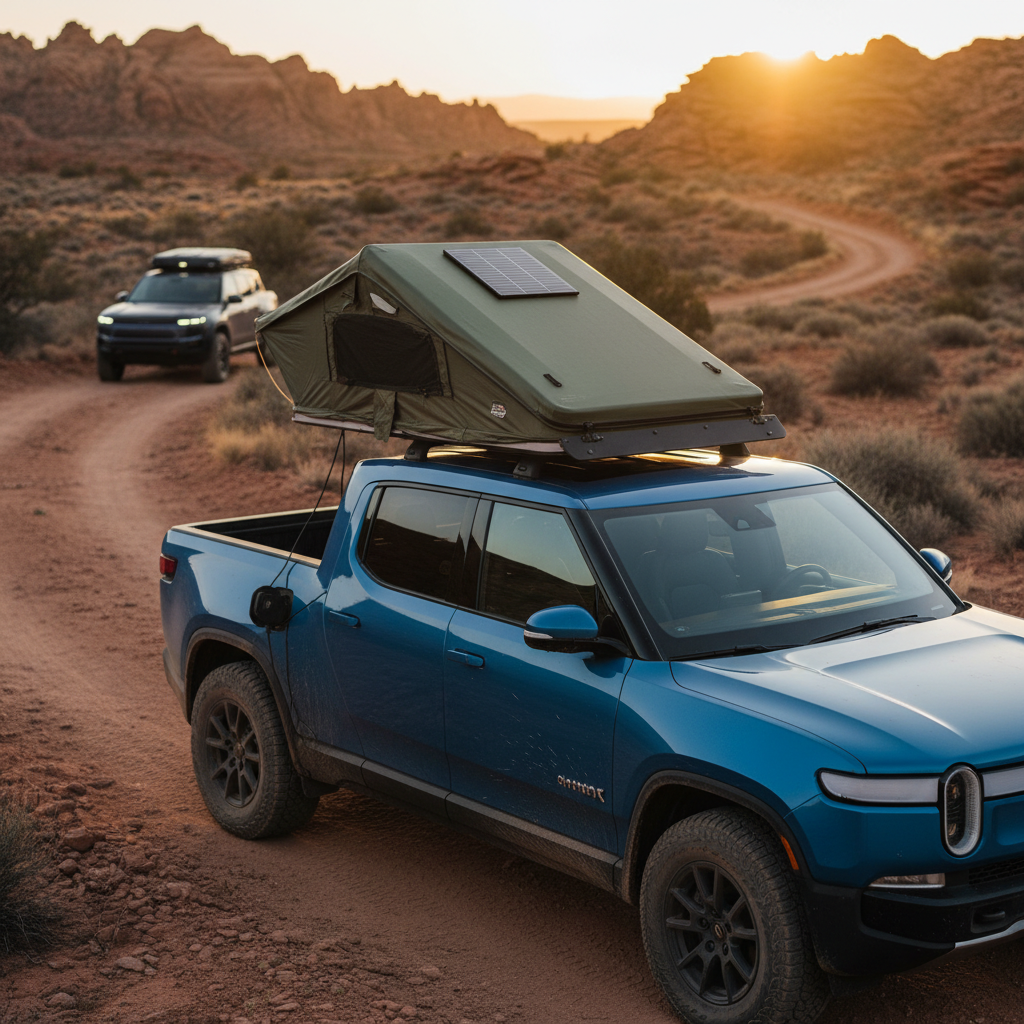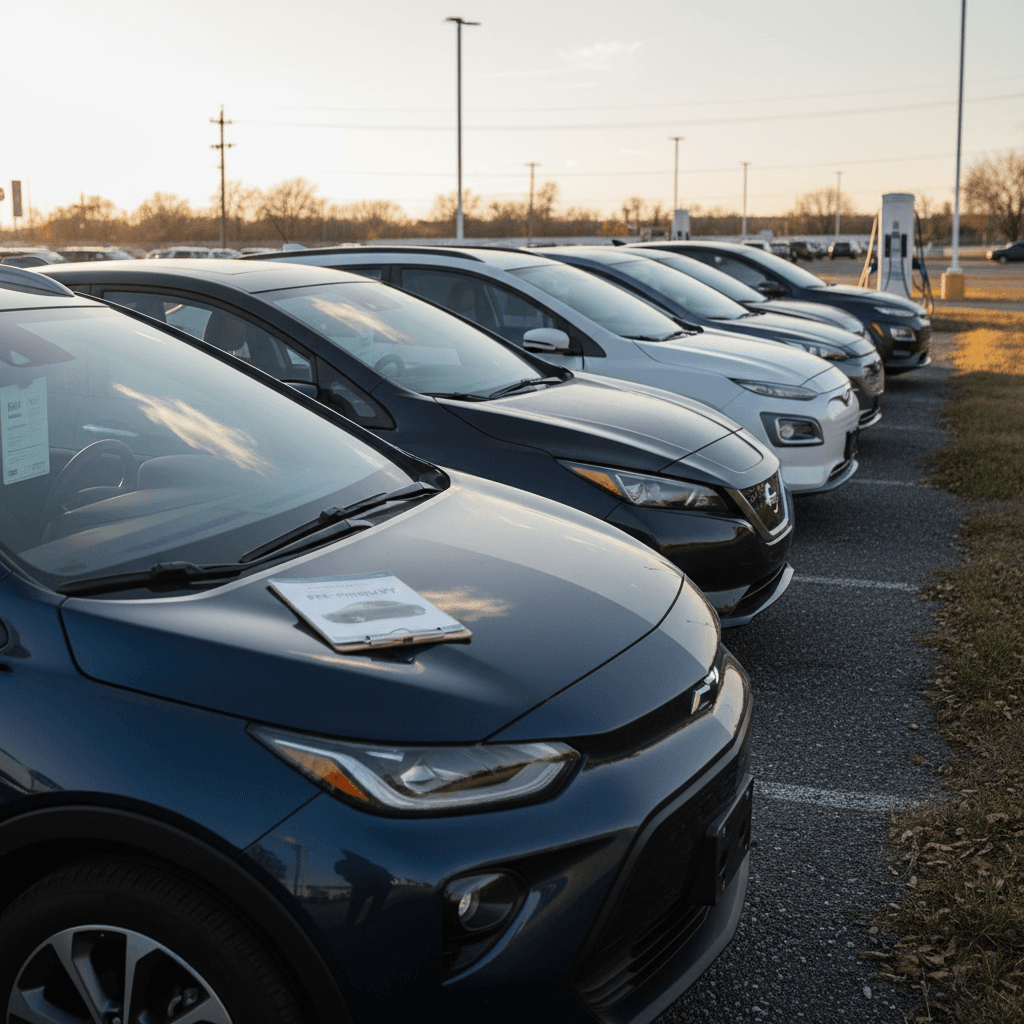
If you’re hunting for the best used electric SUV under $15,000, you’re shopping at the sharp end of the EV market. The good news: falling used EV prices in 2024–2026 mean a handful of genuinely useful electric crossovers have dipped into this bracket. The bad news: this is also where compromised range, tired batteries, and “cheap for a reason” cars live.
First, a reality check
Why “under $15k” is a tricky number for electric SUVs
Used EV prices have dropped sharply over the last two years, and in many markets the average used EV now undercuts the average used gas car. Still, when you cap the budget at $15,000, you’re asking for three things at once: SUV‑like practicality, modern EV tech, and rock‑bottom pricing. Something has to give, usually range, mileage, or cosmetic condition.
Where $15,000 fits in today’s used EV market
That doesn’t mean the $15k ceiling is unrealistic; it just means you need to be very intentional. Rather than chasing nameplates you can’t afford, your job is to find the right examples of the right cars, and to verify that the battery still has enough life to make the whole exercise worthwhile.
What actually counts as an “electric SUV” at this price
If you insist on a big, tall, three‑row family bus for under $15,000, this guide is going to disappoint you. In this price band, “SUV” mostly means compact crossovers and tall hatchbacks, vehicles with hatchback practicality, split‑folding rear seats, and a more upright seating position, even if the badge doesn’t literally say “SUV.”
What you can realistically find
- Compact crossovers like the Chevy Bolt EV with tall seating and good cargo space.
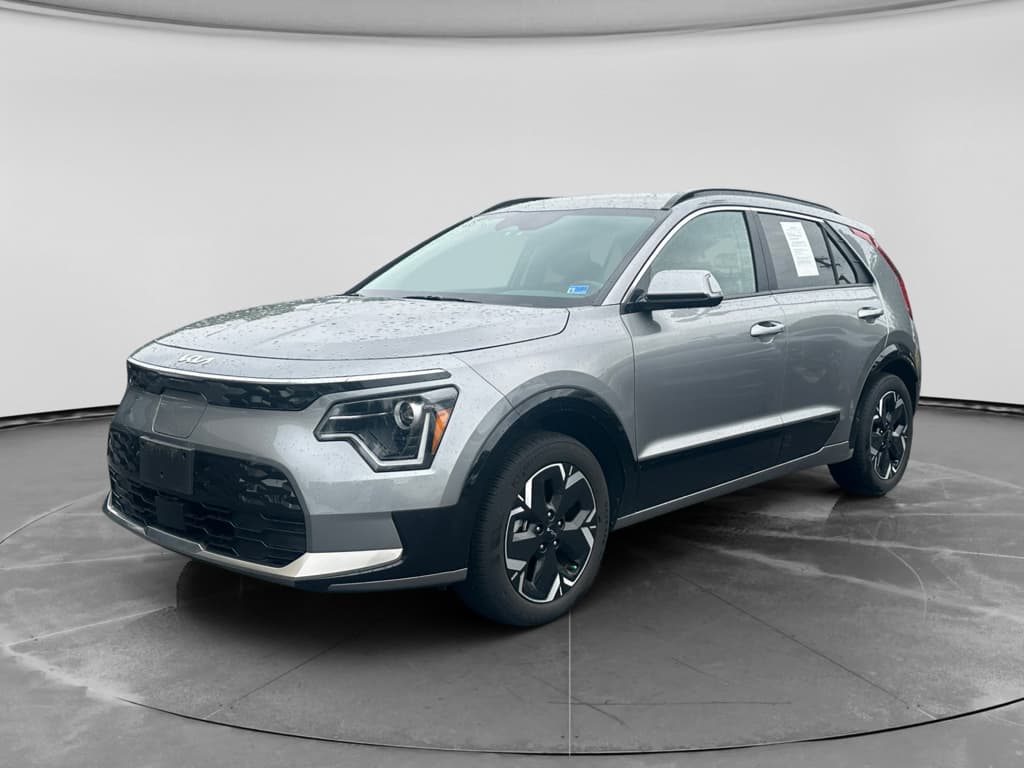
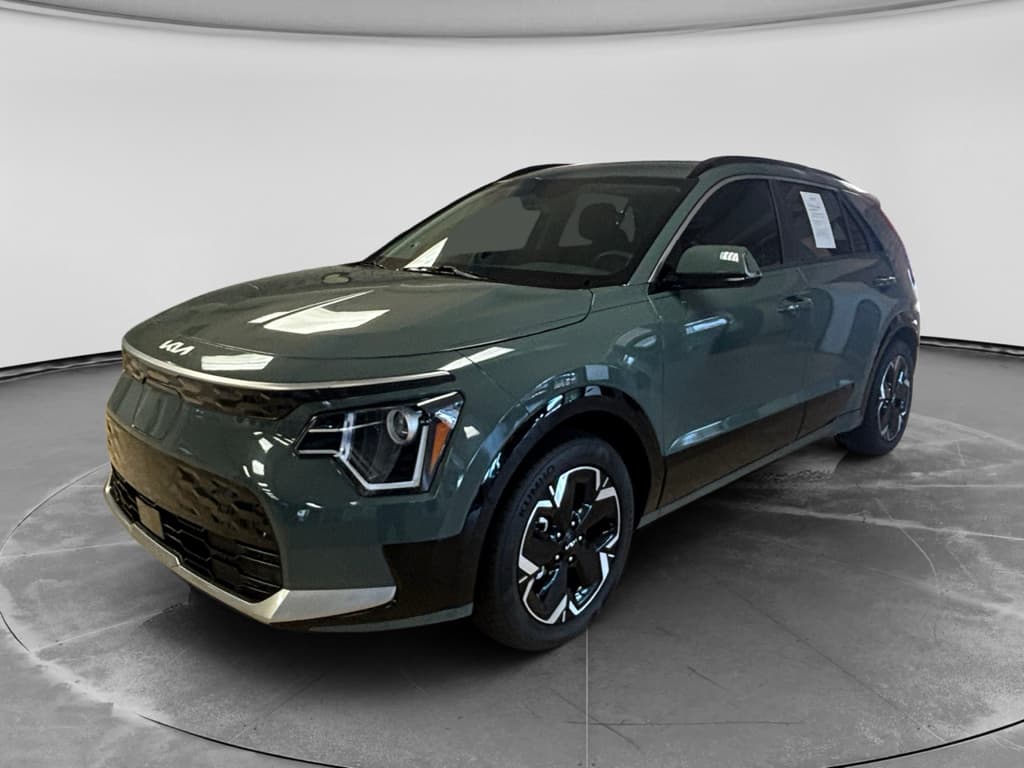
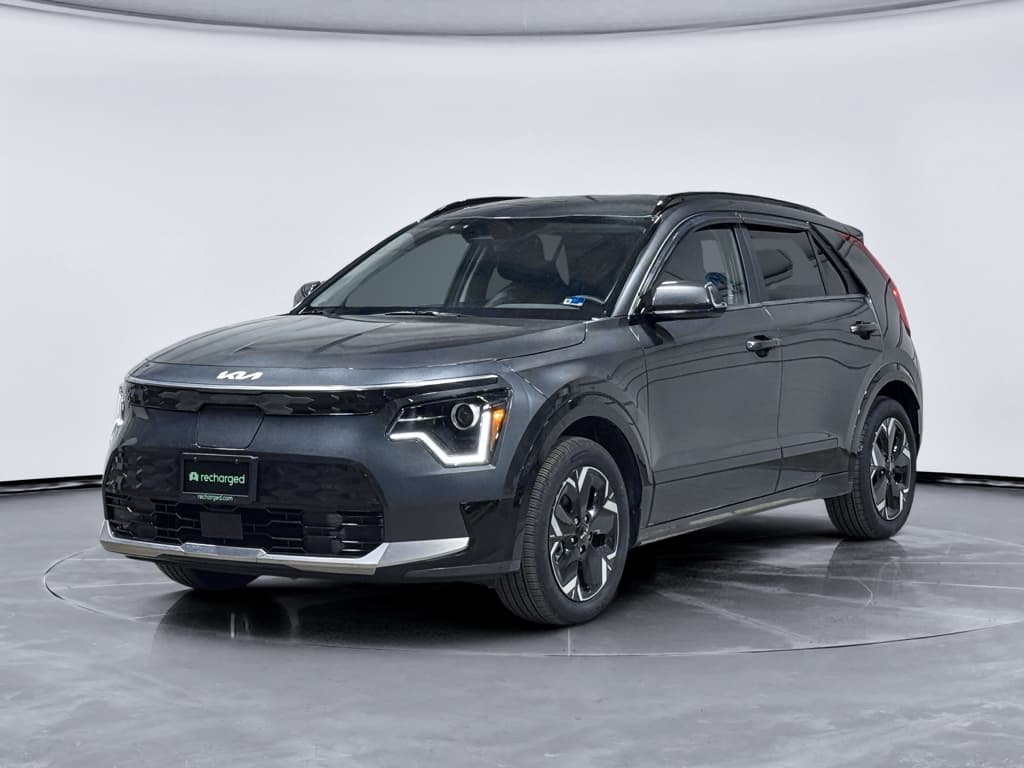
- Early Kia Niro EV examples in higher‑mile or base trims dipping toward $12k–$15k in some markets.
- “Tall hatch” EVs (Nissan Leaf, Kia Soul EV) that behave a lot like small SUVs in daily use.
What you won’t see under $15k
- Modern midsize electric SUVs like Hyundai Ioniq 5 or Kia EV6.
- Most Tesla Model Y or VW ID.4 unless mileage is sky‑high or condition is poor.
- Newer three‑row electric SUVs from Rivian, Kia, Mercedes, etc., those are still well above budget.
Think in use‑cases, not badges
Quick list: Best used electric SUVs under $15,000
Availability and pricing always vary by region, but as of early 2026 these are the models you have a realistic shot at finding near or under $15,000 in many U.S. markets:
Best used electric SUV-style models realistically near $15k
Typical U.S. asking prices are approximate and assume average mileage and condition.
| Model | Body style | Common years near $15k | Typical price band* | EPA range when new | Fast charging? |
|---|---|---|---|---|---|
| Chevrolet Bolt EV | Compact crossover hatch | 2017–2019 | $11,000–$16,000 | 238 mi | Yes (DC fast) |
| Kia Niro EV | Compact crossover SUV | 2019–2020 (high miles) | $12,000–$18,000 | 239 mi | Yes (DC fast) |
| Nissan Leaf Plus (SV/SL) | Tall hatchback | 2019–2020 | $11,000–$16,000 | 215–226 mi | Yes (DC fast w/ CHAdeMO) |
| Kia Soul EV (limited markets) | Boxy crossover | 2016–2019 | $8,000–$14,000 | 93–111 mi | Some trims |
| Older compliance crossovers | Various small EVs | 2015–2018 | $7,000–$13,000 | 80–120 mi | Varies |
These price bands reflect what shoppers are commonly seeing from dealers and large used-car platforms in early 2026, not absolute lowest outliers.
Price bands aren’t guarantees
Model-by-model breakdowns
Chevrolet Bolt EV (2017–2019): The budget all‑rounder
If there’s a hero of the under‑$15k electric SUV story, it’s the Chevy Bolt EV. No, it’s not technically an SUV, but its upright driving position and deep cargo well make it feel like a shrunken crossover. Used‑market data shows many 2017–2018 cars, and some 2019s, now trading in the roughly $13,000–$17,000 band, with higher‑mile or base‑trim examples dipping closer to $11,000–$12,000.
Chevy Bolt EV under $15k: strengths and watch‑outs
Why the Bolt keeps showing up on every budget‑EV shortlist
Why it’s a great buy
- Real 200+ mile highway range from a compact, easy‑to‑park body.
- DC fast charging plus excellent efficiency, cheap miles.
- Fold‑flat rear seats and a surprisingly deep cargo floor.
- Plenty of nationwide parts support and recall history is well‑documented.
What to be careful about
- Early cars were involved in the high‑profile battery recall; you want one with replacement packs and updated software.
- Interior is more “econobox” than premium SUV.
- Some examples spent long periods at high state of charge, which can accelerate battery aging.
This is where a verified battery health report, like a Recharged Score, pays for itself.
Kia Niro EV (2019–2020): True crossover, tight pricing
The Kia Niro EV is what many people picture when they say “electric SUV”: a compact crossover with normal‑car styling, usable rear legroom, and a real cargo area. Early 2019 Niro EV EX trims are starting to show KBB fair‑purchase values as low as the low‑$12,000s in some conditions, and nationwide listing platforms now show high‑mile examples under $15,000 cropping up more frequently.
The catch is mileage. The Niro holds its value better than many early EVs, so the examples that fall into the $12k–$15k band are often the ones that have done ride‑share duty or long commutes. That doesn’t make them bad cars, but it does raise the stakes on battery health and maintenance history.
Kia Niro EV under $15k: who it’s for
A more traditional SUV feel, if you can live with miles and age
Why shop a Niro EV
- Feels like a normal compact SUV inside, easy transition from gas.
- Similar range to the Bolt EV when new (around 239 miles EPA).
- Comfortable ride and better noise isolation than many cheap EVs.
- Standard DC fast charging for road‑trip flexibility.
Potential downsides
- Sub‑$15k cars are usually higher‑mileage with more cosmetic wear.
- Fewer on the market than Bolts, so you may need to search regionally.
- Out‑of‑warranty repairs at a Kia dealer can be pricey if something big fails.
Nissan Leaf Plus (2019–2020): Range on a budget, with caveats
The third major contender is the Nissan Leaf Plus (62‑kWh battery), especially in SV and SL trims. These cars delivered 215–226 miles of EPA range when new, and used‑market asking prices for 2019–2020 examples now routinely sit in the $11,000–$16,000 bracket depending on mileage and fast‑charge hardware.
Leaf battery degradation is not a rumor
If you live in a mild climate and can verify a healthy battery (via dealer diagnostics or a third‑party battery report), the Leaf Plus is a stellar value. If not, you may be better off spending a bit more on a liquid‑cooled alternative.
How much range you can realistically expect under $15k
Marketing copy loves original EPA numbers. Reality is more complicated. A 2019 Bolt EV that started life at 238 miles is not a 238‑mile car forever. Time, mileage, temperature, and charging habits all pull that number down. Under $15,000, assume you are buying a used battery with a story, not a fresh pack in a used shell.
Realistic usable range today for common sub‑$15k electric SUVs
Approximate real‑world range you can expect from older EVs that have been driven and charged like typical commuter cars.
| Model | EPA range when new | Typical usable range today* | Best for |
|---|---|---|---|
| Chevy Bolt EV (2017–2019) | 238 mi | 180–210 mi | Commuters, small families, one‑car households |
| Kia Niro EV (2019–2020) | 239 mi | 180–210 mi | Suburban families, light road‑trip duty |
| Nissan Leaf Plus (2019–2020) | 215–226 mi | 140–190 mi | Mild‑climate commuters, second car |
| Kia Soul EV (2016–2019) | 93–111 mi | 60–90 mi | Short‑range urban duty only |
Usable range is a ballpark starting point; individual cars vary widely based on care and climate.
Match range to your actual life
Battery health: the one number that makes or breaks the deal
With used gas SUVs, you worry about transmissions. With used electric SUVs under $15k, you worry about the traction battery. Replacing a modern EV pack can cost $8,000–$15,000, often as much as you paid for the vehicle. That’s why you should care far more about state of health (SOH) than about alloy wheels or wireless CarPlay.

How to judge battery health on a cheap EV
1. Get a real battery health report
Ask for documentation of state of health from a dealership service visit, a third‑party battery test, or a platform like Recharged that includes a Recharged Score battery health diagnostic with every car.
2. Look at remaining capacity, not just miles
A 110,000‑mile Bolt with 90% battery health can be a better buy than a 60,000‑mile Leaf Plus at 75%, even if the Leaf’s odometer looks kinder.
3. Ask about battery warranty status
Many EVs carried 8‑year/100,000‑mile (or longer) battery warranties from new. On a 2019 car in 2026, you may still have a couple of years of coverage left, or none at all.
4. Check charging history if available
Frequent DC fast charging in hot climates is harder on packs than mostly Level 2 home charging. Some sellers can show partial history via apps or service records.
5. Test‑drive for guess‑o‑meter sanity
On a full or near‑full charge, compare the car’s range estimate to EPA numbers and your expectations. If it’s wildly low, that’s a red flag to investigate, not something to “hope gets better.”
Where Recharged fits in
Ready to find your next EV?
Browse VehiclesInspection checklist for cheap electric SUVs
Assuming the battery checks out, you still need to treat a sub‑$15k electric SUV like any other used car: with suspicion until proven otherwise. Here’s a focused checklist for this corner of the market.
Used electric SUV under $15k: pre‑purchase checklist
Confirm fast‑charging hardware
On cars like the Leaf, make sure the DC fast‑charge port is actually present, not just AC Level 2. A missing fast‑charge port kills road‑trip flexibility and dents resale value.
Inspect tires and brakes closely
Cheap EVs often come with bald tires and tired brakes. Factor a full set of tires and a brake service into your budget if wear is heavy.
Look under the car
Check for damage to the battery pack casing, underbody panels, and high‑voltage cables. Off‑roading and careless jacking can do expensive harm.
Scan for warning lights
Any check‑engine, EV system, or battery warning lights should be diagnosed before you sign. High‑voltage repairs are not DIY‑friendly.
Verify charging behavior
Plug into both Level 2 and (if possible) a DC fast charger. Confirm that the car starts charging promptly and doesn’t throw errors or shut off prematurely.
Check history for flood or salvage
Some “too good to be true” EV deals are ex‑salvage or flood cars with compromised electronics. Walk away unless you know exactly what you’re doing.
Financing and total cost on a $15k budget
One of the quiet advantages of a cheap electric SUV is that the fuel savings start immediately. Even if you finance part of the purchase, the difference between electricity and gasoline can offset a noticeable chunk of your payment, especially if you drive a lot and can charge at home off‑peak.
Running costs vs a gas SUV
- Electricity often works out to the equivalent of $1–$1.50 per gallon at typical U.S. rates.
- No oil changes, spark plugs, or exhaust systems; brake wear is lower thanks to regen.
- Insurance can be similar to a comparable gas compact SUV, sometimes slightly higher or lower by model.
Financing a budget EV
- On a $15,000 cap, many shoppers put down $3,000–$5,000 and finance the rest.
- Some lenders prefer newer EVs; platforms like Recharged can help you pre‑qualify for EV‑friendly financing.
- Compare the monthly payment to your current fuel spend, many households come out ahead even with a small loan.
Run the "all‑in" number, not just price
When to stretch above $15k, and when you shouldn’t
There’s a psychological magic to a round number like $15,000. But from a practical perspective, the jump to $17,000 or $18,000 can open up dramatically better inventory: newer Bolts and Niros, more low‑mile Leafs, and the very first of the newer electric crossovers that haven’t fallen all the way down the depreciation ladder yet.
Should you push past $15k?
How to decide if a bit more money buys you a lot more EV
Stretch if…
- You rely on one car for everything, commuting, road trips, kids.
- You need consistent 200‑mile winter range.
- You can increase your budget without wrecking other priorities.
Stay strict if…
- This is a second car for local use only.
- You have reliable access to home or workplace charging.
- You’d rather keep monthly payments as low as possible.
Middle path: buy right, not big
- Target the best battery you can find at or just above $15k.
- Be flexible on color, wheels, and minor cosmetic flaws.
- Use expert help, Recharged’s EV specialists can talk through trade‑offs model by model.
FAQ: Best used electric SUVs under $15k
Frequently asked questions
Bottom line: who a sub-$15k electric SUV is really for
At this stage of the market, the best used electric SUV under $15,000 isn’t a single magic model, it’s the particular Bolt, Niro, Leaf Plus, or Soul EV whose battery, history, and price line up with your life. If you treat $15k as a hard limit, stay realistic about range, and make battery health your north star, you can end up with a practical, quiet, cheap‑to‑run EV that shrugs off city miles and Costco runs.
If, on the other hand, you’re hoping to get a nearly new, 300‑mile, three‑row electric family hauler for $15,000, that movie hasn’t been released yet. You’re better off either raising the budget or adjusting expectations. Either way, lean on data, not wishful thinking: verified battery diagnostics, transparent pricing, and EV‑savvy guidance, from a specialist retailer like Recharged or a trusted independent expert, are what turn a risky bargain into a smart long‑term buy.