If you live with real winters, snow, ice, sub‑freezing temps, you don’t just want **an** electric car. You want the **best used electric car for winter**, one that still delivers usable range, reliable heat, and confident traction when the weather turns ugly. The good news: several used EVs handle cold climates extremely well if you know what to look for.
Cold is the EV stress test
Why winter driving is different in an EV
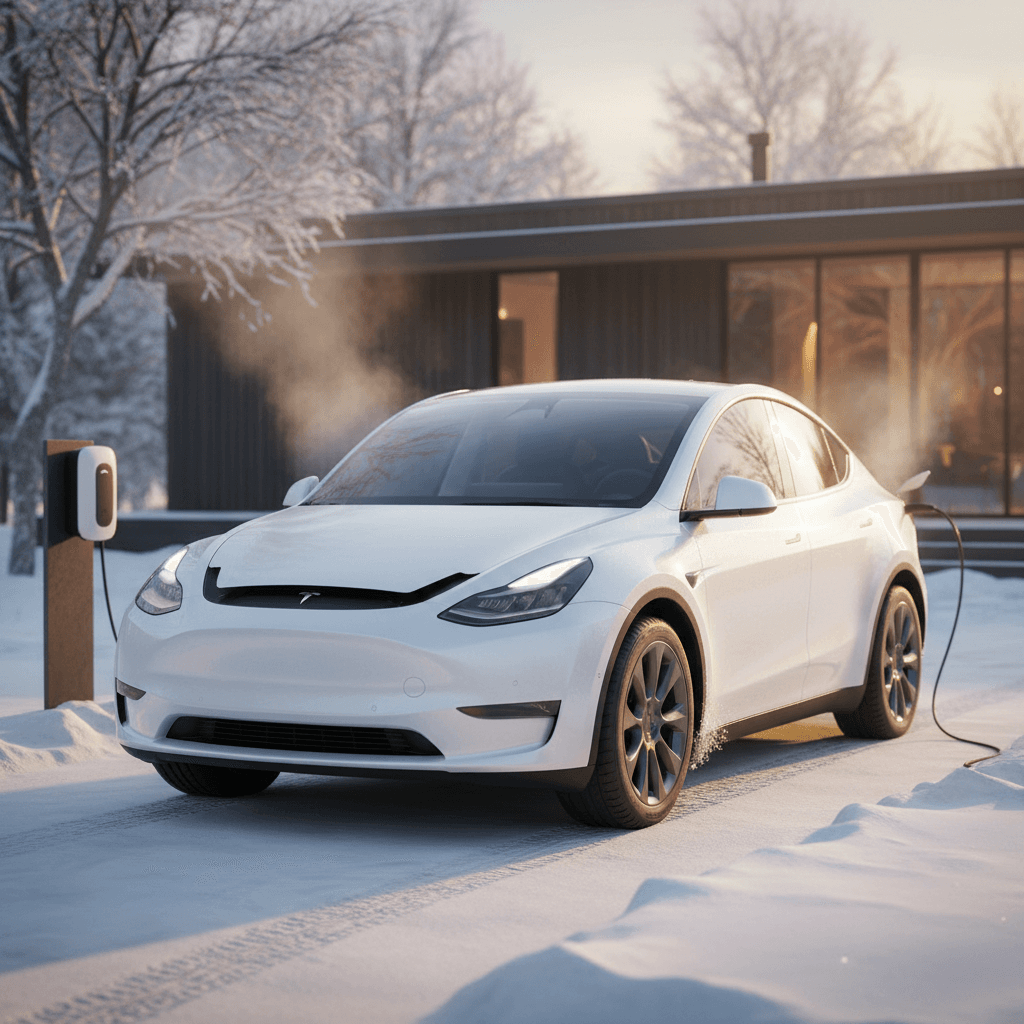
Combustion cars waste so much energy as heat that warming the cabin is essentially “free.” EVs are different: most of the energy that would move the car also has to keep you warm. That’s why **winter range losses of 15–30%** are common, with some models doing better or worse depending on their design and thermal management.
- Batteries are chemistry, not magic: cold slows the reactions that let your pack deliver power and accept charge.
- Cabin heat is expensive: resistive heaters can easily consume 3–6 kW just to keep you comfortable.
- Regenerative braking changes: on cold batteries, regen is limited until the pack warms up, altering how the car slows.
- Fast charging slows down: a cold battery can’t accept high charge rates, stretching winter road‑trip times.
Expect range loss, not disaster
What makes a used electric car good in winter?
Core traits of a strong winter EV
These matter more than raw brochure range numbers when it’s below freezing.
Efficient heating
Look for a heat pump HVAC system or highly efficient resistive heater. Heat pumps dramatically cut energy use in typical winter temps, especially around 20–40°F.
Smart thermal management
Modern EVs use active battery heating and cooling plus preconditioning (warming the pack before driving or fast charging). This keeps performance and regen more consistent in the cold.
Traction & stability
All‑wheel drive isn’t mandatory, but a well‑tuned traction control system, decent ground clearance, and the right winter tires matter. Some EVs are clearly tuned for snow; others feel out of their depth.
Battery size & buffer
A larger battery doesn’t just mean bigger numbers on paper. In winter, **more kWh gives you more margin** to absorb that 20–30% hit without sweating every commute or ski trip. A 75 kWh pack with good efficiency can feel much more relaxed than a 50 kWh pack in deep cold.
Software & driver tools
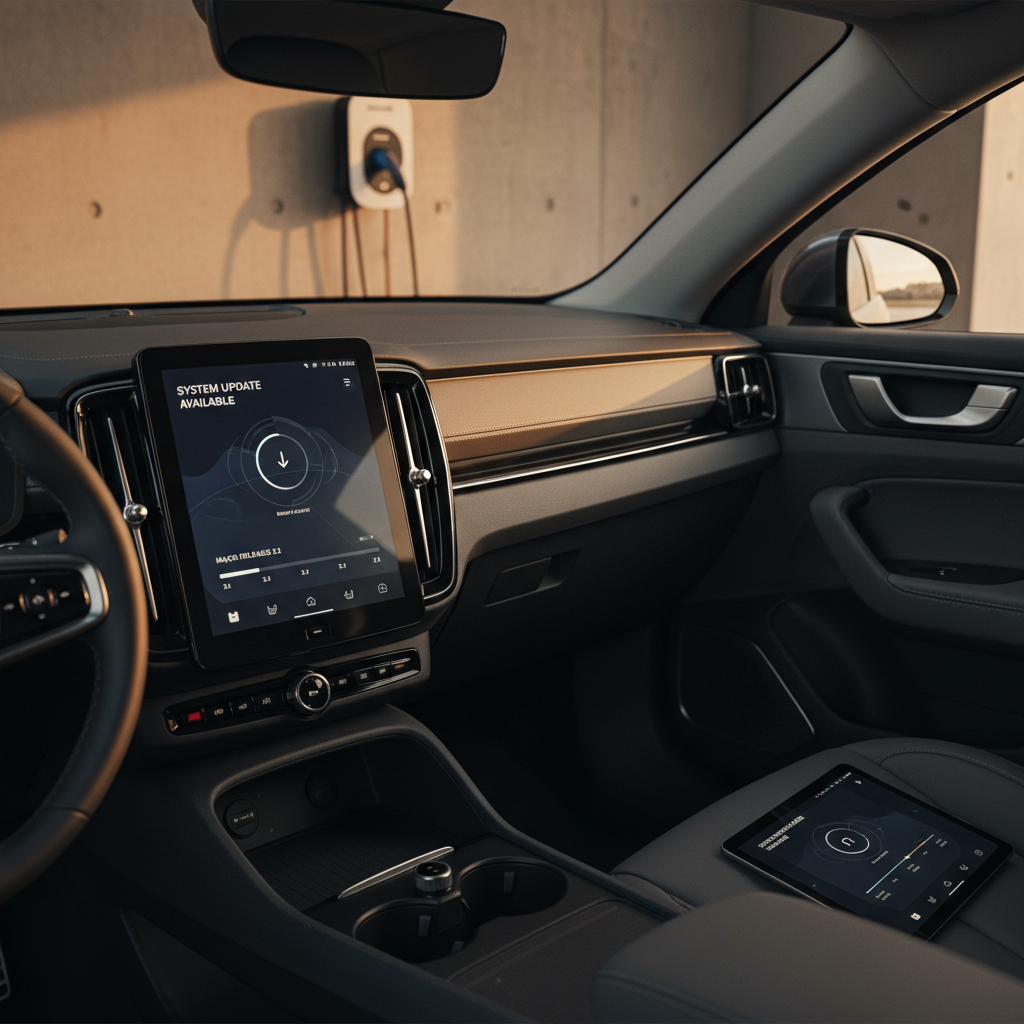
The best winter EVs give you good information: real‑time energy use, route‑aware preconditioning, battery temperature indicators, and simple remote preheat via app. These tools let you work with physics instead of guessing around it.
Top used electric cars for winter driving
There’s no single “best used electric car for winter” for everyone. Your roads, parking situation, and budget all matter. But a few models consistently stand out in independent winter tests and real‑world owner reports for combining traction, efficiency, and cold‑weather hardware.
Strong used EV picks for winter driving
These models have solid cold‑weather reputations and are becoming increasingly available used in the U.S. market.
| Model | Drivetrain | Notable winter strengths | Approx. EPA range when new |
|---|---|---|---|
| Volvo EX30 AWD | AWD | Scandinavian‑tuned, fast battery heating, efficient cabin heat | 265–275 miles |
| Tesla Model Y Long Range AWD | AWD | Excellent range, robust Supercharger access, strong owner winter data | 310–330 miles |
| Hyundai Ioniq 5 AWD | AWD | Heat pump on many trims, good DC fast charging in cold when preconditioned | 260–280 miles |
| Kia EV6 AWD | AWD | Similar hardware to Ioniq 5, strong fast‑charge and traction tuning | 270–310 miles |
| Ford Mustang Mach‑E AWD (extended range) | AWD | Stable in snow, decent range buffer, widely available used | 270–300 miles |
| Subaru Solterra / Toyota bZ4X AWD | AWD | Subaru‑style traction logic, designed with snow in mind | 215–228 miles |
| Polestar 2 Long Range Dual Motor | AWD | Scandinavian winter tuning, strong stability control, heat pump on many trims | 260–270 miles |
| Volkswagen ID.4 AWD | AWD | Balanced winter performance, roomy family SUV, value‑oriented used pricing | 240–260 miles |
| Hyundai Kona Electric (FWD) | FWD | Very efficient small pack, good winter efficiency when fitted with proper tires | 250–260 miles |
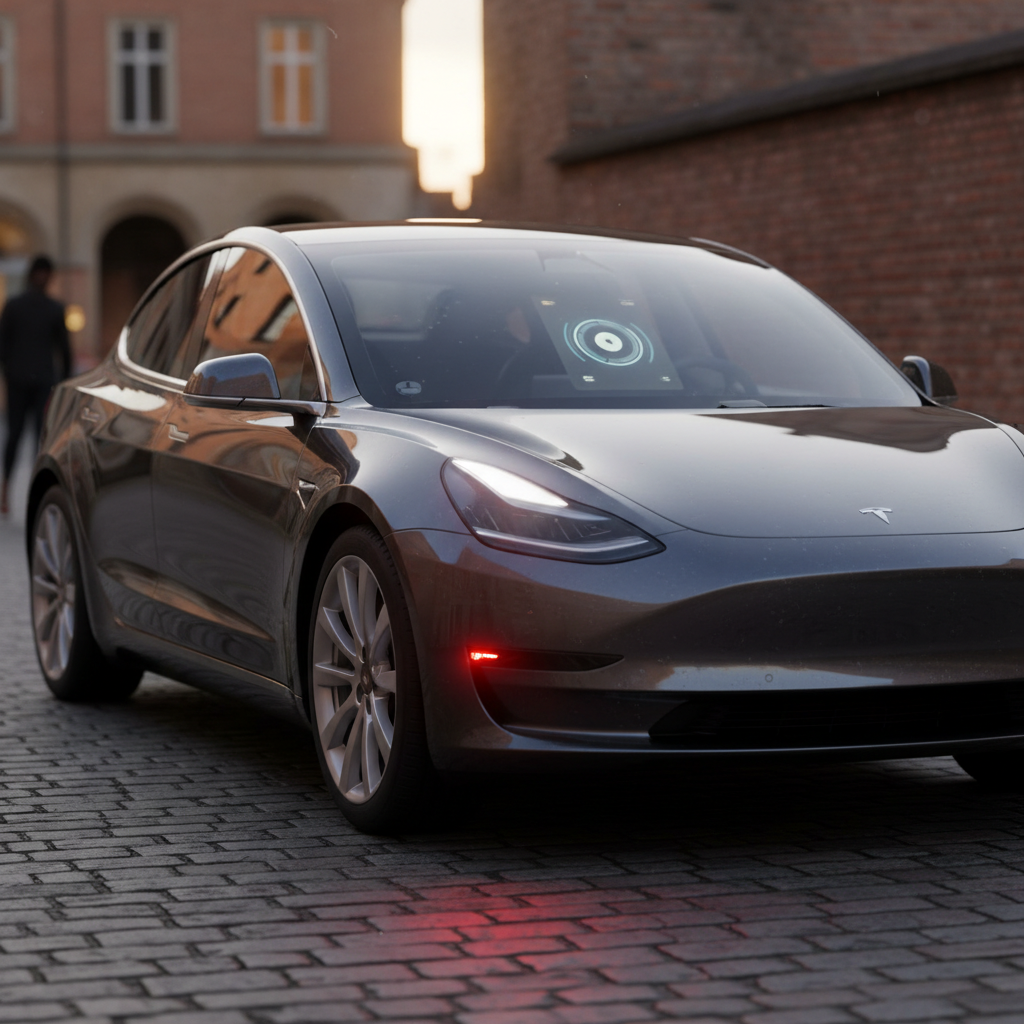
| Tesla Model 3 Long Range AWD | AWD | Proven efficiency, good winter software, huge charging network | 310–333 miles |
Always confirm exact trim, battery size, and options, winter performance can vary within a single model line.
Match the EV to your winter reality
Winter EV range: how much you really lose
Typical winter range impact on modern EVs
Norway’s well‑publicized winter range tests show a clear pattern: even well‑engineered EVs lose range in the cold, but some lose **far less**. Recent tests have highlighted cars like Volvo’s EX30, Tesla’s crossovers, and several Korean models for keeping winter losses in check while remaining predictable and easy to manage.
Range isn’t everything, predictability is
Must‑have winter features when you shop used
Winter features checklist for used EVs
These are the options and capabilities that really move the needle below freezing.
Heat pump HVAC
A heat pump can cut cabin heating energy use dramatically at typical winter temps. Not every trim has it, even within the same model line, so verify in the original window sticker or spec sheet.
Remote preheating
App‑based preheating lets you warm the cabin (and often the battery) while plugged in, preserving driving range. This is especially valuable if you park outside overnight.
Route‑aware preconditioning
Many newer EVs can automatically warm the battery when you navigate to a DC fast charger. This keeps winter road‑trip charging times closer to summer performance.
Heated seats & wheel
Heated surfaces sip power compared with blasting hot air. In extreme cold you can stay comfortable with seat and wheel heat while keeping cabin temps a bit lower.
All‑wheel drive option
AWD isn’t mandatory, but it’s reassuring in snow and slush, especially on hills. If you routinely deal with unplowed roads, it’s worth the efficiency hit over FWD/RWD.
Ground clearance & tires
Even the best AWD system can’t overcome physics. Look for at least modest ground clearance and budget for a set of true winter tires, they transform any EV in snow.
Don’t skip tires
How to inspect a used EV for winter duty
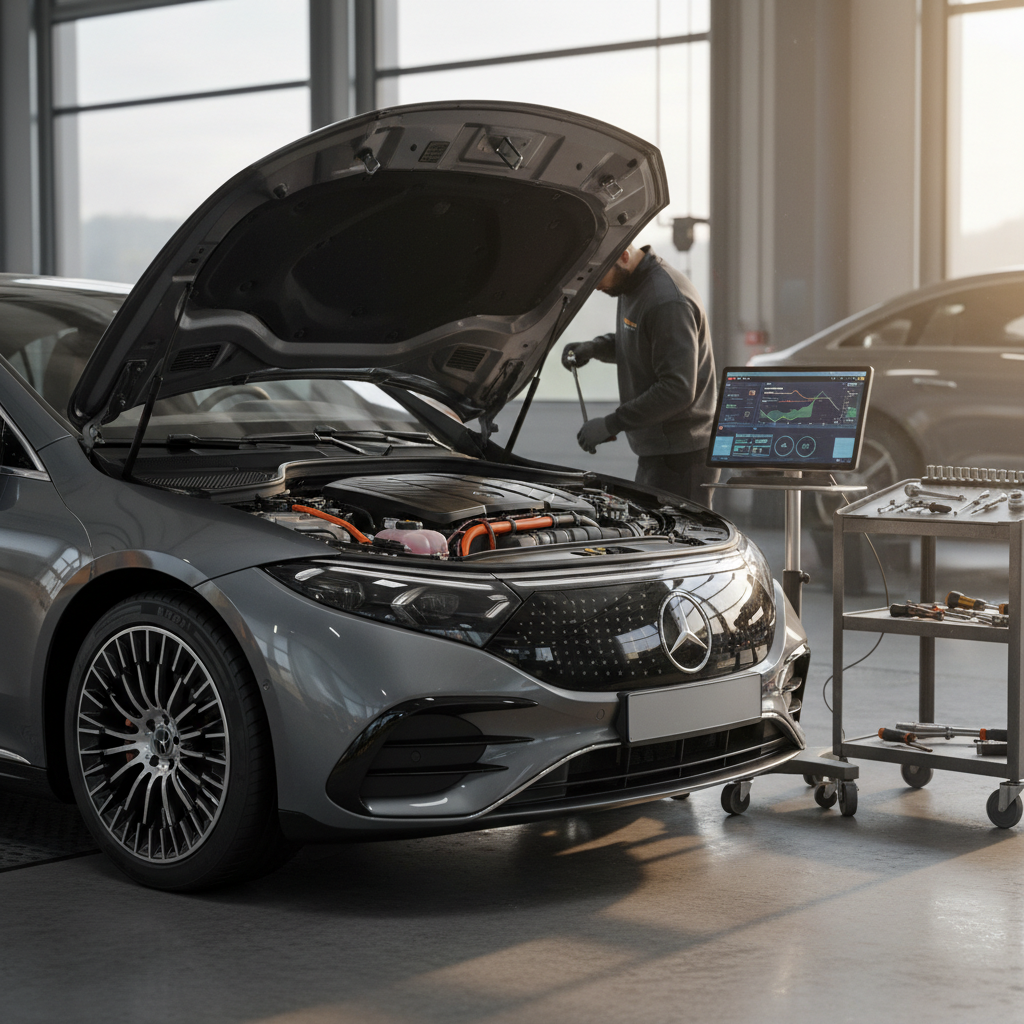
Once you know which models fit your climate and budget, the next question is whether a specific used EV is still winter‑ready. Cold amplifies any underlying weaknesses, especially in the battery and charging system, so a more rigorous inspection pays off.
Used EV winter inspection checklist
1. Get objective battery health data
Capacity loss matters more in winter because you’re already giving up some range to the cold. Ask for a recent **battery health report** or capacity reading; platforms like Recharged include a Recharged Score that quantifies usable capacity and helps you understand how much real‑world range you’re buying.
2. Confirm heat pump and cold‑weather package
Verify that the car actually has the winter hardware you expect: heat pump, heated seats and wheel, heated mirrors, and in some cases a heatable battery pack. These are often bundled in specific option packages.
3. Test cabin heat from a cold start
On a genuinely cold day, see how long it takes for the cabin to feel warm and whether any strange smells or noises appear. Sluggish or uneven heating could hint at HVAC issues that are harder on the pack in winter.
4. Check DC fast‑charging behavior
If possible, observe at least one DC fast‑charge session. A healthy pack with working thermal management should ramp up to reasonable power once warm. Extremely low charge rates on a long highway drive can signal battery or thermal issues.
5. Inspect tires and wheels
Check tread depth, age, and whether the car comes with a separate set of winter wheels. Factor replacement tires into your budget if the current set is worn or summer‑only.
6. Look for rust‑prone areas and seals
While EVs skip exhaust‑system rust, winter salt and slush still attack suspension components, brake lines, and door seals. Inspect wheel wells, underbody panels, and charge‑port seals for corrosion or damage.
How Recharged handles winter readiness
Why buying used can be smarter for winter driving
Cold weather doesn’t just stress EVs, it also depresses demand among buyers who mostly hear about worst‑case winter stories. That bias creates opportunities for savvy shoppers who understand how EVs actually behave in winter and how to read battery health data.
You let someone else pay for early depreciation
EVs, like most new cars, take their biggest depreciation hit in the first few years. Buying used lets you capture modern winter tech, heat pumps, advanced traction control, better battery chemistries, while often paying thousands less than new.
Real‑world winter data already exists
By the time a model hits the used market, there are usually multiple winters’ worth of owner feedback and independent testing. You can see whether a particular EV handles your kind of winter driving before committing.
Lean into unpopular specs
How Recharged helps you buy a winter‑ready used EV
Buying a winter‑capable EV isn’t just about picking the right badge; it’s about understanding how that specific car has aged. That’s where a specialized used‑EV retailer matters.
Winter‑focused advantages of buying through Recharged
Recharged is built specifically around used EVs, including cold‑climate shoppers.
Recharged Score battery diagnostics
Every vehicle includes a Recharged Score Report with verified battery health. You see usable capacity, charging behavior, and how that translates into realistic winter range, before you buy.
EV‑specialist guidance
Recharged’s EV specialists can help you match a car to your winter reality, driveway charging vs. street parking, mountain trips vs. urban commuting, and explain how features like preconditioning actually work.
Nationwide delivery & trade‑in options
You can handle the entire process digitally, financing, trade‑in, or consignment, and have a winter‑ready EV delivered to your door. That’s especially helpful if the best cold‑climate spec isn’t available locally.
If you’re coming out of a gasoline SUV, Recharged can also help you estimate your **winter running costs**, including electricity, tire wear, and potential savings from off‑peak home charging, so you know what ownership really looks like before you switch.
Winter EV driving FAQ
Frequently asked questions about used EVs and winter
Key takeaways
Shopping for the **best used electric car for winter** isn’t about chasing the single highest range number. It’s about finding an EV with the right hardware, heat pump, preconditioning, traction systems, backed by a healthy battery and realistic expectations about winter physics.
- Start with winter‑proven models like Volvo EX30, Tesla Model Y/3, Hyundai Ioniq 5, Kia EV6, VW ID.4, Polestar 2, or a well‑specced Mustang Mach‑E or Solterra.
- Prioritize **battery health data**, heat pump availability, and practical features such as remote preheating and heated seats.
- Accept a realistic winter range buffer of 20–30% and plan charging with that in mind, especially for highway trips.
- Never underestimate the impact of **good winter tires**, they’re as important as your choice of EV.
- Consider buying through a used‑EV specialist like Recharged to get transparent battery diagnostics, fair pricing, and guidance tailored to winter driving.
Get those pieces right, and a used EV can be one of the most confidence‑inspiring winter vehicles you’ve ever owned, quiet, controllable, and cheap to run even when the temperature drops and the roads turn white.