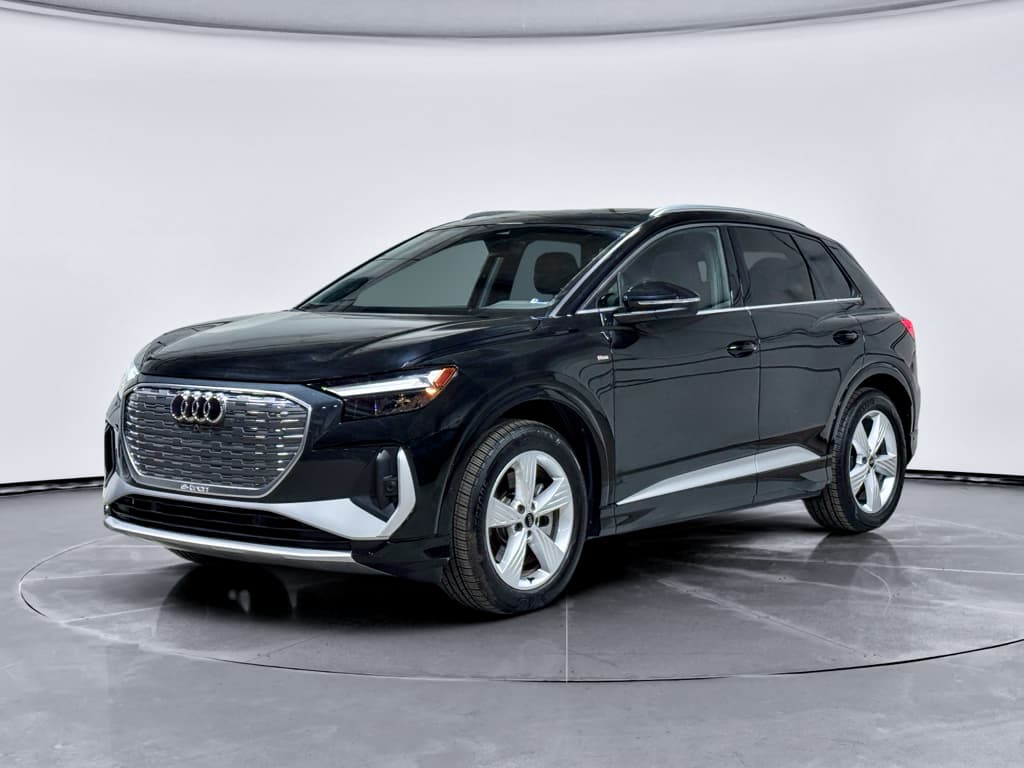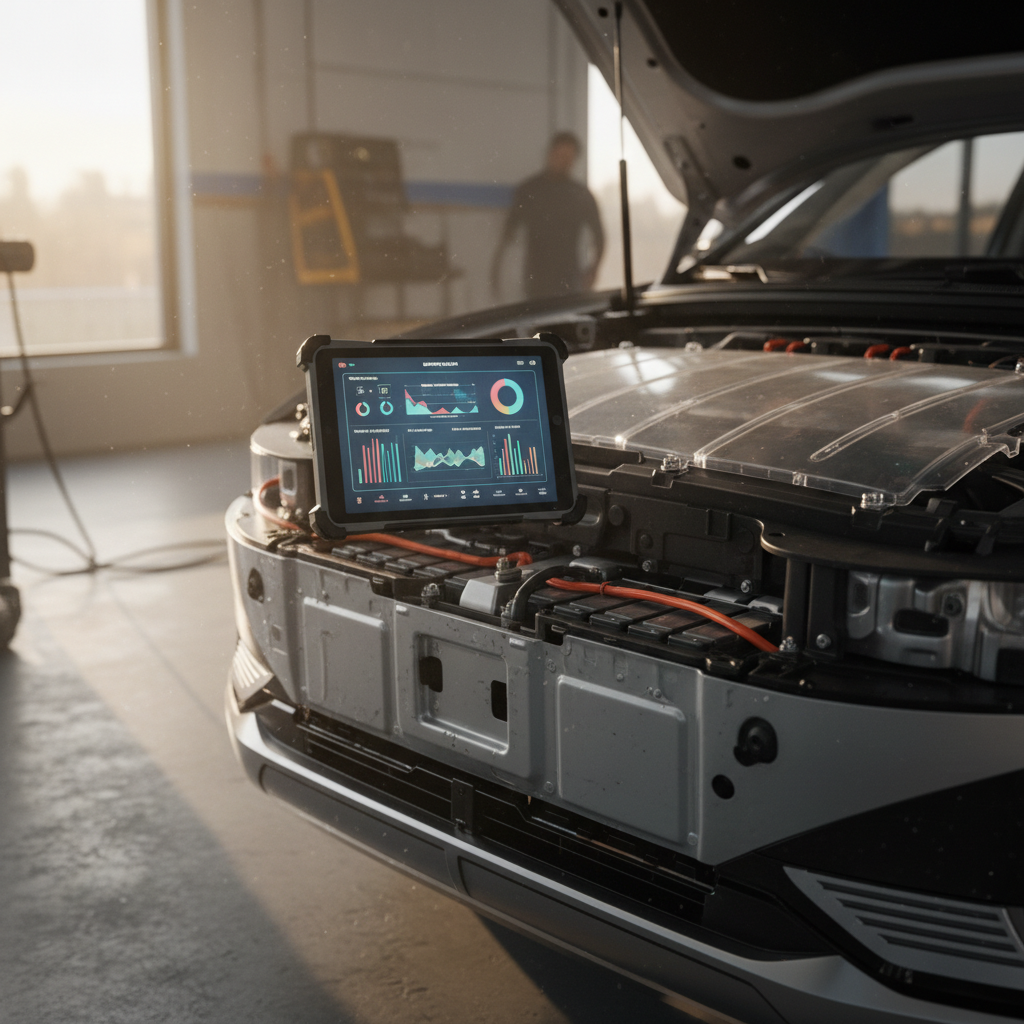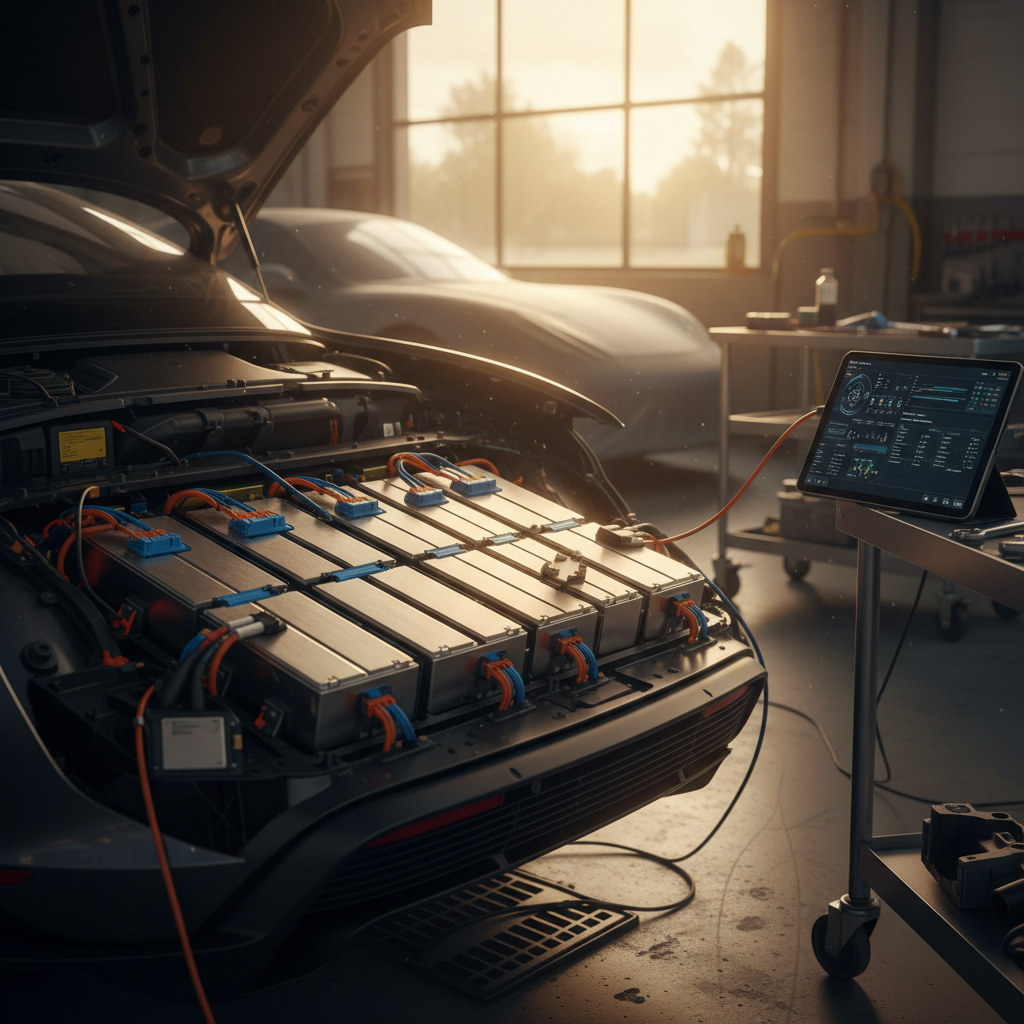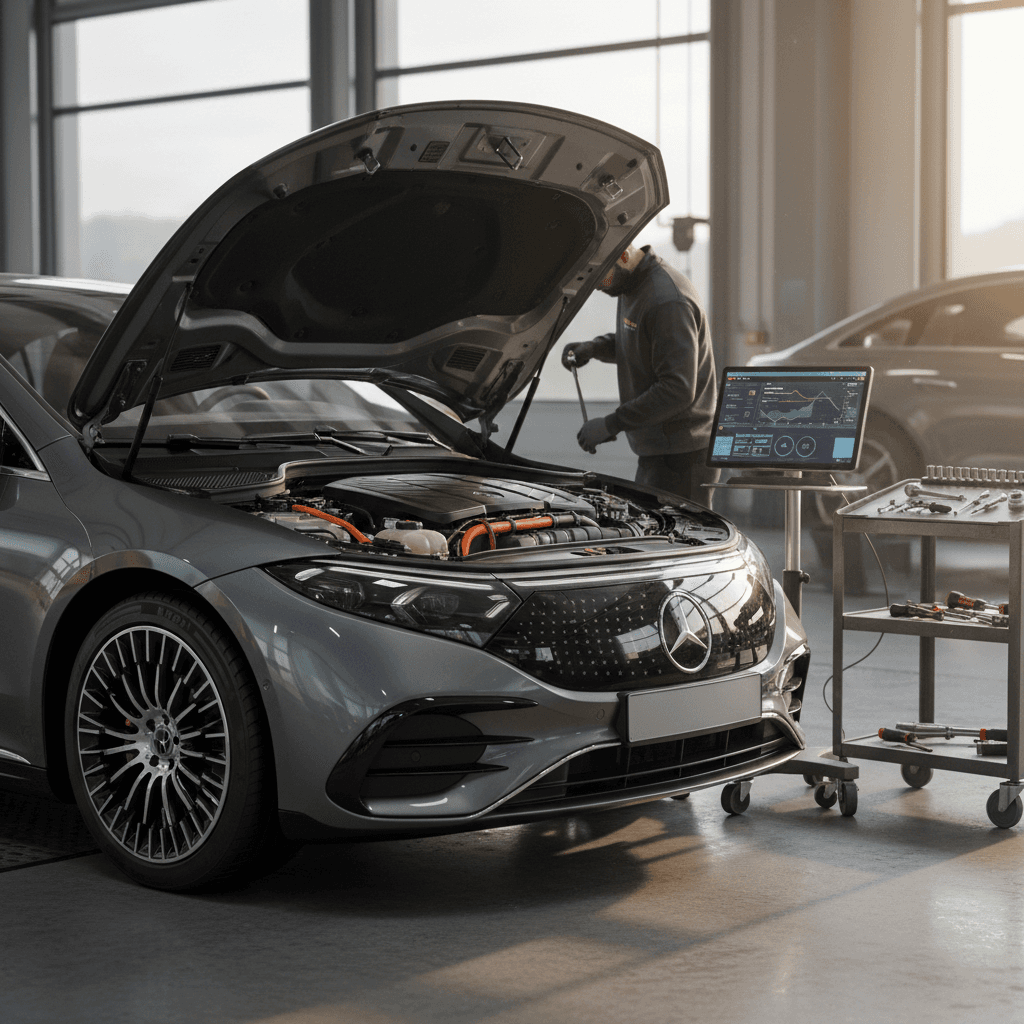
The phrase “Audi maintenance schedule” usually conjures images of oil changes, timing belts, and ruinous invoices. The Audi Q4 e-tron maintenance schedule lives in a different universe. No engine oil, no spark plugs, far fewer moving parts, but still a German luxury SUV that expects you to pay attention. If you’re driving, or thinking about buying, a Q4 e-tron (new or used), knowing what actually needs to be serviced and when is the difference between quiet confidence and low‑grade anxiety every time a warning chime dings.
Where Audi Hides the Official Schedule
Overview: How the Q4 e-tron Maintenance Schedule Works
The Audi Q4 e-tron is built on the VW Group’s MEB platform, which was engineered from the start as an EV, so its service schedule looks more like what you’d expect from a laptop on wheels than a traditional SUV. Audi structures maintenance for the Q4 around 10,000‑mile / 1‑year intervals. Think of that as your heartbeat: every 10,000 miles or 12 months, whichever comes first, the car wants a check‑in for safety, software, and wear items rather than old‑school engine work.
How Audi Structures Q4 e-tron Maintenance
Three overlapping layers you need to understand
1. Regular “Minor” Service
About every 10,000 miles or 12 months. Includes a multi-point inspection, tire rotation, brake check, and software/recall checks. Think of this as the annual physical.
2. Deeper “Standard” Service
Roughly every 20,000 miles you add more invasive checks, suspension, cooling system inspections, door latches, cabin filter, and so on.
3. EV-Specific Items
At longer intervals, Audi adds battery coolant, rear drive unit coolant cartridge (on some models), and high-voltage checks. These are critical, but they’re not every year.
Audi Care / Signature Care Can Prepay the Schedule
Does an Audi Q4 e-tron Need Oil Changes?
No, your Q4 e-tron does not need engine oil changes because it doesn’t have an engine in the traditional sense. There’s no 2.0‑liter turbo hiding under there, just an electric drive unit (or two) and a reduction gearbox. So the whole ritual, the 5W‑30, the filters, the sticker on the windshield, simply disappears. That’s one reason EV maintenance costs undercut comparable gas SUVs.
- No engine oil or oil filter changes
- No spark plugs or ignition coils
- No timing belt or timing chain service
- No exhaust system, mufflers, or catalytic converters to maintain
That doesn’t mean the Q4 e-tron is a zero‑maintenance appliance. It still runs on brake fluid, battery coolant, refrigerant, and tires. And because it’s heavy and very quick in city traffic, it’s brilliant at chewing through tires faster than you expect if you’re not paying attention.
Mileage-Based Audi Q4 e-tron Maintenance Schedule
Here’s a simplified, U.S.-style Audi Q4 e-tron maintenance schedule you can use as a mental framework. Always confirm the exact requirements in your owner’s manual and Audi’s VIN‑specific maintenance site, but this will get you 90% of the way there.
Typical Mileage-Based Service Intervals for Audi Q4 e-tron
Approximate pattern based on current Audi EV practice and dealer schedules. Always verify against your VIN in the official Audi tools.
| Mileage | Service Type | Key Items | Notes |
|---|---|---|---|
| 10,000 miles / 1 year | Minor Service | Multi-point inspection, tire rotation, brake inspection, fluid level checks, software/recall check | Your first real check-in; often bundled in Audi Care/Signature Care. |
| 20,000 miles | Standard Service | Everything from 10k, plus detailed suspension and steering check, cooling system inspection, exterior lighting, door/sunroof checks | Where the service becomes more ‘German luxury’ and less ‘basic oil change.’ |
| 30,000 miles | Minor Service | Repeat of 10k service items; cabin filter may be due depending on time in service | Good time for a fresh cabin filter if you drive in dusty or urban areas. |
| 40,000 miles | Standard / Major Service | All 20k checks, cabin dust & pollen filter replacement, possible coolant cartridge or additional EV-system checks depending on model year/options | One of the pricier services; plan ahead. |
| 50,000–60,000 miles | Follow VIN-specific schedule | Combination of inspections and any deferred EV-specific service (coolant, etc.) | By this point, brake pads and tires are often due depending on driving style. |
Use this as a planning guide, not a substitute, for your vehicle-specific schedule.
Model Year & Trim Matter
Time-Based Service Items You Shouldn’t Ignore
EVs are mileage‑agnostic in one crucial way: even if you only drive 5,000 miles a year, time still ages hoses, seals, and fluids. The Q4 e-tron has a handful of time-based maintenance items that matter as much as odometer readings.
Key Time-Based Maintenance Items on a Q4 e-tron
Even low-mileage urban warriors have to respect the calendar
Brake Fluid – About Every 2 Years
Brake fluid absorbs moisture over time, which can corrode components and reduce braking performance. Many Audi schedules call for a flush about every 2 years. On an EV that relies heavily on regen, the hydraulic system can sit unused, another reason to keep the fluid fresh.
Cabin Air (Pollen) Filter – ~Every 2 Years
The Q4’s HVAC system works hard managing both you and the battery’s comfort. A dirty cabin filter restricts airflow and makes the fan run more often. Replacing it every 20,000 miles or 2 years is cheap insurance for air quality and defogging performance.
Battery Coolant – Long Interval, But Critical
Battery and power electronics coolant usually run on long intervals, think many years, not every service. Don’t improvise here. Use only the exact Audi-spec coolant, and have the system serviced by someone who knows high-voltage EV cooling.
HVAC Refrigerant & Heat Pump Checks
There’s no set "recharge every X years" rule, but a weak A/C or slow defrost deserves prompt attention. The heat pump is central to winter efficiency; if it’s unhappy, so is your range.
High-Voltage Systems Are Not DIY
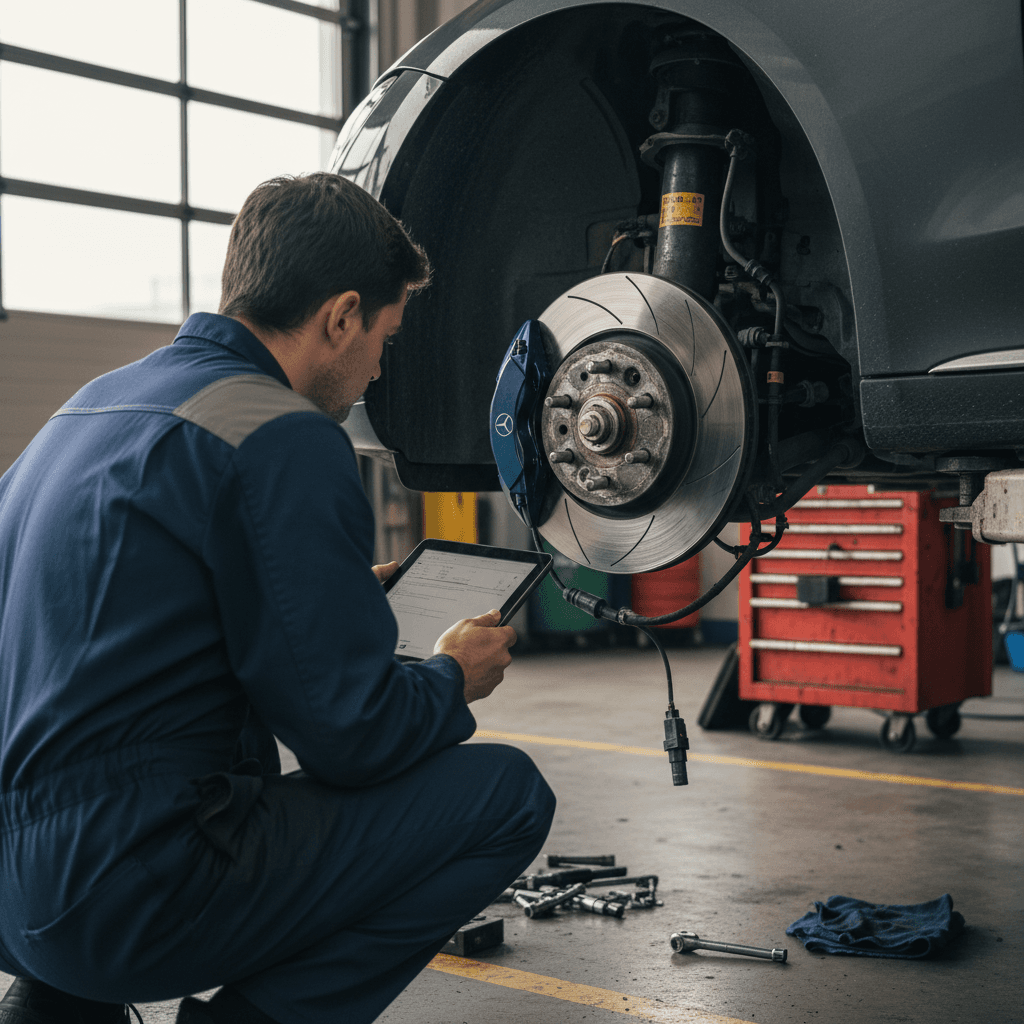
EV-Specific Checks on the Q4 e-tron
Beyond the familiar brake fluid and cabin filter routine, Audi’s Q4 e-tron has a few EV-only maintenance touchpoints that matter for long-term health and resale value.
Core EV Checks You’ll See in the Q4 Schedule
High-Voltage System Inspection
Technicians inspect orange HV cabling, connectors, and shields for damage or corrosion. This is about safety as much as reliability, especially important on older, high‑mileage examples.
Battery Health & Cooling System Check
Dealers check for thermal-management faults and coolant leaks around the battery and drive modules. If something’s wrong here and you’re still under warranty, you want that caught early.
Software Updates & Recalls
The Q4 e-tron’s character lives in its software, range management, charging behavior, driver-assistance. Regular services are when dealers apply updates and TSBs that quietly fix annoyances you’ve been living with.
One-Pedal / Regenerative Braking Calibration
Over time, updates and component wear can make regen feel a bit different. Service visits are a good chance to mention any weirdness in pedal feel or low-speed braking so the techs can recalibrate or investigate.
Good News: Most of This Is Inspection, Not Replacement
Common Wear Items and Real-World Costs
The parts that actually cost you money on a Q4 e-tron are the same mundane villains that have haunted cars for decades: tires, brakes, and glass. The difference is how the EV powertrain changes the script.
What Typically Wears Out First on a Q4 e-tron
Dealers will inevitably quote you a bigger number for 40k and 60k services because that’s when inspections get deeper and any deferred EV work comes due. The key is understanding what you’re paying for and deciding if your driving pattern justifies every upsell line item.
Ask for a Line-Item Estimate Before You Say Yes
Maintenance Checklist for Used Q4 e-tron Buyers
If you’re shopping a used Audi Q4 e-tron, the maintenance schedule isn’t just future homework, it’s a flashlight you can shine backward into the car’s history. A well‑documented Q4 tells you the previous owner understood what they were driving; a mystery‑history car asks you to bankroll their procrastination.
Used Audi Q4 e-tron Maintenance Checklist
1. Confirm Annual Services Were Done
Ask for records of at least <strong>yearly inspections and tire rotations</strong>. A Q4 that went three years with no visit is a red flag, even with low miles.
2. Look for a 20k/40k Service Stamp
By ~40,000 miles, the car should have had at least one more in-depth service. If that’s missing, budget to do a catch‑up visit right after purchase.
3. Check Brake Fluid Date
Look for a sticker under the hood or invoices showing a <strong>brake fluid change within the last two years</strong>. If you can’t verify it, plan to flush the system.
4. Inspect Tires and Tread Patterns
Uneven wear can signal alignment issues or aggressive driving. EVs are heavy; cheap or mismatched tires are a sign of corner‑cutting ownership.
5. Ask About Software & Campaigns
A dealer can run the VIN and tell you if any software updates or service campaigns are outstanding. A car that’s up to date has had a more engaged owner.
6. Get a Battery Health View if Possible
A proper EV diagnostic can surface battery fault codes and charging behavior. At Recharged, every vehicle includes a <strong>Recharged Score</strong> with verified battery health to de‑risk this step for used buyers.
How Recharged Handles Q4 e-tron Maintenance History
DIY vs Dealer Service for a Q4 e-tron
Audi would very much like you to let the dealer handle everything. That’s not your only option, but with a high‑voltage EV you do have to pick your battles. Think in terms of three tiers of service: easy DIY, trusted independent EV shop, and dealer-only work.
Easy DIY Tasks
- Washer fluid top‑ups
- Wiper blade replacement
- Checking tire pressures and tread depth
- Visual checks for curb rash or underbody scrapes
You don’t need a PhD in electrical engineering to keep tires properly inflated or replace a streaky wiper blade.
Good for EV-Savvy Independents
- Tire rotation and replacement
- Brake pad and rotor service
- Cabin filter replacement
- Suspension and alignment work
Plenty of European‑specialist shops now understand Audi EVs well enough to handle mechanical work that doesn’t touch the high‑voltage side.
Dealer or Certified EV Specialist Only
- High-voltage battery or cabling work
- Battery coolant service or leak diagnosis
- Inverter/drive unit repairs
- Software campaigns and recalls
This is the territory where training, tooling, and liability live. If someone is guessing, you don’t want them near 400+ volts.
Warranty & Resale Implications
Audi Q4 e-tron Maintenance FAQ
Frequently Asked Questions About Q4 e-tron Maintenance
Bottom Line: How Much Maintenance Does a Q4 e-tron Really Need?
For all the angst that circles the word "Audi" and the word "maintenance," the Q4 e-tron is fundamentally a low‑drama car to live with. There’s a predictable rhythm, an inspection and rotation about once a year, deeper looks at 20,000‑mile steps, and the occasional time‑based fluid change to keep the brake system and battery support hardware happy. No timing belts, no oil, no exhaust leaks. Respect that schedule, keep records, and the Q4 rewards you with the kind of smooth, quiet competence that makes combustion cars feel like period pieces.
If you’re already an owner, use this guide alongside your VIN‑specific Audi schedule to plan services intelligently and push back on unnecessary upsells. If you’re a shopper, especially in the used market, maintenance history is one of the sharpest tools you have. At Recharged, every used EV, including the Q4 e-tron, comes with a Recharged Score battery health report, transparent pricing, and EV‑specialist support, so you can focus less on what the previous owner skipped and more on where you’re driving next.