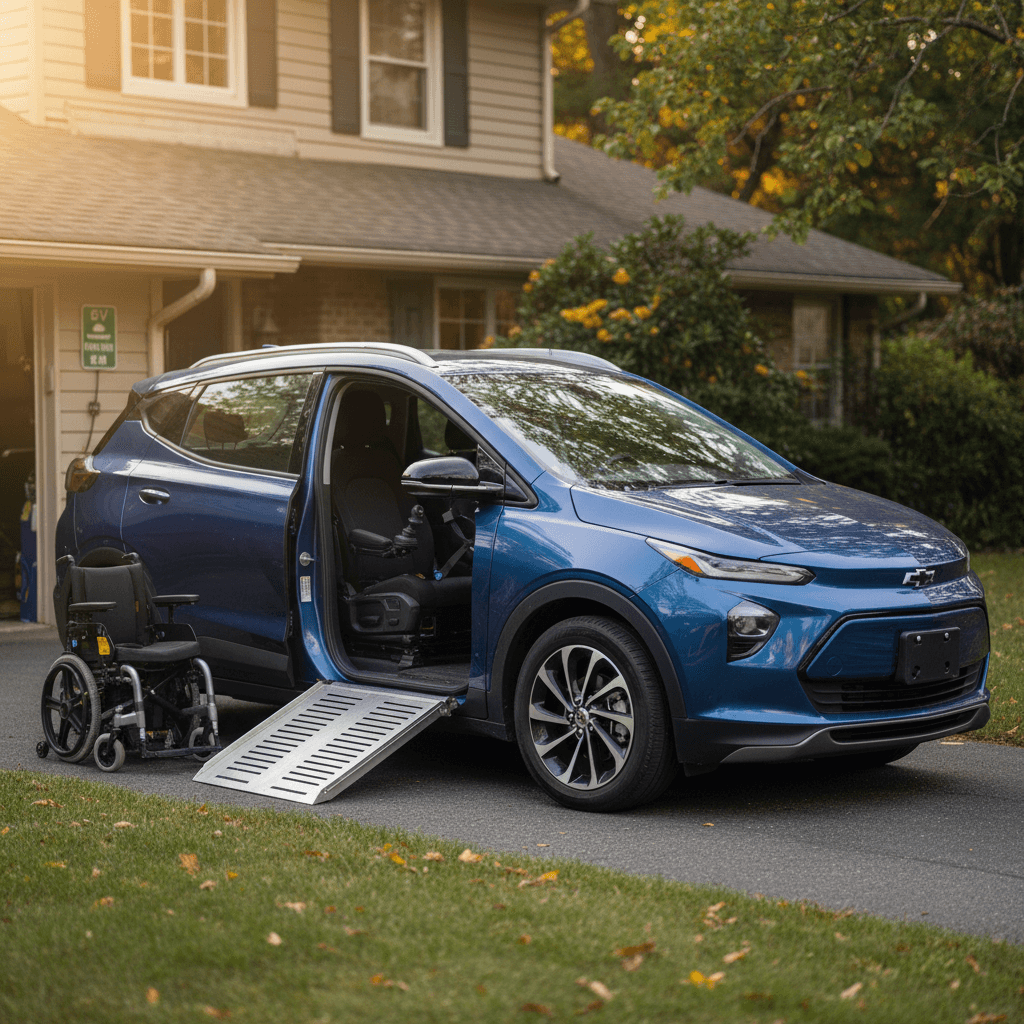
Finding the best used electric car for people with disabilities isn’t about chasing the longest range or the flashiest tech. It’s about choosing a vehicle your body can live with every single day, easy to get in and out of, simple to operate with your specific abilities, and practical to charge without risking a fall or flare‑up.
Important context
Why accessibility matters so much in a used electric car
New EVs are getting better at inclusive design, with features like power liftgates, configurable driver profiles, one‑pedal driving, and advanced driver assistance. On the used market, those same features can be a game‑changer for people with disabilities, often at a much lower cost than buying new.
Why vehicle accessibility is growing fast
For many disabled drivers, EVs offer real advantages over gas cars: smoother acceleration, less vibration, quiet cabins, and strong regenerative braking that can reduce how often you move your legs or hands between pedals and controls. But those benefits only matter if you can enter, exit, and charge the car safely.
How to think about disability and EV design
Match vehicle to your body
Start with how you move today, not how you used to move or hope to move. Can you stand briefly? Step up? Transfer to a seat? Raise both arms? Turn your head easily? Your honest answers guide whether you should prioritize a low, wide hatchback, a mid‑height crossover, or a full wheelchair‑accessible van conversion.
Think beyond the driver’s seat
Even if you’re a passenger today, your needs still drive the purchase. Consider door openings, cargo height for mobility devices, and where you’ll plug in. A car that fits your wheelchair or walker but forces painful contortions at every charge stop is the wrong car.
This guide focuses on mainstream used EVs you’re likely to find in the U.S. used market in 2026, not niche microcars or concepts, plus what to look for if you plan a wheelchair conversion or hand‑control installation.
Key accessibility features to look for in a used EV
Accessibility features that matter most
Prioritize these before range and 0–60 times
Seating height & door opening
For many people with mobility limits, the sweet spot is a hip‑height seat where you can slide in sideways, no climbing up, no dropping down.
- Wide door openings
- Minimal door sills
- Grab handles in useful spots
Cargo floor & liftgate
If you use a wheelchair, scooter, or walker, look for:
- Low, flat cargo floor
- Power liftgate with programmable height
- Room for a portable ramp if needed
Controls & interfaces
Big wins here include:
- Simple gear selector (stalk or PRND buttons)
- Large, clear text on screens
- Physical buttons for critical functions
For many drivers with disabilities, these EV features are huge
Strong regenerative braking
One‑pedal driving can reduce how often you move between pedals, especially helpful with leg weakness, joint pain, or neuropathy.
Driver assistance
Adaptive cruise control, lane centering, blind‑spot monitoring and 360° cameras can all reduce fatigue and cognitive load, especially on longer trips.
Charging access
Look for charge ports on the rear or side you can reach from an accessible parking spot, and consider whether cables will create trip hazards for you.
Don’t assume aftermarket gear will always fit
Best used electric cars for mobility limitations
If your main challenge is pain, stiffness, or weakness, especially in hips, knees, or back, the right seating height, door opening and ride quality matter more than outright wheelchair access. In the current U.S. used market, these EVs tend to work well for many shoppers with mobility issues:
Used EVs that are easier to get in and out of
Approximate model years reflect what’s widely available on the used market in 2026. Always test‑sit before you buy.
| Model | Body style | Why it often works well | Watch out for |
|---|---|---|---|
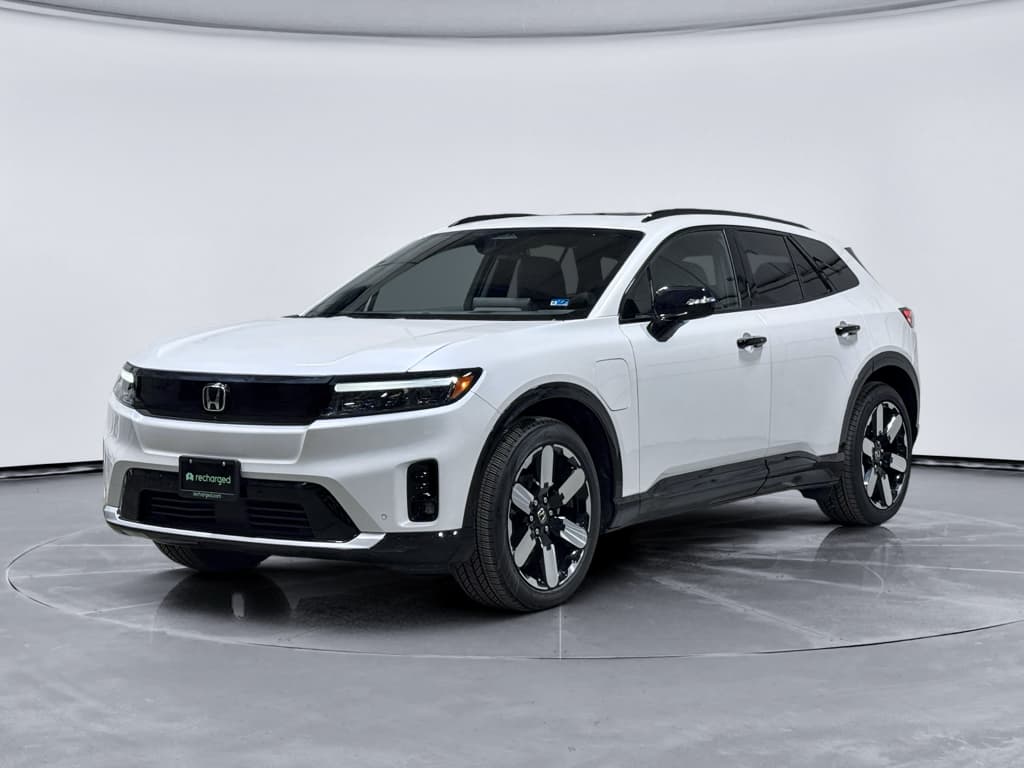
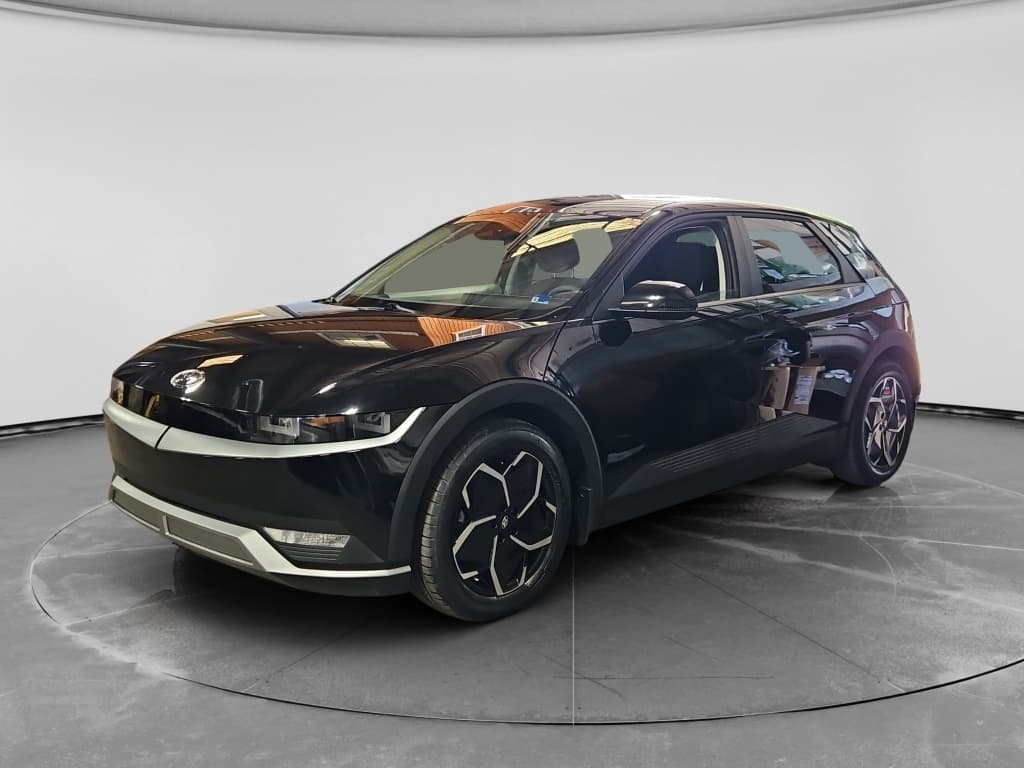
| Hyundai Ioniq 5 (2022–2024) | Compact crossover | High, chair‑like seating, wide doors, flat floor, gentle ride, strong driver‑assist features. | Touch‑heavy infotainment; check for power seat + lumbar support on the trim you’re considering. |
| Kia EV6 (2022–2024) | Sporty crossover | Supportive seats, generous front legroom, smooth powertrain; good for taller drivers. | Rear roofline is lower, less ideal if rear‑seat headroom is critical. |
| Tesla Model Y (2020–2024) | Crossover | Lots of owners with mobility issues praise its easy step‑in height, large door openings and huge cargo area. | Almost everything is on the touchscreen; center screen can be overwhelming for some cognitive or visual impairments. |
| Chevrolet Bolt EUV (2022–2023) | Small crossover | Affordable, upright seating, low running costs, compact footprint that’s easy to park. | Tighter cabin than larger crossovers; rear cargo space is modest. |
| Nissan Ariya (2023–2024) | Crossover | Soft ride, quiet cabin, good visibility; available hands‑on driver‑assist systems reduce highway fatigue. | Heavier vehicle; make sure seats and steering wheel adjust enough for your body. |
Comfort, seat height and ease of access often matter more than price or performance.
Bring your actual mobility aids to the test drive
Best used EVs for wheelchair users and caregivers
For wheelchair users, there are two broad paths: mainstream EVs used with transfers and separate wheelchair stowage, and full wheelchair‑accessible vehicle (WAV) conversions where you stay in your chair. The second category is still emerging for EVs, but conversions on electric minivans and crossovers are growing quickly.
Here’s how today’s used‑EV landscape tends to break down for wheelchair users and caregivers in the U.S.:
Common paths to EV ownership for wheelchair users
1. Transfer to a standard seat
You or your caregiver transfer from your wheelchair into the factory seat, then fold or stow the chair.
- Works best with chair‑height, supportive seats (think Ioniq 5, Model Y, Ariya)
- Look for power seats with tilt and height adjust
- Verify cargo opening is large enough for your specific chair
2. Wheelchair‑accessible conversion
Specialty shops convert certain EVs and minivans with ramps, lowered floors, and securement systems so you can drive from your chair or ride safely as a passenger.
- Most common on minivans and larger crossovers
- Expect higher cost but far greater independence
- Used conversions are starting to appear as early adopters trade in
A note on niche wheelchair EVs
Best used EVs for neurological or sensory disabilities
If you live with conditions like autism, ADHD, PTSD, epilepsy, traumatic brain injury, or low vision, your priorities might lean more toward predictable interfaces, low visual clutter, strong driver‑assistance, and good noise control than traditional “disability vehicle” features.
Calm, simple interiors
Look for EVs where you can turn down screen brightness, disable flashy animations, and rely on clear physical buttons for the basics (wipers, hazard lights, defrost). Hyundais and Kias often strike a good balance here.
Robust driver assistance
Adaptive cruise control, lane centering, and blind‑spot alerts can reduce mental load, especially in traffic or on highways. Just remember: these systems assist you; they do not replace an attentive driver.
Good visibility
Large windows, thin pillars, and 360° cameras help if you have low vision or limited neck rotation. When you test‑drive, check that you can clearly see pedestrians, curbs, and merging traffic without straining.
EVs and hand controls: what you need to know
The good news: most modern electric vehicles can be equipped with hand controls, spinner knobs, and other adaptive driving equipment, just as gas cars can. The caveat is that EVs are packed with electronics, and some brands restrict what can be altered under the dash or on the steering column.
- Before you shop seriously, talk with a Certified Driver Rehabilitation Specialist (CDRS) or mobility‑equipment dealer about which EVs they are comfortable modifying.
- Ask specifically whether they’ve installed hand controls or left‑foot accelerators on the models you’re considering (Model Y, Ioniq 5, Bolt EUV, etc.).
- Confirm that any planned modifications comply with manufacturer and state guidelines; in many states you’ll take a road test before your license is updated with a restriction noting hand‑control use.
- Remember that hand controls usually leave the factory pedals usable, so other household members can still drive the car in the usual way.
Be careful with do‑it‑yourself ideas
Charging access when you have a disability
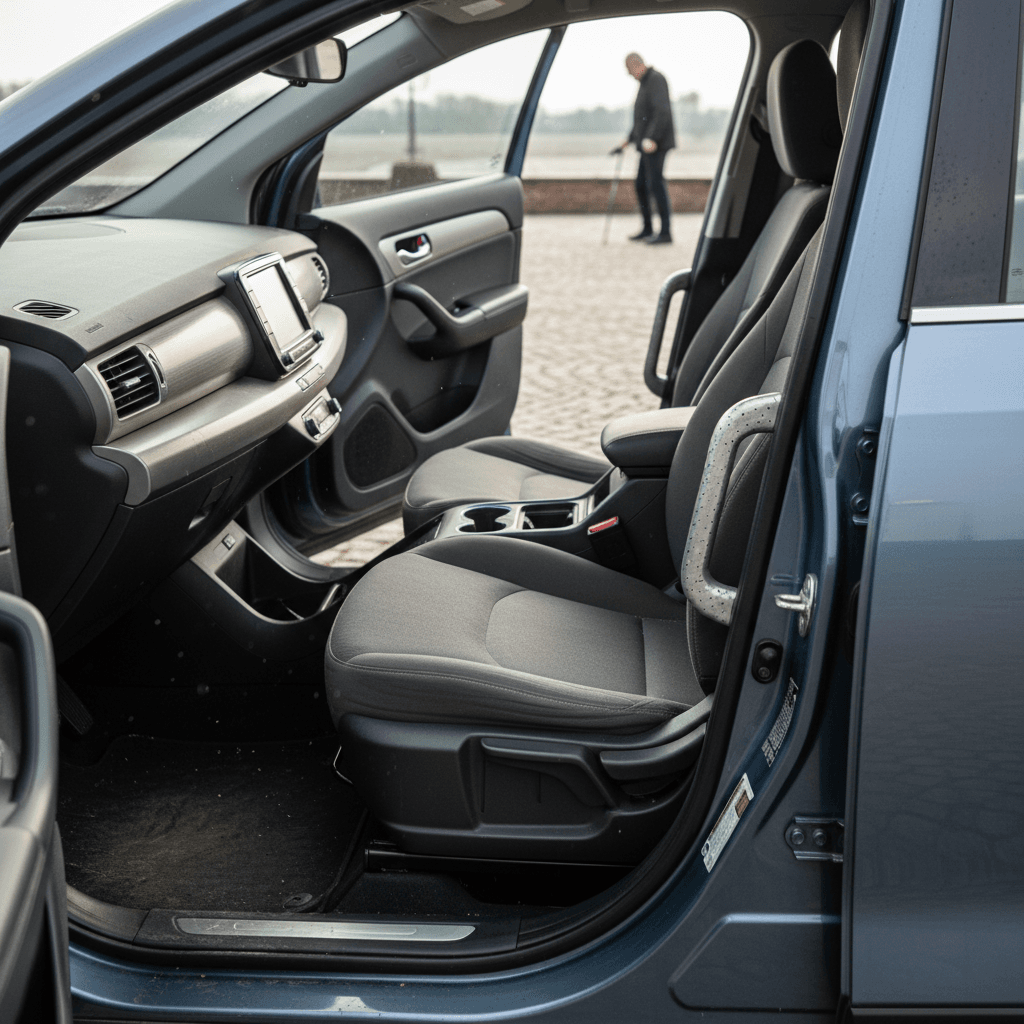
A fantastic EV that’s miserable to charge is not a good match. Think about how and where you’ll plug in before you choose a model.
Charging questions to answer before you buy
1. Where will the car actually live?
If you have a private driveway or garage, you can usually position a Level 2 charger so you can roll or walk straight to it without obstacles. Apartment and street parking make things harder, look for curb‑level charging, wide sidewalks, and good lighting.
2. Can you safely handle the cable?
Charging cables are thick and can be heavy. If you have limited grip strength, tremors, or use a cane or walker, practice plugging and unplugging at a dealership or public charger to see what feels manageable.
3. Is the charge port in a reachable spot?
Side‑mounted ports near the front fender or rear quarter panel can be easier to access from an accessible parking space than front‑center locations that force you to stretch around the bumper.
4. Are accessible public chargers available nearby?
Some networks now list wheelchair‑accessible charging bays and wider aisles in their apps. If you can, scout a few local sites in person before you commit to an EV that relies heavily on public fast charging.
5. Do you need help managing cords at home?
Cord covers, retractable cable reels, or wall‑mounted holsters can reduce trip hazards in a garage or driveway, especially if you share space with family members or support staff.
Where Recharged can help
Ready to find your next EV?
Browse VehiclesUsed EV buying checklist for drivers with disabilities
Once you’ve narrowed your list to a few models, use this checklist to compare individual used cars. This is where tools like the Recharged Score battery‑health report and a solid inspection really matter, especially if test drives are physically taxing and you’d rather not repeat them.
Accessibility‑first used EV checklist
Confirm you can enter and exit independently (or with planned help)
Time how long it takes you to get in, buckle up, and get out again. Do it more than once. If it’s exhausting in the dealer lot, it will be worse on bad‑pain days at home.
Evaluate seat comfort and adjustability
Check for power height, tilt, lumbar support, and memory settings. A seat that supports you properly can mean fewer flare‑ups and easier transfers.
Test visibility and mirrors
Sit in your normal driving position and verify you can see mirrors, blind‑spot indicators, and key gauges without twisting or leaning. Adjust mirrors while wearing any adaptive devices you normally use.
Review driver‑assistance features
Turn on adaptive cruise, lane‑keeping, and parking aids during the test drive. Make sure alerts are noticeable but not overwhelming, especially if you’re sensitive to sound or flashing lights.
Check cargo and device storage
Does your wheelchair, scooter, walker, or medical equipment fit behind the rear seats without awkward lifting angles? Can a caregiver load and secure it without straining?
Plan for adaptive equipment
Before signing anything, get a written estimate from a mobility dealer for any hand controls, ramps, transfer seats, or lifts you’ll need, and confirm the exact VIN is compatible.
Verify battery health and range
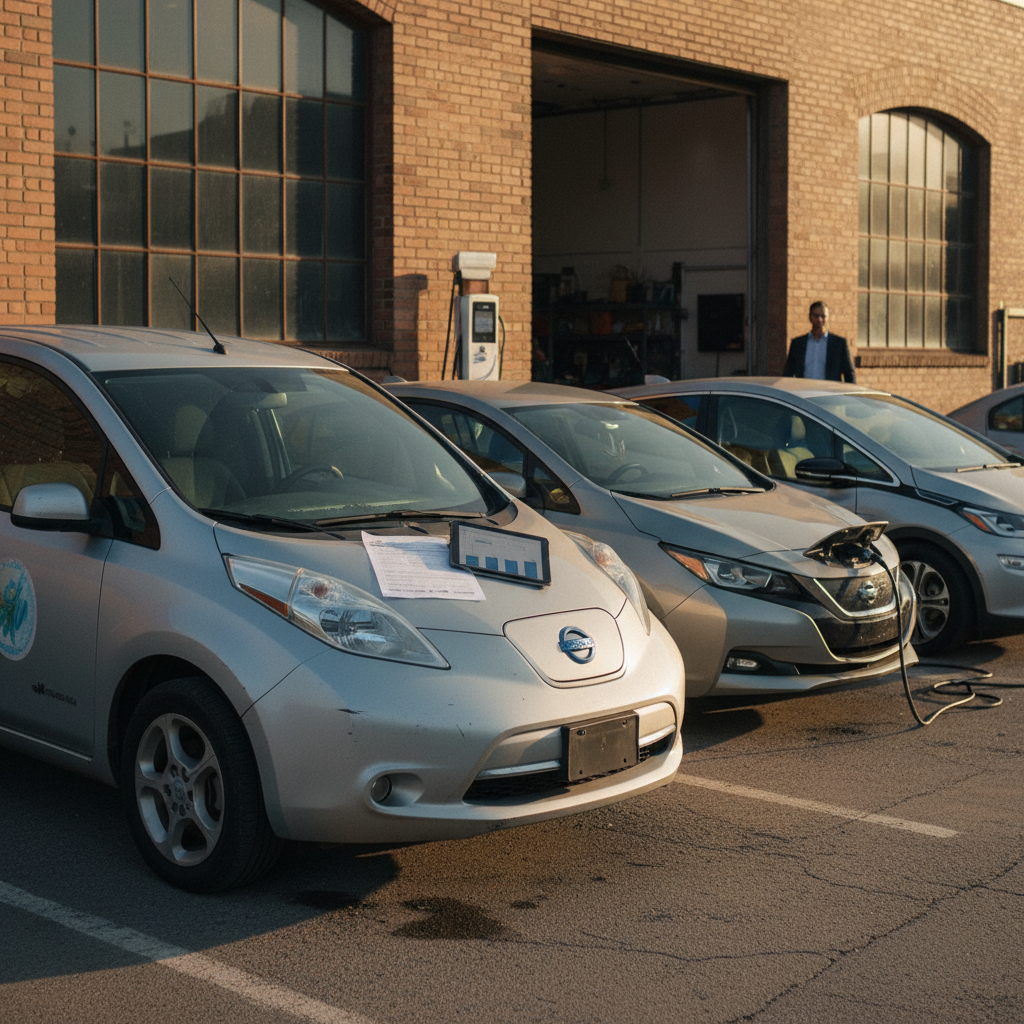
Ask for a battery‑health report. On Recharged, every vehicle includes a <strong>Recharged Score</strong> with verified battery diagnostics and fair‑market range estimates so you can plan around your real‑world capabilities, not just brochure numbers.
Factor in total cost with modifications
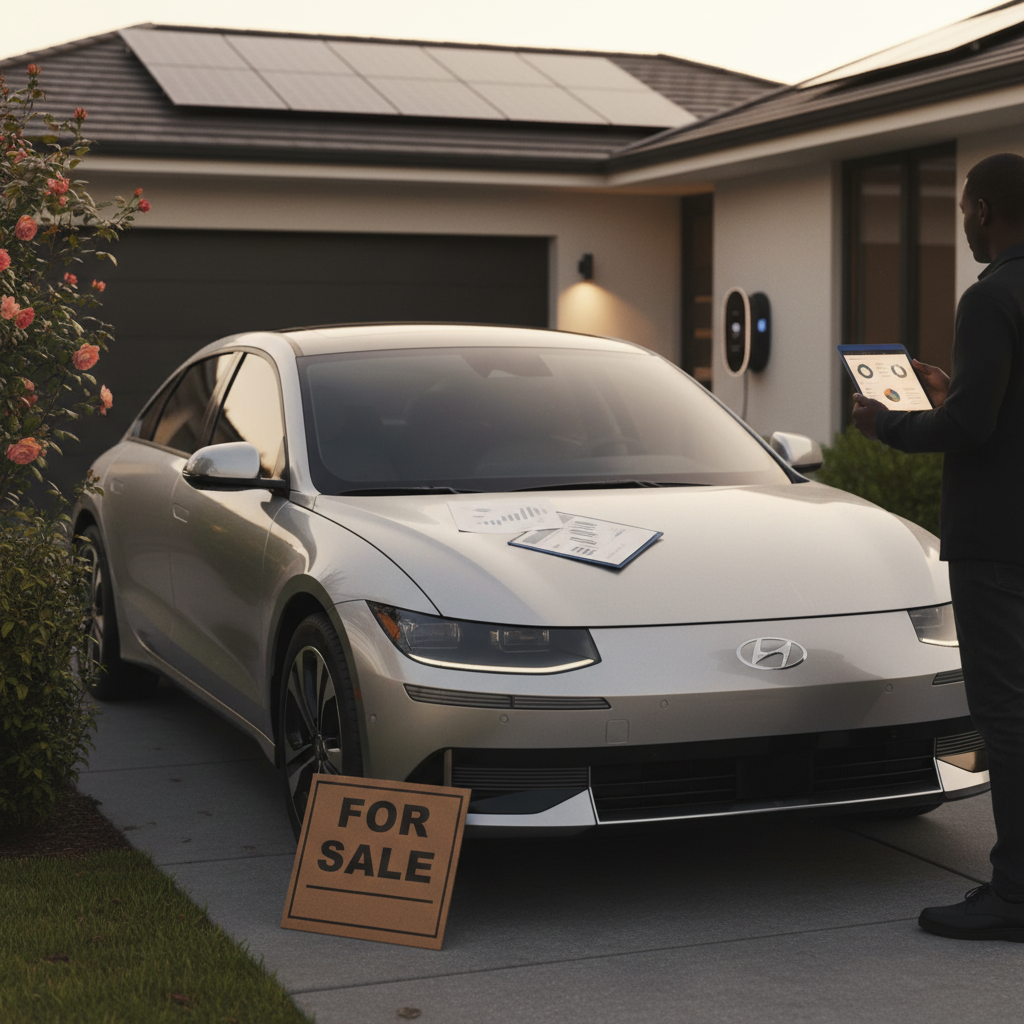
Add the EV price, taxes/fees, adaptive‑equipment cost, and any available rebates from automakers, states, or mobility programs. A slightly more expensive car that’s easy to modify is often cheaper than forcing modifications onto the wrong platform.
FAQ: used electric cars for people with disabilities
Frequently asked questions
Bottom line: matching the EV to your body and your life
When you’re choosing the best used electric car for people with disabilities, you’re really choosing the car that fits your body, your daily routine, and your support system. For many shoppers, that means a mid‑size electric crossover with chair‑height seating, a wide cargo opening and solid driver‑assistance. For others, it might mean a fully converted wheelchair‑accessible EV or a smaller hatchback that’s easy to park near a curb cut.
Give yourself permission to ignore brag‑worthy specs and focus relentlessly on access, comfort and safety. Bring your mobility aids to every test drive, involve your caregiver or occupational therapist, and make sure any planned adaptive equipment is truly compatible with the car you choose. If you’re buying through Recharged, lean on our specialists and detailed Recharged Score reports so you can concentrate on what matters most: finding an electric car that lets you live your life with as much independence and as little pain as possible.