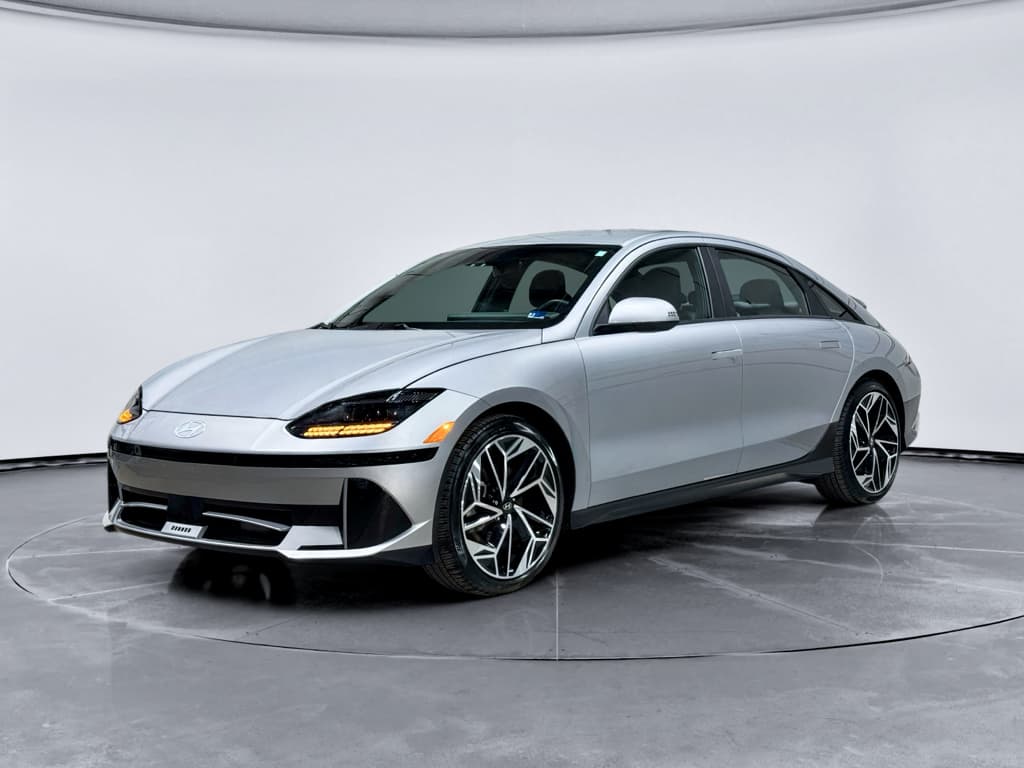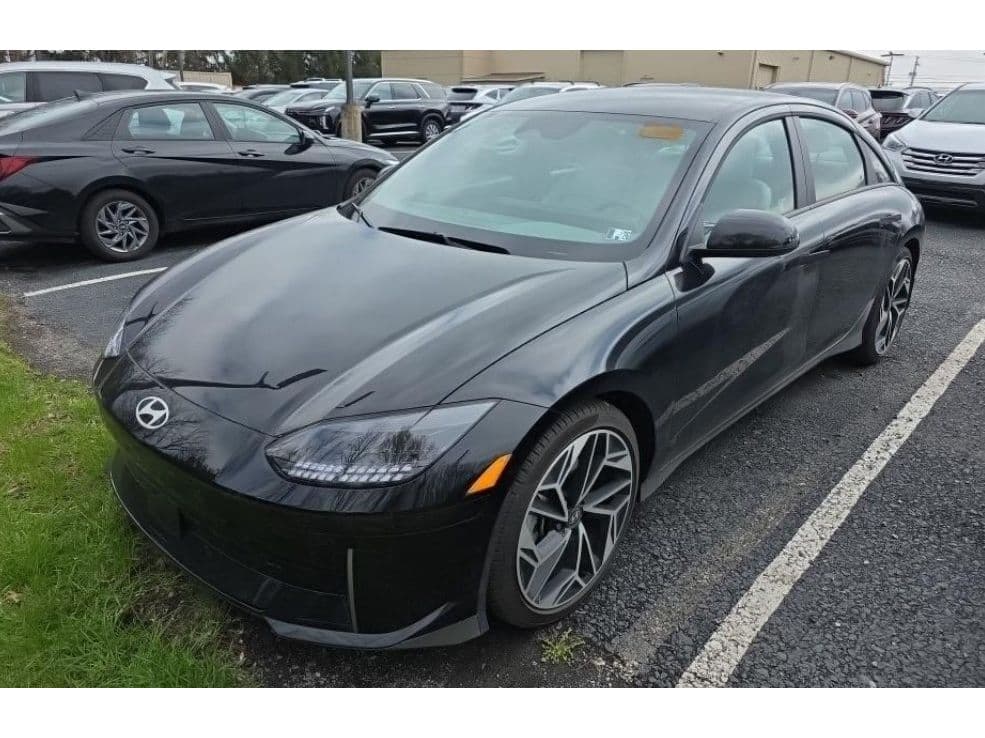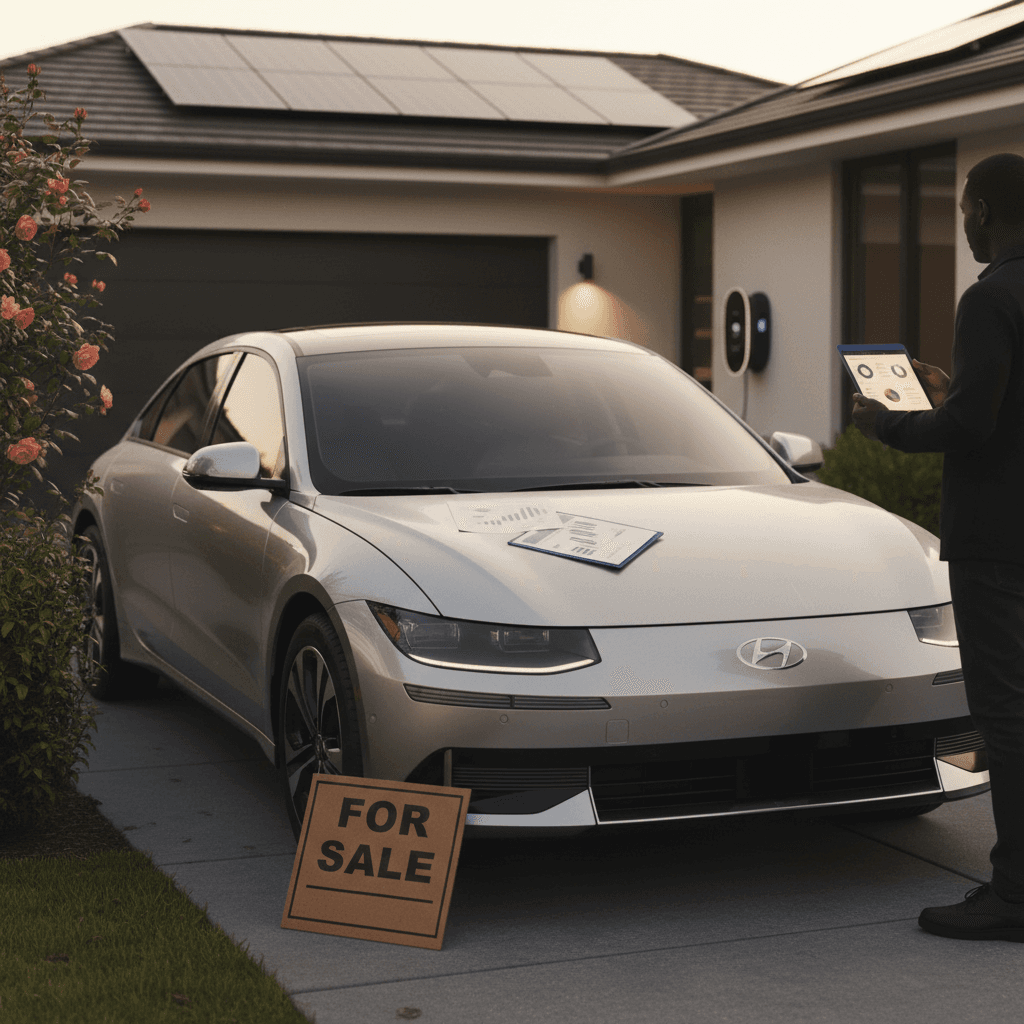
If you’re wondering how to sell a Hyundai Ioniq 6 in 2026, you’ve picked an interesting moment. The Ioniq 6 is a sleek, efficient EV sedan with serious range and a generous battery warranty, yet it’s also one of the hardest‑hit models in today’s EV depreciation lottery. That tension is exactly where your opportunity lies: if you understand timing, pricing, and how to present battery health, you can squeeze real money out of a market that’s otherwise yawning.
The Ioniq 6 resale paradox
Why Selling a Hyundai Ioniq 6 Is Different From Any Old Sedan
Hyundai Ioniq 6 Resale Snapshot for 2026
Two forces shape how you sell an Ioniq 6 in the United States today. First, EV sedans in general, and the Ioniq 6 in particular, have seen steeper early‑year depreciation than crossovers. Second, Hyundai’s long battery and powertrain warranties are still a major confidence booster for second owners, especially as buyers grow more educated about EVs. Your mission is to lean into the strengths (warranty, range, efficiency) while pricing realistically around the realities of depreciation.
Don’t anchor on your original MSRP
Step 1: Decide When to Sell Your Ioniq 6
Before you fuss with photos or listings, decide whether this is actually the right moment to sell. The Ioniq 6 does its biggest value drop in the first few years, then settles into a slower glide path. If you sell too early, you eat depreciation; too late, and the tech feels last‑generation compared with newer EVs.
How Your Timing Affects What You’ll Get
Mileage and warranty are the two dials you’re really turning.
Selling in Year 1–2
Pros: Car looks and feels nearly new; tech is current; plenty of warranty left.
Cons: You’re selling right after the steepest depreciation hit. Great if you must exit; not great for your wallet.
Selling in Year 2–3
Pros: Sweet spot for many Ioniq 6 owners: some depreciation already happened, but the car still has strong range and lots of warranty.
Cons: Market may be crowded with lease returns; you have to differentiate your car.
Selling After Year 4+
Pros: You’ve gotten real use out of the car; pricing looks more approachable to value‑seekers.
Cons: Range and charging speeds now compete with newer, more efficient EVs. Buyers will stare hard at battery health.
A practical timing rule of thumb
Step 2: Understand What Your Ioniq 6 Is Worth
Next, you need a sober view of what your Hyundai Ioniq 6 is actually worth in April 2026. That means ignoring dealer folklore and instead triangulating across a few sources: online valuation tools, real local listings, and actual offers from buyers and platforms.
Quick Pricing Checklist for Your Ioniq 6
1. Start with online value tools
Check multiple sources (KBB, Edmunds, etc.) for trade‑in and private‑party values of your trim, year, and mileage. Treat these as starting points, not gospel.
2. Scan real‑world listings
Search used‑car sites for Ioniq 6 models similar to yours within a few hundred miles. Look at the <strong>price they’re listed at</strong> and how long they’ve been sitting.
3. Adjust for options and trim
Long Range, dual‑motor AWD, and better‑equipped trims (SEL/Limited) usually command more, but only if buyers can see and understand those options in your listing.
4. Factor in mileage and condition
Below‑average miles and clean history with no accidents justify asking toward the top of the range. High miles or cosmetic issues mean you should price more aggressively.
5. Reality‑check with actual offers
Get at least one real offer: dealer trade‑in, instant online offer, or a marketplace like <strong>Recharged</strong>. That’s your floor price; private sale is what you might get if you’re willing to do more work.
Don’t chase the ghost of 2023 pricing
Typical Price Ranges by Sell Method (Conceptual)
Use this as a directional guide: exact numbers depend on your year, trim, mileage, and local market.
| Sell Method | What You Get | Effort Level | Risk |
|---|---|---|---|
| Dealer trade‑in | Lowest, but bundled into your new‑car deal | Low | Low |
| Instant cash offer | Often a bit higher than trade‑in | Very low | Low |
| Consignment / marketplace | Mid‑to‑high, professional help | Medium | Low‑to‑medium |
| Private sale | Highest potential, if priced right | High | Medium‑to‑high |
Trade‑in usually pays least, private sale potentially pays most, but also takes the most effort and risk.
Step 3: Get Your Battery Health Story Straight
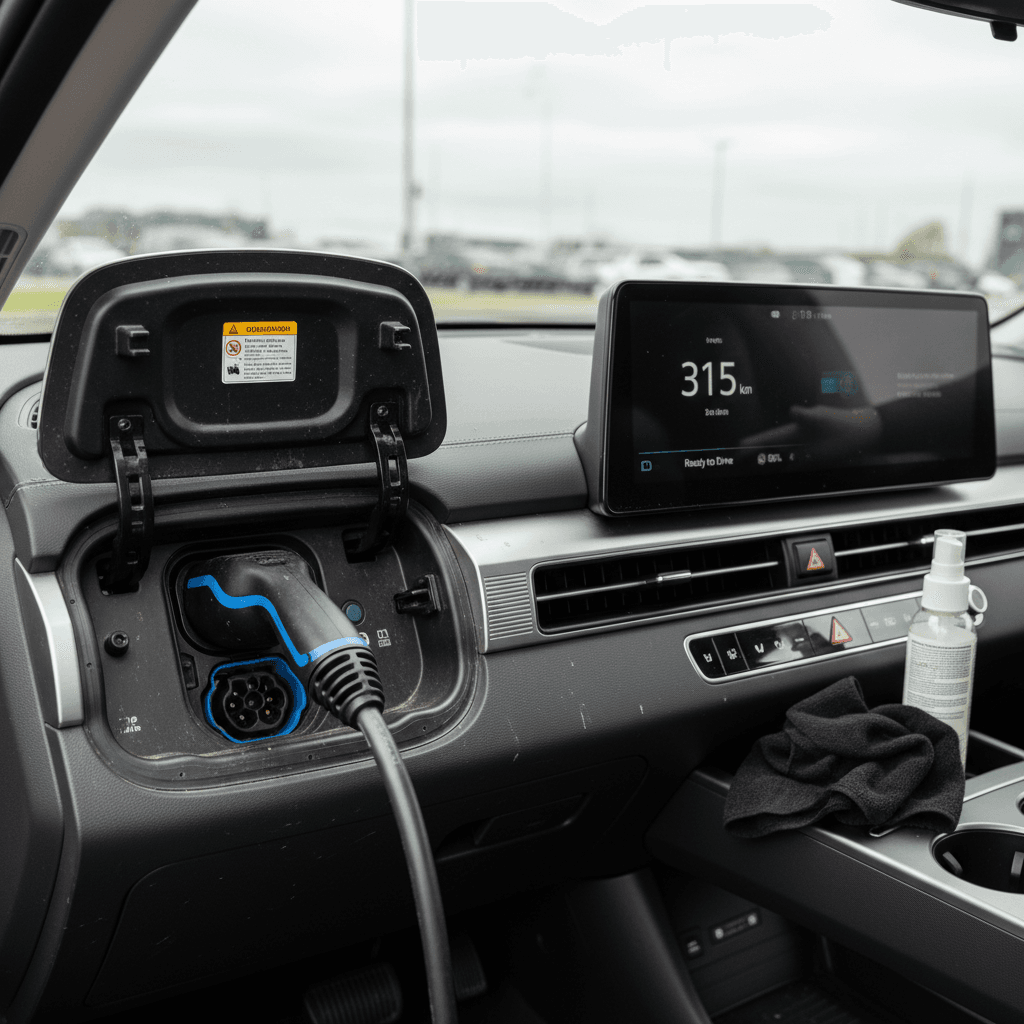
An Ioniq 6 buyer isn’t just buying a car; they’re buying a lithium‑ion chemistry experiment someone parked in the driveway for a few years. The good news: Hyundai’s high‑voltage pack is covered by a 10‑year / 100,000‑mile battery warranty on recent U.S. models, and the E‑GMP platform it rides on has proven fairly robust. The bad news: every anxious would‑be buyer has read at least one horror‑story forum thread. You defuse that anxiety by being specific and transparent.
How to Prove Your Ioniq 6 Has a Healthy Battery
Data beats vibes, especially with EVs.
Screen‑shot your range
Charge to 100% a couple of times and grab photos of the indicated range under your normal drive profile. Buyers want to see real‑world numbers, not just EPA stickers.
Pull service & charging history
Export or print service records, especially any work involving the high‑voltage battery or charging system. Note if you mostly charged at home vs relying on DC fast charging.
Highlight remaining warranty
Spell out, in your listing, how many years and miles remain on the battery and powertrain warranties. This is one of Hyundai’s superpowers, use it.
What Recharged’s battery health report adds
Step 4: Choose How to Sell – Trade-In, Instant Offer, Consign or Private
There’s no single “right” way to sell a Hyundai Ioniq 6. There’s only what’s right for your risk tolerance, time, and appetite for dealing with strangers in supermarket parking lots. Think of the options on a spectrum from hands‑off to hands‑on.
Lower hassle, lower upside
- Dealer trade‑in: Easiest path if you’re already buying another car. Expect the lowest number but minimal effort.
- Instant offer platforms: Enter your VIN and photos, get a firm cash offer. Fast, predictable, often a touch better than trade‑in.
- Recharged instant offer or consignment: You can get an instant offer or have Recharged help you market and sell the car while you keep driving it, with EV‑specialist support baked in.
Higher hassle, higher upside
- Private sale: You set the price, screen buyers, arrange test drives, and manage paperwork. Done right, this often nets the most money.
- Hybrid strategy: Get instant offers first to establish a floor, then try private sale at a modest premium for a couple of weeks. If it doesn’t move, you still have the fallback.
Where Recharged fits in
Ready to find your next EV?
Browse VehiclesStep 5: Prepare Your Ioniq 6 to Show Well
Cosmetics still matter, even in a world of over‑the‑air updates. The Ioniq 6 already looks like a design study that escaped the auto show stand. Your job is to make it look less like a rideshare veteran and more like a glossy press photo.
Pre‑Sale Prep Checklist for Hyundai Ioniq 6 Owners
1. Deep clean inside and out
Get a full detail or put in a serious weekend: wash, clay, wax, vacuum, steam‑clean carpets, clean crevices around the floating console and seat rails. Smells and crumbs kill value.
2. Fix cheap cosmetic issues
Touch up curb‑rashed wheels, replace missing aero caps, repair small windshield chips, and address paint scuffs where a quick buff will do. Skip huge bodywork bills you won’t recoup.
3. Resolve warning lights
No one wants to inherit a glowing dash. If the car has any active warnings, especially EV‑system or charging errors, get them diagnosed and document the fix before you list.
4. Service and software up to date
Make sure routine maintenance is current and any software or recall updates are done. Have receipts handy. If the car is still under warranty, call that out in your listing.
5. Gather all accessories
Include both keys, the portable charging cable, cargo cover, floor mats, and any adapters. A well‑equipped handoff makes your Ioniq 6 look cared‑for and “ready to live with.”
6. Stage the state of charge
For showings and test drives, aim for 60–80% battery charge. It reassures buyers and lets them sample real‑world consumption without range anxiety.
Step 6: Create a Compelling Listing That Actually Sells
An Ioniq 6 listing lives or dies on clarity. Most shoppers have at least a fuzzy sense that EV values have been chaotic. You reassure them with specifics: exact trim, options, range, warranty, battery story, and charging experience. Bland, generic ads are where cars go to sit for 90 days and go stale.
What to Include in Your Ioniq 6 Listing
If it would matter to you as a buyer, it belongs in the ad.
Clear spec sheet
Spell out year, trim (SE Standard Range, SEL, Limited, etc.), drivetrain (RWD or AWD), battery size, color, and major options. Don’t make buyers decode your VIN.
Real‑world range & charging
Share the range you typically see at 80–100% and your charging routine (home Level 2, public DC fast charging, etc.). Explain how long a typical charge takes at home.
Battery & warranty details
Include remaining battery and powertrain warranty in both years and miles, plus any battery health documentation, such as a Recharged Score Report.
- High‑quality photos taken in daylight from all angles, including close‑ups of wheels, seats, touchscreen, and charge port.
- Full transparency about accidents, repairs, and any lingering quirks (e.g., minor squeaks, infotainment glitches).
- A realistic, defensible asking price that lines up with your earlier research, and room for a small negotiation buffer.
- A firm but friendly note on test‑drive expectations (valid license, proof of funds, you ride along, etc.).
Shoot your car like you’re selling a house
Step 7: Test Drives, Payment, and Paperwork
Once the listing is live, the human‑factors portion of the sale begins. Your goal is simple: make it easy for serious buyers to say yes, without putting yourself or your car at risk.
Safe & Sane Test‑Drive Playbook
1. Pre‑screen with polite questions
Before meeting, ask how they plan to pay, whether they’ve driven EVs before, and if they have a home charging plan. Serious buyers won’t be offended.
2. Meet in a public, well‑lit place
Pick a busy parking lot or your bank’s lot for initial meetups. Bring a friend if possible. For private buyers, keep home addresses off the table until the deal is nearly done.
3. Ride along on test drives
You stay in the passenger seat, set a clear route (mix of city and highway), and let them experience regen modes, lane‑keeping, and one‑pedal driving without abuse.
4. Use secure payment methods
For larger sums, prefer wire transfers or completing the transaction at the buyer’s bank or your bank. Avoid personal checks; be extremely cautious with cashier’s checks.
5. Close the loop with paperwork
Sign the title correctly, complete the bill of sale per your state, remove your plates if required, and immediately submit release‑of‑liability or notice of transfer forms.
Watch for EV‑specific red flags
Pros and Cons of Each Way to Sell an Ioniq 6
Ways to Sell a Hyundai Ioniq 6: Head‑to‑Head
Use this comparison to pick the method that matches your priorities.
| Method | Typical Seller | Main Upside | Main Downside |
|---|---|---|---|
| Dealer trade‑in | Already buying another car | Fastest path; numbers folded into new‑car deal | Lowest value for a model that already depreciates quickly |
| Instant cash offer | Needs cash, not another car | Clear floor price, fast payout, no strangers from the internet | You leave some money on the table vs. private sale |
| Recharged consignment / marketplace | Wants high value with expert help | EV‑specialist support, battery health report, nationwide buyer pool | Takes a bit more time than an instant sale |
| Private sale | Maximizer with flexible schedule | Highest possible sale price if you execute well | You do everything: listing, screening, test drives, paperwork |
Money, time, and stress: you usually get to pick two.
FAQ: Selling a Hyundai Ioniq 6
Frequently Asked Questions About Selling an Ioniq 6
Bottom Line: How to Sell Your Hyundai Ioniq 6 Smartly
Selling a Hyundai Ioniq 6 in 2026 means navigating an EV market that’s still finding its price floor. You can’t change macroeconomics, but you can absolutely control how your car shows up in that market: smart timing, honest pricing, clear battery‑health proof, and a polished presentation will move an Ioniq 6 faster and for more money than a tired, vague listing ever will.
If you want to DIY, use the steps in this guide as your checklist from first valuation to final signature. If you’d rather have help, Recharged can step in with instant offers, expert valuation, a Recharged Score battery report, and marketplace or consignment options that keep things simple while still respecting what your car is worth. Either way, an Ioniq 6 that’s clean, documented, and fairly priced is far from doomed, it’s exactly what the next EV owner has been waiting for.