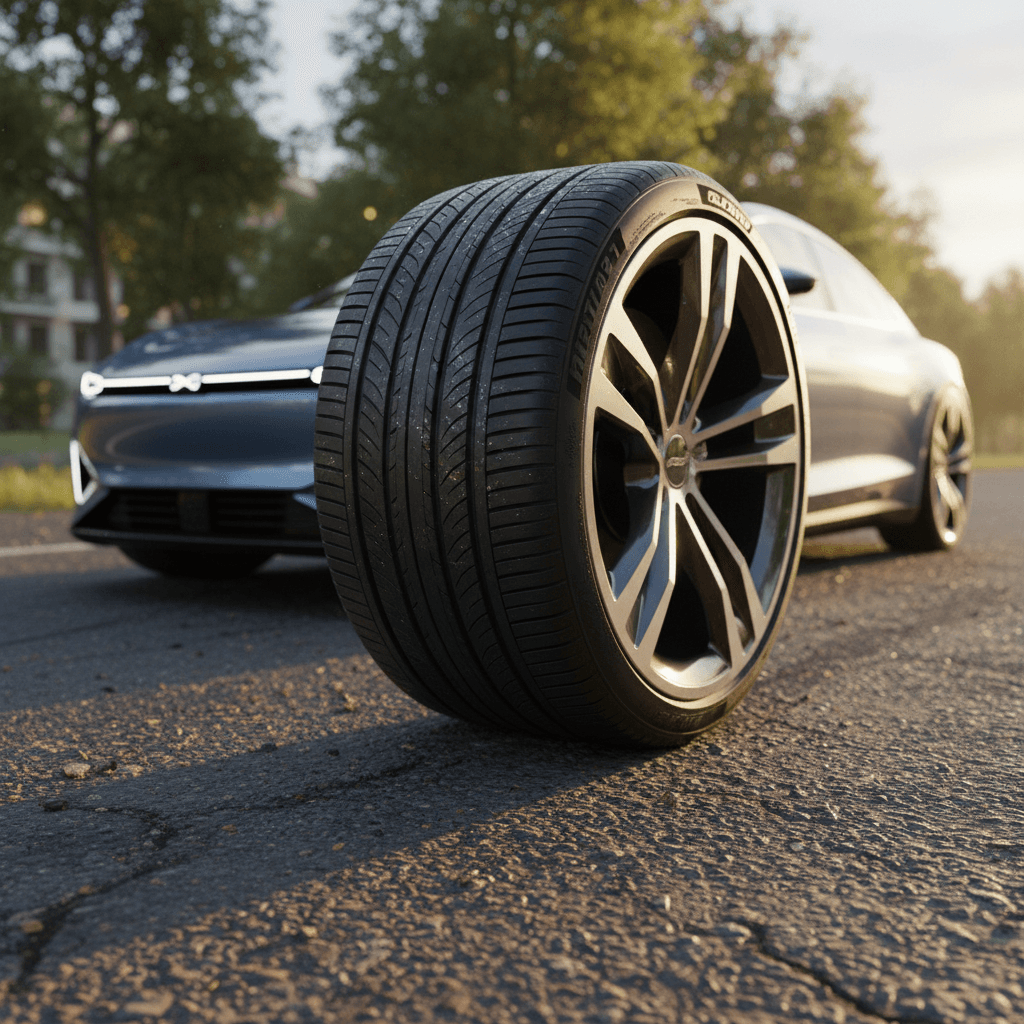
The best tires for EV cars do more than keep you glued to the road. The right set can quietly add miles to your range, tame the extra weight of a battery pack, and keep that calm, electric hush inside the cabin. The wrong set can chew themselves to bits 20% faster, roar on the highway, and steal precious miles from every charge.
Quick Take
Why EVs Need Special Tires
If you’ve just moved into an EV, or you’re shopping a used one on Recharged, it’s easy to think, “Rubber is rubber. Any tire will do.” But EVs ask more of their tires than gas cars ever did. Battery packs add hundreds of pounds, and electric motors deliver full torque from a standstill. That combination can scrub tread off in a hurry if the tire isn’t built for it.
- Extra weight: Many EVs weigh 15–30% more than similar gas cars, so tires carry more load every mile.
- Instant torque: That right-now shove you love from an EV twists the tread harder under acceleration.
- Less coasting: Regenerative braking means your tires are either being driven or slowed, with less relaxed rolling in between.
- Quiet cabins: With no engine noise to hide behind, tire roar is suddenly the loudest voice in the car.
Expect Faster Wear
Key Features of the Best EV Tires
The best tires for EV cars take the traditional tire engineer’s “magic triangle”, wear, grip, and rolling resistance, and stretch it as far as modern rubber chemistry will allow. When you’re comparing options, focus less on the marketing names and more on these core traits.
What to Look For in EV Tires
Four characteristics matter most for electric cars and SUVs.
Low Rolling Resistance
High Load Rating
Noise-Reduction Tech
Traction & Braking
Match, or Exceed, OEM Specs
Best All-Season Tires for EV Cars
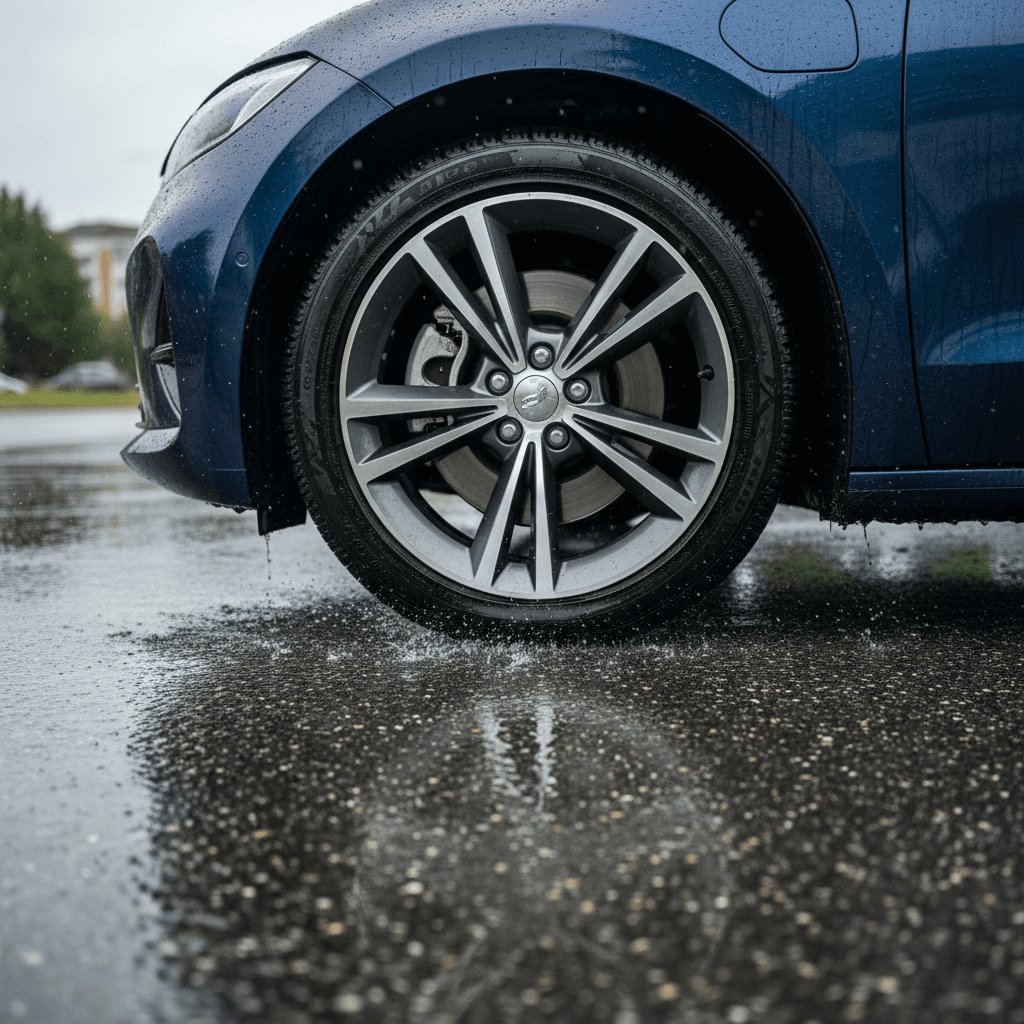
All-season tires are where most EV drivers in the U.S. will spend their time. The best ones balance efficiency, wet traction, tread life, and quietness. Exact availability varies by size, but these models are standouts on today’s market and frequent choices as original equipment or replacements on EVs.
Top All-Season Tires for EV Cars and Crossovers
Representative options commonly recommended for electric cars and compact/midsize SUVs. Always confirm fitment and load rating for your specific vehicle.
| Tire | Best For | Notable Strengths | Watch For |
|---|---|---|---|
| Michelin e.Primacy / Pilot Sport EV | Balanced everyday use | Low rolling resistance, strong wet braking, good tread life | Premium price; performance focus can stiffen ride on rough roads |
| Goodyear ElectricDrive / ElectricDrive GT | Daily commuting, mixed weather | EV‑specific construction, good comfort, solid wet grip | Limited sizes compared with legacy lines |
| Bridgestone Turanza EV | Comfort-oriented EVs | Very composed ride, good efficiency, tuned for quiet cabins | More touring than sporty; not a winter specialist |
| Continental EcoContact / UltraContact lines | Range-conscious drivers | Strong efficiency and predictable handling | Some sizes lean toward firmer feel |
| Falken e.Ziex | Value with range in mind | Excellent rolling resistance in independent tests, good projected range | Not as widely stocked at every tire shop |
Examples of popular EV-friendly all-season tires in 2025.
Everyday Recommendation
Best Performance Tires for Sporty EVs
If you’re driving something with a "Performance" badge, or you simply enjoy back‑road sprints, you’ll want tires that keep up with instant torque and high curb weight. Ultra‑high‑performance EV tires trade a bit of efficiency and tread life for grip and steering feel.
Popular Performance-Focused EV Tire Families
For dual‑motor sedans, hot hatches, and lively crossovers.
Michelin Pilot Sport EV
Pirelli P Zero (Elect)
Continental SportContact EV-Oriented Sizes
Performance vs. Range
Best Winter Tires for EVs
Winter is where EV‑specific engineering really earns its keep. You’re asking the tire to manage cold‑stiffened rubber, heavy curb weight, and strong regen on slick surfaces. Dedicated winter tires with EV‑friendly compounds and constructions give you shorter stops and more confidence when the temperature drops.
Standout Winter Tires for Electric Vehicles
Representative winter tires frequently recommended for EVs in snow‑belt regions.
| Tire | Type | Best For | Highlights |
|---|---|---|---|
| Nokian Hakkapeliitta 10 EV | Studded | Severe ice and packed snow | EV‑specific studded tire with strong ice braking and robust construction for heavier vehicles. |
| Michelin X‑Ice Snow / Pilot Alpin 5 SUV | Studless | Mixed winter conditions | Excellent grip on snow and slush with good road manners; popular with electric SUVs. |
| Bridgestone Blizzak LM005 | Studless | Wet, slushy winters | Strong wet‑road traction and confident snow handling; a favorite in regions with frequent thaw‑freeze cycles. |
| Pirelli Winter Sottozero 3 Elect | Studless | Performance EVs | "Elect" versions tuned for EV weight and power, with emphasis on precise steering and traction in cold, wet conditions. |
Select winter tire lines with EV-appropriate construction and strong snow/ice performance.
Don’t Rely on All-Seasons in Real Winter
How Tires Affect EV Range and Noise
On an internal‑combustion car, you can sometimes mask a noisy, inefficient tire with engine sound and a bigger fuel tank. In an EV, you feel and hear everything. That’s why an EV on the wrong tires can suddenly feel louder and show fewer miles on the guess‑o‑meter after a tire swap.
Range: Rolling Resistance Matters
- Low rolling resistance tires reduce the energy needed to maintain speed.
- Independent tests routinely show 5–10% range swings between the most and least efficient tires in the same size.
- On a 300‑mile EV, that can mean roughly 15–30 miles gained or lost per charge.
- Higher pressures (within spec) and proper alignment help any tire perform closer to its efficiency potential.
Noise: Foam Liners & Tread Design
- EV‑branded tires often include an acoustic foam liner inside the carcass.
- That foam damps the hollow “drum” sound of the tire cavity, a big contributor to highway noise.
- Closed shoulder blocks and carefully staggered tread blocks further cut hum and whine.
- If your current EV suddenly got louder after a tire change, odds are your new set lacks those EV‑specific tricks.
Watch Real-World Owner Reviews
EV Tire Longevity and When to Replace
There’s no single mileage number that fits every EV. Aggressive driving, heavy SUVs, frequent fast starts, and poor alignment can melt tires quickly. Still, most owners see something like 20,000–40,000 miles from a good EV‑oriented all‑season, with performance tires usually on the lower end and careful drivers stretching beyond that.
EV Tire Wear at a Glance
Signs It’s Time to Replace Your EV Tires
1. Tread Depth at 4/32" or Less
On an EV, you’ll really feel the loss of wet and snow grip as the tread drops below about 4/32". At 2/32", you’re at the legal minimum, too little for safe wet stopping.
2. Uneven Wear Patterns
Feathered edges, inside‑only wear, or cupping tell you there’s an alignment or suspension issue. Fix the cause before you burn through a fresh set.
3. Noticeably Longer Braking Distances
If your EV’s driver‑assist systems are intervening more often, or stops feel stretched out on wet roads, your tires may be aging out even if there’s some tread left.
4. New Vibration or Noise
A sudden shimmy, thump, or growl could indicate a belt separation or damage from a pothole. On a heavy EV, that can worsen quickly, have it inspected promptly.
Used EV Tip
EV Tire Buying Checklist
Tire shopping can feel like alphabet soup, XL, HL, M+S, 3PMSF, Elect, EV… To keep it simple, walk through this short checklist before you click “buy” or sign the work order at your local shop.
Step-by-Step EV Tire Buying Guide
1. Confirm Size, Load, and Speed Ratings
Use your door‑jamb placard and owner’s manual as the rulebook. Your new tires should match size and equal or exceed the OEM load and speed ratings.
2. Decide Your Priority: Range, Grip, or Longevity
If you road‑trip and hypermile, favor low rolling resistance. If you drive a performance EV, prioritize grip. If you rack up highway miles, look for strong treadwear warranties.
3. Choose Season Strategy
Live in a mild climate? An EV‑friendly all‑season may be enough. Snowbelt or mountain driving? Plan on a dedicated winter set and efficient all‑seasons for the rest of the year.
4. Look for EV-Specific Markings
Phrases like "EV," "Elect," or "ElectricDrive" usually mean the tire was engineered with higher loads, instant torque, acoustic foam, and efficiency in mind.
5. Ask About Alignment and Rotation
When you install new tires, request a fresh alignment. Then set a reminder to rotate every 5,000–7,500 miles, many shops include free rotations with purchase.
6. Set a Realistic Budget
EV‑specific tires often cost more than basic all‑seasons, but they can save money over time through longer life, better range, and fewer noisy surprises at highway speed.
Frequently Asked Questions About EV Tires
EV Tire FAQ
Bottom Line: Picking the Best Tires for Your EV
The best tires for EV cars aren’t a luxury, they’re part of making the whole electric experience work the way it was meant to. A good EV‑tuned all‑season will stretch your range, settle your ride, and stand up to the weight and torque of everyday driving. Pair that with a dedicated winter set if you live where snow lingers and you’ll unlock the kind of confidence and comfort that makes you forget about what’s under the floorpan and just enjoy the drive.
If you’re already shopping for a used EV, or planning your next one, think of tires as a key line item, right alongside battery health and charging access. At Recharged, every vehicle comes with a Recharged Score and expert guidance so you understand the battery and overall condition before you buy, and you can plan upgrades like tires with eyes wide open. Get those three pillars right, battery, tires, and charging, and you’ll have an EV that feels sharp, safe, and ready for every mile ahead.